Category: Uncategorized

1. Introduction: Why Visit Morocco in April?
Morocco in april

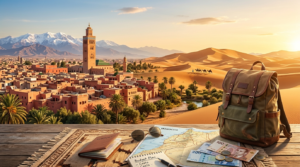
April is one of the most enjoyable months to explore Morocco. As spring arrives, the country comes alive with pleasant temperatures, green landscapes, blooming gardens, and longer sunny days. From the colorful streets of Marrakech to the peaceful beaches of Essaouira and the golden dunes of the Sahara Desert, this season offers excellent opportunities to discover Morocco’s diverse beauty.

One of the biggest advantages of visiting during this month is the comfortable weather. Unlike the intense summer heat, spring generally brings mild daytime temperatures in many popular destinations, making sightseeing, walking through historic medinas, and enjoying outdoor activities much more pleasant.

Travelers can experience several different sides of the country in a single trip. You might spend the morning exploring the traditional markets of Marrakech, enjoy a scenic journey through the Atlas Mountains, and finish your adventure with an unforgettable sunset over the Sahara Desert.

Another reason to consider a spring holiday is the variety of experiences available. April is an excellent period for cultural exploration, mountain excursions, coastal escapes, photography, and desert adventures. Nature lovers can also enjoy the beautiful countryside, where spring vegetation creates attractive scenery in several regions.

However, conditions are not identical everywhere. Coastal cities can be breezy, mountain areas may remain cool, and desert destinations often experience significant temperature differences between daytime and nighttime. Understanding these regional differences will help you prepare for a comfortable journey.

Whether you are planning your first Moroccan holiday, a romantic getaway, a family vacation, or a longer adventure across the country, April offers a wonderful balance of comfortable sightseeing conditions and diverse travel experiences.

In this guide, you will discover what to expect from the weather, which destinations deserve a place on your itinerary, what clothes to pack, how much to budget, and the best activities to enjoy during your spring adventure.

By the end, you will have the information needed to plan an unforgettable Moroccan holiday and make the most of everything the country has to offer.

2. Morocco Weather in April: What to Expect

Spring is one of the most attractive seasons to explore Morocco, and April usually brings a pleasant combination of sunshine, mild temperatures, and occasional rainfall. Across much of the country, the weather becomes warmer and more comfortable, creating excellent conditions for sightseeing, outdoor adventures, and discovering traditional Moroccan cities.

One of the main advantages of traveling during this month is that visitors can enjoy outdoor activities without dealing with the extreme heat that often arrives during summer. Walking through historic medinas, visiting ancient monuments, exploring mountain villages, and enjoying outdoor cafés are generally more comfortable.

However, Morocco has several different climate regions. Weather conditions can change considerably depending on whether you are visiting the Atlantic coast, northern cities, inland destinations, the Atlas Mountains, or the Sahara Desert.

Sunny Days and Comfortable Temperatures

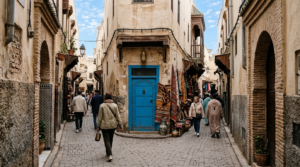
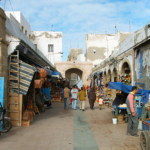
Many popular destinations experience warm afternoons and relatively cool mornings. Cities such as Marrakech, Fes, and Meknes often enjoy plenty of sunshine, making April an attractive period for exploring their historical attractions and lively markets.

Daytime temperatures in inland cities commonly reach the low to mid-20s°C, although warmer days are possible. Evenings are usually cooler, so carrying a light jacket or sweater is a good idea.

Occasional Rainfall During Spring

Although April is generally a pleasant month, occasional rain showers are still possible, particularly in northern Morocco and some mountainous regions.

Rainfall is usually not a major obstacle to travel, but it is worth checking the forecast before planning long excursions. A lightweight waterproof jacket or compact umbrella can be useful.

Spring rainfall can also make the countryside particularly beautiful. Green hills, flowering plants, and fresh mountain scenery create wonderful opportunities for photography and nature excursions.

Coastal Weather: Cooler and Windier Conditions

Morocco’s Atlantic coastline has a different atmosphere from the warmer inland cities.

Destinations such as Essaouira, Agadir, and Casablanca often experience refreshing ocean breezes. Temperatures are generally moderate, and the Atlantic water can still feel cold for swimming.

Agadir is usually warmer and sunnier than many northern coastal destinations, making it an appealing choice for travelers looking for a relaxing beach holiday.

Desert Weather: Warm Days and Cool Nights

The Sahara Desert is another destination worth considering during spring.

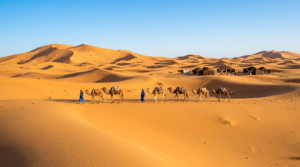
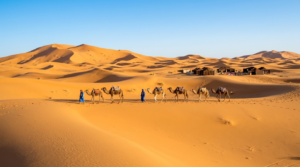
Around Merzouga and Erg Chebbi, daytime conditions are often warm and suitable for camel rides, photography, and desert excursions. However, temperatures can drop considerably after sunset.

If you are planning an overnight desert camp, pack warm clothing for the evening, especially if you intend to spend time outdoors watching the stars.

Mountain Weather: Cooler Conditions at Higher Altitudes

The Atlas Mountains offer a completely different spring experience.

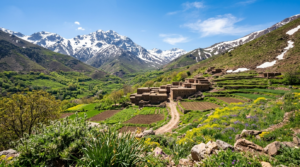
Lower mountain valleys may enjoy pleasant temperatures, while higher elevations remain considerably cooler. Snow can sometimes persist on the highest peaks during April.

Travelers planning hiking trips should bring comfortable walking shoes, warm layers, and weather-appropriate clothing.

Is April Weather Reliable for Traveling Around Morocco?

Generally, April offers favorable conditions for a multi-destination holiday, but visitors should avoid assuming that every region will have identical weather.

A successful itinerary should account for the differences between inland cities, coastal destinations, mountain areas, and desert landscapes.

The best approach is to dress in layers, check local forecasts, and allow some flexibility when organizing outdoor activities.

Overall, spring provides an excellent opportunity to experience Morocco’s cultural attractions and natural landscapes while enjoying generally comfortable conditions for exploring the country.

3. Average Temperatures Across Morocco in April

Understanding regional temperatures is essential when planning a spring holiday in Morocco. Although April generally brings comfortable weather, temperatures can vary significantly depending on the destination, altitude, and distance from the Atlantic Ocean or Mediterranean Sea.

Inland cities often experience warmer afternoons, coastal destinations remain relatively mild, and mountain areas can be considerably cooler. The Sahara Desert, meanwhile, offers warm daytime conditions followed by chilly nights.

Knowing what to expect will help you choose the right destinations, prepare your luggage, and organize outdoor activities.

Marrakech: Warm and Sunny Spring Days

Marrakech is one of the most popular destinations during spring. In April, daytime temperatures commonly range between 23°C and 27°C (73°F–81°F), while nighttime temperatures can fall to approximately 11°C–14°C (52°F–57°F).

These conditions are ideal for exploring Jemaa el-Fna Square, visiting the Bahia Palace, discovering traditional souks, and enjoying outdoor restaurants.

The afternoons can occasionally become warmer, so sightseeing earlier in the morning is a good idea.

Fes: Pleasant Days and Cooler Evenings

Fes generally experiences comfortable spring temperatures, with daytime highs around 20°C–24°C (68°F–75°F). Nighttime temperatures often fall to approximately 9°C–12°C (48°F–54°F).

The pleasant daytime conditions make it easier to explore the historic medina, visit traditional workshops, and discover the city’s impressive architectural heritage.

A light jacket is recommended for evenings and early mornings.

Casablanca: Mild Coastal Temperatures

Casablanca benefits from its Atlantic Ocean location, which helps moderate temperatures throughout the year.

In April, daytime temperatures are commonly around 19°C–22°C (66°F–72°F), while nighttime temperatures generally range between 12°C and 15°C (54°F–59°F).

The city is suitable for coastal walks, sightseeing, and discovering attractions such as the Hassan II Mosque.

Visitors should also prepare for occasional ocean breezes and cloudy periods.

Agadir: Comfortable Weather for a Beach Holiday

Agadir is an excellent destination for travelers looking for sunshine and relaxing coastal experiences.

April daytime temperatures commonly reach approximately 22°C–25°C (72°F–77°F), while nighttime temperatures are usually around 13°C–16°C (55°F–61°F).

The pleasant conditions are ideal for walking along the beach promenade, visiting the marina, enjoying outdoor cafés, and exploring nearby coastal attractions.

Although the weather is generally suitable for beach activities, the Atlantic Ocean can still feel cool for swimming.

Chefchaouen: Fresh Mountain Air

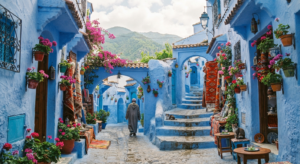
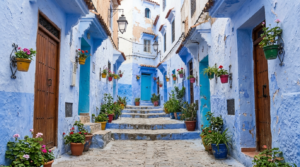
Chefchaouen, famous for its beautiful blue streets and mountain surroundings, generally experiences cooler spring weather.

Daytime temperatures are often around 17°C–21°C (63°F–70°F), while nights can drop to approximately 8°C–11°C (46°F–52°F).

April is a lovely time to photograph the blue medina, explore the surrounding mountains, and enjoy the peaceful atmosphere of this northern Moroccan town.

Merzouga: Warm Desert Afternoons

Merzouga offers a very different temperature experience.

During April, daytime temperatures can reach approximately 25°C–30°C (77°F–86°F), while nighttime temperatures may fall to around 12°C–16°C (54°F–61°F).

These conditions make spring an attractive period for camel trekking, exploring Erg Chebbi’s golden dunes, and spending a night in a traditional desert camp.

Remember to bring warm clothing for after sunset.

Atlas Mountains: Cooler Temperatures at Higher Elevations

The Atlas Mountains experience lower temperatures than many Moroccan cities because of their elevation.

In lower mountain villages, daytime temperatures may range between 12°C and 20°C (54°F–68°F), depending on altitude and local conditions. Nights can be considerably colder.

Higher elevations may still experience snow and freezing temperatures, so hikers should prepare carefully.

Average April Temperatures by Destination

The following table provides approximate planning ranges rather than guaranteed daily temperatures.

Destination Daytime Nighttime
Marrakech 23–27°C 11–14°C
Fes 20–24°C 9–12°C
Casablanca 19–22°C 12–15°C
Agadir 22–25°C 13–16°C
Chefchaouen 17–21°C 8–11°C
Merzouga 25–30°C 12–16°C
Atlas Mountains 12–20°C 3–10°C

Note: These are approximate climate-planning ranges. Actual temperatures vary from year to year, and mountain conditions depend heavily on elevation.

Which Moroccan Destination Is Warmest in April?

Merzouga and other southeastern desert destinations are generally among the warmest places during the day. Marrakech and Agadir also offer comfortable temperatures, making them popular choices for spring visitors.

If you prefer cooler weather, Chefchaouen, Casablanca, and higher Atlas Mountain locations may be more suitable.

Choosing destinations with different climates can make your trip more enjoyable and allow you to experience several sides of Morocco in one holiday.

4. Is April a Good Time to Visit Morocco?

Yes, April is one of the best months to visit Morocco, especially for travelers who want to explore the country’s cities, mountains, beaches, and desert landscapes without experiencing the intense summer heat.

Spring brings pleasant temperatures to many regions, longer daylight hours, and beautiful natural scenery. Whether you are interested in cultural sightseeing, outdoor adventures, relaxing beach holidays, or discovering traditional Moroccan villages, this month offers plenty of opportunities.

However, the best travel experience depends on your destination, personal preferences, and the activities you want to enjoy.

1. Comfortable Weather for Exploring Cities

One of the biggest reasons to plan a spring holiday is the generally comfortable weather.

Popular destinations such as Marrakech, Fes, Rabat, and Meknes usually experience pleasant daytime conditions. This makes exploring historic monuments, traditional markets, gardens, and narrow medina streets more enjoyable.

Unlike the hottest summer months, visitors can often spend several hours outdoors without dealing with extreme temperatures.

2. Excellent Conditions for Sahara Desert Adventures

Spring is an attractive season for discovering the Moroccan Sahara.

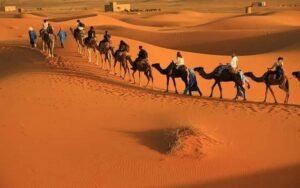
Around Merzouga and Erg Chebbi, daytime conditions are generally suitable for camel trekking, 4×4 excursions, sandboarding, and overnight desert camping.

You can enjoy spectacular sunsets over the dunes and experience the peaceful atmosphere of the desert after dark.

Remember that desert evenings can be chilly, so bringing an extra layer of clothing is important.

3. Beautiful Spring Landscapes

Another advantage of traveling during this period is the opportunity to discover Morocco’s natural beauty.

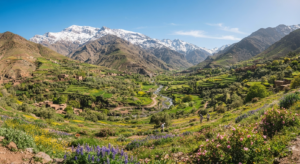
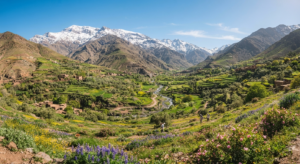
Following winter rainfall, many valleys and rural landscapes can appear greener, particularly in the Atlas Mountains and northern regions.

Visitors may enjoy:

  • Beautiful mountain scenery and traditional villages.
  • Flowering gardens and green countryside.
  • Scenic road trips through valleys and mountain passes.
  • Photography opportunities in natural landscapes.

The scenery can make spring particularly rewarding for nature lovers and photographers.

4. Ideal for Outdoor Activities

The generally mild weather creates excellent opportunities for outdoor experiences.

Depending on your destination, you can enjoy hiking in the Atlas Mountains, walking through historic medinas, cycling around rural areas, exploring coastal promenades, or taking guided excursions to traditional villages.

For adventurous travelers, spring offers a comfortable alternative to the hotter summer season.

5. Enjoy Morocco’s Beaches and Coastal Cities

Although the Atlantic Ocean may still be cool for swimming, Morocco’s coastal destinations remain attractive during spring.

Agadir is a popular choice for sunshine, beach walks, restaurants, and relaxing seaside experiences.

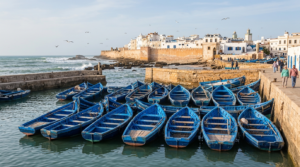
Essaouira offers a different atmosphere, with its historic medina, fishing port, traditional architecture, and refreshing ocean winds.

These destinations are especially appealing if you prefer mild temperatures rather than intense heat.

6. A Great Season for Cultural Experiences

Spring is also a wonderful opportunity to discover Morocco’s rich cultural heritage.

You can visit historic palaces, explore ancient mosques from the outside where appropriate, discover traditional craftsmanship, and experience the atmosphere of local markets.

Cities such as Marrakech and Fes offer particularly rewarding cultural experiences, with their historic architecture, traditional food, and lively streets.

You can also enjoy Moroccan cuisine at outdoor restaurants and discover regional specialties throughout your journey.

Are There Any Disadvantages to Visiting in April?

Although April has many advantages, there are a few things worth considering before booking your trip.

Occasional rainfall: Some regions, particularly in northern Morocco and the mountains, can experience spring showers.

Different regional temperatures: A warm afternoon in Marrakech does not mean equally warm conditions in Chefchaouen or the Atlas Mountains.

Cool desert nights: Travelers staying overnight in the Sahara should prepare for lower temperatures after sunset.

Coastal winds: Essaouira and other Atlantic destinations can be breezy, even when the sunshine is pleasant.

Travel demand: Popular destinations and accommodation can become busy during school holidays and major travel periods. Booking in advance is advisable.

Is April Better Than Summer for Visiting Morocco?

For many travelers, spring is more comfortable than summer, particularly when the itinerary includes several inland destinations.

During summer, temperatures in places such as Marrakech and the Sahara can become extremely high. April generally provides more comfortable conditions for walking, sightseeing, and outdoor excursions.

However, summer may be preferable for travelers who enjoy hot weather and want to spend more time at the beach.

Final Verdict: Should You Visit Morocco in April?

Absolutely! April offers an excellent balance of comfortable weather, cultural experiences, outdoor adventures, and beautiful landscapes.

It is particularly suitable for first-time visitors who want to explore several destinations during one holiday.

Whether you choose Marrakech, Fes, Chefchaouen, Agadir, Essaouira, or the Sahara Desert, spring provides plenty of opportunities to discover the country’s unique atmosphere.

With suitable clothing, a flexible itinerary, and a little preparation, you can enjoy a memorable Moroccan adventure.

5. Best Places to Visit in Morocco During April

One of the biggest advantages of traveling to Morocco during spring is the opportunity to discover several different destinations in one trip. From lively imperial cities and peaceful blue villages to golden desert dunes and beautiful Atlantic beaches, the country offers an incredible variety of experiences.

April is particularly suitable for exploring different regions because temperatures are generally comfortable in many popular destinations. You can spend a few days discovering historical attractions, enjoy scenic mountain landscapes, and finish your journey with a relaxing coastal escape.

If you are planning your itinerary, here are some of the best places to include in your Moroccan adventure.

1. Marrakech: Discover Morocco’s Red City

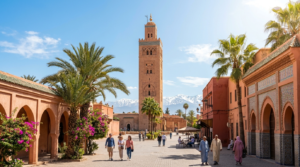
<escape>Marrakech</escape> is one of the most exciting destinations to visit during spring. Famous for its red-colored buildings, traditional souks, beautiful gardens, and lively atmosphere, the city offers an unforgettable introduction to Moroccan culture.

April is an excellent time to explore its outdoor attractions without the intense summer heat.

Some of the best experiences include:

  • Visiting Jemaa el-Fna Square and experiencing its lively atmosphere.
  • Exploring the beautiful Bahia Palace.
  • Discovering the colorful traditional souks.
  • Relaxing in the peaceful Majorelle Garden.
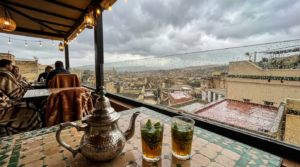
  • Enjoying traditional Moroccan food in a rooftop restaurant.

Marrakech is also an excellent starting point for excursions to the Atlas Mountains, Ourika Valley, and nearby desert destinations.

2. Fes: Explore Morocco’s Historic Heritage

<escape>Fes</escape> is one of the country’s most fascinating cultural destinations. Its ancient medina, traditional workshops, historic architecture, and narrow streets offer a glimpse into centuries of Moroccan history.

The comfortable spring conditions make walking through the old city more enjoyable.

During your visit, consider exploring:

  • Fes el-Bali, the famous historic medina.
  • Al Quaraouiyine Mosque and University, viewed according to visitor access rules.
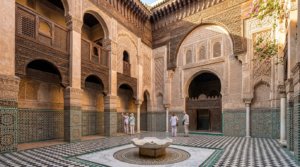
  • Bou Inania Madrasa.
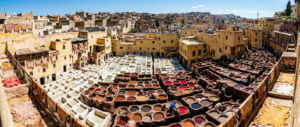
  • The traditional Chouara Tannery viewpoints.
  • The impressive Royal Palace gates.

Fes is particularly rewarding for travelers interested in history, architecture, traditional crafts, and authentic Moroccan experiences.

3. Merzouga: Experience the Magic of the Sahara Desert

<escape>Merzouga</escape> is an essential destination for travelers dreaming of experiencing the Sahara Desert.

Located in southeastern Morocco, this small desert town is famous for the spectacular Erg Chebbi dunes, where enormous golden sand formations create an unforgettable landscape.

Spring is a particularly attractive season for desert adventures because daytime temperatures are generally more manageable than during summer.

Popular experiences include:

  • Camel trekking across the golden dunes.
  • Watching the sunset over Erg Chebbi.
  • Spending a night in a traditional desert camp.
  • Enjoying traditional Berber music around a campfire.
  • Exploring the desert landscape by 4×4 vehicle.
  • Watching the stars in the peaceful nighttime sky.

If you are planning an overnight experience, remember to bring warmer clothing because desert temperatures can fall after sunset.

4. Chefchaouen: Discover the Famous Blue City

<escape>Chefchaouen</escape> is one of Morocco’s most photogenic destinations.

Nestled in the Rif Mountains, this charming town is famous for its blue-painted streets, traditional houses, colorful doors, and peaceful atmosphere.

Spring adds another beautiful dimension to the experience, with fresh mountain scenery and pleasant conditions for walking.

Some wonderful activities include:

  • Photographing the famous blue streets.
  • Exploring the historic medina.
  • Visiting the Spanish Mosque viewpoint.
  • Discovering local handicraft shops.
  • Enjoying traditional Moroccan mint tea.
  • Exploring nearby mountain trails.

Chefchaouen is an excellent destination for couples, photographers, and travelers looking for a relaxing escape.

5. Essaouira: Enjoy Morocco’s Atlantic Coast

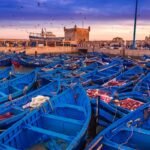
<escape>Essaouira</escape> offers a completely different atmosphere from Morocco’s busy inland cities.

This beautiful coastal destination is known for its historic medina, traditional fishing port, impressive ocean views, and relaxed lifestyle.

April is a good time to explore the city and enjoy outdoor activities, although Atlantic winds can sometimes be strong.

Highlights include:

  • Walking along the historic city walls.
  • Exploring the old medina and its craft shops.
  • Visiting the traditional fishing port.
  • Enjoying fresh seafood near the harbor.
  • Walking along the wide sandy beach.
  • Watching the sunset over the Atlantic Ocean.

Essaouira is particularly appealing to travelers who enjoy coastal scenery, photography, and a slower pace of travel.

6. Agadir: Relax on Beautiful Sandy Beaches

<escape>Agadir</escape> is one of Morocco’s most popular seaside destinations.

With its long sandy beach, modern hotels, attractive marina, and pleasant spring climate, the city is an excellent choice for travelers seeking relaxation.

April generally offers comfortable conditions for enjoying the beach and exploring the surrounding region.

Things to do include:

  • Relaxing along Agadir Beach.
  • Walking along the beautiful seaside promenade.
  • Exploring Agadir Marina.
  • Visiting the historic Kasbah viewpoint.
  • Discovering Souk El Had.
  • Taking excursions to nearby Paradise Valley.

Agadir is especially suitable for families, couples, and visitors looking for a combination of beach activities and sightseeing.

7. Casablanca: Discover Modern Morocco

<escape>Casablanca</escape> is Morocco’s largest city and an important destination for understanding the country’s modern character.

Although it has a more contemporary atmosphere than Marrakech or Fes, Casablanca offers several impressive attractions.

Visitors can enjoy:

  • Discovering the magnificent Hassan II Mosque.
  • Walking along the Corniche.
  • Exploring the Habous Quarter.
  • Visiting the city’s traditional markets.
  • Enjoying restaurants and cafés overlooking the ocean.

The mild coastal conditions make April a comfortable time to discover the city.

8. Rabat: Explore the Moroccan Capital

<escape>Rabat</escape> combines historical attractions, beautiful gardens, coastal scenery, and a relaxed atmosphere.

As Morocco’s capital, it offers a different experience from the country’s busier tourist destinations.

Some of the best places to discover include:

  • Kasbah of the Udayas.
  • Hassan Tower.
  • The Mausoleum of Mohammed V.
  • Chellah archaeological site.
  • Rabat’s attractive coastal areas.

April is a pleasant period for exploring the city’s outdoor historical attractions and enjoying peaceful walks.

9. Atlas Mountains: Enjoy Spring Nature and Adventure
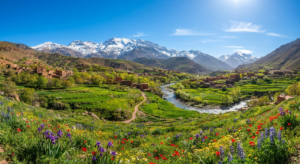
Morocco in april

The Atlas Mountains are among the most beautiful natural regions in Morocco.

During spring, some valleys and lower mountain areas become particularly attractive, with green landscapes, flowing streams, and traditional villages.

Travelers can enjoy:

  • Hiking through mountain villages.
  • Visiting the Ourika Valley.
  • Exploring traditional Amazigh communities respectfully.
  • Discovering scenic mountain viewpoints.
  • Enjoying traditional meals in countryside restaurants.

Weather conditions depend on altitude, so visitors planning longer hikes should check local conditions before setting out.

Which Destination Should You Choose?

The best destination depends on the type of holiday you want.

Travel preference Recommended destination
Culture and history Fes
Markets and city experiences Marrakech
Sahara adventures Merzouga
Photography and peaceful streets Chefchaouen
Atlantic coastal scenery Essaouira
Beach relaxation Agadir
Modern city experiences Casablanca
Historical sightseeing Rabat
Nature and hiking Atlas Mountains

Can You Visit Several Destinations in One Trip?

Absolutely! One of the best ways to experience Morocco is to combine different regions in a single itinerary.

For example, a 10-day journey could include Marrakech, the Atlas Mountains, the Dades Valley, Merzouga, and Fes. This route allows you to experience historic cities, mountain scenery, traditional villages, and the Sahara Desert.

If you have more time, you can extend your holiday to Chefchaouen, Rabat, Essaouira, or Agadir.

The key is to avoid rushing between destinations. Allow enough time to explore each location and enjoy the different experiences Morocco has to offer.

Choosing the right combination of destinations will help you make the most of your spring holiday.

6. Visiting Marrakech in April: Weather, Attractions, and Things to Do

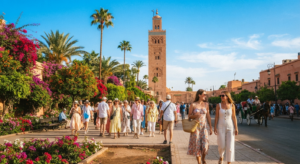
Marrakech is one of the best destinations to include in a Moroccan spring holiday. Known as the Red City, it combines traditional architecture, colorful markets, beautiful gardens, historic palaces, and a lively cultural atmosphere.

April is an especially attractive time to explore Marrakech because temperatures are generally warm without reaching the extreme levels often experienced during summer. Visitors can spend more time outdoors, discover the historic medina, enjoy rooftop restaurants, and take excursions into the surrounding countryside.

Whether you are visiting Morocco for the first time or returning to discover more of the country, Marrakech offers plenty of unforgettable experiences.

What Is the Weather Like in Marrakech in April?

During April, Marrakech usually enjoys sunny days and comfortable spring temperatures.

Daytime temperatures commonly range between 23°C and 27°C (73°F–81°F), although occasional warmer days are possible. Nights are cooler, often falling to approximately 11°C–14°C (52°F–57°F).

Rainfall is generally limited compared with the winter months, although occasional showers can occur.

These conditions are ideal for exploring the city’s outdoor attractions, walking through traditional neighborhoods, and enjoying meals outside.

For the most comfortable sightseeing experience, consider exploring early in the morning or later in the afternoon.

Best Things to Do in Marrakech During April

1. Explore Jemaa el-Fna Square

<escape>Jemaa el-Fna</escape> is the heart of Marrakech and one of the city’s most famous attractions.

During the day, the square is filled with activity, traditional food stalls, market vendors, and street performers. As evening approaches, the atmosphere becomes even more exciting, with restaurants, music, and countless visitors gathering in the square.

April’s pleasant evenings make this an excellent time to enjoy the lively atmosphere.

2. Visit the Beautiful Majorelle Garden

<escape>Majorelle Garden</escape> is one of Marrakech’s most recognizable attractions.

Famous for its striking blue architecture, exotic plants, bamboo pathways, and peaceful atmosphere, the garden offers a refreshing escape from the busy streets.

Spring is particularly beautiful because the surrounding vegetation creates wonderful photography opportunities.

It is advisable to reserve tickets in advance, especially during busy travel periods.

3. Discover Bahia Palace

Bahia Palace is an impressive example of traditional Moroccan architecture.

Visitors can admire its decorated ceilings, beautiful courtyards, colorful tiles, carved wooden details, and peaceful gardens.

The palace provides an excellent opportunity to learn more about Morocco’s architectural heritage while enjoying a pleasant outdoor visit.

4. Explore the Traditional Souks

The souks of Marrakech are among the most exciting places to discover.

These traditional markets offer everything from handmade carpets and leather products to pottery, spices, lanterns, and traditional clothing.

Take your time exploring the narrow streets, discovering local workshops, and observing artisans practicing traditional crafts.

Remember that bargaining is a normal part of shopping in many traditional markets.

5. Enjoy a Traditional Moroccan Hammam

A traditional hammam is an excellent way to relax after a day of sightseeing.

Visitors can experience traditional bathing rituals, steam rooms, exfoliation, and relaxing treatments.

Many riads and wellness centers in Marrakech offer different hammam experiences, ranging from traditional local establishments to luxury spa facilities.

6. Enjoy Rooftop Restaurants and Moroccan Cuisine

Spring evenings are perfect for enjoying dinner on a rooftop terrace.

Many restaurants around the medina offer beautiful views of the city’s rooftops and surrounding landmarks.

Popular Moroccan dishes include:

  • Traditional chicken or lamb tagine.
  • Moroccan couscous.
  • Pastilla.
  • Harira soup.
  • Fresh Moroccan salads.
  • Mint tea and traditional pastries.

A rooftop dinner overlooking the medina is a wonderful way to finish a day in Marrakech.

Best Day Trips from Marrakech in April

Another advantage of staying in Marrakech is its location near several beautiful natural destinations.

Spring provides attractive conditions for exploring the surrounding landscapes.

Ourika Valley

Located in the foothills of the Atlas Mountains, Ourika Valley is famous for its green landscapes, traditional villages, rivers, and mountain scenery.

Visitors can enjoy scenic drives, countryside restaurants, and hiking opportunities around the Setti Fatma waterfalls.

Ouzoud Waterfalls

Ouzoud Waterfalls are among Morocco’s most impressive natural attractions.

The waterfalls create spectacular scenery, with walking paths, viewpoints, and opportunities to enjoy the surrounding countryside.

A guided day trip from Marrakech is a popular option.

Atlas Mountains and Imlil

Imlil is a beautiful mountain village and a starting point for many hiking experiences.

Visitors can explore traditional Amazigh villages, enjoy mountain views, and discover a quieter side of Morocco.

Temperatures can be cooler at higher elevations, so bring suitable clothing.

Agafay Desert

For travelers who want a desert-style experience without traveling all the way to Merzouga, the Agafay Desert is a convenient option.

Located outside Marrakech, this rocky landscape offers sunset experiences, camel rides, quad biking, and outdoor dining.

It is important to remember that Agafay is a rocky desert environment rather than a vast Sahara sand-dune landscape.

What Should You Wear in Marrakech in April?

The weather is generally comfortable, but temperatures can change throughout the day.

Consider packing:

  • Lightweight cotton or linen clothing for sunny afternoons.
  • Comfortable walking shoes for the medina.
  • A light jacket or sweater for evenings.
  • Sunglasses and a hat for sun protection.
  • Modest clothing when visiting religious or traditional sites.

Dressing in layers is the easiest way to stay comfortable.

How Many Days Should You Spend in Marrakech?

For most travelers, three to four days provide enough time to discover the main attractions and enjoy a day trip outside the city.

Here is a simple itinerary:

Day Suggested activities
Day 1 Jemaa el-Fna, traditional souks, Koutoubia surroundings
Day 2 Majorelle Garden, Bahia Palace, historic medina
Day 3 Ourika Valley or Atlas Mountains excursion
Day 4 Hammam, shopping, rooftop dinner, and relaxation

If you have limited time, two full days can still provide a rewarding introduction to the city.

Is Marrakech Worth Visiting in April?

Absolutely! Spring offers an excellent opportunity to experience Marrakech’s cultural attractions, traditional markets, gardens, and surrounding natural landscapes.

The generally comfortable temperatures make exploring the city more enjoyable than during the hottest summer periods.

Whether you want to discover historic architecture, taste authentic Moroccan cuisine, enjoy a relaxing hammam, or take an adventure into the Atlas Mountains, Marrakech is an excellent addition to your spring itinerary.

7. Exploring Fes in April: Weather, Attractions, and Things to Do

Fes is one of Morocco’s most fascinating destinations and an excellent addition to a spring travel itinerary. Known for its ancient medina, traditional craftsmanship, impressive architecture, and rich cultural heritage, the city offers visitors an authentic glimpse into Moroccan history.

April is a pleasant period to discover Fes because temperatures are generally comfortable for walking and sightseeing. Instead of dealing with the intense summer heat, visitors can spend more time exploring narrow streets, visiting historic monuments, discovering traditional markets, and enjoying local Moroccan cuisine.

Whether you are interested in history, photography, architecture, or cultural experiences, Fes offers plenty of reasons to include it in your journey.

What Is the Weather Like in Fes in April?

Spring brings relatively mild temperatures to Fes, making it a comfortable time to explore the city’s historic attractions.

Daytime temperatures commonly range between 20°C and 24°C (68°F–75°F), while nighttime temperatures may fall to approximately 9°C–12°C (48°F–54°F).

The city generally enjoys pleasant sunny periods, although occasional spring rainfall is possible.

These conditions are particularly suitable for exploring Fes el-Bali, visiting historical buildings, and walking through the traditional souks.

For comfortable sightseeing, bring lightweight clothing for the afternoon and a light jacket for cooler mornings and evenings.

Best Things to Do in Fes During April

1. Explore Fes el-Bali, the Ancient Medina

Fes el-Bali is the historic heart of the city and one of the most remarkable medieval urban areas in Morocco.

Its narrow streets, traditional houses, small shops, and historic buildings create an atmosphere that feels very different from modern cities.

Walking through the medina allows visitors to discover everyday Moroccan life, traditional markets, and centuries-old craftsmanship.

Hiring a local guide can make the experience more informative and help you navigate the complicated network of streets.

2. Visit Bou Inania Madrasa

Bou Inania Madrasa is one of the most impressive examples of Moroccan architecture in Fes.

The historic religious school is famous for its detailed geometric decorations, carved cedar wood, traditional zellige tiles, and beautifully designed courtyard.

It is an excellent place to appreciate the artistic heritage of the city and discover the craftsmanship that makes Moroccan architecture so distinctive.

3. Discover the Famous Chouara Tannery

The Chouara Tannery is among the most recognizable attractions in Fes.

Visitors can observe traditional leather production from elevated terraces overlooking the colorful dyeing vats.

The experience offers an interesting look at an important local craft that has been practiced for generations.

Consider visiting earlier in the day, and be prepared for the strong smell associated with traditional leather processing.

4. Admire the Royal Palace Gates

The Royal Palace of Fes, also known as Dar al-Makhzen, is famous for its impressive golden doors, detailed zellige decorations, and beautifully maintained exterior.

Although the palace itself is not generally open to ordinary public visits, the magnificent gates are a popular photography location.

The surrounding area provides another opportunity to appreciate traditional Moroccan decorative arts.

5. Explore the Mellah, the Historic Jewish Quarter

The Mellah is an important historical neighborhood that reflects part of Fes’s multicultural heritage.

Visitors can discover distinctive architecture, traditional streets, and the history of the city’s former Jewish community.

The nearby Jewish cemetery is another historically significant place.

Exploring this neighborhood provides a deeper understanding of the different communities that contributed to the city’s development.

6. Enjoy Traditional Moroccan Food

A visit to Fes would not be complete without discovering its traditional cuisine.

The city is particularly famous for its rich culinary heritage and traditional recipes.

Some dishes worth trying include:

  • Fassi chicken pastilla.
  • Traditional lamb or chicken tagine.
  • Moroccan couscous.
  • Harira soup.
  • Briouats.
  • Traditional Moroccan pastries and mint tea.

Many local restaurants offer authentic meals in traditional settings, making lunchtime another enjoyable cultural experience.

Best Day Trips from Fes in April

Fes is also an excellent starting point for discovering other beautiful destinations in northern and central Morocco.

Meknes

Meknes is one of Morocco’s historic imperial cities and an excellent destination for a day trip.

Visitors can discover Bab Mansour, historic gates, traditional squares, and impressive architectural landmarks.

Its historical atmosphere makes it a rewarding destination for travelers interested in Moroccan heritage.

Volubilis

Volubilis is one of the most important Roman archaeological sites in North Africa.

The site is famous for its ancient ruins, impressive columns, and beautifully preserved mosaics.

Spring is a particularly attractive time to explore the archaeological area because outdoor sightseeing is generally more comfortable.

Moulay Idriss Zerhoun

This charming hillside town is known for its religious and historical importance.

Its whitewashed buildings, traditional streets, and beautiful countryside views make it a worthwhile stop when visiting Volubilis.

Ifrane

Often called the Switzerland of Morocco because of its European-style architecture and mountain atmosphere, Ifrane offers a completely different experience.

The town is surrounded by forests and mountain scenery, making it an appealing destination for nature lovers.

April can bring fresh spring landscapes, although temperatures may remain cool.

What Should You Wear in Fes in April?

The weather can change between sunny afternoons and cooler evenings, so packing layers is recommended.

Consider bringing:

  • Lightweight shirts and comfortable trousers.
  • Comfortable walking shoes for the historic medina.
  • A light jacket for mornings and evenings.
  • Sunglasses and sunscreen.
  • A compact umbrella in case of spring showers.

Comfortable footwear is particularly important because the old medina contains uneven streets, steps, and narrow passages.

How Many Days Should You Spend in Fes?

Two to three days are generally sufficient to discover the main attractions of Fes and enjoy its cultural atmosphere.

Here is a suggested itinerary:

Day Suggested activities
Day 1 Explore Fes el-Bali, traditional souks, and Bou Inania Madrasa
Day 2 Visit Chouara Tannery, the Mellah, and Royal Palace gates
Day 3 Take a day trip to Volubilis and Meknes

Travelers with more time can also visit Ifrane and explore the surrounding Middle Atlas region.

Is Fes Worth Visiting in April?

Absolutely! April is a wonderful opportunity to discover Fes without the intense summer heat.

The comfortable spring conditions make exploring its historic medina, architectural landmarks, traditional workshops, and surrounding countryside more enjoyable.

For travelers who want to understand Morocco’s history and cultural traditions, Fes is one of the most rewarding destinations to include in a spring holiday.

8. Discovering the Sahara Desert in April: Camel Rides, Desert Camps, and Adventures
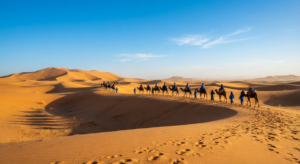
Morocco in april

A journey to the Sahara Desert is one of the most unforgettable experiences you can enjoy during a Moroccan holiday. With its enormous golden dunes, peaceful landscapes, traditional desert camps, and spectacular sunsets, the Sahara offers a completely different atmosphere from Morocco’s busy cities.

April is an attractive period for exploring the desert because daytime temperatures are generally more comfortable than during the hottest summer months. Visitors can enjoy camel trekking, discover traditional desert villages, explore the dunes, and spend an unforgettable night under the stars.

For travelers looking for adventure, nature, and authentic cultural experiences, the Sahara deserves a special place on their itinerary.

What Is the Weather Like in the Sahara Desert in April?

The southeastern Moroccan desert, particularly around Merzouga and Erg Chebbi, generally experiences warm and sunny conditions during spring.

Daytime temperatures often range between 25°C and 30°C (77°F–86°F), although warmer days are possible. At night, temperatures can fall to approximately 12°C–16°C (54°F–61°F).

These temperature differences are important when planning your activities.

The afternoon can be warm enough for exploring the dunes, while evenings may require a sweater or jacket.

Rainfall is generally limited, but desert weather can change, and occasional wind or sandstorms are possible.

For the most comfortable experience, plan outdoor excursions during the morning and late afternoon.

Best Things to Do in the Sahara Desert During April

1. Experience a Camel Ride Across the Golden Dunes

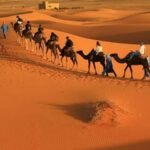
<escape>Merzouga</escape> is famous for its camel trekking experiences across the spectacular Erg Chebbi dunes.

Riding a camel through the desert allows visitors to appreciate the enormous sand formations and peaceful atmosphere of the Sahara.

Many excursions are organized around sunset, when the changing light creates beautiful colors across the dunes.

A typical experience includes:

  • Meeting your camel guide.
  • Traveling through the golden sand dunes.
  • Stopping at scenic viewpoints.
  • Watching the sunset.
  • Arriving at a traditional desert camp.

It is an unforgettable experience for couples, families, and adventure lovers.

2. Spend a Night in a Sahara Desert Camp

One of the highlights of visiting the Moroccan Sahara is spending a night in a desert camp.

Visitors can choose between traditional camps and more comfortable luxury accommodation.

Depending on the camp, facilities may include private tents, comfortable beds, traditional meals, and outdoor seating areas.

After dinner, many camps organize traditional music performances around a campfire.

The peaceful atmosphere and clear desert sky create a memorable experience that is very different from staying in a city hotel.

Remember to bring warm clothing because temperatures can drop after sunset.

3. Watch an Unforgettable Desert Sunset

The Sahara is particularly beautiful during sunset.

As the sun moves toward the horizon, the golden dunes gradually change color, creating spectacular opportunities for photography.

April’s generally comfortable conditions make it an enjoyable time to spend the late afternoon outdoors.

Find a peaceful viewpoint, enjoy the surrounding landscape, and watch the changing colors of the sand.

For photographers, the period shortly before sunset offers some of the most beautiful natural lighting.

4. Enjoy Sandboarding on the Erg Chebbi Dunes

For travelers who enjoy adventure, sandboarding is another exciting desert activity.

Many desert excursions offer the opportunity to slide down the sandy slopes using a specially designed board.

Erg Chebbi’s impressive dunes provide an excellent setting for this activity.

Beginners can usually receive basic instructions before trying it.

Wear comfortable clothing, protect your eyes from the sand, and follow your guide’s safety recommendations.

5. Explore the Desert by 4×4 Vehicle

A 4×4 excursion is an excellent way to discover areas of the desert that are difficult to reach on foot.

These trips often include visits to traditional villages, desert viewpoints, and interesting landscapes around Merzouga.

Depending on the itinerary, you may discover:

  • Traditional desert settlements.
  • Nomadic communities.
  • Panoramic views of the Sahara.
  • Fossil-rich areas.
  • Remote desert landscapes.

A knowledgeable local guide can also explain the history and traditions of the region.

6. Discover Traditional Gnawa Music in Khamlia Village

Khamlia is a small village near Merzouga known for its Gnawa musical traditions.

Visitors can experience traditional performances featuring rhythmic percussion, singing, and distinctive instruments.

The music reflects an important part of the region’s cultural heritage and offers a deeper understanding of the communities living near the Sahara.

It is a rewarding cultural stop during a desert excursion.

Best Places to Explore Around the Sahara Desert

Although Merzouga is one of the most famous gateways to the Moroccan Sahara, the surrounding region offers several other interesting destinations.

Erg Chebbi

Erg Chebbi is famous for its enormous golden sand dunes and spectacular desert scenery.

It is the ideal location for camel rides, sandboarding, desert photography, and overnight camping.

Merzouga Village

Merzouga is the main tourist base for exploring Erg Chebbi.

The village offers hotels, restaurants, desert tour operators, and accommodation options for different budgets.

Rissani

Rissani is an important historical town in southeastern Morocco.

Its traditional market is an interesting place to discover local products, regional food, and traditional trading culture.

Dayet Srij

This seasonal lake near Merzouga can attract birds and create an interesting contrast with the surrounding desert landscape.

Water levels vary depending on rainfall, so the lake’s appearance is not guaranteed during every visit.

How to Reach Merzouga from Marrakech or Fes

Merzouga is located in southeastern Morocco, and reaching it requires some travel planning.

From Marrakech: The journey usually takes around 9–10 hours by road, depending on the route, stops, and traffic. Many visitors divide the journey into two days, stopping around the Atlas Mountains, Dades Valley, or Tinghir.

From Fes: The road journey generally takes around 7–8 hours, depending on conditions and stops. The route passes through the Middle Atlas region and offers beautiful scenery.

For a more comfortable experience, consider booking an organized multi-day desert tour or hiring a private driver.

Avoid trying to combine the entire journey with several sightseeing activities in a single day.

What Should You Pack for a Sahara Desert Trip in April?

Even though daytime temperatures are warm, desert evenings can be surprisingly cool.

Here are some useful items to bring:

  • Lightweight and breathable clothing.
  • A warm sweater or jacket for nighttime.
  • Comfortable closed shoes.
  • Sunglasses and sunscreen.
  • A hat or scarf for sun and wind protection.
  • A reusable water bottle.
  • A small backpack for your desert excursion.
  • A camera or smartphone for photography.

A lightweight scarf can also help protect your face from blowing sand.

How Many Days Should You Spend in the Sahara?

For most travelers, two days and one night is a good starting point for a Merzouga desert experience.

However, three days and two nights allow more time to explore the surrounding villages, enjoy desert activities, and experience the region at a relaxed pace.

If you are traveling from Marrakech, a three-day or four-day desert tour is generally more practical because of the longer driving distance.

Is April a Good Time for a Sahara Desert Trip?

Yes! April is generally an excellent month for visiting the Moroccan Sahara.

The warm daytime weather, relatively comfortable conditions for outdoor activities, and cooler evenings make it an attractive season for camel trekking, desert camping, and exploring the golden dunes.

Whether you choose a traditional desert camp, a luxury tent, or an adventurous 4×4 excursion, the Sahara offers one of the most memorable experiences of a Moroccan spring holiday.

If you want to discover a different side of Morocco beyond its historic cities and coastal destinations, make sure to include Merzouga and Erg Chebbi in your travel plans.

9. Visiting Chefchaouen in April: Discover Morocco’s Beautiful Blue City

Chefchaouen is one of the most beautiful and photogenic destinations in Morocco. Located in the Rif Mountains in northern Morocco, this charming town is famous for its blue-painted streets, traditional architecture, peaceful atmosphere, and spectacular mountain scenery.

Spring is a wonderful season to discover Chefchaouen. April generally brings mild temperatures, fresh mountain air, and attractive natural landscapes, making it an excellent time for walking through the historic medina, taking photographs, discovering local handicrafts, and enjoying the surrounding countryside.

Unlike the busy atmosphere of Marrakech and Casablanca, Chefchaouen offers a slower and more relaxing travel experience.

Whether you are visiting as a couple, traveling with family, or exploring Morocco independently, the Blue City deserves a place on your spring itinerary.

What Is the Weather Like in Chefchaouen in April?

Chefchaouen generally experiences mild spring weather, although temperatures are cooler than in many southern Moroccan destinations.

During April, daytime temperatures commonly range between 17°C and 21°C (63°F–70°F), while nighttime temperatures can fall to approximately 8°C–11°C (46°F–52°F).

The town can also experience occasional rainfall, particularly because of its mountainous location.

These conditions are generally comfortable for sightseeing, photography, and exploring the surrounding hills.

For a pleasant visit, bring comfortable walking shoes, lightweight clothing, and a jacket for cooler mornings and evenings.

Best Things to Do in Chefchaouen During April

1. Explore the Famous Blue Streets

The blue streets are the main reason many travelers visit Chefchaouen.

Walking through the medina feels like discovering a beautiful open-air photography destination. Almost every corner offers colorful doors, painted walls, decorative staircases, and traditional Moroccan details.

April’s pleasant weather makes it enjoyable to explore the narrow streets without rushing.

Take your time discovering quieter corners, local shops, and beautiful viewpoints.

2. Visit Plaza Uta el-Hammam

Plaza Uta el-Hammam is the main square in the historic medina.

Surrounded by traditional buildings, restaurants, cafés, and small shops, it is an excellent place to relax after exploring the blue streets.

Visitors can enjoy Moroccan mint tea, traditional food, and the lively atmosphere of the town.

The square is also home to the historic Kasbah, making it an important stop during your visit.

3. Discover the Historic Kasbah

The Kasbah is one of Chefchaouen’s most important historical attractions.

Located beside the main square, this historic fortress features traditional architecture, peaceful gardens, and a small ethnographic museum.

Visitors can discover the town’s history, appreciate its architectural details, and enjoy views from the surrounding structures.

It is an excellent place to learn more about the cultural heritage of northern Morocco.

4. Enjoy the Sunset from the Spanish Mosque

For one of the most beautiful panoramic views of Chefchaouen, walk to the Spanish Mosque viewpoint.

The mosque stands on a hill overlooking the town, offering spectacular views of the blue buildings and surrounding Rif Mountains.

Sunset is particularly attractive because the changing light creates beautiful colors across the landscape.

The walk involves an uphill path, so wear comfortable shoes and allow enough time to reach the viewpoint.

5. Discover Local Handicrafts and Traditional Markets

Chefchaouen is also known for its traditional handicrafts.

As you explore the medina, you will find small shops selling handmade blankets, woven fabrics, leather products, pottery, and souvenirs.

The town offers a more relaxed shopping experience compared with some of Morocco’s larger cities.

It is a wonderful opportunity to discover local craftsmanship and purchase something memorable from your journey.

6. Enjoy Traditional Moroccan Food

Food is another important part of the Chefchaouen experience.

The town offers several restaurants and cafés where visitors can discover traditional northern Moroccan cuisine.

Some dishes and experiences worth trying include:

  • Traditional chicken or lamb tagine.
  • Moroccan vegetable couscous.
  • Fresh salads.
  • Bissara, a traditional fava bean soup.
  • Moroccan mint tea.
  • Homemade bread and local pastries.

Many restaurants offer terraces overlooking the medina or surrounding mountains.

Best Nature Experiences Around Chefchaouen

One of the biggest advantages of visiting this destination is its beautiful natural surroundings.

April can be a rewarding time to explore the Rif Mountains and nearby countryside, although conditions depend on rainfall.

Akchour Waterfalls

Akchour is one of the most popular natural attractions near Chefchaouen.

Known for its beautiful waterfalls, rivers, natural pools, and mountain trails, the area attracts nature lovers and hiking enthusiasts.

Spring can bring attractive scenery and flowing water, although trail conditions may be muddy after rainfall.

Wear suitable hiking shoes and allow enough time for the journey.

God’s Bridge

God’s Bridge is a natural rock formation near Akchour.

The impressive stone arch stretches above a river and creates a spectacular natural landscape.

It is a popular destination for photography and outdoor exploration.

Rif Mountain Hiking

The surrounding Rif Mountains offer opportunities for hiking and discovering traditional rural landscapes.

Visitors can enjoy panoramic viewpoints, fresh mountain air, and peaceful countryside scenery.

If you plan a longer hike, consider hiring a local guide and checking weather conditions beforehand.

How Many Days Should You Spend in Chefchaouen?

For most visitors, one or two nights are sufficient to explore the main attractions and enjoy the peaceful atmosphere.

However, travelers who enjoy hiking and nature may prefer spending three days in the area.

Here is a suggested two-day itinerary:

Day Suggested activities
Day 1 Explore the blue medina, Plaza Uta el-Hammam, and Kasbah
Day 2 Visit the Spanish Mosque viewpoint and take an excursion to Akchour

If you are planning a longer northern Morocco trip, Chefchaouen can also be combined with Tangier, Tetouan, and Fes.

How to Reach Chefchaouen

Chefchaouen is accessible by road from several major Moroccan cities.

  • From Tangier: Approximately 2–3 hours by road.
  • From Tetouan: Approximately 1–1.5 hours.
  • From Fes: Approximately 3.5–4.5 hours.
  • From Rabat: Approximately 4–5 hours.

Journey times depend on traffic, road conditions, and stops along the route.

Travelers can use intercity buses, private transfers, or rental cars.

What Should You Pack for Chefchaouen in April?

Because of the cooler mountain climate, packing a few additional layers is recommended.

Consider bringing:

  • Comfortable walking shoes.
  • Lightweight shirts and trousers.
  • A warm sweater or light jacket.
  • A waterproof jacket for possible rain.
  • Sunglasses and sunscreen.
  • A camera or smartphone for photography.

If you plan to visit Akchour, bring proper hiking footwear and enough water.

Is Chefchaouen Worth Visiting in April?

Absolutely! April is a lovely time to discover Chefchaouen, especially if you enjoy photography, mountain scenery, cultural experiences, and peaceful destinations.

The pleasant spring conditions make exploring the blue medina and surrounding countryside enjoyable, while the natural landscapes offer a refreshing contrast to Morocco’s warmer inland cities.

If you want to experience a quieter and more picturesque side of the country, Chefchaouen is an excellent destination to include in your Moroccan spring adventure.

10. Exploring Casablanca and Rabat in April: Morocco’s Modern Cities and Historic Attractions

Casablanca and Rabat are two excellent destinations to include in a Moroccan spring itinerary. Located along the Atlantic coast, both cities offer a fascinating combination of modern architecture, historical landmarks, traditional neighborhoods, and beautiful seaside scenery.

Although they are geographically close, each city has a different personality. Casablanca is Morocco’s largest economic center, known for its modern lifestyle, impressive buildings, and lively atmosphere. Rabat, on the other hand, is the country’s capital and offers a more relaxed environment with historic monuments, gardens, and traditional architecture.

April is a pleasant time to discover both destinations because coastal temperatures are generally mild, making outdoor sightseeing and walking along the ocean more enjoyable.

10.1 Visiting Casablanca in April

Casablanca is one of Morocco’s most recognizable cities. It combines contemporary buildings, traditional Moroccan culture, shopping districts, and a beautiful Atlantic coastline.

During spring, visitors can explore the city comfortably while enjoying its restaurants, cafés, historical attractions, and seaside promenades.

What Is the Weather Like in Casablanca in April?

Casablanca generally experiences mild spring temperatures.

Daytime temperatures commonly range between 19°C and 22°C (66°F–72°F), while nighttime temperatures are often around 12°C–15°C (54°F–59°F).

The Atlantic Ocean helps moderate the climate, although cloudy periods, occasional rainfall, and coastal winds are possible.

These conditions are suitable for exploring the city’s attractions, enjoying outdoor cafés, and taking relaxing walks along the coast.

Best Things to Do in Casablanca During April

1. Visit the Magnificent Hassan II Mosque

The Hassan II Mosque is one of Casablanca’s most impressive landmarks and an essential stop for visitors.

Located beside the Atlantic Ocean, it is famous for its enormous minaret, detailed Moroccan craftsmanship, beautiful decorations, and spectacular architectural design.

Visitors can admire the exterior and join an organized interior tour when available. Appropriate visitor arrangements and dress requirements should be checked before arrival.

2. Walk Along the Casablanca Corniche

The Corniche is one of the city’s most attractive coastal areas.

It offers ocean views, restaurants, cafés, hotels, and walking spaces where visitors can enjoy the refreshing Atlantic atmosphere.

April is a pleasant time to explore this area, especially during sunny afternoons and evenings.

3. Discover the Habous Quarter

The Habous Quarter is a fascinating neighborhood combining traditional Moroccan architectural influences with a more organized urban layout.

Visitors can explore its traditional shops, bookshops, bakeries, handicraft stores, and historic streets.

It is also an excellent place to discover Moroccan pastries and purchase traditional souvenirs.

4. Explore the Old Medina

Casablanca’s Old Medina offers a different atmosphere from the city’s modern districts.

Its narrow streets, traditional shops, and local markets provide opportunities to experience everyday life.

Although it is smaller than the famous medinas of Fes and Marrakech, it is still worth exploring.

5. Enjoy Casablanca’s Restaurants and Cafés

Casablanca has a diverse food scene, ranging from traditional Moroccan restaurants to international dining establishments.

Visitors can enjoy fresh seafood, traditional tagines, Moroccan salads, and delicious pastries.

Many restaurants offer pleasant outdoor seating during the spring season.

10.2 Visiting Rabat in April

Rabat is one of Morocco’s most elegant cities, combining historical attractions, beautiful gardens, coastal scenery, and a relaxed atmosphere.

As the country’s capital, it offers an interesting mixture of traditional heritage and modern urban life.

Spring is an excellent period to discover its historic monuments, explore its charming streets, and enjoy the surrounding coastal areas.

What Is the Weather Like in Rabat in April?

Rabat generally experiences mild spring conditions.

Daytime temperatures commonly range between 19°C and 22°C (66°F–72°F), while nighttime temperatures often fall to approximately 11°C–14°C (52°F–57°F).

The city can experience occasional rainfall and ocean breezes, but many days are comfortable for sightseeing.

A light jacket is useful, particularly during mornings and evenings.

Best Things to Do in Rabat During April

1. Explore the Kasbah of the Udayas

The Kasbah of the Udayas is one of Rabat’s most beautiful historical attractions.

This charming fortified neighborhood features white and blue houses, narrow streets, traditional architecture, and beautiful views of the Atlantic Ocean.

Walking through its peaceful streets is a wonderful way to discover the city’s historical character.

2. Visit Hassan Tower

Hassan Tower is one of Morocco’s most famous historical monuments.

The unfinished minaret is part of a remarkable historical complex that reflects the architectural ambitions of the Almohad dynasty.

The surrounding grounds provide an excellent setting for photography and cultural exploration.

3. Discover the Mausoleum of Mohammed V

Located near Hassan Tower, the Mausoleum of Mohammed V is an impressive example of Moroccan architectural craftsmanship.

Its beautifully decorated exterior, marble details, and traditional design make it one of Rabat’s most important historical attractions.

Visitors should respect the site’s cultural and religious significance.

4. Explore Chellah Necropolis

Chellah is a fascinating archaeological site located within historic fortified walls.

It contains Roman and Islamic remains, beautiful gardens, and atmospheric ruins.

Spring can be particularly attractive for visiting because the surrounding vegetation adds to the site’s peaceful atmosphere.

Check current opening arrangements before planning your visit.

5. Enjoy the Atlantic Coast

Rabat also offers attractive coastal areas where visitors can enjoy ocean views and relaxing walks.

The beaches and surrounding viewpoints provide a pleasant escape from the busy city center.

Although the Atlantic water may still be cool for swimming, the coastline remains enjoyable for sightseeing and photography.

Casablanca or Rabat: Which City Should You Visit?

Both cities are worth discovering, but the best choice depends on your travel interests.

Travel preference Best destination
Modern city atmosphere Casablanca
Historical monuments Rabat
Impressive architecture Both cities
Traditional neighborhoods Both cities
Coastal walks Both cities
Relaxed sightseeing Rabat
Restaurants and shopping Casablanca

If you have enough time, visiting both cities is an excellent idea.

Can You Visit Casablanca and Rabat on the Same Trip?

Absolutely! Casablanca and Rabat are connected by regular train services, making travel between them relatively easy.

The train journey generally takes around one hour, depending on the service and departure station.

A practical itinerary could include:

  • Day 1: Explore Casablanca, visit Hassan II Mosque, and enjoy the Corniche.
  • Day 2: Travel to Rabat, discover the Kasbah of the Udayas, Hassan Tower, and Chellah.

Travelers with limited time can also visit Rabat as a day trip from Casablanca.

What Should You Wear in Casablanca and Rabat in April?

Because both cities have coastal climates, lightweight clothing combined with a few extra layers is recommended.

Consider packing:

  • Lightweight shirts and trousers.
  • Comfortable walking shoes.
  • A light jacket or sweater.
  • Sunglasses and sunscreen.
  • A compact umbrella for occasional showers.

A wind-resistant jacket can also be useful when spending time near the Atlantic coast.

Are Casablanca and Rabat Worth Visiting in April?

Yes! Both cities offer enjoyable spring experiences and provide an interesting contrast to Morocco’s inland destinations.

Casablanca is ideal for travelers interested in modern architecture, restaurants, shopping, and coastal life. Rabat is particularly rewarding for visitors who enjoy history, traditional neighborhoods, gardens, and cultural attractions.

Including both cities in your itinerary will help you discover another side of Morocco beyond the famous tourist destinations of Marrakech, Fes, and the Sahara Desert.

11. Visiting Essaouira and Morocco’s Atlantic Coast in April

If you are looking for beautiful beaches, refreshing ocean breezes, traditional fishing ports, and a relaxed atmosphere, Morocco’s Atlantic coast is an excellent choice during spring.

April is a wonderful period to discover coastal destinations because temperatures are generally mild and comfortable for outdoor activities. Unlike the hotter inland cities, Atlantic destinations benefit from ocean influences that help keep conditions relatively moderate.

Among the most attractive coastal destinations, Essaouira stands out for its historic medina, impressive ocean views, traditional architecture, and beautiful sandy beach.

Whether you want to enjoy peaceful walks, discover Moroccan seafood, explore traditional markets, or try water sports, the Atlantic coast offers plenty of experiences.

What Is the Weather Like on Morocco’s Atlantic Coast in April?

Coastal weather is generally milder than in inland destinations such as Marrakech and Fes.

In Essaouira, daytime temperatures commonly range between 18°C and 22°C (64°F–72°F), while nighttime temperatures can fall to approximately 12°C–15°C (54°F–59°F).

Ocean winds can make the weather feel cooler, especially near the beach.

Agadir is generally warmer, with daytime temperatures often reaching approximately 22°C–25°C (72°F–77°F).

These conditions make spring suitable for coastal sightseeing, beach walks, outdoor dining, and exploring fishing villages.

However, the Atlantic Ocean can remain cool, so swimming conditions may not be ideal for everyone.

11.1 Discovering Essaouira in April

Essaouira is one of Morocco’s most charming coastal cities.

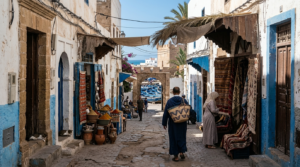
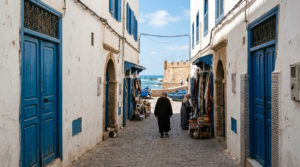
Located along the Atlantic Ocean, it is famous for its historic medina, whitewashed buildings, blue doors, traditional fishing harbor, and impressive fortified walls.

The city offers a completely different atmosphere from Marrakech, making it an excellent destination for travelers who want to enjoy a slower and more peaceful holiday.

Best Things to Do in Essaouira

1. Explore the Historic Medina

Essaouira’s medina is one of its most attractive features.

Its narrow streets, traditional architecture, colorful shops, and small cafés create a wonderful environment for walking and discovering local culture.

Visitors can explore handicraft stores, purchase traditional souvenirs, and discover the city’s unique atmosphere.

2. Visit the Traditional Fishing Port

The fishing port is one of the most interesting places to visit.

You can watch local fishermen bringing in their daily catch, observe traditional wooden fishing boats, and discover the activity surrounding the harbor.

The port is also an excellent place to enjoy fresh seafood.

3. Walk Along the Historic City Walls

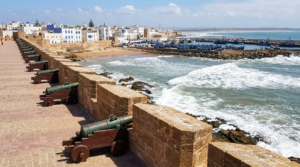
Essaouira’s historic ramparts provide beautiful views of the Atlantic Ocean.

The impressive stone walls and traditional cannons reflect the city’s historical importance as a fortified coastal settlement.

Walking along the ramparts is particularly enjoyable during sunny spring afternoons.

4. Relax on Essaouira Beach

Essaouira’s wide sandy beach is perfect for long walks and enjoying the ocean atmosphere.

April generally provides comfortable conditions for spending time outdoors, although strong winds can sometimes make the beach feel cooler.

Visitors can enjoy photography, beach walks, and relaxing moments overlooking the Atlantic.

5. Try Surfing and Other Water Sports

Essaouira is internationally known for its wind conditions and water sports opportunities.

Popular activities include:

  • Windsurfing.
  • Kitesurfing.
  • Surfing.
  • Horse riding along the beach.
  • Camel rides in designated coastal areas.

Beginners can find local schools and instructors offering lessons and equipment rental.

Check local sea conditions before participating in water activities.

11.2 Visiting Agadir in April

Agadir is another excellent destination for travelers looking for sunshine, sandy beaches, and comfortable spring temperatures.

Unlike Essaouira, which is famous for its historic atmosphere and strong coastal winds, Agadir offers a more modern seaside experience.

The city features large beach resorts, restaurants, shopping areas, and a beautiful promenade.

Best Things to Do in Agadir

1. Relax on Agadir Beach

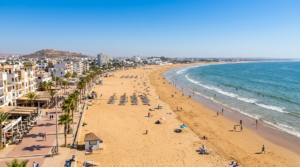
Agadir Beach is one of the city’s main attractions.

Its long stretch of golden sand provides plenty of space for relaxing, walking, and enjoying the coastal atmosphere.

April is generally suitable for beach activities, although the Atlantic water can still feel cool.

2. Explore Agadir Marina

Agadir Marina is a beautiful waterfront area featuring restaurants, cafés, shops, and attractive views of the harbor.

It is an excellent place for an evening walk or a relaxing meal overlooking the boats.

3. Visit the Agadir Kasbah Viewpoint

The historic Kasbah of Agadir Oufella stands on a hill overlooking the city.

Although much of the original structure was damaged during the 1960 earthquake, the location remains famous for its panoramic views of Agadir, the coastline, and the surrounding landscape.

Sunset is an especially beautiful time to visit.

4. Discover Souk El Had

Souk El Had is one of the largest traditional markets in the region.

Visitors can discover spices, fresh produce, clothing, handicrafts, souvenirs, and many other local products.

It is an excellent place to experience everyday shopping culture and discover regional specialties.

5. Enjoy a Trip to Paradise Valley

Paradise Valley is a beautiful natural area located in the Atlas Mountains northeast of Agadir.

It is known for its rocky landscapes, palm trees, natural pools, and scenic surroundings.

Spring can be an attractive time to explore the valley, although water levels and swimming conditions depend on recent rainfall.

Wear comfortable shoes and check local conditions before visiting.

11.3 Other Beautiful Coastal Destinations to Discover

Beyond Essaouira and Agadir, Morocco offers several other coastal destinations worth considering.

Taghazout

Taghazout is a popular coastal village north of Agadir.

It is especially famous for surfing, relaxed cafés, beautiful ocean views, and beach accommodation.

April can be an attractive period for surfing and enjoying the coastal lifestyle.

Sidi Ifni

Sidi Ifni is a peaceful coastal town in southern Morocco.

It is known for its distinctive architecture, relaxed atmosphere, fishing traditions, and beautiful ocean scenery.

It is a good option for travelers who want to explore destinations beyond the main tourist routes.

El Jadida

El Jadida is a historic coastal city located south of Casablanca.

Its Portuguese heritage, historic fortified town, and coastal atmosphere make it an interesting stop during a journey along the Atlantic coast.

The Portuguese City of Mazagan is particularly worth discovering.

Essaouira vs Agadir: Which Destination Is Better in April?

Both destinations offer excellent coastal experiences, but they appeal to different types of travelers.

Feature Essaouira Agadir
Atmosphere Historic and relaxed Modern seaside city
Weather Mild and often windy Generally warmer
Beaches Excellent for walks and water sports Excellent for beach relaxation
Architecture Historic medina and ramparts Modern buildings and resorts
Activities Surfing, culture, photography Swimming, excursions, relaxation
Accommodation Riads and boutique hotels Resorts and hotels

If you enjoy history, traditional architecture, and a peaceful atmosphere, Essaouira is an excellent choice.

If you prefer warmer weather, large beaches, and resort accommodation, Agadir may suit you better.

What Should You Wear on the Atlantic Coast in April?

Although spring temperatures are generally comfortable, coastal winds can make conditions feel cooler.

Consider bringing:

  • Lightweight shirts and trousers.
  • A wind-resistant jacket.
  • Comfortable walking shoes or sandals.
  • Sunglasses and sunscreen.
  • A light sweater for evenings.
  • Swimwear if you plan to use a hotel pool or enjoy beach activities.

If you are planning surfing or other water sports, appropriate equipment and clothing can usually be arranged through local providers.

How Many Days Should You Spend on Morocco’s Atlantic Coast?

For Essaouira, two days are generally sufficient to explore the medina, fishing port, beach, and historic ramparts.

For Agadir, three to four days provide enough time to enjoy the beach, visit the marina, discover local markets, and take excursions to nearby attractions.

If you want to visit both destinations, consider allowing at least five days for a more relaxed experience.

Is April a Good Time to Visit Morocco’s Atlantic Coast?

Absolutely! April is a pleasant season for discovering Morocco’s Atlantic coastline.

The moderate temperatures make it enjoyable to explore historic coastal towns, walk along sandy beaches, discover fishing ports, and participate in outdoor activities.

Although the ocean may still be cool and some destinations can experience strong winds, the coastal region offers a refreshing alternative to Morocco’s warmer inland cities.

Whether you choose the historic charm of Essaouira, the sunny beaches of Agadir, or the surfing atmosphere of Taghazout, the Atlantic coast is a wonderful addition to your spring travel itinerary.

12. Exploring the Atlas Mountains in April

April is one of the most beautiful months to explore the Atlas Mountains in Morocco. As spring arrives, valleys become greener, wildflowers begin to appear, and traditional Berber villages offer a peaceful escape from the busy cities. The weather is generally pleasant at lower elevations, making this a rewarding time for hiking, scenic drives, photography, and cultural experiences.

However, conditions can change significantly depending on altitude. While valleys may feel warm and sunny, higher mountain areas can remain cold, windy, or even snowy.

What Is the Weather Like in the Atlas Mountains in April?

Temperatures vary between mountain valleys and higher elevations. Around villages such as Imlil, daytime temperatures are often approximately 12–20°C, while nights can fall to around 3–10°C. Higher areas may be much colder.

April can also bring occasional rain showers, muddy trails, and lingering snow at high elevations. Check local conditions before planning a long hike, especially if you intend to visit remote areas.

Best Places to Visit in the Atlas Mountains

1. Imlil Village

Imlil is one of the most popular starting points for exploring the High Atlas Mountains. Located approximately 90 minutes from Marrakech by car, this mountain village is surrounded by dramatic peaks, terraced fields, and traditional settlements.

Visitors can enjoy:

  • Guided walks through mountain villages.
  • Beautiful views of Mount Toubkal.
  • Traditional Moroccan meals in local guesthouses.
  • Scenic photography and peaceful mountain landscapes.
  • Short or full-day hiking experiences.

Imlil is an excellent choice for travelers who want to experience mountain scenery without spending several days away from Marrakech.

2. Ourika Valley

The Ourika Valley is a popular spring destination in the High Atlas, known for its green landscapes, riverside cafés, and traditional villages.

During April, the valley can be especially attractive after seasonal rainfall. You can enjoy a walk beside the river, discover local markets, visit small villages, and explore the waterfalls near Setti Fatma.

It is also a convenient destination for a day trip from Marrakech.

3. Ouzoud Waterfalls

The Ouzoud Waterfalls are among Morocco’s most impressive natural attractions. Surrounded by olive trees and rocky landscapes, the waterfalls create a refreshing escape from the city.

April can be a lovely time to visit because seasonal water flow may make the falls particularly impressive. Visitors can walk along the viewpoints, enjoy a local meal, and sometimes spot Barbary macaques in the surrounding area. Keep a respectful distance from the animals and avoid feeding them.

4. Ouirgane Valley

For a quieter mountain experience, consider visiting Ouirgane. This peaceful destination offers red-earth hills, olive groves, small villages, and beautiful views of the surrounding mountains.

It is ideal for travelers who prefer relaxing walks, rural accommodation, and fewer crowds than some of the more popular mountain destinations.

Best Things to Do in the Atlas Mountains During April

Spring offers several ways to experience the Moroccan mountains:

  • Go hiking: Choose a route that matches your fitness level and the current trail conditions.
  • Discover Berber villages: Learn about local traditions, architecture, and everyday mountain life.
  • Enjoy traditional food: Try a homemade tagine or Moroccan mint tea in a local guesthouse.
  • Take scenic photographs: Capture green valleys, mountain peaks, rivers, and terraced fields.
  • Book a guided excursion: A local guide can help you understand the landscape and choose suitable walking routes.
  • Enjoy a mountain stay: Spend a night in a guesthouse to experience the peaceful atmosphere after day visitors leave.

Can You Climb Mount Toubkal in April?

Mount Toubkal is the highest peak in North Africa, reaching approximately 4,167 metres. April can be a challenging period for climbing it because snow and ice may still cover parts of the route.

Although some experienced hikers attempt the summit during spring, conditions are not always suitable for ordinary hiking. Winter equipment, appropriate clothing, mountain experience, and a qualified local guide may be necessary.

If you are not an experienced mountaineer, consider enjoying the lower mountain trails around Imlil instead. You can still experience spectacular scenery without attempting a demanding summit climb.

What Should You Wear in the Atlas Mountains in April?

Mountain weather can change quickly, so packing layers is essential.

Consider bringing:

  • Comfortable walking shoes with good grip.
  • A warm fleece or sweater.
  • A waterproof jacket.
  • Long trousers for hiking.
  • Sunglasses and sunscreen.
  • A hat and a light scarf.
  • A warmer jacket for evenings and higher elevations.

Even when Marrakech feels warm, the mountain air can be considerably colder.

Is April a Good Time for an Atlas Mountains Day Trip?

Yes. April is generally a wonderful month for exploring the lower Atlas Mountain valleys, especially if you enjoy nature, photography, village visits, and outdoor activities.

A day trip from Marrakech is suitable for destinations such as Ourika Valley and Imlil. However, if you want to explore several villages or enjoy longer hikes, spending one or two nights in the mountains will give you more time.

Travel tip: Before leaving Marrakech, check the weather forecast and ask your driver or local guide about road and trail conditions. Mountain weather can be unpredictable, particularly after rainfall.

Overall, the Atlas Mountains offer a completely different side of Morocco in spring. Their green valleys, traditional villages, fresh air, and dramatic landscapes make them an excellent addition to a Moroccan itinerary in April.

13. What to Wear in Morocco in April

Choosing the right clothes is an important part of preparing for a comfortable trip to Morocco. April is a spring month, which means you can enjoy warm afternoons, cool mornings, occasional rain, and chilly evenings depending on your destination.

The best approach is to pack lightweight clothing that you can easily combine with warmer layers. You should also consider the different climates between cities, coastal destinations, the Sahara Desert, and the Atlas Mountains.

Whether you are exploring the streets of Marrakech, visiting the historic medina of Fes, relaxing in Essaouira, or spending a night in a desert camp, wearing suitable clothes will help you enjoy every experience.

1. Choose Lightweight Clothing for Warm Days

In cities such as Marrakech, Agadir, and Merzouga, afternoons can feel pleasantly warm in April. Lightweight and breathable fabrics are therefore a good choice.

Consider packing:

  • Cotton T-shirts and shirts.
  • Lightweight trousers.
  • Long skirts and comfortable dresses.
  • Breathable blouses.
  • Loose-fitting shorts for suitable activities and private settings.
  • Comfortable everyday clothing for sightseeing.

Linen and cotton are particularly useful because they allow air to circulate and help you stay comfortable during sunny afternoons.

2. Bring Layers for Cool Mornings and Evenings

Temperatures can drop after sunset, especially in inland cities and desert areas. A sunny afternoon does not necessarily mean that the evening will be warm.

Pack a few versatile layers, such as:

  • A light sweater or cardigan.
  • A sweatshirt or fleece.
  • A thin jacket.
  • Long trousers.
  • A scarf or shawl.

These items are particularly useful when enjoying rooftop restaurants, walking through medinas at night, or spending time outdoors in the desert.

3. Dress Respectfully When Visiting Cultural Sites

Morocco is a welcoming destination with diverse clothing styles. However, when visiting traditional neighborhoods, religious sites, and rural communities, modest clothing is generally a considerate choice.

You do not need a completely different wardrobe, but covering your shoulders and choosing clothing that reaches around the knees is often a practical option.

For women, useful choices include:

  • Maxi dresses and long skirts.
  • Loose trousers.
  • Shirts or tops that cover the shoulders.
  • Lightweight scarves for additional coverage when needed.

For men, lightweight trousers, jeans, shirts, and T-shirts are suitable for most sightseeing activities.

Some religious sites have specific visitor dress requirements, so check the rules before entering.

4. What to Wear in Marrakech and Fes

Marrakech and Fes are popular destinations for exploring historic medinas, traditional markets, palaces, and gardens.

During the day, comfortable and breathable outfits are ideal. Choose lightweight trousers, cotton shirts, dresses, and comfortable walking shoes.

For evenings, bring a cardigan or light jacket because temperatures can become cooler.

Avoid wearing uncomfortable shoes, especially when exploring the narrow, uneven streets of the old medinas.

5. What to Wear in the Sahara Desert

A desert excursion requires a little more preparation because temperatures can change considerably between daytime and nighttime.

During the day, choose breathable clothing that protects your skin from the sun. Long sleeves and lightweight trousers can be more comfortable than exposing too much skin to direct sunlight.

For a Sahara Desert experience, bring:

  • Lightweight long-sleeved shirts.
  • Comfortable trousers.
  • A scarf or traditional desert head covering.
  • Sunglasses.
  • A sun hat.
  • Closed shoes for walking on sand.
  • A warm jacket for the evening.

If you are staying overnight in a desert camp near Merzouga, do not underestimate the cold after sunset. A fleece or warm sweater can make a significant difference.

6. What to Wear on the Atlantic Coast

Coastal destinations such as Essaouira, Agadir, and Taghazout can be breezy in April. Even when the sun is shining, the wind may make the temperature feel cooler.

Pack:

  • A light windproof jacket.
  • Comfortable trousers.
  • T-shirts and long-sleeved tops.
  • Walking shoes or trainers.
  • A light sweater for the evening.

If you plan to enjoy the beach, bring swimwear, a towel, and sunscreen. However, the Atlantic Ocean can still feel cool, so swimming conditions may not suit everyone.

7. What to Wear in the Atlas Mountains

The Atlas Mountains are generally cooler than Morocco’s major cities, particularly at higher elevations.

For mountain excursions, prioritize comfort, warmth, and practical footwear.

Recommended clothing includes:

  • Hiking trousers.
  • A breathable base layer.
  • A fleece or warm sweater.
  • A waterproof jacket.
  • Hiking shoes with good grip.
  • Warm socks.
  • A hat and sunglasses.

If you plan to hike around Imlil or visit higher mountain areas, check the weather and trail conditions before leaving. Snow may still be present at higher elevations in April.

8. The Best Shoes to Bring

You may walk much more than expected while exploring Morocco. Historic medinas often have uneven stone streets, steps, and narrow passages.

Bring at least two pairs of practical shoes:

  • Comfortable trainers: Ideal for city sightseeing and everyday walking.
  • Hiking shoes: Useful for mountain trails and nature excursions.
  • Sandals: Convenient for relaxing at your accommodation or visiting the beach.
  • Closed shoes: Helpful for desert activities and cooler evenings.

Avoid relying entirely on high heels or new shoes that you have not worn before.

9. A Simple Clothing Checklist for April

Here is a practical clothing checklist to help you prepare:

Clothing item Recommended use
Cotton T-shirts Warm afternoons
Lightweight trousers City sightseeing
Long dresses or skirts Comfortable everyday outfits
Light sweater Cool evenings
Waterproof jacket Rainy days and mountain trips
Scarf or shawl Sun protection and extra coverage
Comfortable trainers Walking through medinas
Hiking shoes Mountain excursions
Swimwear Hotels and beach destinations
Warm jacket Desert nights and mountain areas

Final Advice: Pack for Different Climates

The most important thing to remember is that Morocco does not have one uniform climate. You might enjoy warm sunshine in Marrakech, experience strong coastal winds in Essaouira, and encounter much colder conditions in the Atlas Mountains during the same trip.

Instead of packing only summer clothes, choose a flexible wardrobe with lightweight outfits, comfortable shoes, and a few warm layers.

With the right clothing, you can explore Morocco comfortably in April, from its lively cities and beautiful beaches to its mountains and desert landscapes.

14. What to Pack for a Morocco Trip in April

Preparing the right suitcase can make your Moroccan holiday much more comfortable. April is a beautiful spring month, but the weather varies between destinations. You may experience warm sunshine in Marrakech, cool Atlantic breezes in Essaouira, chilly desert nights near Merzouga, and lower temperatures in the Atlas Mountains.

For this reason, the best packing strategy is to bring versatile clothing, practical travel accessories, and a few essential items for different activities.

Whether you are planning a city break, a Sahara Desert adventure, or a two-week journey across the country, this packing guide will help you prepare.

1. Essential Clothing to Pack

Choose lightweight clothing that is comfortable for walking and suitable for changing temperatures.

Your suitcase should include:

  • 4–6 breathable T-shirts or tops.
  • 2–3 pairs of lightweight trousers.
  • 1–2 long skirts or dresses, if preferred.
  • 1 pair of comfortable jeans.
  • 1 light sweater or cardigan.
  • 1 warm jacket for evenings.
  • 1 waterproof or windproof jacket.
  • Comfortable underwear and socks.
  • Sleepwear.
  • Swimwear for hotels, riads, and beaches.

You do not need to bring too many outfits. Choose clothes that can be mixed and matched to create several combinations.

2. Shoes and Walking Accessories

Morocco is a destination where comfortable footwear is essential. Exploring Marrakech’s souks, walking through Fes’s historic medina, or discovering mountain villages can involve several hours on foot.

Pack:

  • Comfortable walking trainers.
  • Hiking shoes if you plan mountain excursions.
  • Sandals for relaxing.
  • Lightweight socks.
  • A small backpack for daily sightseeing.

If you are planning a desert excursion, closed shoes are useful for walking on sand and around the camp.

3. Sun Protection Essentials

Even in spring, Morocco can receive strong sunshine, particularly in inland and desert regions.

Protect yourself by packing:

  • Sunscreen with SPF 30 or higher.
  • Sunglasses with UV protection.
  • A wide-brimmed hat or cap.
  • Lip balm with sun protection.
  • A lightweight scarf.
  • A reusable water bottle.

Apply sunscreen regularly when spending long periods outdoors, especially during desert trips and mountain walks.

4. Toiletries and Personal Care

Most everyday toiletries are available in Moroccan supermarkets, pharmacies, and shops. However, bringing your preferred products can be convenient.

Consider packing:

  • Toothbrush and toothpaste.
  • Shampoo and conditioner.
  • Deodorant.
  • Moisturizer.
  • Hand sanitizer.
  • Wet wipes or tissues.
  • Personal medication.
  • Basic first-aid supplies.

If you take prescription medication, keep it in its original packaging and carry the relevant prescription or documentation when necessary.

5. Electronics and Travel Accessories

A few electronic accessories can make your journey easier, particularly if you plan to use your phone for navigation, photography, and bookings.

Useful items include:

  • Smartphone and charger.
  • Power bank.
  • Universal travel adapter.
  • Camera and spare batteries.
  • Headphones.
  • Charging cables.
  • Small flashlight for some outdoor excursions.

Morocco generally uses Type C and Type E electrical sockets with a standard voltage of 220V. Check that your devices and chargers support this voltage before travelling.

6. Important Travel Documents

Keep your important documents organized and accessible throughout your trip.

Before leaving, prepare:

  • Passport with the required validity.
  • Flight tickets and travel itinerary.
  • Hotel and riad reservations.
  • Travel insurance documents.
  • Copies of important identification documents.
  • Bank cards and some cash.
  • Any required visa or entry documentation.

Entry requirements depend on your nationality. Travelers from the USA and UK should check the latest official Moroccan entry requirements before departure.

It is also sensible to keep digital copies of important documents in a secure location.

7. What to Pack for a Sahara Desert Trip

If your itinerary includes Merzouga and the Erg Chebbi dunes, add a few items specifically for the desert.

The desert can be warm during the day but considerably cooler after sunset.

Bring:

  • A warm fleece or jacket.
  • Comfortable long trousers.
  • A scarf to protect your face from sand and wind.
  • Sunglasses.
  • Sunscreen.
  • Closed walking shoes.
  • A small backpack.
  • A reusable water bottle.

A small bag is often more practical than carrying your entire suitcase into a desert camp. Ask your tour operator about luggage arrangements before departure.

8. What to Pack for Mountain Excursions

For trips to Imlil, the Ourika Valley, or other Atlas Mountain destinations, prepare for cooler temperatures and changing weather.

Useful items include:

  • Hiking shoes with good grip.
  • Waterproof jacket.
  • Warm sweater or fleece.
  • Comfortable hiking trousers.
  • Extra socks.
  • Small first-aid kit.
  • Water bottle.
  • Snacks.
  • Sunscreen and sunglasses.

If you plan a demanding hike, check the weather, trail conditions, and equipment requirements with a qualified local guide.

9. Money and Payment Essentials

It is useful to have a combination of payment methods when travelling around Morocco.

Consider bringing:

  • A debit or credit card.
  • Some Moroccan dirhams for small purchases.
  • A secure wallet.
  • A small amount of emergency cash.

Cards are accepted in many hotels, larger restaurants, and modern shops, but cash remains useful in traditional markets, small cafés, rural areas, and some local transport situations.

Avoid carrying all your cash in one place.

10. A Practical Packing Checklist

Use this checklist before closing your suitcase:

Category Essential items
Clothing Lightweight outfits, trousers, sweater, jacket
Footwear Trainers, sandals, hiking shoes if needed
Sun protection Sunscreen, sunglasses, hat
Toiletries Toothbrush, shampoo, moisturizer
Electronics Phone, charger, adapter, power bank
Documents Passport, tickets, reservations, insurance
Desert trip Scarf, warm jacket, closed shoes
Mountain trip Hiking shoes, fleece, waterproof jacket
Money Bank cards and Moroccan dirhams
Health Personal medication and basic first aid

Final Packing Tips for April

You do not need an oversized suitcase to enjoy Morocco. The key is to pack smartly and prepare for different temperatures.

If you are visiting only Marrakech and Agadir, lightweight clothing with one warm layer may be enough. However, if your itinerary includes the Sahara Desert, Essaouira, Chefchaouen, and the Atlas Mountains, bring more versatile clothing.

Check the weather forecast for each destination a few days before departure, leave some space for souvenirs, and avoid packing unnecessary items.

With a well-planned suitcase, you will be ready to enjoy Morocco’s cities, beaches, mountains, and desert landscapes throughout the spring season.

15. Best Things to Do in Morocco in April

April is an excellent month to discover Morocco because spring brings pleasant temperatures, greener landscapes, and plenty of opportunities for outdoor adventures. From exploring ancient medinas and relaxing on Atlantic beaches to riding camels across golden dunes, the country offers experiences for almost every type of traveler.

Whether you are visiting for a long weekend or planning a two-week adventure, you can combine cultural attractions, natural landscapes, local food, and exciting activities in one unforgettable journey.

Here are some of the best things to do during your spring holiday.

1. Explore the Historic Medina of Marrakech

Marrakech is one of the most exciting places to visit in spring. Its historic medina is full of colorful souks, traditional architecture, beautiful courtyards, and lively public squares.

Start your visit at Jemaa el-Fnaa, where you can enjoy the atmosphere, discover traditional food stalls, and watch the city come alive in the evening.

Other experiences include:

  • Exploring the colorful souks.
  • Visiting Bahia Palace.
  • Discovering the Majorelle Garden.
  • Enjoying Moroccan mint tea on a rooftop terrace.
  • Relaxing in a traditional hammam.

April’s generally comfortable daytime temperatures make walking around the city more enjoyable than during the hottest summer months.

2. Experience a Sahara Desert Camel Ride

A camel ride through the Sahara Desert is one of Morocco’s most memorable travel experiences.

In the Merzouga area, you can explore the impressive Erg Chebbi dunes, watch the sun set over the sand, and spend a night in a desert camp.

Popular activities include:

  • Camel trekking across the dunes.
  • Watching sunrise and sunset.
  • Trying sandboarding.
  • Enjoying traditional Moroccan dinner.
  • Listening to local music around the campfire.
  • Taking photographs of the desert landscape.

April is generally a suitable month for desert excursions, although daytime temperatures can be warm and nights may feel cold.

3. Discover the Blue Streets of Chefchaouen

Chefchaouen is famous for its beautiful blue-painted streets and peaceful mountain atmosphere. Spring is a lovely time to explore this small city in the Rif Mountains.

Walk through the blue medina, visit Plaza Uta el-Hammam, discover local handicraft shops, and enjoy traditional Moroccan food.

If you enjoy nature, consider visiting the nearby Akchour waterfalls and surrounding mountain trails.

Bring comfortable shoes because some streets are steep and uneven.

4. Explore the Ancient City of Fes

Fes offers a fascinating journey into Morocco’s history and traditional culture.

Its ancient medina, Fes el-Bali, is a UNESCO World Heritage Site and one of the country’s most remarkable historic areas.

During your visit, you can:

  • Explore the narrow streets of the old medina.
  • Visit Bou Inania Madrasa.
  • Discover traditional leather workshops.
  • Admire the famous Chouara Tannery from an appropriate viewpoint.
  • Taste traditional Fassi dishes.
  • Visit local artisan workshops.

You can also organize day trips to Meknes, Volubilis, and Moulay Idriss Zerhoun.

5. Enjoy the Beaches of Essaouira and Agadir

If you prefer the Atlantic coast, April offers opportunities to enjoy seaside towns and beautiful coastal scenery.

Essaouira is known for its historic port, white-and-blue architecture, ocean views, and relaxed atmosphere. Agadir offers a long sandy beach, modern resorts, restaurants, and a lively promenade.

Some activities to consider include:

  • Walking along the beach.
  • Exploring traditional fishing ports.
  • Enjoying fresh seafood.
  • Taking surfing lessons.
  • Trying windsurfing or kitesurfing in suitable conditions.
  • Relaxing at a beachfront café.

Remember that coastal winds can be strong, particularly in Essaouira, so bring a light jacket.

6. Go Hiking in the Atlas Mountains

Spring is a wonderful season to explore the lower Atlas Mountain valleys.

You can visit Imlil, discover traditional Berber villages, enjoy mountain views, and follow scenic walking trails.

The Ourika Valley is another popular option, offering riverside cafés, green landscapes, and waterfalls near Setti Fatma.

For a more peaceful experience, consider spending a night in a mountain guesthouse and enjoying traditional Moroccan hospitality.

Always check trail conditions and choose routes appropriate for your fitness level.

7. Visit the Majestic Ouzoud Waterfalls

The Ouzoud Waterfalls are among Morocco’s most impressive natural attractions.

Located in the Middle Atlas region, these waterfalls offer spectacular views, walking paths, and beautiful natural surroundings.

April can be an attractive time to visit because seasonal rainfall may contribute to strong water flow.

You can spend several hours exploring the viewpoints, walking near the falls, enjoying lunch at a local restaurant, and photographing the landscape.

8. Taste Traditional Moroccan Food

A trip to Morocco would not be complete without discovering its delicious cuisine.

April is a great time to enjoy outdoor dining, traditional restaurants, and local food markets.

Some dishes and drinks to try include:

  • Tagine: A slow-cooked dish prepared with vegetables, meat, chicken, or other ingredients.
  • Couscous: A traditional dish often served with vegetables and meat.
  • Pastilla: A sweet-and-savory pastry traditionally associated with Fassi cuisine.
  • Harira: A traditional Moroccan soup.
  • Moroccan mint tea: A popular drink served throughout the country.
  • Msemen: A traditional layered Moroccan flatbread.

Try local specialties in different regions because Moroccan cuisine varies from city to city.

9. Discover Morocco’s Traditional Hammams

A traditional Moroccan hammam is a relaxing cultural experience and a wonderful way to understand local bathing traditions.

Many cities, including Marrakech and Fes, have public hammams as well as private spa experiences designed for visitors.

A traditional hammam may include warm steam, washing, and exfoliation using black soap and a special glove called a kessa.

If you prefer more privacy, choose a reputable spa or hotel hammam and ask about the available treatments before booking.

10. Explore Morocco’s Imperial Cities

Morocco’s imperial cities offer an excellent opportunity to discover the country’s history, architecture, and cultural heritage.

Consider including these destinations in your itinerary:

City What makes it special
Marrakech Jemaa el-Fnaa, palaces, gardens, and souks
Fes Historic medina, traditional crafts, and Islamic architecture
Meknes Historic gates, monuments, and imperial heritage
Rabat Hassan Tower, Kasbah of the Udayas, and coastal atmosphere

Each city has a different character, so visiting more than one can make your journey especially rewarding.

11. Take a Moroccan Cooking Class

If you enjoy food and cultural experiences, joining a Moroccan cooking class is an excellent activity.

Many cooking experiences begin with a visit to a local market to select fresh ingredients. You may then learn how to prepare a traditional tagine, Moroccan salad, couscous, or mint tea.

Cooking classes are available in several tourist destinations, particularly Marrakech and Fes.

They are a great way to learn about Moroccan ingredients, spices, and culinary traditions while enjoying a delicious meal.

12. Experience a Traditional Moroccan Riad

Staying in a traditional riad can make your visit more memorable.

Riads are traditional houses built around an interior courtyard, often featuring decorative tiles, carved wood, fountains, and rooftop terraces.

Many are located inside historic medinas, allowing you to stay close to traditional markets and cultural attractions.

In April, you may enjoy breakfast on a sunny rooftop terrace or relax in a peaceful courtyard after a day of sightseeing.

13. Visit the Roman Ruins of Volubilis

History lovers should consider visiting Volubilis, an archaeological site near Meknes and Moulay Idriss Zerhoun.

The site contains impressive Roman ruins, including ancient columns, mosaics, and the remains of public buildings.

Spring can be a pleasant time to walk around the archaeological area because temperatures are generally more comfortable than during the hottest months.

A visit to Volubilis can easily be combined with a trip to Meknes.

14. Enjoy a Moroccan Desert or Mountain Road Trip

If you have enough time, consider exploring Morocco by road.

A scenic journey can connect Marrakech, the High Atlas Mountains, Aït Ben Haddou, Ouarzazate, the Dades Valley, and Merzouga.

Along the way, you can discover traditional villages, dramatic mountain landscapes, historic kasbahs, and spectacular desert scenery.

Allow enough time for the journey because distances can be long and mountain roads may require slower driving.

15. Photograph Morocco’s Beautiful Spring Landscapes

April is an attractive month for photography because different parts of the country offer varied colors and scenery.

You can capture:

  • Colorful souks and historic architecture in Marrakech.
  • Blue streets in Chefchaouen.
  • Golden dunes near Merzouga.
  • Green valleys in the Atlas Mountains.
  • Atlantic sunsets in Essaouira.
  • Traditional villages and flowering landscapes.

Early morning and late afternoon often provide softer light for outdoor photography.

Final Advice: Make the Most of Your April Holiday

The best way to enjoy Morocco is to combine different experiences rather than spending your entire holiday in one destination.

For example, you could explore Marrakech and its historic attractions, spend a few days discovering the Sahara Desert, visit the ancient medina of Fes, and finish your trip beside the Atlantic Ocean.

With pleasant spring conditions across many regions, April offers an excellent opportunity to experience Morocco’s culture, nature, food, and adventure.

16. Morocco in April: Travel Costs and Budget

Planning your budget is an important part of organizing a successful Moroccan holiday. The good news is that Morocco offers travel experiences for different budgets, from affordable guesthouses and traditional restaurants to luxury riads, private desert camps, and high-end resorts.

April is a popular spring travel period, so prices can vary depending on your destination, accommodation type, travel dates, and how early you make your reservations.

Whether you are visiting from the USA, the UK, or another country, understanding the main expenses will help you plan your trip and avoid unexpected costs.

1. Is Morocco Expensive to Visit in April?

Morocco can be an affordable destination compared with many European holiday destinations, especially if you choose local restaurants, public transport, and reasonably priced accommodation.

However, the total cost depends on your travel style.

Budget travelers can save money by staying in hostels or simple guesthouses, eating at local restaurants, and using trains or shared transport.

Travelers looking for more comfort can choose boutique riads, organized excursions, private transfers, and luxury desert camps.

April is also a popular month for visiting Morocco because of its pleasant spring conditions. Booking accommodation and popular tours in advance can help you find better options.

2. Accommodation Costs in April

Accommodation is one of the main expenses to consider when planning your trip.

Morocco offers several types of accommodation, including hostels, traditional riads, hotels, resorts, and luxury desert camps.

The following figures are approximate planning estimates in US dollars per room or bed per night. Actual prices depend on the destination, quality, availability, and booking date.

Accommodation type Estimated cost per night
Hostel or dormitory bed $10–$25
Budget guesthouse $20–$45
Mid-range hotel or riad $50–$110
Comfortable boutique riad $90–$180
Luxury hotel or riad $180–$350+

Marrakech and Fes offer a wide range of traditional riads inside their historic medinas. Essaouira and Agadir are popular for coastal accommodation, while Merzouga offers desert camps with different comfort levels.

Money-saving tip: Compare accommodation prices across different booking platforms and check whether breakfast is included. Staying slightly outside the busiest tourist streets can sometimes offer better value.

3. Food and Restaurant Costs

Moroccan food is one of the highlights of visiting the country, and eating well does not have to be expensive.

Local restaurants and small cafés often offer traditional meals at reasonable prices. More upscale restaurants and international dining venues naturally cost more.

Here are approximate food costs:

Meal or drink Estimated cost
Street food or simple snack $2–$5
Local restaurant meal $4–$10
Traditional tagine or couscous $5–$12
Mid-range restaurant meal $12–$25
Coffee or Moroccan mint tea $1–$3
Fresh juice $1–$3

For a budget-conscious traveler, spending around $10–$20 per day on food may be possible when choosing simple local meals. Travelers who prefer cafés, tourist restaurants, and more varied dining experiences should allow a higher amount.

4. Transportation Costs Around Morocco

Morocco has several transportation options, including trains, buses, taxis, rental cars, and private transfers.

The best choice depends on your itinerary and the destinations you want to visit.

Trains: The national railway network connects major cities such as Casablanca, Rabat, Fes, Tangier, and Marrakech. Train travel is a convenient option for many intercity journeys.

Buses: Companies such as CTM and Supratours connect numerous destinations, including places that are not served directly by trains.

Taxis: Small taxis are useful for getting around cities, while larger taxis may operate on shared or private routes between towns.

Rental cars: Renting a car can provide more flexibility when exploring mountain villages, rural areas, and destinations along scenic routes.

Approximate transport budgets vary considerably by route and provider. Always check current fares before travelling.

5. How Much Does a Sahara Desert Trip Cost?

A Sahara Desert excursion is often one of the most memorable experiences of a Moroccan holiday.

Many travelers book tours from Marrakech or Fes to Merzouga, including transportation, accommodation, meals, and desert activities.

Approximate prices per person may look like this:

Desert experience Estimated cost
Shared group desert tour $100–$180
More comfortable group tour $160–$280
Private desert excursion $300–$600+
Luxury desert camp experience $100–$250+

These are broad planning estimates, not guaranteed tour prices. The final cost depends on the number of days, group size, accommodation, transport, meals, and activities included.

Before booking, check whether the price includes camel trekking, luggage transfers, meals, and overnight accommodation.

6. Excursion and Activity Costs

Morocco offers many activities, and some are inexpensive while others require a larger budget.

Here are approximate examples:

Activity Estimated cost
Guided medina walking tour $10–$30
Traditional hammam $10–$40
Moroccan cooking class $20–$60
Atlas Mountains day trip $20–$60
Surfing lesson $25–$50
Museum or monument entrance $2–$15

Prices depend on the provider, location, group size, and services included. Private guides and exclusive experiences generally cost more.

7. Example Daily Budgets for Morocco

To make planning easier, here are three example daily budgets per person.

These estimates include accommodation, meals, local transportation, and some sightseeing. They exclude international flights, major intercity journeys, and expensive multi-day excursions.

Travel style Estimated daily budget
Budget traveler $35–$55
Mid-range traveler $70–$130
Luxury traveler $180–$300+

A budget traveler might stay in a hostel, eat local food, and use public transport.

A mid-range traveler might choose a comfortable riad, enjoy restaurant meals, and book occasional guided activities.

A luxury traveler might stay in premium accommodation, use private transfers, and enjoy exclusive excursions.

8. How Much Money Do You Need for a 7-Day Morocco Trip?

Your total budget will depend on your travel style and itinerary.

The following examples estimate seven days of travel inside Morocco, excluding international flights.

Travel style Estimated total per person
Budget $245–$385
Mid-range $490–$910
Luxury $1,260–$2,100+

A week that includes Marrakech, Fes, and the Sahara Desert may cost more than a city-based holiday because of the additional transportation and organized excursions.

For a more realistic estimate, plan your accommodation, transport, and major activities separately before adding daily food and personal spending.

9. Tips for Saving Money During Your April Holiday

You do not need a large budget to enjoy Morocco. A few simple decisions can help reduce your expenses without sacrificing the experience.

  • Book accommodation early: Popular riads and hotels can become more expensive as availability decreases.
  • Eat local food: Traditional restaurants and small cafés can offer excellent value.
  • Use trains and buses: They are often more economical than private transfers between major cities.
  • Compare desert tours: Check what is included rather than choosing only the cheapest advertised price.
  • Travel with a small group: Sharing transportation and guided excursions can reduce individual costs.
  • Check entrance fees: Include museums, monuments, and paid attractions in your daily budget.
  • Keep some cash: Small purchases and local services may be easier to pay for in Moroccan dirhams.

10. Does April Affect Travel Prices in Morocco?

April falls within Morocco’s spring travel season, when many visitors come to enjoy comfortable weather and outdoor activities.

Demand can increase in popular destinations such as Marrakech, Fes, Chefchaouen, and Merzouga. As a result, accommodation and tour prices may vary according to availability.

The timing of your trip also matters. Easter holidays and other school holiday periods can increase demand, depending on the year and the dates involved.

For better value, compare several travel dates, reserve popular accommodation in advance, and avoid leaving major excursions until the last minute.

Final Verdict: Planning Your Morocco Travel Budget

Morocco can suit a wide range of budgets, making it an attractive destination for couples, families, solo travelers, and adventure seekers.

A budget-conscious visitor can enjoy traditional food, historic medinas, and beautiful landscapes without spending too much. Travelers looking for additional comfort can choose boutique riads, private tours, and luxury desert experiences.

The most important thing is to build your budget around your itinerary. If you plan to visit several regions, especially the Sahara Desert and Atlas Mountains, remember to include transportation and excursion costs.

With some preparation and realistic estimates, you can enjoy a memorable spring holiday without unpleasant financial surprises.

17. Essential Travel Tips and Frequently Asked Questions About Morocco in April

Planning a spring holiday in Morocco can be an exciting experience, especially if you want to discover historic cities, beautiful beaches, mountain villages, and the Sahara Desert in one trip. However, a little preparation will help you make the most of your journey.

Before travelling, it is useful to understand local customs, transportation options, weather differences, and practical travel arrangements.

Here are some essential tips and frequently asked questions to help you plan a smooth and enjoyable visit.

Essential Travel Tips for Visiting Morocco in April

1. Book Your Accommodation in Advance

April is a popular month for visiting Morocco because of its pleasant spring weather. Popular destinations such as Marrakech, Fes, Chefchaouen, and Merzouga can attract many visitors.

Reserve your accommodation early, particularly if you want to stay in a traditional riad or a well-known desert camp.

2. Check the Weather in Each Destination

Do not assume that every part of Morocco has the same temperatures.

Marrakech and the Sahara Desert can be warm during the day, while Essaouira can be windy and the Atlas Mountains can remain cold.

Check the forecast for each destination before travelling and pack suitable layers.

3. Carry Some Moroccan Dirhams

Although many hotels and larger restaurants accept bank cards, cash is useful in traditional markets, small cafés, local taxis, and rural areas.

You can exchange money at authorized exchange offices or withdraw Moroccan dirhams from ATMs.

4. Respect Local Customs and Traditions

Morocco has a rich cultural and religious heritage. When visiting traditional neighborhoods and religious sites, choose respectful clothing and follow local rules.

A friendly greeting and polite communication can also make interactions with local people more enjoyable.

5. Plan Long-Distance Journeys Carefully

Some Moroccan destinations are far apart. For example, travelling from Marrakech to Merzouga requires a considerable amount of time by road.

Avoid planning too many destinations in a short holiday. Allow enough time for driving, sightseeing, meals, and rest.

6. Use Reliable Transportation

Trains are convenient for connecting major cities such as Casablanca, Rabat, Fes, and Marrakech. Buses are useful for other destinations, while private transfers and rental cars offer more flexibility.

For desert and mountain excursions, compare reputable operators and check exactly what is included in the price.

7. Stay Hydrated and Protect Yourself from the Sun

Spring sunshine can still be strong, particularly in inland and desert regions.

Carry drinking water, wear sunglasses, apply sunscreen, and take breaks when exploring outdoor attractions.

8. Keep Important Documents Safe

Keep your passport, travel insurance information, hotel reservations, and emergency contacts accessible.

It is also sensible to save digital copies of important documents in a secure location.

9. Learn a Few Basic Moroccan Arabic Expressions

A few simple words can make everyday interactions easier.

  • Salam: Hello.
  • Shukran: Thank you.
  • Afak: Please.
  • La shukran: No, thank you.
  • Bslama: Goodbye.

French is also widely used in many cities, while English is understood in numerous tourist areas.

10. Leave Some Space for Unexpected Discoveries

One of the best parts of travelling around Morocco is discovering places that are not always included in standard itineraries.

You might find a beautiful mountain viewpoint, a traditional village, a local food market, or a peaceful beach that becomes one of your favorite memories.

Frequently Asked Questions About Morocco in April

1. Is April a good month to visit Morocco?

Yes. April is generally an excellent month for visiting Morocco. Spring brings comfortable temperatures to many destinations, making it suitable for sightseeing, cultural visits, mountain excursions, and desert adventures.

2. Is Morocco hot in April?

Some destinations can be warm, particularly Marrakech and the Sahara Desert, where daytime temperatures may reach the mid-to-high 20s Celsius or more. Coastal cities are generally cooler, while mountain areas can remain chilly.

3. Does it rain in Morocco in April?

Yes, April can bring occasional rainfall, particularly in northern and mountainous regions. However, many destinations also enjoy plenty of sunny days. Conditions vary from year to year.

4. Can you visit the Sahara Desert in April?

Absolutely. April is generally a good time for a Sahara Desert excursion. You can enjoy camel rides, sunset views, overnight desert camps, and other activities. Remember that nights can be much colder than daytime temperatures.

5. Is Marrakech worth visiting in April?

Yes. Marrakech is particularly enjoyable during spring. You can explore Jemaa el-Fnaa, visit Bahia Palace and Majorelle Garden, discover traditional souks, and enjoy outdoor dining without the intense heat often experienced in summer.

6. Can you swim in Morocco in April?

Swimming is possible, especially in heated hotel pools and some coastal locations. However, the Atlantic Ocean can be cool in April, so sea temperatures may not be comfortable for everyone.

7. What should I pack for Morocco in April?

Bring lightweight clothing for sunny afternoons, a sweater or jacket for cooler evenings, comfortable walking shoes, sunscreen, sunglasses, and a waterproof layer. If you are visiting the desert or mountains, pack additional warm clothing.

8. Is April a good time to visit the Atlas Mountains?

Yes. Lower mountain valleys can be especially beautiful in spring, with greener landscapes and pleasant conditions for walking. However, higher elevations may still have snow or icy trails, so check local conditions before hiking.

9. Is Morocco crowded in April?

Popular tourist destinations can be busy, especially during school holidays and Easter travel periods. However, crowd levels vary by destination and date. Booking accommodation and popular tours in advance is recommended.

10. How many days do you need to visit Morocco in April?

Seven days can be enough for a short trip covering two or three destinations. For a more complete experience including Marrakech, Fes, Chefchaouen, and the Sahara Desert, consider 10–14 days or longer.

11. Is Morocco suitable for families in April?

Yes. Families can enjoy historic cities, gardens, beaches, cultural experiences, and selected desert excursions. Choose activities and journey lengths according to children’s ages and comfort levels.

12. Is Morocco expensive in April?

Morocco offers options for different budgets. You can choose affordable guesthouses and local restaurants or spend more on luxury riads, private transportation, and premium desert camps. Prices depend on demand, destination, and booking dates.

13. Can you visit Chefchaouen in April?

Yes. April is a lovely time to discover Chefchaouen’s blue streets and surrounding mountain scenery. Bring a light jacket because mornings and evenings can be cool.

14. What is the best city to visit in Morocco in April?

Marrakech is an excellent choice for first-time visitors because of its historic attractions, traditional markets, gardens, and range of accommodation. However, Fes, Chefchaouen, Essaouira, and Agadir are also worth considering depending on your interests.

15. Is April better than summer for visiting Morocco?

For many travelers, April is more comfortable than the hottest summer months, particularly for sightseeing and outdoor activities. Summer can still be a good choice for coastal holidays, but inland and desert destinations can become extremely hot.

Final Thoughts: Is April the Right Time for Your Morocco Holiday?

April offers a wonderful opportunity to discover Morocco during one of its most attractive seasons. The country combines pleasant spring weather in many regions with fascinating cultural attractions, beautiful natural landscapes, and unforgettable travel experiences.

You can spend your mornings exploring the historic medina of Marrakech, discover the blue streets of Chefchaouen, enjoy the Atlantic coast in Essaouira, hike through the Atlas Mountains, or watch the sunset over the golden dunes of Merzouga.

The key is to plan your itinerary according to the different climates and distances between destinations. Pack versatile clothing, book important activities ahead of time, and leave enough room to enjoy each place.

Whether you are visiting Morocco for the first time or returning to discover more of the country, April can be an excellent time to experience its culture, hospitality, and natural beauty.
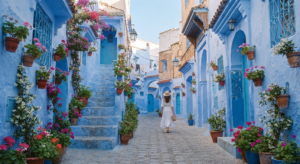
Morocco in april

1. Introduction: Understanding Morocco’s April Climate

Mrocco april climate

April is one of the most beautiful months to explore Morocco. As spring arrives across the country, landscapes become greener, flowers begin to bloom, and temperatures gradually rise, creating excellent conditions for sightseeing, outdoor adventures, and cultural experiences. Whether you are planning to explore the colorful streets of Marrakech, discover the historic medina of Fes, relax along the Atlantic coast, or experience the magic of the Sahara Desert, April offers a wonderful balance of sunshine and comfortable temperatures.

Understanding the Morocco April climate can help you plan a more enjoyable and comfortable holiday. Unlike the extremely hot summer months, April generally brings pleasant daytime temperatures, cooler evenings, and a mix of sunny and occasionally rainy days. However, weather conditions can vary considerably depending on where you travel. Coastal destinations tend to remain mild, inland cities can become pleasantly warm, and mountainous areas may still experience chilly conditions.

One of the biggest advantages of visiting Morocco in April is the opportunity to enjoy different types of landscapes without dealing with intense summer heat. You can spend your mornings exploring traditional markets, visit historical monuments during the afternoon, and enjoy outdoor restaurants in the evening. The comfortable spring weather also makes activities such as hiking in the Atlas Mountains, exploring ancient villages, and taking desert excursions more enjoyable.

For travelers coming from the United States or the United Kingdom, April can be an especially attractive time to discover Morocco. The country offers a fascinating combination of Mediterranean influences, North African traditions, beautiful beaches, mountain scenery, and desert landscapes. Spring provides favorable conditions for experiencing many of these attractions during a single trip.

However, it is important to remember that April weather is not identical everywhere. Marrakech and Fes can experience warmer afternoons, while Essaouira and Casablanca are often cooler because of Atlantic coastal influences. The Sahara Desert can be pleasantly warm during the day but surprisingly cold after sunset.

In this guide, we will explore everything you need to know about the Morocco April climate, including average temperatures, rainfall, sunshine hours, regional weather differences, what to wear, and the best activities to enjoy during your spring holiday.

By understanding what to expect from the weather in different regions, you can choose the right destinations, prepare suitable clothing, and make the most of your Moroccan adventure.

2. What Is the Weather Like in Morocco in April?

April is a beautiful spring month in Morocco, offering a combination of warm afternoons, comfortable mornings, cooler evenings, and occasional rainfall. Across much of the country, temperatures become increasingly pleasant, making it an excellent period for sightseeing, outdoor activities, road trips, and exploring traditional Moroccan cities.

The Morocco April climate is generally mild to warm, although conditions depend heavily on the destination. Inland cities such as Marrakech and Fes experience warmer afternoons, while Atlantic coastal destinations like Essaouira and Casablanca remain cooler because of ocean breezes. In southern destinations near the Sahara Desert, daytime temperatures can be noticeably warmer, creating comfortable conditions for desert excursions.

Warm and Pleasant Daytime Temperatures

During April, many Moroccan destinations enjoy daytime temperatures between approximately 19°C and 27°C (66°F–81°F). These conditions are particularly comfortable for travelers who want to explore cities on foot without experiencing the intense summer heat.

Marrakech, for example, often enjoys afternoon temperatures around 25°C to 26°C (77°F–79°F). This makes April an attractive month for visiting Jemaa el-Fnaa, exploring the historic medina, discovering traditional gardens, and enjoying outdoor cafés.

In contrast, Essaouira usually experiences cooler temperatures, with daytime highs around 19°C to 20°C (66°F–68°F). The coastal breeze can make the weather feel cooler, especially during the afternoon and evening.

Cooler Mornings and Evenings

Although afternoons can be pleasantly warm, mornings and evenings are often cooler, particularly in inland cities and mountainous destinations.

In Marrakech, nighttime temperatures can fall to approximately 12°C (54°F), while Fes may experience cooler nights around 8°C (46°F). Travelers visiting the Atlas Mountains should prepare for even lower temperatures, especially at higher elevations.

This difference between daytime and nighttime conditions is important when planning your holiday. Lightweight clothing is usually suitable during the afternoon, but a sweater, cardigan, or light jacket can make evenings much more comfortable.

Occasional Rainfall During April

April is part of the transition from Morocco’s wetter season toward the drier summer months. Although many days are sunny, rainfall is still possible, particularly in northern and central regions.

Cities such as Fes, Rabat, Tangier, and Casablanca can experience occasional spring showers. Marrakech generally receives less rainfall, while areas closer to the Sahara are usually much drier.

Rain rarely prevents travelers from enjoying an entire holiday, but carrying a compact umbrella or lightweight waterproof jacket is a sensible precaution.

Plenty of Sunshine for Outdoor Activities

One of the most attractive features of visiting Morocco in April is the opportunity to enjoy outdoor activities under pleasant spring sunshine.

Visitors can explore historic monuments, walk through traditional souks, enjoy rooftop restaurants, discover mountain villages, and take scenic road trips through the countryside.

The longer and brighter days also provide excellent opportunities for photography, particularly in destinations such as Chefchaouen, Marrakech, Ait Ben Haddou, and the Sahara Desert.

How Does April Weather Differ Across Morocco?

Morocco has several different climate zones, so choosing the right destination can make a significant difference to your travel experience.

Destination Average daytime high Average nighttime low
Marrakech 26°C (79°F) 12°C (54°F)
Fes 22°C (72°F) 8°C (47°F)
Casablanca 21°C (70°F) 13°C (56°F)
Agadir 23°C (74°F) 14°C (57°F)
Essaouira 20°C (67°F) 14°C (57°F)
Ouarzazate 27°C (80°F) 12°C (53°F)
Errachidia 26°C (79°F) 13°C (55°F)

These are approximate historical climate averages, not guaranteed temperatures or daily forecasts. Actual conditions vary from year to year.

Is April Hot or Cold in Morocco?

For most travelers, April is neither extremely hot nor particularly cold. It offers a comfortable balance between warm afternoons and cooler nights.

If you enjoy exploring cities, visiting historical attractions, hiking, and discovering different landscapes, April is generally an excellent choice. You can enjoy warm weather without the demanding temperatures that often arrive during July and August.

However, travelers planning to visit the mountains or spend nights in desert camps should bring warmer clothing because temperatures can drop considerably after sunset.

Overall, April offers a pleasant introduction to Morocco’s spring season. With suitable clothing and a flexible itinerary, visitors can enjoy everything from coastal towns and historic cities to mountain landscapes and desert adventures.

3. Average Temperatures Across Morocco in April

Understanding average temperatures is one of the most important parts of planning a spring holiday. Morocco has several different climate zones, meaning that temperatures can vary significantly between coastal cities, inland destinations, mountain villages, and desert regions. While some areas enjoy warm afternoons, others remain relatively cool, especially during the early morning and evening.

The Morocco April climate is generally characterized by comfortable spring temperatures, making this month an excellent opportunity to explore different parts of the country. Unlike the intense summer heat, April allows visitors to enjoy outdoor attractions, historical sites, and scenic landscapes without constantly searching for shade.

Average Daytime and Nighttime Temperatures

Across many popular Moroccan destinations, daytime temperatures in April range from approximately 19°C to 28°C (66°F–82°F). Nighttime temperatures are usually cooler, ranging from around 8°C to 15°C (46°F–59°F), depending on the region.

This difference between daytime and nighttime temperatures is particularly noticeable in inland destinations and desert areas. Visitors can enjoy warm afternoons before experiencing much cooler conditions after sunset.

Here is an overview of approximate April temperature averages in some of Morocco’s most popular destinations.

Destination Average high Average low
Marrakech 26°C 12°C
Fes 22°C 8°C
Casablanca 21°C 13°C
Rabat 21°C 12°C
Agadir 23°C 14°C
Essaouira 20°C 14°C
Tangier 19°C 12°C
Chefchaouen 19°C 10°C
Ouarzazate 27°C 12°C
Merzouga 28°C 14°C

Temperatures are approximate historical climate averages in degrees Celsius. Actual conditions vary depending on the year, elevation, and local weather patterns.

Temperatures in Northern Morocco

Northern Morocco generally experiences mild spring weather in April. Cities such as Tangier, Tetouan, and Chefchaouen often enjoy comfortable daytime conditions, although cooler mornings, occasional showers, and cloudy periods are possible.

Tangier benefits from its coastal location, where Atlantic and Mediterranean influences help moderate temperatures. Chefchaouen, located in the Rif Mountains, can feel cooler, particularly in the evening.

These destinations are excellent for travelers who prefer mild weather and want to explore beautiful streets, traditional architecture, and mountain scenery.

Temperatures in Central Morocco

Central Morocco includes popular destinations such as Marrakech, Beni Mellal, and parts of the surrounding countryside.

Marrakech is usually warmer than many northern and coastal destinations. Afternoon temperatures often reach approximately 25°C to 27°C, creating pleasant conditions for exploring the medina, visiting the Bahia Palace, and enjoying outdoor restaurants.

However, temperatures can feel warmer when walking through open, sunny areas during the middle of the day. Early mornings and late afternoons are often the most comfortable times for sightseeing.

Temperatures Along the Atlantic Coast

The Atlantic coast generally experiences moderate temperatures throughout April.

Agadir, Essaouira, and Casablanca benefit from ocean breezes that prevent temperatures from rising as quickly as they do in inland cities.

Agadir is particularly attractive for visitors looking for sunshine, beaches, and outdoor relaxation. However, the Atlantic Ocean can still feel cool for swimming, even when the air temperature is pleasant.

Essaouira is usually breezier, making it a popular destination for travelers interested in coastal walks, photography, surfing, and exploring its historic medina.

Temperatures in the Atlas Mountains

The Atlas Mountains experience cooler conditions because of their higher elevation.

While lower mountain valleys may enjoy pleasant spring temperatures, higher areas can remain cold in April. Snow may still be present on some mountain peaks, and nighttime temperatures can approach freezing at higher elevations.

Travelers planning to visit Imlil, hike mountain trails, or explore traditional Berber villages should bring warm layers and appropriate footwear.

Spring is also an attractive time to discover the mountain scenery because valleys can become greener and seasonal vegetation begins to develop.

Temperatures in the Sahara Desert

Southern Morocco and the Sahara Desert experience some of the warmest April conditions.

Destinations such as Merzouga and Erg Chebbi often enjoy daytime temperatures in the mid-to-high twenties Celsius, although warmer days are possible.

The desert can be particularly pleasant during April because daytime conditions are generally more manageable than during the hottest summer months.

However, desert nights can be considerably cooler than daytime conditions. Visitors staying in traditional desert camps should bring a warm jacket or sweater, especially if they plan to spend time outside after sunset.

Does Morocco Get Hot in April?

In most destinations, April is warm rather than extremely hot. Marrakech and southern desert areas can experience noticeably warmer afternoons, but temperatures are generally more comfortable than during the peak summer season.

Some particularly sunny days may feel hot, especially when walking around cities with limited shade. Wearing breathable clothing, drinking enough water, and avoiding prolonged exposure to the midday sun are sensible precautions.

For travelers who want to experience Morocco without extreme summer temperatures, April offers an appealing combination of warmth, sunshine, and comfortable outdoor conditions.

In summary, temperatures across Morocco in April depend largely on geography and elevation. Coastal destinations offer mild weather, inland cities are warmer, mountain areas remain cooler, and desert regions enjoy warm spring afternoons with cooler nights. Understanding these differences will help you choose destinations that match your preferred travel experience.

4. Rainfall and Sunshine Hours in April

Rainfall and sunshine are two important factors to consider when planning a spring holiday in Morocco. Although April is generally a pleasant month with plenty of bright days, occasional rain showers can still occur, particularly in northern cities and mountainous regions.

The Morocco April climate offers a favorable balance between sunshine and occasional rainfall. As spring progresses, many southern destinations become increasingly dry, while northern and central areas may continue experiencing some spring showers. This variety creates beautiful landscapes, greener valleys, and comfortable conditions for outdoor exploration.

Whether you are planning to visit Marrakech, explore the historic streets of Fes, relax on the beaches of Agadir, or discover the Sahara Desert, understanding local rainfall and sunshine patterns will help you organize your itinerary.

How Much Does It Rain in Morocco in April?

April is generally less rainy than the winter months in many parts of Morocco, although rainfall varies considerably by region.

According to historical climate data, Morocco receives approximately 17 mm of national-average precipitation during April. However, this figure should not be applied equally to every destination because coastal, northern, mountain, and desert regions have different weather patterns. <Cite refs={[“turn967812search12″,”turn967812search14”]}/>

For example, Marrakech generally experiences relatively limited rainfall, while Fes and some northern destinations can receive more frequent spring showers. Southern desert destinations such as Ouarzazate and areas around Merzouga are usually much drier.

Here is an approximate comparison of April rainfall in selected destinations:

Destination Approximate April rainfall
Marrakech 26 mm
Fes 55–62 mm
Casablanca 28–34 mm
Rabat 37–42 mm
Agadir 14–18 mm
Essaouira 17 mm
Ouarzazate 7 mm
Errachidia 9 mm

Figures are approximate historical climate averages and may differ between weather datasets and observation stations. <Cite refs={[“turn967812search3″,”turn967812search6″,”turn967812search0”]}/>

Which Parts of Morocco Receive More Rain?

Northern Morocco generally receives more rainfall than the southern desert regions. Cities such as Fes, Tangier, and areas around the Rif Mountains can experience occasional rainy days during April.

The Middle Atlas Mountains may also receive considerable precipitation. Higher elevations can remain cold, and snow may still be present in some mountain areas.

In contrast, southern destinations are generally much drier. Ouarzazate, the Draa Valley, and the areas surrounding the Sahara Desert usually offer better conditions for travelers looking for sunny outdoor adventures.

This difference is important when planning a multi-destination holiday. If your itinerary includes both northern cities and southern desert landscapes, you should prepare for different weather conditions rather than expecting the same climate everywhere.

How Many Hours of Sunshine Does Morocco Get in April?

One of the main reasons April attracts international visitors is the increasing amount of daylight and sunshine.

Many Moroccan destinations enjoy long, bright days during spring, providing plenty of time to explore historical attractions, traditional markets, gardens, beaches, and natural landscapes.

In Marrakech, April can offer around 10–11 hours of sunshine per day, depending on the dataset and the definition of sunshine used. Coastal destinations may experience more cloud cover because of Atlantic weather patterns, while southern inland areas generally enjoy brighter and drier conditions. <Cite refs={[“turn967812search0″,”turn967812search7”]}/>

These conditions make April particularly attractive for photography and outdoor activities. Visitors can enjoy morning walks, afternoon excursions, and beautiful sunset views without the extreme temperatures associated with midsummer.

Is April a Sunny Month in Marrakech?

Yes. April is generally a sunny and pleasant month in Marrakech.

The Red City often experiences warm afternoons, clear skies, and occasional short showers. With average daytime highs around 25°C to 26°C, visitors can comfortably explore Jemaa el-Fnaa, Bahia Palace, Majorelle Garden, and the city’s traditional souks.

Although rainfall is still possible, it usually does not dominate the entire month. A few cloudy periods or showers may interrupt outdoor plans, but most visitors can enjoy plenty of opportunities for sightseeing.

For the best experience, consider visiting outdoor attractions in the morning or late afternoon, when temperatures are especially comfortable.

Does It Rain in the Sahara Desert in April?

Rainfall is generally uncommon in the Sahara Desert during April.

Destinations such as Merzouga and Erg Chebbi usually experience dry conditions, making spring an attractive season for camel trekking, desert photography, overnight camping, and exploring the impressive sand dunes.

However, desert weather can sometimes be unpredictable. Occasional rainfall is possible, and strong winds or sandstorms can affect outdoor activities.

Another important detail is the temperature difference between day and night. Even when afternoons are warm and sunny, desert evenings can become surprisingly cool.

Travelers planning an overnight desert experience should bring a warm layer, even if the daytime weather feels like summer.

Can Rain Affect Your Morocco Holiday in April?

Occasional rain should not be a major reason to avoid visiting Morocco in April. Most destinations still offer plenty of opportunities for sightseeing and outdoor experiences.

However, it is useful to have alternative activities in case of unexpected showers.

For example:

  • Visit museums and historical monuments in Marrakech.
  • Explore traditional indoor markets and artisan workshops in Fes.
  • Enjoy Moroccan cooking classes and traditional hammams.
  • Discover local cafés and restaurants in Casablanca.
  • Explore covered streets and cultural attractions in northern cities.
  • Choose a scenic drive when mountain hiking conditions are unsuitable.

If you are planning a mountain excursion, desert tour, or long-distance road trip, check the local forecast before departure. Heavy rain in mountainous areas can occasionally affect road conditions.

5. Marrakech Weather in April

Marrakech is one of the best destinations to visit in Morocco during April. Spring brings warm afternoons, comfortable mornings, cool evenings, and plenty of sunshine, creating excellent conditions for discovering the city’s historic attractions, colorful souks, beautiful gardens, and traditional Moroccan culture.

The weather in Marrakech during April is particularly attractive for international travelers who want to explore the Red City without experiencing the extreme summer heat. Whether you are planning a romantic getaway, a family holiday, or a longer Moroccan adventure, April offers a pleasant combination of sunshine and comfortable temperatures.

Average Temperatures in Marrakech in April

April is a warm spring month in Marrakech. According to historical climate averages for the Marrakech-Menara weather station, daytime temperatures reach approximately 25°C to 26°C (77°F–79°F), while nighttime temperatures generally fall to around 12°C (54°F). <Cite refs={[“turn927719search0″,”turn927719search2”]}/>

Here is a general overview of what to expect:

Weather conditions April averages
Average daytime high 25.7°C (78°F)
Average nighttime low 12.4°C (54°F)
Average rainfall 26 mm
Rainy days Around 3 days
Monthly sunshine Around 270 hours
Daylight Approximately 13 hours

These figures represent historical averages rather than guaranteed daily conditions. Some April afternoons can become considerably warmer, particularly during periods of hot southerly winds.

Is Marrakech Hot in April?

Marrakech is generally warm in April, but the weather is usually much more comfortable than during July and August.

Afternoons are often sunny and pleasant, making it possible to explore the city’s famous attractions without constantly dealing with extreme temperatures. However, direct sunlight can make the afternoon feel warmer, especially when walking through open squares or narrow streets with limited shade.

For a comfortable sightseeing experience, consider exploring outdoor attractions early in the morning or later in the afternoon. You can use the middle of the day to enjoy a traditional Moroccan lunch, relax in your riad, or visit an indoor attraction.

What Is the Rainfall Like in Marrakech During April?

Rainfall in Marrakech decreases as spring progresses, although occasional showers are still possible.

Historical climate normals indicate approximately 26 mm of rainfall during April, usually spread across only a few rainy days. Most days remain suitable for outdoor sightseeing and excursions. <Cite refs={[“turn927719search0″,”turn927719search3”]}/>

If you experience a rainy afternoon, there are still plenty of interesting things to do. You can visit traditional museums, explore artisan workshops, enjoy a Moroccan cooking class, or relax in a traditional hammam.

Best Things to Do in Marrakech in April

The comfortable spring weather makes April an excellent time to explore Marrakech and its surrounding landscapes.

Here are some experiences worth including in your itinerary.

1. Explore Jemaa el-Fnaa Square

<escape> </escape> <AsyncImage query=”Jemaa el Fna Marrakech square spring afternoon orange sunset travel photography” aspectRatio=”16:9″ width=”100%”/>

Jemaa el-Fnaa is one of Marrakech’s most famous attractions. During April, you can comfortably explore the square, discover traditional food stalls, watch street performers, and enjoy the lively atmosphere.

As evening approaches, the square becomes especially vibrant, making it an excellent place to experience Moroccan culture.

2. Visit Majorelle Garden

<AsyncImage query=”Jardin Majorelle Marrakech Morocco lush exotic garden cobalt blue architecture spring flowers” aspectRatio=”16:9″ width=”100%”/>

Majorelle Garden is a beautiful escape from the busy streets of Marrakech. Its exotic plants, colorful architecture, peaceful pathways, and shaded areas make it an excellent place to visit during a warm April afternoon.

3. Discover Bahia Palace

<AsyncImage query=”Bahia Palace Marrakech Morocco traditional Moroccan architecture courtyard orange trees zellige spring” aspectRatio=”16:9″ width=”100%”/>

Bahia Palace offers a fascinating introduction to Moroccan architecture. Visitors can admire decorated ceilings, colorful mosaics, traditional courtyards, and beautiful gardens.

April’s comfortable temperatures make walking around the palace particularly enjoyable.

4. Enjoy a Rooftop Restaurant

<AsyncImage query=”Marrakech Moroccan rooftop restaurant terrace overlooking medina Atlas Mountains sunny spring day” aspectRatio=”16:9″ width=”100%”/>

Spring is an excellent time to enjoy outdoor dining in Marrakech. Many rooftop restaurants offer beautiful views of the medina, the Koutoubia Mosque, and the distant Atlas Mountains.

You can enjoy traditional Moroccan dishes such as tagine, couscous, and pastilla while experiencing the city’s pleasant spring atmosphere.

5. Take a Day Trip to the Atlas Mountains

<AsyncImage query=”Atlas Mountains Morocco Ourika Valley green spring landscape Berber village waterfalls” aspectRatio=”16:9″ width=”100%”/>

If you have extra time, consider taking a day trip from Marrakech to the Atlas Mountains. April brings beautiful spring scenery to many valleys, with greener landscapes, flowing rivers, and traditional mountain villages.

The Ourika Valley is a popular choice for visitors looking to escape the city and enjoy nature.

What Should You Wear in Marrakech in April?

Packing suitable clothing is important because temperatures can change considerably between daytime and nighttime.

During the day, lightweight and breathable clothing is generally comfortable. Cotton shirts, comfortable trousers, dresses, and walking shoes are good choices for exploring the medina.

For the evening, bring a light jacket, cardigan, or sweater because temperatures can fall to around 12°C.

Useful clothing items include:

  • Lightweight cotton shirts and tops.
  • Comfortable trousers and dresses.
  • Walking shoes for exploring the medina.
  • Sunglasses and a sun hat.
  • Sunscreen for sunny afternoons.
  • A light jacket for cooler evenings.
  • A compact umbrella for occasional showers.

When visiting religious or traditional sites, modest clothing that covers the shoulders and knees is a respectful choice.

Is April a Good Time to Visit Marrakech?

Absolutely. April is one of the most attractive months for visiting Marrakech because it offers warm temperatures, plenty of sunshine, and relatively limited rainfall.

Compared with the hottest summer months, spring allows visitors to enjoy more outdoor activities without dealing with intense daytime heat. It is also an excellent period for exploring nearby destinations such as the Agafay Desert, the Atlas Mountains, and traditional Berber villages.

However, April can be a popular travel period, especially around Easter and spring holidays. Booking accommodation and popular excursions in advance is a sensible idea.

Overall, if you are looking for comfortable temperatures, beautiful spring scenery, and excellent sightseeing opportunities, Marrakech deserves a place at the top of your Morocco travel itinerary in April.

6. Fes Weather in April

Fes is one of Morocco’s most fascinating historical destinations, and April is an excellent month to discover its cultural heritage, traditional architecture, and vibrant medina. During spring, the city enjoys mild to warm afternoons, cooler mornings, and occasional rainfall, creating comfortable conditions for exploring its historic streets and famous attractions.

Unlike Marrakech, which generally experiences warmer afternoons, Fes has a slightly cooler spring climate. This makes April particularly attractive for travelers who enjoy walking, discovering historical sites, and exploring traditional markets without dealing with intense summer temperatures.

Understanding the weather in Fes during April can help you prepare for your visit, choose suitable clothing, and organize your sightseeing activities.

Average Temperatures in Fes in April

April brings pleasant spring temperatures to Fes. Historical climate averages indicate daytime highs of approximately 22°C (72°F), while nighttime temperatures generally fall to around 10°C (50°F).

These conditions are ideal for exploring the old medina, visiting historical monuments, and enjoying outdoor cafés.

Here is an overview of typical April weather conditions in Fes:

Weather conditions Approximate average
Average daytime high 22°C (72°F)
Average nighttime low 10°C (50°F)
Monthly rainfall 55–65 mm
Rainy days Around 8–10 days
Daily sunshine Around 7–8 hours
Daylight Approximately 13 hours

These figures are approximate historical climate averages. Actual temperatures and rainfall vary from year to year. <Cite refs={[“turn558597search0″,”turn558597search6″,”turn558597search2”]}/>

Is Fes Warm in April?

Yes. Fes is generally warm and comfortable during April, particularly around midday and in the afternoon.

Temperatures often reach approximately 20°C to 23°C, allowing visitors to explore the city without experiencing the extreme heat that can occur during summer.

However, mornings and evenings can feel considerably cooler. If you are planning to spend the entire day exploring the medina, wearing comfortable layers is a good idea.

The pleasant spring weather also makes April a wonderful time to discover nearby attractions and enjoy scenic drives through the surrounding countryside.

Rainfall and Sunshine in Fes During April

April is still part of the spring rainfall season in Fes. Occasional showers are possible, and the city generally receives more rainfall than many southern Moroccan destinations.

Historical climate datasets indicate approximately 62 mm of precipitation during April, distributed across around nine days with measurable rainfall. <Cite refs={[“turn558597search0″,”turn558597search3”]}/>

However, this does not mean that it rains continuously. Many days are suitable for outdoor activities, and visitors can enjoy plenty of opportunities to explore the city’s attractions.

It is worth packing a lightweight waterproof jacket or a compact umbrella, particularly if you are planning a longer stay.

Best Things to Do in Fes in April

Spring is an excellent season to explore Fes because comfortable temperatures make walking around the historic city much more enjoyable.

Here are some of the best experiences to include in your itinerary.

1. Explore Fes el-Bali Medina

<AsyncImage query=”Fes el Bali ancient medina Morocco narrow traditional streets colorful souks spring travel photography” aspectRatio=”16:9″ width=”100%”/>

Fes el-Bali is the historic heart of the city and one of the most impressive medieval medinas in the world.

Its narrow streets, traditional markets, historic buildings, and artisan workshops offer an unforgettable cultural experience.

April’s mild temperatures make walking through the medina particularly enjoyable. You can discover traditional handicrafts, purchase Moroccan souvenirs, and experience everyday life in one of the country’s most historic neighborhoods.

2. Visit Al Quaraouiyine University

<AsyncImage query=”Al Quaraouiyine University mosque Fes Morocco historic Islamic architecture courtyard” aspectRatio=”16:9″ width=”100%”/>

Al Quaraouiyine is one of the most important historical and religious landmarks in Fes.

Founded in 859, it is widely recognized as one of the world’s oldest continuously operating educational institutions.

Visitors can admire its historical significance, traditional architectural details, and surrounding streets. Access to certain religious areas may be restricted to Muslims, so check visitor arrangements before your visit.

3. Discover the Chouara Tanneries

<AsyncImage query=”Chouara tannery Fes Morocco colorful traditional leather dyeing stone vats panoramic view” aspectRatio=”16:9″ width=”100%”/>

The Chouara Tanneries are among the most recognizable attractions in Fes.

Visitors can observe traditional leather production methods and colorful dyeing vats from nearby terraces overlooking the historic workshops.

The experience offers a fascinating insight into Moroccan craftsmanship, which has been preserved across generations.

4. Visit Bou Inania Madrasa

<AsyncImage query=”Bou Inania Madrasa Fes Morocco intricate zellige carved cedar wood architecture courtyard” aspectRatio=”16:9″ width=”100%”/>

Bou Inania Madrasa is a remarkable example of traditional Moroccan architecture.

Its beautifully decorated walls, carved cedar wood, detailed plasterwork, and colorful zellige tiles make it one of the most impressive historical sites in the city.

April is an excellent time to explore its architectural details in comfortable spring weather.

5. Enjoy Traditional Moroccan Food

<AsyncImage query=”Traditional Moroccan food Fes pastilla chicken tagine couscous Moroccan restaurant table” aspectRatio=”16:9″ width=”100%”/>

Fes is famous for its rich culinary traditions. During your visit, take the opportunity to enjoy traditional dishes such as Fassi pastilla, chicken tagine, couscous, and Moroccan mint tea.

Many restaurants offer traditional dining experiences where you can discover the flavors and hospitality of Moroccan culture.

What Should You Wear in Fes in April?

Because temperatures change throughout the day, wearing layers is the best approach when visiting Fes in spring.

During sunny afternoons, lightweight shirts, cotton trousers, and comfortable walking shoes are usually sufficient. However, mornings and evenings can be chilly, so bringing an extra layer is recommended.

Consider packing:

  • Lightweight shirts and breathable clothing.
  • Comfortable trousers for walking around the medina.
  • A light sweater or cardigan.
  • A jacket for cooler evenings.
  • Comfortable walking shoes.
  • Sunglasses and sunscreen.
  • A compact umbrella or waterproof jacket.

If you plan to visit religious or traditional places, modest clothing that covers your shoulders and knees is a respectful choice.

Is April a Good Time to Visit Fes?

Absolutely. April is one of the attractive months to explore Fes because temperatures are generally comfortable for sightseeing and outdoor activities.

Compared with the summer months, when afternoon temperatures can become very high, spring offers better conditions for discovering the historic medina and walking between major attractions.

It is also a good opportunity to combine Fes with other destinations, including Meknes, Chefchaouen, Rabat, and the Middle Atlas Mountains.

However, remember that occasional rain is possible, so a flexible itinerary is useful.

Overall, Fes is an excellent destination for travelers interested in Moroccan history, architecture, traditional crafts, and authentic cultural experiences. If you want to discover the country’s historical heritage while enjoying comfortable spring weather, April is a wonderful time to visit.

7. Casablanca and Rabat Weather in April

Casablanca and Rabat are two of Morocco’s most popular coastal cities, offering a combination of Atlantic Ocean views, historical attractions, modern architecture, and traditional Moroccan culture. April is a pleasant time to explore both destinations because spring brings mild temperatures, longer days, and comfortable conditions for sightseeing.

Unlike Marrakech and other inland destinations, Casablanca and Rabat benefit from the moderating influence of the Atlantic Ocean. This means temperatures generally remain milder, with refreshing sea breezes and cooler evenings.

For travelers researching the Morocco April climate, these two cities are excellent choices if you prefer moderate weather rather than intense heat. Although both destinations share a coastal climate, their atmosphere, attractions, and local weather conditions offer slightly different experiences.

Average Temperatures in Casablanca and Rabat in April

During April, both cities generally experience daytime temperatures around 20°C to 22°C (68°F–72°F). Nights are cooler, with temperatures usually falling to approximately 12°C to 13°C (54°F–55°F).

Here is a comparison of their typical April weather:

Weather conditions Casablanca Rabat
Average daytime high 21°C 21°C
Average nighttime low 13°C 12–13°C
Average rainfall 28–30 mm 37–44 mm
Rainy days Around 5 days Around 6–7 days
Daylight Around 13 hours Around 13 hours

Figures are approximate historical climate averages. Different observation periods and weather datasets may produce slightly different results. <Cite refs={[“turn691333search4″,”turn691333search6″,”turn691333search0”]}/>

Casablanca Weather in April

<AsyncImage query=”Casablanca Morocco Hassan II Mosque Atlantic ocean coastline sunny spring day travel photography” aspectRatio=”16:9″ width=”100%”/>

Casablanca is Morocco’s largest city and an important destination for travelers interested in modern Moroccan life, architecture, shopping, and coastal scenery.

April brings mild and comfortable weather to Casablanca. Daytime temperatures generally reach around 21°C (70°F), while nighttime temperatures average approximately 13°C (55°F).

The Atlantic breeze helps keep the city relatively cool, especially near the coastline. This makes April an excellent time to explore the city on foot, enjoy seaside restaurants, and discover its famous architectural landmarks.

Rainfall is possible, but April is generally less rainy than the winter months. Visitors can expect a mixture of sunny periods, cloudy skies, and occasional spring showers.

Best Things to Do in Casablanca in April

The comfortable spring weather makes it easier to explore Casablanca’s main attractions and enjoy its coastal atmosphere.

1. Visit Hassan II Mosque

<AsyncImage query=”Hassan II Mosque Casablanca Morocco magnificent architecture ocean blue sky spring photography” aspectRatio=”16:9″ width=”100%”/>

Hassan II Mosque is one of Morocco’s most impressive architectural landmarks. Located beside the Atlantic Ocean, it features a spectacular minaret, detailed Moroccan craftsmanship, and beautiful ocean views.

April is an excellent time to visit because the mild weather makes exploring the surrounding area more comfortable.

2. Walk Along the Corniche

<AsyncImage query=”Ain Diab Corniche Casablanca Morocco Atlantic ocean promenade cafes sunny spring afternoon” aspectRatio=”16:9″ width=”100%”/>

The Ain Diab Corniche is one of the best places to enjoy Casablanca’s coastal atmosphere. You can walk beside the ocean, discover cafés and restaurants, and watch the waves along the Atlantic coastline.

The refreshing sea breeze makes this area particularly enjoyable during warm spring afternoons.

3. Explore the Old Medina

<AsyncImage query=”Old Medina Casablanca Morocco traditional narrow streets local shops colorful market photography” aspectRatio=”16:9″ width=”100%”/>

Casablanca’s Old Medina offers a different experience from the city’s modern neighborhoods. Its traditional shops, narrow streets, local markets, and historical atmosphere provide an interesting glimpse into everyday Moroccan life.

4. Discover Habous Quarter

<AsyncImage query=”Quartier Habous Casablanca Morocco traditional Moroccan architecture arches shops streets” aspectRatio=”16:9″ width=”100%”/>

The Habous Quarter combines traditional Moroccan architectural influences with French colonial urban planning. Visitors can explore its attractive streets, traditional bakeries, bookstores, and shops selling Moroccan handicrafts.

April’s moderate temperatures make walking around this neighborhood especially pleasant.

Rabat Weather in April

<AsyncImage query=”Rabat Morocco Kasbah of the Udayas blue white streets Atlantic ocean spring sunshine” aspectRatio=”16:9″ width=”100%”/>

Rabat, Morocco’s capital city, is another excellent destination for a spring holiday. It offers a quieter atmosphere than Casablanca, with beautiful gardens, historical monuments, coastal scenery, and attractive traditional neighborhoods.

In April, Rabat generally enjoys daytime temperatures around 21°C (70°F), while nighttime temperatures fall to approximately 12°C to 13°C (54°F–55°F).

The city can experience occasional rainfall, but there are usually plenty of opportunities to enjoy outdoor sightseeing.

Compared with Marrakech, Rabat is generally cooler during the afternoon because of its coastal location. This makes it particularly attractive for visitors who prefer mild spring temperatures.

Best Things to Do in Rabat in April

1. Explore the Kasbah of the Udayas

<AsyncImage query=”Kasbah des Oudayas Rabat Morocco blue white traditional streets flowers spring travel photography” aspectRatio=”16:9″ width=”100%”/>

The Kasbah of the Udayas is one of Rabat’s most beautiful historical neighborhoods. Its blue-and-white streets, traditional architecture, peaceful atmosphere, and ocean views make it an unforgettable place to explore.

Spring is an excellent time to walk through its narrow streets and enjoy the surrounding scenery.

2. Visit Hassan Tower

<AsyncImage query=”Hassan Tower Rabat Morocco historic red stone minaret columns blue spring sky” aspectRatio=”16:9″ width=”100%”/>

Hassan Tower is one of Rabat’s most recognizable historical landmarks. The unfinished minaret and surrounding columns reflect an important part of Morocco’s architectural history.

Visitors can explore the monument and enjoy its impressive open surroundings.

3. Discover the Chellah Necropolis

<AsyncImage query=”Chellah Rabat Morocco ancient Roman Islamic ruins gardens storks spring flowers” aspectRatio=”16:9″ width=”100%”/>

Chellah is a fascinating historical site combining ancient Roman remains and medieval Islamic architecture.

During spring, its gardens and surrounding vegetation can create a particularly attractive setting for photography and peaceful walks.

4. Relax in Andalusian Gardens

<AsyncImage query=”Andalusian Gardens Rabat Morocco lush green garden orange trees flowers peaceful spring” aspectRatio=”16:9″ width=”100%”/>

The Andalusian Gardens provide a peaceful escape from the busy city streets. With beautiful plants, shaded pathways, and traditional garden design, they are an excellent place to relax during a spring afternoon.

Is the Atlantic Ocean Warm Enough for Swimming in April?

Although Casablanca and Rabat can enjoy pleasant sunshine, the Atlantic Ocean is generally still cool during April.

Sea temperatures around both cities are typically approximately 17°C to 18°C (63°F–64°F), although they vary throughout the month.

Some visitors may enjoy a short swim, but the water can feel cold for people who prefer warmer swimming conditions.

If swimming is an important part of your holiday, consider Agadir, where the coastal weather and beach atmosphere may be more appealing, although the Atlantic water is still relatively cool in spring.

What Should You Wear in Casablanca and Rabat in April?

Because coastal weather can change throughout the day, wearing comfortable layers is recommended.

During sunny afternoons, lightweight clothing is usually sufficient. However, Atlantic winds can make the temperature feel cooler, particularly near the beach and waterfront.

Consider packing:

  • Lightweight shirts and comfortable trousers.
  • A light sweater or cardigan.
  • A wind-resistant jacket for coastal walks.
  • Comfortable walking shoes.
  • Sunglasses and sunscreen.
  • A compact umbrella for occasional showers.

A light jacket is particularly useful if you plan to enjoy outdoor restaurants or evening walks beside the ocean.

Casablanca or Rabat: Which City Should You Visit in April?

Both cities are excellent spring destinations, but the best choice depends on your travel preferences.

Casablanca is ideal for visitors interested in modern city life, shopping, restaurants, architecture, and Atlantic coastal scenery. It is also an important transport hub for international travelers.

Rabat is particularly attractive for those who enjoy historical monuments, traditional neighborhoods, gardens, and a more relaxed atmosphere.

If you have enough time, visiting both cities is a great idea. They are relatively close to each other, making it possible to combine them in one itinerary.

Overall, Casablanca and Rabat offer comfortable spring weather and plenty of cultural attractions. Their mild temperatures, refreshing ocean breezes, and increasing sunshine make them excellent additions to a Moroccan holiday in April.

8. Agadir and Essaouira Weather in April

Agadir and Essaouira are two of the most attractive coastal destinations in Morocco, especially for travelers who enjoy beaches, ocean views, fresh seafood, and relaxing seaside experiences. Located along the Atlantic coast, both cities offer mild spring temperatures and refreshing ocean breezes during April.

However, their weather conditions are slightly different. Agadir generally enjoys warmer and sunnier conditions, while Essaouira is famous for its stronger coastal winds and cooler atmosphere.

For visitors researching the Morocco April climate, these two destinations are excellent choices for combining sightseeing, outdoor activities, and beach relaxation without experiencing the intense heat found in some inland cities.

Average Temperatures in Agadir and Essaouira in April

April is a pleasant month in both destinations. Daytime temperatures are generally comfortable, while evenings remain relatively mild.

Here is an approximate comparison of their typical April weather:

Weather conditions Agadir Essaouira
Average daytime high 23°C (73°F) 20°C (68°F)
Average nighttime low 14°C (57°F) 14°C (57°F)
Average rainfall 15–20 mm 15–20 mm
Daily sunshine Around 8–9 hours Around 7–8 hours
Sea temperature Around 18°C Around 17–18°C

These figures are approximate historical climate averages. Actual conditions can vary depending on the year and weather station.

Agadir Weather in April

<AsyncImage query=”Agadir Morocco beach wide golden sand Atlantic ocean sunny spring blue sky travel photography” aspectRatio=”16:9″ width=”100%”/>

Agadir is one of Morocco’s most popular seaside destinations, attracting visitors with its long sandy beach, modern resorts, sunny weather, and relaxed atmosphere.

April is an excellent month to visit because temperatures are generally warm without becoming excessively hot. Afternoon highs often reach approximately 23°C (73°F), while nighttime temperatures remain around 14°C (57°F).

Rainfall is usually limited compared with northern Moroccan destinations, and visitors can enjoy plenty of opportunities for outdoor activities.

The combination of sunshine, mild temperatures, and ocean breezes makes Agadir particularly attractive for families, couples, and travelers looking for a relaxing spring holiday.

Best Things to Do in Agadir in April

1. Relax on Agadir Beach

<AsyncImage query=”Agadir beach Morocco golden sand turquoise Atlantic water palm trees sunny spring day” aspectRatio=”16:9″ width=”100%”/>

Agadir Beach is the city’s main attraction. Its long sandy coastline provides plenty of space for walking, relaxing, enjoying ocean views, and participating in beach activities.

April is particularly suitable for spending time outdoors because temperatures are generally comfortable throughout the day.

Although the Atlantic Ocean can still feel cool, visitors can enjoy the beach atmosphere and beautiful coastal scenery.

2. Explore Agadir Marina

<AsyncImage query=”Agadir Marina Morocco luxury yachts waterfront cafes modern architecture sunny spring photography” aspectRatio=”16:9″ width=”100%”/>

Agadir Marina is a beautiful waterfront area featuring yachts, restaurants, cafés, and modern architecture.

It is an excellent place to enjoy an afternoon walk, have lunch beside the water, or relax with a traditional Moroccan mint tea.

The pleasant spring weather makes the marina especially enjoyable during April.

3. Visit Agadir Oufella Kasbah

<AsyncImage query=”Agadir Oufella Kasbah panoramic view Agadir city beach Atlantic ocean spring sunset” aspectRatio=”16:9″ width=”100%”/>

For some of the best panoramic views of Agadir, visit the historic Agadir Oufella Kasbah.

Located on a hill overlooking the city, this historical landmark offers spectacular views of the coastline, marina, and surrounding mountains.

Late afternoon is an excellent time to visit, when the sunlight creates beautiful scenery over the Atlantic Ocean.

4. Discover Souk El Had

<AsyncImage query=”Souk El Had Agadir Morocco traditional market colorful spices fruits handicrafts” aspectRatio=”16:9″ width=”100%”/>

Souk El Had is one of Agadir’s most interesting traditional markets.

Visitors can discover colorful spices, fresh produce, Moroccan handicrafts, clothing, and souvenirs. It is also a wonderful opportunity to experience local shopping traditions and discover everyday Moroccan life.

5. Take a Trip to Paradise Valley

<AsyncImage query=”Paradise Valley near Agadir Morocco natural turquoise pools palm trees rocky mountains spring landscape” aspectRatio=”16:9″ width=”100%”/>

Paradise Valley is a beautiful natural destination located in the Atlas foothills, within driving distance of Agadir.

The area is known for its rocky landscapes, palm trees, natural pools, and scenic mountain surroundings.

Spring can be an attractive season to explore the valley, although water levels and trail conditions depend on recent rainfall. Always check local conditions before swimming or hiking.

Essaouira Weather in April

<AsyncImage query=”Essaouira Morocco historic port city medina Atlantic coastline white blue buildings spring sunny day” aspectRatio=”16:9″ width=”100%”/>

Essaouira offers a different coastal experience from Agadir. Known for its historic medina, fishing harbor, artistic atmosphere, and beautiful beaches, the city is especially attractive to travelers looking for a peaceful seaside destination.

During April, daytime temperatures generally reach around 19°C to 21°C (66°F–70°F), while nighttime temperatures remain close to 14°C (57°F).

One of the most important characteristics of Essaouira’s weather is its Atlantic wind. Even on sunny days, strong coastal breezes can make the temperature feel cooler than expected.

This makes Essaouira particularly popular with visitors interested in surfing, windsurfing, kitesurfing, and long coastal walks.

Best Things to Do in Essaouira in April

1. Explore Essaouira Medina

<AsyncImage query=”Essaouira Morocco UNESCO medina blue white traditional streets shops flowers spring travel photography” aspectRatio=”16:9″ width=”100%”/>

The historic medina is one of Essaouira’s most beautiful attractions. Its whitewashed buildings, blue doors, traditional shops, and narrow streets create a charming atmosphere.

April’s mild weather makes walking around the medina particularly enjoyable.

2. Visit Essaouira Fishing Port

<AsyncImage query=”Essaouira fishing port Morocco traditional blue wooden fishing boats seagulls Atlantic ocean” aspectRatio=”16:9″ width=”100%”/>

The fishing port is one of the most recognizable places in Essaouira.

Visitors can observe traditional blue fishing boats, watch fishermen working, and discover the city’s long maritime history.

The nearby seafood restaurants also provide an excellent opportunity to enjoy freshly prepared fish and other local specialties.

3. Walk Along Essaouira Beach

<AsyncImage query=”Essaouira wide sandy beach Morocco Atlantic ocean camel walking spring afternoon photography” aspectRatio=”16:9″ width=”100%”/>

Essaouira Beach is perfect for long walks, enjoying ocean views, and relaxing beside the Atlantic.

April provides pleasant conditions for spending time along the coastline, although the wind can sometimes become strong.

4. Try Surfing and Kitesurfing

<AsyncImage query=”Essaouira Morocco kitesurfing colorful kites Atlantic ocean beach action photography” aspectRatio=”16:9″ width=”100%”/>

Essaouira is internationally recognized for its wind and water sports.

April can offer attractive conditions for surfing, windsurfing, and kitesurfing, depending on the wind and wave conditions.

Beginners can also find local surf schools offering lessons and equipment rentals.

5. Discover Traditional Moroccan Art

<AsyncImage query=”Essaouira Morocco traditional wood craftsmanship thuya wood artisan workshop colorful local art” aspectRatio=”16:9″ width=”100%”/>

Essaouira has a long tradition of artistic craftsmanship, particularly thuya woodwork.

You can discover small artisan workshops, local galleries, handmade decorations, and traditional souvenirs while exploring the medina.

Is April a Good Time for Swimming in Agadir and Essaouira?

April offers pleasant beach weather, but Atlantic Ocean temperatures remain relatively cool.

Sea temperatures are generally around 17°C to 19°C, depending on the destination and weather conditions.

Agadir may feel more suitable for a relaxing beach holiday because of its warmer and sunnier atmosphere. However, the water can still feel cold for visitors who prefer swimming in warmer seas.

Essaouira is generally more attractive for beach walks and water sports than for traditional swimming because of its cooler water and stronger winds.

Many hotels in Agadir also offer swimming pools, including heated options, which can be a more comfortable alternative.

What Should You Wear in Agadir and Essaouira in April?

Although both destinations enjoy mild spring temperatures, it is important to prepare for changing coastal conditions.

In Agadir, lightweight clothing is generally suitable during sunny afternoons. However, a light jacket is useful for evenings.

In Essaouira, wind-resistant clothing is particularly important because ocean breezes can make the weather feel cooler.

Consider bringing:

  • Lightweight cotton shirts and trousers.
  • Comfortable walking shoes or sandals.
  • A light sweater or cardigan.
  • A windproof jacket for Essaouira.
  • Swimwear for beaches and hotel pools.
  • Sunglasses and sunscreen.
  • A hat for sunny afternoons.

Agadir or Essaouira: Which Is Better in April?

Both destinations offer wonderful spring experiences, but they suit different types of travelers.

Agadir is generally the better choice if you want warmer weather, sandy beaches, modern resorts, and a relaxed holiday atmosphere.

Essaouira is ideal if you prefer historic streets, traditional architecture, seafood restaurants, artistic culture, and outdoor water sports.

If you have enough time, visiting both cities can be a fantastic addition to your Morocco itinerary.

Overall, Agadir and Essaouira offer two different ways to experience the Atlantic coast during spring. Their mild temperatures, attractive beaches, and outdoor activities make them excellent destinations for travelers exploring Morocco in April.

9. Atlas Mountains Weather in April

The Atlas Mountains are among the most spectacular natural destinations in Morocco, attracting travelers with their dramatic peaks, traditional Berber villages, green valleys, waterfalls, and beautiful hiking trails. April is a particularly interesting month to explore this mountain region because spring gradually transforms the landscape, bringing fresh vegetation, flowing rivers, and more comfortable temperatures in lower elevations.

However, the weather in the Atlas Mountains is very different from the conditions found in Marrakech, Agadir, or other lowland destinations. Because of the altitude, temperatures can be considerably cooler, especially in the early morning and evening. Snow may also remain on some of the highest mountain peaks during April.

Understanding the Morocco April climate in mountainous areas is essential if you are planning hiking trips, scenic drives, or visits to traditional mountain villages.

Average Temperatures in the Atlas Mountains in April

Temperatures in the Atlas Mountains depend mainly on elevation and location. Lower valleys generally experience mild spring weather, while higher mountain areas remain cold.

For example, villages around Imlil may enjoy pleasant daytime temperatures, but evenings can become chilly. At higher elevations, temperatures may approach freezing, particularly during periods of unsettled weather.

Here is a general overview of possible April conditions:

Mountain area Approximate daytime temperature Approximate nighttime temperature
Imlil 15–19°C 4–8°C
Ourika Valley 17–22°C 6–10°C
Ouirgane 17–21°C 6–9°C
Ait Bouguemez 12–18°C 2–6°C
Higher mountain elevations 0–10°C Below 0°C possible

These are indicative temperature ranges, not verified climate normals for every location. Conditions vary significantly with altitude, exposure, and weather systems.

Does It Snow in the Atlas Mountains in April?

Yes, snow can still be present in parts of the Atlas Mountains during April, particularly at higher elevations.

Mount Toubkal, the highest mountain in North Africa, can retain snow and icy conditions well into spring. Although lower mountain valleys may already feel like spring, the highest trails can remain challenging.

Travelers planning to hike at high elevations should understand that April is not necessarily a snow-free season.

If you are planning a Mount Toubkal expedition, check current mountain conditions and consider hiring an experienced local mountain guide. Appropriate equipment may be necessary depending on the route and conditions.

Best Places to Visit in the Atlas Mountains in April

Spring is an excellent opportunity to discover the natural beauty and traditional culture of Morocco’s mountain regions.

Here are some of the best destinations to include in your itinerary.

1. Ourika Valley

<AsyncImage query=”Ourika Valley Morocco Atlas Mountains lush green spring landscape river waterfalls traditional Berber villages” aspectRatio=”16:9″ width=”100%”/>

Ourika Valley is one of the most popular mountain destinations near Marrakech. Located in the foothills of the High Atlas, it is famous for its green landscapes, rivers, traditional villages, and beautiful mountain scenery.

April is an attractive month to visit because spring vegetation can make the valley particularly colorful.

Visitors can enjoy scenic walks, discover local restaurants beside the river, and explore the famous Setti Fatma waterfalls.

The valley is also an excellent destination for travelers who want to experience mountain landscapes without undertaking a demanding multi-day hike.

2. Imlil Village

<AsyncImage query=”Imlil village Morocco High Atlas Mountains spring green terraced fields traditional Berber houses snowy peaks” aspectRatio=”16:9″ width=”100%”/>

Imlil is a charming mountain village located in the High Atlas Mountains, approximately 90 minutes from Marrakech by road, depending on traffic and conditions.

It is one of Morocco’s most important starting points for mountain trekking and Mount Toubkal expeditions.

During April, lower parts of the area can enjoy pleasant spring weather, while surrounding peaks may still have snow.

Visitors can explore traditional villages, walk along mountain paths, enjoy local hospitality, and discover the beautiful scenery of the High Atlas.

3. Mount Toubkal

<AsyncImage query=”Mount Toubkal Morocco highest mountain snow capped summit dramatic High Atlas spring landscape” aspectRatio=”16:9″ width=”100%”/>

Mount Toubkal rises to approximately 4,167 meters above sea level and is the highest mountain in North Africa.

For experienced hikers, climbing Toubkal can be an unforgettable adventure. However, April conditions can be challenging because snow and ice may remain on parts of the route.

A guided expedition and suitable equipment are strongly recommended when winter conditions persist.

If you are not planning a summit climb, you can still enjoy spectacular mountain views from surrounding villages and lower hiking trails.

4. Ouirgane Valley

<AsyncImage query=”Ouirgane Valley Morocco Atlas Mountains red earth green orchards lake spring countryside travel photography” aspectRatio=”16:9″ width=”100%”/>

Ouirgane is a peaceful mountain destination known for its beautiful countryside, traditional villages, orchards, and scenic landscapes.

April brings attractive spring conditions to the region, making it an excellent choice for gentle walks, countryside exploration, and relaxing accommodation surrounded by nature.

Compared with some of the busier mountain destinations, Ouirgane offers a quieter experience.

5. Ait Bouguemez Valley

<AsyncImage query=”Ait Bouguemez Happy Valley Morocco Atlas Mountains green agricultural fields traditional Berber villages spring” aspectRatio=”16:9″ width=”100%”/>

Often called the Happy Valley, Ait Bouguemez is one of the most beautiful mountain valleys in Morocco.

Located in the Central High Atlas, it is famous for its agricultural landscapes, traditional mud-brick villages, mountain scenery, and peaceful atmosphere.

Spring can be an excellent time to discover the valley, although temperatures remain cooler than in Marrakech because of its elevation.

Is April a Good Time for Hiking in the Atlas Mountains?

April can be an excellent month for hiking in lower and medium-elevation areas of the Atlas Mountains.

Temperatures are generally more comfortable than during the hottest summer months, and spring landscapes create beautiful scenery for outdoor adventures.

However, hiking conditions depend on the specific route and altitude.

For example:

  • Lower mountain trails may offer pleasant walking conditions.
  • Ourika Valley is suitable for scenic walks and waterfall visits when trails are safe.
  • Imlil offers several beautiful village and mountain walking routes.
  • High-altitude routes may still require snow equipment and experienced guides.
  • Mount Toubkal expeditions may involve winter mountaineering conditions.

Always check the local forecast and trail conditions before starting a mountain excursion.

What Should You Wear in the Atlas Mountains in April?

Mountain weather can change quickly, so wearing layers is particularly important.

Even when the sun is shining, temperatures may drop considerably in shaded areas or at higher elevations.

Here are some useful items to pack:

  • Lightweight thermal or breathable base layers.
  • Long trousers suitable for hiking.
  • A warm fleece or sweater.
  • A waterproof and windproof jacket.
  • Comfortable hiking boots with good grip.
  • Warm socks.
  • Sunglasses and sunscreen.
  • A hat and gloves for colder conditions.
  • A small backpack with water and snacks.

If you are planning a high-altitude trek, consult your guide about additional technical equipment.

Can You Visit the Atlas Mountains on a Day Trip from Marrakech?

Mrocco april climate

Absolutely. Several beautiful mountain destinations are accessible from Marrakech on a day trip.

Ourika Valley is one of the most popular choices, while Imlil and Ouirgane are also excellent options.

A typical day trip can include scenic mountain drives, visits to traditional Berber villages, short walks, local restaurants, and opportunities to photograph the surrounding landscapes.

However, if you want to explore the mountains more deeply, consider spending one or two nights in a traditional guesthouse. This allows you to enjoy peaceful mornings, discover local culture, and experience the mountain atmosphere without rushing.

Is April Better Than Summer for Visiting the Atlas Mountains?

For many travelers, April offers several advantages over the hottest summer months.

Spring brings greener landscapes, flowing rivers in some valleys, and comfortable temperatures for exploring lower mountain areas.

Summer can be warmer and drier, particularly in lower valleys, although high-altitude destinations often remain cooler.

The main disadvantage of April is that snow and unpredictable weather can still affect higher mountain routes.

Overall, April is a wonderful time to discover the Atlas Mountains if you enjoy nature, traditional villages, scenic drives, and moderate hiking. Just remember that mountain conditions are different from those in Morocco’s coastal cities and inland destinations, so appropriate preparation is essential.

10. Sahara Desert Weather in April

April is one of the most comfortable months to explore Morocco’s Sahara Desert. As spring arrives, the desert begins to warm up, creating pleasant conditions for camel rides, overnight desert camps, sunset photography, and exploring the golden dunes. If you are planning a trip to Merzouga or Erg Chebbi, understanding the Morocco April climate in the desert will help you prepare for the difference between warm afternoons and cooler nights.

Unlike the coastal cities, where ocean breezes keep temperatures relatively mild, the Sahara has a dry climate with stronger temperature changes throughout the day. You can enjoy plenty of sunshine, but you should also prepare for cool evenings and occasional desert winds.

Daytime Temperatures in the Sahara in April

During April, daytime temperatures in the Sahara are generally warm and sunny. Around Merzouga and the Erg Chebbi dunes, afternoon temperatures often reach approximately 25°C to 30°C, although warmer or cooler days are possible.

These conditions are usually suitable for outdoor activities, especially in the morning and late afternoon. You can explore the dunes, visit nearby villages, enjoy a 4×4 excursion, or take a camel ride without facing the extreme heat that can arrive during the summer months.

However, the desert sun can feel strong even when the air temperature seems comfortable. Wear sunglasses, apply sunscreen, and drink water regularly, particularly during longer excursions.

Nighttime Temperatures in the Sahara

One important feature of the Sahara Desert weather in April is the difference between daytime and nighttime temperatures. After sunset, the desert cools down quickly because the dry air and open landscape allow heat to escape.

Nighttime temperatures around Merzouga may fall to approximately 10°C to 15°C, sometimes lower depending on the weather. This can make evenings surprisingly chilly, especially when sitting outside a desert camp or sleeping in a traditional tent.

If you are planning an overnight stay, bring a warm jacket, long trousers, and comfortable layers. Most organized desert camps provide bedding, but checking the facilities before booking is a good idea.

Is April a Good Month for a Sahara Desert Camp?

Yes. April is generally an excellent time to spend a night in the Sahara. The temperatures are often more comfortable than in the hottest summer months, making it easier to enjoy the experience from afternoon until the following morning.

A typical desert experience may include:

  • Riding a camel across the Erg Chebbi dunes before sunset.
  • Watching the sun disappear behind the golden sand.
  • Enjoying a traditional Moroccan dinner at a desert camp.
  • Listening to local music around a campfire.
  • Watching the stars in the clear desert sky.
  • Waking up early to enjoy the sunrise over the dunes.

The weather can make these activities especially enjoyable, but conditions are never guaranteed. Wind, clouds, or an occasional temperature drop may affect your plans.

Wind and Sandstorms in April

April is usually relatively dry in the Sahara, but windy conditions can occur. Strong winds may blow sand across the dunes, reduce visibility, and make camel rides or outdoor activities less comfortable.

Sandstorms are not an everyday occurrence, but it is sensible to be prepared. A lightweight scarf can help protect your face and neck, while sunglasses can reduce discomfort from blowing sand.

If the wind becomes too strong, follow your desert guide’s advice and avoid walking across exposed dunes without guidance.

What Should You Wear in the Sahara in April?

The best approach is to dress in layers. Warm afternoons may require lightweight clothing, while evenings call for warmer items.

Consider packing:

  • Lightweight, breathable clothes for daytime.
  • A warm jacket or fleece for the evening.
  • Comfortable closed shoes or sandals suitable for sand.
  • Sunglasses and a hat for sun protection.
  • Sunscreen and a reusable water bottle.
  • A scarf or buff to protect against wind and blowing sand.

Avoid relying only on summer clothing. Even if the afternoon feels hot, the temperature can change considerably after sunset.

Best Time of Day to Explore the Sahara

The most comfortable times for outdoor activities are usually early morning and late afternoon. During these periods, temperatures are often pleasant, and the light creates beautiful colors across the dunes.

If you are visiting Merzouga, consider scheduling your camel ride around sunset. For photography, sunrise is another excellent opportunity because the soft morning light highlights the shapes and shadows of the sand dunes.

Is the Sahara Too Hot to Visit in April?

Generally, no. April is usually a much more comfortable period for visiting the Sahara than the peak summer months, when daytime temperatures can become extremely high.

Nevertheless, the desert is an exposed environment. Take enough water, protect yourself from the sun, and avoid strenuous activities during the warmest part of the afternoon.

Overall, the Sahara Desert is one of the highlights of Morocco in April. With warm sunny days, cooler nights, and generally favorable conditions for desert excursions, Merzouga and Erg Chebbi are excellent additions to a spring itinerary. Just remember to pack for both temperatures so you can enjoy the dunes comfortably from sunrise to bedtime.

11. Day and Night Temperature Differences in Morocco in April

One of the most important things to understand about the Morocco April climate is the difference between daytime and nighttime temperatures. April is a spring month, so the weather is often pleasant during the day, but evenings can become surprisingly cool, especially in inland cities, mountain areas, and the desert.

These temperature changes are part of what makes Morocco an interesting destination in spring. You might spend the afternoon exploring a sunny medina in lightweight clothing and later need a jacket when sitting outside at night.

Why Do Temperatures Change Between Day and Night?

Morocco has different landscapes and climate zones, from the Atlantic coastline to the Atlas Mountains and the Sahara Desert. Each region responds differently to sunlight and nighttime cooling.

During the day, sunshine warms streets, buildings, and open landscapes. After sunset, temperatures gradually fall. This difference can be particularly noticeable in dry desert areas, where there is less moisture in the air to retain heat.

Coastal destinations often experience smaller temperature changes because the Atlantic Ocean helps moderate local conditions. Mountain and desert destinations can have much cooler nights.

Day and Night Temperatures in Different Moroccan Regions

The following table provides approximate April temperature ranges to help you understand what to expect. Actual conditions vary by location, altitude, and year.

Destination Typical daytime range Typical nighttime range
Marrakech 23–27°C 11–15°C
Fes 19–24°C 9–13°C
Casablanca 18–22°C 13–16°C
Rabat 18–22°C 12–15°C
Agadir 21–25°C 14–17°C
Essaouira 18–21°C 13–16°C
Merzouga 25–30°C 10–15°C
Atlas Mountains 10–20°C 2–9°C

These are broad planning estimates rather than guaranteed daily forecasts. Higher mountain locations can be considerably colder, while an unusually warm or cool weather system can change temperatures elsewhere.

What Are Evenings Like in Marrakech and Fes?

In Marrakech, April afternoons are often warm enough for sightseeing, outdoor cafés, and visits to gardens. After sunset, however, the temperature can drop enough to make a light jacket or sweater useful.

Fes can feel cooler, particularly in the evening and early morning. If you plan to explore the old medina, visit traditional restaurants, or enjoy a rooftop terrace after dark, carrying an extra layer is a practical idea.

Why Are Desert Nights So Much Cooler?

The Sahara Desert is a good example of the difference between daytime and nighttime conditions. During the day, the sand and surrounding landscape become warm under direct sunlight. Once the sun disappears, the temperature can fall relatively quickly.

This is especially important if you are spending a night in a desert camp near Merzouga or Erg Chebbi. Although the afternoon may feel warm, the evening can be chilly.

Bring a warm layer for dinner, stargazing, and early-morning activities. If you are booking a camp, check whether suitable blankets and bedding are provided.

How Do Coastal Areas Compare?

Cities such as Casablanca, Rabat, Agadir, and Essaouira generally have more moderate temperatures throughout the day.

The Atlantic Ocean helps prevent extreme temperature changes, so evenings are often less cold than in the desert or mountains. However, sea breezes can make coastal evenings feel cooler than the thermometer suggests.

A light sweater or jacket is usually useful, especially if you plan to walk along the beach or enjoy dinner outdoors.

What Should You Wear When Temperatures Change?

The easiest way to stay comfortable is to dress in layers. Instead of packing only summer clothes, choose items that can be added or removed as the temperature changes.

Useful clothing includes:

  • Daytime: T-shirts, breathable shirts, lightweight trousers, and comfortable walking shoes.
  • Evening: A light jacket, cardigan, sweater, or fleece.
  • Desert trips: A warmer jacket for nighttime and closed shoes for walking on sand.
  • Mountain visits: Warm layers, long trousers, and suitable footwear.
  • Coastal destinations: A light wind-resistant jacket for breezy evenings.

Tips for Planning Activities Around Temperature Changes

To make the most of your trip, plan outdoor activities according to the local weather.

  • Explore medinas and historical attractions during comfortable morning and afternoon hours.
  • Visit gardens and outdoor spaces when the sun is pleasant.
  • Schedule desert camel rides around sunrise or sunset.
  • Bring warm clothing for mountain excursions, even when the city weather feels warm.
  • Check the local forecast before travelling between regions.

The main thing to remember is that Morocco does not have one temperature pattern in April. Warm afternoons and cooler nights are common, but the difference depends on where you travel. Packing a combination of lightweight clothing and warmer layers will help you enjoy Morocco comfortably throughout the day.

12. What to Wear in Morocco in April

Choosing the right clothes is an important part of planning a comfortable spring holiday. The Morocco April climate is generally pleasant, with warm afternoons, cooler evenings, and different weather conditions depending on the region. You may experience sunshine in Marrakech, refreshing sea breezes in Essaouira, and much colder temperatures if you visit the Atlas Mountains.

The best approach is to pack lightweight clothing for daytime and a few warmer layers for the evening. You should also consider the activities you have planned, from exploring traditional medinas to hiking in the mountains or spending a night in the Sahara Desert.

Lightweight Clothes for Warm April Days

In many Moroccan destinations, April afternoons are comfortable enough for lightweight summer clothing. Breathable fabrics such as cotton and linen can help you stay cool while walking through busy streets, visiting historical attractions, or enjoying outdoor cafés.

Consider packing:

  • Cotton T-shirts and breathable shirts.
  • Lightweight trousers and comfortable jeans.
  • Long skirts or loose-fitting dresses.
  • Comfortable walking shoes or trainers.
  • Sunglasses and a sun hat.
  • A light scarf for additional sun protection.

You do not need to pack only summer clothes. Temperatures can change throughout the day, so having a few warmer options is useful.

What to Wear in Marrakech and Fes

Marrakech and Fes are popular destinations for visitors in April. Both cities offer plenty of opportunities for walking, shopping, sightseeing, and exploring traditional architecture.

During the day, comfortable and breathable outfits are usually suitable. For the evening, bring a cardigan, light jacket, or sweater, particularly if you plan to visit rooftop restaurants or walk around the medinas after sunset.

When visiting religious sites or traditional neighborhoods, modest clothing is a respectful choice. Covering your shoulders and choosing clothing that reaches around the knees can help you feel comfortable in different cultural settings.

What to Wear on the Atlantic Coast

Destinations such as Agadir, Essaouira, Casablanca, and Rabat can feel cooler because of Atlantic breezes.

Even when the sun is shining, the wind may make the temperature feel lower, especially near the beach. Pack a light wind-resistant jacket, long-sleeved shirt, and comfortable trousers.

If you plan to spend time on the beach in Agadir, you can also bring swimwear. However, do not assume that every April day will be warm enough for swimming or sunbathing.

What to Wear in the Sahara Desert

A Sahara Desert excursion requires a little more preparation. Daytime temperatures around Merzouga can be warm, while evenings and early mornings are often considerably cooler.

For a comfortable desert experience, pack:

  • Lightweight, breathable clothing for daytime.
  • A warm jacket or fleece for nighttime.
  • Comfortable shoes or sandals suitable for sandy conditions.
  • Sunglasses and a hat to protect yourself from the sun.
  • A scarf or buff to protect your face from wind and blowing sand.
  • Long trousers for camel rides and outdoor activities.

If you are staying overnight in a desert camp, check whether blankets and suitable bedding are provided before you travel.

What to Wear in the Atlas Mountains

The Atlas Mountains can be much colder than Morocco’s major cities, especially at higher elevations. Even in April, some mountain areas may experience cold mornings, strong winds, or occasional rain.

For hiking and mountain excursions, consider packing:

  • A warm fleece or insulated jacket.
  • Long trousers suitable for walking.
  • Comfortable hiking shoes with good grip.
  • A waterproof jacket or raincoat.
  • Warm socks.
  • A small backpack for water and extra clothing.

If you are planning a high-altitude hike, check the local forecast and trail conditions before setting out. Snow may still be present in some elevated areas.

Should You Pack Summer Clothes or Winter Clothes?

For most April itineraries, you do not need a full winter wardrobe or an entirely summer-focused suitcase. A combination of both is more practical.

Clothing item How useful is it in April?
T-shirts and light shirts Essential
Lightweight trousers Very useful
Comfortable walking shoes Essential
Light jacket or cardigan Essential
Warm sweater or fleece Useful for cool evenings
Sunglasses and sun hat Essential
Swimwear Useful for beach or hotel visits
Waterproof jacket Useful for mountains and rainy days
Hiking shoes Important for mountain excursions

Practical Packing Tips for April

Before leaving, consider the different destinations on your itinerary. A city-only holiday requires less specialized clothing than a trip combining Marrakech, the Atlas Mountains, and the Sahara.

A few simple tips can make packing easier:

  1. Choose clothes that work together: Neutral colors and simple layers make it easier to create different outfits.
  2. Prioritize comfort: You may walk for several hours while exploring medinas and historical sites.
  3. Bring one warm outer layer: A jacket or fleece is useful for evenings and early mornings.
  4. Prepare for changing weather: A compact raincoat is helpful, especially in northern and mountain regions.
  5. Protect yourself from the sun: Sunglasses, sunscreen, and a hat are useful even when temperatures are moderate.

Final Advice: Dress for More Than One Season

The weather in Morocco during April can feel like summer in the afternoon and spring or early autumn after sunset. This is particularly noticeable when travelling between the coast, inland cities, mountains, and desert regions.

Pack breathable clothing, comfortable shoes, and a few warm layers. With the right combination, you will be prepared for sightseeing, outdoor adventures, and relaxing evenings without carrying unnecessary luggage.

13. Is April a Good Time to Visit Morocco?

Yes, April is generally one of the best months to visit Morocco. Spring brings comfortable temperatures, longer sunny days, and beautiful landscapes, making it an excellent period for exploring historic cities, discovering the Atlas Mountains, relaxing along the Atlantic coast, and experiencing the Sahara Desert.

The Morocco April climate offers a good balance between warm daytime weather and cooler evenings. Unlike the intense summer heat, particularly in inland and southern destinations, April usually allows visitors to enjoy outdoor activities without dealing with extreme temperatures.

Whether you are planning a short city break or a longer journey across the country, April can provide excellent conditions for a memorable Moroccan holiday.

1. Comfortable Weather for Sightseeing

One of the biggest advantages of travelling in April is the generally pleasant weather. Many popular destinations experience warm afternoons and cooler mornings, making it easier to spend time outdoors.

You can explore the colorful souks of Marrakech, walk through the historic streets of Fes, visit the Hassan II Mosque in Casablanca, or discover the coastal atmosphere of Essaouira.

The weather is often suitable for walking tours, photography, outdoor dining, and visiting historical attractions. However, temperatures vary between regions, so checking the forecast for each destination is still important.

2. Excellent Conditions for Exploring the Sahara Desert

April is a popular period for visiting the Sahara, especially the dunes of Erg Chebbi near Merzouga.

During this month, daytime temperatures are generally more comfortable than during the hottest summer months. This makes activities such as camel trekking, 4×4 excursions, and overnight desert camping more enjoyable.

You can watch the sunset over the dunes, enjoy a traditional Moroccan dinner at a desert camp, and experience the peaceful atmosphere of the desert at night.

Remember that evenings can be cool, so pack a warm jacket if you are planning to sleep in the Sahara.

3. Beautiful Spring Landscapes in the Atlas Mountains

Spring is an attractive season for exploring Morocco’s mountain regions. Valleys and lower mountain areas can become greener after winter rainfall, while rivers and waterfalls may offer beautiful scenery.

Popular destinations include:

  • Ourika Valley: Known for its mountain scenery, traditional villages, and waterfalls.
  • Imlil: A popular starting point for mountain walks and hiking adventures.
  • Ouirgane: A peaceful destination with attractive landscapes and outdoor activities.
  • Ait Bouguemez: A beautiful valley known for its rural atmosphere and mountain views.

Higher elevations can remain cold, and some routes may still have snow or difficult conditions. Check local information before planning a mountain excursion.

4. A Great Month for Cultural Experiences

April is also a wonderful time to discover Moroccan culture. Comfortable temperatures make it easier to explore traditional neighborhoods, historical monuments, local markets, and gardens.

You can enjoy:

  • Walking through the medinas of Marrakech and Fes.
  • Discovering traditional Moroccan architecture.
  • Visiting palaces, museums, and historic monuments.
  • Tasting local dishes such as tagine and couscous.
  • Shopping for handmade carpets, pottery, leather goods, and spices.
  • Enjoying Moroccan mint tea at a traditional café.

Spring weather makes these experiences particularly enjoyable because you can spend more time outdoors without the intense heat of summer.

5. More Opportunities for Outdoor Activities

The pleasant spring conditions create opportunities for different types of travel experiences.

Depending on the region and daily weather, you can enjoy hiking, cycling, camel rides, photography, beach walks, and excursions through mountain valleys.

Coastal destinations such as Agadir and Essaouira are especially attractive for visitors who enjoy walking along the beach, exploring fishing ports, or trying water sports when conditions are suitable.

6. Things to Consider Before Visiting in April

Although April has many advantages, there are a few things to consider when planning your holiday.

Temperature changes: Warm afternoons can be followed by cool evenings, especially in Marrakech, Fes, and the desert.

Occasional rainfall: Some northern and inland destinations can experience spring showers. Carrying a light rain jacket is a sensible precaution.

Busy travel periods: Demand for accommodation and popular tours can increase around holidays and school breaks. Booking important parts of your trip in advance can help.

Regional differences: The Atlantic coast can be breezy, mountain areas can remain cold, and southern desert destinations can become quite warm during the afternoon.

Ramadan and public holidays: Depending on the year, April may overlap with religious or national holidays. Check the calendar for your travel dates because opening hours, services, and transport schedules may change.

7. Who Should Visit Morocco in April?

April is suitable for many types of travellers.

Type of traveller Why April is a good choice
First-time visitors Comfortable conditions for exploring several destinations
Couples Pleasant weather for romantic city breaks and desert camps
Families Generally suitable temperatures for sightseeing and excursions
Adventure travellers Good opportunities for hiking and desert activities, depending on conditions
Photography lovers Spring landscapes and attractive morning and evening light
Culture enthusiasts Comfortable weather for exploring medinas and historical sites

Is April Better Than Summer for Visiting Morocco?

For travellers who prefer moderate temperatures, April is often a better choice than July or August. Summer can bring very high temperatures to Marrakech, inland areas, and the Sahara, making some outdoor activities more challenging.

April generally offers a more comfortable balance for sightseeing and travelling between regions. However, summer may still appeal to visitors who prefer hotter beach weather or have specific holiday dates.

Final Verdict: Should You Visit Morocco in April?

Absolutely. April is an excellent time to discover Morocco, thanks to its generally pleasant spring weather, attractive landscapes, and wide range of activities.

You can explore Marrakech and Fes, enjoy the Atlantic coastline, discover mountain villages, and experience the Sahara Desert in one trip. The main thing is to prepare for regional weather differences and bring clothing suitable for both warm afternoons and cooler nights.

If you want to experience Morocco beyond the summer crowds and intense heat, April is a very appealing month to plan your adventure.

14. Best Things to Do in Morocco in April

Mrocco april climate

April is an excellent month to discover Morocco because spring brings pleasant weather to many parts of the country. With warm afternoons, cooler evenings, and beautiful natural landscapes, visitors can enjoy a wide variety of experiences, from exploring ancient cities to riding camels across the Sahara Desert.

The Morocco April climate makes outdoor activities particularly appealing. You can spend your mornings exploring traditional markets, enjoy an afternoon in the mountains, and finish the day watching the sunset over the Atlantic Ocean or desert dunes.

Here are some of the best things to do in Morocco in April.

1. Explore the Colorful Streets of Marrakech

<AsyncImage query=”Marrakech Morocco Jemaa el Fna square spring sunny afternoon traditional medina travel photography” aspectRatio=”16:9″/>

Marrakech is one of the best destinations to visit in April. The generally warm spring weather makes it enjoyable to discover the city’s historic attractions, traditional markets, gardens, and lively squares.

Start your visit at Jemaa el-Fna, where you can experience the atmosphere of the old city. Explore the nearby souks, admire traditional architecture, and enjoy Moroccan food at a local restaurant.

Other attractions worth visiting include Bahia Palace, Koutoubia Mosque, and Majorelle Garden. Try to explore outdoor attractions in the morning or late afternoon when temperatures are often more comfortable.

2. Experience a Sahara Desert Camel Ride

<AsyncImage query=”Merzouga Erg Chebbi golden Sahara dunes camel caravan sunset Morocco cinematic travel photography” aspectRatio=”16:9″/>

A camel ride through the Sahara Desert is one of the most memorable experiences you can enjoy in Morocco.

April is generally a comfortable month for visiting Merzouga and the Erg Chebbi dunes compared with the hottest summer period. You can cross the golden sand, watch the sunset, and spend an unforgettable night at a desert camp.

Many desert excursions include:

  • A camel ride across the dunes.
  • A sunset photography stop.
  • A traditional Moroccan dinner.
  • Local music around a campfire.
  • Stargazing in the desert.
  • Sunrise views over the sand dunes.

Remember to bring a warm jacket because desert temperatures can fall after sunset.

3. Discover the Blue Streets of Chefchaouen

<AsyncImage query=”Chefchaouen Morocco blue painted medina streets spring flowers Rif mountains travel photography” aspectRatio=”16:9″/>

Chefchaouen, known as the Blue Pearl of Morocco, is famous for its beautiful blue-painted streets and peaceful mountain atmosphere.

April is a lovely time to explore this charming destination. You can walk through narrow streets, photograph colorful doors, discover small local shops, and enjoy traditional Moroccan food in a rooftop café.

The surrounding Rif Mountains also provide attractive scenery for nature lovers. Bring a light jacket because mountain evenings can be cooler than those in southern Morocco.

4. Visit the Atlas Mountains and Ourika Valley

<AsyncImage query=”Ourika Valley Atlas Mountains Morocco spring green valley waterfalls river traditional Berber village” aspectRatio=”16:9″/>

Spring is an attractive season for exploring the Atlas Mountains. After winter rainfall, some valleys become greener, creating beautiful landscapes for walking, photography, and cultural experiences.

The Ourika Valley is a popular day-trip destination from Marrakech. Visitors can enjoy mountain views, riverside restaurants, traditional villages, and walks to the Setti Fatma waterfalls.

You can also visit Imlil or Ouirgane if you want to discover a quieter side of the mountains.

Wear comfortable walking shoes and check local conditions before hiking, especially at higher elevations where the weather can change quickly.

5. Relax on the Beaches of Agadir

<AsyncImage query=”Agadir Morocco sandy beach promenade palm trees sunny spring day ocean travel photography” aspectRatio=”16:9″/>

If you enjoy the sea, Agadir is a great destination to include in your April itinerary.

The city is known for its long sandy beach, pleasant coastal atmosphere, restaurants, and seaside promenade. You can enjoy a relaxing walk, try local seafood, or spend time at a hotel with a swimming pool.

Although April can bring sunny days, Atlantic water temperatures may still feel cool. Check the conditions before planning a long swimming session.

6. Enjoy the Coastal Charm of Essaouira

<AsyncImage query=”Essaouira Morocco historic harbor blue fishing boats medina Atlantic ocean spring travel photography” aspectRatio=”16:9″/>

Essaouira offers a different atmosphere from Marrakech and Agadir. This historic coastal town is known for its white-and-blue architecture, fishing harbor, traditional medina, and refreshing ocean breeze.

April is a pleasant time to explore the old streets, visit the port, enjoy freshly prepared seafood, and walk along the beach.

The town is also popular with wind and kitesurfing enthusiasts. However, coastal winds can be strong, so check the conditions if you plan to try water sports.

7. Explore the Historic Medina of Fes

<AsyncImage query=”Fes Morocco ancient medina narrow streets traditional architecture colorful leather tanneries travel photography” aspectRatio=”16:9″/>

Fes is one of Morocco’s most fascinating cultural destinations. Its historic medina offers a chance to discover traditional craftsmanship, ancient architecture, and centuries-old cultural traditions.

Spend time exploring Fes el-Bali, visit the famous Chouara Tanneries, and discover traditional workshops where artisans produce leather goods, pottery, and other handmade products.

April’s generally mild weather can make walking through the medina more comfortable, although occasional spring showers are possible.

8. Discover the Kasbah of Ait Ben Haddou

<AsyncImage query=”Ait Ben Haddou Morocco ancient fortified ksar earthen architecture Atlas Mountains spring sunny landscape” aspectRatio=”16:9″/>

Ait Ben Haddou is a remarkable fortified village located along the historic route between Marrakech and the Sahara region.

Its traditional earthen buildings and impressive architecture make it one of Morocco’s most recognizable attractions. Visitors can walk through the old settlement, admire panoramic views, and learn about the region’s history.

April is generally a good month for exploring this outdoor site before the stronger summer heat arrives.

You can include Ait Ben Haddou in a longer journey toward Ouarzazate and Merzouga.

9. Take a Trip to the Ouzoud Waterfalls

<AsyncImage query=”Ouzoud waterfalls Morocco cascading water green cliffs olive trees spring travel photography” aspectRatio=”16:9″/>

The Ouzoud Waterfalls are among Morocco’s most impressive natural attractions. Located in the Middle Atlas region, they offer beautiful scenery and an opportunity to escape the busy atmosphere of the major cities.

April can be an attractive time to visit, especially when water levels and surrounding vegetation create a lively landscape.

You can walk along the paths around the waterfalls, enjoy views from different viewpoints, and have lunch at a nearby restaurant overlooking the scenery.

Wear comfortable shoes because some paths and steps can be uneven or slippery.

10. Enjoy Moroccan Food and Traditional Restaurants

<AsyncImage query=”Traditional Moroccan cuisine tagine couscous mint tea Moroccan restaurant colorful food photography” aspectRatio=”16:9″/>

A trip to Morocco would not be complete without discovering its traditional cuisine.

April’s pleasant weather makes outdoor dining particularly enjoyable in many destinations. You can try local specialties in traditional restaurants, small cafés, and family-run establishments.

Some popular dishes include:

  • Chicken tagine: Slowly cooked chicken with spices, vegetables, and preserved lemon.
  • Couscous: A traditional dish often served with vegetables and meat.
  • Pastilla: A savory and slightly sweet pastry traditionally filled with meat or seafood.
  • Harira: A traditional Moroccan soup.
  • Moroccan mint tea: A popular drink served throughout the country.

Food is an important part of Moroccan culture, so take the opportunity to explore regional specialties during your journey.

11. Explore the Dades Valley and Todra Gorge

<AsyncImage query=”Dades Valley Morocco dramatic red rock formations winding road green oasis spring landscape travel photography” aspectRatio=”16:9″/>

The Dades Valley and Todra Gorge are excellent destinations for nature lovers and road-trip enthusiasts.

The Dades Valley is famous for its dramatic rock formations, winding mountain roads, and traditional villages. Todra Gorge offers impressive cliffs and walking opportunities along a spectacular natural landscape.

April can provide comfortable conditions for sightseeing and photography, although mornings and evenings may be cool.

These destinations are particularly suitable for travellers driving between Marrakech and the Sahara Desert.

12. Enjoy a Moroccan Hammam Experience

<AsyncImage query=”Traditional Moroccan hammam spa interior marble architecture black soap towels relaxing atmosphere” aspectRatio=”16:9″/>

After several days of walking and sightseeing, a traditional Moroccan hammam can be a relaxing addition to your itinerary.

A hammam is a traditional bathing experience that often includes warm steam, cleansing with black soap, and exfoliation using a special glove.

You can find hammams in cities such as Marrakech, Fes, and Casablanca. Some are traditional neighborhood establishments, while others are part of modern spas and hotels.

Choose a reputable place and ask about the services and prices before booking.

13. Visit Traditional Markets and Shop for Local Handicrafts

<AsyncImage query=”Marrakech Morocco traditional souk colorful handmade ceramics carpets lanterns leather goods market photography” aspectRatio=”16:9″/>

Moroccan markets are full of color, activity, and traditional craftsmanship. April’s generally comfortable conditions make it enjoyable to spend time exploring the souks and discovering local products.

You can shop for handmade pottery, leather bags, carpets, lanterns, spices, and traditional clothing.

Marrakech and Fes are particularly well known for their markets, but smaller towns also offer opportunities to discover local crafts.

Take your time, compare prices, and agree on a price before purchasing when bargaining is customary.

14. Enjoy a Hot Air Balloon Ride Near Marrakech

<AsyncImage query=”Hot air balloon flying over Marrakech Morocco desert countryside Atlas Mountains sunrise cinematic travel photography” aspectRatio=”16:9″/>

For a different perspective on Morocco, consider booking a hot air balloon experience near Marrakech.

Flights usually take place early in the morning, when weather conditions may be more suitable. From above, you can enjoy views of rural landscapes, traditional villages, and the distant Atlas Mountains.

April can offer attractive spring scenery, but balloon flights depend on wind and weather conditions. Book with a reputable operator and confirm the cancellation policy before paying.

How to Choose the Best Activities for Your April Trip

You do not need to visit every destination to enjoy Morocco. The best experiences depend on the length of your holiday, your interests, and how much time you want to spend travelling between regions.

If you have one week, you might combine Marrakech, the Atlas Mountains, Ait Ben Haddou, and a Sahara Desert experience. With ten days or more, you could add Fes, Chefchaouen, or the Atlantic coast.

April offers an excellent opportunity to experience Morocco’s diversity. From historic medinas and mountain valleys to golden desert dunes and coastal towns, spring weather makes it easier to enjoy many different activities during one unforgettable journey.

14. Best Things to Do in Morocco in April

April is an excellent month to discover Morocco because spring brings pleasant weather to many parts of the country. With warm afternoons, cooler evenings, and beautiful natural landscapes, visitors can enjoy a wide variety of experiences, from exploring ancient cities to riding camels across the Sahara Desert.

The Morocco April climate makes outdoor activities particularly appealing. You can spend your mornings exploring traditional markets, enjoy an afternoon in the mountains, and finish the day watching the sunset over the Atlantic Ocean or desert dunes.

Here are some of the best things to do in Morocco in April.

1. Explore the Colorful Streets of Marrakech

<AsyncImage query=”Marrakech Morocco Jemaa el Fna square spring sunny afternoon traditional medina travel photography” aspectRatio=”16:9″/>

Marrakech is one of the best destinations to visit in April. The generally warm spring weather makes it enjoyable to discover the city’s historic attractions, traditional markets, gardens, and lively squares.

Start your visit at Jemaa el-Fna, where you can experience the atmosphere of the old city. Explore the nearby souks, admire traditional architecture, and enjoy Moroccan food at a local restaurant.

Other attractions worth visiting include Bahia Palace, Koutoubia Mosque, and Majorelle Garden. Try to explore outdoor attractions in the morning or late afternoon when temperatures are often more comfortable.

2. Experience a Sahara Desert Camel Ride

<AsyncImage query=”Merzouga Erg Chebbi golden Sahara dunes camel caravan sunset Morocco cinematic travel photography” aspectRatio=”16:9″/>

A camel ride through the Sahara Desert is one of the most memorable experiences you can enjoy in Morocco.

April is generally a comfortable month for visiting Merzouga and the Erg Chebbi dunes compared with the hottest summer period. You can cross the golden sand, watch the sunset, and spend an unforgettable night at a desert camp.

Many desert excursions include:

  • A camel ride across the dunes.
  • A sunset photography stop.
  • A traditional Moroccan dinner.
  • Local music around a campfire.
  • Stargazing in the desert.
  • Sunrise views over the sand dunes.

Remember to bring a warm jacket because desert temperatures can fall after sunset.

3. Discover the Blue Streets of Chefchaouen

Morocco April climate

<AsyncImage query=”Chefchaouen Morocco blue painted medina streets spring flowers Rif mountains travel photography” aspectRatio=”16:9″/>

Chefchaouen, known as the Blue Pearl of Morocco, is famous for its beautiful blue-painted streets and peaceful mountain atmosphere.

April is a lovely time to explore this charming destination. You can walk through narrow streets, photograph colorful doors, discover small local shops, and enjoy traditional Moroccan food in a rooftop café.

The surrounding Rif Mountains also provide attractive scenery for nature lovers. Bring a light jacket because mountain evenings can be cooler than those in southern Morocco.

4. Visit the Atlas Mountains and Ourika Valley

<AsyncImage query=”Ourika Valley Atlas Mountains Morocco spring green valley waterfalls river traditional Berber village” aspectRatio=”16:9″/>

Spring is an attractive season for exploring the Atlas Mountains. After winter rainfall, some valleys become greener, creating beautiful landscapes for walking, photography, and cultural experiences.

The Ourika Valley is a popular day-trip destination from Marrakech. Visitors can enjoy mountain views, riverside restaurants, traditional villages, and walks to the Setti Fatma waterfalls.

You can also visit Imlil or Ouirgane if you want to discover a quieter side of the mountains.

Wear comfortable walking shoes and check local conditions before hiking, especially at higher elevations where the weather can change quickly.

5. Relax on the Beaches of Agadir

<AsyncImage query=”Agadir Morocco sandy beach promenade palm trees sunny spring day ocean travel photography” aspectRatio=”16:9″/>

If you enjoy the sea, Agadir is a great destination to include in your April itinerary.

The city is known for its long sandy beach, pleasant coastal atmosphere, restaurants, and seaside promenade. You can enjoy a relaxing walk, try local seafood, or spend time at a hotel with a swimming pool.

Although April can bring sunny days, Atlantic water temperatures may still feel cool. Check the conditions before planning a long swimming session.

6. Enjoy the Coastal Charm of Essaouira

<AsyncImage query=”Essaouira Morocco historic harbor blue fishing boats medina Atlantic ocean spring travel photography” aspectRatio=”16:9″/>

Essaouira offers a different atmosphere from Marrakech and Agadir. This historic coastal town is known for its white-and-blue architecture, fishing harbor, traditional medina, and refreshing ocean breeze.

April is a pleasant time to explore the old streets, visit the port, enjoy freshly prepared seafood, and walk along the beach.

The town is also popular with wind and kitesurfing enthusiasts. However, coastal winds can be strong, so check the conditions if you plan to try water sports.

7. Explore the Historic Medina of Fes

<AsyncImage query=”Fes Morocco ancient medina narrow streets traditional architecture colorful leather tanneries travel photography” aspectRatio=”16:9″/>

Fes is one of Morocco’s most fascinating cultural destinations. Its historic medina offers a chance to discover traditional craftsmanship, ancient architecture, and centuries-old cultural traditions.

Spend time exploring Fes el-Bali, visit the famous Chouara Tanneries, and discover traditional workshops where artisans produce leather goods, pottery, and other handmade products.

April’s generally mild weather can make walking through the medina more comfortable, although occasional spring showers are possible.

8. Discover the Kasbah of Ait Ben Haddou

<AsyncImage query=”Ait Ben Haddou Morocco ancient fortified ksar earthen architecture Atlas Mountains spring sunny landscape” aspectRatio=”16:9″/>

Ait Ben Haddou is a remarkable fortified village located along the historic route between Marrakech and the Sahara region.

Its traditional earthen buildings and impressive architecture make it one of Morocco’s most recognizable attractions. Visitors can walk through the old settlement, admire panoramic views, and learn about the region’s history.

April is generally a good month for exploring this outdoor site before the stronger summer heat arrives.

You can include Ait Ben Haddou in a longer journey toward Ouarzazate and Merzouga.

9. Take a Trip to the Ouzoud Waterfalls

<AsyncImage query=”Ouzoud waterfalls Morocco cascading water green cliffs olive trees spring travel photography” aspectRatio=”16:9″/>

The Ouzoud Waterfalls are among Morocco’s most impressive natural attractions. Located in the Middle Atlas region, they offer beautiful scenery and an opportunity to escape the busy atmosphere of the major cities.

April can be an attractive time to visit, especially when water levels and surrounding vegetation create a lively landscape.

You can walk along the paths around the waterfalls, enjoy views from different viewpoints, and have lunch at a nearby restaurant overlooking the scenery.

Wear comfortable shoes because some paths and steps can be uneven or slippery.

10. Enjoy Moroccan Food and Traditional Restaurants

<AsyncImage query=”Traditional Moroccan cuisine tagine couscous mint tea Moroccan restaurant colorful food photography” aspectRatio=”16:9″/>

A trip to Morocco would not be complete without discovering its traditional cuisine.

April’s pleasant weather makes outdoor dining particularly enjoyable in many destinations. You can try local specialties in traditional restaurants, small cafés, and family-run establishments.

Some popular dishes include:

  • Chicken tagine: Slowly cooked chicken with spices, vegetables, and preserved lemon.
  • Couscous: A traditional dish often served with vegetables and meat.
  • Pastilla: A savory and slightly sweet pastry traditionally filled with meat or seafood.
  • Harira: A traditional Moroccan soup.
  • Moroccan mint tea: A popular drink served throughout the country.

Food is an important part of Moroccan culture, so take the opportunity to explore regional specialties during your journey.

11. Explore the Dades Valley and Todra Gorge

<AsyncImage query=”Dades Valley Morocco dramatic red rock formations winding road green oasis spring landscape travel photography” aspectRatio=”16:9″/>

The Dades Valley and Todra Gorge are excellent destinations for nature lovers and road-trip enthusiasts.

The Dades Valley is famous for its dramatic rock formations, winding mountain roads, and traditional villages. Todra Gorge offers impressive cliffs and walking opportunities along a spectacular natural landscape.

April can provide comfortable conditions for sightseeing and photography, although mornings and evenings may be cool.

These destinations are particularly suitable for travellers driving between Marrakech and the Sahara Desert.

12. Enjoy a Moroccan Hammam Experience

<AsyncImage query=”Traditional Moroccan hammam spa interior marble architecture black soap towels relaxing atmosphere” aspectRatio=”16:9″/>

After several days of walking and sightseeing, a traditional Moroccan hammam can be a relaxing addition to your itinerary.

A hammam is a traditional bathing experience that often includes warm steam, cleansing with black soap, and exfoliation using a special glove.

You can find hammams in cities such as Marrakech, Fes, and Casablanca. Some are traditional neighborhood establishments, while others are part of modern spas and hotels.

Choose a reputable place and ask about the services and prices before booking.

13. Visit Traditional Markets and Shop for Local Handicrafts

<AsyncImage query=”Marrakech Morocco traditional souk colorful handmade ceramics carpets lanterns leather goods market photography” aspectRatio=”16:9″/>

Moroccan markets are full of color, activity, and traditional craftsmanship. April’s generally comfortable conditions make it enjoyable to spend time exploring the souks and discovering local products.

You can shop for handmade pottery, leather bags, carpets, lanterns, spices, and traditional clothing.

Marrakech and Fes are particularly well known for their markets, but smaller towns also offer opportunities to discover local crafts.

Take your time, compare prices, and agree on a price before purchasing when bargaining is customary.

14. Enjoy a Hot Air Balloon Ride Near Marrakech

<AsyncImage query=”Hot air balloon flying over Marrakech Morocco desert countryside Atlas Mountains sunrise cinematic travel photography” aspectRatio=”16:9″/>

For a different perspective on Morocco, consider booking a hot air balloon experience near Marrakech.

Flights usually take place early in the morning, when weather conditions may be more suitable. From above, you can enjoy views of rural landscapes, traditional villages, and the distant Atlas Mountains.

April can offer attractive spring scenery, but balloon flights depend on wind and weather conditions. Book with a reputable operator and confirm the cancellation policy before paying.

How to Choose the Best Activities for Your April Trip

You do not need to visit every destination to enjoy Morocco. The best experiences depend on the length of your holiday, your interests, and how much time you want to spend travelling between regions.

If you have one week, you might combine Marrakech, the Atlas Mountains, Ait Ben Haddou, and a Sahara Desert experience. With ten days or more, you could add Fes, Chefchaouen, or the Atlantic coast.

April offers an excellent opportunity to experience Morocco’s diversity. From historic medinas and mountain valleys to golden desert dunes and coastal towns, spring weather makes it easier to enjoy many different activities during one unforgettable journey.

16. Travel Tips for Visiting Morocco in April

Planning a trip to Morocco in April can be an exciting experience. Spring offers pleasant conditions for discovering historic cities, exploring mountain landscapes, enjoying coastal destinations, and experiencing the Sahara Desert.

However, a successful holiday requires more than choosing the right destination. Understanding local weather conditions, transportation options, accommodation, and cultural customs can help you avoid common travel problems.

The Morocco April climate is generally favorable for sightseeing, but conditions vary between regions. These practical tips will help you organize your journey and make the most of your spring holiday.

1. Check the Weather Before Travelling Between Regions

Morocco has several different climate zones, so do not assume that the weather will be the same everywhere.

For example, Marrakech can have warm afternoons while Essaouira experiences refreshing ocean breezes. The Sahara can be hot during the day and cold at night, while the Atlas Mountains may experience much lower temperatures.

Before travelling to another destination, check the local forecast and prepare suitable clothing.

Useful tip: Check the weather separately for each destination rather than relying on a general forecast for Morocco.

2. Book Popular Hotels and Desert Camps in Advance

April is an attractive travel period, and popular destinations can become busy around holidays and school breaks.

If you are planning to visit Marrakech, Fes, Chefchaouen, or Merzouga, booking accommodation ahead of time can give you more choices.

Consider reserving:

  • Riads in the medinas of Marrakech and Fes.
  • Hotels near the beach in Agadir.
  • Traditional guesthouses in Chefchaouen.
  • Desert camps near Merzouga.
  • Mountain accommodation around Imlil or Ourika.

Before confirming a reservation, check the location, recent reviews, cancellation policy, and included facilities.

3. Plan Your Sahara Desert Excursion Carefully

A Sahara Desert trip is often one of the highlights of a Moroccan holiday. April generally offers more comfortable conditions than the hottest summer months, but desert temperatures can still change significantly.

If you are visiting Merzouga, consider an overnight excursion that includes a camel ride, sunset views, dinner, and sunrise over the dunes.

Before booking, ask the tour operator about:

  • Transportation and pickup arrangements.
  • The type of desert camp.
  • Private or shared bathroom facilities.
  • Meals included in the package.
  • Bedding and blankets.
  • Luggage arrangements.
  • Cancellation arrangements in case of poor weather.

Bring a warm jacket for the evening and enough water for outdoor activities.

4. Choose the Right Transportation

Morocco has several transportation options, depending on your budget and itinerary.

Trains: Useful for travelling between major cities such as Casablanca, Rabat, Fes, and Marrakech.

Buses: A practical option for reaching many towns and destinations not directly connected by train.

Rental cars: Useful for independent road trips through the Atlas Mountains, valleys, and desert regions.

Private drivers and organized tours: Convenient for longer routes, especially journeys combining Marrakech, Ait Ben Haddou, Ouarzazate, and Merzouga.

Compare travel times and costs before choosing. Mountain roads and long desert journeys can take considerably longer than expected.

5. Avoid Overloading Your Itinerary

One common mistake is trying to visit too many destinations in a short period.

Although April is a comfortable month for travelling, distances between Moroccan destinations can be significant. A journey from Marrakech to Merzouga, for example, involves several hours on the road and is more enjoyable when you allow time for stops.

For a one-week holiday, consider focusing on a smaller number of destinations.

A possible itinerary could include:

  • Days 1–3: Explore Marrakech.
  • Day 4: Discover Ait Ben Haddou and Ouarzazate.
  • Days 5–6: Experience the Sahara Desert near Merzouga.
  • Day 7: Return or continue your journey, depending on your transport arrangements.

This is only an example. Allow additional time if you want to visit Fes, Chefchaouen, or the Atlantic coast.

6. Carry Cash and Prepare Your Payment Options

Although card payments are accepted in many hotels, restaurants, and larger businesses, smaller shops, markets, taxis, and rural establishments may prefer cash.

It is useful to carry some Moroccan dirhams for everyday expenses.

Keep these tips in mind:

  • Exchange money through reputable providers.
  • Use ATMs in secure and convenient locations.
  • Carry small banknotes for taxis and small purchases.
  • Check whether your bank charges foreign transaction fees.
  • Keep some emergency cash separate from your main wallet.

Avoid carrying large amounts of cash unnecessarily.

7. Respect Local Customs and Dress Appropriately

Morocco welcomes visitors from many countries, but it is important to respect local traditions and cultural expectations.

When visiting traditional neighborhoods, religious sites, and rural communities, modest clothing is generally a considerate choice.

A few useful recommendations:

  • Dress comfortably while respecting local customs.
  • Ask permission before photographing people.
  • Remove your shoes where requested.
  • Be polite when bargaining in traditional markets.
  • Learn a few basic Arabic or French expressions.
  • Respect local rules when visiting religious places.

These small gestures can help make your interactions more positive.

8. Protect Yourself from the Sun and Stay Hydrated

Even though April is not the hottest month of the year, sunny days can still be intense, particularly in Marrakech and the desert.

Drink water regularly, use sunscreen, and wear sunglasses and a hat when spending extended periods outdoors.

If you are planning a long walk or excursion, carry water with you and take breaks when necessary.

9. Keep Some Flexibility in Your Travel Plans

Spring weather is generally favorable, but occasional rain, strong winds, or sudden temperature changes can affect outdoor activities.

This is particularly important if you are planning hiking trips, hot air balloon flights, water sports, or desert excursions.

Try to avoid scheduling every activity too tightly. Having some flexibility makes it easier to change your plans if weather conditions are unsuitable.

For activities that depend on the weather, confirm arrangements with your tour operator shortly before departure.

10. Check Public Holidays and Ramadan Dates

Depending on the year, April may overlap with religious or national holidays in Morocco.

Ramadan dates change annually because they follow the Islamic lunar calendar. If Ramadan falls during your visit, some restaurants, shops, and businesses may adjust their opening hours.

Eid celebrations and other public holidays can also affect transportation, accommodation availability, and business schedules.

Check the calendar for your exact travel dates and confirm important services in advance.

11. Use Reputable Tour Operators and Guides

Organized excursions can make it easier to discover Morocco, particularly if you are visiting remote areas or travelling between several destinations.

Before booking a tour, check the operator’s reputation and read recent customer reviews.

For desert excursions, mountain activities, and long-distance transfers, confirm exactly what is included in the price.

Avoid paying for services you do not fully understand, and keep written confirmation of important bookings.

12. Get Travel Insurance Before Your Trip

Travel insurance is worth considering for any international holiday.

Depending on the policy, it may provide protection for unexpected medical expenses, travel delays, cancellations, and lost or delayed luggage.

If you plan to hike, participate in adventure activities, or travel to remote desert areas, check whether your policy covers those activities.

Keep your insurance details and emergency contact information accessible during your journey.

Final Advice for Visiting Morocco in April

April offers excellent opportunities to discover Morocco, but a little preparation can make your holiday much more comfortable.

Check regional weather forecasts, book popular accommodation in advance, choose realistic travel routes, and pack clothes suitable for warm afternoons and cooler evenings.

Most importantly, leave enough time to enjoy each destination rather than rushing from one attraction to another.

With sensible planning and an open mind, you can experience Morocco’s historic cities, beautiful mountains, Atlantic coastline, and magnificent desert landscapes during one of the most attractive seasons of the year.

17. Frequently Asked Questions About Morocco’s April Climate

Planning a spring holiday often comes with questions about temperatures, rainfall, clothing, and the best destinations to visit. The Morocco April climate is generally pleasant, but weather conditions can vary depending on where you are travelling.

Here are answers to some of the most common questions to help you prepare for your trip.

1. Is April a good month to visit Morocco?

Yes. April is generally one of the best months to visit Morocco. Spring brings comfortable temperatures, sunny days, and attractive landscapes.

It is a great time to explore Marrakech, Fes, Chefchaouen, the Atlas Mountains, and the Sahara Desert without the intense summer heat.

2. What is the average temperature in Morocco in April?

Temperatures depend on the destination. Many inland cities experience daytime temperatures around 20°C to 27°C, while coastal areas are generally milder.

Desert destinations can become warmer during the afternoon, while mountain locations are considerably cooler, especially at higher elevations.

3. Is Marrakech hot in April?

Marrakech is usually warm and sunny in April, with daytime temperatures often around 23°C to 27°C.

Evenings are cooler, so carrying a light jacket or sweater is recommended. The weather is generally comfortable for exploring the medina, visiting gardens, and enjoying outdoor restaurants.

4. Does it rain in Morocco in April?

Yes, rain is possible in April, particularly in northern and some inland regions.

However, April is generally drier than the winter months in many popular southern destinations. A few rainy days are possible, so packing a lightweight rain jacket is a sensible precaution.

5. Can you swim in Morocco in April?

Yes, swimming is possible, particularly in hotel swimming pools and heated pools.

However, Atlantic Ocean water can still feel cool in April. Agadir is a popular destination for beach holidays, but conditions are not always ideal for swimming.

Check sea temperatures and local beach conditions before planning your activities.

6. What is the weather like in Marrakech in April?

Marrakech generally enjoys warm spring weather, with plenty of opportunities for outdoor activities.

Afternoons are often pleasant for sightseeing, while mornings and evenings can be cooler. Lightweight clothing combined with a jacket is usually a practical choice.

7. Is the Sahara Desert too hot in April?

Generally, no. April is usually a comfortable period for visiting the Sahara compared with the hottest summer months.

Daytime temperatures around Merzouga can reach approximately 25°C to 30°C, while nighttime temperatures may fall to around 10°C to 15°C.

Bring warm clothing if you are planning an overnight desert camp.

8. Does it snow in Morocco in April?

Snow is still possible in some high-altitude areas of the Atlas Mountains, although conditions depend on elevation and the weather that year.

Major cities such as Marrakech and Casablanca do not normally experience snowfall in April.

If you are planning a mountain excursion, check local weather and road conditions before travelling.

9. What should I wear in Morocco in April?

Pack lightweight and breathable clothing for daytime, along with warmer layers for evenings.

Useful items include:

  • Cotton T-shirts and lightweight shirts.
  • Comfortable trousers and walking shoes.
  • A light jacket or sweater.
  • Sunglasses and a sun hat.
  • A scarf for sun and wind protection.
  • A warmer jacket for desert or mountain trips.

Dressing in layers is the easiest way to stay comfortable.

10. Is April better than March for visiting Morocco?

Both months can be excellent for visiting Morocco.

March is generally cooler and can bring more spring rainfall, while April often offers warmer temperatures and more comfortable conditions for outdoor sightseeing.

However, the best choice depends on your preferred destinations and the weather during your travel dates.

11. Is April better than May for visiting Morocco?

April and May are both attractive months for travelling around Morocco.

April generally has milder temperatures, while May is often warmer, particularly in Marrakech and southern destinations.

If you prefer comfortable sightseeing weather, April is an excellent choice. If you want warmer conditions, May may be more suitable.

12. Is Essaouira cold in April?

Essaouira is generally mild in April, but Atlantic winds can make it feel cooler than inland cities.

Daytime temperatures are often around 18°C to 21°C, with cooler evenings. Bring a light jacket if you plan to walk along the beach or explore the harbor.

13. Is April a good time to visit the Atlas Mountains?

Yes. April can be a beautiful time to discover the Atlas Mountains, particularly lower valleys and villages.

Spring landscapes can be attractive after winter rainfall, but higher elevations may remain cold and some areas may still have snow.

Wear suitable hiking clothing and check trail conditions before setting out.

14. How many days should I spend in Morocco in April?

For a first visit, seven to ten days can provide enough time to explore several major destinations.

A seven-day itinerary could include Marrakech, Ait Ben Haddou, Ouarzazate, and the Sahara Desert. With ten to fourteen days, you could also include Fes, Chefchaouen, or the Atlantic coast.

Allow enough time for long-distance journeys rather than trying to visit every region in one week.

15. Is Morocco sunny in April?

Many Moroccan destinations enjoy plenty of sunshine in April, especially in the south and around Marrakech.

However, cloud cover and occasional rain are possible, particularly in northern and mountainous areas.

Bring sunscreen and sunglasses, but also prepare for changing weather.

16. Is April a good time for a Morocco desert tour?

Yes. April is generally a very good month for desert tours because daytime temperatures are usually more manageable than during summer.

You can enjoy camel rides, 4×4 excursions, sunset views, and overnight stays in desert camps. Remember that nights can be cold, so bring a warm jacket.

17. What is the best place to visit in Morocco in April?

The best destination depends on the experience you want.

  • Marrakech: Excellent for culture, markets, gardens, and historical attractions.
  • Fes: Ideal for discovering Moroccan history and traditional architecture.
  • Chefchaouen: Beautiful for photography and mountain scenery.
  • Agadir: A good choice for coastal relaxation.
  • Essaouira: Perfect for exploring a historic seaside town.
  • Merzouga: Ideal for experiencing the Sahara Desert.
  • Atlas Mountains: Great for nature, villages, and hiking.

Final Thoughts on Morocco’s April Climate

April is a wonderful month to discover Morocco’s different landscapes and cultural experiences. From the warm streets of Marrakech to the refreshing Atlantic coast and the golden dunes of the Sahara, spring offers plenty of opportunities for an unforgettable holiday.

The most important thing is to prepare for regional weather differences. Pack lightweight clothing for sunny afternoons, warmer layers for evenings, and suitable footwear for your planned activities.

With realistic expectations and good preparation, you can enjoy Morocco’s spring atmosphere and make the most of your April adventure.

1: Introduction – What to Expect from Fes Weather in April

fes waather in april

April is one of the most pleasant months to explore Fes. As spring arrives in northern Morocco, the city begins to enjoy warmer days, greener landscapes, and comfortable temperatures, making it an attractive destination for travelers who want to discover its historic streets without the intense summer heat.

Understanding Fes weather in April can help you plan a more enjoyable trip, especially if you are visiting from the United States or the United Kingdom. During this month, daytime temperatures are generally mild to warm, while evenings can still feel cool. You may also experience occasional rainfall, so packing a light jacket and comfortable walking shoes is a good idea.

April is particularly suitable for exploring the famous Fes el Bali Medina, visiting traditional markets, discovering historic mosques and madrasas, and enjoying Moroccan food at outdoor cafés. The weather usually makes walking through the narrow streets more comfortable than during the hotter months of July and August.

Another advantage of visiting Fes in April is the opportunity to discover more of the surrounding region. You can enjoy day trips to nearby destinations, explore the Middle Atlas Mountains, or visit traditional towns while spring brings beautiful scenery to the countryside.

However, spring weather can sometimes be unpredictable. Some days are sunny and warm, while others may bring clouds, cooler temperatures, or short rain showers. Knowing what conditions to expect will help you choose the right clothing and organize your sightseeing activities.

In this guide, we’ll explore average temperatures, rainfall, sunshine hours, what to wear, the best activities, and practical travel advice. Whether you’re planning a short city break or a longer Moroccan adventure, this guide will help you prepare for your visit and make the most of Fes in April.

2: Fes Weather in April – Quick Overview

If you’re planning a spring holiday in Morocco, April is an excellent month to discover Fes. The city experiences a transition from the cooler winter season to warmer spring weather, creating comfortable conditions for sightseeing, walking, and exploring its historic attractions.

The Fes weather in April is generally mild during the day, with pleasantly cool evenings. You can expect a mixture of sunny days, occasional cloudy periods, and some spring rain. Temperatures are usually comfortable enough to explore the Medina without dealing with the extreme heat experienced during summer.

Average Weather Conditions in Fes During April

Fes weather in april

Here is a quick overview of the typical April climate to help you prepare for your visit.

Weather condition Average
Average daytime high 21–22°C (70–72°F)
Average nighttime low 9–10°C (48–50°F)
Rainfall Around 60–65 mm
Rainy days Approximately 8–10 days
Daylight Around 13 hours
General conditions Mild and pleasant

Figures are approximate long-term climate averages, not guaranteed conditions for a particular travel date.

ClimaNote+2

What Does This Mean for Your Trip?

The weather creates several advantages for visitors:

  • Comfortable sightseeing: Temperatures around 20–22°C make walking through the historic Medina more enjoyable.

  • Cool evenings: Nighttime temperatures can fall to around 9–10°C, so bringing a light jacket or sweater is recommended.

  • Spring sunshine: Longer daylight hours give you more time to explore monuments, markets, gardens, and traditional restaurants.

  • Occasional rain: April is not completely dry, so carrying a compact umbrella or lightweight raincoat is sensible.

  • Pleasant outdoor activities: You can enjoy photography, cultural tours, and excursions around the city without intense summer temperatures.

Is Fes Hot or Cold in April?

Fes is generally neither too hot nor too cold in April. During the afternoon, the weather is often warm enough for a T-shirt or lightweight clothing. However, mornings and evenings can feel noticeably cooler.

This difference between daytime and nighttime temperatures is important when planning your wardrobe. Dressing in layers allows you to stay comfortable throughout the day, particularly if you plan to spend several hours exploring the narrow streets of the old city.

Is April a Good Month to Explore Fes?

Yes! April offers a good balance between comfortable temperatures, spring scenery, and longer daylight hours. It is particularly attractive for travelers who want to experience Moroccan culture, architecture, traditional food, and historical attractions at a relaxed pace.

Whether you are visiting for a weekend or including Fes in a longer Morocco itinerary, spring provides excellent opportunities to discover the city’s unique atmosphere.

Travel tip: Plan your outdoor sightseeing for the morning and afternoon, and keep a light jacket available for evenings. Check the local forecast shortly before departure because spring conditions can change.

3 Average Temperatures in Fes During April

Understanding the temperatures is essential when planning a spring holiday in Morocco. April brings a noticeable improvement in the weather in Fes, with warmer afternoons, cooler mornings, and comfortable conditions for exploring the city’s historic attractions.

During this month, temperatures gradually increase as spring progresses. Visitors can generally expect daytime temperatures around 20–22°C (68–72°F), while nighttime temperatures often drop to approximately 9–10°C (48–50°F).

This combination makes April a comfortable period for sightseeing, photography, shopping in traditional souks, and discovering the cultural heritage of Fes.

Average High and Low Temperatures

Here is an overview of typical temperatures throughout April:

Temperature measurement Celsius Fahrenheit
Average daytime high 22°C 72°F
Average nighttime low 10°C 50°F
Average daily temperature 16°C 61°F
Warm afternoon temperatures 24–26°C 75–79°F
Cooler nighttime temperatures 7–9°C 45–48°F

These figures are approximate climate guides. Actual temperatures can vary depending on the year, atmospheric conditions, and the time of the month.

Does Fes Get Warmer Towards the End of April?

Yes. April usually becomes progressively warmer as the month advances.

  • Early April: Mornings and evenings are relatively cool, while afternoons are generally mild and pleasant.

  • Mid-April: Warmer afternoons become more common, creating excellent conditions for outdoor sightseeing.

  • Late April: Temperatures can become noticeably warmer, with some afternoons reaching the mid-20s°C.

This gradual warming makes late April particularly attractive for travelers who prefer warmer spring conditions.

Daytime Temperatures: Perfect for Exploring the City

Afternoons in Fes are usually the warmest part of the day. Temperatures often reach approximately 21–23°C, although warmer days can occasionally bring readings above 25°C.

These conditions are particularly convenient for visiting outdoor attractions. You can walk through the famous Medina, explore traditional markets, photograph historic architecture, and enjoy lunch on a rooftop terrace.

If you are planning a full day of sightseeing, consider starting early and taking a break during the warmer afternoon hours.

Nighttime Temperatures: Expect Cooler Evenings

Although afternoons can feel warm, temperatures drop after sunset. Nighttime lows generally average around 8–10°C, meaning evenings can feel chilly, especially when sitting outside.

If you enjoy exploring restaurants and cafés after dark, bring a light sweater, cardigan, or jacket.

This difference is worth remembering when choosing accommodation. A riad with comfortable indoor spaces and heating can make your stay more enjoyable during cooler spring nights.

Early April vs. Late April: Which Is Warmer?

The first and last weeks of April can feel noticeably different.

Period Typical weather Recommended clothing
April 1–10 Mild afternoons, cool mornings Light jacket and layers
April 11–20 Warmer afternoons, pleasant evenings T-shirts and light sweaters
April 21–30 Generally warmer and sunnier Lightweight clothing and a jacket

These are general seasonal patterns rather than fixed temperature predictions.

How Do April Temperatures Compare with Other Months?

April offers a comfortable middle ground between the cooler winter season and the hotter summer months.

  • March: Generally cooler, with more noticeable changes between sunny and cloudy days.

  • April: Mild spring temperatures, suitable for walking and cultural activities.

  • May: Warmer afternoons and generally less rainfall.

  • June: Hotter conditions, especially during the afternoon.

  • July and August: Very hot summer weather, sometimes making midday sightseeing uncomfortable.

For visitors who prefer exploring historic cities on foot, April is often a better choice than the hottest summer months.

Travel tip: Pack clothes that you can layer. A comfortable T-shirt for the afternoon, a light sweater for the morning, and a jacket for the evening will help you adapt to changing temperatures.

4: Daytime vs. Nighttime Temperatures in Fes

One of the most important things to understand when planning a spring holiday is the difference between daytime and nighttime temperatures. In April, Fes experiences pleasant afternoons followed by noticeably cooler evenings, making it important to choose suitable clothing for different parts of the day.

During the day, sunshine creates comfortable conditions for exploring the historic Medina, visiting cultural attractions, and enjoying outdoor cafés. However, after sunset, temperatures fall, and the air can feel chilly, especially when there is a breeze.

Understanding these daily temperature changes will help you organize your activities and enjoy your trip without worrying about unexpected weather conditions.

1. Morning Temperatures in Fes

Mornings in April are generally cool and refreshing. Temperatures can range between 9°C and 13°C (48°F–55°F), depending on the date and weather conditions.

Early mornings are an excellent time to discover the Medina before the streets become busy. You can enjoy a traditional Moroccan breakfast, visit local markets, and photograph the historic architecture in softer natural light.

What to wear in the morning:

  • A light jacket or sweater.

  • Comfortable trousers or jeans.

  • Walking shoes.

  • A light scarf if you feel cold.

If you enjoy peaceful sightseeing, starting your day around 8:00 or 9:00 AM can be a great choice.

2. Afternoon Temperatures in Fes

Afternoons are usually the warmest part of the day, with temperatures commonly reaching 20–23°C (68–73°F). Some particularly warm spring days can exceed 25°C (77°F).

These conditions make April an excellent period for exploring the city’s famous attractions, including Bab Bou Jeloud, Bou Inania Madrasa, and the traditional souks.

You can comfortably spend several hours walking through the old city, discovering traditional craftsmanship, and enjoying Moroccan mint tea on a rooftop terrace.

What to wear in the afternoon:

  • Lightweight cotton shirts or T-shirts.

  • Comfortable trousers.

  • Breathable walking shoes.

  • Sunglasses and sunscreen.

Avoid wearing excessively warm clothing because the afternoon sunshine can make walking feel warmer than expected.

3. Evening Temperatures in Fes

As the sun sets, the temperature begins to fall. Evenings are generally cooler, with temperatures often dropping to approximately 10–14°C (50–57°F) before reaching lower overnight temperatures.

This is a wonderful time to experience another side of Fes. Traditional restaurants, illuminated streets, and atmospheric riads create a memorable setting for an evening out.

However, if you plan to enjoy dinner on an outdoor terrace, remember to bring an extra layer.

What to wear in the evening:

  • A medium-weight sweater.

  • A comfortable jacket.

  • Long trousers.

  • Closed shoes.

4. Temperature Differences Throughout the Day

Here is an approximate example of how temperatures can change during a typical April day in Fes.

Time of day Approximate temperature Conditions
7:00 AM 9–11°C Cool morning
10:00 AM 14–17°C Mild and pleasant
1:00 PM 19–22°C Warm sunshine
3:00 PM 21–23°C Warm afternoon
6:00 PM 17–19°C Comfortable
9:00 PM 12–14°C Cool evening
11:00 PM 9–11°C Chilly night

These are illustrative temperatures, not a recorded hourly forecast. Actual conditions vary throughout April.

5. How to Prepare for Temperature Changes

The easiest way to stay comfortable is to dress in layers. Instead of packing only summer clothing, bring a combination of lightweight outfits and warmer pieces.

Here are five practical recommendations:

  1. Wear layers: Choose clothes that you can easily remove when temperatures increase.

  2. Bring a light jacket: It will be useful during early mornings and after sunset.

  3. Choose comfortable shoes: Exploring the Medina involves considerable walking on uneven streets.

  4. Protect yourself from the sun: Sunglasses, sunscreen, and a hat are useful on sunny afternoons.

  5. Check the daily forecast: Weather conditions can change, particularly during spring.

Is the Temperature Difference a Problem for Tourists?

Not at all! In fact, the difference between warm afternoons and cool evenings is one of the reasons many travelers enjoy visiting Fes in spring.

You can spend the afternoon exploring historical monuments and traditional markets before enjoying a cooler evening in a beautiful Moroccan riad.

As long as you prepare suitable clothing, the changing temperatures should not prevent you from enjoying your holiday.

5: Does It Rain in Fes in April?

Yes, Fes can experience rainfall in April, although spring showers are generally not enough to prevent visitors from enjoying their holidays. April is part of the transition from Morocco’s wetter winter season to the drier summer months, so you may experience a combination of sunny afternoons, cloudy skies, and occasional rain.

For travelers planning a spring visit, understanding the rainfall patterns is useful when organizing sightseeing activities, choosing outdoor excursions, and deciding what to pack.

The good news is that rain in Fes is often intermittent rather than continuous. Many days remain suitable for exploring the historic Medina, visiting traditional markets, and discovering the city’s cultural attractions.

1. How Much Rain Does Fes Receive in April?

Fes typically receives approximately 60–65 mm of rainfall during April, although the exact amount varies from year to year.

Rainfall is usually spread across several days rather than occurring continuously throughout the month. Some days may bring light showers, while others can experience heavier periods of rain.

Here is a general overview:

Rainfall indicator Approximate average
Monthly rainfall 60–65 mm
Rainy days 8–10 days
Dry days Most days
Rain intensity Light to moderate, occasionally heavier
General climate Mild spring conditions

These figures are approximate climate averages, not a forecast for a particular April.

ClimaNote+1

2. Does It Rain Every Day in Fes During April?

No. Rain does not usually fall every day in April.

You can experience several consecutive sunny days followed by a cloudy day with occasional showers. This changing weather is normal during the Moroccan spring season.

For tourists, this means there is generally plenty of opportunity to explore outdoor attractions. However, it is sensible to keep your daily schedule flexible, especially if you are planning excursions outside the city.

Travel tip: Check the local forecast every morning before leaving your accommodation. If rain is expected, consider visiting indoor attractions first and saving outdoor sightseeing for clearer periods.

3. What Is the Rain Like in Fes in April?

Rainfall in April can vary considerably.

You may encounter three common conditions:

  • Light showers: Short periods of rain that usually do not disrupt sightseeing for long.

  • Cloudy weather: Overcast skies with cooler temperatures, sometimes without any rainfall.

  • Heavier showers: Occasional periods of stronger rain that may make walking through certain streets less comfortable.

After rainfall, the historic streets can become slippery, particularly in narrow alleys with uneven stone surfaces.

Wearing comfortable shoes with good grip is therefore important.

4. How Does Rain Affect Sightseeing in Fes?

Occasional rain does not mean you need to cancel your travel plans. Fes has plenty of attractions that you can enjoy in different weather conditions.

When the weather is sunny, explore the historic Medina, visit traditional markets, and discover the beautiful architecture of the city.

When it rains, you can choose indoor activities such as:

  • Visiting the Bou Inania Madrasa.

  • Discovering traditional Moroccan handicrafts.

  • Exploring local museums.

  • Enjoying a traditional Moroccan meal in a restaurant.

  • Relaxing in a beautiful riad with a traditional courtyard.

These alternatives make it easier to enjoy your holiday even when spring showers appear.

5. What Should You Pack for Rainy Days?

Although you probably will not need heavy winter clothing, bringing a few rain essentials can make your trip more comfortable.

Here are some useful items:

Item Why you need it
Compact umbrella Protection from unexpected showers
Lightweight rain jacket Useful during outdoor activities
Comfortable waterproof shoes Help when walking on wet streets
Extra socks Keep your feet comfortable
Light sweater Useful during cooler rainy periods

You do not need to fill your suitcase with winter equipment. A few practical items should be enough for most spring travel conditions.

6. Is April Too Rainy to Visit Fes?

Absolutely not! April remains an attractive month for visiting Fes, even though occasional rainfall is possible.

The combination of mild temperatures, spring sunshine, and manageable rainfall creates good conditions for cultural tourism.

Unlike the intense summer heat, April generally allows you to spend more time walking around the city and discovering its historical attractions.

If you are planning a trip from the USA or UK, do not let the possibility of rain discourage you. Simply prepare for changing conditions and keep some flexibility in your itinerary.

Travel tip: If you encounter a rainy afternoon, take the opportunity to enjoy Moroccan mint tea, discover traditional handicrafts, or relax in a local riad. Sometimes these quieter moments become the most memorable parts of a Moroccan holiday.

6: Sunshine Hours and Daylight in Fes in April

One of the biggest advantages of visiting Morocco in spring is the longer daylight. April brings more sunshine and longer days to Fes, giving travelers plenty of time to explore historical attractions, walk through traditional markets, and enjoy outdoor activities.

The city experiences approximately 13 hours of daylight per day during April, with around 7–9 hours of sunshine depending on the climate data source and weather conditions. This combination of mild temperatures and extended daylight makes spring an attractive season for discovering the cultural beauty of Fes.

ClimaNote+2

1. How Many Hours of Sunshine Does Fes Get in April?

Fes generally enjoys a good amount of sunshine during April. Although occasional clouds and spring showers are possible, many days provide excellent opportunities for outdoor sightseeing.

Here is an approximate overview:

Sunshine and daylight Average
Total daylight Around 13 hours
Daily sunshine Around 7–9 hours
Sunrise Around 6:30–7:10 AM
Sunset Around 7:40–8:05 PM
UV protection Recommended on sunny days

These are approximate seasonal averages. Sunrise and sunset times change throughout the month, and local clock time can also be affected by Morocco’s time-zone arrangements.

2. Does the Sun Shine Every Day in April?

No. Although April has many sunny days, sunshine is not guaranteed every day.

You may experience clear blue skies for several consecutive days, followed by cloudy weather or occasional rainfall. This is normal for spring in northern Morocco.

Even on partly cloudy days, there can be enough natural light to enjoy the city’s beautiful architecture and outdoor attractions.

Travel tip: Keep sunglasses and sunscreen in your day bag, even when the morning begins with cloudy skies.

3. How Long Are the Days in Early and Late April?

Daylight increases throughout April, meaning the end of the month offers more time for sightseeing than the beginning.

Period Approximate daylight
Early April 12 hours 30 minutes
Mid-April Around 13 hours
Late April 13 hours 30 minutes

This gradual increase gives visitors more flexibility when planning their daily activities.

Weather Spark+1

4. Best Time of Day to Enjoy the Sunshine

Different times of the day offer different experiences in Fes.

Morning (8 AM–11 AM)

Morning is an excellent time to explore the old Medina. The weather is usually fresh, the light is beautiful for photography, and you can discover traditional markets before the busiest hours.

Afternoon (12 PM–4 PM)

Afternoons generally bring the warmest sunshine. This is a good time to visit historical monuments, enjoy rooftop restaurants, and discover the city’s traditional architecture.

Evening (5 PM–8 PM)

Evenings are particularly beautiful in spring. You can enjoy sunset views, take photographs, and experience the atmosphere of traditional Moroccan cafés and restaurants.

5. Is the April Sunshine Strong in Fes?

Yes. Although temperatures are generally comfortable, the spring sunshine can still be strong, especially during the afternoon.

Travelers should not underestimate sun exposure simply because April is not as hot as July or August.

For a comfortable visit, consider bringing:

  • Sunscreen with SPF 30 or higher.

  • Sunglasses with UV protection.

  • A comfortable hat or cap.

  • Lightweight clothing.

  • A reusable water bottle.

These simple precautions will help you enjoy outdoor activities while protecting yourself from excessive sun exposure.

6. How Can You Make the Most of the Longer Days?

With approximately 13 hours of daylight, you can organize a full day of sightseeing without rushing.

Here is an example of a comfortable spring itinerary:

Time Suggested activity
8:30 AM Traditional Moroccan breakfast
9:30 AM Explore Fes el Bali Medina
11:30 AM Visit historic madrasas
1:00 PM Enjoy a Moroccan lunch
2:30 PM Discover traditional souks
4:30 PM Relax on a rooftop terrace
6:30 PM Enjoy sunset photography
7:30 PM Dinner at a traditional restaurant

You can adjust these times depending on the actual sunset and your preferences.

Is April a Good Month for Sunshine in Fes?

Absolutely! April offers a pleasant balance of sunshine, comfortable temperatures, and longer daylight hours.

Unlike the intense summer heat, spring allows you to spend more time exploring the city on foot. Whether you want to photograph the historic Medina, enjoy Moroccan cuisine, or discover cultural attractions, the longer days make your experience more enjoyable.

My recommendation: Start your sightseeing early in the morning, enjoy the warm afternoon sunshine, and save some time for sunset views over the historic rooftops of Fes.

7: Is April a Good Time to Visit Fes?

Yes! April is one of the most enjoyable months to visit Fes. Spring brings pleasant temperatures, longer daylight hours, and beautiful weather for exploring the city’s historic attractions. Whether you are interested in Moroccan culture, traditional architecture, local cuisine, or photography, April offers excellent conditions for discovering this fascinating destination.

Unlike the hot summer months, when afternoon temperatures can make walking uncomfortable, spring allows you to spend more time exploring the city without dealing with extreme heat.

For travelers from the United States and the United Kingdom, April is also an attractive opportunity to enjoy a different kind of holiday, combining cultural experiences, outdoor adventures, and authentic Moroccan hospitality.

1. Comfortable Temperatures for Sightseeing

One of the main reasons to visit Fes in April is the comfortable spring climate.

Daytime temperatures generally reach around 20–22°C (68–72°F), while nights are cooler, averaging approximately 9–10°C (48–50°F).

These conditions are ideal for walking through the historic Medina, visiting traditional markets, discovering architectural landmarks, and enjoying outdoor restaurants.

You can explore the city for several hours without experiencing the intense heat associated with July and August.

2. Beautiful Spring Atmosphere

April transforms the surrounding countryside into a beautiful spring landscape.

After the wetter winter months, nearby hills and rural areas can become greener, creating attractive scenery for photography and day trips.

If you enjoy nature, this is an excellent opportunity to discover destinations outside the city and experience a different side of Morocco.

3. Excellent Conditions for Exploring the Medina

The famous Fes el Bali is one of Morocco’s most fascinating historic districts.

Its narrow streets, traditional workshops, ancient buildings, and colorful markets create an unforgettable cultural experience.

April’s moderate temperatures make walking through these streets more comfortable than during the hottest months of the year.

Some attractions worth exploring include:

  • Bab Bou Jeloud – The famous Blue Gate and one of the city’s most recognizable landmarks.

  • Bou Inania Madrasa – A beautiful example of traditional Moroccan architecture.

  • Al-Qarawiyyin Mosque – An important historic religious and educational landmark.

  • Chouara Tannery – A traditional leather-making site famous for its colorful dyeing vats.

4. More Comfortable Outdoor Activities

Another advantage of visiting during spring is the opportunity to enjoy outdoor activities without excessive heat.

You can organize walking tours, discover local neighborhoods, photograph historical buildings, and enjoy traditional Moroccan tea on rooftop terraces.

April is also a good time to consider excursions around the region, particularly if you want to explore the natural beauty of the Middle Atlas Mountains.

5. Is Fes Crowded in April?

April can attract a good number of international visitors because of its pleasant spring climate.

However, visitor numbers depend on school holidays, Easter travel periods, public holidays, and organized tour schedules.

Popular attractions can become busy during the middle of the day, particularly around the Blue Gate and the main Medina streets.

To enjoy a more relaxed experience:

  • Visit popular attractions early in the morning.

  • Book your accommodation in advance.

  • Consider guided walking tours.

  • Explore smaller streets away from the busiest tourist areas.

6. Are Hotels and Riads Comfortable in April?

April is generally a pleasant month for staying in traditional Moroccan accommodation.

You can choose between luxury hotels, boutique riads, guesthouses, and traditional Moroccan houses located inside the Medina.

A rooftop terrace is particularly enjoyable during sunny afternoons, while a comfortable indoor lounge is useful during cooler evenings.

If you are planning to visit during a busy holiday period, booking early is recommended so you have more accommodation choices.

7. Are There Any Disadvantages to Visiting Fes in April?

Although April has many advantages, there are a few things worth considering before booking your trip.

Possible disadvantage How to prepare
Occasional rainfall Carry a compact umbrella
Cool evenings Pack a light jacket
Changing temperatures Wear layered clothing
Busy tourist attractions Start sightseeing early
Spring travel demand Reserve accommodation in advance

These are relatively easy challenges to manage and should not discourage you from visiting.

8. April vs. Summer: Which Is Better for Visiting Fes?

If you prefer comfortable temperatures and walking around historical attractions, April is generally a better choice than the hottest summer months.

Summer can bring much higher temperatures, particularly in July and August, making midday sightseeing less comfortable.

April offers a more balanced experience, allowing you to explore the city, enjoy outdoor dining, and take day trips without the same level of summer heat.

Final Verdict: Should You Visit Fes in April?

Absolutely! April is an excellent month for discovering Fes, particularly if you want to experience Moroccan history, architecture, food, and culture in comfortable spring conditions.

The combination of mild temperatures, longer days, and beautiful surroundings makes this month suitable for couples, families, solo travelers, and cultural explorers.

My recommendation: If you are planning your first visit to Fes, consider spending at least three days in the city. This gives you enough time to explore the historic Medina, discover its most famous attractions, enjoy traditional Moroccan cuisine, and experience the local atmosphere without rushing.

8: What to Wear in Fes in April

Choosing the right clothes is important when planning a spring holiday in Morocco. April brings comfortable daytime temperatures to Fes, but mornings and evenings can still be cool. You may also experience occasional rain, so preparing a flexible wardrobe will help you enjoy your trip in different weather conditions.

The best approach is to pack lightweight clothing for sunny afternoons and a few warmer items for cooler mornings and evenings. Comfortable shoes are especially important because exploring the historic Medina involves walking through narrow streets, traditional markets, and uneven stone pathways.

If you’re visiting from the USA or UK, you may find the spring climate pleasantly warm compared with the weather at home.

1. What to Wear During the Day

Afternoons are generally mild to warm, with temperatures often reaching approximately 20–22°C (68–72°F).

Lightweight and breathable clothing is usually the most comfortable choice.

Consider packing:

  • Cotton T-shirts and lightweight shirts.

  • Linen trousers or comfortable jeans.

  • Breathable dresses and long skirts.

  • Comfortable walking shoes.

  • Sunglasses and a lightweight hat.

If you plan to spend several hours exploring the Medina, choose clothes that allow you to walk comfortably without feeling too hot.

2. What to Wear During Cool Mornings

Early mornings in April can feel chilly, especially before the sun has warmed the streets.

A lightweight jacket, cardigan, or sweater is useful when leaving your riad for breakfast or starting an early sightseeing tour.

You do not need heavy winter clothing, but having an extra layer will make your mornings more comfortable.

My recommendation: Wear a T-shirt underneath a light sweater or jacket. You can remove the extra layer once the temperature increases.

3. What to Wear During the Evening

Evenings can become noticeably cooler after sunset, with temperatures sometimes falling to around 9–10°C (48–50°F).

If you enjoy walking through the city at night or dining on an outdoor terrace, bring warmer clothing.

Good options include:

  • A medium-weight jacket.

  • A comfortable sweater.

  • Long trousers or jeans.

  • Closed walking shoes.

  • A light scarf.

These items will help you stay comfortable while enjoying the evening atmosphere of Fes.

4. Should You Wear Modest Clothing in Fes?

Fes is a historic Moroccan city with strong cultural and traditional values. Visitors are generally welcome to wear different styles of clothing, but modest outfits are a practical and respectful choice, particularly when visiting religious or traditional areas.

For women, comfortable long skirts, dresses, trousers, and tops that cover the shoulders are good options.

For men, lightweight trousers, jeans, shirts, and T-shirts are suitable for most sightseeing activities.

You do not need to wear traditional Moroccan clothing, although trying a traditional outfit such as a Moroccan djellaba can be a memorable cultural experience.

5. What Shoes Are Best for Exploring Fes?

Choosing the right footwear is one of the most important packing decisions.

The historic Medina contains narrow pathways, uneven surfaces, steps, and occasionally slippery streets after rainfall.

For this reason, comfortable walking shoes are highly recommended.

Consider bringing:

  • Comfortable sneakers for everyday sightseeing.

  • Lightweight walking shoes with good grip.

  • Sandals for relaxing at your accommodation.

  • An extra pair of shoes in case of rain.

Avoid uncomfortable high heels or shoes that are difficult to walk in for long periods.

6. What Accessories Should You Bring?

A few simple accessories can make your spring holiday more enjoyable.

Accessory Why it is useful
Sunglasses Protect your eyes from sunshine
Sunscreen SPF 30+ Protect your skin outdoors
Lightweight scarf Useful for cooler weather and cultural visits
Small umbrella Helpful during occasional rain
Comfortable backpack Carry your daily essentials
Reusable water bottle Stay hydrated while sightseeing
Camera Capture the beauty of Fes

7. What Should Women Pack for Fes in April?

Women visiting Fes have plenty of clothing options. The key is choosing comfortable outfits that are suitable for walking and adapting to changing temperatures.

A practical selection includes:

  • Two or three lightweight trousers.

  • Comfortable cotton tops.

  • One or two long dresses.

  • A cardigan or light jacket.

  • Comfortable sneakers.

  • A lightweight scarf.

  • Sunglasses and sunscreen.

You can also purchase beautiful Moroccan scarves and traditional clothing in the local markets.

8. What Should Men Pack for Fes in April?

Men can keep their spring travel wardrobe simple and practical.

Recommended items include:

  • Lightweight shirts.

  • Cotton T-shirts.

  • Jeans or linen trousers.

  • A light sweater.

  • A spring jacket.

  • Comfortable sneakers.

  • Sunglasses and a hat.

Neutral colors such as beige, white, navy, and olive green are easy to combine and work particularly well for travel photography.

9. Complete Packing Checklist for April

Here is a practical checklist to help you prepare before leaving home.

Your Fes April packing list

0/12 packed

Reset checklist

Final Tips for Choosing Your Clothes

The most important thing is to prepare for changing temperatures throughout the day. You might need a jacket in the morning, lightweight clothing during the afternoon, and a sweater again after sunset.

Don’t overpack heavy winter clothing because April is generally a mild spring month in Fes.

My recommendation: Prioritize comfortable walking shoes, breathable outfits, and clothing that can be layered. This combination will help you explore the Medina, visit historical attractions, and enjoy your Moroccan holiday comfortably.

9: Best Things to Do in Fes During April

Fes weather in april

April is a wonderful time to discover the cultural and historical beauty of Fes. With mild spring temperatures, longer daylight hours, and comfortable conditions for walking, visitors can enjoy many outdoor activities without the extreme summer heat.

Whether you’re visiting Morocco for the first time or returning to explore more of its historic cities, Fes offers a unique combination of ancient architecture, traditional craftsmanship, delicious food, and authentic Moroccan experiences.

The pleasant spring climate makes it easier to spend entire days exploring the city, discovering hidden streets, and visiting nearby destinations.

Here are some of the best things to do during your April visit.

1. Explore the Historic Fes Medina

Exploring Fes el Bali should be at the top of your itinerary.

This UNESCO-listed historic district is famous for its narrow streets, traditional markets, ancient architecture, and centuries-old cultural heritage.

Walking through the Medina feels like stepping into another world. You can discover local artisans, traditional bakeries, colorful shops, and small restaurants serving authentic Moroccan dishes.

April is particularly suitable for this activity because the temperatures are generally comfortable for extended walking.

Travel tip: Consider hiring a local guide for your first visit. The Medina has a complicated network of streets, and a knowledgeable guide can help you discover places you might otherwise miss.

2. Visit the Famous Bab Bou Jeloud Gate

Bab Bou Jeloud is one of the most recognizable landmarks in the city.

Often called the Blue Gate, this impressive entrance is decorated with beautiful blue and green mosaic tiles representing traditional Moroccan craftsmanship.

The surrounding area is full of cafés, restaurants, shops, and traditional streets.

April sunshine provides excellent lighting for photography, making this a great place to start your sightseeing adventure.

3. Discover the Beautiful Bou Inania Madrasa

The Bou Inania Madrasa is one of the most impressive examples of Moroccan Islamic architecture.

Built during the 14th century, this historic religious school is known for its intricate geometric decorations, carved wooden details, beautiful mosaics, and traditional courtyard.

Visitors interested in Moroccan history, architecture, and craftsmanship will find this attraction particularly rewarding.

It is also an excellent indoor sightseeing option if you experience cloudy weather or occasional spring rain.

4. Experience the Traditional Chouara Tannery

The Chouara Tannery is one of the city’s most famous cultural attractions.

For centuries, local craftsmen have used traditional techniques to process and dye leather. The colorful stone vats create a fascinating view that attracts visitors from around the world.

You can observe the traditional production process from nearby terraces and discover handmade leather products in surrounding shops.

Travel tip: The smell can be strong, so some local shops offer fresh mint to help make the experience more comfortable.

5. Enjoy Traditional Moroccan Food

A visit to Fes would not be complete without discovering its traditional cuisine.

The city is particularly famous for its rich culinary heritage, combining local ingredients, traditional cooking methods, and distinctive spices.

Some dishes worth trying include:

  • Chicken pastilla: A traditional sweet and savory pastry.

  • Moroccan tagine: Slow-cooked meat or vegetables with aromatic spices.

  • Traditional couscous: A popular Moroccan dish often served with vegetables and meat.

  • Harira: A delicious Moroccan soup.

  • Moroccan mint tea: A refreshing drink enjoyed throughout the country.

April is a lovely time to enjoy lunch or dinner on a traditional restaurant terrace.

6. Visit Al-Qarawiyyin and Discover the City’s History

Al-Qarawiyyin Mosque and University is one of the most historically significant landmarks in Fes.

Founded in 859, it is widely recognized as one of the world’s oldest continuously operating educational institutions.

The surrounding historic district offers an opportunity to appreciate the city’s long-standing importance as a center of learning, religion, and culture.

Access to religious areas may be restricted to non-Muslim visitors, so check current visitor arrangements before planning your visit.

7. Shop for Traditional Moroccan Handicrafts

Shopping in the Medina is another wonderful experience.

Fes is famous for traditional craftsmanship, and its markets offer a wide variety of handmade products.

Popular items include:

  • Traditional Moroccan ceramics.

  • Handmade leather bags and slippers.

  • Decorative brass lanterns.

  • Colorful carpets.

  • Traditional clothing.

  • Handmade wooden objects.

Take your time exploring different shops and comparing prices before purchasing.

8. Relax in a Traditional Moroccan Riad

After several hours of exploring the busy streets, relaxing in a traditional riad can be a wonderful experience.

Many riads feature beautiful courtyards, decorative fountains, traditional mosaics, and peaceful rooftop terraces.

April’s comfortable weather makes it particularly enjoyable to have breakfast outdoors or drink Moroccan mint tea while admiring the surrounding architecture.

Some accommodations also offer traditional Moroccan hammam experiences.

9. Take a Day Trip to the Middle Atlas Mountains

If you have additional time, consider organizing a day trip to the Middle Atlas Mountains.

Spring can bring beautiful green landscapes, fresh mountain air, and attractive scenery around the region.

Popular destinations include:

  • Ifrane – Known for its European-style architecture and clean streets.

  • Azrou – Famous for its cedar forests and surrounding nature.

  • Dayet Aoua – A scenic lake surrounded by natural landscapes.

These destinations offer a different experience from the historic streets of Fes and are excellent options for nature lovers.

10. Enjoy Sunset Views Over the Medina

Finish your day by enjoying the sunset over the historic rooftops of Fes.

Several rooftop terraces around the Medina offer beautiful views of the city’s traditional architecture.

As the sunlight changes color, the old buildings create a particularly beautiful atmosphere for photography.

You can enjoy Moroccan mint tea, relax after a busy day, and watch the city gradually become illuminated in the evening.

Suggested Three-Day Fes Itinerary in April

If you have three days available, here is a practical way to organize your visit.

Day Main activities
Day 1 Fes Medina, Bab Bou Jeloud, traditional souks
Day 2 Bou Inania Madrasa, Chouara Tannery, Al-Qarawiyyin area
Day 3 Middle Atlas excursion, Ifrane, sunset rooftop experience

You can adjust the schedule depending on your interests, available time, and daily weather conditions.

Final Travel Recommendation

April is an excellent opportunity to discover the best of Fes. The pleasant spring climate allows you to combine historical sightseeing, cultural experiences, traditional shopping, and outdoor adventures.

My recommendation is to spend at least three days in the city. This will give you enough time to explore the Medina, discover its famous monuments, taste traditional Moroccan food, and enjoy a day trip into the surrounding countryside.

10: Exploring the Fes Medina in Spring

Visiting the historic Medina is one of the most memorable experiences you can enjoy in Fes. During April, spring brings pleasant temperatures and comfortable conditions for walking through the city’s ancient streets, discovering traditional markets, and experiencing everyday Moroccan life.

The famous Fes el Bali is one of the world’s largest surviving medieval urban areas and a UNESCO World Heritage Site. Its narrow alleyways, historic monuments, traditional workshops, and colorful souks make it an essential destination for anyone visiting Morocco.

Unlike the hottest summer months, April allows you to spend several hours exploring the Medina without constantly looking for air-conditioned spaces or avoiding the afternoon heat.

1. Why Visit the Fes Medina in April?

Spring is an excellent season for discovering the historic streets of Fes.

The daytime temperatures are generally comfortable, making it easier to explore different neighborhoods and visit several attractions in one day.

Some advantages include:

  • Comfortable walking conditions: Mild temperatures make long sightseeing walks more enjoyable.

  • Beautiful natural lighting: Spring sunshine creates excellent opportunities for photography.

  • Outdoor dining: Enjoy traditional Moroccan meals and mint tea on rooftop terraces.

  • Cultural experiences: Discover local artisans, traditional markets, and historic buildings.

  • Flexible sightseeing: Longer daylight hours give you more time to explore.

April also offers a pleasant atmosphere for travelers who want to experience the authentic character of the city.

2. Start Your Visit at Bab Bou Jeloud

Begin your Medina adventure at Bab Bou Jeloud, commonly known as the Blue Gate.

This famous entrance is one of the most photographed landmarks in Fes. Its beautiful blue exterior tiles and traditional Moroccan decorations create an impressive introduction to the historic district.

The surrounding area is also full of cafés, restaurants, and small shops.

Arriving in the morning is a good idea because the temperatures are usually cooler and the area can be less crowded.

3. Discover the Traditional Souks

One of the best ways to experience Fes is by exploring its traditional souks.

These markets are filled with colorful products, handmade objects, spices, clothing, ceramics, and traditional Moroccan decorations.

You can discover different sections dedicated to particular crafts, including leatherworking, metalworking, pottery, and textiles.

April’s comfortable weather makes browsing the markets more enjoyable, particularly if you plan to spend several hours exploring.

Shopping tip: Take your time comparing prices and quality. Bargaining is common in many traditional markets, so negotiate politely and enjoy the experience.

4. Visit the Historic Bou Inania Madrasa

The Bou Inania Madrasa is one of the Medina’s most impressive architectural treasures.

Its intricate mosaics, carved cedar wood, decorative plasterwork, and peaceful courtyard demonstrate the exceptional craftsmanship of traditional Moroccan artisans.

It is an excellent place to discover the city’s architectural heritage while taking a break from walking through the busy streets.

If you encounter cloudy or rainy weather, visiting historical indoor attractions like this one is also a practical alternative.

5. Experience the Traditional Leather Workshops

The famous Chouara Tannery offers a fascinating look at one of the city’s oldest traditional industries.

From nearby viewing terraces, visitors can observe workers using traditional methods to prepare and dye leather in large stone vats.

The colorful scene is particularly interesting for photographers and travelers interested in Moroccan craftsmanship.

After visiting the tannery, you can explore nearby shops selling leather bags, slippers, belts, and other handmade products.

6. Enjoy Moroccan Food Inside the Medina

Exploring the Medina can make you hungry, and Fes offers plenty of opportunities to discover traditional Moroccan cuisine.

You can stop at a small local restaurant or choose a rooftop dining experience overlooking the historic streets.

Some dishes worth trying include:

  • Chicken pastilla.

  • Beef or chicken tagine.

  • Traditional Moroccan couscous.

  • Harira soup.

  • Moroccan salads.

  • Fresh mint tea.

Spring is a particularly pleasant time to enjoy outdoor dining, especially during sunny afternoons.

7. Take Beautiful Spring Photographs

If you enjoy photography, April offers many opportunities to capture the beauty of Fes.

The combination of natural sunlight, colorful architecture, traditional doors, and busy market streets creates excellent photographic scenes.

Some photography locations worth considering include:

  • Bab Bou Jeloud.

  • Traditional streets around Tala’a Kebira.

  • The rooftops overlooking Fes el Bali.

  • Traditional craft workshops.

  • Historic courtyards and fountains.

For the best natural lighting, consider taking photographs in the early morning or late afternoon.

8. What Is the Best Time to Explore the Medina?

Although you can explore the Medina throughout the day, certain hours are particularly comfortable during April.

Time Experience
8:00–10:00 AM Cooler weather and quieter streets
10:00 AM–12:00 PM Excellent time for monuments and markets
12:00–3:00 PM Enjoy lunch and explore at a relaxed pace
3:00–5:00 PM Shopping and cultural discoveries
5:00–7:00 PM Rooftop views and beautiful evening light

These are suggested sightseeing periods, not guaranteed opening hours for individual attractions.

9. Practical Tips for Visiting the Medina in April

To make your experience more enjoyable, keep these recommendations in mind:

  1. Wear comfortable walking shoes because many streets are uneven.

  2. Carry a small bottle of water, especially during sunny afternoons.

  3. Bring a light jacket for cooler mornings and evenings.

  4. Keep some cash available for small purchases.

  5. Download an offline map before exploring.

  6. Respect local customs when photographing people.

  7. Consider hiring an authorized local guide if you want to understand the city’s history.

Is Exploring the Fes Medina Worth It in April?

Absolutely! April is one of the most enjoyable periods for discovering the historic Medina because the weather generally supports long walks and outdoor sightseeing.

You can explore ancient architecture, visit traditional markets, discover local craftsmanship, enjoy authentic Moroccan food, and experience the daily life of one of Morocco’s most historic cities.

My recommendation: Dedicate at least one full day to exploring Fes el Bali. Avoid rushing between attractions. Some of the most memorable experiences happen when you slow down, discover hidden streets, speak with local artisans, and enjoy the unique atmosphere of the Medina.

11. Visiting Bou Inania Madrasa and Al-Qarawiyyin in April

April is an excellent time to discover some of the most remarkable historical and architectural landmarks in Fes. The spring weather is generally mild, making it more comfortable to explore the city’s historic buildings, peaceful courtyards, and traditional streets without the intense summer heat.

Two important places to include in your itinerary are Bou Inania Madrasa and the historic Al-Qarawiyyin complex. Both offer a fascinating look at the city’s religious, educational, and artistic heritage.

11.1 Discover the Beauty of Bou Inania Madrasa

Bou Inania Madrasa is one of the most impressive historic buildings in Fes. Built during the 14th century under the Marinid dynasty, it is admired for its detailed Moroccan craftsmanship and traditional Islamic architecture.

Inside, visitors can admire:

  • Beautiful geometric zellij tilework.

  • Intricate carved cedarwood decorations.

  • Detailed plasterwork and Arabic calligraphy.

  • A peaceful central courtyard with a marble fountain.

  • Traditional architectural features that reflect the artistic heritage of Morocco.

April’s comfortable temperatures make it easier to combine this visit with a longer walk through the surrounding Medina.

11.2 Explore the Historic Al-Qarawiyyin Area

Al-Qarawiyyin is one of the most significant historical and educational landmarks in Morocco. Founded in 859, it has a long association with Islamic scholarship and learning.

Although access to the mosque’s interior is generally restricted to Muslims, visitors can explore the surrounding streets and admire the traditional architecture from publicly accessible areas.

The nearby lanes are also worth discovering. You will find traditional shops, historic buildings, small workshops, and local cafés that reveal the everyday atmosphere of old Fes.

11.3 Best Time to Visit These Landmarks in April

For a more comfortable experience, consider visiting these historical attractions in the morning.

Time What to expect
9:00–10:30 AM Pleasant temperatures and quieter streets
10:30 AM–12:00 PM Explore the madrasa and nearby historic lanes
12:00–2:00 PM Enjoy lunch at a traditional restaurant
2:00–4:00 PM Discover the surrounding Medina

Opening hours and visitor access can change, so check locally before your visit, particularly during religious holidays.

11.4 Practical Tips for Your Visit

A little preparation will help you enjoy these landmarks:

  1. Wear comfortable shoes: The Medina has uneven stone paths and narrow streets.

  2. Dress respectfully: Choose modest clothing when visiting religious and historic surroundings.

  3. Bring a light jacket: April mornings can feel cool, even when afternoons are warm.

  4. Carry your camera: The architectural details offer excellent photography opportunities, where photography is permitted.

  5. Consider a local guide: A knowledgeable guide can explain the history and meaning behind the decorations.

  6. Allow enough time: Avoid rushing between attractions so you can appreciate the details.

11.5 Why April Is a Good Month for Cultural Visits

The pleasant spring conditions make April particularly suitable for exploring Fes on foot. You can spend time discovering historic architecture, walking through the Medina, and enjoying outdoor cafés without dealing with the extreme heat that often arrives during summer.

Occasional rain is possible, so keeping a small umbrella or lightweight rain jacket in your day bag is a sensible precaution.

Travel tip: Combine Bou Inania Madrasa with a walk around the Al-Qarawiyyin area and the surrounding souks. This creates a rewarding half-day cultural experience and helps you discover the historical character of Fes.

12. Best Day Trips from Fes in April

One of the biggest advantages of visiting Fes in April is the opportunity to explore the beautiful landscapes and traditional towns surrounding the city. Spring brings greener countryside, pleasant temperatures, and excellent conditions for discovering the Middle Atlas Mountains.

If you have three or more days in Fes, consider adding a day trip to your itinerary. You can visit charming mountain towns, cedar forests, traditional villages, and scenic natural landscapes.

The mild spring conditions make April a particularly attractive month for exploring beyond the Medina.

12.1 Visit Ifrane: Morocco’s Little Switzerland

Ifrane is one of the most beautiful towns to visit from Fes. Known for its European-style architecture, clean streets, gardens, and cool mountain atmosphere, it offers a completely different experience from the busy streets of the Medina.

In April, Ifrane can be especially attractive because spring brings fresh greenery and pleasant outdoor conditions.

Things to do in Ifrane:

  • Walk through the town centre and admire its distinctive architecture.

  • Visit the famous stone lion sculpture.

  • Relax in the landscaped parks and gardens.

  • Enjoy coffee or lunch at a local café.

  • Take photographs of the surrounding mountain scenery.

The journey from Fes usually takes around one hour by car, depending on traffic and road conditions.

12.2 Discover the Cedar Forest of Azrou

Azrou is another excellent destination for a spring excursion. It is particularly famous for its cedar forests, mountain scenery, and Barbary macaques.

The nearby Cèdre Gouraud Forest is a popular stop for travellers who want to experience Morocco’s natural environment.

During April, the forest can offer a refreshing contrast to the warmer streets of Fes.

What makes Azrou special?

  • Beautiful Atlas cedar trees.

  • Opportunities to observe Barbary macaques from a respectful distance.

  • Peaceful forest walking areas.

  • Fresh mountain air and scenic landscapes.

  • Traditional markets and local food in the town.

Remember not to feed or touch wild monkeys. Keep your belongings secure and observe the animals without disturbing them.

12.3 Explore Dayet Aoua Lake

Dayet Aoua is a scenic lake in the Middle Atlas region, surrounded by natural landscapes and open countryside.

Spring can bring beautiful views around the lake, although water levels vary depending on rainfall and seasonal conditions.

It is a good destination for travellers interested in:

  • Nature photography.

  • Peaceful outdoor surroundings.

  • Birdwatching when conditions are suitable.

  • Enjoying the mountain scenery.

  • Taking a relaxing break away from the city.

Before travelling, check local conditions because the lake’s water level and surrounding facilities can change throughout the year.

12.4 Visit Sefrou: A Traditional Moroccan Town

Sefrou is a charming destination located southeast of Fes. It is known for its traditional medina, historic architecture, and natural surroundings.

Unlike some of Morocco’s more famous tourist destinations, Sefrou often offers a quieter atmosphere.

During your visit, you can:

  • Explore the old medina.

  • Walk around the traditional streets and markets.

  • Discover the town’s historic buildings.

  • Visit the surroundings of the famous waterfall when water conditions permit.

  • Enjoy traditional Moroccan food.

Sefrou is generally around 30–45 minutes from Fes by car, depending on traffic.

12.5 Enjoy a Scenic Drive Through the Middle Atlas Mountains

If you enjoy landscapes and photography, consider spending a day exploring the Middle Atlas region.

The road between Fes, Ifrane, and Azrou offers beautiful mountain scenery, forests, traditional villages, and open countryside.

April is a good time to enjoy this route because temperatures are often comfortable for short outdoor stops.

You can plan a route that includes:

  1. Departure from Fes in the morning.

  2. A stop in Ifrane.

  3. A walk through the cedar forest near Azrou.

  4. Lunch in a local restaurant.

  5. A visit to Dayet Aoua if road and weather conditions allow.

  6. Return to Fes in the late afternoon.

12.6 How to Choose the Best Day Trip from Fes

Here is a quick comparison to help you decide which destination suits your travel plans.

Destination Approx. drive from Fes Best experience
Ifrane 1 hour Architecture and mountain atmosphere
Azrou 1–1.5 hours Cedar forests and wildlife
Dayet Aoua 1–1.5 hours Nature and photography
Sefrou 30–45 minutes Traditional town and heritage

Driving times are approximate and depend on traffic, weather, and your exact starting point.

12.7 What to Wear for Day Trips in April

Although Fes can feel warm during the afternoon, the Middle Atlas Mountains are generally cooler, especially in the morning and at higher elevations.

Pack:

  • A light jacket or sweater.

  • Comfortable walking shoes.

  • Sunglasses and sunscreen.

  • A reusable water bottle.

  • A small backpack.

  • A light rain jacket in case of showers.

If you plan to spend time in the cedar forest or walk around a lake, wear shoes suitable for uneven or potentially muddy ground.

12.8 Is April a Good Time for Day Trips from Fes?

Yes. April is generally one of the more comfortable months for exploring the countryside around Fes. The combination of spring scenery and moderate temperatures makes outdoor excursions enjoyable.

However, mountain weather can change quickly. Check the forecast before leaving, particularly if you plan to visit higher elevations or remote areas.

Travel tip: If you only have one extra day, choose the Ifrane–Azrou route. It combines attractive mountain scenery, traditional Moroccan towns, and cedar forests in one memorable excursion.

13. What to Pack for Fes in April: Complete Packing List

Packing the right clothes and travel essentials can make a big difference to your experience in Fes. April is a spring month, so you should prepare for a combination of warm afternoons, cooler mornings, chilly evenings, and occasional rainfall.

The best strategy is to pack lightweight clothing that you can combine with warmer layers. This will help you stay comfortable while exploring the Medina, visiting historical attractions, and taking day trips to the Middle Atlas Mountains.

Understanding Fes weather in April before preparing your suitcase will help you avoid carrying unnecessary items.

13.1 Lightweight Clothes for Warm Afternoons

Afternoons in Fes can be pleasantly warm in April, making breathable clothing an excellent choice.

Consider packing:

  • Cotton or linen T-shirts.

  • Lightweight shirts and blouses.

  • Comfortable trousers.

  • Long skirts or breathable dresses.

  • Lightweight jeans.

  • Comfortable walking clothes.

Neutral colours such as beige, white, cream, and light brown are practical choices for a spring trip and look beautiful in travel photographs.

You do not need to pack heavy winter clothing for normal city sightseeing, but having one warmer layer is important.

13.2 A Jacket or Sweater for Cool Evenings

One of the most important things to remember when packing for Fes in April is the difference between daytime and nighttime temperatures.

Even after a sunny afternoon, temperatures can drop noticeably after sunset.

Bring at least one of the following:

  • A lightweight jacket.

  • A cardigan or sweater.

  • A long-sleeved shirt.

  • A light scarf.

If you are planning an excursion to Ifrane or the Middle Atlas Mountains, consider bringing an additional warm layer because mountain temperatures can be lower than in Fes.

13.3 Comfortable Walking Shoes

Fes is a city best explored on foot, particularly inside the historic Medina. Many streets are narrow, uneven, and sometimes slippery after rain.

Your footwear should be comfortable enough for several hours of walking.

The best options include:

  • Comfortable sneakers.

  • Lightweight walking shoes.

  • Flat shoes with good grip.

  • Breathable shoes for warmer afternoons.

Avoid uncomfortable high heels and brand-new shoes that you have not worn before. Comfortable footwear will make exploring Fes much more enjoyable.

13.4 Rain Protection for Occasional April Showers

April can bring occasional rainfall to Fes. Although many days are suitable for outdoor activities, you should be prepared for a sudden shower.

Useful items include:

  • A compact travel umbrella.

  • A lightweight waterproof jacket.

  • A small waterproof bag for electronics.

  • Shoes with good grip.

You do not need to pack heavy rain equipment. Lightweight protection should be enough for most ordinary sightseeing situations.

13.5 Sun Protection and Daily Essentials

Even when the air feels cool, the spring sunshine can be strong, especially when you spend several hours walking outdoors.

Remember to pack:

  • Sunscreen with SPF 30 or higher.

  • Sunglasses with UV protection.

  • A hat or cap.

  • Lip balm.

  • A reusable water bottle.

  • A small day bag.

These essentials are particularly useful when visiting outdoor attractions or spending a full day exploring the Medina.

13.6 What to Pack for Cultural Visits in Fes

Fes is known for its traditional culture and religious heritage. While there is no single dress code for every public street, choosing modest and comfortable clothing is a respectful approach.

For your visit, consider:

  • Shirts that cover your shoulders.

  • Comfortable trousers or longer skirts.

  • A lightweight scarf.

  • Clothing that allows you to walk comfortably.

  • Respectful attire when entering religious or cultural spaces where visitors are permitted.

Remember that some religious sites have specific access rules, so check these before planning your visit.

13.7 Extra Items for Day Trips from Fes

If your itinerary includes Ifrane, Azrou, Sefrou, or the Middle Atlas Mountains, prepare a small backpack with additional essentials.

Item Why you need it
Warm jacket Mountain areas can be cooler
Walking shoes Useful for forests and uneven paths
Water bottle Helps you stay hydrated
Sunglasses Protects your eyes outdoors
Camera For mountain and countryside photography
Snacks Useful during longer journeys
Power bank Keeps your phone charged

13.8 Complete Fes April Packing Checklist

Use this checklist before closing your suitcase.

Clothing

0 of 16 packed

Reset

Clothing

Travel essentials

13.9 Should You Pack Heavy Clothes for Fes in April?

For most travellers, heavy winter clothing is unnecessary for a city-focused trip in April. Lightweight clothes, comfortable walking shoes, and one or two warmer layers should be sufficient.

However, if you are travelling to the Middle Atlas Mountains, spending time outdoors early in the morning, or planning excursions to higher elevations, bring warmer clothing.

Final packing tip: Think in layers rather than packing separate outfits for every temperature. A comfortable combination of breathable clothes, a light jacket, and good walking shoes will prepare you for most spring conditions in Fes.

14. Is Fes Crowded in April? What Tourists Should Expect

April is generally a pleasant month to visit Fes, but how busy the city feels depends on the timing of your trip, local holidays, and international travel seasons.

Compared with the busiest summer periods, spring can offer a comfortable balance between visitor activity and sightseeing conditions. You can explore the historic Medina, visit traditional markets, enjoy Moroccan restaurants, and discover important cultural attractions without necessarily experiencing the largest tourist crowds.

If you are planning a spring holiday, understanding visitor levels can help you choose the best dates and organise your itinerary.

14.1 How Busy Is Fes During April?

April is part of the spring travel season in Morocco. Many visitors choose this period because temperatures are generally more comfortable than during the hottest summer months.

You may notice more tourists around popular attractions, particularly:

  • Bab Bou Jeloud.

  • Bou Inania Madrasa.

  • Chouara Tannery.

  • The traditional souks of Fes el Bali.

  • Popular restaurants and riads inside the Medina.

However, busy areas do not mean the entire city is crowded. Many quieter streets and neighbourhoods offer a more peaceful experience.

14.2 Does Easter Make Fes Busier?

Easter can influence international travel demand because many visitors from the United States, the United Kingdom, and European countries use the holiday period for short trips.

When Easter falls in April, some popular hotels, guided tours, and flights may experience higher demand.

Keep in mind that Easter dates change every year. If your visit coincides with the holiday, consider booking your accommodation and important activities in advance.

14.3 How Ramadan and Eid Can Affect Tourist Numbers

Ramadan and Eid al-Fitr can also influence the atmosphere of Fes, depending on the dates.

During Ramadan, daily routines change. Many restaurants and cafés adjust their opening hours, particularly during daylight hours, while evenings become lively after sunset.

Eid al-Fitr marks the end of Ramadan and is an important religious celebration. Some businesses may close or operate on different schedules during the holiday.

If your April visit overlaps with these occasions, check restaurant opening times, attraction schedules, and transport arrangements before travelling.

14.4 Best Time of Day to Avoid Crowds in Fes

Even during busy travel periods, choosing the right time for sightseeing can make your experience more enjoyable.

Time of day Crowd level Recommendation
Early morning Usually quieter Best for peaceful Medina walks
Late morning Moderate to busy Visit popular monuments
Afternoon Variable Explore museums and cafés
Early evening Moderate Enjoy food and sunset views

For photography lovers, early morning is especially rewarding. The streets are often calmer, the light is softer, and you can capture the traditional architecture without too many people in your pictures.

14.5 Are Hotels and Riads Expensive in April?

Accommodation prices can vary considerably in April. Demand may increase around Easter, school holidays, and popular travel dates.

Fes offers accommodation for different budgets, including:

  • Traditional riads inside the Medina.

  • Boutique hotels with Moroccan architecture.

  • Modern hotels in Ville Nouvelle.

  • Budget guesthouses and hostels.

  • Luxury accommodation with courtyards and rooftop terraces.

If you want to stay inside the historic Medina, booking early gives you more choice, especially if you prefer a particular riad or room type.

14.6 Is April Better Than Summer for Visiting Fes?

For many travellers, April offers more comfortable sightseeing conditions than the hottest summer months.

Travel factor April July and August
Daytime temperatures Generally mild to warm Often very hot
Walking conditions Usually comfortable Can be difficult at midday
Outdoor sightseeing Very suitable Better early or late
Spring scenery Fresh seasonal landscapes Generally drier
Visitor demand Can be busy around holidays Varies by travel period

If your main goal is exploring historical attractions and walking through the Medina, April is often a more comfortable choice.

14.7 Tips for Enjoying Fes During Busy Periods

Even if you visit during a popular holiday period, you can still enjoy a relaxing trip by following a few simple recommendations:

  1. Book accommodation early: Secure your preferred riad before popular dates.

  2. Start sightseeing early: Visit major attractions before the busiest hours.

  3. Explore smaller streets: Discover quieter corners beyond the main tourist routes.

  4. Reserve popular restaurants: This can be useful during weekends and holiday periods.

  5. Consider a local guide: A guide can help you navigate the Medina efficiently.

  6. Keep your schedule flexible: Allow extra time for busy streets and unexpected discoveries.

14.8 Is April a Good Month for a Peaceful Visit to Fes?

Yes, April can be an excellent month for visiting Fes, particularly if you plan your activities carefully. Although some attractions and accommodation areas may become busy during holidays, the city still offers plenty of opportunities to enjoy its traditional atmosphere.

For a quieter experience, travel outside major holiday dates, begin sightseeing in the morning, and spend time exploring less crowded parts of the Medina.

Travel tip: If you want beautiful photographs and a calmer atmosphere, visit Bab Bou Jeloud and the surrounding Medina streets early in the morning. You can then explore the main monuments later in the day.

15. Fes Weather in April Compared to Other Months

Choosing the right month to visit Fes can make a big difference to your Moroccan holiday. The city experiences four distinct seasons, with cool winters, pleasant spring conditions, hot summers, and mild autumn weather.

April is particularly attractive because it offers a balance between comfortable temperatures and opportunities for outdoor sightseeing. However, comparing it with other months will help you decide whether spring is the best season for your travel plans.

Let’s look at how the climate changes throughout the year.

15.1 Fes Weather in April vs. March

March marks the beginning of spring in Fes, while April usually brings warmer afternoons and longer daylight hours.

Weather factor March April
Average daytime high 18–20°C (64–68°F) 21–23°C (70–73°F)
Average nighttime low 7–9°C (45–48°F) 9–11°C (48–52°F)
Rainfall Possible Still possible
General conditions Mild and changeable Warmer and pleasant

April is generally a better choice if you prefer warmer weather for walking around the Medina and enjoying outdoor cafés.

March can still be a wonderful month, particularly if you enjoy cooler temperatures and the first signs of spring.

15.2 Fes Weather in April vs. May

May is usually warmer and often feels more like the beginning of summer.

Weather factor April May
Daytime temperatures Around 21–23°C Around 25–28°C
Nighttime temperatures Around 9–11°C Around 12–15°C
Rainfall Occasional showers Generally less rainfall
Outdoor sightseeing Excellent Excellent, with warmer afternoons

If you enjoy mild temperatures, April may be more comfortable for long walks through Fes el Bali.

May is a good alternative if you prefer warmer evenings and generally drier conditions.

15.3 Fes Weather in April vs. June

June brings noticeably hotter weather to Fes. Afternoon temperatures can become uncomfortable, especially when walking through the narrow streets of the Medina.

April is generally more suitable for travellers who want to spend several hours exploring historical attractions without dealing with intense summer heat.

In June, it is better to organise outdoor activities early in the morning or later in the afternoon.

15.4 Fes Weather in April vs. July and August

July and August are among the hottest months in Fes. Temperatures frequently rise above 35°C (95°F), and particularly hot days can be even warmer.

Here is a simple comparison:

Travel factor April July and August
Temperature Mild to warm Very hot
Walking around Medina Comfortable most days Challenging at midday
Outdoor activities Suitable throughout much of the day Best early or late
Rainfall Some showers possible Usually very limited
Clothing Light layers Lightweight summer clothing

If your main reason for visiting Fes is cultural sightseeing, April is generally a more comfortable option than the peak summer months.

15.5 Fes Weather in April vs. September and October

September and October are excellent alternatives to spring.

September can still be hot, especially during the first part of the month. October generally brings more comfortable temperatures and a pleasant atmosphere for exploring the city.

Weather factor April September October
General conditions Mild and warm Warm to hot Mild and pleasant
Daytime temperatures Around 21–23°C Around 29–32°C Around 23–27°C
Nighttime temperatures Around 9–11°C Around 17–19°C Around 13–15°C
Rain possibility Occasional Usually low Increasing

All three months can be good for sightseeing, but April and October are particularly attractive if you prefer avoiding extreme heat.

15.6 Fes Weather in April vs. November and December

November and December bring cooler temperatures and more frequent rainfall compared with the summer months.

During November, daytime weather can remain pleasant, although evenings become colder. December is generally cooler, with winter conditions becoming more noticeable.

April offers longer, brighter spring days and warmer afternoons, making it a convenient time for outdoor sightseeing.

If you travel in November or December, pack warmer clothing and prepare for wet weather.

15.7 Which Month Is Best for Visiting Fes?

The best month depends on your preferences and the activities you want to enjoy.

Month Best for
January Quiet sightseeing and winter atmosphere
February Cooler city breaks
March Early spring exploration
April Comfortable sightseeing and spring travel
May Warmer weather and outdoor activities
June Early summer trips
July Summer holidays, with heat precautions
August Hot-weather travel
September Late summer and early autumn
October Comfortable autumn sightseeing
November Mild days and cultural exploration
December Winter city breaks

15.8 Why April Is One of the Best Months to Visit Fes

April stands out because it offers several advantages for travellers:

  • Comfortable temperatures: Ideal for exploring historical attractions on foot.

  • Spring atmosphere: The surrounding countryside can be greener after seasonal rainfall.

  • Longer days: More daylight for sightseeing and photography.

  • Outdoor experiences: A good time for visiting Ifrane, Azrou, and other destinations.

  • Less intense heat: More comfortable than the hottest summer months.

However, April is not completely rain-free, and temperatures can vary from one day to another. It is always sensible to check the forecast shortly before travelling.

Final recommendation: If you are planning your first visit to Fes and want to explore the Medina, discover Moroccan architecture, enjoy local food, and take day trips into the Middle Atlas Mountains, April is an excellent month to consider.

16. Essential Travel Tips for Visiting Fes in April

Visiting Fes in April can be a wonderful experience, especially if you enjoy cultural sightseeing, traditional Moroccan architecture, local food, and spring landscapes. The weather is generally comfortable for exploring the city, but a little preparation will help you make the most of your trip.

From choosing the right accommodation to navigating the historic Medina, these practical tips will help you enjoy a smoother and more memorable Moroccan holiday.

16.1 Check the Weather Forecast Before Travelling

Although April is generally pleasant, weather conditions can change throughout the month.

You may experience warm afternoons, cooler mornings, and occasional rainfall. Check the local forecast a few days before departure so you can prepare suitable clothing.

A practical approach is to pack:

  • Lightweight clothes for daytime.

  • A jacket or sweater for evenings.

  • Comfortable walking shoes.

  • Sunglasses and sunscreen.

  • A compact umbrella or light raincoat.

Remember that average temperatures are useful for planning, but they cannot predict the weather on your exact travel dates.

16.2 Choose the Right Accommodation

Where you stay can have a major impact on your experience in Fes.

The city offers several accommodation options, depending on your budget and travel style.

Stay inside the Medina if you want a traditional experience.

Traditional riads are ideal for travellers who want to experience Moroccan architecture, peaceful courtyards, and the atmosphere of the historic city.

Choose Ville Nouvelle for modern convenience.

The Ville Nouvelle area offers modern hotels, restaurants, cafés, and easier access to some transport services.

My recommendation: If it is your first visit, consider staying in a well-reviewed riad near a convenient Medina entrance. Check luggage access and walking distance before booking because many historic streets are pedestrian-only.

16.3 Start Exploring the Medina Early

One of the best ways to enjoy Fes is to begin sightseeing in the morning.

Early hours often offer:

  • More comfortable temperatures.

  • Quieter streets.

  • Beautiful natural light for photography.

  • Opportunities to see local shops opening.

  • A more relaxed atmosphere around popular attractions.

You can start at Bab Bou Jeloud, explore the surrounding streets, and continue towards the historic monuments and traditional souks.

16.4 Consider Hiring a Local Guide

The Medina of Fes is famous for its complicated network of narrow streets and historic alleyways. It can be difficult to navigate, especially if you are visiting for the first time.

A knowledgeable local guide can help you:

  • Understand the history of the city.

  • Discover traditional workshops.

  • Learn about Moroccan architecture.

  • Visit important historical landmarks.

  • Find interesting places beyond the main tourist routes.

If you prefer exploring independently, download an offline map before entering the Medina.

16.5 Try Traditional Moroccan Food

No trip to Fes is complete without discovering its traditional cuisine.

The city is particularly famous for its rich culinary heritage, and April’s comfortable conditions make it enjoyable to discover local restaurants and outdoor dining spaces.

Some dishes and drinks worth trying include:

  • Pastilla: A traditional Fassi pastry often prepared with chicken, almonds, and delicate spices.

  • Chicken tagine: A classic Moroccan dish, sometimes prepared with preserved lemon and olives.

  • Harira: A traditional soup made with tomatoes, lentils, chickpeas, and herbs.

  • Couscous: A popular Moroccan dish served with vegetables and meat.

  • Moroccan mint tea: A refreshing drink traditionally served throughout the country.

Choose restaurants with good hygiene practices and busy dining areas, particularly when trying street food.

16.6 Carry Cash and Keep Your Belongings Secure

Although card payments are accepted in many hotels and modern establishments, cash remains useful in traditional markets, smaller shops, taxis, and local cafés.

Keep some Moroccan dirhams available for everyday purchases.

A few simple precautions can also make your visit easier:

  • Keep your wallet and phone secure in crowded areas.

  • Carry only the cash you need for the day.

  • Agree on taxi fares or confirm that the meter is being used.

  • Check prices before purchasing souvenirs.

  • Use official or reputable guides.

16.7 Prepare for Changing Weather During Day Trips

If you are planning to visit Ifrane, Azrou, or the Middle Atlas Mountains, remember that conditions can be cooler than in Fes.

Bring a warm layer, comfortable shoes, drinking water, and a rain jacket if showers are expected.

Fes weather in april

For longer excursions, arrange transport with a reputable driver or tour operator and check road conditions before departure.

16.8 Respect Local Customs and Traditions

Fes is one of Morocco’s most important cultural and religious cities. Respecting local customs will help you enjoy a more positive experience.

Keep these recommendations in mind:

  1. Dress respectfully, particularly around religious sites.

  2. Ask permission before photographing local people.

  3. Respect prayer times and restricted areas.

  4. Ask before taking photographs inside shops or workshops.

  5. Learn a few basic Moroccan Arabic or French expressions.

  6. Be polite when negotiating prices in traditional markets.

A simple greeting such as “Salam Alaikum” can make interactions with local residents more welcoming.

16.9 Plan Your Itinerary Without Rushing

Fes has so much history and culture that trying to see everything in one day can become exhausting.

If possible, allow at least two or three days to discover the city.

Here is a practical three-day itinerary:

Day Suggested activities
Day 1 Bab Bou Jeloud, Fes el Bali, Bou Inania Madrasa, traditional souks
Day 2 Chouara Tannery, Al-Qarawiyyin area, local food, museums
Day 3 Day trip to Ifrane, Azrou, or the Middle Atlas

This schedule gives you enough time to discover the historic city while enjoying a countryside excursion.

16.10 Book Important Activities in Advance

April can attract visitors from different countries, particularly around Easter and school holidays.

To avoid unnecessary last-minute stress, consider arranging the following before your arrival:

  • Your accommodation.

  • Airport transfers, if needed.

  • Guided Medina tours.

  • Private day trips.

  • Popular restaurants for special occasions.

You do not need to organise every moment of your holiday. Leave some free time to discover hidden streets, enjoy Moroccan tea, and experience the atmosphere of the city.

16.11 Stay Hydrated and Protect Yourself from the Sun

Even though spring temperatures are usually moderate, spending several hours walking around Fes can be tiring.

Carry water, wear comfortable clothing, and use sunscreen during outdoor activities.

Take breaks in shaded cafés or traditional riads, particularly after long walks through the Medina.

My final travel advice: The best way to experience Fes in April is to combine cultural sightseeing with relaxed moments. Explore the Medina in the morning, enjoy traditional Moroccan food at lunchtime, discover historical attractions in the afternoon, and finish your day with mint tea overlooking the old city.

17. Frequently Asked Questions About Fes Weather in April

Planning a trip to Fes in spring? You probably have questions about temperatures, rainfall, clothing, sightseeing, and the best activities to enjoy during your stay.

To help you prepare, here are answers to the most common questions travellers ask about Fes weather in April.

17.1 Is April a Good Time to Visit Fes, Morocco?

Yes! April is generally one of the best months to visit Fes. Spring brings comfortable daytime temperatures, longer daylight hours, and pleasant conditions for exploring the historic Medina.

It is an excellent time to discover traditional markets, visit historical monuments, enjoy Moroccan cuisine, and take day trips to the Middle Atlas Mountains.

17.2 What Is the Temperature in Fes in April?

Average daytime temperatures are generally around 21–23°C (70–73°F), while nighttime temperatures are often around 9–11°C (48–52°F).

Afternoons can feel warmer under direct sunshine, so lightweight clothing is recommended. However, bring a jacket or sweater for cooler mornings and evenings.

17.3 Is Fes Hot in April?

No, April is generally not considered a very hot month in Fes.

Temperatures are usually mild to warm, making it comfortable to walk through the Medina and explore outdoor attractions.

However, occasional warmer days are possible, so sunscreen, sunglasses, and comfortable clothing are useful.

17.4 Does It Rain in Fes in April?

Yes, rainfall is possible during April.

The month can experience occasional showers, although many days are suitable for outdoor sightseeing. Rainfall varies from year to year, so it is sensible to check the forecast before travelling.

A compact umbrella or lightweight rain jacket is a useful addition to your luggage.

17.5 What Should I Wear in Fes in April?

The best choice is lightweight clothing combined with warmer layers.

Consider packing:

  • Cotton or linen shirts.

  • Comfortable trousers or jeans.

  • Walking shoes with good grip.

  • A lightweight jacket.

  • A sweater or cardigan.

  • Sunglasses and sunscreen.

Choose modest and comfortable clothing, particularly when visiting religious and traditional areas.

17.6 Is Fes Warm Enough for Outdoor Activities in April?

Yes. April is generally an excellent month for outdoor activities because temperatures are comfortable for walking and sightseeing.

You can enjoy:

  • Exploring Fes el Bali Medina.

  • Visiting Bab Bou Jeloud.

  • Discovering traditional Moroccan markets.

  • Taking photographs of historic architecture.

  • Enjoying outdoor cafés.

  • Visiting Ifrane and the Middle Atlas Mountains.

For longer walks, start early in the morning and carry drinking water.

17.7 Can You Visit the Sahara Desert from Fes in April?

Yes. April is a popular period for travelling from Fes towards the Sahara Desert.

A common route passes through Ifrane, the cedar forests near Azrou, Midelt, and the spectacular landscapes of the Ziz Valley before reaching Merzouga.

Spring can offer comfortable conditions for desert excursions, although desert temperatures may change significantly between daytime and nighttime.

If you are planning an overnight desert camp, bring warm clothing for the evening.

17.8 Is Fes Crowded in April?

Fes can attract a considerable number of visitors during April, especially around Easter and school holidays.

However, the city does not feel equally busy everywhere. Popular attractions and main Medina streets may be crowded, while quieter neighbourhoods can offer a more relaxed experience.

For a peaceful visit, explore early in the morning and consider travelling outside major holiday periods.

17.9 How Many Days Should I Spend in Fes in April?

For most first-time visitors, two to three days is a good amount of time.

A suggested itinerary:

Duration Recommended activities
1 day Explore the main Medina attractions
2 days Discover historical sites, souks, and local cuisine
3 days Add a day trip to Ifrane or Azrou

If you also want to visit the Sahara Desert, allow additional travel time.

17.10 Is April Better Than May for Visiting Fes?

Both months are excellent for visiting Fes, but they offer slightly different conditions.

April is generally cooler and may experience more rainfall. May is usually warmer and drier, making it attractive for travellers who prefer more summer-like weather.

Choose April if you prefer comfortable walking temperatures, or May if you enjoy warmer afternoons.

17.11 Are the Nights Cold in Fes in April?

Evenings can feel cool, particularly after sunset.

Nighttime temperatures are commonly around 9–11°C (48–52°F), although individual nights can be warmer or colder.

Bring a light jacket or sweater, especially if you plan to enjoy dinner on a rooftop terrace or walk through the Medina after sunset.

17.12 Does Fes Have Sunshine in April?

Yes. April generally offers plenty of daylight and several hours of sunshine each day.

You can enjoy outdoor sightseeing, photography, and day trips during much of the month. However, cloudy periods and occasional rain are also possible.

Sunscreen and sunglasses are recommended even when temperatures are not particularly high.

17.13 Is April a Good Time to Visit the Fes Medina?

Absolutely. April is an excellent period for discovering the historic Medina.

The comfortable spring temperatures make walking through narrow streets, exploring traditional souks, visiting historic madrasas, and discovering local workshops more enjoyable.

Try to begin your exploration early in the morning when the streets are generally quieter.

17.14 What Are the Best Things to Do in Fes in April?

Some of the best activities include:

  1. Exploring Fes el Bali and its traditional streets.

  2. Visiting Bou Inania Madrasa.

  3. Discovering the Chouara Tannery.

  4. Enjoying traditional Fassi cuisine.

  5. Shopping for Moroccan handicrafts.

  6. Visiting the Al-Qarawiyyin area.

  7. Taking a day trip to Ifrane and Azrou.

  8. Enjoying sunset views over the Medina.

17.15 Is Fes Worth Visiting in April for American and British Tourists?

Yes. April is a great month for travellers from the United States and the United Kingdom who want to experience Moroccan culture without the extreme heat of summer.

The city offers historical attractions, traditional accommodation, delicious food, and opportunities to discover the surrounding countryside.

It is also a convenient destination to combine with Marrakech, Chefchaouen, Rabat, or the Sahara Desert as part of a longer Morocco itinerary.

17.16 What Is the Best Time of Day to Explore Fes in April?

Morning is usually the best time to begin exploring the Medina.

Temperatures are comfortable, streets can be quieter, and the natural light is excellent for photography.

Afternoons are suitable for visiting museums, enjoying restaurants, and discovering historical attractions. Evenings are perfect for traditional Moroccan dinners and relaxing in a riad.

17.17 What Should I Pack for a Trip to Fes in April?

Your suitcase should include lightweight clothing, comfortable walking shoes, a light jacket, sunglasses, sunscreen, and a compact umbrella.

If you plan to visit the Middle Atlas Mountains or spend a night in the Sahara Desert, pack additional warm clothing because temperatures can be significantly cooler after sunset.

Final Thoughts: Is April the Right Month to Visit Fes?

fes weather in april

Fes is a wonderful destination for travellers interested in Moroccan history, architecture, culture, and traditional cuisine. April offers a pleasant combination of mild temperatures, spring sunshine, and opportunities to explore both the historic city and its surrounding landscapes.

Whether you want to discover the fascinating streets of Fes el Bali, visit Bou Inania Madrasa, taste traditional Fassi food, or take a memorable excursion to the Middle Atlas Mountains, spring provides excellent opportunities to enjoy your holiday.

Although occasional rainfall and cooler evenings are possible, preparing suitable clothing and planning your activities carefully will help you make the most of your stay.

If you are looking for a comfortable season to discover one of Morocco’s most historic cities, April is definitely worth considering.

1: Introduction – Why Visit Morocco in April?

Morocco weather in April

April is one of the most beautiful months to explore Morocco. As spring arrives, the country begins to show its natural beauty, with pleasant temperatures, green landscapes, blooming gardens, and longer sunny days. From the colorful streets of Marrakech to the golden dunes of the Sahara Desert, April offers excellent opportunities to discover Morocco’s culture, history, and breathtaking scenery.

For travelers planning a spring holiday, Morocco weather in April is generally comfortable for sightseeing, outdoor adventures, and exploring different regions of the country. Unlike the intense summer heat, especially in inland cities and desert areas, spring brings milder daytime conditions that make walking through historic medinas, visiting traditional markets, and enjoying outdoor activities more pleasant.

One of the biggest advantages of visiting during this month is the variety of experiences available. You can explore the famous souks of Marrakech, discover the historic streets of Fes, enjoy the Atlantic coastline in Essaouira, or organize an unforgettable journey through the Sahara Desert near Merzouga.

April is also an excellent time to discover Morocco’s natural landscapes. The Atlas Mountains offer spectacular views, while valleys and countryside areas can still be green from winter rainfall. In some higher mountain locations, snow may remain on the peaks, creating beautiful contrasts with the warmer spring weather in the cities.

However, Morocco does not have the same climate everywhere. Coastal destinations are often cooler because of Atlantic and Mediterranean influences, while inland cities can experience warmer afternoons. Desert regions may become quite hot during the day, although evenings can still feel cool.

Whether you are planning a cultural holiday, a family vacation, a romantic getaway, or an adventurous road trip, understanding the seasonal conditions will help you prepare for a more enjoyable experience.

In this guide, we will explore temperatures across Morocco, rainfall expectations, the best destinations to visit, recommended activities, clothing advice, and practical travel tips. You will also discover what makes April a particularly attractive month for exploring this fascinating North African destination.

By the end of this guide, you will know what to expect from Morocco in spring and how to plan the perfect April holiday.

 2: Is April a Good Time to Visit Morocco?


Yes! April is one of the best months to visit Morocco, especially for travelers who want to explore the country’s cities, mountains, deserts, and coastal destinations without dealing with extreme summer temperatures. Spring creates a pleasant balance between warm sunshine, comfortable sightseeing conditions, and beautiful natural scenery.

For visitors from the United States and the United Kingdom, April is an attractive time to experience Morocco’s different landscapes and cultural attractions. Whether you are planning your first Moroccan holiday or returning to discover more of the country, this month offers plenty of opportunities for memorable experiences.

2.1 Pleasant Temperatures for Exploring

One of the main reasons to travel during April is the comfortable weather in many Moroccan destinations. Daytime temperatures are generally warm enough for outdoor activities, while mornings and evenings are often cooler.

This makes it easier to enjoy activities such as:

  • Walking through the historic Medina of Marrakech.

  • Exploring the traditional souks and local markets.

  • Visiting the famous monuments and gardens of Fes.

  • Discovering the blue streets of Chefchaouen.

  • Taking scenic road trips through the Atlas Mountains.

  • Enjoying outdoor cafés and traditional Moroccan restaurants.

Unlike July and August, when temperatures can become extremely high in some inland areas, April usually allows travelers to explore comfortably throughout much of the day.

2.2 Beautiful Spring Landscapes

April is also a wonderful time to appreciate Morocco’s natural beauty. Following the winter rainy season, several regions may display green valleys, flowering plants, and colorful countryside scenery.
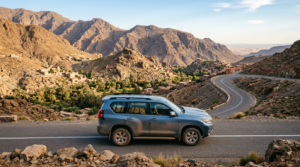
The Atlas Mountains are particularly attractive during spring. Visitors can discover traditional Berber villages, enjoy mountain walks, photograph spectacular landscapes, and experience a different side of Morocco away from the busy cities.

You can also explore the countryside around Imlil, the Ourika Valley, and other mountain destinations where spring conditions create beautiful scenery.

2.3 Excellent Conditions for Desert Adventures

A trip to Morocco would not be complete without experiencing the Sahara Desert.

April is generally a favorable period for visiting Merzouga and the spectacular dunes of Erg Chebbi. Compared with the hottest summer months, daytime conditions are often more manageable for desert excursions.

Popular experiences include:

  • Riding a camel across the golden sand dunes.

  • Watching the sunset over the Sahara.

  • Spending a night in a traditional desert camp.

  • Enjoying Moroccan food under the stars.

  • Experiencing the peaceful atmosphere of the desert at sunrise.

Remember that desert temperatures can change considerably between day and night. Bring light clothing for daytime activities and a warmer layer for evenings.

2.4 Enjoy Morocco’s Coastal Destinations

If you prefer cooler temperatures and ocean views, April is a good opportunity to discover Morocco’s Atlantic coastline.

Destinations such as Essaouira and Agadir offer a different atmosphere from inland cities. You can enjoy long beach walks, explore traditional fishing ports, visit local seafood restaurants, and discover beautiful coastal scenery.

Although the Atlantic Ocean can still be relatively cool for swimming, the coastal climate is often pleasant for sightseeing and outdoor activities.

2.5 Is April a Good Month for Families and Couples?

Absolutely. April offers a variety of experiences suitable for different types of travelers.

For families: Comfortable sightseeing conditions make it easier to explore gardens, palaces, cultural attractions, and family-friendly destinations.

For couples: Romantic riads, rooftop restaurants, sunset views, and desert experiences create wonderful opportunities for a memorable holiday.

For adventure lovers: Spring is a good time to consider hiking, mountain excursions, desert trips, and scenic road journeys.

For cultural travelers: The historic medinas, traditional markets, museums, and architectural landmarks can be explored without the intense summer heat.

2.6 Are There Any Disadvantages to Visiting in April?

Although spring is an excellent travel season, there are a few things worth considering before booking your trip.

  • Unpredictable rainfall: Some destinations may experience occasional spring showers.

  • Cool evenings: Temperatures can drop after sunset, particularly in inland and mountainous areas.

  • Different regional climates: A warm afternoon in Marrakech does not mean the same conditions in Essaouira or the Atlas Mountains.

  • Busy travel periods: Easter holidays and school vacations can increase demand for accommodation and popular tours, depending on the dates.

  • Desert temperature changes: Days can be warm while nights remain surprisingly cool.

Planning ahead and packing suitable clothing will help you enjoy your holiday without unnecessary surprises.

Final Verdict: Should You Visit Morocco in April?

April is an excellent choice for travelers looking for a combination of comfortable temperatures, cultural discoveries, outdoor adventures, and beautiful spring scenery.

You can explore imperial cities, experience the Sahara, visit mountain villages, and relax along the Atlantic coast during the same holiday. The variety of destinations makes spring particularly appealing for travelers who want to experience more than one side of Morocco.

If you are choosing between spring and the hottest summer months, April is often the more comfortable option for a multi-destination trip.

 3: Understanding Morocco’s Climate in Spring

Spring is one of the most interesting seasons to discover Morocco because the country’s climate changes significantly from one region to another. During April, many destinations enjoy pleasant sunshine and comfortable daytime temperatures, while coastal areas remain cooler and mountain regions can still experience cold conditions.

Understanding these regional differences is important when planning your journey. Morocco is not a country with one uniform climate. Its geography includes Atlantic and Mediterranean coastlines, the Atlas Mountains, fertile plains, historic inland cities, and vast desert landscapes. Each region offers a different experience during spring.

3.1 What Is the Weather Like Across Morocco in April?

April generally brings a combination of warm days, cooler evenings, and occasional rainfall. Most popular tourist destinations are suitable for outdoor exploration, although conditions can vary depending on altitude and geographical location.

Here are some general characteristics of the season:

  • Daytime: Many inland destinations enjoy warm and sunny afternoons.

  • Evenings: Temperatures usually become cooler after sunset.

  • Rainfall: Some northern and central regions may experience occasional showers.

  • Coastal areas: Atlantic sea breezes create milder conditions.

  • Mountain regions: Higher elevations remain cooler, with possible snow at the highest peaks.

  • Desert regions: Days are often warm, while nights can be considerably cooler.

These differences explain why packing clothes for several weather conditions is important, especially if your itinerary includes multiple regions.

3.2 The Climate of Northern Morocco

Northern Morocco, including destinations such as Tangier, Tetouan, and Chefchaouen, generally experiences a Mediterranean-influenced climate.

During April, temperatures are usually comfortable, making this a pleasant period for discovering historic towns, coastal landscapes, and mountain scenery.

However, northern Morocco can receive more rainfall than southern desert destinations. You may experience cloudy mornings or occasional showers, so carrying a light waterproof jacket is a good idea.

Chefchaouen is particularly beautiful during this season. Its famous blue streets, surrounding Rif Mountains, and peaceful atmosphere make it an attractive destination for photographers and nature lovers.

3.3 The Climate of Central Morocco

Central Morocco includes popular destinations such as Marrakech, Beni Mellal, and parts of the surrounding plains.

This region generally enjoys warmer conditions during April compared with northern coastal areas. Marrakech, in particular, often experiences sunny afternoons and relatively low rainfall.

These conditions are excellent for exploring the Medina, visiting Bahia Palace, discovering traditional gardens, and enjoying rooftop cafés.

The Atlas Mountains also influence the climate of central Morocco. While Marrakech can be pleasantly warm, nearby mountain villages may remain much cooler because of their higher elevation.

3.4 The Climate of Southern Morocco

Southern Morocco generally has a drier climate, particularly around Ouarzazate, Zagora, and the Sahara Desert.

April is often a favorable month for exploring this part of the country because daytime temperatures are usually more manageable than during the peak summer season.

Travelers can discover ancient kasbahs, palm-filled valleys, traditional villages, and dramatic desert landscapes.

Some popular experiences include:

  • Visiting the historic Ait Ben Haddou Kasbah.

  • Exploring the landscapes around Ouarzazate.

  • Discovering the Draa Valley and its palm groves.

  • Taking a desert excursion toward Zagora.

  • Experiencing camel trekking near Merzouga.

Keep in mind that desert environments can experience significant temperature differences between daytime and nighttime.

3.5 The Climate of Morocco’s Atlantic Coast

The Atlantic coastline has a more moderate climate because of the influence of the ocean.

Cities such as Casablanca, Rabat, Essaouira, and Agadir generally experience milder temperatures than many inland destinations.

In April, the coastal atmosphere is often comfortable for walking, sightseeing, enjoying seafood restaurants, and discovering traditional fishing towns.

However, the Atlantic breeze can make some afternoons feel cooler than the thermometer suggests. Essaouira is especially known for its windy conditions, so visitors should bring a light jacket.

3.6 The Influence of the Atlas Mountains

The Atlas Mountains play an important role in Morocco’s climate.

Because temperatures generally decrease as altitude increases, mountain destinations can be significantly colder than nearby cities.

During April, some lower valleys begin to show beautiful spring vegetation, while the highest mountain peaks may still have snow.

This creates an impressive contrast between the warm plains and the cooler mountain environment.

If you are planning to visit Imlil, the Ourika Valley, or other mountain destinations, remember to bring warmer clothing, comfortable walking shoes, and suitable equipment for your planned activities.

3.7 Why Regional Climate Differences Matter for Your Trip

One of the biggest advantages of traveling through Morocco in spring is the opportunity to experience several different environments during one holiday.

For example, you could spend a few days enjoying Marrakech’s sunny streets, travel toward the Atlas Mountains for cooler scenery, continue to Merzouga for a Sahara adventure, and finish your journey along the Atlantic coast.

However, these destinations should not be treated as if they have identical weather conditions.

The best approach is to check local forecasts before traveling between regions and prepare clothing that can be adapted to changing temperatures.

In short, Morocco’s spring climate offers something for almost every traveler. Whether you prefer warm cities, refreshing coastal destinations, green mountain valleys, or dry desert landscapes, April provides an excellent opportunity to discover the country’s geographical diversity.

4: Average Temperatures Across Morocco in April

Understanding the temperatures in different parts of Morocco is essential when planning a spring holiday. Although April is generally associated with pleasant weather, conditions can vary considerably depending on the destination, altitude, and distance from the coast.

Some cities enjoy warm afternoons and plenty of sunshine, while northern destinations can be cooler and mountain areas may still experience winter-like conditions. The Sahara Desert, on the other hand, can become quite hot during the day, particularly toward the end of the month.

For travelers planning a multi-city holiday, comparing average temperatures will help you choose the right destinations and prepare suitable clothing.

4.1 Average Daytime and Nighttime Temperatures

The following table provides approximate April temperature ranges for popular Moroccan destinations. These figures are indicative climate averages rather than guaranteed daily conditions.

Destination Daytime Nighttime
Marrakech 24–27°C (75–81°F) 11–14°C (52–57°F)
Fes 20–23°C (68–73°F) 8–11°C (46–52°F)
Casablanca 19–22°C (66–72°F) 12–15°C (54–59°F)
Rabat 20–22°C (68–72°F) 11–14°C (52–57°F)
Tangier 18–21°C (64–70°F) 11–14°C (52–57°F)
Chefchaouen 17–21°C (63–70°F) 8–11°C (46–52°F)
Agadir 21–24°C (70–75°F) 13–16°C (55–61°F)
Essaouira 18–21°C (64–70°F) 13–15°C (55–59°F)
Merzouga 27–31°C (81–88°F) 13–17°C (55–63°F)
Ouarzazate 24–28°C (75–82°F) 10–14°C (50–57°F)

These ranges are intended as a practical planning guide. Actual temperatures can vary from year to year.

4.2 Which Moroccan Cities Are Warmest in April?

Southern and southeastern Morocco generally experience the warmest conditions during April.

Merzouga, located near the spectacular Erg Chebbi dunes, is particularly attractive for travelers looking for sunshine and desert adventures.

Daytime temperatures can reach around 30°C (86°F), making it a good time for camel rides, desert photography, and exploring the surrounding landscapes. However, visitors should avoid prolonged exposure to the midday sun and carry enough drinking water.

Ouarzazate is another destination that often enjoys warm spring afternoons. Known as the gateway to the desert, it offers opportunities to discover kasbahs, cinematic landscapes, and traditional villages.

Marrakech is also a popular choice for travelers who prefer warm weather without the more intense heat of summer.

4.3 Which Places Are Cooler in April?

If you prefer mild temperatures, Morocco’s Atlantic coastline and northern cities are excellent options.

Essaouira is particularly known for its ocean breeze, which creates a refreshing atmosphere even on sunny days. It is an attractive destination for walking along the beach, exploring the historic medina, and enjoying fresh seafood.

Tangier and Chefchaouen can also feel cooler than Marrakech, particularly during mornings and evenings.

The Atlas Mountains are another option for travelers who enjoy cooler conditions. However, temperatures depend heavily on altitude, and higher mountain areas can remain cold in April.

4.4 Does Morocco Get Hot in April?

In most popular tourist cities, April is warm rather than extremely hot.

However, temperatures can rise considerably in southern and desert regions, particularly during sunny afternoons.

Travelers visiting Merzouga, Zagora, or other desert destinations should prepare for stronger sunshine and higher temperatures.

Here are a few useful precautions:

  • Drink water regularly throughout the day.

  • Wear breathable clothing.

  • Use sunscreen and sunglasses.

  • Carry a hat or cap when exploring outdoor attractions.

  • Plan demanding activities for the morning or late afternoon.

  • Avoid spending too much time under direct midday sunlight.

These simple precautions can make outdoor adventures much more comfortable.

4.5 What About Nighttime Temperatures?

One important detail travelers sometimes overlook is the difference between daytime and nighttime conditions.

Even when afternoons are warm, temperatures can drop after sunset, especially in inland cities, mountain villages, and desert environments.

For example, you might enjoy a sunny afternoon in Marrakech wearing a light shirt, but need a jacket when walking through the Medina later in the evening.

The difference can be even more noticeable during an overnight Sahara Desert experience.

If your itinerary includes camping in Merzouga, bring warm sleepwear and check whether your desert camp provides adequate blankets and heating arrangements.

4.6 Sunshine Hours and Daylight in April

April also brings longer days compared with the winter months, giving visitors more opportunities to explore.

Most popular destinations enjoy several hours of sunshine, although cloud cover and occasional rainfall are possible, particularly in northern Morocco.

Longer daylight hours make it easier to organize sightseeing trips, visit historical attractions, enjoy scenic drives, and spend time outdoors.

For photographers, spring offers attractive lighting conditions, especially during early mornings and late afternoons when the landscapes appear softer and more colorful.

4.7 How to Choose the Best Destination Based on Temperature

Your ideal Moroccan destination depends on the type of weather you prefer.

Your preference Recommended destination
Warm spring sunshine Marrakech
Hotter desert conditions Merzouga
Mild coastal weather Essaouira
Beach holidays Agadir
Historic city exploration Fes
Cooler mountain scenery Imlil
Northern landscapes Chefchaouen
Desert and cultural experiences Ouarzazate

Final Thoughts on April Temperatures in Morocco

April offers a pleasant variety of temperatures across Morocco, making it an attractive month for travelers who want to explore several destinations during one holiday.

Marrakech and southern Morocco are generally warmer, Atlantic coastal cities offer milder conditions, and mountain destinations provide cooler scenery. This diversity allows visitors to combine cultural sightseeing, beach experiences, mountain excursions, and desert adventures.

The most important thing is to plan according to the regions you intend to visit rather than assuming that the entire country experiences the same conditions.

5: Marrakech Weather in April

Marrakech is one of the best destinations to visit during spring, especially for travelers looking for warm sunshine, beautiful architecture, traditional markets, and unforgettable cultural experiences. April is an excellent month to discover the Red City because temperatures are generally comfortable for sightseeing, while the intense summer heat has not yet arrived.

During this period, visitors can enjoy sunny afternoons, pleasant mornings, and cooler evenings. The seasonal conditions also make it easier to explore the historic Medina, visit famous gardens, discover traditional Moroccan restaurants, and take day trips to the surrounding countryside.

Whether you are visiting for a weekend or including Marrakech in a longer Morocco itinerary, understanding the local climate will help you organize your activities and make the most of your stay.

5.1 Average Temperatures in Marrakech During April

Marrakech generally experiences warm and relatively dry conditions in April.

Typical daytime temperatures range from approximately 24°C to 27°C (75°F to 81°F), while nighttime temperatures often fall to around 11°C to 14°C (52°F to 57°F).

These conditions create a comfortable balance between warm afternoons and cooler evenings.

Weather information Approximate conditions
Average daytime high 24–27°C (75–81°F)
Average nighttime low 11–14°C (52–57°F)
General conditions Mild to warm
Rainfall Occasional showers
Sunshine Frequently sunny
Evening conditions Cool and comfortable

Actual temperatures can vary depending on the year and specific weather conditions.

5.2 Is Marrakech Hot in April?

Marrakech can feel quite warm during sunny afternoons, but April is generally more comfortable than the summer months.

During July and August, temperatures can exceed 38°C (100°F), making long outdoor walks more challenging. In April, the weather is usually more suitable for exploring the city’s attractions without dealing with such intense heat.

You can comfortably spend time discovering the souks, walking through historic neighborhoods, visiting museums, and enjoying outdoor cafés.

However, sunny afternoons can still feel hot, particularly when walking through open spaces with little shade. Carrying water, wearing sunscreen, and taking breaks are recommended.

5.3 Exploring the Medina and Traditional Souks

The historic Medina is one of Marrakech’s most fascinating attractions.

April offers pleasant conditions for wandering through its narrow streets, discovering traditional workshops, shopping for handmade products, and experiencing everyday Moroccan life.

You can explore:

  • Souk Semmarine, known for its traditional shops.

  • Souk des Teinturiers, famous for its colorful textiles.

  • Traditional leather and pottery workshops.

  • Small cafés serving Moroccan mint tea.

  • Local markets selling spices, handmade lamps, and souvenirs.

Morning and late-afternoon visits are particularly enjoyable because temperatures are generally comfortable.

5.4 Visit the Majorelle Garden

The famous Jardin Majorelle is one of the most beautiful places to visit during spring.

Its combination of exotic plants, colorful architecture, shaded pathways, and peaceful surroundings creates a relaxing escape from the busy streets of the Medina.

April is a particularly attractive period for visiting the garden because the seasonal vegetation and pleasant outdoor conditions make walking through its different sections enjoyable.

If you plan to visit, check the official ticket arrangements and book ahead when possible, especially during busy holiday periods.

5.5 Discover Jemaa el-Fna Square

No visit to Marrakech is complete without spending time at Jemaa el-Fna.

This famous square becomes particularly lively toward the evening, when food stalls, street performers, musicians, and traditional vendors create a unique atmosphere.

April’s comfortable evening conditions make it an excellent time to enjoy the square, try traditional Moroccan street food, and observe the city’s vibrant culture.

You can also visit one of the nearby rooftop cafés to enjoy a panoramic view of the square while drinking Moroccan mint tea.

5.6 Take a Day Trip to the Atlas Mountains

One of the biggest advantages of staying in Marrakech is its proximity to the Atlas Mountains.

During April, the surrounding valleys can offer beautiful spring scenery, with green landscapes, flowing rivers, and traditional mountain villages.

Popular day trips include:

  • Ourika Valley: Known for its mountain scenery, riverside restaurants, and traditional villages.

  • Imlil: A beautiful mountain destination and starting point for hiking excursions.

  • Oukaimeden: A high-altitude mountain area where snow may still be visible depending on conditions.

The weather in these locations can be considerably cooler than in Marrakech, so bring a jacket and comfortable walking shoes.

5.7 What to Wear in Marrakech in April

Choosing the right clothing will make your visit much more comfortable.

During the day, lightweight and breathable clothing is generally suitable. However, you should carry an additional layer for cooler mornings and evenings.

Here are some useful clothing recommendations:

  • Cotton shirts and lightweight tops.

  • Comfortable trousers or jeans.

  • Breathable dresses and skirts.

  • Walking shoes or comfortable sneakers.

  • Sunglasses and a sun hat.

  • A light jacket or cardigan for evenings.

  • Comfortable clothing suitable for visiting religious and cultural sites.

Morocco is culturally diverse, and modest clothing is generally appreciated, particularly when visiting religious places and traditional neighborhoods.

5.8 Is April a Good Time to Visit Marrakech?

Absolutely. April is one of the most attractive months for discovering Marrakech because it combines pleasant spring conditions with a wide range of cultural and outdoor experiences.

You can explore the Medina, enjoy beautiful gardens, visit historic palaces, discover traditional Moroccan cuisine, and organize excursions to the nearby mountains.

For travelers who want to experience the Red City without the extreme heat of summer, April is an excellent choice.

My recommendation: Spend at least three days in Marrakech during your April holiday. This gives you enough time to explore the main attractions, enjoy the local atmosphere, and organize a day trip outside the city.

6: Fes and Northern Morocco Weather in April

Northern Morocco offers a different spring experience compared with the warmer destinations in the south. Cities such as Fes, Chefchaouen, and Tangier combine historic architecture, beautiful natural landscapes, traditional culture, and pleasant spring temperatures.

April is a particularly interesting time to explore this part of the country. The weather is generally mild, the countryside can be green following the winter rainy season, and longer daylight hours provide more opportunities for sightseeing.

However, northern Morocco can experience more rainfall and cooler evenings than destinations such as Marrakech and Agadir. Understanding these differences will help you plan your itinerary and choose the right clothing.

6.1 Fes Weather in April

Fes is one of Morocco’s most fascinating imperial cities and an excellent destination for travelers interested in history, architecture, and traditional Moroccan culture.

During April, Fes generally experiences mild spring conditions. Average daytime temperatures are around 21–22°C (70–72°F), while nighttime temperatures can fall to approximately 9–10°C (48–50°F).

This makes spring a comfortable period for exploring the city’s historic attractions without the intense heat of summer.

Some of the best activities include:

  • Exploring the ancient Medina of Fes el-Bali.

  • Visiting the famous Bab Boujloud gate.

  • Discovering traditional leather tanneries.

  • Exploring Al Quaraouiyine and historic religious architecture.

  • Visiting traditional Moroccan workshops.

  • Enjoying authentic Moroccan food in local restaurants.

The narrow streets of the Medina can involve considerable walking, so comfortable shoes are essential.

Does it rain in Fes in April?

Yes. April can bring occasional rainfall to Fes. Historical climate averages suggest around 60 mm of precipitation during the month, although actual rainfall varies from year to year.

ClimaNote+1

A compact umbrella or lightweight waterproof jacket is useful, especially if you plan to spend several days exploring the city.

6.2 Chefchaouen Weather in April

Known as the Blue Pearl of Morocco, Chefchaouen is one of the country’s most picturesque destinations.

Located in the Rif Mountains, this charming town is famous for its blue-painted buildings, peaceful streets, traditional architecture, and surrounding mountain scenery.

April is a beautiful time to visit because the surrounding countryside can look particularly attractive during spring.

Typical daytime temperatures are approximately 17–21°C (63–70°F), although conditions can change depending on altitude and the weather. Nights are generally cooler, often requiring a jacket or sweater.

Best things to do in Chefchaouen in April:

  • Walk through the famous blue streets.

  • Photograph the colorful doors and traditional buildings.

  • Visit the historic Kasbah and its gardens.

  • Enjoy panoramic views from the Spanish Mosque.

  • Explore local markets and handicraft shops.

  • Discover the surrounding Rif Mountain landscapes.

The spring atmosphere makes Chefchaouen particularly attractive to photographers and travelers looking for a relaxing destination away from Morocco’s larger cities.

Is Chefchaouen rainy in April?

Rain is possible, and the town can receive more rainfall than southern destinations. However, many days are still suitable for outdoor exploration.

If you encounter cloudy weather, you can enjoy the town’s cafés, restaurants, traditional shops, and cultural attractions.

6.3 Tangier Weather in April

Tangier is a fascinating coastal city located in northern Morocco, where the Atlantic Ocean meets the Mediterranean Sea.

Its geographical position gives it a different climate from inland destinations. During April, temperatures are generally mild, with daytime conditions often around 19–22°C (66–72°F).

The coastal breeze can make some days feel cooler, particularly near the waterfront.

Tangier is an excellent destination for travelers who enjoy a combination of history, coastal scenery, cultural attractions, and traditional Moroccan experiences.

Popular places to explore include:

  • The historic Kasbah of Tangier.

  • The Grand Socco and Petit Socco.

  • The famous Caves of Hercules.

  • Cape Spartel and its impressive coastal views.

  • The traditional Medina and its markets.

  • The beautiful waterfront promenade.

April is a good time to enjoy walking around the city and discovering its different neighborhoods.

However, occasional showers are possible, so it is worth checking the local forecast before organizing outdoor excursions.

6.4 Comparing Fes, Chefchaouen and Tangier in April

If you are deciding which northern destination to include in your Moroccan itinerary, the following comparison can help.

Destination Daytime temperature Nighttime temperature General conditions
Fes 21–22°C 9–10°C Mild, occasional rain
Chefchaouen 17–21°C 8–11°C Cooler, possible showers
Tangier 19–22°C 11–13°C Mild, coastal breeze

Approximate climate ranges; local conditions vary.

Fes is an excellent choice for cultural sightseeing and historical discoveries. Chefchaouen is ideal for beautiful mountain scenery and photography, while Tangier offers a combination of coastal attractions and cultural experiences.

6.5 What Should You Wear in Northern Morocco in April?

Although spring temperatures are generally comfortable, mornings and evenings can feel cool, especially in mountain destinations.

Packing several lightweight clothing layers is the best approach.

Consider bringing:

  • Long-sleeved shirts and comfortable trousers.

  • Lightweight sweaters or cardigans.

  • A light waterproof jacket.

  • Comfortable walking shoes.

  • A scarf for cooler evenings.

  • Sunglasses and sunscreen.

  • An umbrella for occasional rain.

If you are visiting Chefchaouen or planning excursions into the Rif Mountains, consider bringing an additional warm layer.

6.6 Is Northern Morocco Worth Visiting in April?

Morocco weather in April

Absolutely! Northern Morocco is an excellent addition to a spring itinerary, particularly if you want to discover a different side of the country.

You can explore the historical Medina of Fes, photograph the beautiful blue streets of Chefchaouen, and enjoy the coastal atmosphere of Tangier.

April offers a good balance of mild temperatures and attractive spring landscapes, although occasional rainfall means that some flexibility is useful when planning your activities.

My recommendation: If you have enough time, combine Fes and Chefchaouen in one trip. Both destinations offer very different experiences, and their historic architecture, traditional culture, and beautiful surroundings make them worthwhile stops during a spring holiday.

7: Casablanca, Rabat and Tangier Weather in April

Morocco’s Atlantic and northern coastal cities offer a different experience from warmer inland destinations such as Marrakech and Ouarzazate. During April, Casablanca, Rabat, and Tangier generally enjoy mild spring temperatures, fresh ocean breezes, and a mixture of sunny and cloudy days.

These destinations are excellent for travelers who prefer comfortable temperatures, coastal scenery, historical attractions, and cultural experiences. Although they are located along the coast, each city has its own climate characteristics and atmosphere.

If you are planning to explore Morocco beyond its famous imperial cities and desert landscapes, these three destinations deserve a place on your itinerary.

7.1 Casablanca Weather in April

Casablanca is Morocco’s largest city and an important destination for international travelers. Known for its modern architecture, busy commercial districts, Atlantic coastline, and cultural attractions, it offers a different atmosphere from the traditional streets of Marrakech and Fes.

During April, Casablanca generally experiences mild temperatures. Average daytime highs are around 21°C (70°F), while nighttime temperatures are approximately 13°C (55°F).

The Atlantic Ocean helps moderate temperatures, making the city comfortable for outdoor exploration.

Best things to do in Casablanca in April:

  • Visit the impressive Hassan II Mosque.

  • Walk along the Ain Diab Corniche.

  • Explore the Habous Quarter and its traditional shops.

  • Discover the city’s art deco architecture.

  • Enjoy Moroccan cuisine in local restaurants.

  • Spend time in cafés overlooking the Atlantic Ocean.

April is particularly suitable for walking tours and discovering the city’s different neighborhoods.

Does it rain in Casablanca in April?

Occasional rainfall is possible, although April is generally less rainy than the winter months. Long-term climate averages indicate approximately 28 mm of rainfall during the month, but actual conditions can vary.

ClimaNote+1

A light jacket is useful for cloudy days and cooler evenings.

7.2 Rabat Weather in April

Rabat, Morocco’s capital city, is another excellent destination for a spring holiday.

The city combines historical monuments, beautiful gardens, traditional neighborhoods, and modern urban attractions. Its coastal location creates relatively mild weather throughout much of the year.

In April, daytime temperatures generally reach around 21°C (70°F), while nighttime temperatures are approximately 12–13°C (54–55°F).

These conditions make spring a comfortable period for exploring Rabat on foot.

Top attractions to visit in Rabat:

  • Hassan Tower: One of the city’s most famous historical landmarks.

  • Kasbah of the Udayas: A beautiful historic neighborhood overlooking the Atlantic Ocean.

  • Chellah: An archaeological site with fascinating historical remains and gardens.

  • Andalusian Gardens: A peaceful place to enjoy greenery and traditional architecture.

  • Rabat Medina: A wonderful location for discovering local markets and Moroccan crafts.

Rabat is generally less hectic than some of Morocco’s major tourist destinations, making it particularly appealing to travelers who enjoy a relaxed atmosphere.

Is Rabat worth visiting in April?

Absolutely. The mild weather makes it possible to combine historical sightseeing, coastal walks, and relaxing outdoor experiences without dealing with extreme temperatures.

7.3 Tangier Weather in April

Tangier is one of the most interesting cities in northern Morocco. Located near the meeting point of the Atlantic Ocean and Mediterranean Sea, it has a unique geographical position and a rich cultural history.

April brings mild spring conditions, with average daytime highs around 19–21°C (66–70°F) and nighttime temperatures close to 12°C (54°F).

Compared with Marrakech, Tangier generally feels cooler, especially when ocean breezes are strong.

The city is an excellent destination for travelers interested in coastal scenery, historic architecture, traditional cafés, and beautiful Mediterranean views.

Best activities in Tangier during April:

  1. Explore the historic Kasbah and its narrow streets.

  2. Visit the famous Grand Socco.

  3. Discover the traditional Medina.

  4. Enjoy panoramic views from Cape Spartel.

  5. Visit the impressive Caves of Hercules.

  6. Walk along the waterfront and enjoy the coastal atmosphere.

Tangier is also a convenient starting point for exploring northern Morocco, including Tetouan, Asilah, and Chefchaouen.

Does Tangier experience rain in April?

Yes. Tangier can receive occasional spring showers. Historical climate data indicates that northern coastal destinations generally experience more rainfall than many southern Moroccan cities.

ClimaNote+1

It is therefore a good idea to carry a lightweight waterproof jacket if you plan to spend several days exploring the region.

7.4 Comparing Casablanca, Rabat and Tangier Temperatures

If you are deciding which coastal city to visit, this comparison provides a useful overview.

Weather information Casablanca Rabat Tangier
Average daytime high 21°C 21°C 20°C
Average nighttime low 13°C 13°C 12°C
General climate Mild coastal Mild coastal Mild Mediterranean-influenced
Rainfall Occasional Occasional More frequent showers
Ocean influence Atlantic Atlantic Atlantic and Mediterranean

Approximate April climate averages, rounded for travel planning. Figures vary by data source and year.

All three cities are suitable for spring sightseeing, but your choice depends on the type of experience you prefer.

  • Choose Casablanca for modern city life, architecture, shopping, and coastal restaurants.

  • Choose Rabat for historical attractions, beautiful gardens, and a relaxed atmosphere.

  • Choose Tangier for Mediterranean scenery, cultural diversity, and access to northern Morocco.

7.5 What Should You Wear in These Coastal Cities?

Although April is generally mild, coastal winds can make temperatures feel cooler, particularly in the morning and evening.

For a comfortable trip, consider packing:

  • Lightweight trousers and comfortable shirts.

  • Cotton or linen clothing for sunny afternoons.

  • A light sweater or jacket.

  • Comfortable walking shoes.

  • Sunglasses and sunscreen.

  • A small umbrella or waterproof jacket.

If you are planning a long walk along the waterfront, bringing an additional layer is particularly useful.

7.6 Which Coastal City Is Best to Visit in April?

Each destination offers something different, so there is no single answer for every traveler.

Casablanca is ideal for visitors interested in modern Morocco and famous architectural landmarks. Rabat is an excellent choice for history, culture, and relaxed sightseeing. Tangier is particularly attractive for those who enjoy coastal landscapes and want to discover northern Morocco.

You can also combine all three cities in one itinerary, traveling between them by train and enjoying the different experiences each destination provides.

Travel tip: If you have limited time, consider spending one or two days in Rabat and Casablanca before continuing north toward Tangier. This route offers a wonderful introduction to Morocco’s Atlantic coastline and northern culture.

8: Agadir and Essaouira Weather in April

Morocco weather in April

If you are dreaming of spending part of your Moroccan holiday near the ocean, Agadir and Essaouira are two excellent destinations to consider. Both cities are located along Morocco’s Atlantic coastline, but they offer different atmospheres, landscapes, and travel experiences.

April is a particularly attractive month to discover these coastal destinations. Temperatures are generally mild to warm, sunshine is common, and the Atlantic breeze creates comfortable conditions for exploring beaches, historic streets, and seaside attractions.

While Agadir is famous for its long sandy beach, modern resorts, and relaxed holiday atmosphere, Essaouira attracts visitors with its historic medina, fishing harbor, traditional architecture, and refreshing ocean winds.

8.1 Agadir Weather in April

Agadir is one of Morocco’s most popular seaside destinations, attracting visitors who want sunshine, beautiful beaches, comfortable hotels, and outdoor activities.

During April, Agadir generally enjoys pleasant weather, with average daytime temperatures around 21–24°C (70–75°F). Nighttime temperatures are usually around 13–16°C (55–61°F).

Compared with Marrakech and other inland destinations, Agadir benefits from the moderating influence of the Atlantic Ocean. This helps keep temperatures relatively comfortable throughout the day.

Best things to do in Agadir in April:

  • Relax on Agadir Beach and enjoy the Atlantic coastline.

  • Walk along the beautiful beachfront promenade.

  • Visit Agadir Marina and discover its restaurants and cafés.

  • Explore the historic Kasbah of Agadir Oufella.

  • Visit Souk El Had for traditional shopping.

  • Enjoy fresh seafood in local restaurants.

  • Take a day trip to Paradise Valley.

April is a good month for enjoying outdoor activities without the intense temperatures that can affect some inland Moroccan destinations during summer.

Can you swim in Agadir in April?

Yes, swimming is possible, but the Atlantic Ocean is still relatively cool during this period. Sea temperatures are generally around 18–19°C (64–66°F), although they vary.

Some visitors will find the water refreshing, while others may prefer relaxing on the beach, walking along the promenade, or enjoying a hotel swimming pool.

If swimming is an important part of your holiday, check whether your accommodation has a heated pool.

8.2 Essaouira Weather in April

Essaouira is one of the most charming coastal towns in Morocco. Known for its whitewashed buildings, blue doors, historic fortifications, fishing harbor, and artistic atmosphere, it offers a completely different experience from larger cities.

April is an excellent time to explore Essaouira because temperatures are generally mild and comfortable for walking.

Typical daytime temperatures range from approximately 18°C to 21°C (64°F to 70°F), while nighttime conditions are often around 13–15°C (55–59°F).

However, the city is famous for its Atlantic winds, which can make the weather feel cooler than expected.

Best things to do in Essaouira during April:

  1. Explore the historic Medina, a UNESCO World Heritage Site.

  2. Walk along the impressive Skala de la Ville ramparts.

  3. Visit the traditional fishing port.

  4. Enjoy fresh seafood near the harbor.

  5. Discover local art galleries and handicraft shops.

  6. Relax on Essaouira’s long sandy beach.

  7. Enjoy windsurfing or kitesurfing when conditions are suitable.

The city’s historic atmosphere and beautiful coastal scenery make it a wonderful destination for couples, photographers, and travelers who prefer a relaxed holiday.

Is Essaouira windy in April?

Yes. Wind is one of Essaouira’s most recognizable weather characteristics. Even when the sun is shining, strong Atlantic breezes can make outdoor conditions feel cooler.

For this reason, carrying a light windproof jacket is highly recommended.

8.3 Agadir vs. Essaouira: Which Is Warmer in April?

Both destinations enjoy pleasant spring conditions, but Agadir is generally warmer and offers a more sheltered beach-holiday atmosphere.

Essaouira tends to feel cooler because of its stronger winds and exposed coastal position.

Here is a useful comparison:

Weather information Agadir Essaouira
Average daytime high 21–24°C 18–21°C
Average nighttime low 13–16°C 13–15°C
General conditions Mild to warm Mild and windy
Sunshine Frequent Frequent, with coastal cloud possible
Sea temperature Around 18–19°C Around 17–18°C
Rainfall Generally low Generally low to moderate

Approximate climate ranges for April; actual conditions vary.

Which destination should you choose?

  • Choose Agadir if you want sandy beaches, larger resorts, sunshine, and a relaxing seaside holiday.

  • Choose Essaouira if you prefer traditional architecture, cultural experiences, charming streets, and a peaceful coastal atmosphere.

Both destinations can be excellent additions to a spring itinerary.

8.4 Paradise Valley: A Beautiful Spring Excursion from Agadir

One of the most interesting excursions from Agadir is a visit to Paradise Valley.

Located in the foothills of the Atlas Mountains, this beautiful natural area is known for its rocky landscapes, palm trees, natural pools, and scenic mountain surroundings.

April can be an attractive time to visit because the surrounding countryside may still display greenery following the winter rainy season.

Popular activities include:

  • Walking along scenic mountain trails.

  • Photographing natural rock formations.

  • Discovering traditional Berber villages.

  • Relaxing beside natural pools where conditions permit.

  • Enjoying the peaceful atmosphere of the valley.

Water levels can vary depending on seasonal rainfall, so check local conditions before planning your visit.

8.5 What to Wear in Agadir and Essaouira in April

Although both cities enjoy relatively comfortable temperatures, their coastal conditions mean you should prepare for different situations.

For Agadir, lightweight summer clothing is generally suitable during the day. Bring swimwear if you plan to visit the beach or use your hotel’s swimming pool.

For Essaouira, additional layers are useful because ocean winds can make afternoons and evenings feel cooler.

Recommended clothing:

  • Cotton T-shirts and lightweight shirts.

  • Comfortable trousers or shorts.

  • Swimwear for Agadir.

  • A light sweater or jacket.

  • A windproof jacket for Essaouira.

  • Comfortable walking shoes or sandals.

  • Sunglasses, sunscreen, and a sun hat.

8.6 Is April a Good Time for a Beach Holiday in Morocco?

Absolutely. April is a good month for travelers who enjoy mild coastal weather, long beach walks, seaside restaurants, and outdoor activities.

Agadir is particularly attractive for those looking for a traditional beach holiday with comfortable hotels and plenty of services.

Essaouira is better suited to visitors interested in culture, photography, water sports, and a more traditional Moroccan atmosphere.

However, if your main priority is swimming in warm ocean water, remember that the Atlantic can still feel cold in April.

My recommendation: If you have enough time, consider visiting both destinations. Spend a few days enjoying Agadir’s beaches and then travel to Essaouira to discover its historic Medina, fishing harbor, and beautiful coastal scenery.

9: Sahara Desert Weather in April

Visiting the Sahara Desert is one of the most memorable experiences you can enjoy during a trip to Morocco. April is an excellent month for exploring the desert because temperatures are generally warm during the day without reaching the extreme summer heat. The days are usually sunny, the skies are often clear, and the evenings create a peaceful atmosphere around traditional desert camps.

If you are planning a camel trek, a night under the stars, or an adventure across the dunes, understanding the desert climate will help you prepare. Although spring conditions are generally comfortable, the temperature can change considerably between midday and nighttime.

9.1. What Is the Sahara Desert Weather Like in April?

The Sahara has a dry climate, with plenty of sunshine and very little rainfall during much of the year. In April, daytime temperatures become warm, making outdoor activities enjoyable when planned for the morning or late afternoon.

In areas such as Merzouga and Erg Chebbi, daytime temperatures commonly reach approximately 27–31°C (81–88°F). After sunset, the air becomes cooler, with nighttime temperatures often falling to around 13–17°C (55–63°F).

These figures are approximate climate ranges rather than guaranteed daily temperatures. Conditions can vary depending on the location, wind, and weather patterns.

Here is a general overview:

Weather condition Typical conditions in April
Daytime temperature 27–31°C (81–88°F)
Nighttime temperature 13–17°C (55–63°F)
Rainfall Usually limited
Sunshine Generally abundant
Afternoon conditions Warm to hot
Evening conditions Cool and comfortable
Wind Occasional desert winds

The most important thing to remember is the difference between daytime and nighttime temperatures. You may feel comfortable wearing light clothing during the afternoon but need a jacket or warmer layer after sunset.

9.2. Merzouga and Erg Chebbi Weather in April

Morocco weather in April

Merzouga is one of the most popular starting points for experiencing the Moroccan Sahara. It is located near Erg Chebbi, a spectacular area famous for its impressive golden sand dunes.

April is a particularly attractive time to visit this region. The weather is generally warm enough for desert adventures, while temperatures are usually more manageable than during the hottest summer months.

During the day, you can explore the surrounding desert, take photographs, visit nearby villages, or enjoy a 4×4 excursion. Early mornings and late afternoons are especially pleasant because the sunlight creates beautiful colours across the dunes.

At sunset, the sand changes from golden yellow to deep orange and red. This is one of the best moments to enjoy the landscape and take photographs.

After sunset, temperatures begin to fall. If you are staying overnight in a desert camp, bring a warm layer so you can comfortably enjoy dinner, traditional music, and stargazing.

9.3. Is April a Good Time for a Sahara Desert Tour?

Yes. April is generally one of the most comfortable periods for a Sahara Desert experience in Morocco.

Unlike July and August, when daytime temperatures can become extremely high, spring offers more favourable conditions for outdoor activities. You can enjoy the dunes without having to avoid the heat for most of the day.

Some of the best experiences include:

  • Camel trekking: Ride across the dunes, especially during the cooler morning or late-afternoon hours.

  • Desert camping: Spend a night in a traditional or luxury desert camp.

  • Sunset photography: Watch the changing colours of the sand as the sun disappears.

  • Sunrise excursions: Wake up early to enjoy the peaceful atmosphere and soft morning light.

  • 4×4 desert tours: Explore remote areas and discover landscapes beyond the main dunes.

  • Sandboarding: Try sliding down the dunes for an exciting desert activity.

  • Stargazing: Enjoy the night sky away from the bright lights of large cities.

An overnight stay is particularly worthwhile. It allows you to experience the desert at different times of the day rather than simply visiting the dunes for a few hours.

9.4. Merzouga vs Zagora: Which Desert Should You Visit in April?

Morocco offers several desert destinations, but Merzouga and Zagora are among the most frequently considered by travellers.

Both can be visited in April, but they offer different experiences.

Feature Merzouga Zagora
Main attraction Erg Chebbi dunes Desert landscapes and rocky surroundings
Dune experience Large, impressive sand dunes Generally smaller dunes
Travel time from Marrakech Longer journey Usually shorter journey
Overnight camping Excellent choice Available
Camel trekking Very popular Available
Best for Classic Sahara scenery Shorter desert trips

Merzouga is usually the better choice if your dream is to see enormous golden dunes and spend a night in a Sahara camp surrounded by sand. It offers the classic desert scenery that many international visitors imagine when planning a Morocco holiday.

Zagora, on the other hand, is worth considering if you have less time and want to experience a desert-style landscape without travelling as far from Marrakech. However, its scenery is different from the impressive dunes of Erg Chebbi.

If you have enough time, I recommend choosing Merzouga for a more complete Sahara experience.

9.5. What About Ouarzazate in April?

Ouarzazate is another excellent destination to include in a spring itinerary. It is often called the gateway to the Sahara because it connects Marrakech and the Atlas Mountains with southern Morocco and desert destinations.

April usually brings warm, sunny conditions, with daytime temperatures often around 24–28°C (75–82°F). Nights are cooler, so packing layers is recommended.

Although Ouarzazate is not itself surrounded by the large dunes found at Merzouga, it offers beautiful landscapes and cultural attractions.

You can explore:

  • Aït Ben Haddou: A famous fortified village known for its traditional architecture.

  • Taourirt Kasbah: A historic kasbah located in Ouarzazate.

  • Atlas film studios: A popular attraction for visitors interested in cinema.

  • Dades Valley: A scenic area with impressive rock formations and mountain landscapes.

Ouarzazate is a good stop if you are travelling from Marrakech towards Merzouga. It helps break up the journey and gives you more opportunities to discover southern Morocco.

9.6. What Should You Wear in the Sahara Desert in April?

Packing the right clothing is important because desert temperatures can change throughout the day.

During the afternoon, choose comfortable, breathable clothing that protects your skin from direct sunlight. In the evening, bring warmer clothes because the temperature can drop quickly.

Here are some useful items:

  • Lightweight trousers and breathable shirts.

  • Comfortable walking shoes or trainers.

  • Sunglasses and a wide-brimmed hat.

  • Sunscreen with a high SPF.

  • A scarf or lightweight head covering to protect against sun and dust.

  • A warm jacket or sweater for the evening.

  • A reusable water bottle.

You do not need heavy winter clothing for most April desert trips, but you should not assume that the Sahara remains hot throughout the night.

9.7. Important Tips for Visiting the Sahara in April

A little preparation can make your desert adventure much more enjoyable.

Choose the right time for activities. Plan camel rides and longer outdoor excursions for early morning or late afternoon when the sun is less intense.

Drink enough water. The dry desert air and sunshine can cause dehydration, even when the temperature feels comfortable.

Protect yourself from the sun. Wear sunglasses, use sunscreen, and cover your head during outdoor activities.

Bring warm clothes for the evening. This is particularly important if you plan to sleep in a desert camp.

Check your tour arrangements. Confirm whether transport, meals, camel trekking, and overnight accommodation are included in your package.

Allow enough travel time. Merzouga is a long journey from Marrakech. Consider spending at least two nights in the region if your schedule allows.

Be prepared for wind and sand. Occasional desert winds can make the experience dusty, so a scarf and sunglasses are useful.

9.8. Is the Sahara Too Hot in April?

Generally, no. April is usually a comfortable time to visit the Moroccan Sahara compared with the peak summer months.

However, afternoon temperatures can still be high, particularly under direct sunlight. Travellers who are sensitive to heat should avoid strenuous activities during the middle of the day and take regular breaks.

The cooler evenings are another reason to plan an overnight stay. You can enjoy the desert atmosphere, traditional food, and clear skies without spending the entire experience under the afternoon sun.

My recommendation: If you are visiting Morocco in April and have enough time, include Merzouga and Erg Chebbi in your itinerary. The combination of comfortable spring weather, golden dunes, camel trekking, and a night in a desert camp makes it one of the highlights of a Moroccan holiday.

10. Atlas Mountains Weather in April

The Atlas Mountains weather in April is generally pleasant in the lower valleys, making spring one of the best times to explore Morocco’s beautiful mountain landscapes. During this month, the scenery begins to change as green valleys, flowing rivers, and colourful wildflowers create a beautiful contrast with the snow-covered peaks.

However, temperatures can vary considerably depending on altitude. While villages such as Imlil and valleys around Ourika enjoy relatively mild daytime temperatures, higher mountain areas can remain cold, particularly at night.

If you are planning to visit the Atlas Mountains during your Morocco holiday in April, understanding the weather conditions will help you choose the right activities and prepare suitable clothing.

Average temperatures in the Atlas Mountains in April

Morocco weather in April

April brings a mixture of mild and cool weather to the Atlas Mountains. Lower-altitude destinations are generally comfortable for sightseeing and hiking, while higher elevations experience colder conditions.

Here are approximate temperatures you can expect in different mountain areas:

Destination Daytime temperature Nighttime temperature
Imlil 12–20°C 3–8°C
Ourika Valley 17–23°C 7–11°C
Oukaïmeden 5–13°C -2–4°C
High Atlas peaks 0–10°C Below 0°C possible

These temperatures are approximate and can change depending on altitude, rainfall, wind, and daily weather conditions.

Is April a good time to visit the Atlas Mountains?

Yes! April is an excellent month to discover the Atlas Mountains, especially if you enjoy outdoor adventures, nature, photography, and traditional Moroccan villages.

Unlike the hot summer months, spring offers more comfortable conditions for exploring mountain trails and enjoying the surrounding scenery.

Some of the best experiences include:

  • Hiking around Imlil: Discover beautiful mountain trails, traditional Amazigh villages, and spectacular views of the High Atlas.

  • Visiting Ourika Valley: Explore waterfalls, rivers, green landscapes, and traditional mountain restaurants.

  • Discovering Oukaïmeden: Enjoy impressive mountain scenery and potentially see remaining snow at higher elevations.

  • Exploring traditional villages: Experience local hospitality, discover traditional architecture, and learn about Amazigh culture.

  • Enjoying mountain photography: Capture beautiful spring landscapes, snow-covered peaks, and colourful wildflowers.

Can you hike in the Atlas Mountains in April?

April is a great month for hiking in many parts of the Atlas Mountains. Lower and medium-altitude trails are often suitable for outdoor adventures, although conditions depend on recent rainfall and temperatures.

If you are interested in more challenging trekking, you can consider exploring the area around Imlil or planning an expedition towards Mount Toubkal.

However, remember that snow and ice can remain on high-altitude trails during April. If you are planning to climb Mount Toubkal, travelling with a qualified local mountain guide and carrying appropriate equipment is important.

For a more relaxed experience, consider a guided walk through traditional villages or a day trip to Ourika Valley.

What should you wear when visiting the Atlas Mountains in April?

Although daytime temperatures can be pleasant, mountain weather is unpredictable. It is important to bring clothing suitable for both warm afternoons and cold evenings.

I recommend packing:

  • Comfortable hiking trousers.

  • Breathable T-shirts.

  • A warm fleece or sweater.

  • A waterproof jacket.

  • Comfortable hiking shoes.

  • Sunglasses and sunscreen.

  • A warm layer for the evening.

If you are planning to explore higher elevations, bring additional warm clothing and check the latest mountain conditions before departure.

Best places to explore in the Atlas Mountains during April

If you are staying in Marrakech, several beautiful mountain destinations are accessible by road.

1. Imlil

Imlil is one of the most popular starting points for exploring the High Atlas Mountains. You can enjoy guided hikes, visit traditional villages, and admire spectacular mountain scenery.

2. Ourika Valley

Ourika Valley is particularly beautiful during spring. Visitors can discover waterfalls, enjoy riverside restaurants, explore local villages, and experience the natural beauty of the Atlas Mountains.

3. Oukaïmeden

Located at a higher altitude, Oukaïmeden offers impressive mountain views. April can still bring cold temperatures and occasional snow, making it an interesting destination for travellers who enjoy mountain scenery.

Is a day trip to the Atlas Mountains worth it in April?

Absolutely! If you are visiting Marrakech, a day trip to the Atlas Mountains is one of the best ways to experience a completely different side of Morocco.

You can leave the busy streets of Marrakech in the morning and spend the day discovering peaceful valleys, mountain villages, waterfalls, and spectacular landscapes.

Many excursions also include traditional Moroccan meals and opportunities to meet local families.

Travel tip: Start your mountain excursion early, bring comfortable walking shoes, and carry a warm jacket. Even when Marrakech is sunny and warm, the Atlas Mountains can be considerably cooler.

Overall, the Atlas Mountains weather in April makes spring a wonderful season for discovering Morocco’s natural beauty. Whether you choose a relaxing visit to Ourika Valley, a hiking adventure around Imlil, or a scenic drive through the High Atlas, April offers plenty of opportunities to enjoy the mountains before the summer heat arrives.

11. Does It Rain in Morocco in April?

Yes, it can rain in Morocco in April, but rainfall is generally less frequent than during the winter months. April is part of the spring season, when the weather gradually becomes warmer and drier as Morocco approaches summer.

However, rainfall varies significantly depending on the region. Northern Morocco and the Atlas Mountains can experience occasional spring showers, while southern destinations such as Merzouga and Zagora are generally much drier.

If you are planning a holiday during this month, understanding the rainfall patterns can help you choose the best destinations and organize your activities.

How much does it rain in Morocco in April?

Rainfall depends on the destination, altitude, and local climate. Some regions receive occasional showers, while others enjoy long periods of sunshine.

Here is a general overview of rainfall conditions in popular Moroccan destinations:

Destination April rainfall conditions
Marrakech Occasional showers
Fes Occasional spring rain
Chefchaouen Higher possibility of showers
Tangier Occasional rainfall
Casablanca Some rain possible
Essaouira Generally relatively dry
Agadir Generally dry
Merzouga Very little rainfall
Zagora Very little rainfall
Atlas Mountains Variable, with occasional showers and mountain precipitation

These are general seasonal patterns rather than guaranteed forecasts. Weather conditions can change from one year to another.

Which parts of Morocco receive the most rain in April?

Because Morocco has several different climate zones, some destinations are more likely to experience rainfall than others.

1. Northern Morocco

Northern Morocco generally receives more rainfall than the southern desert regions.

Cities such as Chefchaouen and Tangier can experience occasional showers during April. The surrounding Rif Mountains also contribute to changing weather conditions.

Although rain is possible, spring is still a beautiful time to explore northern Morocco. The landscapes can be greener, and the cooler temperatures make walking around the historic streets more comfortable.

2. Central Morocco

Central Morocco, particularly Marrakech, generally enjoys pleasant spring weather in April.

Rainfall is usually limited compared with the winter season, and many days are suitable for sightseeing, outdoor dining, and exploring traditional markets.

However, occasional showers can still happen, so it is worth checking the forecast before planning outdoor excursions.

3. The Atlantic Coast

Coastal destinations such as Essaouira, Casablanca, and Rabat can experience occasional rainfall and cloudy weather.

The Atlantic Ocean also influences temperatures, creating cooler conditions than inland cities.

In Essaouira, wind can make the weather feel cooler, even when the sun is shining. A light jacket is therefore useful for beach walks and evening activities.

4. Southern Morocco and the Sahara Desert

Southern Morocco is generally one of the driest parts of the country.

Destinations such as Merzouga, Zagora, and the surrounding Sahara Desert usually experience plenty of sunshine during April, with very little rainfall.

This makes spring an excellent season for desert adventures, camel trekking, sunset photography, and overnight stays in traditional or luxury desert camps.

Can rain ruin your Morocco holiday in April?

Not at all! Even if you experience occasional rainfall, there are plenty of ways to enjoy your trip.

Most spring showers are relatively short, and you can easily adjust your daily itinerary depending on the weather.

Here are some enjoyable activities to consider on rainy days:

  • Visit traditional museums: Discover Moroccan history, art, and culture in Marrakech, Fes, and other historic cities.

  • Explore beautiful riads: Enjoy traditional Moroccan architecture, peaceful courtyards, and rooftop cafés.

  • Take a Moroccan cooking class: Learn how to prepare traditional dishes such as tagine, couscous, and Moroccan salads.

  • Experience a traditional hammam: Relax and discover one of Morocco’s most famous wellness traditions.

  • Explore covered souks: Browse traditional handicrafts, leather products, ceramics, spices, and souvenirs.

  • Enjoy Moroccan food: Spend time in a local restaurant and try traditional dishes while waiting for the weather to improve.

If you are visiting Marrakech, rainy weather can also be a good opportunity to discover its museums, palaces, and traditional cafés.

What happens to the Atlas Mountains when it rains in April?

The Atlas Mountains can experience changing weather conditions during April.

Rainfall in lower valleys can make the landscapes greener and create beautiful scenery for photography. Rivers and waterfalls may also benefit from spring water flows.

However, rain can make some hiking trails slippery, particularly around mountain villages and higher elevations.

At higher altitudes, precipitation may still fall as snow rather than rain. This is especially important if you are planning to explore the High Atlas or climb Mount Toubkal.

Before booking a mountain excursion, check local weather conditions and ask your guide about trail accessibility.

What should you pack in case it rains in Morocco in April?

Morocco weather in April

Although you probably will not need heavy winter clothing, preparing for occasional showers is a good idea.

I recommend bringing:

  • A lightweight waterproof jacket.

  • Comfortable walking shoes with good grip.

  • A compact travel umbrella.

  • Quick-drying trousers.

  • A light sweater for cooler weather.

  • A waterproof cover for your backpack or camera.

If your itinerary includes the Atlas Mountains, consider packing additional warm layers because temperatures can drop quickly after rainfall.

Is Morocco sunny in April despite occasional rain?

Yes! Morocco generally enjoys plenty of sunshine during April, particularly in central and southern destinations.

Marrakech, Agadir, and the Sahara region are good choices if you want to maximize your chances of enjoying sunny days.

Northern destinations such as Chefchaouen and Tangier can experience more variable conditions, but they remain attractive places to visit during spring.

Travel tip: If sunshine is your main priority, consider spending more time in Marrakech, Agadir, or southern Morocco. If you want to explore northern cities, simply allow some flexibility in your itinerary.

Final thoughts: Should you worry about rain in Morocco in April?

No, occasional rainfall should not stop you from visiting Morocco in April.

Spring is generally a wonderful season for exploring the country, with comfortable temperatures, beautiful landscapes, and plenty of opportunities for outdoor activities.

While northern Morocco and the Atlas Mountains may experience occasional showers, Marrakech and the Sahara Desert generally offer drier conditions.

With a little preparation and a flexible itinerary, you can enjoy Morocco’s historic cities, mountain scenery, coastal destinations, and desert landscapes without letting a few rainy hours affect your holiday.

Overall, Morocco weather in April is usually favourable for travellers who want to discover different regions of the country during one of the most beautiful seasons of the year.

12. Best Places to Visit in Morocco in April

April is one of the best months to discover Morocco because spring brings pleasant temperatures, beautiful landscapes, and excellent conditions for exploring different parts of the country. Whether you love historic cities, mountain adventures, desert experiences, or relaxing beach holidays, Morocco offers plenty of destinations to enjoy during this month.

One of the biggest advantages of visiting Morocco in April is that you can explore several regions without dealing with the extreme summer heat. The weather is generally comfortable for sightseeing, walking through traditional medinas, discovering mountain villages, and enjoying outdoor activities.

From the lively streets of Marrakech to the peaceful blue alleys of Chefchaouen and the golden dunes of the Sahara Desert, here are the best places to visit in Morocco in April.

1. Marrakech – Enjoy the Perfect Spring Weather

Marrakech is undoubtedly one of the best places to visit in Morocco in April. The city generally enjoys warm, sunny days, making spring an excellent time to explore its historical attractions, traditional markets, beautiful gardens, and cultural experiences.

Unlike the hottest summer months, April allows you to spend more time walking around the medina and discovering the city’s architecture without becoming uncomfortable in the afternoon heat.

Some of the best attractions to visit include:

  • Jemaa el-Fnaa: Explore Marrakech’s famous square, where you can discover traditional food stalls, musicians, storytellers, and local entertainment.

  • Bahia Palace: Admire beautiful Moroccan architecture, colourful mosaics, traditional courtyards, and peaceful gardens.

  • Majorelle Garden: Enjoy exotic plants, impressive blue architecture, and relaxing walking paths.

  • Koutoubia Mosque: Discover one of the city’s most recognisable landmarks and admire its impressive minaret from the surrounding gardens.

  • Marrakech Medina: Explore traditional souks filled with handmade carpets, leather products, spices, lanterns, and Moroccan handicrafts.

Why visit Marrakech in April?

The pleasant weather makes it easier to enjoy walking tours, rooftop restaurants, outdoor cafés, and day trips to nearby attractions. You can also use Marrakech as a starting point for exploring the Atlas Mountains and the Sahara Desert.

My recommendation is to spend at least three days in Marrakech to experience its main attractions without rushing.

2. Fes – Discover Morocco’s Cultural Heritage

Fes is another fantastic destination to include in your Morocco itinerary in April. Known for its history, traditional craftsmanship, and impressive architecture, the city offers a different atmosphere from Marrakech.

Spring temperatures are generally comfortable for exploring the historic medina, visiting cultural attractions, and discovering traditional Moroccan neighbourhoods.

Some must-see attractions include:

  • Fes el Bali: Explore the ancient medina, a UNESCO World Heritage Site, with its narrow streets, traditional shops, and historic buildings.

  • Chouara Tannery: Discover traditional leather production and observe the colourful dyeing vats.

  • Bou Inania Madrasa: Admire intricate tilework, carved wood, and traditional Moroccan craftsmanship.

  • Al Quaraouiyine: Discover the historical importance of one of the city’s most famous educational and religious institutions.

  • Royal Palace of Fes: Admire its impressive golden gates and traditional architectural details from outside.

Why visit Fes in April?

The comfortable spring weather makes walking through the medina more enjoyable. April is also a good opportunity to discover the city’s cultural heritage, traditional food, and local artisan workshops.

I recommend spending two days in Fes if you want to explore the main historical attractions.

3. Chefchaouen – Explore the Famous Blue City

If you are looking for beautiful scenery and unforgettable photographs, Chefchaouen is one of the best places to visit in Morocco in April.

Located in the Rif Mountains in northern Morocco, this charming city is famous for its blue-painted buildings, peaceful atmosphere, and picturesque streets.

Spring brings beautiful colours to the surrounding landscapes, making the city particularly attractive for photography and outdoor exploration.

Some of the best things to do in Chefchaouen include:

  • Explore the blue medina: Walk through narrow streets decorated with different shades of blue and discover traditional shops.

  • Visit Kasbah Museum: Learn about the city’s history and explore its beautiful historic surroundings.

  • Walk to the Spanish Mosque: Enjoy panoramic views overlooking the blue city and surrounding mountains.

  • Discover local handicrafts: Find handmade textiles, woven products, pottery, and traditional souvenirs.

  • Explore nearby nature: Enjoy walking trails and mountain scenery around the Rif region.

Why visit Chefchaouen in April?

Spring offers comfortable temperatures for exploring the city’s streets and enjoying its natural surroundings. However, northern Morocco can experience occasional rainfall, so bringing a lightweight waterproof jacket is a good idea.

If you enjoy photography and peaceful destinations, consider spending one or two nights in Chefchaouen.

4. Merzouga – Experience the Magic of the Sahara Desert

Merzouga is one of the most unforgettable destinations to visit during April. Located in southeastern Morocco, this small desert village is famous for the spectacular Erg Chebbi sand dunes.

April is an excellent period for experiencing the Sahara because daytime temperatures are generally more comfortable than during the hottest summer months.

You can enjoy several desert activities, including:

  • Camel trekking: Experience a traditional camel ride across the golden dunes.

  • Sunset photography: Watch the changing colours of the Sahara as the sun disappears behind the sand dunes.

  • Overnight desert camping: Spend a night in a traditional or luxury desert camp.

  • Stargazing: Enjoy the impressive night sky away from city lights.

  • Sunrise over the dunes: Wake up early to experience one of the most beautiful moments in the Sahara.

  • Discover local culture: Explore nearby villages and learn about the traditions of the desert region.

Why visit Merzouga in April?

The weather is generally favourable for outdoor desert experiences. Days are usually warm, while evenings and early mornings can be cool.

Remember to bring sunscreen, sunglasses, comfortable clothing, and a warm layer for nighttime.

If you are travelling from Marrakech, allow enough time for the journey. A three-day desert tour is a popular option for discovering the route through southern Morocco.

5. Essaouira – Enjoy the Atlantic Coast

For travellers who prefer coastal destinations, Essaouira is an excellent choice in April.

This charming Atlantic city is known for its historic medina, beautiful beaches, fishing harbour, fresh seafood, and relaxed atmosphere.

Unlike Marrakech, Essaouira generally experiences cooler temperatures because of the Atlantic Ocean and coastal winds.

Popular activities include:

  • Explore the historic medina: Discover traditional shops, art galleries, cafés, and local handicrafts.

  • Visit Skala de la Ville: Walk along the historic sea-facing ramparts and enjoy impressive ocean views.

  • Discover the fishing port: Watch traditional fishing boats and experience the atmosphere of the local harbour.

  • Enjoy fresh seafood: Try grilled fish and other seafood dishes in local restaurants.

  • Walk along the beach: Enjoy the fresh ocean air and beautiful coastal scenery.

  • Try water sports: April can be an enjoyable month for surfing and kitesurfing, although wind and sea conditions vary.

Why visit Essaouira in April?

The pleasant spring climate is ideal for walking around the medina, enjoying outdoor cafés, and discovering the coastline.

Keep in mind that Essaouira can be windy, so bring a light jacket even on sunny days.

6. Agadir – Relax on Morocco’s Sunny Coast

Agadir is one of Morocco’s most popular beach destinations and a great choice for travellers looking for relaxation and sunshine in April.

Located along the Atlantic coast, the city offers a modern seaside atmosphere, a long sandy beach, beachfront hotels, and plenty of restaurants.

April is generally a pleasant month for enjoying outdoor activities without the intense heat of summer.

Some of the best things to do in Agadir include:

  • Relax at Agadir Beach: Enjoy a long beach walk and beautiful ocean views.

  • Visit Agadir Marina: Discover restaurants, cafés, and the attractive harbour area.

  • Explore Souk El Had: Shop for spices, clothing, souvenirs, and traditional Moroccan products.

  • Visit Agadir Oufella: Enjoy panoramic views of the city and coastline from the historic kasbah area.

  • Take a trip to Paradise Valley: Discover natural landscapes, palm trees, and mountain scenery near Agadir.

Why visit Agadir in April?

Agadir is a good choice if you want a relaxing holiday with plenty of sunshine and outdoor activities.

However, Atlantic Ocean temperatures can still be cool, so swimming conditions may not suit everyone.

7. Ouarzazate and Aït Benhaddou – Discover Southern Morocco

If you are interested in Moroccan history, traditional architecture, and dramatic landscapes, Ouarzazate and Aït Benhaddou deserve a place on your April itinerary.

Located in southern Morocco, this region is famous for its historic kasbahs, desert scenery, mountain routes, and traditional villages.

April is a wonderful time to explore this area because temperatures are generally more comfortable for sightseeing and road trips.

Some of the best places to discover include:

  • Aït Benhaddou: Explore this spectacular fortified village, recognized as a UNESCO World Heritage Site.

  • Taourirt Kasbah: Discover traditional southern Moroccan architecture and historic buildings.

  • Atlas Film Studios: Explore a famous film-production location associated with international movies and television productions.

  • Dades Valley: Enjoy impressive rock formations, mountain scenery, and beautiful road-trip landscapes.

Why visit Ouarzazate in April?

Spring offers pleasant conditions for discovering the region’s historic sites and surrounding natural landscapes.

You can also include Ouarzazate and Aït Benhaddou as part of a longer journey between Marrakech and the Sahara Desert.

8. Rabat – Discover Morocco’s Elegant Capital

Rabat is another excellent destination to visit in April, especially if you want to discover Morocco’s history, architecture, and modern urban lifestyle.

As the country’s capital, Rabat combines historic landmarks, beautiful gardens, coastal scenery, and contemporary neighbourhoods.

The mild spring weather makes it enjoyable to explore the city on foot.

Some attractions worth visiting include:

  • Hassan Tower: Discover one of Rabat’s most famous historical monuments.

  • Kasbah of the Udayas: Explore beautiful blue-and-white streets overlooking the Atlantic Ocean.

  • Chellah: Visit an impressive historic archaeological site.

  • Mohammed VI Museum of Modern and Contemporary Art: Discover Moroccan and international contemporary artworks.

Why visit Rabat in April?

Rabat offers a more relaxed atmosphere than some of Morocco’s busiest tourist destinations. April is a good month for exploring its historic attractions, gardens, and coastal areas.

9. Ouzoud Waterfalls – Enjoy Morocco’s Spring Nature

If you love nature and beautiful landscapes, Ouzoud Waterfalls is one of the most rewarding places to visit in Morocco during spring.

Located in the Azilal region, the waterfalls are among the country’s most famous natural attractions.

April can be an especially beautiful time to visit because the surrounding landscapes are often greener after the wetter months.

Things to enjoy include:

  • Walking along the paths surrounding the waterfalls.

  • Admiring the impressive cascades from different viewpoints.

  • Taking photographs of the surrounding landscapes.

  • Enjoying traditional Moroccan food at nearby restaurants.

  • Discovering the local wildlife, including Barbary macaques.

Why visit Ouzoud in April?

Spring offers pleasant temperatures for walking and outdoor exploration. It is also a good opportunity to enjoy Morocco’s natural scenery away from the busy city streets.

You can visit Ouzoud on a day trip from Marrakech, although an overnight stay in the surrounding area allows you to explore at a more relaxed pace.

Which Places Are Best for Different Types of Travellers?

Choosing the right destinations depends on what you want to experience during your Moroccan holiday.

Your travel preference Best destination
Culture and history Marrakech and Fes
Photography Chefchaouen
Sahara adventure Merzouga
Beach relaxation Agadir and Essaouira
Mountain hiking Imlil and the Atlas Mountains
Historic architecture Aït Benhaddou
Nature and waterfalls Ouzoud
Relaxed city sightseeing Rabat

Suggested 7-Day Morocco Itinerary in April

If you have one week to explore Morocco, you can combine several destinations and enjoy different experiences during your holiday.

Here is an example itinerary:

Day Destination Main experience
Day 1 Marrakech Explore the medina and Jemaa el-Fnaa
Day 2 Marrakech Visit palaces, gardens, and souks
Day 3 Atlas Mountains Discover Imlil or Ourika Valley
Day 4 Aït Benhaddou and Ouarzazate Explore historic kasbahs
Day 5 Dades Valley and Merzouga Enjoy a scenic journey towards the Sahara
Day 6 Merzouga Camel trekking and overnight desert camp
Day 7 Return journey Travel towards Marrakech or continue your trip

This itinerary involves considerable driving, particularly on the return journey from Merzouga. If you prefer a more relaxed holiday, consider extending your trip to 9–10 days.

Final Thoughts: Where Should You Go in Morocco in April?

Morocco offers an incredible variety of destinations during April, making spring an ideal season for discovering the country.

If you love culture and architecture, Marrakech and Fes are excellent choices. If you prefer nature and photography, Chefchaouen, Ouzoud, and the Atlas Mountains offer beautiful spring scenery. For an unforgettable adventure, Merzouga and the Sahara Desert should be high on your list.

Meanwhile, Essaouira and Agadir are perfect for travellers who want to enjoy the Atlantic coastline and a more relaxed atmosphere.

The best part about visiting Morocco in April is the opportunity to combine different experiences in one trip. With generally pleasant temperatures across many regions, you can discover historic cities, explore mountain landscapes, enjoy desert adventures, and relax by the ocean.

My recommendation: If this is your first trip to Morocco, prioritize Marrakech, the Atlas Mountains, Aït Benhaddou, and Merzouga. These destinations offer a wonderful introduction to Morocco’s culture, natural beauty, and unforgettable landscapes.

13. Best Things to Do in Morocco During Spring

Spring is one of the most beautiful seasons to discover Morocco. During April, the weather is generally pleasant, the landscapes become greener in several regions, and outdoor activities are more enjoyable before the intense summer heat arrives.

Whether you are interested in adventure, culture, nature, or relaxation, there are plenty of exciting things to do in Morocco during spring.

One of the biggest advantages of visiting during this season is that you can experience different sides of the country in one holiday. You can explore the historic streets of Marrakech, hike through the Atlas Mountains, ride camels across the Sahara Desert, discover traditional villages, and enjoy the Atlantic coastline.

If you are planning your trip around Morocco weather in April, here are some of the best spring activities to add to your itinerary.

1. Experience a Sahara Desert Adventure

A Sahara Desert adventure is one of the most memorable experiences you can enjoy in Morocco during spring.

April is particularly suitable for visiting the desert because daytime temperatures are generally more comfortable than during the hottest summer months. You can explore the spectacular sand dunes, enjoy outdoor activities, and spend a magical night under the stars.

Some of the best desert experiences include:

  • Camel trekking: Ride a camel across the golden dunes of Erg Chebbi and experience the traditional way of travelling through the desert.

  • Sunset watching: Find a beautiful spot on the dunes and admire the changing colours of the Sahara as the sun sets.

  • Luxury desert camping: Spend a night in a comfortable desert camp with traditional Moroccan food and beautiful surroundings.

  • Stargazing: Enjoy the clear night sky away from the bright lights of major cities.

  • Sunrise photography: Wake up early to capture the spectacular sunrise over the sand dunes.

  • Discover local culture: Visit nearby villages and learn more about the traditions of communities living around the desert.

Merzouga is one of the best destinations for this experience, particularly if you want to explore the famous Erg Chebbi dunes.

Travel tip: Desert temperatures can drop considerably after sunset. Even if the afternoon is warm, remember to pack a sweater or jacket for your overnight stay.

2. Explore the Atlas Mountains and Discover Traditional Villages

Spring is a wonderful time to discover the Atlas Mountains, especially if you enjoy hiking, nature, and beautiful mountain scenery.

During April, lower mountain valleys often become greener, rivers flow through the landscapes, and wildflowers begin appearing in several areas.

If you are staying in Marrakech, you can easily organize a mountain excursion to discover a completely different atmosphere from the busy city.

Some recommended experiences include:

  • Visit Imlil: Explore mountain trails, traditional Amazigh villages, and impressive views of the High Atlas.

  • Discover Ourika Valley: Enjoy waterfalls, riverside restaurants, and beautiful green landscapes.

  • Explore Oukaïmeden: Admire spectacular mountain scenery and potentially see remaining snow at higher elevations.

  • Meet local communities: Discover traditional lifestyles, local food, and Amazigh hospitality.

  • Enjoy mountain photography: Capture beautiful landscapes, traditional houses, and snow-covered peaks.

If you enjoy hiking, April offers pleasant conditions for many lower and medium-altitude routes. However, high-altitude trails can still have snow and ice, so check conditions before planning a challenging trek.

Travel tip: A guided day trip to Ourika Valley or Imlil is an excellent option if you want to experience the Atlas Mountains without spending several days trekking.

3. Discover Morocco’s Imperial Cities

Morocco’s imperial cities are among the country’s most fascinating destinations, and spring is an excellent season to explore their historical attractions.

The comfortable temperatures make walking through ancient medinas, visiting palaces, discovering museums, and exploring traditional markets much more enjoyable.

Four imperial cities deserve a place on your itinerary.

Marrakech

Discover Jemaa el-Fnaa, Bahia Palace, Majorelle Garden, and the traditional souks. Marrakech is perfect for experiencing Moroccan culture, food, architecture, and everyday life.

Fes

Explore Fes el Bali, admire traditional craftsmanship, visit historic madrasas, and discover the city’s famous leather tanneries.

Rabat

Visit Hassan Tower, explore the Kasbah of the Udayas, and enjoy the beautiful coastal atmosphere of Morocco’s capital.

Meknes

Discover Bab Mansour, historic gates, impressive architecture, and the city’s fascinating heritage.

Why is spring a good time for visiting imperial cities?

You can spend more time outdoors without experiencing the extreme temperatures that often arrive during summer. April is especially enjoyable for walking tours and discovering historical neighbourhoods.

4. Enjoy Morocco’s Beautiful Beaches

Morocco’s Atlantic coastline is another excellent destination during spring.

If you prefer relaxing holidays, fresh ocean air, beautiful coastal landscapes, and outdoor activities, April is a good time to explore destinations such as Agadir, Essaouira, and Taghazout.

Some of the best beach experiences include:

  • Agadir: Enjoy long sandy beaches, beachfront cafés, and relaxing seaside walks.

  • Essaouira: Explore the historic medina, discover the fishing port, and enjoy spectacular Atlantic views.

  • Taghazout: Experience Morocco’s famous surfing atmosphere and discover beautiful coastal cafés.

  • Legzira: Admire impressive natural rock formations and enjoy the dramatic coastline.

Spring temperatures are generally pleasant for walking along the beach, enjoying outdoor restaurants, and exploring coastal towns.

However, the Atlantic Ocean can still be cool in April, and coastal winds can make temperatures feel lower.

Travel tip: If you are interested in surfing or kitesurfing, check local wind and sea conditions before booking an activity.

5. Visit Morocco’s Beautiful Waterfalls and Green Valleys

Spring is one of the best seasons to discover Morocco’s natural landscapes.

After the wetter winter months, several valleys become greener, and waterfalls and rivers can create beautiful scenery.

If you enjoy nature and outdoor photography, consider adding these destinations to your itinerary:

Ouzoud Waterfalls

Located in the Azilal region, Ouzoud is one of Morocco’s most famous natural attractions. You can walk along the waterfalls, enjoy panoramic viewpoints, and discover the surrounding landscapes.

Ourika Valley

Situated in the High Atlas region, Ourika Valley is popular for its rivers, mountain scenery, traditional villages, and waterfalls.

Paradise Valley

Located near Agadir, Paradise Valley is known for its palm trees, rocky landscapes, and natural pools. Water levels and swimming conditions vary depending on recent rainfall.

Dades Valley

Discover spectacular rock formations, mountain roads, traditional villages, and impressive landscapes in southern Morocco.

Why visit these places in spring?

The weather is generally more comfortable for outdoor exploration, and the landscapes can be especially attractive after winter rainfall.

6. Experience Moroccan Food and Traditional Cooking Classes

Discovering Moroccan cuisine is an essential part of any trip, and spring is a wonderful time to enjoy traditional food in outdoor restaurants, rooftop cafés, and local markets.

Moroccan cuisine is famous for its combination of spices, fresh ingredients, slow-cooked dishes, and rich culinary traditions.

Some traditional dishes you should try include:

  • Chicken tagine: A traditional dish often prepared with preserved lemons, olives, and aromatic spices.

  • Lamb tagine with prunes: A delicious combination of sweet and savoury flavours.

  • Moroccan couscous: A popular dish traditionally served with vegetables and meat.

  • Harira: A traditional Moroccan soup made with tomatoes, lentils, chickpeas, and herbs.

  • Pastilla: A traditional pastry combining sweet and savoury flavours.

  • Moroccan mint tea: A famous drink served throughout the country.

  • Moroccan pastries: Try traditional sweets such as chebakia and kaab el ghazal.

You can also join a Moroccan cooking class to learn how to prepare traditional dishes using local ingredients.

Many cooking experiences include a visit to a traditional market, where you can discover Moroccan spices, vegetables, and other ingredients before preparing your meal.

My recommendation: If you are staying in Marrakech, consider booking a cooking class in a traditional riad. It is a great way to discover Moroccan culture through food.

7. Explore Traditional Moroccan Souks and Handicrafts

Morocco’s traditional souks are among the most interesting places to explore during spring.

These markets offer a fascinating look at local craftsmanship, traditional businesses, and Moroccan daily life.

April’s comfortable weather makes walking through the historic medinas and discovering traditional shops particularly enjoyable.

Some of the most interesting things to look for include:

  • Handmade Moroccan carpets.

  • Traditional leather bags and slippers.

  • Colourful ceramics and pottery.

  • Decorative lanterns.

  • Traditional clothing and textiles.

  • Moroccan spices and natural products.

  • Handmade jewellery and accessories.

Marrakech and Fes are particularly famous for their traditional markets.

When shopping, remember that bargaining is common in many souks. Take your time, compare prices, and enjoy the experience rather than feeling pressured to purchase something.

8. Enjoy a Traditional Hammam Experience

After spending several days exploring Morocco, enjoying a traditional hammam is a wonderful way to relax.

A Moroccan hammam is a traditional bathing and cleansing experience that has an important place in Moroccan culture.

You can find hammams in major cities, including Marrakech, Fes, Casablanca, and Rabat.

Depending on the establishment, the experience may include:

  • Traditional steam rooms.

  • Warm water bathing.

  • Black soap cleansing.

  • Exfoliation using a traditional kessa glove.

  • Relaxation areas.

  • Optional massage treatments.

You can choose between a traditional local hammam or a more luxurious spa experience in a riad or hotel.

Spring is a great time to include this activity in your itinerary, especially after a long day of sightseeing or hiking.

9. Take a Scenic Road Trip Through Morocco

If you enjoy discovering destinations at your own pace, a road trip is one of the best ways to experience Morocco during spring.

April generally offers comfortable conditions for exploring different regions, although mountain weather and road conditions should always be checked before departure.

Some beautiful routes include:

  • Marrakech to Ouarzazate: Cross the High Atlas Mountains and enjoy spectacular mountain scenery.

  • Ouarzazate to Merzouga: Discover desert landscapes, traditional villages, and the Dades region.

  • Marrakech to Essaouira: Enjoy a scenic journey towards the Atlantic coast.

  • Agadir to Tafraoute: Explore impressive mountain scenery and traditional southern Moroccan landscapes.

You can rent a car, arrange a private driver, or join an organized tour depending on your travel preferences.

Travel tip: Do not underestimate driving distances in Morocco. Plan enough time for stops, sightseeing, and changing road conditions, particularly in mountainous areas.

10. Discover Moroccan Culture Through Local Experiences

Spring is also an excellent opportunity to connect with Morocco’s culture and traditions.

Beyond the famous tourist attractions, some of the most memorable experiences come from meeting local people, discovering traditional crafts, and learning about everyday life.

Consider including these experiences in your trip:

  • Visit an artisan workshop and watch traditional pottery being made.

  • Discover the production of Moroccan carpets and textiles.

  • Learn about Amazigh traditions in the Atlas Mountains.

  • Enjoy traditional Moroccan music performances.

  • Visit local markets and discover regional ingredients.

  • Experience Moroccan hospitality over a traditional mint tea.

These activities allow you to understand Morocco beyond its landscapes and historical monuments.

Best Outdoor Activities in Morocco in April

If you want to make the most of the spring weather, here is a quick overview of activities and the destinations where you can enjoy them.

Activity Best destination
Camel trekking Merzouga
Mountain hiking Imlil and the Atlas Mountains
Surfing Taghazout and Essaouira
Photography Chefchaouen
Waterfall visits Ouzoud and Ourika
Cultural sightseeing Marrakech and Fes
Desert camping Merzouga
Road trips Marrakech to Ouarzazate
Beach relaxation Agadir and Essaouira
Traditional cooking Marrakech and Fes

Final Thoughts: Make the Most of Spring in Morocco

Spring is an incredible season to discover everything Morocco has to offer. With generally pleasant temperatures and beautiful landscapes, April provides excellent opportunities for combining adventure, culture, nature, and relaxation.

You can ride camels across the Sahara, explore the green valleys of the Atlas Mountains, discover historic imperial cities, enjoy traditional Moroccan cuisine, and relax along the Atlantic coast.

The best approach is to create a balanced itinerary that combines different experiences rather than spending your entire holiday in one destination.

If you are visiting Morocco for the first time, I recommend combining Marrakech, the Atlas Mountains, a Sahara Desert adventure, and a coastal destination such as Essaouira.

With the right planning, your spring holiday can become an unforgettable journey through some of Morocco’s most beautiful places.

14. What to Wear in Morocco in April

Knowing what to wear in Morocco in April can make your trip much more comfortable. April is one of the most pleasant months to explore the country, but the weather can vary considerably depending on where you go. Coastal cities are often mild and breezy, Marrakech can feel warm during the afternoon, the Atlas Mountains are cooler, and the Sahara Desert can experience hot days followed by surprisingly chilly nights.

The key to dressing for Morocco in April is to pack lightweight clothing that you can layer. You will want comfortable outfits for sightseeing, breathable fabrics for warmer afternoons, and warmer layers for evenings and higher-altitude destinations.

Although Morocco is a welcoming destination for international visitors, it is also a culturally conservative country in many areas. Dressing respectfully, particularly when visiting traditional towns, religious sites, and rural communities, can help you feel more comfortable and show consideration for local customs.

14.1 Pack Lightweight Clothing for Warm Days

During April, many Moroccan destinations experience comfortable daytime temperatures, making lightweight clothing ideal. Breathable fabrics such as cotton, linen, and lightweight viscose can help keep you cool while exploring cities, markets, and historical attractions.

Good clothing choices include:

  • Lightweight cotton T-shirts and tops

  • Linen shirts and trousers

  • Loose-fitting dresses and skirts

  • Lightweight trousers or jeans

  • Breathable blouses

  • Comfortable shorts for suitable settings

  • A lightweight shirt to cover your shoulders when needed

If you are visiting Marrakech, Fes, Rabat, or Casablanca, you will probably spend plenty of time walking through medinas, gardens, palaces, and outdoor markets. Loose, comfortable clothing is especially useful for these activities.

Try to avoid heavy fabrics that can become uncomfortable during warmer afternoons. Clothes that allow air to circulate are generally a better choice.

14.2 Bring a Light Jacket or Sweater for Cooler Evenings

One of the most important things to remember when deciding what to wear in Morocco in April is that temperatures can drop after sunset.

Even if the afternoon feels warm, evenings can be noticeably cooler, particularly in inland cities and desert destinations. A light jacket, cardigan, or sweater will help you stay comfortable when dining outdoors, walking through the medina, or travelling between destinations.

Consider packing:

  • A lightweight cardigan

  • A denim or casual jacket

  • A thin fleece or sweater

  • A light scarf or shawl

  • A slightly warmer layer for desert and mountain trips

If your itinerary includes the Sahara Desert, do not assume that warm daytime temperatures mean warm nights. Desert temperatures can fall considerably after sunset, so pack an additional warm layer if you plan to camp overnight.

14.3 Dress Respectfully When Visiting Moroccan Cities and Villages

Morocco has a mix of modern cities, traditional communities, and rural villages. You will see different clothing styles depending on the location, but modest clothing is generally a considerate choice, especially outside major tourist areas.

You do not need to wear traditional Moroccan clothing as a visitor. However, covering your shoulders and choosing clothing that is not excessively revealing can help you feel more comfortable when exploring traditional neighbourhoods.

Suitable options include:

  • Maxi dresses and midi dresses

  • Loose trousers and long skirts

  • T-shirts and tops that cover the shoulders

  • Lightweight shirts

  • Comfortable blouses

  • Scarves or shawls for additional coverage

In popular tourist destinations such as Marrakech and Essaouira, visitors wear a wide range of outfits. Nevertheless, dressing a little more conservatively can be useful when visiting smaller towns, local markets, and rural areas.

14.4 Choose Comfortable Walking Shoes

A good pair of walking shoes is essential for a trip to Morocco in April. Many popular attractions involve walking on uneven streets, stone paths, steps, and sometimes sandy ground.

The narrow streets of traditional medinas can be particularly challenging if you are wearing uncomfortable shoes. Comfortable footwear will make it easier to explore for several hours without sore feet.

The best footwear options include:

  • Comfortable walking trainers

  • Supportive sandals

  • Lightweight hiking shoes for mountain excursions

  • Easy-to-remove shoes for certain indoor visits

If you are planning to hike in the Atlas Mountains, bring proper walking or hiking shoes with good grip. For city sightseeing, comfortable trainers are usually sufficient.

Sandals can be useful in warmer coastal destinations, but avoid relying on flimsy footwear for long walking days or uneven terrain.

14.5 What to Wear in the Sahara Desert in April

If you are planning a Sahara Desert excursion, your packing list should include clothing for both warm afternoons and cooler nights.

April is generally a pleasant time for desert experiences, including camel rides, sunset views, and overnight stays in desert camps. However, the temperature difference between daytime and nighttime can be significant.

For daytime desert activities, choose:

  • Lightweight long-sleeved shirts

  • Loose cotton trousers

  • Breathable T-shirts

  • Sunglasses

  • A wide-brimmed hat or cap

  • A scarf to protect your face from wind and sand

For evenings and overnight camping, bring:

  • A warm sweater or fleece

  • Long trousers

  • A light insulated jacket

  • Warm socks

  • Comfortable closed shoes

A scarf is particularly useful in the desert because it can protect your head and face from sun, wind, and blowing sand. Sunglasses and sunscreen are also important, as the sun can feel strong even when the air temperature is comfortable.

14.6 What to Wear in the Atlas Mountains in April

The Atlas Mountains are generally cooler than Morocco’s major lowland cities. Temperatures can vary depending on altitude, and some areas may still experience cold conditions in April.

If you are planning a mountain excursion, village visit, or hike, pack practical layers rather than relying on the same clothing you would wear in Marrakech.

Recommended clothing includes:

  • Long trousers or hiking pants

  • A breathable base layer

  • A warm fleece or sweater

  • A waterproof or wind-resistant jacket

  • Comfortable hiking shoes

  • Warm socks

  • A hat for sun protection

Weather conditions can change quickly at higher elevations. Even if the weather is sunny when you begin your hike, it may become colder or windier as you climb.

For longer hikes, check the local forecast before setting out and bring enough water, suitable footwear, and an extra layer.

14.7 What to Wear in Coastal Cities

Morocco’s coastal destinations, including Essaouira, Agadir, and Casablanca, often have milder temperatures than inland locations. However, ocean breezes can make the weather feel cooler, especially in the evening.

For coastal sightseeing, pack:

  • Lightweight trousers

  • Cotton tops and shirts

  • Comfortable walking shoes or sandals

  • A light cardigan or jacket

  • Sunglasses

  • A hat

  • A wind-resistant layer for breezy days

If you are visiting the beach, swimwear is suitable for the beach or hotel pool. When walking through town or visiting local restaurants and shops, it is considerate to cover up with a dress, shirt, or lightweight trousers.

Essaouira can be particularly windy, so a light jacket is useful even on sunny days. Agadir is often warmer and better suited to relaxed beachwear, although evenings can still feel cool.

14.8 Don’t Forget Sun Protection

April sunshine in Morocco can be strong, particularly when you spend several hours outdoors. Even when temperatures are moderate, you can get sunburned while exploring medinas, visiting historical sites, or hiking in the mountains.

Make sure your packing list includes:

  • SPF 30 or higher sunscreen

  • Sunglasses with UV protection

  • A wide-brimmed hat or cap

  • Lip balm with SPF

  • Lightweight clothing that covers your skin

  • A reusable water bottle

Apply sunscreen regularly, especially if you are spending the day in the desert or hiking in an exposed area.

14.9 Morocco April Packing List

To make packing easier, here is a practical checklist of clothing and accessories to consider for your April trip.

Item Why You Need It
Lightweight T-shirts Comfortable for warm afternoons
Linen shirts Breathable and easy to layer
Long trousers Suitable for sightseeing and cooler evenings
Dresses or long skirts Comfortable for city visits
Light jacket or cardigan Useful after sunset
Warm sweater or fleece Important for desert nights and mountains
Comfortable trainers Ideal for walking through medinas
Hiking shoes Useful for Atlas Mountain excursions
Supportive sandals Convenient for warm coastal days
Scarf or shawl Useful for extra coverage and sun protection
Sunglasses Protection from bright sunshine
Hat or cap Helps protect your head from the sun
Sunscreen Essential for outdoor activities
Swimwear For hotel pools and suitable beach settings

14.10 Should You Pack Warm Clothes for Morocco in April?

Yes. Although April is a spring month with generally pleasant weather, you should still pack a few warm items.

The need for warmer clothing depends on your itinerary. If you are staying mainly in Marrakech, Casablanca, or Agadir, a light jacket and cardigan may be enough. If you are travelling to the Sahara Desert or Atlas Mountains, you should bring warmer layers.

It is also worth remembering that air-conditioned buses, restaurants, and hotels can sometimes feel cool compared with the outdoor temperature.

A practical approach is to pack clothes that can be layered rather than taking several bulky winter outfits. This gives you flexibility without taking up too much luggage space.

Final Tips for Dressing in Morocco in April

The best approach to dressing in Morocco in April is to combine comfort, practicality, and cultural awareness. Lightweight clothing will help you enjoy warm afternoons, while a jacket or sweater will keep you comfortable when temperatures fall.

Before travelling, check the weather forecast for each destination on your itinerary. Morocco has several different climate zones, so the clothes you need for Marrakech may not be suitable for a night in the Sahara or a hike in the Atlas Mountains.

With comfortable shoes, breathable outfits, sun protection, and a few warm layers, you wi

15. Is April a Good Time to Visit Morocco?

Yes, April is one of the best months to visit Morocco. Spring brings pleasant temperatures, greener landscapes, and comfortable conditions for exploring the country’s cities, mountains, beaches, and desert regions. It is an excellent time for travellers who want to experience several different parts of Morocco without dealing with the intense summer heat.

During April, many popular destinations enjoy warm days and cooler evenings. Marrakech is generally pleasant for sightseeing, the Atlas Mountains offer beautiful spring scenery, and the Sahara Desert is often suitable for camel trekking and overnight camping. Coastal destinations such as Essaouira and Agadir also provide enjoyable conditions for relaxing by the sea.

However, whether April is the ideal month for your trip depends on your travel plans, preferred activities, and tolerance for changing temperatures.

15.1 Pleasant Temperatures for Sightseeing

One of the biggest reasons to visit Morocco in April is the comfortable weather. Unlike the hotter summer months, spring temperatures are generally more manageable for spending long days outdoors.

You can explore historic medinas, visit palaces, discover traditional markets, and enjoy outdoor cafés without constantly looking for shade.

Popular activities that benefit from April’s mild conditions include:

  • Exploring the medina and souks of Marrakech

  • Visiting the historic attractions of Fes

  • Discovering the blue streets of Chefchaouen

  • Exploring the coastal town of Essaouira

  • Visiting traditional Berber villages

  • Taking day trips into the Atlas Mountains

  • Enjoying guided walking tours and food experiences

Although temperatures vary between regions, April generally offers a good balance between warm afternoons and cooler mornings and evenings.

15.2 Beautiful Spring Landscapes

April is also a wonderful time to experience Morocco’s natural beauty. Spring rainfall can bring fresh greenery to valleys, mountain landscapes, and countryside areas.

The Atlas Mountains are particularly attractive during this period, with green slopes, flowing rivers, and traditional villages surrounded by dramatic scenery. Depending on the location and recent weather, you may also find wildflowers and blossoming fruit trees.

Some of the best places to enjoy Morocco’s spring landscapes include:

  • Ourika Valley: Known for its mountain scenery, riverside cafés, and traditional villages.

  • Ouzoud Waterfalls: A popular natural attraction surrounded by greenery.

  • Dades Valley: Famous for dramatic rock formations, winding roads, and beautiful landscapes.

  • Imlil: A mountain village that serves as a starting point for Atlas Mountains excursions.

  • Paradise Valley: A scenic area near Agadir with rocky landscapes and natural pools.

For photographers and nature lovers, April offers an opportunity to see a greener side of Morocco that can be less noticeable during the dry summer months.

15.3 A Great Month for Sahara Desert Trips

April is generally a good time to visit the Sahara Desert because daytime temperatures are often more comfortable than during the hottest summer months.

You can enjoy activities such as camel trekking, sandboarding, watching the sunset over the dunes, and spending a night in a desert camp.

The two most popular desert destinations for travellers are:

  • Merzouga: Known for the impressive Erg Chebbi dunes and overnight desert camps.

  • Zagora: A desert destination often included in shorter trips from Marrakech, although its landscape is different from the large dunes of Merzouga.

One important thing to remember is that desert temperatures can drop after sunset. Even when the afternoon is warm, evenings and early mornings may feel cold. Bring a sweater or jacket if you are planning to stay overnight.

If you want to experience the Sahara without extreme summer heat, April can be an excellent option.

15.4 Ideal Conditions for Exploring Moroccan Cities

April is particularly suitable for discovering Morocco’s historic cities. Walking through medinas and visiting outdoor attractions can become tiring during the hottest months, but spring usually offers more comfortable sightseeing conditions.

Some of the best cities to visit include:

Marrakech

Marrakech is one of Morocco’s most popular destinations, and April is a lovely month to explore its gardens, palaces, souks, and historic neighbourhoods. You can visit Bahia Palace, explore Jardin Majorelle, and enjoy the atmosphere of Jemaa el-Fnaa without the intense heat often experienced in summer.

Fes

Fes is famous for its ancient medina, traditional craftsmanship, and historic architecture. April’s generally mild weather makes walking through its narrow streets and discovering its cultural attractions more enjoyable.

Chefchaouen

Known as Morocco’s Blue City, Chefchaouen is especially beautiful in spring. Its blue-painted streets, mountain setting, and relaxed atmosphere make it an excellent destination for photography and leisurely walks.

Rabat

Morocco’s capital offers a combination of historic landmarks, gardens, coastal views, and modern city life. April is a pleasant time to explore attractions such as the Kasbah of the Udayas and Hassan Tower.

Essaouira

If you prefer a coastal atmosphere, Essaouira is a wonderful spring destination. You can explore its historic medina, walk along the beach, visit the fishing port, and enjoy fresh seafood.

15.5 Good Weather for Outdoor Activities

Another advantage of visiting Morocco in April is the variety of outdoor activities available.

The weather is often comfortable enough for exploring different landscapes, from mountain trails to coastal promenades and desert dunes.

Some activities worth considering include:

Activity Why April Is a Good Time
Atlas Mountains hiking Generally comfortable temperatures for walking
Sahara camel trekking Often more manageable daytime heat than summer
City sightseeing Pleasant conditions for exploring medinas
Coastal walks Mild spring weather in many seaside destinations
Waterfall excursions Spring landscapes can be greener after rainfall
Cycling Often comfortable conditions for outdoor routes
Photography Beautiful spring scenery and varied landscapes
Food tours Enjoyable temperatures for exploring local markets and restaurants

Keep in mind that mountain weather can change quickly, and some hiking routes may still have snow or muddy sections at higher elevations. Check local conditions before planning longer treks.

15.6 Is April Too Busy for Tourists?

April is a popular month for visiting Morocco, so you should expect some tourist activity at major attractions.

Marrakech, Fes, Chefchaouen, and the Sahara Desert can become particularly busy around popular travel periods. However, visitor numbers vary depending on the dates, holidays, and local events.

One important consideration is Easter, which sometimes falls in April. Travellers from Europe and other international markets may use this holiday period for spring breaks, increasing demand for flights, hotels, and organised tours.

To make your trip easier:

  • Book popular accommodation in advance.

  • Reserve Sahara Desert tours early if you have fixed travel dates.

  • Arrange airport transfers before arrival if needed.

  • Visit popular attractions early in the morning.

  • Allow flexibility in your itinerary.

  • Compare accommodation options before making a reservation.

April is not necessarily too crowded to enjoy Morocco, but booking ahead can help you secure better accommodation and avoid last-minute stress.

15.7 Are Prices Higher in Morocco During April?

Prices in Morocco during April can vary depending on the destination, accommodation type, and travel dates.

Because April is a popular spring travel month, some hotels, riads, and organised tours may charge more during busy periods. This is especially possible in Marrakech and at well-known desert camps.

However, Morocco offers accommodation and experiences for a wide range of budgets. You can find simple guesthouses, traditional riads, mid-range hotels, and luxury resorts.

To manage your travel budget:

  • Compare hotel and riad prices before booking.

  • Consider staying slightly outside the busiest tourist areas.

  • Book desert excursions with reputable operators.

  • Travel outside major holiday periods when possible.

  • Compare transport options between destinations.

  • Ask what is included in tour prices before paying.

April can still be a good month for budget-conscious travellers, especially if you plan ahead and remain flexible with accommodation and travel dates.

15.8 Are There Any Disadvantages to Visiting Morocco in April?

Although April has many advantages, there are a few things worth considering before booking your trip.

1. Unpredictable spring showers

April is part of Morocco’s spring season, so occasional rain is possible, particularly in northern regions and the Atlas Mountains. Pack a light waterproof jacket and avoid planning every outdoor activity without flexibility.

2. Cooler evenings

Temperatures can drop after sunset, especially in inland areas, mountain destinations, and the desert. Bring a warm layer even if the daytime forecast looks sunny.

3. Windy coastal conditions

Some coastal destinations, particularly Essaouira, can be breezy. This may make beach days feel cooler than expected.

4. Busy tourist attractions

Popular cities and attractions can attract many visitors during spring holidays. Booking accommodation and tours in advance is a sensible idea.

5. Changing mountain conditions

Higher-altitude areas may still experience cold weather, snow, or difficult trail conditions. Check local forecasts before hiking.

These disadvantages are generally manageable with suitable clothing and a flexible itinerary.

15.9 Who Should Visit Morocco in April?

April is particularly suitable for travellers who want to experience different sides of Morocco during one trip.

It is a great choice for:

  • First-time visitors: Comfortable conditions for exploring the country’s most famous cities and attractions.

  • Couples: A pleasant time for romantic riad stays, desert camps, and scenic road trips.

  • Families: Spring temperatures can make sightseeing and outdoor activities more manageable.

  • Adventure travellers: Good opportunities for desert excursions, hiking, and exploring natural landscapes.

  • Photographers: Spring greenery, mountain scenery, and colourful cities provide plenty of interesting subjects.

  • Culture lovers: Comfortable weather for exploring medinas, museums, historic sites, and traditional markets.

If your main goal is to enjoy extremely hot beach weather, April may not be ideal everywhere. Coastal temperatures can be mild, and ocean water may still feel cool. However, if you want a combination of culture, nature, adventure, and sightseeing, it is an excellent month.

15.10 April Compared With Other Months in Morocco

April is part of Morocco’s spring season, but it is useful to compare it with other popular travel months before choosing your dates.

Month General Weather Travel Experience
March Mild to warm, with possible rain Good for spring sightseeing
April Generally pleasant and warm Excellent for cities, mountains, and desert trips
May Warmer and often drier Great for outdoor activities and sightseeing
June Hotter, especially inland Better for coastal destinations and cooler mountain areas
July Very hot in many inland regions Best suited to coastal and higher-altitude trips
August Hot, with intense inland temperatures Coastal areas are often more comfortable
September Warm, gradually cooling Good for exploring different regions
October Mild and pleasant Excellent for sightseeing and desert excursions
November Cooler, with increasing rain in some areas Good for city breaks and cultural travel
December Cool, with cold nights Suitable for cities and some desert trips with warm clothing

April stands out because it offers a useful balance of comfortable temperatures and opportunities to explore several different regions.

15.11 Final Verdict: Should You Visit Morocco in April?

Absolutely. April is one of the most appealing months to discover Morocco, particularly if you want to combine city sightseeing, cultural experiences, mountain excursions, and Sahara Desert adventures.

The weather is generally pleasant, spring landscapes can be beautiful, and many outdoor activities are more comfortable than during the hottest summer months.

You should still prepare for occasional rain, cooler evenings, and regional temperature differences. Pack lightweight clothes, comfortable walking shoes, sunscreen, and a warm jacket for nights in the mountains or desert.

Overall, if you are wondering whether April is a good time to visit Morocco, the answer is yes. It is an excellent month for experiencing the country’s diverse landscapes, rich culture, historic cities, and unforgettable desert scenery.

16. What Are the Best Places to Visit in Morocco in April?

April is an excellent month to explore Morocco because the spring weather makes travelling between different regions more enjoyable. From historic imperial cities and colourful mountain villages to Atlantic beaches and the golden dunes of the Sahara Desert, the country offers plenty of destinations to discover.

During this time of year, many parts of Morocco enjoy warm days and cooler evenings. The Atlas Mountains can be especially beautiful after the winter rains, while cities such as Marrakech and Fes offer comfortable conditions for sightseeing.

Whether you are planning a short city break or a longer journey across the country, here are some of the best places to visit in Morocco in April.

16.1 Marrakech: Explore Morocco’s Red City

Marrakech is one of the best destinations to visit in Morocco in April. The weather is generally warm and pleasant, making it easier to explore the city’s historic attractions, traditional markets, gardens, and outdoor cafés.

Start your visit in the famous Jemaa el-Fnaa square, where you can experience the lively atmosphere, street food, performers, and surrounding souks. Wander through the medina to discover traditional crafts, colourful textiles, leather goods, and Moroccan architecture.

Other attractions worth visiting include:

  • Bahia Palace: A beautiful historic palace known for its detailed decoration and peaceful courtyards.

  • Jardin Majorelle: A famous garden featuring striking blue architecture and exotic plants.

  • Koutoubia Mosque: One of Marrakech’s most recognisable landmarks.

  • Saadian Tombs: A historic site featuring impressive decorative architecture.

  • El Badi Palace: The remains of a once-grand palace with impressive open courtyards.

April is also a great time to enjoy rooftop restaurants and traditional riads. You can spend your mornings exploring the medina, take a relaxing afternoon break, and enjoy the lively atmosphere of the city after sunset.

16.2 Fes: Discover Morocco’s Cultural Heritage

Fes is another excellent destination for an April trip. Known for its ancient medina, traditional craftsmanship, and historic architecture, the city offers a fascinating introduction to Morocco’s cultural heritage.

The medina of Fes el-Bali is one of the city’s main attractions. Its narrow streets are filled with traditional shops, mosques, historic buildings, workshops, and small restaurants.

Some of the best places to explore include:

  • Al Quaraouiyine Mosque and University: An important historic centre of Islamic learning.

  • Bou Inania Madrasa: Known for its beautiful Moroccan architecture and decorative details.

  • Chouara Tannery: A traditional leather-dyeing site that offers a glimpse into an important local craft.

  • Bab Bou Jeloud: The famous blue gate leading into the old medina.

  • Mellah: The city’s historic Jewish quarter.

April’s generally mild conditions make walking through the old city more comfortable than during the hottest summer months.

Consider hiring a local guide if you want to understand the history of the medina and discover its less obvious attractions.

16.3 Chefchaouen: Visit Morocco’s Famous Blue City

Chefchaouen is one of Morocco’s most photogenic destinations. Located in the Rif Mountains, this charming town is famous for its blue-painted streets, traditional buildings, and relaxed atmosphere.

April is a lovely time to visit because spring brings pleasant temperatures and beautiful mountain scenery. The surrounding landscape can also look greener following seasonal rainfall.

During your visit, you can:

  • Wander through the blue streets of the medina.

  • Photograph colourful doorways and traditional architecture.

  • Visit the historic Kasbah.

  • Explore the shops selling local handicrafts.

  • Enjoy Moroccan tea in a rooftop café.

  • Walk to the Spanish Mosque viewpoint for panoramic views.

Chefchaouen is particularly appealing to travellers who enjoy photography, relaxed sightseeing, and smaller traditional towns.

If you have enough time, consider spending at least one night here rather than visiting only as a day trip. The town is especially peaceful in the early morning and later in the evening, when many day visitors have left.

16.4 Merzouga: Experience the Sahara Desert

For many visitors, a trip to Morocco would not be complete without experiencing the Sahara Desert. Merzouga is one of the most popular destinations for desert adventures, thanks to the impressive sand dunes of Erg Chebbi.

April is generally a good month to visit because daytime temperatures are often more manageable than during the summer.

Popular desert activities include:

  • Camel trekking across the sand dunes.

  • Watching the sunset over Erg Chebbi.

  • Sandboarding on the dunes.

  • Spending a night in a traditional or luxury desert camp.

  • Enjoying a traditional Moroccan dinner.

  • Watching the stars in the clear desert sky.

An overnight desert experience is particularly memorable. You can watch the changing colours of the dunes at sunset, enjoy dinner at camp, and wake up early to see the sunrise.

Remember that desert nights can be cold even in April. Pack a warm sweater or jacket, especially if you are staying in a camp overnight.

16.5 Essaouira: Enjoy Morocco’s Atlantic Coast

Essaouira is a wonderful destination if you want to combine history, coastal scenery, and a relaxed atmosphere.

Located on Morocco’s Atlantic coast, the city is known for its historic medina, fishing port, sandy beach, and distinctive blue-and-white architecture.

April offers generally mild conditions for walking around the town and enjoying the coastline. However, Essaouira can be windy, so bringing a light jacket is a good idea.

Some of the best things to do include:

  • Explore the UNESCO-listed medina.

  • Visit the historic Skala de la Ville ramparts.

  • Walk around the fishing port.

  • Enjoy fresh seafood at a local restaurant.

  • Spend time on the beach.

  • Browse local art galleries and handicraft shops.

Essaouira is also known for its relaxed atmosphere, making it a good alternative to the busier streets of Marrakech.

If you enjoy photography, the fishing boats, ocean views, historic walls, and colourful streets offer plenty of interesting subjects.

16.6 Agadir: Relax on Morocco’s Sunny Coast

Agadir is one of Morocco’s most popular coastal destinations. It is known for its long sandy beach, modern hotels, seaside promenade, and relaxed holiday atmosphere.

April is a good time to visit if you want mild, sunny weather without the intense heat that can affect inland destinations during summer.

Things to enjoy in Agadir include:

  • Relaxing on Agadir Beach.

  • Walking along the beachfront promenade.

  • Visiting the Agadir Kasbah viewpoint.

  • Exploring the local markets.

  • Enjoying fresh seafood.

  • Taking day trips to nearby coastal villages.

Agadir is also a convenient base for exploring the surrounding region, including Taghazout and Paradise Valley.

Although April can be pleasant for beach activities, ocean temperatures may still feel cool for swimming. Check local conditions if spending time in the water is a priority.

16.7 Atlas Mountains: Discover Morocco’s Natural Beauty

The Atlas Mountains are among the most beautiful places to visit in Morocco in April. Spring can bring fresh greenery, flowing streams, and colourful landscapes to parts of the mountain region.

The mountains offer a completely different experience from Morocco’s busy cities. You can discover traditional villages, enjoy panoramic views, hike scenic trails, and learn about Amazigh culture.

Some popular places to explore include:

  • Imlil: A mountain village and starting point for many Atlas Mountains treks.

  • Ourika Valley: Known for its riverside scenery, villages, and waterfalls.

  • Ouirgane: A peaceful destination surrounded by mountain landscapes.

  • Toubkal National Park: Popular with hikers and adventure travellers.

  • Aït Benhaddou: A historic fortified village on the route towards the southern desert regions.

April can offer comfortable conditions for lower-altitude walks, but higher mountain areas may still be cold. Snow can remain at higher elevations, so check trail conditions before planning a hike.

16.8 Ouzoud Waterfalls: Enjoy a Beautiful Natural Escape

The Ouzoud Waterfalls are among Morocco’s most impressive natural attractions. Located in the Middle Atlas region, the waterfalls are surrounded by olive trees, rocky landscapes, and green vegetation.

April can be a particularly attractive time to visit because spring rainfall may contribute to stronger water flow and greener surroundings.

During your visit, you can:

  • Walk along the trails overlooking the waterfalls.

  • Enjoy panoramic views from different viewpoints.

  • Take a guided walk towards the lower pools.

  • Enjoy lunch at a riverside restaurant.

  • Look out for the Barbary macaques that live in the area.

Ouzoud is a popular day trip from Marrakech, although the journey takes several hours each way. If you prefer a more relaxed experience, consider staying overnight nearby.

16.9 Aït Benhaddou: Explore a Historic Desert Village

Aït Benhaddou is a historic fortified village in southern Morocco and one of the country’s most recognisable architectural landmarks.

The settlement is famous for its traditional earthen buildings, defensive towers, and impressive position beside an ancient trading route.

April is a good time to explore the site because temperatures are often more comfortable for walking around its narrow pathways and climbing to the upper viewpoints.

Highlights include:

  • Exploring the traditional mud-brick architecture.

  • Walking through the old fortified settlement.

  • Visiting the upper viewpoints.

  • Photographing the village against the surrounding landscape.

  • Learning about traditional construction methods.

Aït Benhaddou is often included in road trips between Marrakech and the Sahara Desert. It can also be combined with a visit to Ouarzazate, making it a worthwhile stop on a longer southern Morocco itinerary.

16.10 Taghazout: A Relaxed Coastal Destination

Taghazout is a small coastal village north of Agadir, known for surfing, beach cafés, and a relaxed atmosphere.

It is a good choice for travellers who want to enjoy Morocco’s Atlantic coastline away from the larger cities.

April can offer pleasant conditions for beach walks, surfing, and exploring the surrounding coastline. The area is particularly popular with surfers, although wave conditions vary throughout the month.

Things to do in Taghazout include:

  • Try a surfing lesson.

  • Relax at the beach.

  • Enjoy fresh seafood and local cafés.

  • Explore nearby coastal viewpoints.

  • Take a day trip to Paradise Valley.

  • Watch the sunset over the Atlantic Ocean.

Taghazout is a good destination for travellers looking for a slower pace after exploring Morocco’s busy cities.

16.11 Which Places Should You Prioritise in April?

If you have limited time, choosing the right destinations can make a big difference to your Morocco itinerary.

Here is a quick comparison to help you decide:

Destination Best For Why Visit in April?
Marrakech Culture and sightseeing Pleasant conditions for exploring the medina and gardens
Fes History and architecture Comfortable weather for discovering the old city
Chefchaouen Photography and relaxation Attractive spring scenery in the Rif Mountains
Merzouga Desert adventures Generally more manageable daytime temperatures
Essaouira Coastal sightseeing Mild weather for exploring the medina and beach
Agadir Beach holidays A pleasant coastal escape
Atlas Mountains Hiking and nature Spring landscapes and outdoor activities
Ouzoud Waterfalls Nature and day trips Green surroundings and seasonal water flow
Aït Benhaddou History and photography More comfortable conditions for exploring
Taghazout Surfing and relaxation Good opportunities for coastal activities

16.12 Suggested Morocco Itinerary for April

If you are visiting Morocco for the first time, a combination of cities, mountains, and desert destinations can give you a varied experience.

For a trip of approximately 10 days, you could consider the following route:

Day Destination Suggested Activities
1–2 Marrakech Explore the medina, Bahia Palace, gardens, and souks
3 Atlas Mountains Visit Imlil or Ourika Valley
4 Aït Benhaddou and Ouarzazate Explore historic architecture and scenic landscapes
5–6 Merzouga Camel trekking and an overnight desert camp
7 Dades Valley Enjoy scenic drives and mountain landscapes
8 Fes Discover the historic medina
9 Chefchaouen Explore the blue streets and mountain viewpoints
10 Departure Travel to your departure airport

This route involves considerable driving, particularly between the desert, Fes, and Chefchaouen. You may want to add more days or use domestic transport where practical to avoid rushing.

If you have only five to seven days, it is better to focus on Marrakech, the Atlas Mountains, and either Essaouira or a desert excursion rather than trying to cover the entire country.

Final Thoughts on the Best Places to Visit in Morocco in April

April is a fantastic month to discover Morocco because it allows you to experience a wide variety of destinations in generally pleasant spring weather.

You can explore the historic streets of Marrakech and Fes, photograph the blue buildings of Chefchaouen, enjoy the Atlantic coastline in Essaouira, hike in the Atlas Mountains, and experience the Sahara Desert.

The best destination depends on the kind of holiday you want. For culture and history, choose Marrakech and Fes. For nature and outdoor adventures, explore the Atlas Mountains and Ouzoud Waterfalls. For beaches and relaxation, consider Agadir, Essaouira, or Taghazout. And if a desert experience is on your bucket list, Merzouga is an excellent choice.

With a little planning, April offers an opportunity to experience some of Morocco’s most memorable places in one spring trip.

17. What Are the Best Things to Pack for Morocco in April?

Packing for Morocco in April requires a little planning because the weather can change depending on where you travel. While many destinations enjoy warm spring days, evenings can be cooler, and mountain or desert regions may experience noticeably different temperatures.

If your itinerary includes Marrakech, Fes, the Atlas Mountains, and the Sahara Desert, you will need clothing and accessories suitable for several different environments.

The best approach is to pack lightweight, versatile items that you can layer. You do not need a large winter wardrobe, but bringing a few warmer clothes, comfortable shoes, and sun protection will make your trip much more enjoyable.

Here is a practical Morocco April packing list to help you prepare.

17.1 Clothing Essentials

Lightweight clothing should make up most of your suitcase. April is generally comfortable for sightseeing, walking through medinas, and exploring outdoor attractions.

Choose breathable fabrics such as cotton and linen, particularly if you are visiting warmer destinations such as Marrakech and southern Morocco.

Recommended clothing includes:

  • 4–5 lightweight T-shirts or tops

  • 2–3 pairs of comfortable trousers

  • 1–2 pairs of jeans or lightweight pants

  • 2 breathable shirts or blouses

  • 1–2 dresses or long skirts, if preferred

  • 1 lightweight cardigan

  • 1 warm sweater or fleece

  • 1 light jacket

  • Comfortable sleepwear

  • Enough underwear and socks for your trip

You can adjust these quantities depending on the length of your holiday and whether you will have access to laundry facilities.

Try to choose clothes that can be combined easily. Neutral colours and versatile outfits can help you create several different looks without packing too much.

17.2 Comfortable Walking Shoes

Comfortable footwear is one of the most important things to pack for Morocco. Many popular destinations involve long walks through narrow streets, historic medinas, markets, and uneven pathways.

A practical footwear selection includes:

  • Walking trainers: Ideal for exploring Marrakech, Fes, and other cities.

  • Supportive sandals: Useful for warm afternoons and relaxed coastal days.

  • Hiking shoes: Recommended if you plan to explore the Atlas Mountains.

  • Comfortable socks: Helpful for long walking days and cooler evenings.

Avoid bringing brand-new shoes that you have not worn before. Breaking them in before your trip can help prevent blisters and discomfort.

If you are planning a Sahara Desert excursion, closed shoes or comfortable trainers are useful for walking on sandy terrain.

17.3 A Warm Jacket for Evenings

Even though April is a spring month, Morocco can become cooler after sunset. This is particularly noticeable in inland destinations, mountain villages, and the Sahara Desert.

Pack at least one warm layer, such as:

  • A lightweight jacket

  • A fleece or sweater

  • A cardigan

  • A warm scarf

  • A light insulated jacket for desert camping

If you are staying overnight in the Sahara, bring something warmer than you would normally wear in Marrakech. Desert temperatures can fall significantly at night.

A lightweight jacket is also useful for breezy evenings in coastal destinations such as Essaouira.

17.4 Sun Protection and Skincare

April sunshine can be strong in Morocco, especially when you spend several hours outdoors. You may not notice how much sun exposure you are getting while walking through the medina or exploring desert landscapes.

Make sure you pack:

  • SPF 30 or higher sunscreen

  • Sunglasses with UV protection

  • A wide-brimmed hat or cap

  • SPF lip balm

  • Moisturiser

  • After-sun lotion, if desired

  • A reusable water bottle

Apply sunscreen before heading outside and reapply as directed on the product, particularly after sweating or swimming.

A hat and sunglasses are especially useful for desert trips, mountain excursions, and long sightseeing days.

17.5 A Scarf or Shawl

A scarf is one of the most versatile accessories to bring to Morocco in April.

It takes up very little space in your luggage but can be useful in several situations. You can wear it around your neck during cooler evenings, use it for additional sun protection, or cover your shoulders when visiting traditional areas.

A lightweight scarf can also be helpful in the Sahara Desert, where wind may blow sand around.

Choose a breathable material such as cotton or lightweight linen so that it remains comfortable during warmer weather.

17.6 Travel Accessories and Everyday Essentials

Alongside clothing, a few practical travel accessories can make your holiday easier.

Consider packing:

  • A small day backpack for sightseeing.

  • A reusable water bottle.

  • A portable phone charger or power bank.

  • A universal travel adapter suitable for your devices.

  • A camera or smartphone for photographs.

  • A travel wallet for cash and cards.

  • A compact umbrella or lightweight rain jacket.

  • A small crossbody bag for everyday essentials.

  • A luggage lock.

  • Packing cubes to organise your clothes.

A small backpack is particularly useful for day trips to the Atlas Mountains, waterfalls, and other outdoor attractions.

Keep valuables secure and avoid carrying unnecessary amounts of cash when exploring busy markets.

17.7 Toiletries and Personal Care Items

Most major Moroccan cities have supermarkets, pharmacies, and shops where you can purchase everyday toiletries. However, bringing your preferred products can make travelling more convenient.

Your toiletries bag could include:

  • Toothbrush and toothpaste

  • Shampoo and conditioner

  • Body wash or soap

  • Deodorant

  • Moisturiser

  • Sunscreen

  • Hand sanitiser

  • Tissues and wet wipes

  • Personal hygiene products

  • Any regular prescription medication

If you are travelling with medication, keep it in its original packaging and check the rules for bringing it into Morocco, particularly for controlled or restricted medicines.

It is also useful to carry a small personal first-aid kit with basic supplies such as plasters and any medicines you normally use.

17.8 What to Pack for a Sahara Desert Overnight Trip

If your Morocco itinerary includes Merzouga or another Sahara Desert destination, prepare a separate small bag for your overnight experience.

You may not need to take your entire suitcase into the desert camp, depending on the tour arrangements.

Useful items include:

  • Lightweight daytime clothing

  • A warm sweater or jacket

  • Long trousers

  • Comfortable closed shoes

  • Warm socks

  • Sunglasses

  • A hat or scarf

  • Sunscreen

  • A small backpack

  • A portable charger

  • Personal toiletries

  • A reusable water bottle

Check with your tour operator before departure to understand what luggage is allowed at the camp and whether bedding, blankets, and towels are provided.

17.9 What to Pack for the Atlas Mountains

Mountain destinations require slightly different preparation from Morocco’s cities.

Even if Marrakech is warm, the weather can be much cooler in higher-altitude areas. Conditions may also change quickly during the day.

For an Atlas Mountains excursion, consider packing:

  • Comfortable hiking trousers

  • Breathable layers

  • A fleece or warm sweater

  • A waterproof or wind-resistant jacket

  • Hiking shoes with good grip

  • Warm socks

  • Sunglasses

  • A hat

  • Sunscreen

  • Plenty of drinking water

If you are planning a longer hike, check the weather forecast and local trail conditions before setting out. Some higher-altitude routes may still have snow or difficult conditions in April.

17.10 What Not to Pack for Morocco in April

You do not need to overpack for a spring holiday in Morocco. Heavy winter clothing is generally unnecessary for a typical itinerary focused on major cities and coastal destinations.

Unless your plans involve higher mountain elevations or unusually cold conditions, you can usually leave these items at home:

  • Heavy winter coats

  • Thick snow boots

  • Excessive amounts of bulky clothing

  • Too many pairs of formal shoes

  • Uncomfortable high heels for everyday sightseeing

  • Large amounts of unnecessary toiletries

  • Multiple heavy sweaters

It is better to pack a few useful layers than fill your suitcase with clothes you may never wear.

17.11 Complete Morocco April Packing Checklist

Use this checklist when preparing for your trip.

Category What to Pack
Clothing T-shirts, linen shirts, trousers, dresses, skirts
Warm layers Cardigan, sweater, fleece, light jacket
Footwear Walking trainers, sandals, hiking shoes
Accessories Scarf, sunglasses, hat, day backpack
Sun protection Sunscreen, SPF lip balm, sun hat
Toiletries Toothbrush, toothpaste, shampoo, deodorant
Health essentials Personal medication, plasters, small first-aid kit
Electronics Phone, charger, power bank, travel adapter
Travel essentials Passport, travel documents, wallet, cards
Outdoor gear Reusable water bottle, rain jacket, hiking layers
Desert essentials Warm clothes, closed shoes, small overnight bag

17.12 How Much Luggage Do You Need for Morocco in April?

For most travellers, a medium-sized suitcase or backpack is sufficient for a one- to two-week trip to Morocco.

If you are planning to visit several destinations, try to avoid packing too many bulky items. Moving between cities, boarding buses, and joining organised tours can be easier when you have manageable luggage.

A practical approach is to pack:

  • Around one week’s worth of versatile clothing for a longer trip.

  • Two pairs of everyday walking shoes at most, plus hiking footwear if needed.

  • One warm jacket and one additional warm layer.

  • A small backpack for daily excursions.

  • A separate compact bag for overnight desert trips.

If you are travelling for more than a week, you can often wash clothes during your trip rather than bringing a separate outfit for every day.

Final Morocco April Packing Advice

Packing for Morocco in April is mainly about preparing for different temperatures and travel experiences. Lightweight clothing will keep you comfortable during warm afternoons, while a jacket or sweater will help when the temperature drops in the evening.

Prioritise comfortable walking shoes, sun protection, breathable outfits, and a few warmer layers. If your trip includes the Sahara Desert or Atlas Mountains, add suitable clothing for colder nights and changing outdoor conditions.

With a well-planned packing list, you will be ready to enjoy Morocco’s historic cities, beautiful coastline, green spring landscapes, and unforgettable desert adventures without carrying unnecessary luggage.

18. Travel Tips for Visiting Morocco in April

Visiting Morocco in April can be a wonderful experience, especially if you enjoy pleasant spring weather, cultural attractions, outdoor adventures, and beautiful scenery. However, a little preparation can make your trip much easier.

Although April is generally a comfortable month for travelling around Morocco, conditions vary between destinations. You may experience warm afternoons in Marrakech, cooler evenings in the Sahara Desert, and changeable weather in the Atlas Mountains.

Whether you are visiting Morocco for the first time or returning to explore more of the country, these practical travel tips will help you make the most of your April holiday.

18.1 Book Your Accommodation in Advance

April is a popular month for visiting Morocco because of its pleasant spring weather. Popular destinations such as Marrakech, Fes, Chefchaouen, and Merzouga can attract plenty of visitors.

Booking your accommodation in advance is a good idea, particularly if you are travelling during Easter holidays or have specific hotels, riads, or desert camps in mind.

Morocco offers several types of accommodation, including:

  • Traditional riads: Ideal for experiencing Moroccan architecture and hospitality.

  • Boutique hotels: A good option for travellers looking for comfort and character.

  • Luxury resorts: Popular in destinations such as Marrakech and Agadir.

  • Guesthouses: Often suitable for travellers on a tighter budget.

  • Desert camps: A memorable option for an overnight Sahara experience.

If you are visiting Marrakech, consider staying near the medina if you want easy access to historic attractions and traditional markets. If you prefer a quieter atmosphere, accommodation outside the busiest parts of the city may be more suitable.

18.2 Check the Weather Before Travelling Between Destinations

One of the most important Morocco travel tips for April is to check the local forecast before moving between regions.

Morocco has several different climate zones, so the weather in one destination may be very different from another.

For example:

  • Marrakech can have warm, sunny afternoons.

  • Fes may experience cooler mornings and occasional spring showers.

  • Essaouira can be breezy because of its Atlantic coastal location.

  • The Atlas Mountains can be cold at higher elevations.

  • The Sahara Desert can have warm days and chilly nights.

Do not rely on a single national weather forecast when planning your itinerary. Check conditions for each destination, especially if you are arranging outdoor activities or long-distance journeys.

18.3 Carry Some Cash in Moroccan Dirhams

Morocco’s official currency is the Moroccan dirham (MAD). Although cards are accepted in many hotels, larger restaurants, and modern shops, cash remains useful for everyday purchases.

You may need cash for:

  • Small cafés and local restaurants.

  • Souvenir shops and traditional markets.

  • Taxis and some local transport.

  • Tips for guides and service staff.

  • Small purchases in rural villages.

  • Public toilets and other small services.

ATMs are available in major cities and tourist areas, but they may be less accessible in smaller villages or remote destinations.

It is sensible to carry a reasonable amount of cash while keeping larger sums and backup cards somewhere secure.

18.4 Learn a Few Basic Moroccan Arabic and French Phrases

Learning a few local phrases can make your trip more enjoyable and help you communicate with people you meet.

Morocco is linguistically diverse. Moroccan Arabic, known as Darija, is widely spoken, while Amazigh languages are also used across different regions. French is common in many business and tourism settings, and English is understood in many popular tourist areas.

Here are some useful expressions:

English Moroccan Arabic (Darija)
Hello Salam
Thank you Shukran
Please Afak
Yes Iyyeh
No La
How much? Bshhal?
Goodbye Bslama
Excuse me Smah liya

You do not need to become fluent before visiting Morocco. Even a few simple expressions can make interactions in markets, cafés, and smaller communities more pleasant.

18.5 Dress Comfortably and Respect Local Customs

April’s weather is generally suitable for lightweight clothing, but it is worth considering local customs when choosing your outfits.

Morocco is a culturally diverse country, and clothing styles vary between major cities, coastal destinations, and rural communities. Modest clothing is often a considerate choice, especially when visiting traditional neighbourhoods or religious and cultural sites.

Consider packing:

  • Lightweight trousers.

  • Long skirts or dresses.

  • Breathable shirts and tops.

  • Comfortable walking shoes.

  • A scarf or shawl.

  • A light jacket for cooler evenings.

You do not need to wear traditional Moroccan clothing as a visitor. Choose outfits that are comfortable for the weather and appropriate for the places you plan to visit.

18.6 Stay Hydrated and Protect Yourself From the Sun

Even though April is not usually as hot as the summer months, sunshine can still be strong in Morocco.

If you are spending the day exploring Marrakech, walking through the Sahara Desert, or hiking in the Atlas Mountains, remember to drink enough water.

Useful sun protection habits include:

  • Carrying a reusable water bottle.

  • Applying sunscreen regularly.

  • Wearing sunglasses and a hat.

  • Taking breaks in shaded areas.

  • Avoiding unnecessary exposure during the hottest part of the day.

  • Wearing lightweight clothing that protects your skin.

Hydration is particularly important during desert excursions and longer outdoor activities.

18.7 Plan Your Sahara Desert Excursion Carefully

A Sahara Desert trip is one of the highlights of many Morocco itineraries. April is generally a good month for visiting because daytime temperatures are often more comfortable than during summer.

However, choosing the right tour and preparing for the journey are important.

Before booking, consider:

  • Whether you want to visit Merzouga or Zagora.

  • How many days you can spend travelling.

  • Whether accommodation includes a desert camp.

  • Whether camel trekking is included.

  • What meals and transport are provided.

  • Whether the tour has a suitable itinerary and experienced guides.

Merzouga is particularly well known for its large sand dunes, while Zagora offers a different desert experience and is often included in shorter trips from Marrakech.

Remember that journeys from Marrakech to the Sahara can be long. If you have enough time, choose a multi-day excursion rather than trying to rush the experience into a single day.

18.8 Allow Enough Time for Travel Between Cities

Morocco may look relatively small on a map, but travelling between destinations can take longer than expected.

Mountain roads, traffic, stops, and the distance between major attractions can all affect your journey.

For example, travelling from Marrakech to Merzouga involves a substantial overland journey. Similarly, visiting Chefchaouen and Fes as part of the same trip requires careful planning.

A few useful tips:

  • Avoid scheduling too many destinations in a short trip.

  • Allow time for rest stops during long drives.

  • Check transport schedules before departure.

  • Consider private transfers for remote destinations.

  • Compare bus, train, and organised tour options.

  • Leave some flexibility in your itinerary.

If you have only five days in Morocco, it is usually better to explore a smaller region properly than spend most of your holiday travelling.

18.9 Be Prepared for Bargaining in Traditional Markets

Shopping in Morocco’s souks is an experience in itself. You will find colourful textiles, ceramics, leather products, spices, lanterns, rugs, and handmade souvenirs.

In many traditional markets, bargaining is a normal part of shopping. However, not every shop uses the same pricing approach.

If you want to negotiate:

  1. Ask the seller for the price.

  2. Decide what you are comfortable paying.

  3. Make a polite counteroffer.

  4. Keep the conversation friendly.

  5. Be prepared to walk away if the price does not suit your budget.

Avoid feeling pressured to buy something simply because you have started negotiating. A polite conversation and a friendly attitude usually make the experience more enjoyable.

18.10 Use Reputable Transport Services

Getting around Morocco is relatively straightforward in popular tourist areas, but transport options differ between cities and rural destinations.

Common ways to travel include:

  • Trains: Useful for connecting major cities such as Marrakech, Casablanca, Rabat, and Fes.

  • Buses: A practical option for many intercity journeys.

  • Grand taxis: Shared or private taxis used on certain routes.

  • Petit taxis: Local taxis for getting around cities.

  • Private transfers: Convenient for airport pickups and destinations outside major transport networks.

  • Rental cars: Useful for travellers planning independent road trips.

If you take a taxi, agree on the fare beforehand when a meter is not being used. For longer journeys, check the price and route before setting off.

For remote destinations such as mountain villages and desert areas, organised transport or a reputable local driver may be the easiest option.

18.11 Respect Local Traditions and Photography Etiquette

Morocco is known for its hospitality, historic architecture, and vibrant street life. Respecting local customs can help you enjoy more meaningful interactions during your trip.

Keep these points in mind:

  • Ask permission before photographing people.

  • Be respectful when visiting religious or cultural sites.

  • Avoid entering private spaces without permission.

  • Dress appropriately in traditional neighbourhoods.

  • Be considerate when photographing local shops and workshops.

  • Follow local instructions at historic attractions.

Some people may not wish to be photographed, even in busy tourist areas. Always ask first rather than assuming that taking a picture is acceptable.

18.12 Check for Ramadan and Local Holidays

Ramadan does not fall on the same dates every year because it follows the Islamic lunar calendar. Depending on the year, it may overlap with April or take place in another month.

If your visit coincides with Ramadan, some restaurants, shops, and businesses may adjust their opening hours. Tourist services generally continue operating in popular destinations, but schedules can vary.

You may also notice changes in the atmosphere of cities, particularly around sunset when people gather to break their fast.

Before travelling, check whether Ramadan or any major public holidays overlap with your dates. This will help you plan restaurant visits, transport, and sightseeing more effectively.

18.13 Keep Important Documents and Valuables Secure

As with any international trip, it is important to look after your belongings.

Keep your passport, travel documents, money, and payment cards secure while exploring busy tourist areas.

Useful precautions include:

  • Carrying a photocopy or secure digital copy of your passport.

  • Keeping your main valuables in a secure place.

  • Using a crossbody bag or secure day bag.

  • Avoiding unnecessary displays of expensive jewellery.

  • Checking your belongings in crowded markets and transport stations.

  • Keeping emergency contact details accessible.

It is also sensible to purchase travel insurance that covers the activities you intend to do, particularly if you are planning hiking, adventure excursions, or desert activities.

18.14 Book Popular Activities in Advance

April can be a busy travel month, so booking certain activities before arrival can help you avoid disappointment.

Consider reserving these experiences in advance:

  • Overnight Sahara Desert tours.

  • Popular desert camps.

  • Guided tours of historic medinas.

  • Cooking classes in Marrakech or Fes.

  • Hot-air balloon experiences.

  • Private Atlas Mountains excursions.

  • Popular riads and boutique hotels.

You do not need to organise every moment of your holiday before leaving home. However, booking activities with limited availability is a sensible way to keep your itinerary on track.

18.15 Keep Your Itinerary Flexible

Although planning is important, leaving some free time can make your Morocco holiday more enjoyable.

You might discover a small café in the medina, find a local market you want to explore, or decide to spend an extra afternoon relaxing at your riad.

April weather can also bring occasional showers or unexpected changes, particularly in northern and mountainous regions. Having some flexibility allows you to adjust outdoor activities when necessary.

Try to balance organised excursions with time for independent exploration.

Final Travel Tips for Morocco in April

April is a wonderful time to explore Morocco, but preparing for different regional weather conditions and local customs will help you enjoy your holiday more comfortably.

Book popular accommodation and desert tours ahead of time, carry some Moroccan dirhams, wear comfortable shoes, and pack clothes that can be layered. Check the forecast before outdoor excursions and allow enough time for long journeys between destinations.

Most importantly, do not try to see everything in one trip. Morocco has so much to offer, from historic cities and traditional markets to mountain villages, coastal towns, and the Sahara Desert. Taking your time will help you appreciate the country’s landscapes, culture, and hospitality.

Introduction

Head 1 Head 2
1 Best places to visit in Morocco in summer 2 Morocco in summer weather

Planning a summer holiday in Morocco? With its golden beaches, vibrant cities, breathtaking mountains, and rich cultural heritage, Morocco offers an unforgettable travel experience during the warmer months. Morocco in summer can be an excellent choice for travellers looking for sunshine, coastal adventures, outdoor activities, and authentic cultural experiences. However, knowing where to go and how to plan your trip is essential to enjoying the country comfortably.

From the refreshing Atlantic coastline of Essaouira and Agadir to the charming blue streets of Chefchaouen and the spectacular landscapes of the Atlas Mountains, Morocco offers several destinations where visitors can escape the intense summer heat. While cities such as Marrakech and Fes can experience very high temperatures in July and August, coastal towns and mountain destinations generally provide more pleasant conditions for exploring and relaxing.

Whether you are planning to visit Morocco in June, July, or August, this guide will help you discover the best destinations, understand the summer weather, choose suitable activities, and prepare for your journey. You will also find practical travel tips, packing recommendations, and itinerary ideas to make the most of your Moroccan summer vacation.

Morocco in summer

1. Is Morocco Worth Visiting in Summer?

Yes! Morocco in summer can be an excellent travel experience, especially for visitors who enjoy sunny weather, beautiful beaches, outdoor adventures, and discovering different cultures. Although summer temperatures can become very high in some parts of the country, Morocco offers a remarkable variety of destinations, allowing travellers to choose between refreshing coastal towns, green mountain landscapes, and lively historic cities.

From relaxing beside the Atlantic Ocean to exploring traditional Moroccan markets and enjoying evenings in beautiful riads, summer offers plenty of opportunities to experience the country’s unique atmosphere. The secret is to choose your destinations carefully and organize your activities around the weather.

Pros of Visiting Morocco in Summer

There are several reasons why travelling to Morocco during the summer months can be worthwhile.

1. Beautiful Beaches and Coastal Destinations

Summer is one of the best periods to enjoy Morocco’s Atlantic coastline. Destinations such as Agadir, Essaouira, Taghazout, and Asilah attract visitors looking for sandy beaches, ocean views, seafood restaurants, and water sports.

The Atlantic breeze also makes many coastal destinations more comfortable than inland cities during the hottest hours of the day.

2. Plenty of Sunshine and Outdoor Activities

Morocco enjoys generally dry and sunny summer weather, making it possible to plan beach holidays, sightseeing, surfing, and mountain excursions.

Visitors can enjoy activities such as:

  • Swimming and relaxing on beautiful beaches.

  • Surfing and windsurfing along the Atlantic coast.

  • Hiking in the Atlas Mountains.

  • Exploring traditional medinas and historic monuments.

  • Enjoying outdoor restaurants and rooftop terraces in the evening.

3. A Vibrant Cultural Atmosphere

Summer is also a lively period for Moroccan tourism. Many destinations welcome international visitors and Moroccan holidaymakers, creating a vibrant atmosphere in coastal towns, restaurants, markets, and entertainment areas.

Travellers may also have opportunities to experience cultural celebrations and music festivals, depending on the destination and event dates.

4. Beautiful Mountain Escapes

If you prefer cooler surroundings, Morocco’s mountain destinations offer an excellent alternative to the hot lowlands. The Atlas Mountains and destinations such as Ifrane provide opportunities to enjoy nature, discover traditional villages, and explore scenic landscapes.

Challenges of Travelling During the Summer Months

Despite its advantages, visiting Morocco in summer requires some preparation.

1. High Temperatures in Inland Cities

Cities such as Marrakech and Fes can experience intense summer heat, particularly in July and August. Exploring historic medinas during the middle of the day may become uncomfortable, especially for visitors who are not accustomed to hot climates.

The best solution is to organize sightseeing early in the morning and later in the afternoon.

2. Extreme Heat in Desert Areas

The Sahara Desert can become particularly hot during summer. Daytime temperatures in desert regions may exceed 40°C, making outdoor activities more challenging.

For this reason, spring and autumn are generally more suitable seasons for traditional desert excursions, according to the Moroccan National Tourist Office.

Moroccan National Tourist Office+1

3. Higher Demand in Popular Tourist Destinations

Summer holidays attract many visitors, particularly in August. Popular seaside destinations can become busy, while accommodation prices may increase during peak travel periods.

Booking hotels, flights, and popular activities in advance can help you secure better options.

Who Should Visit Morocco in Summer?

Morocco is a suitable summer destination for different types of travellers, provided they choose destinations that match their interests and tolerance for heat.

Type of traveller Recommended destinations
Beach lovers Agadir, Essaouira, Taghazout
Adventure seekers Atlas Mountains, Imlil
Culture enthusiasts Marrakech, Fes, Chefchaouen
Families Agadir, Tangier, Essaouira
Surfers Taghazout, Imsouane
Nature lovers Ifrane, Atlas Mountains

Is summer the right time for your Moroccan holiday?

If you enjoy sunny beaches, coastal adventures, and relaxing holidays, summer can be an excellent time to discover Morocco. However, if your main objective is to explore the imperial cities, walk through historic medinas, or experience the Sahara Desert, spring and autumn may offer more comfortable conditions.

The most important thing is to plan your itinerary according to regional weather conditions rather than treating Morocco as a destination with the same climate everywhere.

2. Morocco Summer Weather: What to Expect

Understanding the weather is one of the most important steps when planning a trip to Morocco in summer. Between June and August, the country generally experiences hot, dry, and sunny conditions, but temperatures can vary considerably depending on the region, altitude, and distance from the Atlantic Ocean or Mediterranean Sea.

While inland cities such as Marrakech and Fes can experience intense heat, coastal destinations like Essaouira, Agadir, and Taghazout benefit from ocean breezes and generally milder temperatures. Mountain areas also provide a refreshing alternative for travellers who prefer cooler surroundings.

According to the Moroccan National Tourist Office, Morocco’s geographical diversity creates several different climatic conditions, making it possible to find comfortable destinations even during the hottest months.

Visit Morocco+1

Morocco in June

June marks the beginning of summer in Morocco. Temperatures gradually increase, rainfall becomes uncommon in most regions, and longer sunny days create excellent opportunities for outdoor activities.

It is also a particularly attractive month for travellers who want to combine city sightseeing with beach holidays before the busiest summer holiday period.

  • Coastal destinations: Agadir and Essaouira generally enjoy pleasant temperatures, with refreshing Atlantic breezes.

  • Inland cities: Marrakech and Fes become increasingly hot, particularly
  •  during the afternoon.
  • Mountain regions: The Atlas Mountains offer opportunities for hiking, nature exploration, and outdoor adventures.
  • Desert destinations: Temperatures begin rising significantly, making daytime excursioMorocco in summer

  • ns more challenging.

June is an excellent choice for travellers who want to explore Morocco while enjoying its beaches, cultural attractions, and natural landscapes.

Morocco in July

July is one of the hottest months of the year in Morocco. Temperatures rise considerably in inland regions, particularly in Marrakech, Fes, Ouarzazate, and the southeastern desert areas.

Despite the heat, July remains popular among international visitors and Moroccan holidaymakers, especially those looking for seaside holidays.

Here are some useful travel considerations for July:

  • Visit historical monuments and traditional markets early in the morning.

  • Spend the hottest hours relaxing in your hotel or enjoying indoor activities.

  • Choose coastal destinations such as Agadir, Essaouira, and Taghazout.

  • Plan mountain excursions to enjoy cooler surroundings.

  • Drink plenty of water and use sun protection throughout the day.

If you are planning to visit Marrakech in July, consider exploring the city before 10 AM and after sunset. This will allow you to enjoy its famous medina, gardens, restaurants, and cultural attractions without spending too much time in the midday heat.

Morocco in August

August is another extremely hot month, particularly in central and southeastern Morocco. However, it is also one of the liveliest periods for summer tourism.

Many Moroccan families travel to seaside destinations during August, while international tourists enjoy beach holidays, surfing, cultural experiences, and coastal excursions.

Some of the best destinations to consider in August include:

  • Agadir: Ideal for beach holidays, seaside restaurants, and family activities.

  • Essaouira: Popular for its pleasant coastal atmosphere, historic medina, and refreshing winds.

  • Taghazout: An attractive destination for surfing, relaxing, and enjoying ocean views.

  • Chefchaouen: A beautiful mountain town known for its blue-painted streets and picturesque surroundings.

  • Ifrane: A peaceful destination surrounded by forests and mountain landscapes.

August can be an excellent time to discover Morocco if you organize your itinerary around the weather and book your accommodation in advance.

Regional Temperature Differences in Morocco During Summer

One of the biggest advantages of travelling to Morocco is its geographical diversity. The country offers several climatic environments, allowing visitors to choose destinations according to their preferred temperatures and activities.

The following table provides a general overview of summer conditions. These are indicative climate ranges, not guaranteed daily temperatures or forecasts.

Region Typical summer conditions Travel experience
Atlantic Coast Around 18–28°C Beaches and surfing
Mediterranean Coast Warm and sunny Swimming and seaside holidays
Marrakech and Fes Often 30–40°C or higher Cultural sightseeing
Sahara Desert Extremely hot daytime conditions Better suited to spring and autumn
Atlas Mountains Cooler depending on altitude Hiking and nature
Ifrane and Middle Atlas Generally milder than inland lowlands Relaxation and outdoor activities

Temperature ranges are approximate and vary by location, elevation, and weather conditions. Sources: World Bank Climate Knowledge Portal and Moroccan National Tourist Office.

Portail de Connaissance Climatique+1

Which Moroccan destinations are best for avoiding summer heat?

If you prefer comfortable temperatures, consider prioritizing the Atlantic coastline and mountain regions.

Essaouira is particularly attractive because of its coastal winds, while Agadir offers sunshine and relatively mild seaside conditions. For nature lovers, the Atlas Mountains and Ifrane provide alternatives to the hotter lowland cities.

Travellers interested in exploring Marrakech, Fes, or the Sahara should plan carefully, avoid strenuous outdoor activities during the hottest hours, and check local weather forecasts before travelling.

Ultimately, the best way to enjoy Morocco in summer is to choose destinations that match the seasonal climate rather than trying to visit every region under the same travel schedule.

3. Best Places to Visit in Morocco in Summer

Choosing the right destination is essential when planning a summer holiday in Morocco. Although some inland cities experience very high temperatures during July and August, the country offers beautiful coastal towns, mountain villages, and refreshing natural landscapes that make summer travel enjoyable.

From relaxing on the Atlantic coast to exploring the blue streets of Chefchaouen, there are plenty of incredible places to discover. If you are wondering where to go in Morocco in summer, the following destinations offer some of the best experiences for different types of travellers.

Essaouira – The Perfect Summer Coastal Escape

Essaouira is one of the best places to visit in Morocco in summer, particularly for travellers who want to escape the intense heat of inland cities. Located along the Atlantic coast, this charming seaside town is famous for its refreshing ocean breeze, beautiful beaches, historic medina, and relaxed atmosphere.

Unlike Marrakech, Essaouira generally enjoys milder summer temperatures, although its strong coastal winds can sometimes make the weather feel cooler.

Best things to do in Essaouira during summer:

  • Explore the UNESCO-listed historic medina and its traditional markets.

  • Walk along the Skala de la Ville and admire the Atlantic Ocean views.

  • Relax on Essaouira Beach and enjoy seaside activities.

    Morocco in summer

  • Visit the traditional fishing port and watch the colourful blue boats.

  • Try fresh seafood at local restaurants.

  • Experience windsurfing and kitesurfing thanks to the town’s famous coastal winds.

Essaouira is also an excellent destination for couples, families, photographers, and travellers looking for a peaceful summer holiday.

Agadir – Beaches and Sunshine

Agadir is one of Morocco’s most popular seaside destinations and an excellent choice for a summer vacation. Situated on the Atlantic coast in southern Morocco, the city is known for its long sandy beach, modern hotels, seaside restaurants, and sunny weather.

Compared with many inland destinations, Agadir generally offers more moderate summer temperatures, making it particularly attractive for families and beach lovers.

Best things to do in Agadir during summer:

  • Relax on Agadir’s extensive sandy beach.

  • Enjoy swimming and water sports when sea conditions permit.

  • Walk along the beautiful Agadir Corniche.

  • Visit the Agadir Marina and explore its restaurants and cafés.

  • Discover traditional Moroccan products at Souk El Had.

  • Enjoy panoramic views from the historic Agadir Oufella Kasbah.

  • Take a day trip to Paradise Valley and explore its natural landscapes, checking water conditions before swimming.

With its combination of beaches, entertainment, shopping, and comfortable accommodation, Agadir is an excellent destination for travellers looking for a relaxing Moroccan summer holiday.

Taghazout – Surfing and Relaxation

Located north of Agadir, Taghazout is a small coastal village that has become an internationally recognised destination for surfing, relaxation, and seaside tourism.

Its laid-back atmosphere, beautiful ocean views, and attractive beaches make it an excellent place to spend a few summer days. The village is particularly popular among surfers, digital nomads, and travellers looking for an alternative to larger tourist cities.

Best things to do in Taghazout during summer:

  • Enjoy surfing lessons with local surf schools.

  • Relax on Taghazout Beach and admire the Atlantic coastline.

  • Explore nearby beaches and coastal villages.

  • Discover local cafés and restaurants overlooking the ocean.

  • Enjoy yoga and wellness activities.

  • Take a trip to Paradise Valley in the nearby Atlas foothills.

Taghazout is an ideal destination for visitors who want to combine beach relaxation, outdoor adventures, and Moroccan coastal culture.

Chefchaouen – The Beautiful Blue City

Chefchaouen, often called the Blue Pearl of Morocco, is one of the country’s most picturesque destinations. Nestled in the Rif Mountains in northern Morocco, this charming town is famous for its blue-painted streets, traditional architecture, and spectacular mountain scenery.

During summer, Chefchaouen offers a different experience from Morocco’s hotter southern cities. Its mountain location and higher elevation can provide more comfortable conditions, although sunny afternoons can still become warm.

Best things to do in Chefchaouen during summer:

  • Wander through the beautiful blue streets of the historic medina.

  • Visit Plaza Uta el-Hammam and enjoy its traditional cafés.

  • Explore the Kasbah Museum and its gardens.

  • Walk up to the Spanish Mosque for panoramic views of the town.

  • Discover local handicrafts, traditional textiles, and Moroccan souvenirs.

  • Explore the nearby Akchour waterfalls and natural landscapes.

Chefchaouen is particularly recommended for couples, photographers, nature lovers, and travellers interested in Moroccan culture.

Ifrane – A Refreshing Mountain Destination

If you are searching for a peaceful destination away from the summer heat, Ifrane is an excellent option. Located in the Middle Atlas Mountains, this charming town is famous for its European-style architecture, clean streets, green spaces, and surrounding cedar forests.

Often nicknamed the Switzerland of Morocco, Ifrane offers a completely different atmosphere from the country’s traditional imperial cities.

Its higher elevation generally provides cooler summer conditions than many lowland destinations, making it attractive for families and nature enthusiasts.

Best things to do in Ifrane during summer:

  • Walk through the town centre and admire its distinctive architecture.

  • Visit the famous stone lion statue.

  • Explore the nearby cedar forests.
  • Enjoy picnics and outdoor activities in green spaces.

  • Discover the surrounding Middle Atlas landscapes.

  • Visit nearby Azrou and explore its natural attractions.

Ifrane is particularly suitable for travellers who want to experience Morocco’s natural beauty while enjoying a quieter summer escape.

The Atlas Mountains – Nature and Adventure

The Atlas Mountains are among the most beautiful natural destinations in Morocco and provide an excellent alternative to the hot inland cities during summer.

Stretching across a large part of the country, these mountains offer impressive landscapes, traditional Amazigh villages, rivers, valleys, and hiking opportunities. Their higher elevations generally provide cooler conditions, particularly compared with Marrakech and the surrounding lowlands.

Popular destinations include Imlil, Ourika Valley, and the wider High Atlas region.

Best things to do in the Atlas Mountains during summer:

  • Discover traditional Amazigh villages and local culture.

  • Enjoy guided mountain hikes and scenic walking trails.

  • Visit the beautiful Ourika Valley.

  • Explore mountain waterfalls and natural landscapes.

  • Enjoy traditional Moroccan meals in mountain restaurants.

  • Discover local markets and traditional handicrafts.

For adventurous travellers, summer can be a rewarding time to explore the Atlas Mountains. However, hiking routes should be chosen according to fitness level and weather conditions, with suitable guides for more challenging excursions.

Tangier – Mediterranean and Atlantic Charm

Located in northern Morocco, Tangier is a fascinating coastal city where the Mediterranean Sea meets the Atlantic Ocean. Its strategic location, multicultural history, beautiful beaches, and lively atmosphere make it an attractive destination for summer travellers.

Tangier combines traditional Moroccan heritage with modern attractions, offering visitors a variety of experiences.

Best things to do in Tangier during summer:

  • Explore the historic Kasbah and its traditional streets.

  • Discover the Grand Socco and the old medina.

  • Visit Cape Spartel and admire the spectacular coastal scenery.

  • Explore the famous Hercules Caves.

  • Relax on the city’s beaches and nearby coastal areas.

  • Enjoy Moroccan and international cuisine at local restaurants.

Tangier is also an excellent starting point for exploring northern Morocco, including nearby destinations such as Tetouan, Asilah, and the Mediterranean coastline.

Which Places Should You Choose for Your Morocco Summer Holiday?

The best destination depends on your travel preferences, budget, and tolerance for warm weather.

Destination Best for Summer experience
Essaouira Couples and beach lovers Breezy coastal atmosphere
Agadir Families and relaxation Beaches and sunshine
Taghazout Surfers and adventurers Surfing and coastal life
Chefchaouen Culture and photography Mountain town exploration
Ifrane Nature lovers Forests and mountain scenery
Atlas Mountains Hiking and adventure Outdoor activities at altitude
Tangier Culture and seaside holidays Mediterranean and Atlantic experiences

For a particularly enjoyable summer itinerary, consider combining Essaouira, Agadir, and Taghazout along the Atlantic coast. If you prefer mountain scenery and cultural experiences, Chefchaouen and Ifrane are also excellent additions to your trip.

These destinations are featured among Morocco’s official tourism destinations and travel experiences.

Visit Morocco+2

4. Visiting Marrakech in Summer

Marrakech is one of Morocco’s most famous tourist destinations, attracting visitors from around the world with its historic medina, traditional souks, beautiful gardens, luxurious riads, and vibrant cultural atmosphere. However, visiting Marrakech in summer requires some preparation because temperatures can become extremely high, particularly in July and August.

Despite the heat, Marrakech remains an interesting destination for travellers who want to discover Moroccan culture, architecture, traditional cuisine, and historical attractions. The key is to organize your daily activities carefully, avoid prolonged exposure to the midday sun, and choose accommodation that provides comfortable facilities.

Whether you are planning a short city break or including Marrakech in a longer Moroccan summer itinerary, you can still enjoy many unforgettable experiences.

How Hot Does Marrakech Get?

Marrakech has a semi-arid climate, with hot, dry summers and very little rainfall during the warmer months. June, July, and August are generally among the hottest months of the year.

During summer, daytime temperatures frequently reach the mid-30s°C and can exceed 40°C during particularly hot periods. Evenings are generally more comfortable, although temperatures can remain warm.

Here is a general overview of summer weather in Marrakech:

Month Typical daytime conditions General experience
June Around 30–36°C Hot and sunny
July Around 35–40°C Very hot
August Around 35–40°C Very hot

These figures are approximate climate ranges, not daily forecasts. Actual temperatures vary depending on weather conditions and heatwaves.

If you are sensitive to high temperatures, June may be a more comfortable choice than July or August. However, travellers visiting during the hottest months can still enjoy Marrakech by planning outdoor activities during cooler hours.

Best Things to Do in Marrakech During Summer

Although the summer heat can make sightseeing challenging, Marrakech offers several attractions and experiences that can be enjoyed throughout the season.

1. Explore the Majorelle Garden

The Majorelle Garden is one of Marrakech’s most famous attractions. Known for its striking blue buildings, exotic plants, bamboo groves, and peaceful atmosphere, the garden provides a beautiful escape from the busy streets of the medina.

Visiting early in the morning is recommended, particularly during July and August, when temperatures rise quickly.

2. Discover the Historic Medina and Traditional Souks

The old medina is the cultural heart of Marrakech. Its narrow streets are filled with traditional shops, handicrafts, leather products, spices, colourful textiles, and Moroccan lanterns.

Exploring the souks is a wonderful way to experience everyday Moroccan life, discover traditional craftsmanship, and purchase souvenirs.

To enjoy the experience comfortably, explore the medina in the morning or later in the afternoon rather than during the hottest part of the day.

3. Visit Bahia Palace

The Bahia Palace is an architectural masterpiece known for its beautiful courtyards, decorative mosaics, carved wooden ceilings, and traditional Moroccan design.

It offers visitors an opportunity to discover the country’s architectural heritage and learn more about its historical traditions.

Try to visit early in the day to avoid the strongest afternoon heat.

4. Enjoy a Traditional Moroccan Hammam

A traditional Moroccan hammam is a memorable cultural experience and an excellent way to discover local wellness traditions.

Many hammams in Marrakech offer steam baths, black soap treatments, exfoliation, and relaxing massages.

If you visit during summer, choose a reputable establishment and avoid excessively hot treatments if you are already feeling overheated.

5. Enjoy Moroccan Food and Rooftop Restaurants

Marrakech is famous for its delicious cuisine, offering visitors a wide variety of traditional dishes and refreshing drinks.

During summer, you can enjoy:

  • Moroccan chicken or vegetable tagine.

  • Traditional couscous.

  • Moroccan salads.

  • Fresh seasonal fruit.

  • Mint tea.

  • Fresh orange juice.

  • Traditional Moroccan pastries.

Rooftop restaurants are particularly enjoyable in the evening, when the temperatures become more comfortable and visitors can admire the city’s beautiful sunset views.

How to Avoid the Midday Heat in Marrakech

One of the most important things to remember when visiting Marrakech in summer is to adapt your schedule to the weather.

Instead of spending the entire day exploring outdoor attractions, organize your activities around the cooler hours.

Here are some practical recommendations:

  • Start early: Visit gardens, palaces, and historical attractions in the morning.

  • Take a midday break: Return to your hotel between approximately 12 PM and 4 PM when temperatures are particularly high.

  • Choose accommodation with air conditioning: A comfortable hotel or traditional riad with cooling facilities can make a significant difference.

  • Explore after sunset: Enjoy Jemaa el-Fna Square, restaurants, cafés, and evening entertainment.

  • Stay hydrated: Drink water regularly throughout the day.

  • Wear appropriate clothing: Choose lightweight, breathable fabrics and comfortable footwear.

  • Use sun protection: Apply sunscreen, wear sunglasses, and carry a hat.

Is Marrakech Worth Visiting in Summer?

Yes, Marrakech can still be worth visiting in summer if you are prepared for the heat. Its historical monuments, traditional markets, beautiful gardens, and exceptional cuisine make it an attractive destination throughout the year.

However, if you prefer cooler weather and extensive outdoor sightseeing, consider combining Marrakech with coastal destinations such as Essaouira and Agadir or mountain destinations in the Atlas Mountains.

This combination allows you to experience the cultural richness of Marrakech while enjoying more comfortable conditions elsewhere in Morocco.

5. Can You Visit the Sahara Desert in Summer?

Visiting the Sahara Desert is one of the most unforgettable experiences in Morocco. From spectacular golden sand dunes and traditional Berber camps to camel rides and breathtaking sunsets, the desert offers a unique adventure for travellers looking to discover the country’s natural beauty.

However, visiting the Sahara Desert in summer requires special consideration. During June, July, and August, temperatures in southeastern Morocco can become extremely high, particularly around Merzouga and Zagora. For this reason, summer is generally not the most comfortable season for traditional desert excursions.

If you are planning to visit Morocco in summer, understanding the weather conditions and choosing the right activities will help you decide whether a Sahara adventure is suitable for your trip.

Summer Temperatures in Merzouga and Zagora

Merzouga and Zagora are two of Morocco’s most popular destinations for Sahara Desert experiences. Both offer beautiful desert landscapes, traditional accommodation, and opportunities to discover local culture.

Nevertheless, summer temperatures can be particularly challenging.

Merzouga: Located near the spectacular Erg Chebbi dunes, Merzouga experiences very hot summer conditions. Daytime temperatures can exceed 40°C, while the sand becomes extremely hot under direct sunlight.

Zagora: Situated in the Draa Valley, Zagora also experiences intense summer heat. The surrounding desert landscapes and dry climate make daytime outdoor activities particularly demanding.

Although temperatures usually decrease after sunset, summer nights can remain warm, especially during heatwaves.

For travellers who want to enjoy the Sahara comfortably, spring and autumn are generally better seasons than the peak summer months.

Desert Activities and Safety Considerations

If you decide to visit the desert during summer, it is important to select activities carefully and follow local safety recommendations.

Some desert experiences may still be possible with professional guides and appropriate scheduling.

1. Camel Trekking at Sunrise or Sunset

Camel trekking is one of the most popular activities in Merzouga. Riding across the golden dunes while enjoying the changing colours of the desert is an unforgettable experience.

During summer, excursions should take place during the cooler hours, particularly around sunrise or sunset. Avoid walking on hot sand during the middle of the day.

2. Overnight Desert Camp Experience

Spending a night in a traditional or luxury desert camp allows visitors to experience the peaceful atmosphere of the Sahara.

Many camps offer traditional Moroccan meals, local music, cultural activities, and opportunities to admire the night sky.

If you book a summer stay, check whether the accommodation provides suitable ventilation or air conditioning, and ask about the expected nighttime temperatures.

3. Four-Wheel-Drive Desert Excursions

Four-wheel-drive excursions offer an exciting way to explore the desert landscapes surrounding Merzouga.

Professional operators can organize guided trips to selected locations, but excursions should be scheduled according to temperature conditions and local safety advice.

Always travel with an experienced local guide and carry enough drinking water.

Important summer safety tips:

  • Avoid strenuous physical activities during the hottest hours.

  • Drink water regularly, even when you do not feel thirsty.

  • Wear lightweight clothing that protects your skin from direct sunlight.

  • Use sunscreen, sunglasses, and a wide-brimmed hat.

  • Follow your guide’s instructions throughout the excursion.

  • Check weather warnings before travelling.

  • Postpone outdoor activities during extreme heat.

Extreme heat can cause dehydration and heat-related illness. If you experience dizziness, nausea, weakness, or confusion, stop the activity and seek medical assistance.

The Best Alternative to a Summer Desert Trip

If you want to experience Morocco’s natural beauty without dealing with extreme desert temperatures, consider exploring the Atlas Mountains and other mountain destinations instead.

These regions offer impressive landscapes, traditional villages, fresh mountain air, and outdoor activities that can be more comfortable during summer, particularly at higher elevations.

Here are some excellent alternatives:

1. Ourika Valley

Located in the High Atlas foothills, Ourika Valley is a popular excursion from Marrakech. It is known for its mountain scenery, traditional villages, riverside restaurants, and beautiful natural surroundings.

Visitors can enjoy guided walks, discover local culture, and relax beside the river.

2. Imlil

Imlil is a mountain village situated in the High Atlas Mountains and serves as a starting point for many hiking adventures.

It is an excellent destination for travellers interested in mountain scenery, traditional Amazigh villages, and guided nature excursions.

3. Dades Valley

Dades Valley is famous for its dramatic rock formations, winding mountain roads, traditional villages, and impressive landscapes.

Although summer temperatures can still be high in some parts of the valley, higher-altitude areas may offer more comfortable conditions than the Sahara.

4. Ouzoud Waterfalls

Ouzoud Waterfalls are among Morocco’s most spectacular natural attractions. Located in the Middle Atlas region, they offer beautiful waterfalls, walking paths, green surroundings, and opportunities to enjoy nature.

The destination is particularly attractive for travellers looking for a refreshing day trip from Marrakech.

Is the Sahara Desert Worth Visiting in Summer?

The Sahara Desert is an extraordinary destination, but July and August are generally not the ideal months for a traditional desert adventure because of the extreme daytime heat.

If visiting the Sahara is an essential part of your Moroccan holiday, consider travelling in spring or autumn instead. However, if your summer trip is already planned, prioritize the Atlantic coast and mountain destinations for a more comfortable experience.

By choosing destinations carefully and respecting local weather conditions, you can still discover some of Morocco’s most beautiful natural landscapes during summer.

6. Best Things to Do in Morocco in Summer

Summer is a wonderful time to discover Morocco’s diversity, from beautiful Atlantic beaches and traditional cities to impressive mountain landscapes and vibrant cultural experiences. Whether you are travelling with family, friends, or as a couple, there are plenty of activities to make your Moroccan summer vacation unforgettable.

The key is to choose activities that suit the summer weather and organize your schedule around the hottest hours of the day.

Here are some of the best things to do in Morocco during summer.

Enjoy Morocco’s Beautiful Beaches

Spending time at the beach is one of the best ways to enjoy Morocco in summer. With its extensive Atlantic and Mediterranean coastlines, the country offers numerous seaside destinations where visitors can relax, swim, enjoy water sports, and discover charming coastal towns.

Some of the best beaches and coastal destinations include:

  • Agadir Beach: A popular destination for families, offering a long sandy beach, seaside restaurants, and various tourist facilities.

  • Essaouira Beach: Famous for its beautiful coastal scenery and refreshing winds, making it particularly attractive for water sports enthusiasts.

  • Taghazout Beach: An excellent choice for surfers and travellers looking for a relaxed coastal atmosphere.

    Morocco in summer

  • Legzira Beach: Located near Sidi Ifni, this beach is known for its impressive natural rock formations and beautiful ocean views.

  • Martil Beach: A popular summer destination in northern Morocco, particularly among Moroccan families.

  • Al Hoceima Beaches: Known for their beautiful Mediterranean waters, picturesque surroundings, and attractive sandy beaches.

Whether you prefer relaxing beside the ocean or enjoying outdoor activities, Morocco’s beaches offer something for different types of travellers.

Discover Traditional Moroccan Cities

Exploring Morocco’s historic cities is another excellent summer activity, particularly if you organize your visits during the cooler hours.

The country is home to fascinating medinas, traditional markets, historic monuments, and remarkable architecture that reflect its rich cultural heritage.

Consider visiting:

  • Marrakech: Discover the famous Jemaa el-Fna Square, Bahia Palace, traditional souks, and beautiful gardens.

  • Fes: Explore the historic Fes el-Bali medina, traditional tanneries, and fascinating Islamic architecture.

  • Chefchaouen: Wander through its famous blue-painted streets and discover the charm of the Rif Mountains.

  • Rabat: Visit the Kasbah of the Udayas, Hassan Tower, and the historic Chellah archaeological site.

  • Tangier: Discover the old medina, the Kasbah, and the beautiful coastal surroundings.

For a more comfortable experience, plan sightseeing early in the morning or later in the afternoon, especially in cities with high summer temperatures.

Explore the Atlas Mountains

The Atlas Mountains are among Morocco’s most beautiful natural attractions and offer excellent opportunities for summer adventures.

Unlike the hotter lowland cities, mountain destinations can provide cooler conditions, particularly at higher elevations.

Some popular activities include:

  • Hiking through traditional Amazigh villages.

  • Exploring the beautiful valleys and mountain landscapes.

  • Discovering local markets and traditional handicrafts.

  • Enjoying picnics in scenic natural surroundings.

  • Visiting mountain waterfalls and rivers.

  • Experiencing traditional Moroccan hospitality in local guesthouses.

Popular destinations include Imlil, Ourika Valley, Ouzoud Waterfalls, and the wider High Atlas region.

If you enjoy outdoor adventures, the Atlas Mountains are an excellent addition to your Morocco summer itinerary. However, always check local weather conditions and choose hiking routes appropriate for your fitness level.

Experience Moroccan Festivals

Summer is also an exciting period for cultural events and music festivals in Morocco. Throughout the season, different cities organize cultural celebrations, concerts, artistic performances, and traditional events.

Some well-known events include:

  • Gnaoua World Music Festival in Essaouira: An internationally recognized music festival celebrating Gnaoua traditions alongside international musical influences. Its dates vary each year and it is not necessarily held during the summer months.

  • Timitar Festival in Agadir: A cultural music event celebrating Amazigh music and international musical traditions.

  • Mawazine Festival in Rabat: A major music festival featuring Moroccan and international performers, traditionally organized around late spring or early summer.

These events offer visitors an opportunity to experience Morocco beyond its traditional tourist attractions and discover the country’s diverse cultural identity.

Always check the official event schedules before planning your trip, as dates and programmes can change from year to year.

Try Moroccan Summer Food and Drinks

Discovering Moroccan cuisine is an essential part of any summer holiday. The country’s culinary traditions combine fresh ingredients, aromatic spices, seasonal produce, and distinctive cooking techniques.

During warmer months, visitors can enjoy several refreshing drinks and traditional dishes.

Some popular choices include:

  • Moroccan mint tea: A traditional drink prepared with green tea, fresh mint, and sugar.

  • Fresh orange juice: Particularly popular in Marrakech and other Moroccan cities.

  • Moroccan salads: Often prepared with tomatoes, cucumbers, peppers, and fresh herbs.

  • Zaalouk: A traditional Moroccan salad made with cooked aubergines, tomatoes, garlic, and spices.

  • Fresh seasonal fruits: Watermelon, melon, peaches, and other seasonal fruits are popular during summer.

  • Seafood dishes: Coastal destinations such as Essaouira and Agadir are excellent places to enjoy freshly prepared fish and seafood.

Trying local food is a great way to discover Moroccan culture while enjoying the country’s regional culinary diversity.

Enjoy Water Sports and Outdoor Adventures

For travellers looking for more excitement, Morocco offers numerous opportunities for water sports and outdoor activities during summer.

The Atlantic coastline is particularly popular among surfers, while several Mediterranean and Atlantic destinations offer opportunities for swimming and other seaside activities.

Popular experiences include:

  • Surfing in Taghazout and nearby coastal areas.

  • Windsurfing and kitesurfing in Essaouira.

  • Boat trips along selected coastal destinations.

  • Swimming at designated beaches when conditions are safe.

  • Snorkelling and other water activities where available.

  • Guided mountain excursions and nature walks.

Before participating in water sports, check local sea conditions, follow safety instructions, and choose reputable activity providers.

Which Summer Activities Are Best for You?

Your ideal activities will depend on your interests, travel style, and preferred destinations.

Activity Recommended destination Best suited for
Beach holidays Agadir and Essaouira Families and couples
Surfing Taghazout Adventure seekers
Cultural sightseeing Fes and Marrakech Culture enthusiasts
Mountain hiking Imlil and the Atlas Mountains Nature lovers
Music festivals Essaouira, Agadir and Rabat Music enthusiasts
Seafood experiences Essaouira and Agadir Food lovers
Mediterranean beaches Al Hoceima and Martil Families and beach lovers

Morocco offers an incredible variety of summer experiences. By combining coastal relaxation, cultural exploration, local cuisine, and mountain adventures, you can create a holiday that reflects the best of the country while avoiding unnecessary exposure to extreme temperatures.

7. What to Wear in Morocco in Summer

Choosing the right clothing is essential when planning a trip to Morocco during the summer months. With high temperatures in many inland cities, strong sunshine, and different weather conditions between coastal and mountain destinations, packing suitable clothes can make your holiday much more comfortable.

Whether you are exploring the traditional streets of Marrakech, relaxing on the beaches of Agadir, or hiking through the Atlas Mountains, lightweight clothing and practical travel accessories should be among your priorities.

Morocco is generally welcoming to international visitors, and there is no single dress code for tourists. However, choosing modest and comfortable outfits, particularly when visiting religious sites and traditional neighbourhoods, is a good way to respect local customs.

Clothing Recommendations for Hot Weather

During June, July, and August, breathable fabrics are particularly useful because they help you stay comfortable in warm conditions.

Consider packing the following items:

  • Cotton T-shirts: Lightweight cotton shirts are comfortable for everyday sightseeing.

  • Linen shirts: Linen is an excellent choice because it allows air to circulate and helps keep your body cool.

  • Loose-fitting trousers: Comfortable trousers provide protection from direct sunlight while allowing better airflow.

  • Lightweight dresses and skirts: These are practical options for exploring cities and enjoying casual outings.

  • Comfortable shorts: Suitable for beaches, resorts, and many casual tourist settings.

  • Breathable underwear: Choose comfortable fabrics suitable for warm weather.

  • A lightweight jacket: Useful for cooler evenings in mountain destinations and some coastal areas.

Neutral colours such as white, beige, and light grey are practical choices because they absorb less heat than darker fabrics.

What to Pack for Coastal Destinations

If you are planning to visit Agadir, Essaouira, Taghazout, or other Moroccan seaside destinations, your packing list should include comfortable beach clothing and protection against the sun.

Useful items include:

  • Swimsuits and beachwear.

  • Lightweight beach towels.

  • Flip-flops or comfortable sandals.

  • Sunglasses with UV protection.

  • A wide-brimmed hat.

  • Sunscreen with an appropriate SPF.

  • A light cover-up for walking outside beach areas.

  • A reusable water bottle.

If you plan to participate in surfing or other water sports, consider bringing suitable sportswear or arranging equipment rental through a reputable local provider.

Remember that coastal winds, particularly in Essaouira, can make temperatures feel cooler than expected, so carrying a light extra layer is a good idea.

Cultural Considerations and Practical Essentials

Morocco is a culturally diverse country with a combination of modern cities, traditional communities, and popular international tourist destinations.

Although tourists generally have considerable freedom in their clothing choices, dressing respectfully can help create a more comfortable experience, especially when visiting traditional neighbourhoods, local markets, and religious sites.

Here are some practical recommendations:

1. Choose Comfortable and Respectful Clothing

Lightweight clothing that covers your shoulders and knees can be a practical choice when exploring traditional areas. It is not a strict requirement everywhere, but it can help you feel more comfortable and show respect for local customs.

2. Pack Comfortable Walking Shoes

Exploring Moroccan medinas often involves walking through narrow streets, uneven surfaces, and busy markets. Comfortable trainers or walking sandals are recommended.

3. Bring Sun Protection

The Moroccan summer sun can be intense, especially in inland cities and desert regions. Pack sunscreen, sunglasses, and a hat to protect yourself during outdoor activities.

4. Carry a Light Scarf

A lightweight scarf is a versatile travel accessory. It can provide extra protection from the sun, help during dusty conditions, and offer additional coverage when visiting traditional places.

5. Prepare for Cooler Mountain Evenings

If your itinerary includes Imlil, Ifrane, or other mountain destinations, bring a light jacket or sweater. Temperatures can be noticeably cooler at higher elevations, particularly after sunset.

Essential Morocco Summer Packing Checklist

Use this checklist to prepare for your Moroccan summer vacation.

Category Essential items
Clothing Cotton shirts, linen trousers, dresses, shorts
Footwear Walking shoes, sandals, flip-flops
Beach essentials Swimsuit, towel, beachwear
Sun protection Sunscreen, sunglasses, hat
Accessories Lightweight scarf, reusable water bottle
Personal care Toiletries, moisturizer, lip balm
Travel essentials Passport, travel documents, phone charger
Mountain clothing Light jacket, comfortable hiking clothes

Packing appropriately will help you enjoy everything Morocco has to offer during summer, whether you are exploring historic cities, relaxing beside the Atlantic Ocean, or discovering the country’s spectacular mountain landscapes.

The best approach is to pack lightweight clothing for warm weather while including a few additional items for changing temperatures and different travel activities.

8. Essential Morocco Summer Travel Tips

Planning a successful summer holiday in Morocco requires more than choosing beautiful destinations. Understanding local weather conditions, organizing transportation, selecting suitable accommodation, and preparing for the heat can make a significant difference to your travel experience.

Whether you are visiting Morocco for the first time or returning to discover more of the country, these practical tips will help you enjoy your summer vacation safely and comfortably.

Stay Hydrated and Protect Yourself from the Sun

One of the most important things to remember when visiting Morocco in summer is to stay hydrated. Temperatures can become extremely high in inland cities, particularly during July and August, increasing the risk of dehydration and heat exhaustion.

Follow these simple recommendations:

  • Drink water regularly throughout the day.

  • Carry a reusable water bottle when exploring cities.

  • Apply sunscreen before spending time outdoors.

  • Wear sunglasses and a hat to protect yourself from direct sunlight.

  • Avoid strenuous activities during the hottest hours.

  • Take regular breaks in shaded or air-conditioned places.

  • Pay attention to local weather warnings, especially during heatwaves.

If you experience symptoms such as dizziness, headaches, nausea, or unusual weakness, stop your activity, move somewhere cool, and seek medical assistance if necessary.

Choose Accommodation with Air Conditioning

Choosing the right accommodation is particularly important during the Moroccan summer.

Although traditional Moroccan riads offer beautiful architecture and an authentic cultural experience, not every property provides the same cooling facilities.

Before booking your hotel or riad, consider checking the following:

  • Whether air conditioning is available in the bedroom.

  • Whether the swimming pool is accessible during your stay.

  • Whether the accommodation offers shaded outdoor spaces.

  • Whether breakfast is included.

  • Whether the property is conveniently located near major attractions.

  • Whether recent guest reviews mention comfort during hot weather.

In destinations such as Marrakech and Fes, air conditioning can make your stay considerably more comfortable.

For coastal holidays, hotels and guesthouses in Agadir, Essaouira, and Taghazout offer different accommodation options, including beachfront properties and traditional guesthouses.

Plan Outdoor Activities Early in the Morning

Organizing your daily schedule around the weather is one of the best ways to enjoy Morocco in summer.

Instead of spending the entire day exploring outdoor attractions, divide your activities into cooler periods.

A practical daily schedule could look like this:

Time Recommended activities
7:00 AM – 10:00 AM Sightseeing, walking tours and outdoor excursions
10:00 AM – 12:00 PM Museums, indoor attractions and shopping
12:00 PM – 4:00 PM Lunch, relaxation and hotel breaks
4:00 PM – 7:00 PM Beach activities and evening sightseeing
7:00 PM – 10:00 PM Restaurants, markets and cultural experiences

This schedule is particularly useful in Marrakech, Fes, and other inland destinations where afternoon temperatures can become uncomfortable.

Remember that actual sunset times and weather conditions vary depending on the destination and date.

Book Flights and Hotels in Advance

Summer is an important holiday period in Morocco, particularly during July and August. Popular seaside destinations often welcome large numbers of Moroccan and international visitors.

If you are planning to visit Morocco during peak summer, booking important travel arrangements in advance is recommended.

Consider reserving:

  • International flights.

  • Hotels and traditional riads.

  • Rental cars.

  • Guided excursions.

  • Popular activities and attractions.

  • Accommodation in busy coastal destinations.

Booking early can give you more accommodation choices and help you avoid last-minute availability problems.

It is also worth comparing different accommodation options before making a reservation, particularly if you are travelling with family or a group.

Choose the Right Transportation

Morocco offers several transportation options for visitors, making it possible to explore the country according to your budget and itinerary.

1. Trains

The national railway network operated by ONCF connects several major cities, including Casablanca, Rabat, Fes, Tangier, and Marrakech.

Trains are a convenient option for travelling between major destinations, especially for visitors who prefer not to drive.

2. Buses

Companies such as CTM and Supratours operate intercity bus services connecting many Moroccan destinations.

Buses can be useful for reaching places that are not directly connected by train.

3. Rental Cars

Renting a car provides greater flexibility, particularly if you want to explore coastal towns, mountain villages, and destinations outside major cities.

However, always check the vehicle’s air conditioning, insurance conditions, and rental agreement before booking.

4. Grand Taxis and Local Transport

Morocco in summer

Grand taxis are commonly used for travelling between nearby towns and cities, while smaller taxis are useful for getting around urban areas.

Agree on the fare where appropriate or confirm that the meter is being used before starting your journey.

Respect Local Customs and Traditions

Morocco is known for its hospitality and rich cultural heritage. Understanding local customs can help visitors enjoy a more respectful and rewarding travel experience.

Here are a few useful recommendations:

  • Greet people politely when entering shops or local establishments.

  • Dress respectfully when visiting religious or traditional places.

  • Ask permission before photographing people.

  • Respect local traditions during religious occasions.

  • Learn a few basic Arabic or Moroccan Darija expressions.

  • Avoid photographing private property without permission.

A simple greeting such as “Salam Alaikum” can create a friendly interaction and is widely understood throughout the country.

Keep Some Cash Available

Although credit and debit cards are accepted in many hotels, restaurants, and larger businesses, cash remains useful in Morocco.

You may need cash for small purchases, local markets, taxis, traditional cafés, and businesses in smaller towns.

It is advisable to:

  • Carry some Moroccan dirhams for everyday expenses.

  • Use official exchange offices or banks.

  • Check international card fees before travelling.

  • Keep your money and important documents secure.

  • Avoid carrying large amounts of cash unnecessarily.

ATMs are available in major cities and many tourist destinations, but access may be more limited in remote mountain and rural areas.

Check Travel Insurance and Health Precautions

Travel insurance is an important consideration when planning an international holiday.

A suitable policy can provide protection against unexpected situations such as medical emergencies, trip cancellations, lost luggage, and certain travel disruptions.

Before travelling to Morocco, consider:

  • Purchasing appropriate travel insurance.

  • Checking your policy’s medical coverage.

  • Keeping emergency contact information accessible.

  • Carrying any necessary personal medication.

  • Knowing how to contact local emergency services.

  • Checking official travel advice before departure.

These preparations can help you travel with greater confidence and avoid unnecessary complications during your holiday.

Essential Advice for a Comfortable Summer Holiday in Morocco

The best way to enjoy Morocco during summer is to remain flexible and adapt your travel plans to local conditions.

Prioritize coastal and mountain destinations when temperatures become particularly high, schedule outdoor sightseeing during cooler hours, and choose accommodation that provides suitable comfort.

With good preparation, you can discover Morocco’s beautiful beaches, historic cities, traditional markets, and spectacular natural landscapes while making the most of your summer vacation.

9. Morocco Summer Itinerary: 7 Days

Planning a seven-day holiday is an excellent way to discover some of Morocco’s most beautiful destinations during summer. With a combination of coastal towns, cultural attractions, traditional markets, and relaxing beach experiences, you can enjoy a memorable trip without spending too much time travelling between destinations.

For a summer vacation, I recommend combining Marrakech, Essaouira, and Agadir. This itinerary allows you to experience Moroccan culture while enjoying the refreshing atmosphere of the Atlantic coastline.

The following seven-day itinerary is particularly suitable for first-time visitors, couples, families, and international travellers looking for a balanced Moroccan summer holiday.

Days 1–2: Discover Marrakech

Day 1: Explore the Red City

Start your Moroccan summer adventure in Marrakech, one of the country’s most famous tourist destinations.

After arriving and checking into your hotel or riad, take some time to relax before exploring the city.

Recommended activities include:

  • Visit Jemaa el-Fna Square in the evening.

  • Explore the traditional souks and discover Moroccan handicrafts.

  • Enjoy traditional Moroccan cuisine at a local restaurant.

  • Discover the atmosphere of the historic medina.

  • Relax on a rooftop terrace and enjoy views of the city.

Day 2: Discover Marrakech’s Cultural Attractions

Wake up early to explore some of Marrakech’s most famous historical and cultural attractions before the temperature becomes too high.

Recommended places include:

  • Bahia Palace.

  • Majorelle Garden.

  • Koutoubia Mosque and its surrounding gardens.

  • Saadian Tombs.

  • Traditional Moroccan markets.

During the afternoon, return to your accommodation to relax and enjoy the swimming pool if available.

Spend the evening discovering Marrakech’s restaurants, cafés, and traditional entertainment.

Days 3–4: Enjoy the Coastal Charm of Essaouira

Day 3: Travel from Marrakech to Essaouira

After breakfast, leave Marrakech and travel towards Essaouira, a beautiful coastal town located on the Atlantic Ocean.

The journey generally takes around 2.5 to 3 hours by car, depending on traffic and road conditions.

Once you arrive, check into your accommodation and begin exploring the town.

Recommended activities include:

  • Explore the historic medina.

  • Visit the traditional fishing port.

  • Walk along the Skala de la Ville.

  • Discover local handicraft shops.

  • Enjoy freshly prepared seafood.

  • Relax beside the Atlantic Ocean.

Essaouira’s coastal atmosphere and refreshing winds make it an excellent destination during the warmer months.

Day 4: Beaches and Local Experiences

Spend your second day enjoying the relaxed atmosphere of Essaouira.

You can start with a morning walk along the beach before exploring more of the historic town.

Other activities include:

  • Enjoying a beach day.

  • Trying surfing or windsurfing with a professional instructor.

  • Visiting local art galleries.

  • Discovering traditional Moroccan crafts.

  • Enjoying fresh seafood at a local restaurant.

  • Watching the sunset along the coastline.

Essaouira is an excellent place to slow down and enjoy a more peaceful side of Morocco.

Days 5–6: Discover Agadir and Taghazout

Day 5: Travel to Agadir

After breakfast, travel south towards Agadir. The journey from Essaouira generally takes approximately 3 to 3.5 hours by car, depending on traffic and road conditions.

Agadir is famous for its long sandy beach, modern tourist facilities, and relaxed seaside atmosphere.

Upon arrival, check into your hotel and enjoy the afternoon.

Recommended activities include:

  • Relaxing on Agadir Beach.

  • Walking along the Agadir Corniche.

  • Visiting the Agadir Marina.

  • Exploring local cafés and restaurants.

  • Enjoying a traditional Moroccan dinner.

Agadir is particularly suitable for families and travellers looking for a comfortable beach holiday.

Day 6: Explore Taghazout and the Surrounding Coastline

Spend your sixth day discovering Taghazout, a charming coastal village located north of Agadir.

Taghazout is particularly popular among surfers and international travellers looking for a relaxed seaside experience.

Recommended activities include:

  • Exploring Taghazout village.

  • Enjoying the beautiful Atlantic coastline.

  • Taking surfing lessons.

  • Relaxing in beachfront cafés.

  • Discovering nearby beaches.

  • Enjoying a traditional Moroccan meal overlooking the ocean.

If you prefer a more relaxing day, you can spend the afternoon at the beach before returning to Agadir.

Day 7: Enjoy Your Last Day and Return Journey

On your final day, enjoy breakfast and take some time to relax before preparing for your departure.

Depending on your flight schedule, you can:

  • Enjoy a final walk along Agadir Beach.

  • Visit a local market to purchase souvenirs.

  • Enjoy Moroccan mint tea at a traditional café.

  • Discover local products and handicrafts.

  • Enjoy a final Moroccan lunch before departure.

Agadir-Al Massira Airport offers convenient access for travellers departing from the region. Alternatively, you can arrange transportation to another Moroccan airport depending on your international flight.

Estimated Travel Distances and Journey Times

Understanding travel distances can help you organize your Morocco summer itinerary more efficiently.

Route Approximate distance Estimated driving time
Marrakech – Essaouira 190 km 2.5–3 hours
Essaouira – Agadir 175 km 3–3.5 hours
Agadir – Taghazout 25 km 30–40 minutes

Distances and journey times are approximate and may vary according to the selected route, traffic, and road conditions.

Practical Tips for Your 7-Day Morocco Summer Trip

To make the most of this itinerary, consider the following recommendations:

  • Book your accommodation in advance, especially during July and August.

  • Start long-distance journeys early in the morning.

  • Choose hotels with air conditioning and comfortable facilities.

  • Carry drinking water during road trips.

  • Allow enough time for sightseeing and relaxation.

  • Consider renting a car if you want greater flexibility.

  • Check your departure airport before organizing the final day.

Can You Customize This Morocco Summer Itinerary?

Absolutely! This seven-day itinerary is a suggested travel plan rather than a fixed schedule. You can adjust it according to your budget, interests, and available time.

If you prefer mountain landscapes, consider replacing one of the coastal stops with Imlil or the Ourika Valley. If you are more interested in northern Morocco, you can organize a different itinerary including Tangier, Chefchaouen, and Tetouan.

The most important thing is to avoid rushing between destinations and give yourself enough time to enjoy each place.

A well-planned summer trip combining Marrakech, Essaouira, and Agadir offers an excellent introduction to Morocco’s culture, landscapes, cuisine, and beautiful Atlantic coastline.

Frequently Asked Questions About Morocco in Summer

Is Morocco too hot to visit in summer?

Morocco is not too hot to visit in summer, but temperatures vary significantly depending on the region. Inland destinations such as Marrakhech, Fes and Ouarzazate can experience very high temperatures, particularly in July and August. Coastal cities such as Essaouira, Agadir and Tangier are generally cooler because of Atlantic and Mediterranean breezes.

If you plan your activities carefully, stay hydrated and avoid outdoor sightseeing during the hottest hours, you can enjoy a comfortable summer holiday in Morocco.

What is the hottest month in Morocco?

July and August are generally the hottest months in Morocco. During this period, temperatures in inland cities such as Marrakech can regularly exceed 35°C and sometimes rise above 40°C.

The Sahara Desert and southeastern regions can become even hotter during the day. Travellers who prefer milder weather may find June or September more comfortable, especially for exploring cities and inland attractions.

Is June a good time to visit Morocco?

Yes, June is often a good month to visit Morocco. Summer weather has arrived, coastal destinations are pleasant, and many mountain areas remain suitable for outdoor activities.

However, temperatures can already be high in Marrakech, Fes and the desert regions. Consider combining inland sightseeing with cooler destinations such as Essaouira, Agadir or the Atlas Mountains.

Is Marrakech worth visiting in July or August?

Yes, Marrakech is worth visiting in July and August if you are prepared for the heat. The city offers historic palaces, traditional markets, gardens, museums and Moroccan restaurants.

To enjoy your visit, explore outdoor attractions early in the morning, take a break during the afternoon and discover restaurants, hammams and indoor attractions later in the day. Choosing accommodation with air conditioning and a swimming pool can also make your stay more comfortable.

Which city in Morocco is coolest during summer?

Essaouira is one of the best choices for travellers looking for cooler summer weather. Its Atlantic location and regular coastal winds usually create more comfortable conditions than those found in inland cities.

Other good options include Agadir, Tangier and some destinations in the Atlas Mountains. These places are particularly attractive for visitors who want to enjoy outdoor activities without extreme inland temperatures.

Can you swim in Morocco in summer?

Yes, summer is an excellent time to enjoy swimming along Morocco’s Atlantic and Mediterranean coasts. Popular destinations include Agadir, Essaouira, Taghazout, Saïdia and parts of the northern coastline.

However, sea conditions vary from one beach to another. Some Atlantic beaches have strong waves and currents, so always pay attention to local warnings and swim in designated safe areas.

Is the Sahara Desert worth visiting in summer?

A summer visit to the Sahara Desert is possible, but it is not the most comfortable time for everyone. Daytime temperatures in areas such as Merzouga and Zagora can become extremely high, making outdoor activities more difficult.

If you decide to visit, choose a reputable tour operator, avoid strenuous activities during the hottest hours and follow your guide’s safety instructions. For a more comfortable desert experience, consider travelling during spring or autumn.

Is Morocco expensive in summer?

The cost of travelling in Morocco during summer depends on your destination, accommodation choices and travel dates. Popular coastal resorts and major tourist cities can become more expensive during peak holiday periods, particularly in July and August.

You can manage your budget by booking accommodation early, comparing transport options, eating at local restaurants and travelling to less crowded destinations. Prices also vary depending on whether you choose budget guesthouses, mid-range hotels or luxury resorts.

What should I pack for a summer trip to Morocco?

For a summer trip to Morocco, pack lightweight and breathable clothing, comfortable walking shoes, sunglasses, a wide-brimmed hat and high-SPF sunscreen.

You should also consider bringing:

  • A reusable water bottle.

  • Light, modest clothing for visiting religious and traditional sites.

  • Swimwear for beaches and hotel pools.

  • A light jacket for cooler evenings in coastal or mountain areas.

  • Comfortable sandals for everyday use.

  • Any personal medication and basic travel essentials.

If you plan to visit the Atlas Mountains or spend time outdoors, bring suitable walking shoes and additional layers.

How many days do you need to visit Morocco in summer?

A trip of seven to ten days is a good starting point for exploring several destinations in Morocco during summer. Seven days can be enough to combine Marrakech, Essaouira and Agadir, while ten days or more allows you to include additional destinations such as Chefchaouen, Tangier or the Atlas Mountains.

Avoid planning too many long journeys in a short period, especially during the hottest months. A slower itinerary with time for relaxation can make your summer holiday more enjoyable.

Conclusion: Is Morocco a Good Summer Destination?

Morocco is a wonderful summer destination, offering an incredible mix of beautiful beaches, charming historic cities, refreshing mountain landscapes, and unforgettable cultural experiences. Whether you want to relax on the Atlantic coast, explore the famous blue streets of Chefchaouen, enjoy the natural beauty of the Atlas Mountains, or discover the vibrant atmosphere of Marrakech, Morocco has something for every type of traveller.

However, the key to enjoying Morocco in summer is choosing the right destinations and planning your activities around the weather. Coastal cities such as Essaouira, Agadir, and Taghazout offer pleasant temperatures and excellent beach experiences, while mountain destinations provide a refreshing escape from the intense heat. On the other hand, cities such as Marrakech and desert destinations like “Merzouga” and Zagora require extra preparation because of their high summer temperatures.

With the right itinerary, comfortable accommodation, suitable clothing, and a few essential travel precautions, you can enjoy an unforgettable Moroccan summer holiday.

Ultimately, Morocco in summer is not simply about escaping the heat; it is about discovering the country’s diversity, experiencing its rich culture, tasting its delicious cuisine, and creating memories that will last a lifetime.

Ready to plan your summer adventure? Start exploring Morocco’s beautiful destinations, choose the experiences that suit your travel style, and get ready to discover why Morocco remains one of the most fascinating destinations in North Africa.Morocco in summer

1. Introduction: Understanding the Cost of Traveling to Morocco

Morocco is a fascinating destination where ancient cities, colorful markets, beautiful beaches, mountain landscapes, and vast desert scenery come together. From exploring the lively streets of Marrakech to discovering the historic medina of Fes or enjoying a Sahara Desert adventure, the country offers unforgettable experiences for travelers from around the world.

One of the biggest advantages of visiting Morocco is the variety of travel experiences available for different budgets. You can stay in a traditional riad, enjoy delicious local food, travel between cities by train or bus, and explore cultural attractions without necessarily spending a fortune. At the same time, luxury resorts, private desert tours, fine dining restaurants, and exclusive experiences are available for visitors who prefer a more comfortable holiday.

Understanding the Morocco travel cost before departure can help you organize your budget, choose suitable accommodation, and avoid unexpected expenses. Your total spending will depend on several factors, including your travel style, the length of your stay, the cities you visit, the season, and the activities you plan to enjoy.

For example, a backpacker staying in hostels, eating at local restaurants, and using public transportation will generally spend less than a traveler booking luxury hotels, private transfers, and guided excursions. Couples and families may also have different expenses depending on the type of accommodation and activities they choose.

In this guide, you will discover how much different aspects of a Moroccan holiday can cost, including accommodation, food, transportation, attractions, and popular experiences such as Sahara Desert tours. We will also look at example budgets for one-week and two-week trips, helping you estimate how much money you may need.

Whether you are planning an affordable adventure from the United Kingdom, a cultural holiday from the United States, or a luxury escape, this guide will help you understand the expenses involved and make informed travel decisions.

By the end, you will have a clearer idea of how to plan your Moroccan holiday, manage your spending, and enjoy more of what this remarkable country has to offer.

Morocco travel cost

2. Is Morocco Expensive to Visit?

Morocco is generally considered an affordable destination compared with many popular travel destinations in the United States and Western Europe. Visitors can find reasonably priced accommodation, inexpensive local meals, affordable public transportation, and attractions that do not require a large budget.

However, the country is not equally cheap for every traveler. Your expenses will depend on where you go, when you visit, and the level of comfort you expect. Staying in a simple guesthouse and eating traditional Moroccan food can be very economical, while luxury riads, private drivers, and exclusive desert experiences can increase your spending considerably.

2.1 Why Morocco Can Be an Affordable Destination

One reason Morocco attracts budget-conscious travelers is the variety of services available at different price levels.

Affordable local food: Traditional dishes such as tagine, couscous, harira, and grilled sandwiches are widely available. Small local restaurants and neighborhood cafés are often less expensive than restaurants in major tourist areas.

Different accommodation options: You can choose between hostels, guesthouses, traditional riads, mid-range hotels, and luxury resorts. This makes it easier to find accommodation that matches your budget.

Public transportation: Trains and intercity buses connect many important destinations. They can be more economical than renting a car or arranging private transfers.

Reasonably priced activities: Exploring historic medinas, visiting traditional markets, walking through public gardens, and discovering local neighborhoods can provide memorable experiences without expensive entrance fees.

2.2 When Can Morocco Be Expensive?

Although affordable options are available, certain experiences can make a holiday more expensive.

  • Luxury accommodation: High-end riads and resorts in Marrakech, Casablanca, and other popular destinations can cost considerably more than basic hotels.
  • Private transportation: Hiring a private driver or booking a private transfer is convenient but usually costs more than public transport.
  • Organized desert tours: Multi-day Sahara experiences often include transportation, accommodation, meals, and activities, so their prices are higher than a simple day excursion.
  • International flights: Airfare from the USA or UK can represent a significant part of your total holiday budget.
  • Peak travel seasons: Accommodation and tour prices may increase during busy periods, including major holidays and popular travel months.

2.3 Is Morocco Cheaper Than the USA and UK?

For many everyday travel expenses, Morocco can be less expensive than the USA and UK. Local meals, public transportation, and some accommodation options generally offer better value for money than comparable services in many Western cities.

For example, travelers who regularly eat at local restaurants and use public transportation may find that their daily spending is relatively low. However, imported products, international hotel brands, luxury experiences, and tourist-oriented services can be more expensive than expected.

It is also important to remember that international flight costs are separate from the cost of traveling inside Morocco. A cheap hotel does not necessarily mean the entire holiday will be inexpensive if your airfare is high.

2.4 How Much Should You Budget Per Day?

Your daily spending will depend on your travel style. The following figures are broad planning estimates per person, excluding international flights. They are not fixed prices, and actual costs will vary by destination, season, accommodation, and activities.

Travel Style Estimated Daily Budget
Budget traveler $30–$50
Mid-range traveler $60–$120
Luxury traveler $150–$300+

A budget traveler may stay in hostels or simple guesthouses, eat local food, and use public transportation. A mid-range traveler may prefer comfortable hotels, restaurant meals, guided visits, and occasional taxis. Luxury travelers may choose high-end accommodation, private transfers, fine dining, and exclusive excursions.

These estimates are intended as starting points. Later sections will break down the main expenses and provide more detailed examples.

2.5 Is Morocco a Good Destination for Budget Travelers?

Yes. Morocco can be an excellent destination for travelers who want to explore a different culture without spending as much as they might in some Western European or North American destinations.

Budget-conscious visitors can:

  • Stay in hostels or affordable guesthouses.
  • Eat at local restaurants and traditional food stalls.
  • Travel between cities by train or bus.
  • Explore medinas and public spaces on foot.
  • Compare tour prices before booking excursions.
  • Travel outside the busiest holiday periods when possible.

You do not need to choose the cheapest option for everything. Spending a little more on a well-reviewed riad, a reliable desert tour, or a comfortable long-distance journey can improve your overall experience.

2.6 Final Verdict: Is Morocco Worth the Money?

Morocco offers a wide range of experiences for different budgets. Whether you want a simple backpacking adventure, a comfortable cultural holiday, or a luxury escape, you can organize your trip around your priorities.

The key is to understand which expenses matter most to you and plan accordingly. By comparing accommodation, choosing suitable transportation, and setting aside money for the experiences you value, you can enjoy a memorable holiday without losing control of your spending.

In the next section, we will look more closely at average daily and weekly budgets to help you estimate the amount you may need for your trip.

3. Average Morocco Travel Cost: Daily and Weekly Budget

One of the most important steps when planning a holiday is understanding how much money you will need each day. Morocco offers different options for backpackers, couples, families, and luxury travelers, so there is no single budget that works for everyone.

Your expenses will mainly depend on accommodation, food, transportation, sightseeing, and the number of paid activities you choose. A traveler staying in a hostel and using public buses will spend considerably less than someone booking boutique riads, private drivers, and organized excursions.

To make planning easier, this section provides estimated daily and weekly budgets in Moroccan dirhams (MAD), with approximate US dollar equivalents. These figures are planning guidelines rather than fixed prices.

3.1 Average Daily Budget in Morocco

The following table gives an overview of what different travel styles may cost per person per day.

Travel Style Daily Budget (MAD) Approx. USD
Budget traveler 300–500 MAD $30–50
Mid-range traveler 800–1,500 MAD $80–150
Luxury traveler 2,500+ MAD $250+

These estimates generally cover accommodation, meals, local transportation, and ordinary sightseeing. They exclude international flights and may not cover expensive experiences such as private Sahara tours or long-distance transfers.

3.2 Daily Cost Breakdown by Travel Style

Understanding where your money goes makes it easier to control your spending. Here is an illustrative breakdown of common daily expenses.

Daily Expense Budget Mid-Range Luxury
Accommodation 100–180 MAD 350–700 MAD 1,500+ MAD
Food and drinks 80–120 MAD 150–300 MAD 300–500+ MAD
Local transport 30–60 MAD 80–150 MAD 150–300+ MAD
Activities and sightseeing 50–100 MAD 100–200 MAD 200–400+ MAD
Estimated total 260–460 MAD 680–1,350 MAD 2,150–3,000+ MAD

Actual totals can be higher depending on the city, season, hotel category, and activities. The luxury category is particularly flexible because private drivers, exclusive experiences, and high-end accommodation can increase expenses significantly.

3.3 How Much Does One Week in Morocco Cost?

A seven-day holiday is a popular choice for first-time visitors. It provides enough time to explore a few destinations without rushing through the entire country.

Here are estimated seven-day budgets per person:

Travel Style Estimated Cost for 7 Days
Budget traveler 2,100–3,500 MAD ($210–350)
Mid-range traveler 5,600–10,500 MAD ($560–1,050)
Luxury traveler 17,500 MAD+ ($1,750+)

These totals are based on the daily planning ranges above. They exclude international flights and major additional expenses such as a multi-day desert excursion.

For example, a budget traveler could stay in hostels, eat at local restaurants, use public transportation, and visit affordable attractions. A mid-range visitor might choose a comfortable riad, enjoy restaurant meals, and book a few guided experiences.

3.4 How Much Does Two Weeks in Morocco Cost?

A 14-day holiday allows you to explore more of the country. You could combine Marrakech, Fes, Casablanca, and Essaouira, or include a Sahara Desert experience.

Travel Style Estimated Cost for 14 Days
Budget traveler 4,200–7,000 MAD ($420–700)
Mid-range traveler 11,200–21,000 MAD ($1,120–2,100)
Luxury traveler 35,000 MAD+ ($3,500+)

Traveling for two weeks does not always mean spending exactly twice as much as a one-week holiday. Longer stays can sometimes reduce your average daily accommodation costs, particularly when you negotiate a longer booking or choose apartments with kitchen facilities.

However, visiting more destinations can increase transportation expenses, and adding a Sahara tour or private excursions will require extra money.

3.5 How Much Does a Couple’s Trip to Morocco Cost?

Couples can often reduce their accommodation expenses by sharing a double room. Instead of paying for two separate beds or rooms, they can divide the cost of one hotel room or riad.

For two people traveling together, consider these approximate daily budgets:

  • Budget couple: 500–800 MAD per day.
  • Mid-range couple: 1,200–2,200 MAD per day.
  • Luxury couple: 3,500 MAD or more per day.

These are broad combined planning estimates, not guaranteed hotel or tour prices. The final amount depends on whether you share accommodation, how often you eat out, and which activities you choose.

3.6 What About Families Traveling to Morocco?

Families should plan their budgets according to the number of travelers, children’s ages, room arrangements, and transportation needs.

A family of four may find that an apartment or family room offers better value than booking two separate hotel rooms. Some attractions also offer reduced admission for children, although this depends on the venue.

Useful ways to manage family expenses include:

  • Choose accommodation with family rooms or kitchen facilities.
  • Compare the cost of private transfers with public transportation.
  • Look for hotels that include breakfast.
  • Select destinations where several attractions are within walking distance.
  • Check children’s prices before booking excursions.

Families should also keep an additional amount available for unexpected expenses, snacks, taxis, and activities.

3.7 Costs That Are Not Included in Your Daily Budget

Your daily allowance is only part of the total holiday cost. Some expenses happen before departure or only once during your trip.

Remember to budget separately for:

International flights: Your airfare from the USA or UK depends on your departure airport, airline, travel dates, and booking time.

Travel insurance: The price depends on your age, trip duration, destination coverage, and selected policy.

Long-distance transportation: Train and bus journeys between cities can add to your overall expenses, especially if you visit several destinations.

Sahara Desert tours: Organized desert trips may include transport, meals, accommodation, and camel rides, but their prices vary depending on the duration and type of camp.

Shopping and souvenirs: Handmade carpets, leather goods, pottery, spices, and other market purchases can increase your spending.

Tips and miscellaneous expenses: Keep some money available for small tips, bottled water, SIM cards, and other everyday purchases.

3.8 How Much Money Should You Set Aside?

A practical approach is to calculate your daily budget first, multiply it by the number of days, and then add the cost of flights, major excursions, and a reserve for unexpected expenses.

For example, if you are planning a seven-day mid-range holiday, you could start with an allowance of around 5,600–10,500 MAD per person for ordinary expenses. Then add your airfare and any major tours that are not included.

It is also sensible to keep an additional 10–15% of your planned spending budget as a contingency. This gives you more flexibility if transport costs change, you discover an activity you want to try, or an unexpected expense appears.

Plan Your Budget Before Booking

The amount you need for Morocco depends more on your choices than on a single national average. You can enjoy a memorable holiday with a modest budget, but comfortable accommodation and private experiences will require more spending.

Use these daily and weekly estimates as a starting point. In the next sections, we will examine individual expenses in more detail, beginning with accommodation costs and the differences between hotels, traditional riads, and hostels.

4. Accommodation Costs in Morocco: Hotels, Riads, and Hostels

Accommodation is one of the main expenses to consider when planning a holiday in Morocco. The country offers a wide range of places to stay, from inexpensive hostels and traditional guesthouses to comfortable hotels and luxurious riads. Whether you are traveling alone, as a couple, or with your family, you can usually find accommodation that matches your budget.

The price depends on the destination, location, season, facilities, and level of comfort. Staying in a popular area of Marrakech during a busy travel period, for example, may cost more than booking a simple guesthouse in a smaller town.

Understanding the different accommodation options will help you choose where to stay without spending more than necessary.

4.1 Hostels and Budget Guesthouses

Hostels are a popular choice for backpackers and travelers who want to keep accommodation expenses low. Many Moroccan hostels offer shared dormitories, common areas, free Wi-Fi, and sometimes breakfast.

Budget guesthouses are another option. They often provide private rooms at reasonable prices, making them suitable for travelers who prefer more privacy without booking an expensive hotel.

Estimated prices:

  • Hostel dormitory bed: 80–180 MAD per night.
  • Basic private guesthouse room: 150–300 MAD per night.
  • Simple budget hotel: 200–400 MAD per night.

Prices vary by city and season. Always check whether the bathroom is private or shared and whether breakfast is included.

4.2 Traditional Moroccan Riads

Staying in a traditional riad is one of the most memorable accommodation experiences in Morocco. These traditional houses are usually built around an interior courtyard or garden, often featuring decorative tiles, carved wooden details, fountains, and rooftop terraces.

Riads are particularly popular in historic cities such as Marrakech and Fes. Many are located inside the old medinas, allowing visitors to explore traditional markets, restaurants, and historic attractions on foot.

Estimated prices:

  • Basic riad room: 250–450 MAD per night.
  • Comfortable mid-range riad: 450–900 MAD per night.
  • Luxury riad: 1,000–2,500 MAD or more per night.

A riad can offer excellent value, especially when breakfast is included. However, check the exact location before booking because some properties are deep inside narrow medina streets and may require a short walk with your luggage.

4.3 Hotels in Morocco

Hotels are available throughout Morocco, from simple budget properties to international luxury brands. They can be a convenient choice for visitors who prefer familiar facilities, reception services, elevators, restaurants, and easy vehicle access.

In larger cities and popular tourist destinations, you will find hotels across several price categories.

Estimated prices:

  • Budget hotel: 200–400 MAD per night.
  • Mid-range hotel: 400–900 MAD per night.
  • High-end hotel: 1,000–2,000 MAD per night.
  • Luxury hotel or resort: 2,000 MAD or more per night.

Hotel prices can increase during holidays, festivals, and other busy travel periods. Compare the final price, including taxes and any additional charges, rather than relying only on the advertised nightly rate.

4.4 Luxury Resorts and Boutique Accommodation

Travelers looking for a more exclusive holiday can choose luxury resorts, boutique hotels, private villas, or high-end riads. These properties may offer swimming pools, spas, fine dining, private gardens, airport transfers, and personalized services.

Marrakech is particularly well known for luxury accommodation, while Agadir offers beachfront resorts and hotels suitable for relaxing holidays.

Estimated prices:

  • Upscale boutique hotel: 1,000–2,000 MAD per night.
  • Luxury riad or resort: 2,000–4,000 MAD per night.
  • Exclusive villa or premium suite: 4,000 MAD or more per night.

Luxury accommodation can represent a large part of your holiday budget, but it may be worthwhile if you want privacy, high-quality facilities, and additional services.

4.5 Accommodation Costs in Popular Moroccan Cities

Prices differ from one destination to another. Tourist demand, location, and the type of property all influence what you pay.

Destination Budget Stay Mid-Range Stay Luxury Stay
Marrakech 150–350 MAD 450–900 MAD 1,500+ MAD
Fes 120–300 MAD 350–750 MAD 1,200+ MAD
Casablanca 200–400 MAD 500–1,000 MAD 1,500+ MAD
Rabat 180–350 MAD 450–900 MAD 1,300+ MAD
Agadir 180–400 MAD 450–1,000 MAD 1,500+ MAD
Essaouira 150–350 MAD 400–850 MAD 1,300+ MAD

These figures are approximate nightly room rates for planning purposes. They are not live quotations, and actual prices can vary significantly depending on the dates, property, room occupancy, and booking conditions.

4.6 How to Find Affordable Accommodation in Morocco

You do not need to sacrifice comfort to find a reasonably priced place to stay. A little research before booking can make a noticeable difference.

Here are some practical ways to reduce accommodation expenses:

Book in advance: Popular riads and hotels can become more expensive when demand is high. Booking early gives you more options and time to compare prices.

Compare different platforms: Check several booking websites and the property’s own website. Compare the total price and cancellation conditions before making a decision.

Consider staying outside the busiest areas: Accommodation near the center of a medina or close to major attractions may cost more. A property slightly farther away can offer better value, provided transportation is convenient.

Travel outside peak periods: If your dates are flexible, compare prices for different months. Accommodation may be more affordable when visitor demand is lower.

Check what is included: Breakfast, Wi-Fi, parking, air conditioning, and airport transfers can affect the overall value of a booking.

Read recent reviews: Pay attention to comments about cleanliness, noise, location, staff, and access. A very cheap room may not be good value if it creates additional transport costs or discomfort.

4.7 Is It Better to Stay in a Riad or a Hotel?

The best option depends on the experience you want.

A riad is ideal if you want traditional Moroccan architecture, a peaceful atmosphere, and easy access to historic medinas. It can make your stay feel more connected to local culture.

A hotel may be more convenient if you prefer modern facilities, easier vehicle access, elevators, larger rooms, or international-style services. Hotels can also be a practical choice for families and travelers carrying heavy luggage.

Before booking, compare the location, facilities, room size, reviews, and total cost. The cheapest option is not always the most convenient, particularly if you need to spend extra money on taxis or transportation.

4.8 Final Tips for Choosing Your Accommodation

Accommodation does not have to consume most of your holiday budget. Morocco has options for different travel styles, and choosing the right property can help you balance comfort and cost.

For a short city break, a centrally located riad may save time and transportation expenses. For a beach holiday in Agadir, a hotel near the coast may be more convenient. For a longer stay, an apartment with kitchen facilities could help reduce food expenses.

Think about your itinerary before booking, compare several properties, and check the final price carefully. Once you have chosen where to stay, the next important expense to consider is food, including traditional Moroccan dishes, local restaurants, and affordable street food.

5. Food Prices in Morocco: Restaurants, Street Food, and Drinks

Food is one of the most enjoyable parts of visiting Morocco, and it can also be an affordable part of your holiday. From traditional tagines and couscous to freshly baked bread, grilled meats, and sweet mint tea, Moroccan cuisine offers plenty of choices for different budgets.

Whether you eat at local cafés, street-food stalls, family restaurants, or upscale dining establishments, you can control how much you spend. The key is understanding typical food prices and choosing where to eat.

5.1 How Much Does Food Cost in Morocco?

Food prices vary depending on the city, restaurant location, and type of meal. Local restaurants are generally more affordable than establishments in major tourist areas.

Here are approximate prices to help you plan:

Food or Meal Estimated Price
Moroccan bread 1–3 MAD
Street-food snack 10–30 MAD
Local breakfast 15–35 MAD
Simple lunch 30–60 MAD
Traditional tagine 40–90 MAD
Couscous in a local restaurant 40–80 MAD
Restaurant dinner 60–120 MAD
Meal in an upscale restaurant 150–300+ MAD
Bottle of water 5–10 MAD
Moroccan mint tea 8–20 MAD
Fresh orange juice 10–20 MAD

These are general estimates rather than fixed prices. Restaurants in busy tourist districts, hotels, and luxury areas may charge considerably more.

5.2 Eating at Local Moroccan Restaurants

Local restaurants are a great way to enjoy authentic Moroccan food without spending too much. Many serve traditional dishes prepared with vegetables, meat, spices, olive oil, and fresh bread.

Some popular meals to try include:

  • Tagine: A slow-cooked dish prepared with ingredients such as chicken, beef, lamb, vegetables, olives, or preserved lemons.
  • Couscous: A traditional dish commonly served with vegetables and meat, particularly on Fridays.
  • Harira: A comforting tomato-based soup made with ingredients such as lentils, chickpeas, herbs, and spices.
  • Grilled meat: Brochettes and other grilled dishes are widely available in local restaurants.
  • Pastilla: A traditional sweet-and-savory pastry, often prepared with chicken or seafood.

A meal at a simple local restaurant may cost around 30–60 MAD, while a more substantial meal in a popular restaurant can cost 60–120 MAD or more.

5.3 Street Food Prices in Morocco

Street food is another affordable way to discover Moroccan cuisine. Markets and busy neighborhoods offer snacks and quick meals throughout the day.

Depending on the location, you may find:

  • Msemen: A square Moroccan flatbread, often served with honey or cheese.
  • Bocadillos: Sandwiches filled with ingredients such as tuna, eggs, or meat.
  • Brochettes: Grilled meat skewers served with bread and sometimes salads.
  • Sfenj: Moroccan doughnuts commonly eaten for breakfast or as a snack.
  • Snail soup: A traditional street-food specialty found in some Moroccan markets.

Many street-food snacks cost between 10 and 30 MAD, while a more filling sandwich or grilled meal may cost 20–50 MAD.

Choose busy stalls with good food turnover, and pay attention to cleanliness and food preparation. If you have a sensitive stomach, freshly cooked food served hot is generally a sensible choice.

5.4 Breakfast Prices in Morocco

Breakfast can be inexpensive, especially when you choose a traditional Moroccan option. A typical breakfast may include bread, msemen, harcha, olives, jam, honey, cheese, eggs, and mint tea.

Approximate prices include:

  • Simple Moroccan breakfast: 15–25 MAD.
  • Breakfast with eggs and additional items: 25–40 MAD.
  • Breakfast in a tourist café: 40–70 MAD.
  • Hotel or riad breakfast: Often included, otherwise around 40–100 MAD.

If your accommodation includes breakfast, check what is offered before paying for another morning meal elsewhere.

5.5 Restaurant Prices in Marrakech, Fes, and Other Cities

Food prices can change depending on the destination and neighborhood.

Marrakech: Restaurants around Jemaa el-Fnaa and popular tourist streets offer many choices, from inexpensive stalls to upscale dining. Prices can be higher in restaurants with rooftop terraces and major tourist views.

Fes: The medina has traditional restaurants and small local cafés where visitors can try classic Moroccan dishes. Prices depend on the location and level of service.

Casablanca: As a large commercial city, Casablanca offers everything from inexpensive neighborhood cafés to international restaurants and expensive dining establishments.

Agadir: Seafood restaurants are popular, especially near the beach and marina. Prices depend on the type of seafood, portion size, and restaurant location.

Essaouira: Visitors can find fresh seafood, grilled fish, and traditional Moroccan meals. Restaurants near the port and waterfront may charge more than smaller local establishments.

Wherever you travel, check the menu and prices before ordering, especially in busy tourist areas.

5.6 How Much Should You Budget for Food Per Day?

Your daily food expenses depend on how often you eat at restaurants and whether you prefer local meals or international dining.

Travel Style Estimated Daily Food Budget
Budget traveler 70–120 MAD
Mid-range traveler 150–250 MAD
Luxury traveler 300–600+ MAD

A budget traveler can save money by eating at local cafés, choosing street food, and buying snacks from bakeries or small shops. A mid-range traveler can enjoy a mixture of local restaurants and more comfortable dining. Luxury travelers may prefer hotel restaurants, rooftop dining, and fine-dining experiences.

These estimates are per person and exclude alcoholic drinks and unusually expensive dining experiences.

5.7 Drinks and Other Food Expenses

Drinks and small purchases may seem inexpensive individually, but they can add up over several days.

Some common prices include:

  • Small bottle of water: 5–10 MAD.
  • Large bottle of water from a shop: approximately 6–12 MAD.
  • Moroccan mint tea: 8–20 MAD.
  • Coffee in a local café: 10–20 MAD.
  • Fresh orange juice: 10–20 MAD.
  • Soft drink: 8–15 MAD.

Tap-water quality can vary by location, so many visitors choose bottled or properly filtered water. If you buy drinks from shops, supermarkets are often cheaper than cafés and tourist restaurants.

5.8 Practical Tips to Save Money on Food

You can enjoy Moroccan cuisine without spending a large amount every day. Consider these simple tips:

  1. Eat where local residents eat: Neighborhood cafés and restaurants often offer better prices than places directly beside major tourist attractions.
  2. Try traditional dishes: Tagines, harira, couscous, and local sandwiches can be filling and reasonably priced.
  3. Check menus before sitting down: Look at prices first to avoid unexpected expenses.
  4. Use bakeries and markets: Fresh bread, fruit, pastries, and snacks can be inexpensive.
  5. Avoid unnecessary tourist extras: Some restaurants charge more for rooftop views, entertainment, or prime locations.
  6. Ask about portion sizes: Some meals are large enough to share, depending on the restaurant.
  7. Carry water: Buying drinks repeatedly from tourist cafés can increase your daily spending.

5.9 Is Eating in Morocco Affordable for Tourists?

For many visitors, eating in Morocco can be relatively affordable compared with dining in the USA or the UK, particularly when choosing local restaurants and traditional meals.

You can enjoy a simple breakfast, a filling lunch, and a traditional dinner without necessarily spending a large amount. However, eating exclusively in luxury hotels, international restaurants, and popular tourist venues will increase your expenses.

The best approach is to mix local dining experiences with occasional special meals. This gives you the opportunity to discover Moroccan food while keeping your overall holiday budget under control.

After accommodation and food, transportation is another important expense to consider. In the next section, we will explore the costs of trains, buses, taxis, and rental cars in Morocco.

6. Transportation Costs: Trains, Buses, Taxis, and Rental Cars

Transportation is an important part of planning your Morocco travel cost, especially if you want to visit several cities during one trip. Morocco has different transport options, including modern trains, intercity buses, petit taxis, grand taxis, and rental cars.

The best option depends on your itinerary, travel style, and budget. Public transportation is usually affordable for popular routes, while renting a car or booking private transfers offers more flexibility but can increase your expenses.

6.1 Train Prices in Morocco

Trains are one of the most comfortable ways to travel between several major Moroccan cities. The national railway operator, ONCF, connects destinations such as Casablanca, Rabat, Fes, Tangier, and Marrakech.

Morocco also has the Al Boraq high-speed train, which operates between Tangier, Kenitra, Rabat, and Casablanca. It is a convenient option for travelers who want to reduce travel time on this route.

Approximate one-way ticket prices include:

Train Route Estimated Price
Casablanca to Rabat 40–60 MAD
Rabat to Fes 100–150 MAD
Casablanca to Marrakech 100–150 MAD
Marrakech to Fes 200–300 MAD
Tangier to Rabat 100–180 MAD
Tangier to Casablanca 150–250 MAD

Prices depend on the train service, travel date, and ticket class. High-speed services may cost more than conventional trains.

For popular journeys, check schedules and fares through the official ONCF website before traveling. Booking ahead can also help you secure your preferred departure.

6.2 Intercity Bus Prices

Buses are another popular and economical way to travel around Morocco. Companies such as CTM and Supratours operate routes connecting major cities and tourist destinations.

Buses can be particularly useful for places that are not directly served by the train network.

Typical one-way fares may include:

  • Marrakech to Essaouira: 80–120 MAD.
  • Marrakech to Agadir: 100–150 MAD.
  • Fes to Chefchaouen: 100–150 MAD.
  • Casablanca to Agadir: 180–250 MAD.
  • Marrakech to Ouarzazate: 100–150 MAD.

These are approximate planning estimates. The final fare depends on the operator, departure time, season, luggage charges, and booking conditions.

For a more comfortable journey, compare departure stations, journey duration, and luggage policies before purchasing your ticket.

6.3 Petit Taxis and Grand Taxis

Taxis are widely used in Moroccan cities and can be convenient for short journeys.

There are two main types:

Petit taxis: These are usually small cars operating within a city. They are useful for reaching hotels, train stations, restaurants, and nearby attractions. They normally carry a limited number of passengers and use a meter where available.

Grand taxis: These are larger vehicles commonly used for journeys between towns or to destinations outside city centers. They may operate on shared routes or be hired privately.

Approximate prices:

  • Short petit taxi journey: 10–30 MAD.
  • Longer journey within a city: 25–60 MAD.
  • Shared grand taxi between nearby towns: 20–60 MAD per passenger.
  • Private grand taxi: 100–300 MAD or more, depending on distance.

Taxi fares vary by city and journey. In some places, meters may not be used consistently, so confirm the fare before starting your trip if the meter is unavailable. At busy transport stations and tourist areas, agree on the price clearly to avoid misunderstandings.

6.4 Renting a Car in Morocco

Renting a car can be a good option if you want to explore destinations outside the main cities. It gives you flexibility to visit mountain villages, coastal towns, scenic roads, and attractions that are difficult to reach by public transport.

Approximate daily rental prices are:

Vehicle Type Estimated Daily Price
Small economy car 200–350 MAD
Compact car 300–500 MAD
Family car 400–700 MAD
SUV or 4×4 600–1,200+ MAD

Remember that the rental price is not the only expense. You should also consider:

  • Fuel costs.
  • Insurance and excess charges.
  • Parking fees.
  • Tolls on some highways.
  • Additional driver fees, if applicable.
  • Deposits and credit-card requirements.

Before signing a rental agreement, inspect the vehicle, photograph any existing damage, and understand the insurance conditions. Check that your driving licence is accepted and that you meet the rental company’s age requirements.

Morocco travel cost

6.5 Fuel and Highway Costs

If you decide to rent a car, fuel and road charges should be included in your budget.

Fuel prices in Morocco change over time, so check current prices shortly before your trip. Your total fuel expense will depend on the distance you travel, the vehicle’s fuel consumption, and the type of roads you use.

Morocco also has toll highways connecting several major destinations. Toll charges depend on the route and vehicle category. Keep some Moroccan dirhams available for toll payments and parking.

For travelers planning a long road trip, calculate the approximate driving distance between destinations before booking a vehicle. This will help you estimate fuel expenses and avoid unnecessary detours.

6.6 Private Transfers and Airport Transportation

Private transfers are convenient if you arrive late at night, travel with children, carry several bags, or want to reach a destination without changing vehicles.

Many hotels, riads, and local travel companies offer airport transfers. Prices depend on the airport, destination, vehicle type, and whether the service is private or shared.

Approximate examples include:

  • Short airport transfer within a city: 100–200 MAD.
  • Private transfer to a nearby town: 200–500 MAD.
  • Longer private intercity transfer: 500–1,500 MAD or more.

Always confirm whether the quoted price is per vehicle or per passenger. If you are traveling with several people, a private transfer may sometimes be more practical than purchasing individual tickets.

6.7 How Much Should You Budget for Transportation Per Day?

Your daily transportation expenses depend on how frequently you move around and whether you use public or private transport.

Travel Style Estimated Daily Budget
Budget traveler 20–60 MAD
Mid-range traveler 60–150 MAD
Comfort-focused traveler 150–350+ MAD

These estimates cover ordinary local transportation and do not include major intercity journeys, car rental, or long private transfers.

If you are visiting only one city, your daily transport expenses may be relatively low. However, travelers following a multi-city itinerary should calculate train and bus tickets separately.

6.8 Best Ways to Save Money on Transportation in Morocco

You can reduce transportation expenses by choosing the right option for each journey.

  1. Use trains between connected cities: They are convenient for routes such as Casablanca–Rabat and Casablanca–Marrakech.
  2. Compare bus companies: Check prices, journey times, and luggage conditions before booking.
  3. Walk when possible: Many historic medinas are best explored on foot.
  4. Use local taxis for short distances: Confirm the fare or ask for the meter before beginning the journey.
  5. Share transport costs: Traveling with friends or family can make private transfers and rental cars more affordable per person.
  6. Plan your route efficiently: Avoid unnecessary returns to cities you have already visited.
  7. Compare car rental offers carefully: A low advertised price may not include insurance, fuel, or additional fees.

6.9 Which Transportation Option Is Best for Your Trip?

There is no single transport option that suits every traveler.

  • For budget travelers: Trains, intercity buses, and shared taxis are often practical choices.
  • For couples: A combination of trains, buses, and occasional private transfers can provide a good balance.
  • For families: A rental car or private transfer may offer greater convenience, particularly when traveling with children and luggage.
  • For adventure travelers: Renting a car can make it easier to explore the Atlas Mountains, remote villages, and scenic routes.

Choosing transportation carefully can help you control your overall expenses while making it easier to explore the country.

The next major expense to consider is getting to Morocco. In the following section, we will look at flight prices from the USA and UK and explain how to find more affordable international tickets.

7. Flight Costs to Morocco from the USA and UK

International flights can be one of the largest expenses when planning a holiday in Morocco. The amount you pay depends on your departure airport, destination in Morocco, airline, travel season, baggage allowance, and how early you book.

For travelers from the United States and the United Kingdom, there are several ways to reach Morocco. Major international airports include Marrakech Menara Airport, Casablanca Mohammed V Airport, Rabat-Salé Airport, Fes–Saïss Airport, and Tangier Ibn Battuta Airport.

Comparing different arrival airports and departure dates can help you find a flight that fits your travel budget.

7.1 Flight Prices from the USA to Morocco

Travelers flying from the United States can usually find flights to Morocco from major airports such as New York, Washington, Boston, Miami, Los Angeles, and Chicago.

Casablanca is an important international gateway, while Marrakech is a popular arrival point for visitors planning to explore the country’s tourist attractions.

Approximate return economy fares for planning purposes may fall within these ranges:

Departure City Estimated Return Fare
New York $500–$900
Washington, D.C. $550–$950
Boston $550–$950
Miami $600–$1,000
Chicago $600–$1,050
Los Angeles $650–$1,100

These are illustrative estimates, not live flight quotations. Prices can be higher during busy holiday periods or when booking close to departure. Some journeys also involve a connection in Europe or another international hub.

7.2 Flight Prices from the UK to Morocco

Travelers from the United Kingdom often have several flight options to Morocco, including direct services from London and other major cities.

Airports such as London Gatwick, London Stansted, Manchester, Birmingham, and Bristol may offer routes to destinations including Marrakech, Agadir, Fes, and Casablanca, depending on the airline and season.

Approximate return economy fares include:

Departure City Estimated Return Fare
London £80–£250
Manchester £100–£280
Birmingham £100–£300
Bristol £90–£280
Edinburgh £120–£350

These ranges are general planning estimates and may not reflect current availability. Low-cost fares can be attractive, but they may exclude checked luggage, seat selection, and other extras.

7.3 Which Moroccan Airport Should You Fly Into?

Choosing the right arrival airport can reduce both travel time and additional transportation expenses.

Marrakech Menara Airport: A convenient choice for travelers visiting Marrakech, the Atlas Mountains, and some southern destinations.

Casablanca Mohammed V Airport: A major international gateway with connections to several Moroccan cities. It can be useful if your itinerary includes Casablanca, Rabat, or Fes.

Agadir Al Massira Airport: Suitable for visitors planning a beach holiday in Agadir or exploring Morocco’s southern Atlantic coast.

Fes–Saïss Airport: A practical arrival point for travelers focusing on Fes, Meknes, and northern inland destinations.

Tangier Ibn Battuta Airport: Useful for exploring Tangier, Tetouan, Chefchaouen, and parts of northern Morocco.

Before booking, compare the flight price with the cost of reaching your first destination. A cheaper ticket to Casablanca may not be the best deal if you then need to pay for a long transfer to Marrakech.

7.4 When Is the Cheapest Time to Fly to Morocco?

Flight prices change throughout the year according to demand, school holidays, major events, and airline schedules.

Traveling during quieter periods may offer better prices, although availability differs by route. Spring and autumn are popular because of the comfortable weather, so flights and accommodation can become more expensive around busy travel dates.

To improve your chances of finding a lower fare:

  • Compare several departure dates rather than choosing only one.
  • Check nearby airports in both your departure country and Morocco.
  • Consider traveling outside major school holidays.
  • Look at flights on different days of the week.
  • Set price alerts to monitor changes.
  • Book early when you find a suitable fare with reasonable conditions.

There is no guaranteed cheapest month for every route. Always compare actual prices for your planned dates.

7.5 Direct Flights vs Connecting Flights

A direct flight can save time and make your journey easier, especially if you are traveling with children or carrying several bags. However, direct flights are not always the cheapest option.

Connecting flights may offer lower fares, but you should consider the total journey time and the length of the stopover. A very long connection can make a small saving less attractive.

When comparing tickets, check:

  • Total travel time.
  • Number of connections.
  • Baggage allowance.
  • Airport transfer requirements.
  • Whether both flights are included on one ticket.
  • Conditions for changing or canceling the booking.

If you book separate tickets, allow enough time between flights. A delay on the first flight could cause you to miss the next one.

7.6 Hidden Costs to Check Before Booking

The advertised ticket price does not always represent the final amount you will pay. Some airlines charge extra for services that other carriers include in their fares.

Before confirming your booking, check whether the price includes:

  1. Checked baggage.
  2. Cabin baggage beyond a small personal item.
  3. Seat selection.
  4. Airport check-in, where applicable.
  5. Payment or booking fees.
  6. Changes and cancellation options.

Travelers from the USA and UK should also check passport validity and current entry requirements before departure.

7.7 How to Reduce Your International Flight Expenses

A few simple booking habits can make a difference to your travel budget.

Compare multiple booking websites: Use flight comparison services to identify different airlines and routes, then check the airline’s own website before purchasing.

Be flexible with arrival airports: Marrakech, Casablanca, Agadir, Fes, and Tangier may have different fares depending on your departure city.

Avoid unnecessary extras: If you do not need a checked suitcase or a reserved seat, choosing a basic fare may reduce the total cost.

Travel with flexible dates: Moving your departure by a day or two can sometimes produce a better price.

Read the fare conditions: A cheaper ticket may have strict rules for baggage, changes, and refunds.

Consider the complete journey: Include airport transfers and any domestic transport when comparing different arrival airports.

7.8 Should You Include Flights in Your Morocco Travel Budget?

Yes. International flights should be included when calculating the total cost of your holiday, but it is useful to separate them from your daily expenses inside Morocco.

For example, two travelers may spend similar amounts on accommodation, food, and activities once they arrive, but their total holiday costs can be very different because they booked flights from different countries or at different times.

If you are traveling from the USA, international airfare may represent a significant part of your overall budget. For travelers from the UK, direct and low-cost flight options may sometimes make reaching Morocco less expensive.

The best approach is to calculate your flight costs separately, then add accommodation, meals, transportation, tours, and personal expenses to estimate the full price of your trip.

In the next section, we will look at the cost of activities and attractions in Morocco, including historic sites, museums, guided tours, and outdoor adventures.

8. How Much Do Activities and Attractions Cost in Morocco?

Morocco offers a wide variety of activities for different interests and budgets. You can explore historic medinas, visit ancient palaces, discover traditional markets, enjoy coastal adventures, hike in the Atlas Mountains, or experience the Sahara Desert.

Some attractions are inexpensive, while guided excursions and adventure activities can become a significant part of your holiday expenses. Planning your activities in advance helps you decide which experiences are worth including in your itinerary.

8.1 Historical Sites, Palaces, and Museums

Morocco has a rich history and impressive architecture. Cities such as Marrakech, Fes, Rabat, and Meknes offer museums, historic monuments, gardens, and traditional buildings.

Popular attractions include:

  • Bahia Palace in Marrakech: Known for its decorative architecture, courtyards, and gardens.
  • Saadian Tombs in Marrakech: A historic site featuring detailed decoration and traditional Moroccan design.
  • Dar Batha Museum in Fes: A museum displaying Moroccan arts and traditional crafts.
  • Kasbah of the Udayas in Rabat: A historic fortified area overlooking the Atlantic Ocean.
  • Volubilis: An archaeological site near Meknes featuring impressive Roman ruins.

Entrance fees vary by attraction and can change over time. As a general planning estimate, allow around 20–100 MAD per person for many museums and historic sites, although some attractions may charge more or have different pricing for international visitors.

Check current admission fees and opening hours before visiting.

8.2 Guided City Tours

A guided tour can help you understand the history, architecture, and culture of Morocco’s historic cities. Local guides can take you through narrow medina streets, traditional markets, historic monuments, and neighborhoods that may be difficult to explore independently.

Approximate prices include:

Tour Type Estimated Price
Short walking tour 100–200 MAD
Half-day guided city tour 200–400 MAD
Full-day private city tour 400–900 MAD
Specialized cultural experience 250–600 MAD

Prices depend on the duration, group size, language, and services included. Before booking, confirm whether entrance tickets, transportation, and meals are included.

8.3 Sahara Desert Activities

A Sahara Desert experience is one of the most memorable activities available in Morocco. Many travelers visit Merzouga and the Erg Chebbi dunes to enjoy camel rides, desert sunsets, overnight camps, and spectacular night skies.

Approximate activity prices include:

  • Short camel ride: 150–300 MAD.
  • Sunset camel experience: 200–400 MAD.
  • Overnight desert camp package: 500–1,500+ MAD per person.
  • Private desert excursion: 1,500 MAD or more, depending on the itinerary.

Some desert packages include transportation, meals, camel rides, and accommodation, while others charge separately for certain services. Read the package details carefully before paying.

For a better understanding of the full experience, compare different itineraries and check the accommodation standard, transport arrangements, and number of nights included.

8.4 Atlas Mountains and Outdoor Adventures

The Atlas Mountains offer beautiful landscapes, traditional villages, valleys, and opportunities for outdoor activities. Many visitors take day trips from Marrakech to explore the surrounding countryside.

Popular experiences include:

  • Guided Atlas Mountains hike: 200–500 MAD.
  • Ourika Valley day trip: 150–400 MAD.
  • Traditional village visit with a local guide: 150–350 MAD.
  • Private mountain excursion: 500–1,200+ MAD.
  • Multi-day trekking experience: 500–1,500+ MAD per day, depending on the package.

Prices vary according to the route, transport, guide, meals, and group size. For mountain activities, choose suitable footwear and check the weather conditions before setting out.

8.5 Cooking Classes and Cultural Experiences

If you want to learn more about Moroccan culture, consider joining a cooking class or participating in a traditional local experience.

Cooking classes often introduce visitors to Moroccan ingredients, spices, and dishes such as tagine and couscous. Some experiences include a visit to a local market before preparing the meal.

Other activities include:

  • Moroccan cooking class: 250–600 MAD.
  • Traditional hammam experience: 100–300 MAD.
  • Luxury spa and hammam package: 400–1,000+ MAD.
  • Pottery or craft workshop: 150–400 MAD.
  • Traditional music or cultural evening: 150–500 MAD.

Always check what is included in the advertised price. A basic hammam visit, for example, may not include additional treatments, massages, or private facilities.

8.6 Beaches, Surfing, and Water Activities

Morocco’s Atlantic coastline offers opportunities for swimming, surfing, and relaxing by the sea. Agadir, Taghazout, and Essaouira are popular destinations for visitors interested in coastal activities.

Approximate prices include:

  • Surfboard rental: 100–200 MAD per day.
  • Group surf lesson: 250–450 MAD.
  • Private surf lesson: 400–700 MAD.
  • Boat or fishing excursion: 200–600 MAD.
  • Guided coastal activity: 200–500 MAD.

Prices depend on the location, season, equipment, and instructor. If you are a beginner, check whether the lesson includes equipment and whether the instructor provides suitable safety guidance.

8.7 Free and Low-Cost Things to Do in Morocco

You do not need to pay for every activity to enjoy your holiday. Some of the most memorable experiences are simply exploring local neighborhoods, discovering markets, and enjoying Morocco’s landscapes.

Here are some affordable ideas:

  1. Explore traditional medinas: Walk through the historic streets of Marrakech, Fes, or Essaouira.
  2. Visit local souks: Discover traditional crafts, spices, textiles, and everyday Moroccan products.
  3. Enjoy public gardens: Some gardens and public spaces are free, while others charge an entrance fee.
  4. Watch the sunset: Find a suitable viewpoint along the coast or in the countryside.
  5. Explore local neighborhoods: Observe daily life and discover traditional architecture.
  6. Relax on public beaches: Many Moroccan beaches are accessible without an entrance fee.
  7. Visit local markets: Enjoy the atmosphere and discover regional products without needing to buy anything.

Remember that some gardens, museums, and historic sites have entrance fees, so check before visiting.

8.8 How Much Should You Budget for Activities Per Day?

Your activity budget depends on how many paid experiences you plan to enjoy.

Travel Style Estimated Daily Activity Budget
Budget traveler 0–80 MAD
Mid-range traveler 100–250 MAD
Experience-focused traveler 300–700+ MAD

These figures are general planning estimates and do not include major multi-day desert tours or expensive private excursions. Some days may cost almost nothing, while a day with several guided activities can cost considerably more.

8.9 Tips for Saving Money on Attractions and Tours

You can enjoy many Moroccan experiences without paying for expensive packages. Consider these practical tips:

  • Compare several tour operators before booking.
  • Ask exactly what is included in the price.
  • Consider group tours instead of private excursions.
  • Choose free walking activities between paid attractions.
  • Check official attraction websites for current admission fees.
  • Avoid booking an activity without understanding its duration and transport arrangements.
  • Read recent reviews and confirm the cancellation policy.

For expensive excursions, prioritize reliable operators and clear booking conditions rather than choosing only the cheapest offer.

8.10 Which Activities Are Worth Including in Your Budget?

The right activities depend on your interests and the type of holiday you want. History lovers may prefer guided tours of Marrakech and Fes, while adventure travelers may choose Atlas Mountains trekking or a Sahara Desert experience. Visitors looking for relaxation may spend more time on the Atlantic coast.

You do not need to include every activity in your itinerary. Choose a few experiences that matter most to you and leave time for exploring independently.

In the next section, we will focus on Marrakech and examine how much you should budget for accommodation, food, transportation, and activities in Morocco’s most popular tourist city.

9. Marrakech Travel Cost: How Much Should You Budget?

Marrakech is one of Morocco’s most popular destinations, attracting visitors with its historic medina, traditional riads, lively souks, beautiful gardens, and rooftop restaurants. It offers accommodation and activities for different budgets, making it possible to enjoy the city whether you are traveling economically or looking for a luxury holiday.

Your expenses will depend on where you stay, how often you eat at restaurants, the attractions you visit, and whether you book private tours.

9.1 Accommodation Prices in Marrakech

Marrakech offers everything from affordable hostels to luxury riads and five-star resorts.

Approximate nightly prices include:

  • Hostel bed: 80–180 MAD.
  • Budget guesthouse: 150–350 MAD.
  • Comfortable riad: 450–900 MAD.
  • High-end riad or hotel: 1,000–2,000 MAD.
  • Luxury resort: 2,000 MAD or more.

Staying inside the medina can make it easier to explore the souks and historic attractions on foot. Properties in the newer districts, such as Gueliz, may offer easier vehicle access and a different atmosphere.

9.2 Food Prices in Marrakech

Food expenses depend on your choice of restaurants and cafés. Local eateries and street-food stalls can be inexpensive, while rooftop restaurants and upscale establishments generally cost more.

A reasonable daily food allowance might be:

  • Budget traveler: 70–120 MAD.
  • Mid-range traveler: 150–250 MAD.
  • Luxury traveler: 300–600+ MAD.

You can try traditional Moroccan dishes such as tagine, couscous, harira, and grilled meat without spending a large amount. For a special evening, Marrakech also has restaurants offering international cuisine and more elaborate dining experiences.

9.3 Transportation Costs in Marrakech

Many attractions in the old medina are close enough to visit on foot. For longer journeys, you can use petit taxis, buses, or private transfers.

Approximate local transportation costs include:

  • Short taxi journey: 10–30 MAD.
  • Longer city taxi journey: 25–60 MAD.
  • Airport transfer: 100–200 MAD, depending on the service.
  • Local bus journey: usually a low-cost option; check the current fare and route.

Confirm the taxi fare or use the meter where available. If your accommodation is inside the medina, ask about the nearest vehicle access point because some streets are pedestrian-only.

9.4 Marrakech Attractions and Activities

The city offers a mixture of historic sites, gardens, cultural experiences, and guided excursions.

Popular places and activities include:

  • Bahia Palace.
  • Saadian Tombs.
  • Majorelle Garden.
  • Jemaa el-Fnaa square.
  • Traditional souks.
  • Cooking classes.
  • Guided medina tours.

Allow extra money for entrance tickets, guided visits, and special experiences. Admission prices can change, so check the latest fees before visiting.

9.5 Estimated Daily Budget in Marrakech

Here is a simple guide to help you estimate your daily expenses per person:

Travel Style Estimated Daily Budget
Budget 300–500 MAD
Mid-range 700–1,200 MAD
Luxury 1,500–3,000+ MAD

These estimates cover ordinary accommodation, food, local transportation, and some activities. They exclude international flights and expensive excursions such as multi-day Sahara Desert tours.

9.6 How to Save Money in Marrakech

  • Choose accommodation within walking distance of the attractions you plan to visit.
  • Eat at local restaurants rather than relying only on tourist-focused establishments.
  • Explore the medina and souks independently.
  • Compare guided tour prices before booking.
  • Check entrance fees and opening hours in advance.
  • Use public transportation or walk when practical.
  • Avoid booking activities without confirming what the price includes.

Marrakech can be enjoyed on a modest budget, but it also offers plenty of opportunities for luxury experiences. Planning your accommodation and activities before arrival will help you decide how much to spend each day.

10. Fes, Casablanca, and Rabat: Comparing Travel Costs

Marrakech is not the only Moroccan city worth visiting. Fes, Casablanca, and Rabat each offer different experiences, accommodation options, and daily expenses. Some destinations are known for their historic atmosphere, while others offer modern attractions, business districts, and coastal experiences.

Understanding the differences can help you choose destinations that match your interests and travel budget.

10.1 Fes: A Historic City with Traditional Experiences

Fes is famous for its ancient medina, traditional crafts, historic religious buildings, and cultural heritage. It can be an attractive destination for travelers interested in Moroccan history and architecture.

Accommodation ranges from inexpensive guesthouses to traditional riads and luxury hotels.

Estimated daily budget per person:

  • Budget: 250–400 MAD.
  • Mid-range: 500–900 MAD.
  • Luxury: 1,200–2,500+ MAD.

Food can be affordable if you choose local restaurants and cafés. Many attractions are located inside or near the historic medina, so walking is a practical way to explore the city.

10.2 Casablanca: Modern City and International Lifestyle

Casablanca is Morocco’s largest city and an important economic center. It offers modern shopping areas, international restaurants, business hotels, and cultural attractions.

The city can be more expensive than smaller destinations, particularly when staying in central areas or choosing higher-end hotels.

Estimated daily budget per person:

  • Budget: 300–500 MAD.
  • Mid-range: 650–1,200 MAD.
  • Luxury: 1,500–3,000+ MAD.

Transportation is convenient through trains, trams, buses, and taxis. Visitors should also consider the cost of moving between different neighborhoods because Casablanca is a large city.

10.3 Rabat: Relaxed Capital with Historic Attractions

Rabat combines historic sites, coastal views, gardens, and modern neighborhoods. It is generally quieter than Marrakech and Casablanca, making it suitable for travelers who prefer a more relaxed city experience.

Accommodation includes budget hotels, comfortable guesthouses, and higher-end properties.

Estimated daily budget per person:

  • Budget: 250–450 MAD.
  • Mid-range: 600–1,000 MAD.
  • Luxury: 1,300–2,500+ MAD.

You can explore several attractions, including the Kasbah of the Udayas, Hassan Tower, and the historic Chellah site. Public transportation and walking can help keep local travel expenses manageable.

10.4 Comparing the Three Cities

City Budget Daily Estimate Mid-Range Daily Estimate Main Attraction
Fes 250–400 MAD 500–900 MAD Historic medina and culture
Casablanca 300–500 MAD 650–1,200 MAD Modern city and architecture
Rabat 250–450 MAD 600–1,000 MAD Historic sites and coastal atmosphere

These figures are approximate planning estimates per person, covering ordinary accommodation, meals, local transportation, and some activities. They exclude international flights and major excursions.

10.5 Which City Offers the Best Value?

The best-value destination depends on your travel priorities. Fes may appeal to visitors looking for traditional architecture and cultural experiences. Rabat offers a combination of historic attractions and a relaxed urban atmosphere. Casablanca provides modern facilities and international connections, although some accommodation and dining options can be more expensive.

If you have enough time, consider visiting more than one city. Morocco’s train network makes travel between several major destinations convenient, allowing you to experience different sides of the country without relying entirely on private transportation.

11. Sahara Desert Tour Cost: What Should You Expect to Pay?

A trip to the Sahara Desert is one of the most memorable experiences you can include in a Moroccan holiday. From camel rides across golden sand dunes to watching the sunset and sleeping under the stars, a desert tour offers a completely different experience from Morocco’s busy cities.

However, the price can vary considerably depending on your departure city, tour duration, transportation, accommodation, and services included.

11.1 How Much Does a Sahara Desert Tour Cost?

Approximate prices for popular desert experiences include:

Tour Type Estimated Price Per Person
Short camel ride 150–300 MAD
Sunset camel experience 200–400 MAD
One-night desert camp package 500–1,500 MAD
Two-day desert experience 800–1,800 MAD
Three-day Marrakech to Merzouga tour 900–2,000 MAD
Private luxury desert tour 2,500–5,000+ MAD

These are general planning estimates, not confirmed current offers. Prices depend on the season, group size, accommodation standard, and what is included.

11.2 Marrakech to Merzouga Desert Tour Prices

Merzouga, near the impressive Erg Chebbi dunes, is one of the most popular destinations for Sahara experiences.

Many tours depart from Marrakech and travel through the High Atlas Mountains, Ouarzazate, the Dades Valley, and other scenic locations before reaching the desert.

A shared three-day tour may cost approximately 900–2,000 MAD per person. Private tours can cost considerably more, particularly when they include private transportation, upgraded accommodation, and personalized stops.

Before booking, check whether the price includes:

  • Transportation from Marrakech and back.
  • Accommodation during the journey.
  • Dinner and breakfast.
  • Camel ride or alternative transfer to the camp.
  • Overnight desert accommodation.
  • Local guides and planned stops.Morocco travel cost

11.3 Standard Camps vs Luxury Desert Camps

The type of desert accommodation can make a major difference to the total price.

Standard desert camps generally provide basic sleeping arrangements, shared or simple facilities, dinner, breakfast, and a traditional desert atmosphere.

Luxury desert camps may offer private tents, comfortable beds, private bathrooms, better dining facilities, and additional services.

A higher price does not automatically guarantee a better experience. Check recent reviews, photographs, bathroom arrangements, heating or cooling facilities, and the exact location of the camp.

11.4 Other Expenses to Consider

The advertised tour price may not cover every expense. You may need additional money for drinks, snacks, tips, optional activities, and personal purchases.

Also consider the length of the journey. A desert tour from Marrakech involves several hours of driving, so comfortable transportation and sufficient rest stops are important.

11.5 How to Choose a Desert Tour

Compare the itinerary, transport, accommodation, meals, and included activities rather than choosing only the cheapest offer. Confirm the departure and return arrangements, cancellation conditions, and whether the tour is shared or private.

A well-organized tour can make the journey more comfortable and help you enjoy the Sahara without unexpected expenses.

12. Morocco Travel Cost for Couples, Families, and Solo Travelers

The cost of traveling to Morocco can vary significantly depending on whether you are traveling alone, as a couple, or with your family. Your accommodation preferences, transportation choices, dining habits, and planned activities all play an important role in determining your overall Morocco travel budget.

The good news is that Morocco is a destination where travelers with different budgets can enjoy an unforgettable experience. From affordable riads and local restaurants to luxury resorts and private desert tours, there are plenty of options for every type of traveler.

Morocco Travel Cost for Solo Travelers

Traveling solo in Morocco can be relatively affordable, especially if you stay in budget-friendly hostels, use public transportation, and eat at local restaurants.

Solo travelers can expect to spend approximately $35 to $80 per day on a budget or comfortable trip. This includes accommodation, meals, transportation, and basic sightseeing activities.

Staying in hostels or small guesthouses in cities such as Marrakech, Fes, and Essaouira can help reduce accommodation costs. However, solo travelers may sometimes pay more for private tours, desert excursions, and airport transfers because they cannot share the expenses with other people.

For a solo traveler, a 7-day Morocco trip may cost around $245 to $560, excluding international flights.

Morocco Travel Cost for Couples

Morocco is an excellent destination for couples looking for a romantic getaway. Whether you are exploring the colorful streets of Marrakech, enjoying a traditional riad, or watching the sunset over the Sahara Desert, the country offers many memorable experiences.

Couples traveling on a mid-range budget can expect to spend approximately $100 to $220 per day for two people. This budget typically includes a comfortable riad or hotel, meals, local transportation, and sightseeing activities.

One of the biggest advantages of traveling as a couple is the ability to share accommodation and transportation costs. Couples can also save money by booking private rooms in traditional riads instead of luxury hotels.

A 7-day Morocco vacation for two people may cost approximately $700 to $1,540, excluding international flights.

Morocco travel cost

Morocco Travel Cost for Families

Traveling to Morocco with children can be a rewarding experience, but families generally need a larger budget for accommodation, transportation, meals, and activities.

A family of four can expect to spend approximately $150 to $350 per day on a comfortable mid-range trip. This estimate assumes family-friendly accommodation, a combination of local and casual dining, transportation, and sightseeing.

Families can save money by choosing apartments, family rooms, or riads with multiple beds. Renting a car may also be convenient when traveling between cities, particularly when visiting destinations such as the Atlas Mountains, Ouarzazate, or the Sahara Desert.

For a family of four, a 7-day Morocco trip may cost approximately $1,050 to $2,450, excluding international flights.

Which Type of Traveler Can Save the Most?

Solo travelers can save money by choosing hostels and public transportation, while couples benefit from sharing hotel rooms and private transfers. Families can reduce their expenses by booking family accommodation and planning activities suitable for all ages.

Ultimately, the best way to manage your Morocco travel cost is to plan your itinerary according to your budget and travel preferences.

13. Budget vs Mid-Range vs Luxury: Choosing Your Travel Style

One of the most important decisions when planning a trip to Morocco is choosing your travel style. Whether you are a backpacker looking to explore the country on a limited budget, a traveler seeking comfort, or someone who prefers a luxurious vacation, Morocco offers a wide range of travel experiences.

The overall Morocco travel cost depends largely on the type of accommodation you choose, how you get around, where you eat, and the activities you include in your itinerary.

Understanding the difference between budget, mid-range, and luxury travel can help you plan your trip more effectively and avoid unnecessary expenses.

Budget Travel in Morocco

Budget travel is an excellent option for backpackers, solo travelers, and anyone looking to experience Morocco without spending too much money.

Morocco is generally affordable for budget-conscious travelers, particularly when you use public transportation, stay in hostels, and eat at local restaurants.

A budget traveler can expect to spend approximately $30 to $60 per person per day.

Typical budget travel expenses include:

  • Accommodation: $10–$30 per night in hostels or basic guesthouses.
  • Food: $8–$15 per day when eating at local restaurants and street food stalls.
  • Transportation: $5–$15 per day using buses, shared taxis, or trains.
  • Activities: $5–$15 per day for affordable sightseeing and attractions.

Budget travelers can explore popular destinations such as Marrakech, Fes, Chefchaouen, and Essaouira while keeping their expenses relatively low.

However, certain experiences, such as overnight Sahara Desert tours, can significantly increase the total trip cost.

Mid-Range Travel in Morocco

Mid-range travel is ideal for visitors who want a comfortable experience without paying luxury prices. This travel style offers a good balance between affordability, convenience, and quality.

A mid-range traveler can expect to spend approximately $80 to $180 per person per day.

Typical mid-range travel expenses include:

  • Accommodation: $40–$100 per night in comfortable riads or boutique hotels.
  • Food: $20–$40 per day for a combination of local restaurants and nicer dining experiences.
  • Transportation: $10–$30 per day using trains, taxis, or occasional private transfers.
  • Activities: $15–$40 per day for guided tours, museums, excursions, and cultural experiences.

With a mid-range budget, you can enjoy traditional riads with beautiful courtyards, comfortable transportation, guided city tours, and memorable excursions.

This travel style is particularly suitable for couples, small families, and travelers who want to experience Morocco comfortably without overspending.

Luxury Travel in Morocco

Luxury travel in Morocco is perfect for visitors who want a premium vacation with exceptional comfort, exclusive experiences, and personalized services.

From luxury riads in Marrakech to high-end resorts in Agadir and private desert camps in the Sahara, Morocco offers plenty of opportunities for an upscale travel experience.

Luxury travelers can expect to spend approximately $250 to $600 or more per person per day.

Typical luxury travel expenses include:

  • Accommodation: $150–$400 or more per night in luxury hotels, premium riads, or exclusive resorts.
  • Food: $50–$120 per day for fine dining and premium restaurants.
  • Transportation: $50–$150 per day for private drivers and luxury transfers.
  • Activities: $50–$200 or more per day for private tours, exclusive desert experiences, spa treatments, and personalized excursions.

Luxury travelers can enjoy private guided tours, premium desert camps, spa experiences, rooftop dining, and customized itineraries.

Although luxury travel in Morocco can be expensive, it often provides excellent value compared with similar experiences in many European destinations.

Budget vs Mid-Range vs Luxury Morocco Travel Cost Comparison

The following table provides a general overview of the average daily expenses for different travel styles.

Expense Budget Mid-Range Luxury
Accommodation $10–$30 $40–$100 $150–$400+
Food $8–$15 $20–$40 $50–$120
Transportation $5–$15 $10–$30 $50–$150
Activities $5–$15 $15–$40 $50–$200+
Daily total per person $30–$60 $80–$180 $250–$600+

These estimates are approximate and can vary depending on the season, destination, number of travelers, and type of experience. Accommodation and transportation costs may also be shared between travelers.

Which Travel Style Is Best for Morocco?

Choosing the right travel style depends on your priorities and available budget.

Budget travel is best for travelers who want to explore Morocco affordably and experience local culture. Mid-range travel is ideal for those who prefer comfortable accommodation and convenient transportation without spending too much. Luxury travel is suitable for visitors seeking premium services, exclusive experiences, and maximum comfort.

For most international visitors, mid-range travel offers an excellent balance between cost and experience. It allows you to enjoy Morocco’s historic cities, traditional cuisine, beautiful landscapes, and cultural attractions while maintaining a reasonable travel budget.

No matter which travel style you choose, Morocco offers unforgettable experiences for every type of traveler.

14. How Much Does a 7-Day or 14-Day Morocco Trip Cost?

Planning the length of your vacation is an important part of calculating your Morocco travel cost. Whether you are visiting for one week or two weeks, understanding your expected expenses can help you create a realistic travel budget.

Morocco offers a wide variety of experiences, from exploring the historic medinas of Marrakech and Fes to discovering the blue streets of Chefchaouen and enjoying a Sahara Desert adventure.

The total cost of your trip depends on your travel style, accommodation, transportation, activities, and the number of destinations you plan to visit.

In general, a 7-day Morocco trip is ideal for exploring a few major destinations, while a 14-day itinerary allows you to discover more of the country at a relaxed pace.

How Much Does a 7-Day Morocco Trip Cost?

A 7-day Morocco vacation can cost approximately $300 to $1,500 per person, excluding international flights, depending on your travel style.

Budget travelers can explore Morocco for less by staying in hostels, eating at local restaurants, and using public transportation. Mid-range travelers can enjoy comfortable riads, guided tours, and organized excursions.

Luxury travelers may spend significantly more on premium accommodation, private transportation, and exclusive experiences.

Here is an estimated breakdown of the cost of a 7-day Morocco trip:

Expense Budget Mid-Range Luxury
Accommodation $70–$210 $280–$700 $1,050–$2,800+
Food $56–$105 $140–$280 $350–$840
Transportation $35–$105 $70–$210 $350–$1,050
Activities $35–$105 $105–$280 $350–$1,400
Total (7 days) $196–$525 $595–$1,470 $2,100–$6,090+

These estimates are for one person. Accommodation costs may be lower per person for couples or families sharing a room.

A typical 7-day Morocco itinerary might include:

  • Day 1: Arrival in Marrakech and exploration of the medina.
  • Day 2: Visit Bahia Palace, the souks, and Jemaa el-Fnaa.
  • Day 3: Explore the Atlas Mountains or take a day trip.
  • Day 4: Travel to the Sahara Desert region.
  • Day 5: Enjoy a desert excursion and overnight camp.
  • Day 6: Return toward Marrakech or visit another destination.
  • Day 7: Shopping, sightseeing, and departure.

If you want to avoid spending too much time traveling between destinations, you can also focus your entire week on Marrakech, Essaouira, and the surrounding areas.

Morocco travel cost

How Much Does a 14-Day Morocco Trip Cost?

A 14-day Morocco vacation provides more time to explore the country’s diverse landscapes, historic cities, and cultural attractions.

For a two-week trip, travelers can expect to spend approximately $600 to $3,000 or more per person, excluding international flights.

A longer itinerary allows you to visit more destinations, including Marrakech, Fes, Chefchaouen, Casablanca, Rabat, and the Sahara Desert.

The following table provides an estimated budget for a 14-day Morocco trip:

Expense Budget Mid-Range Luxury
Accommodation $140–$420 $560–$1,400 $2,100–$5,600+
Food $112–$210 $280–$560 $700–$1,680
Transportation $70–$210 $140–$420 $700–$2,100
Activities $70–$210 $210–$560 $700–$2,800
Total (14 days) $392–$1,050 $1,190–$2,940 $4,200–$12,180+

These figures are approximate and do not include international flights, travel insurance, or major shopping expenses.

Sample 14-Day Morocco Travel Itinerary

A two-week trip is an excellent opportunity to experience Morocco’s most popular destinations without rushing.

Here is a sample itinerary:

  • Days 1–3: Marrakech – Explore the medina, traditional souks, palaces, and gardens.
  • Day 4: Essaouira – Discover the coastal city, its historic port, and relaxed atmosphere.
  • Days 5–6: Ait Ben Haddou and Ouarzazate – Explore traditional architecture and scenic landscapes.
  • Days 7–8: Sahara Desert – Enjoy camel trekking, desert sunsets, and an overnight stay in a desert camp.
  • Days 9–10: Fes – Visit the historic medina, traditional tanneries, and cultural landmarks.
  • Day 11: Chefchaouen – Discover the famous blue-painted streets.
  • Days 12–13: Rabat or Casablanca – Explore Morocco’s modern cities and historical attractions.
  • Day 14: Departure.

This itinerary can be adjusted depending on your arrival airport, departure airport, and preferred travel pace.

Is a 7-Day or 14-Day Morocco Trip Better?

A 7-day trip is a good choice if you have limited vacation time and want to experience a few of Morocco’s highlights. It is also a practical option for travelers who want to keep their overall expenses lower.

A 14-day trip is better for visitors who want to explore multiple cities, enjoy a Sahara Desert experience, discover coastal destinations, and spend more time experiencing Moroccan culture.

Although a two-week vacation generally costs more overall, the additional days can provide better value if you are traveling internationally and want to make the most of your visit.

For travelers who want to experience Morocco’s major attractions without rushing, a 10- to 14-day itinerary is often an excellent choice.

15. Practical Tips to Save Money When Traveling in Morocco

Morocco is a fantastic destination for travelers who want to enjoy rich culture, beautiful landscapes, delicious food, and unforgettable experiences without spending a fortune. However, like any travel destination, your expenses can quickly increase if you do not plan carefully.

The good news is that there are many practical ways to reduce your Morocco travel cost while still enjoying an amazing vacation.

Whether you are traveling solo, as a couple, or with your family, these money-saving tips can help you make the most of your travel budget.

1. Travel During the Off-Season

One of the easiest ways to save money in Morocco is to travel during the low or shoulder season.

Accommodation and tour prices can be higher during popular travel periods, particularly around spring, autumn, and major holidays.

Consider visiting Morocco during:

  • January and February, outside major holiday periods.
  • June, when temperatures can be hot in many inland destinations.
  • November, when tourist demand may be lower.

Spring and autumn are popular because of the pleasant weather, but traveling outside peak periods can help you find better hotel deals and more affordable tours.

2. Stay in Traditional Riads and Guesthouses

Morocco is famous for its traditional riads, which are often beautiful houses built around an interior courtyard.

While luxury riads can be expensive, many budget-friendly and mid-range options offer comfortable rooms, traditional architecture, and excellent hospitality.

Instead of booking expensive international hotel chains, consider staying in:

  • Budget hostels.
  • Traditional guesthouses.
  • Affordable riads.
  • Family-run hotels.
  • Apartments for longer stays.

Booking accommodation slightly outside the busiest tourist areas can also help you reduce your expenses.

3. Eat at Local Restaurants

Food is an important part of the Moroccan travel experience, and eating local dishes is one of the best ways to save money.

Instead of dining exclusively at tourist-oriented restaurants, try local eateries where Moroccan residents eat.

Popular affordable dishes include:

  • Tagine.
  • Moroccan couscous.
  • Harira soup.
  • Bissara.
  • Moroccan sandwiches.
  • Traditional mint tea.

Local restaurants and neighborhood cafés often offer better value than restaurants located directly in major tourist squares.

You can also visit local bakeries for affordable breakfast options.

4. Use Public Transportation

Transportation costs can represent a significant part of your Morocco travel budget, especially when visiting several cities.

Fortunately, Morocco has a relatively affordable public transportation network.

Consider using:

  • Trains between major cities.
  • CTM or other intercity buses.
  • Local buses for short journeys.
  • Shared taxis for certain routes.

Trains are particularly useful for traveling between Casablanca, Rabat, Fes, and Tangier.

For longer journeys, booking transportation in advance can help you secure better prices and avoid last-minute availability issues.

5. Share Transportation and Tour Costs

Private transportation and organized excursions can be expensive for solo travelers.

If you are traveling with friends, a partner, or family members, sharing the cost of a private driver or tour can significantly reduce the price per person.

You can also join group tours for popular experiences such as:

  • Sahara Desert excursions.
  • Atlas Mountains day trips.
  • Guided medina tours.
  • Cooking classes.
  • Cultural activities.

Group tours are often more affordable than private experiences while still providing a convenient way to explore Morocco.

6. Book Your Sahara Desert Tour Carefully

A Sahara Desert excursion is one of the most memorable experiences in Morocco, but it can also be one of the most expensive activities on your itinerary.

Prices vary depending on the duration, transportation, accommodation, and level of service.

To save money:

  • Compare several tour operators before booking.
  • Choose a shared group tour instead of a private excursion.
  • Check whether meals and accommodation are included.
  • Confirm the transportation type and itinerary.
  • Avoid choosing a tour based only on the lowest price.

A cheaper tour is not always the best value, particularly when important services are excluded.

7. Negotiate Prices in the Souks

Shopping in Moroccan souks is an exciting experience, especially in Marrakech and Fes.

However, bargaining is common in many traditional markets.

If you want to save money when shopping:

  • Compare prices at several shops.
  • Ask politely about the price.
  • Negotiate respectfully.
  • Avoid purchasing the first item you see.
  • Set a shopping budget before entering the souk.

Remember that bargaining should be friendly and respectful. Not every purchase requires negotiation, particularly in shops with clearly displayed fixed prices.

8. Choose Free and Affordable Activities

Morocco offers many experiences that do not require expensive entrance fees or guided tours.

Some enjoyable activities include:

  • Exploring historic medinas.
  • Walking through traditional souks.
  • Discovering local neighborhoods.
  • Enjoying public gardens.
  • Watching sunsets from scenic viewpoints.
  • Visiting beaches in Essaouira or Agadir.
  • Exploring the architecture of traditional Moroccan cities.

Many of Morocco’s most memorable experiences come from discovering its culture, architecture, and everyday life.

9. Avoid Unnecessary Taxi Expenses

Taxis can be convenient, but frequent short journeys can quickly increase your travel expenses.

Whenever possible, explore destinations on foot, especially in historic medinas where many attractions are located close to one another.

When taking a taxi:

  • Confirm the fare before starting your journey if the meter is not being used.
  • Ask whether the driver will use the meter where applicable.
  • Compare the price with other transportation options.
  • Avoid paying for unnecessary private transfers.

Walking is often the best way to discover Morocco’s historic neighborhoods.

10. Plan Your Itinerary Efficiently

Traveling between distant destinations every day can increase transportation expenses and waste valuable vacation time.

Instead, organize your itinerary geographically.

For example, you can combine Marrakech with nearby Atlas Mountain destinations or explore Fes and Chefchaouen as part of a northern Morocco itinerary.

Planning your route in advance can help you reduce unnecessary transfers, avoid additional accommodation costs, and enjoy a more relaxed vacation.

11. Carry Cash and Watch Your Spending

Although card payments are accepted in many hotels, restaurants, and larger businesses, cash remains useful in Morocco.

You may need Moroccan dirhams for local markets, small cafés, taxis, and certain transportation services.

To manage your budget:

  • Withdraw money from reputable ATMs.
  • Check foreign transaction fees.
  • Avoid exchanging money at unfavorable rates.
  • Keep track of daily expenses.
  • Carry small denominations for everyday purchases.

Having a daily spending limit can help you stay within your planned Morocco travel budget.

12. Avoid Traveling During Major Holidays if You Want Lower Prices

Morocco can become busier during major holidays, school vacations, and certain religious celebrations.

During these periods, accommodation availability may become limited, and prices can increase in popular destinations.

If your travel dates are flexible, consider checking hotel and transportation prices before choosing your departure date.

Planning ahead can help you find better deals and avoid unnecessary expenses.

Final Money-Saving Advice

The best way to save money when traveling in Morocco is to combine smart planning with flexibility.

Choosing affordable accommodation, eating local food, using public transportation, sharing tour expenses, and exploring free attractions can significantly reduce your overall travel cost.

You do not need to spend a lot of money to experience the beauty of Morocco. With the right travel plan, you can enjoy its historic cities, breathtaking landscapes, traditional cuisine, and warm hospitality while staying within your budget.

16. Frequently Asked Questions and Final Thoughts

Frequently Asked Questions About Morocco Travel Cost

Planning a trip to Morocco often raises questions about the overall travel budget, accommodation prices, transportation expenses, and the best ways to save money. Below are answers to some of the most common questions travelers ask when planning their Morocco vacation.

Is Morocco expensive to visit?

Morocco is generally an affordable destination compared with many European countries. Budget travelers can explore the country for approximately $30 to $60 per person per day, while mid-range travelers may spend $80 to $180 per day. Luxury travelers can expect higher expenses depending on their accommodation and activities.

The overall cost depends on your travel style, itinerary, and personal preferences.

How much money do I need for 7 days in Morocco?

For a 7-day Morocco trip, you should budget approximately $300 to $1,500 per person, excluding international flights.

Budget travelers can spend less by staying in hostels, eating at local restaurants, and using public transportation. Travelers who prefer comfortable hotels, guided tours, and organized excursions will generally need a larger budget.

How much does a 14-day trip to Morocco cost?

A 14-day Morocco vacation can cost approximately $600 to $3,000 per person for budget and mid-range travel, excluding international flights.

Luxury travelers may spend significantly more depending on their accommodation, transportation, and activities.

What is the cheapest month to visit Morocco?

January, February, and November can offer opportunities for more affordable travel, depending on the destination and holiday periods.

However, prices vary by city and season. Coastal destinations, mountain regions, and the Sahara Desert may have different weather conditions throughout the year.

Traveling during quieter periods and booking accommodation in advance can help you find better deals.

Is $1,000 enough for a trip to Morocco?

Yes, $1,000 can be enough for a Morocco vacation, especially if you are traveling on a budget.

For example, a solo traveler could use this amount for a week or more of accommodation, meals, transportation, and sightseeing, depending on their itinerary.

However, international flights, expensive desert tours, luxury hotels, and shopping may require an additional budget.

How much does food cost in Morocco?

Food in Morocco can be relatively affordable.

Budget travelers may spend around $8 to $15 per day eating at local restaurants and cafés. Mid-range travelers can expect to spend approximately $20 to $40 per day, while luxury dining can cost considerably more.

Traditional Moroccan dishes such as tagine, couscous, harira, and local sandwiches are often good options for travelers looking to save money.

Is Morocco cheaper than Europe?

Morocco is generally less expensive than many popular European destinations, particularly when it comes to local food, budget accommodation, and everyday transportation.

However, luxury hotels, private tours, and certain tourist activities can be expensive.

Your overall travel cost will depend on the destination, season, and travel style.

How much does a Sahara Desert tour cost in Morocco?

The cost of a Sahara Desert tour varies depending on the duration, transportation, accommodation, and level of service.

A shared multi-day desert excursion may cost approximately $100 to $300 or more per person, while private luxury experiences can be considerably more expensive.

Before booking, check whether transportation, meals, accommodation, camel trekking, and other activities are included in the package.

Is Morocco safe for budget travelers?

Morocco is a popular destination for international travelers, including backpackers and solo visitors.

As in many tourist destinations, it is important to take sensible precautions. Keep your belongings secure, use reputable transportation providers, agree on prices in advance where necessary, and be cautious of unsolicited offers.

Travelers should also research the specific destinations they plan to visit and follow current travel advice.

Should I bring euros or US dollars to Morocco?

Morocco’s official currency is the Moroccan dirham (MAD).

Euros and US dollars may be exchanged at authorized currency exchange offices and banks, but they are not the country’s everyday currency.

It is generally convenient to carry some Moroccan dirhams for small purchases, local transportation, and markets. You can also use ATMs to withdraw local currency, depending on your bank’s fees.

What is a reasonable daily budget for Morocco?

A reasonable daily budget depends on your preferred travel style.

Travel Style Estimated Daily Budget
Budget $30–$60
Mid-range $80–$180
Luxury $250–$600+

These estimates are approximate and generally exclude international flights. Accommodation and transportation costs may be shared when traveling with other people.

Final Thoughts: Planning Your Morocco Travel Budget

Morocco is a destination that offers something for every type of traveler, whether you are exploring the country on a limited budget or enjoying a luxurious vacation.

From the colorful souks of Marrakech and the historic streets of Fes to the breathtaking landscapes of the Sahara Desert and the beautiful Atlantic coastline, Morocco provides countless opportunities for unforgettable travel experiences.

The cost of visiting Morocco depends on your travel style, the destinations you choose, the length of your trip, and the activities you plan to enjoy.

Budget travelers can discover the country with affordable accommodation, local cuisine, and public transportation. Mid-range travelers can enjoy comfortable riads, guided excursions, and convenient transfers. Luxury travelers can experience premium hotels, private tours, and exclusive desert adventures.

For most visitors, planning a budget of approximately $80 to $150 per person per day can provide a comfortable balance between affordability and memorable experiences, depending on the itinerary.

The most important thing is to plan your trip according to your preferences and avoid spending money on experiences that do not match your interests.

With careful planning, Morocco can be an affordable, rewarding, and unforgettable destination.

Whether you are visiting for seven days, two weeks, or even longer, Morocco offers incredible value and experiences that will stay with you for a lifetime.

Moroccan Tourism Boom: What to Expect for the 2030 FIFA World Cup

Morocco 2030 FIFA World Cup Morocco is set to take center stage in the global tourism industry as it prepares to co-host the 2030 FIFA World Cup alongside Spain and Portugal. With millions of football fans visiting Morocco, the country is gearing up to offer an unforgettable experience, blending world-class sports with its rich cultural heritage. If you’re planning to visit Morocco for the 2030 World Cup, here’s what you can expect from this once-in-a-lifetime opportunity.

1. Morocco 2030 FIFA World Cup Infrastructure & Stadiums

Morocco is heavily investing in upgrading its World Cup stadiums in Morocco, ensuring modern and accessible venues. Key cities such as Casablanca, Rabat, Marrakech, Fez, and Tangier will host matches, featuring cutting-edge facilities while maintaining the country’s authentic charm. The Mohammed VI Football Complex and other sports venues will be enhanced to accommodate thousands of spectators.

Morocco 2030 FIFA World Cup

2.Morocco 2030 FIFA World Cup Breathtaking Tourist Attractions

Beyond football, Morocco offers an extraordinary travel experience in Morocco. Here are some must-visit destinations:

  • Marrakech – The vibrant Red City is famous for Jemaa el-Fnaa, souks, and stunning palaces.
  • Fez – A UNESCO World Heritage city known for its ancient medina and Al Quaraouiyine University.
  • Chefchaouen – The picturesque blue city nestled in the Rif Mountains.
  • Sahara Desert – Take a camel trek in Merzouga and experience the breathtaking golden dunes.
  • Casablanca – Home to the magnificent Hassan II Mosque and a bustling modern metropolis.

3. Enhanced Transport & Accommodation for the Morocco 2030 FIFA World Cup

To accommodate the influx of visitors, Morocco is expanding its transportation network, including high-speed trains in Morocco, new roads, and improved airports. Hotels in Morocco for the 2030 World Cup will range from luxury resorts to traditional riads, offering diverse experiences for every budget.

4. Morocco 2030 FIFA World Cup Hospitality & Cultural Experiences

Morocco’s hospitality is legendary, and visitors can expect warm welcomes and exceptional service. Travelers can immerse themselves in Moroccan culture through:

  • Traditional Moroccan Cuisine – Taste authentic tagines, couscous, pastilla, and fresh mint tea.
  • Local Festivals & Music in Morocco – Enjoy traditional Gnawa, Andalusian, and Berber music during your stay.
  • Souk Shopping in Morocco – Find unique handmade crafts, carpets, and spices in Morocco’s lively markets.

5.Morocco 2030 FIFA World Cup Sustainable Tourism & Eco-Friendly Initiatives i

Morocco is prioritizing sustainable tourism, implementing eco-friendly travel initiatives to ensure responsible tourism. Green hotels in Morocco, renewable energy projects, and conservation programs will allow travelers to enjoy the country while preserving its natural beauty.

6.Morocco 2030 FIFA World Cup Fan Experience: What to Expect in Morocco

Fans attending the 2030 FIFA World Cup in Morocco can look forward to exciting fan zones, local events, and cultural celebrations throughout the country. Live screenings, interactive football exhibits, and entertainment hubs will enhance the overall experience, ensuring visitors are immersed in both the sport and Moroccan culture.

Security measures and multilingual support services will also be in place to ensure a safe and enjoyable stay for all visitors. Digital ticketing systems and mobile applications will help fans navigate matches, transportation, and tourist attractions with ease.

Plan Your Morocco 2030 FIFA World Cup Trip to Morocco Now!

With Morocco’s stunning landscapes, vibrant culture, and top-notch football atmosphere, the 2030 FIFA World Cup in Morocco promises to be an event like no other. Whether you’re a die-hard football fan or an avid traveler, visiting Morocco in 2030 will be an unforgettable experience.

Book your Morocco World Cup trip early, explore Morocco’s wonders, and be part of history!

For Moroccan travel tips and exclusive Morocco World Cup travel packages, stay tuned to our website. Let the countdown to Morocco 2030 begin!

Welcome to Morocco, a land of vibrant culture, stunning landscapes, and rich history! Planning a trip to Morocco can be an exciting adventure filled with unique experiences. To help you make the most of your visit, we’ve compiled a comprehensive guide of essential Top Morocco Travel Tips. Whether you’re exploring the bustling souks of Marrakech or trekking through the Sahara Desert, these tips will ensure a smooth and memorable journey.

Top Morocco Travel Tips -Research and Plan Ahead

Before embarking on your Moroccan adventure, research the country’s culture, customs, and attractions. Plan your itinerary based on your interests and preferences, keeping in mind the diverse experiences Morocco offers, from bustling cities to tranquil oases.Top Morocco Travel Tips

Top Morocco Travel Tips-Pack Accordingly

Morocco’s climate varies across regions, so pack clothing suitable for both warm days and cool evenings. Don’t forget essentials like comfortable walking shoes, sunscreen, a hat, and a reusable water bottle for staying hydrated.

Top Morocco Travel Tips-Respect Local Customs

Embrace Morocco’s cultural diversity by respecting local customs and traditions. Dress modestly, especially when visiting religious sites or rural areas, and ask for permission before taking photos of people.

Morocco Local costum top Morocco tips

Learn Basic Arabic Phrases

While many Moroccans speak French and English, learning basic Arabic phrases like greetings and polite expressions can enhance your interactions and show appreciation for the local language

Navigating Souks and Markets

Explore Morocco’s vibrant souks (markets) but be prepared for haggling. Start with a lower price when negotiating and be respectful during the process. Don’t be afraid to walk away if the price doesn’t meet your budget.

top Morocco tips

Transportation Tips

Use a mix of transportation options, including trains, buses, and taxis, to navigate between cities and regions. For longer journeys, consider booking train tickets in advance to secure a seat.

Try Local Cuisine

Indulge in Morocco’s delicious cuisine, from tagines and couscous to mint tea and pastries. Be open to trying new flavors and dining experiences, whether at street stalls, local eateries, or traditional riads.

Local Cuisine top Morocco tips

Stay Safe and Secure

While Morocco is generally safe for travelers, take precautions like keeping valuables secure, using reputable tour operators, and avoiding isolated areas at night. Familiarize yourself with emergency contacts and healthcare facilities in case of need.

Respect Nature and Wildlife

If you’re exploring Morocco’s natural wonders, such as the Atlas Mountains or coastal areas, practice responsible tourism by respecting wildlife, avoiding littering, and following designated trails.

Immerse Yourself in Culture

Beyond the famous landmarks, immerse yourself in Morocco’s cultural experiences, such as attending a traditional music performance, visiting local artisans, or participating in a cooking class to learn about Moroccan cuisine.

Conclusion:

With these top Morocco travel tips, you’re ready to embark on an unforgettable journey through this enchanting country. Embrace the vibrant culture, savor the flavors, and create lasting memories as you explorel  the mysticaland of Morocco. Safe travels!

here are some basic Arabic phrases that might be helpful for tourists traveling to Morocco

  1. Greetings:
    • Hello: السلام عليكم (As-salamu alaykum)
    • Reply to Hello: وعليكم السلام (Wa alaykum as-salam)
    • Good morning: صباح الخير (Sabah al-khayr)
    • Good evening: مساء الخير (Masa’ al-khayr)
  2. Courtesy Phrases:
    • Please: من فضلك (Min fadlak)
    • Thank you: شكرا (Shukran)
    • You’re welcome: على الرحب والسعة (Ala al-rahb wa al-sa’ah)
    • Excuse me: عذرا (A’udhran)
  3. Basic Conversation:
    • Yes: نعم (Na’am)
    • No: لا (La)
    • How are you?: كيف حالك؟ (Kayfa halak/halik?)
    • I’m fine, thank you: أنا بخير، شكرا (Ana bikhair, shukran)
    • What is your name?: ما اسمك؟ (Ma ismuk/ismik?)
    • My name is…: اسمي… (Ismi…)
    • Nice to meet you: سررت بلقائك (Surirtu biliqaa’ik)
  4. Directions:
    • Where is…?: أين…؟ (Ayna…?)
    • Bathroom: الحمام (Al-hammam)
    • Hotel: فندق (Funduq)
    • Restaurant: مطعم (Mat’am)
    • Airport: مطار (Matar)
  5. Numbers:
    • One: واحد (Wahid)
    • Two: اثنان (Ithnayn)
    • Three: ثلاثة (Thalatha)
    • Four: أربعة (Arba’a)
    • Five: خمسة (Khamsa)
  6. Basic Shopping:
    • How much is this?: بكم هذا؟ (Bikam hadha?)
    • I want this: أريد هذا (Uriid hadha)
    • Do you accept credit cards?: هل تقبل البطاقات الائتمانية؟ (Hal taqbal al-bataqat al-aitimaniya?)
  7. Emergencies:
    • Help!: النجدة! (Annajda!)
    • I need a doctor: أحتاج طبيب (Ahtaju tabib)
    • Police: الشرطة (Ash-shurta)


book now

Welcome to Zagora, where ancient tales come to life amidst the breathtaking landscapes of Morocco. Embark on a journey through time and culture as you explore the vibrant tapestry of traditions, history, and hospitality that define this hidden gem of North Africa.

Fountain morocco style - vintage filter
MOROCCO BUDGET TRIP
desert
Gboo Morocco Tours Essouira day trip (65)
Morocco Tours Essouira day trip (1)


Discover the Enchantment of Cultural Tourism in Zagoura

Welcome to Zagoura, where ancient tales come to life amidst the breathtaking landscapes of Morocco. Embark on a journey through time and culture as you explore the vibrant tapestry of traditions, history, and hospitality that define this hidden gem of North Africa.

Unravel the Rich Tapestry of Zagoura’s Historyzagoura

Nestled at the gateway to the Sahara Desert, Zagoura is a haven for cultural enthusiasts seeking to immerse themselves in the wonders of the past. From the remnants of ancient civilizations to the echoes of nomadic tribes, every step in Zagora unveils a new chapter in its fascinating history.

Experience Authentic Berber Hospitality

In Zagoura, hospitality isn’t just a tradition; it’s a way of life. Engage with the warm and welcoming Berber communities that call this region home, and indulge in the delights of traditional cuisine, music, and craftsmanship. Whether sipping mint tea under the shade of a palm tree or bargaining for treasures in the bustling souks, every moment in Zagoura is an invitation to connect with its vibrant culture.

Journey into the Heart of the Desert

Venture beyond the city limits and into the endless expanse of the Sahara Desert. Trek through the towering dunes on a camel caravan, camp beneath the star-studded sky, and witness the mesmerizing spectacle of a desert sunrise. In Zagora, the desert isn’t just a landscape—it’s a playground for adventure and discovery.

Discover Zagora’s Hidden Gems

Beyond its iconic desert landscapes, Zagora holds a treasure trove of hidden gems waiting to be uncovered. Explore ancient kasbahs steeped in history, wander through lush oases teeming with life, and trace the footsteps of traders along centuries-old caravan routes. Every corner of Zagora offers a new perspective on the beauty and diversity of Moroccan culture.

Plan Your Unforgettable Journey to Zagora

Are you ready to embark on an unforgettable adventure in Zagora? Start planning your trip today and discover why cultural tourism in this enchanting destination is unlike anywhere else on earth. From historic landmarks to immersive cultural experiences, Zagora invites you to explore, engage, and experience the magic of Morocco like never before.


frequently asked questions about Zagora

Q: What is Zagora famous for?
A: Zagora is renowned for being the gateway to the Sahara Desert and is known for its stunning desert landscapes, ancient kasbahs, and vibrant Berber culture.

Q: How do I get to Zagora from Marrakech?
A: The most common way to reach Zagora from Marrakech is by road, either by bus or private car. The journey takes approximately 7-8 hours, passing through breathtaking scenery along the way.

Q: What are the must-visit attractions in Zagora?
A: Must-visit attractions in Zagora include the Draa Valley, Tinfou Dunes, Zagora Market, and the ancient Kasbah of Amridil.

Q: Can I ride a camel in Zagora?
A: Yes, camel rides are a popular activity in Zagora, especially for exploring the desert dunes. Many tour operators offer camel trekking experiences ranging from a few hours to overnight trips.

Q: What is the best time to visit Zagora?
A: The best time to visit Zagora is during the cooler months of October to April when temperatures are more comfortable for exploring the desert and outdoor activities.

Q: Are there accommodations available in Zagora?
A: Yes, Zagora offers a range of accommodations to suit every budget, including hotels, guesthouses, and traditional riads. Camping options are also available for those seeking a unique desert experience.

Q: What should I wear in Zagora?
A: Lightweight, breathable clothing is recommended, especially during the warmer months. It’s also advisable to wear comfortable walking shoes, sunglasses, and a hat to protect against the sun.

Q: Is Zagora safe for tourists?
A: Yes, Zagora is generally considered safe for tourists. However, it’s always a good idea to take standard precautions, such as avoiding isolated areas at night and keeping valuables secure.

Q: Can I buy souvenirs in Zagora?
A: Yes, Zagora is known for its vibrant markets where you can purchase a variety of souvenirs, including traditional Berber crafts, spices, textiles, and jewelry.

Q: Are there guided tours available in Zagora?
A: Yes, there are numerous guided tours available in Zagora, ranging from desert excursions to cultural experiences. It’s advisable to book through reputable tour operators to ensure a safe and enjoyable experience.

Explore Moroccan Traditions

Introduction:Explore Moroccan Traditions

Explore Moroccan Tradition

Morocco, a land of vibrant colors, exotic scents, and rich traditions, offers a cultural tapestry that has fascinated travelers for centuries. From the bustling souks of Marrakech to the tranquil oases of the Sahara Desert, Morocco’s traditions are deeply woven into the fabric of everyday life. In this article, we will take you on a journey to explore the captivating traditions of Morocco, from its flavorful cuisine to its intricate art and architecture.

Explore Moroccan Traditions
Moroccan Cuisine: A Gastronomic Delight

Moroccan cuisine is a delightful fusion of flavors, influenced by a diverse range of cultures including Arab, Berber, and Mediterranean. One of the most famous Moroccan dishes is the tagine, a slow-cooked stew made with meat, vegetables, and a blend of aromatic spices such as cumin, paprika, and saffron. Another culinary highlight is couscous, which is often served with a savory broth and topped with a variety of meats and vegetables.

A traditional Moroccan meal is a communal affair, with family and friends gathering around a large platter to share the delicious food. Hospitality is central to Moroccan culture, and guests are always warmly welcomed with an abundance of food and drink. Mint tea, sweetened with sugar and infused with fresh mint leaves, is the beverage of choice and is served throughout the day.

Explore Moroccan Traditions

Explore Moroccan Traditions
Moroccan Architecture: A Feast for the Eyes

Moroccan architecture is renowned for its intricate tilework, carved woodwork, and ornate geometric patterns. One of the most iconic examples of Moroccan architecture is the Kasbah of the Udayas in Rabat, with its striking blue and white walls overlooking the Atlantic Ocean. Another must-see is the Ben Youssef Madrasa in Marrakech, a 14th-century Islamic college adorned with stunning mosaic tiles and carved cedar wood.

The medinas, or old towns, of Moroccan cities are a maze of narrow alleyways and bustling souks, where traditional crafts such as pottery, leatherwork, and metalwork are still practiced today. The famous tanneries of Fez offer a fascinating glimpse into the ancient art of leather tanning, where hides are dyed using natural pigments and then stretched out to dry in the sun.

Explore Moroccan Traditions
Moroccan Festivals: A Celebration of Culture and Heritage

Morocco is a country of festivals, with celebrations held throughout the year to mark religious, cultural, and historical events. One of the most important festivals is Eid al-Fitr, which marks the end of Ramadan, the Islamic holy month of fasting. During Eid al-Fitr, families gather to share special meals and exchange gifts, and children receive money and sweets as a sign of celebration.

Another popular festival is the Festival of the Rose, held in the town of Kelaat M’gouna in the Dades Valley. During this colorful event, the streets are filled with music, dance, and the sweet scent of roses, as locals celebrate the harvest of the fragrant Damask roses that grow in the valley.

Moroccan Hospitality: A Warm Welcome Awaits

Moroccan hospitality, or “l’hospitalité marocaine,” is legendary, with guests treated as honored members of the family. Visitors to Morocco can expect to be welcomed with open arms and offered tea and refreshments upon arrival. It is customary to remove your shoes before entering a Moroccan home, and it is considered polite to bring a small gift for your host, such as pastries or sweets.

Moroccan hospitality is also evident in the tradition of the “ftour,” the meal that breaks the fast during Ramadan. During this special time, families open their homes to friends and neighbors, inviting them to share in the joyous occasion and partake in the delicious food and drink.

Morocco’s traditions are as diverse and colorful as the country itself, offering visitors a rich tapestry of experiences to explore and enjoy. From the tantalizing flavors of its cuisine to the stunning beauty of its architecture and the warmth of its hospitality, Morocco is a country that captures the imagination and leaves a lasting impression on all who visit. So, come and discover the magic of Morocco for yourself and immerse yourself in a world of ancient traditions and timeless beauty.

Explore Moroccan Traditions
Morocco is a country that beckons travelers with its diverse cultural heritage, mouthwatering cuisine, and breathtaking landscapes. It’s a land where the past seamlessly intertwines with the present, offering a unique and enriching experience for those who embark on a journey through its cities, deserts, and mountains. In this post, we’ll take you on a virtual tour of Morocco, highlighting the vibrant tapestry of Moroccan traditions, cuisine, and landscapes that await your exploration.Explore Moroccan Traditions
Moroccan Traditions:

  1. Hospitality and Tea Culture: Moroccan hospitality is legendary, and it starts with a warm welcome and a steaming cup of mint tea. The art of tea preparation is a cherished tradition, a symbol of hospitality and friendship.
  2. Artisan Crafts: Morocco is known for its skilled artisans. Explore the medinas and souks to discover handwoven rugs, intricate tilework, and beautifully crafted pottery.
  3. Festivals and Celebrations: Morocco hosts a variety of festivals throughout the year. The Fes Festival of World Sacred Music and the Mawazine World Rhythms Festival are just a couple of examples that showcase Moroccan music and dance.
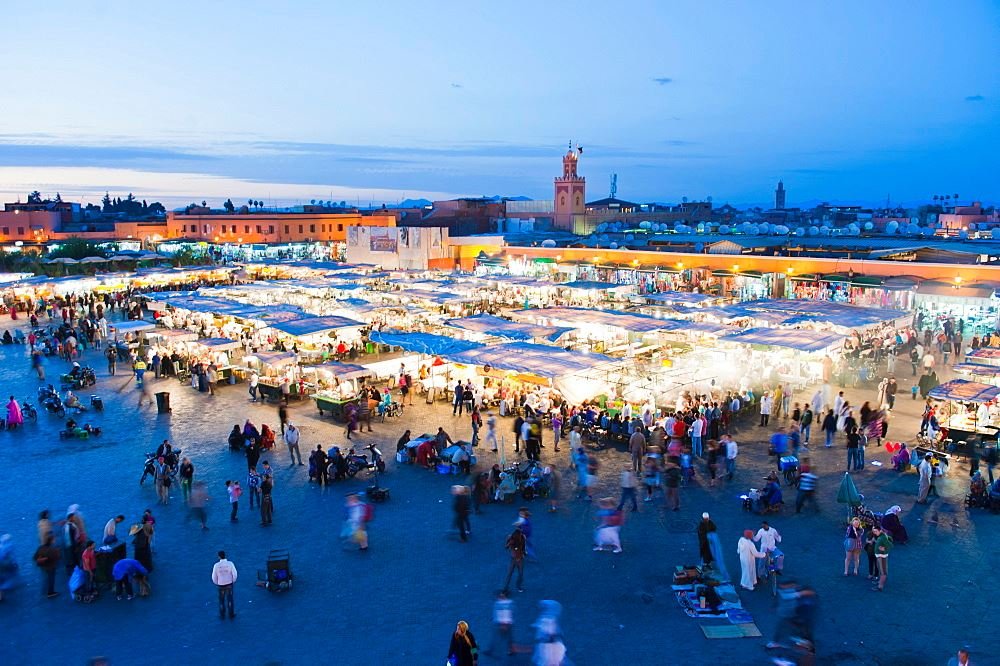
Moroccan Cuisine:

  1. Tagine Delights: Tagine, a flavorful slow-cooked stew, is a staple of Moroccan cuisine. Explore the myriad of flavors, from savory lamb and prune tagine to the spicy seafood chermoula.
  2. Street Food Adventures: Wander through the bustling markets and savor street foods like grilled kebabs, crispy pastries, and sweet treats like msemen and chebakia.
  3. Mouthwatering Sweets: Moroccan desserts are a celebration of flavors, featuring honey, almonds, and rich spices. Don’t miss out on indulging in baklava, ma’amoul, and the famous pastilla.

Moroccan Landscapes:

  1. The Sahara Desert: Venture into the vast Sahara Desert and experience the magic of dunes that stretch as far as the eye can see. Explore on camelback and spend a night under the starlit sky.
  2. The Atlas Mountains: Hiking and trekking enthusiasts can explore the Atlas Mountains, where stunning vistas, traditional Berber villages, and cascading waterfalls await.
  3. Coastal Beauty: Visit cities like Essaouira and Agadir to enjoy Morocco’s stunning coastal landscapes, with pristine beaches and a laid-back atmosphere.

Conclusion:

desert
Explore Moroccan Traditions

Morocco is a land where tradition and modernity harmoniously coexist, where cuisine is an art form, and where landscapes are a feast for the eyes. Whether you’re wandering through the vibrant markets, indulging in flavorful tagines, or exploring the mesmerizing desert, Morocco offers an unforgettable journey. The rich cultural tapestry of Morocco is a testament to the country’s history and the warm, welcoming spirit of its people. It’s a destination that will leave you with cherished memories and a longing to return. Plan your adventure and immerse yourself in the heart of Morocco.