1. Introduction: Why Visit Morocco in April?
April is one of the most enjoyable months to explore Morocco. As spring arrives, the country comes alive with pleasant temperatures, green landscapes, blooming gardens, and longer sunny days. From the colorful streets of Marrakech to the peaceful beaches of Essaouira and the golden dunes of the Sahara Desert, this season offers excellent opportunities to discover Morocco’s diverse beauty.
One of the biggest advantages of visiting during this month is the comfortable weather. Unlike the intense summer heat, spring generally brings mild daytime temperatures in many popular destinations, making sightseeing, walking through historic medinas, and enjoying outdoor activities much more pleasant.
Travelers can experience several different sides of the country in a single trip. You might spend the morning exploring the traditional markets of Marrakech, enjoy a scenic journey through the Atlas Mountains, and finish your adventure with an unforgettable sunset over the Sahara Desert.
Another reason to consider a spring holiday is the variety of experiences available. April is an excellent period for cultural exploration, mountain excursions, coastal escapes, photography, and desert adventures. Nature lovers can also enjoy the beautiful countryside, where spring vegetation creates attractive scenery in several regions.
However, conditions are not identical everywhere. Coastal cities can be breezy, mountain areas may remain cool, and desert destinations often experience significant temperature differences between daytime and nighttime. Understanding these regional differences will help you prepare for a comfortable journey.
Whether you are planning your first Moroccan holiday, a romantic getaway, a family vacation, or a longer adventure across the country, April offers a wonderful balance of comfortable sightseeing conditions and diverse travel experiences.
In this guide, you will discover what to expect from the weather, which destinations deserve a place on your itinerary, what clothes to pack, how much to budget, and the best activities to enjoy during your spring adventure.
By the end, you will have the information needed to plan an unforgettable Moroccan holiday and make the most of everything the country has to offer.
2. Morocco Weather in April: What to Expect
Spring is one of the most attractive seasons to explore Morocco, and April usually brings a pleasant combination of sunshine, mild temperatures, and occasional rainfall. Across much of the country, the weather becomes warmer and more comfortable, creating excellent conditions for sightseeing, outdoor adventures, and discovering traditional Moroccan cities.
One of the main advantages of traveling during this month is that visitors can enjoy outdoor activities without dealing with the extreme heat that often arrives during summer. Walking through historic medinas, visiting ancient monuments, exploring mountain villages, and enjoying outdoor cafés are generally more comfortable.
However, Morocco has several different climate regions. Weather conditions can change considerably depending on whether you are visiting the Atlantic coast, northern cities, inland destinations, the Atlas Mountains, or the Sahara Desert.
Sunny Days and Comfortable Temperatures
Many popular destinations experience warm afternoons and relatively cool mornings. Cities such as Marrakech, Fes, and Meknes often enjoy plenty of sunshine, making April an attractive period for exploring their historical attractions and lively markets.
Daytime temperatures in inland cities commonly reach the low to mid-20s°C, although warmer days are possible. Evenings are usually cooler, so carrying a light jacket or sweater is a good idea.
Occasional Rainfall During Spring
Although April is generally a pleasant month, occasional rain showers are still possible, particularly in northern Morocco and some mountainous regions.
Rainfall is usually not a major obstacle to travel, but it is worth checking the forecast before planning long excursions. A lightweight waterproof jacket or compact umbrella can be useful.
Spring rainfall can also make the countryside particularly beautiful. Green hills, flowering plants, and fresh mountain scenery create wonderful opportunities for photography and nature excursions.
Coastal Weather: Cooler and Windier Conditions
Morocco’s Atlantic coastline has a different atmosphere from the warmer inland cities.
Destinations such as Essaouira, Agadir, and Casablanca often experience refreshing ocean breezes. Temperatures are generally moderate, and the Atlantic water can still feel cold for swimming.
Agadir is usually warmer and sunnier than many northern coastal destinations, making it an appealing choice for travelers looking for a relaxing beach holiday.
Desert Weather: Warm Days and Cool Nights
The Sahara Desert is another destination worth considering during spring.
Around Merzouga and Erg Chebbi, daytime conditions are often warm and suitable for camel rides, photography, and desert excursions. However, temperatures can drop considerably after sunset.
If you are planning an overnight desert camp, pack warm clothing for the evening, especially if you intend to spend time outdoors watching the stars.
Mountain Weather: Cooler Conditions at Higher Altitudes
The Atlas Mountains offer a completely different spring experience.
Lower mountain valleys may enjoy pleasant temperatures, while higher elevations remain considerably cooler. Snow can sometimes persist on the highest peaks during April.
Travelers planning hiking trips should bring comfortable walking shoes, warm layers, and weather-appropriate clothing.
Is April Weather Reliable for Traveling Around Morocco?
Generally, April offers favorable conditions for a multi-destination holiday, but visitors should avoid assuming that every region will have identical weather.
A successful itinerary should account for the differences between inland cities, coastal destinations, mountain areas, and desert landscapes.
The best approach is to dress in layers, check local forecasts, and allow some flexibility when organizing outdoor activities.
Overall, spring provides an excellent opportunity to experience Morocco’s cultural attractions and natural landscapes while enjoying generally comfortable conditions for exploring the country.
3. Average Temperatures Across Morocco in April
Understanding regional temperatures is essential when planning a spring holiday in Morocco. Although April generally brings comfortable weather, temperatures can vary significantly depending on the destination, altitude, and distance from the Atlantic Ocean or Mediterranean Sea.
Inland cities often experience warmer afternoons, coastal destinations remain relatively mild, and mountain areas can be considerably cooler. The Sahara Desert, meanwhile, offers warm daytime conditions followed by chilly nights.
Knowing what to expect will help you choose the right destinations, prepare your luggage, and organize outdoor activities.
Marrakech: Warm and Sunny Spring Days
Marrakech is one of the most popular destinations during spring. In April, daytime temperatures commonly range between 23°C and 27°C (73°F–81°F), while nighttime temperatures can fall to approximately 11°C–14°C (52°F–57°F).
These conditions are ideal for exploring Jemaa el-Fna Square, visiting the Bahia Palace, discovering traditional souks, and enjoying outdoor restaurants.
The afternoons can occasionally become warmer, so sightseeing earlier in the morning is a good idea.
Fes: Pleasant Days and Cooler Evenings
Fes generally experiences comfortable spring temperatures, with daytime highs around 20°C–24°C (68°F–75°F). Nighttime temperatures often fall to approximately 9°C–12°C (48°F–54°F).
The pleasant daytime conditions make it easier to explore the historic medina, visit traditional workshops, and discover the city’s impressive architectural heritage.
A light jacket is recommended for evenings and early mornings.
Casablanca: Mild Coastal Temperatures
Casablanca benefits from its Atlantic Ocean location, which helps moderate temperatures throughout the year.
In April, daytime temperatures are commonly around 19°C–22°C (66°F–72°F), while nighttime temperatures generally range between 12°C and 15°C (54°F–59°F).
The city is suitable for coastal walks, sightseeing, and discovering attractions such as the Hassan II Mosque.
Visitors should also prepare for occasional ocean breezes and cloudy periods.
Agadir: Comfortable Weather for a Beach Holiday
Agadir is an excellent destination for travelers looking for sunshine and relaxing coastal experiences.
April daytime temperatures commonly reach approximately 22°C–25°C (72°F–77°F), while nighttime temperatures are usually around 13°C–16°C (55°F–61°F).
The pleasant conditions are ideal for walking along the beach promenade, visiting the marina, enjoying outdoor cafés, and exploring nearby coastal attractions.
Although the weather is generally suitable for beach activities, the Atlantic Ocean can still feel cool for swimming.
Chefchaouen: Fresh Mountain Air
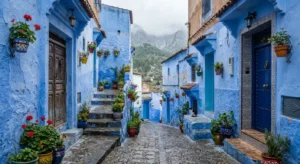
Chefchaouen, famous for its beautiful blue streets and mountain surroundings, generally experiences cooler spring weather.
Daytime temperatures are often around 17°C–21°C (63°F–70°F), while nights can drop to approximately 8°C–11°C (46°F–52°F).
April is a lovely time to photograph the blue medina, explore the surrounding mountains, and enjoy the peaceful atmosphere of this northern Moroccan town.
Merzouga: Warm Desert Afternoons
Merzouga offers a very different temperature experience.
During April, daytime temperatures can reach approximately 25°C–30°C (77°F–86°F), while nighttime temperatures may fall to around 12°C–16°C (54°F–61°F).
These conditions make spring an attractive period for camel trekking, exploring Erg Chebbi’s golden dunes, and spending a night in a traditional desert camp.
Remember to bring warm clothing for after sunset.
Atlas Mountains: Cooler Temperatures at Higher Elevations
The Atlas Mountains experience lower temperatures than many Moroccan cities because of their elevation.
In lower mountain villages, daytime temperatures may range between 12°C and 20°C (54°F–68°F), depending on altitude and local conditions. Nights can be considerably colder.
Higher elevations may still experience snow and freezing temperatures, so hikers should prepare carefully.
Average April Temperatures by Destination
The following table provides approximate planning ranges rather than guaranteed daily temperatures.
| Destination | Daytime | Nighttime |
|---|---|---|
| Marrakech | 23–27°C | 11–14°C |
| Fes | 20–24°C | 9–12°C |
| Casablanca | 19–22°C | 12–15°C |
| Agadir | 22–25°C | 13–16°C |
| Chefchaouen | 17–21°C | 8–11°C |
| Merzouga | 25–30°C | 12–16°C |
| Atlas Mountains | 12–20°C | 3–10°C |
Note: These are approximate climate-planning ranges. Actual temperatures vary from year to year, and mountain conditions depend heavily on elevation.
Which Moroccan Destination Is Warmest in April?
Merzouga and other southeastern desert destinations are generally among the warmest places during the day. Marrakech and Agadir also offer comfortable temperatures, making them popular choices for spring visitors.
If you prefer cooler weather, Chefchaouen, Casablanca, and higher Atlas Mountain locations may be more suitable.
Choosing destinations with different climates can make your trip more enjoyable and allow you to experience several sides of Morocco in one holiday.
4. Is April a Good Time to Visit Morocco?
Yes, April is one of the best months to visit Morocco, especially for travelers who want to explore the country’s cities, mountains, beaches, and desert landscapes without experiencing the intense summer heat.
Spring brings pleasant temperatures to many regions, longer daylight hours, and beautiful natural scenery. Whether you are interested in cultural sightseeing, outdoor adventures, relaxing beach holidays, or discovering traditional Moroccan villages, this month offers plenty of opportunities.
However, the best travel experience depends on your destination, personal preferences, and the activities you want to enjoy.
1. Comfortable Weather for Exploring Cities
One of the biggest reasons to plan a spring holiday is the generally comfortable weather.
Popular destinations such as Marrakech, Fes, Rabat, and Meknes usually experience pleasant daytime conditions. This makes exploring historic monuments, traditional markets, gardens, and narrow medina streets more enjoyable.
Unlike the hottest summer months, visitors can often spend several hours outdoors without dealing with extreme temperatures.
2. Excellent Conditions for Sahara Desert Adventures
Spring is an attractive season for discovering the Moroccan Sahara.
Around Merzouga and Erg Chebbi, daytime conditions are generally suitable for camel trekking, 4×4 excursions, sandboarding, and overnight desert camping.
You can enjoy spectacular sunsets over the dunes and experience the peaceful atmosphere of the desert after dark.
Remember that desert evenings can be chilly, so bringing an extra layer of clothing is important.
3. Beautiful Spring Landscapes
Another advantage of traveling during this period is the opportunity to discover Morocco’s natural beauty.
Following winter rainfall, many valleys and rural landscapes can appear greener, particularly in the Atlas Mountains and northern regions.
Visitors may enjoy:
- Beautiful mountain scenery and traditional villages.
- Flowering gardens and green countryside.
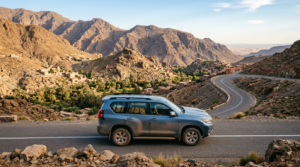
- Scenic road trips through valleys and mountain passes.
- Photography opportunities in natural landscapes.
The scenery can make spring particularly rewarding for nature lovers and photographers.
4. Ideal for Outdoor Activities
The generally mild weather creates excellent opportunities for outdoor experiences.
Depending on your destination, you can enjoy hiking in the Atlas Mountains, walking through historic medinas, cycling around rural areas, exploring coastal promenades, or taking guided excursions to traditional villages.
For adventurous travelers, spring offers a comfortable alternative to the hotter summer season.
5. Enjoy Morocco’s Beaches and Coastal Cities
Although the Atlantic Ocean may still be cool for swimming, Morocco’s coastal destinations remain attractive during spring.
Agadir is a popular choice for sunshine, beach walks, restaurants, and relaxing seaside experiences.
Essaouira offers a different atmosphere, with its historic medina, fishing port, traditional architecture, and refreshing ocean winds.
These destinations are especially appealing if you prefer mild temperatures rather than intense heat.
6. A Great Season for Cultural Experiences
Spring is also a wonderful opportunity to discover Morocco’s rich cultural heritage.
You can visit historic palaces, explore ancient mosques from the outside where appropriate, discover traditional craftsmanship, and experience the atmosphere of local markets.
Cities such as Marrakech and Fes offer particularly rewarding cultural experiences, with their historic architecture, traditional food, and lively streets.
You can also enjoy Moroccan cuisine at outdoor restaurants and discover regional specialties throughout your journey.
Are There Any Disadvantages to Visiting in April?
Although April has many advantages, there are a few things worth considering before booking your trip.
Occasional rainfall: Some regions, particularly in northern Morocco and the mountains, can experience spring showers.
Different regional temperatures: A warm afternoon in Marrakech does not mean equally warm conditions in Chefchaouen or the Atlas Mountains.
Cool desert nights: Travelers staying overnight in the Sahara should prepare for lower temperatures after sunset.
Coastal winds: Essaouira and other Atlantic destinations can be breezy, even when the sunshine is pleasant.
Travel demand: Popular destinations and accommodation can become busy during school holidays and major travel periods. Booking in advance is advisable.
Is April Better Than Summer for Visiting Morocco?
For many travelers, spring is more comfortable than summer, particularly when the itinerary includes several inland destinations.
During summer, temperatures in places such as Marrakech and the Sahara can become extremely high. April generally provides more comfortable conditions for walking, sightseeing, and outdoor excursions.
However, summer may be preferable for travelers who enjoy hot weather and want to spend more time at the beach.
Final Verdict: Should You Visit Morocco in April?
Absolutely! April offers an excellent balance of comfortable weather, cultural experiences, outdoor adventures, and beautiful landscapes.
It is particularly suitable for first-time visitors who want to explore several destinations during one holiday.
Whether you choose Marrakech, Fes, Chefchaouen, Agadir, Essaouira, or the Sahara Desert, spring provides plenty of opportunities to discover the country’s unique atmosphere.
With suitable clothing, a flexible itinerary, and a little preparation, you can enjoy a memorable Moroccan adventure.
5. Best Places to Visit in Morocco During April
One of the biggest advantages of traveling to Morocco during spring is the opportunity to discover several different destinations in one trip. From lively imperial cities and peaceful blue villages to golden desert dunes and beautiful Atlantic beaches, the country offers an incredible variety of experiences.
April is particularly suitable for exploring different regions because temperatures are generally comfortable in many popular destinations. You can spend a few days discovering historical attractions, enjoy scenic mountain landscapes, and finish your journey with a relaxing coastal escape.
If you are planning your itinerary, here are some of the best places to include in your Moroccan adventure.
1. Marrakech: Discover Morocco’s Red City
<escape>Marrakech</escape> is one of the most exciting destinations to visit during spring. Famous for its red-colored buildings, traditional souks, beautiful gardens, and lively atmosphere, the city offers an unforgettable introduction to Moroccan culture.
April is an excellent time to explore its outdoor attractions without the intense summer heat.
Some of the best experiences include:
- Visiting Jemaa el-Fna Square and experiencing its lively atmosphere.
- Exploring the beautiful Bahia Palace.
- Discovering the colorful traditional souks.
- Relaxing in the peaceful Majorelle Garden.
- Enjoying traditional Moroccan food in a rooftop restaurant.
Marrakech is also an excellent starting point for excursions to the Atlas Mountains, Ourika Valley, and nearby desert destinations.
2. Fes: Explore Morocco’s Historic Heritage
<escape>Fes</escape> is one of the country’s most fascinating cultural destinations. Its ancient medina, traditional workshops, historic architecture, and narrow streets offer a glimpse into centuries of Moroccan history.
The comfortable spring conditions make walking through the old city more enjoyable.
During your visit, consider exploring:
- Fes el-Bali, the famous historic medina.
- Al Quaraouiyine Mosque and University, viewed according to visitor access rules.
- Bou Inania Madrasa.
- The traditional Chouara Tannery viewpoints.
- The impressive Royal Palace gates.
Fes is particularly rewarding for travelers interested in history, architecture, traditional crafts, and authentic Moroccan experiences.
3. Merzouga: Experience the Magic of the Sahara Desert
<escape>Merzouga</escape> is an essential destination for travelers dreaming of experiencing the Sahara Desert.
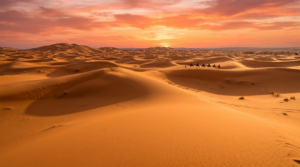
Located in southeastern Morocco, this small desert town is famous for the spectacular Erg Chebbi dunes, where enormous golden sand formations create an unforgettable landscape.
Spring is a particularly attractive season for desert adventures because daytime temperatures are generally more manageable than during summer.
Popular experiences include:
- Camel trekking across the golden dunes.
- Watching the sunset over Erg Chebbi.
- Spending a night in a traditional desert camp.
- Enjoying traditional Berber music around a campfire.
- Exploring the desert landscape by 4×4 vehicle.
- Watching the stars in the peaceful nighttime sky.
If you are planning an overnight experience, remember to bring warmer clothing because desert temperatures can fall after sunset.
4. Chefchaouen: Discover the Famous Blue City
<escape>Chefchaouen</escape> is one of Morocco’s most photogenic destinations.
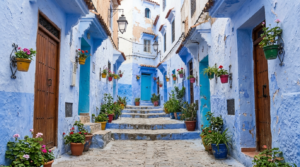
Nestled in the Rif Mountains, this charming town is famous for its blue-painted streets, traditional houses, colorful doors, and peaceful atmosphere.
Spring adds another beautiful dimension to the experience, with fresh mountain scenery and pleasant conditions for walking.
Some wonderful activities include:
- Photographing the famous blue streets.
- Exploring the historic medina.
- Visiting the Spanish Mosque viewpoint.
- Discovering local handicraft shops.
- Enjoying traditional Moroccan mint tea.
- Exploring nearby mountain trails.
Chefchaouen is an excellent destination for couples, photographers, and travelers looking for a relaxing escape.
5. Essaouira: Enjoy Morocco’s Atlantic Coast
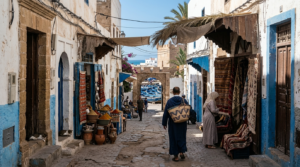
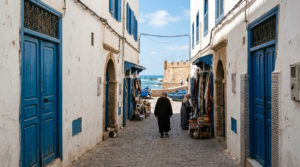
<escape>Essaouira</escape> offers a completely different atmosphere from Morocco’s busy inland cities.
This beautiful coastal destination is known for its historic medina, traditional fishing port, impressive ocean views, and relaxed lifestyle.
April is a good time to explore the city and enjoy outdoor activities, although Atlantic winds can sometimes be strong.
Highlights include:
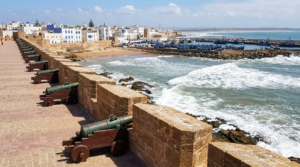
- Walking along the historic city walls.
- Exploring the old medina and its craft shops.
- Visiting the traditional fishing port.
- Enjoying fresh seafood near the harbor.
- Walking along the wide sandy beach.
- Watching the sunset over the Atlantic Ocean.
Essaouira is particularly appealing to travelers who enjoy coastal scenery, photography, and a slower pace of travel.
6. Agadir: Relax on Beautiful Sandy Beaches
<escape>Agadir</escape> is one of Morocco’s most popular seaside destinations.
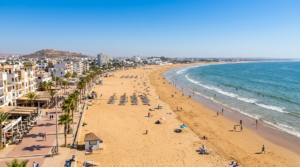
With its long sandy beach, modern hotels, attractive marina, and pleasant spring climate, the city is an excellent choice for travelers seeking relaxation.
April generally offers comfortable conditions for enjoying the beach and exploring the surrounding region.
Things to do include:
- Relaxing along Agadir Beach.
- Walking along the beautiful seaside promenade.
- Exploring Agadir Marina.
- Visiting the historic Kasbah viewpoint.
- Discovering Souk El Had.
- Taking excursions to nearby Paradise Valley.
Agadir is especially suitable for families, couples, and visitors looking for a combination of beach activities and sightseeing.
7. Casablanca: Discover Modern Morocco
<escape>Casablanca</escape> is Morocco’s largest city and an important destination for understanding the country’s modern character.
Although it has a more contemporary atmosphere than Marrakech or Fes, Casablanca offers several impressive attractions.
Visitors can enjoy:
- Discovering the magnificent Hassan II Mosque.
- Walking along the Corniche.
- Exploring the Habous Quarter.
- Visiting the city’s traditional markets.
- Enjoying restaurants and cafés overlooking the ocean.
The mild coastal conditions make April a comfortable time to discover the city.
8. Rabat: Explore the Moroccan Capital
<escape>Rabat</escape> combines historical attractions, beautiful gardens, coastal scenery, and a relaxed atmosphere.
As Morocco’s capital, it offers a different experience from the country’s busier tourist destinations.
Some of the best places to discover include:
- Kasbah of the Udayas.
- Hassan Tower.
- The Mausoleum of Mohammed V.
- Chellah archaeological site.
- Rabat’s attractive coastal areas.
April is a pleasant period for exploring the city’s outdoor historical attractions and enjoying peaceful walks.
9. Atlas Mountains: Enjoy Spring Nature and Adventure
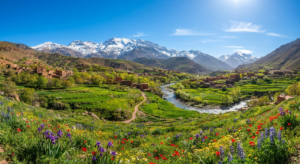
The Atlas Mountains are among the most beautiful natural regions in Morocco.
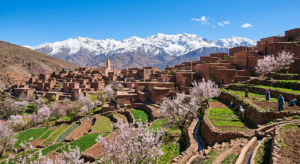
During spring, some valleys and lower mountain areas become particularly attractive, with green landscapes, flowing streams, and traditional villages.
Travelers can enjoy:
- Hiking through mountain villages.
- Visiting the Ourika Valley.
- Exploring traditional Amazigh communities respectfully.
- Discovering scenic mountain viewpoints.
- Enjoying traditional meals in countryside restaurants.
Weather conditions depend on altitude, so visitors planning longer hikes should check local conditions before setting out.
Which Destination Should You Choose?
The best destination depends on the type of holiday you want.
| Travel preference | Recommended destination |
|---|---|
| Culture and history | Fes |
| Markets and city experiences | Marrakech |
| Sahara adventures | Merzouga |
| Photography and peaceful streets | Chefchaouen |
| Atlantic coastal scenery | Essaouira |
| Beach relaxation | Agadir |
| Modern city experiences | Casablanca |
| Historical sightseeing | Rabat |
| Nature and hiking | Atlas Mountains |
Can You Visit Several Destinations in One Trip?
Absolutely! One of the best ways to experience Morocco is to combine different regions in a single itinerary.
For example, a 10-day journey could include Marrakech, the Atlas Mountains, the Dades Valley, Merzouga, and Fes. This route allows you to experience historic cities, mountain scenery, traditional villages, and the Sahara Desert.
If you have more time, you can extend your holiday to Chefchaouen, Rabat, Essaouira, or Agadir.
The key is to avoid rushing between destinations. Allow enough time to explore each location and enjoy the different experiences Morocco has to offer.
Choosing the right combination of destinations will help you make the most of your spring holiday.
6. Visiting Marrakech in April: Weather, Attractions, and Things to Do
Marrakech is one of the best destinations to include in a Moroccan spring holiday. Known as the Red City, it combines traditional architecture, colorful markets, beautiful gardens, historic palaces, and a lively cultural atmosphere.
April is an especially attractive time to explore Marrakech because temperatures are generally warm without reaching the extreme levels often experienced during summer. Visitors can spend more time outdoors, discover the historic medina, enjoy rooftop restaurants, and take excursions into the surrounding countryside.
Whether you are visiting Morocco for the first time or returning to discover more of the country, Marrakech offers plenty of unforgettable experiences.
What Is the Weather Like in Marrakech in April?
During April, Marrakech usually enjoys sunny days and comfortable spring temperatures.
Daytime temperatures commonly range between 23°C and 27°C (73°F–81°F), although occasional warmer days are possible. Nights are cooler, often falling to approximately 11°C–14°C (52°F–57°F).
Rainfall is generally limited compared with the winter months, although occasional showers can occur.
These conditions are ideal for exploring the city’s outdoor attractions, walking through traditional neighborhoods, and enjoying meals outside.
For the most comfortable sightseeing experience, consider exploring early in the morning or later in the afternoon.
Best Things to Do in Marrakech During April
1. Explore Jemaa el-Fna Square
<escape>Jemaa el-Fna</escape> is the heart of Marrakech and one of the city’s most famous attractions.
During the day, the square is filled with activity, traditional food stalls, market vendors, and street performers. As evening approaches, the atmosphere becomes even more exciting, with restaurants, music, and countless visitors gathering in the square.
April’s pleasant evenings make this an excellent time to enjoy the lively atmosphere.
2. Visit the Beautiful Majorelle Garden
<escape>Majorelle Garden</escape> is one of Marrakech’s most recognizable attractions.
Famous for its striking blue architecture, exotic plants, bamboo pathways, and peaceful atmosphere, the garden offers a refreshing escape from the busy streets.
Spring is particularly beautiful because the surrounding vegetation creates wonderful photography opportunities.
It is advisable to reserve tickets in advance, especially during busy travel periods.
3. Discover Bahia Palace
Bahia Palace is an impressive example of traditional Moroccan architecture.
Visitors can admire its decorated ceilings, beautiful courtyards, colorful tiles, carved wooden details, and peaceful gardens.
The palace provides an excellent opportunity to learn more about Morocco’s architectural heritage while enjoying a pleasant outdoor visit.
4. Explore the Traditional Souks
The souks of Marrakech are among the most exciting places to discover.
These traditional markets offer everything from handmade carpets and leather products to pottery, spices, lanterns, and traditional clothing.
Take your time exploring the narrow streets, discovering local workshops, and observing artisans practicing traditional crafts.
Remember that bargaining is a normal part of shopping in many traditional markets.
5. Enjoy a Traditional Moroccan Hammam
A traditional hammam is an excellent way to relax after a day of sightseeing.
Visitors can experience traditional bathing rituals, steam rooms, exfoliation, and relaxing treatments.
Many riads and wellness centers in Marrakech offer different hammam experiences, ranging from traditional local establishments to luxury spa facilities.
6. Enjoy Rooftop Restaurants and Moroccan Cuisine
Spring evenings are perfect for enjoying dinner on a rooftop terrace.
Many restaurants around the medina offer beautiful views of the city’s rooftops and surrounding landmarks.
Popular Moroccan dishes include:
- Traditional chicken or lamb tagine.
- Moroccan couscous.
- Pastilla.
- Harira soup.
- Fresh Moroccan salads.
- Mint tea and traditional pastries.
A rooftop dinner overlooking the medina is a wonderful way to finish a day in Marrakech.
Best Day Trips from Marrakech in April
Another advantage of staying in Marrakech is its location near several beautiful natural destinations.
Spring provides attractive conditions for exploring the surrounding landscapes.
Ourika Valley
Located in the foothills of the Atlas Mountains, Ourika Valley is famous for its green landscapes, traditional villages, rivers, and mountain scenery.
Visitors can enjoy scenic drives, countryside restaurants, and hiking opportunities around the Setti Fatma waterfalls.
Ouzoud Waterfalls
Ouzoud Waterfalls are among Morocco’s most impressive natural attractions.
The waterfalls create spectacular scenery, with walking paths, viewpoints, and opportunities to enjoy the surrounding countryside.
A guided day trip from Marrakech is a popular option.
Atlas Mountains and Imlil
Imlil is a beautiful mountain village and a starting point for many hiking experiences.
Visitors can explore traditional Amazigh villages, enjoy mountain views, and discover a quieter side of Morocco.
Temperatures can be cooler at higher elevations, so bring suitable clothing.
Agafay Desert
For travelers who want a desert-style experience without traveling all the way to Merzouga, the Agafay Desert is a convenient option.
Located outside Marrakech, this rocky landscape offers sunset experiences, camel rides, quad biking, and outdoor dining.
It is important to remember that Agafay is a rocky desert environment rather than a vast Sahara sand-dune landscape.
What Should You Wear in Marrakech in April?
The weather is generally comfortable, but temperatures can change throughout the day.
Consider packing:
- Lightweight cotton or linen clothing for sunny afternoons.
- Comfortable walking shoes for the medina.
- A light jacket or sweater for evenings.
- Sunglasses and a hat for sun protection.
- Modest clothing when visiting religious or traditional sites.
Dressing in layers is the easiest way to stay comfortable.
How Many Days Should You Spend in Marrakech?
For most travelers, three to four days provide enough time to discover the main attractions and enjoy a day trip outside the city.
Here is a simple itinerary:
| Day | Suggested activities |
|---|---|
| Day 1 | Jemaa el-Fna, traditional souks, Koutoubia surroundings |
| Day 2 | Majorelle Garden, Bahia Palace, historic medina |
| Day 3 | Ourika Valley or Atlas Mountains excursion |
| Day 4 | Hammam, shopping, rooftop dinner, and relaxation |
If you have limited time, two full days can still provide a rewarding introduction to the city.
Is Marrakech Worth Visiting in April?
Absolutely! Spring offers an excellent opportunity to experience Marrakech’s cultural attractions, traditional markets, gardens, and surrounding natural landscapes.
The generally comfortable temperatures make exploring the city more enjoyable than during the hottest summer periods.
Whether you want to discover historic architecture, taste authentic Moroccan cuisine, enjoy a relaxing hammam, or take an adventure into the Atlas Mountains, Marrakech is an excellent addition to your spring itinerary.
7. Exploring Fes in April: Weather, Attractions, and Things to Do
Fes is one of Morocco’s most fascinating destinations and an excellent addition to a spring travel itinerary. Known for its ancient medina, traditional craftsmanship, impressive architecture, and rich cultural heritage, the city offers visitors an authentic glimpse into Moroccan history.
April is a pleasant period to discover Fes because temperatures are generally comfortable for walking and sightseeing. Instead of dealing with the intense summer heat, visitors can spend more time exploring narrow streets, visiting historic monuments, discovering traditional markets, and enjoying local Moroccan cuisine.
Whether you are interested in history, photography, architecture, or cultural experiences, Fes offers plenty of reasons to include it in your journey.
What Is the Weather Like in Fes in April?
Spring brings relatively mild temperatures to Fes, making it a comfortable time to explore the city’s historic attractions.
Daytime temperatures commonly range between 20°C and 24°C (68°F–75°F), while nighttime temperatures may fall to approximately 9°C–12°C (48°F–54°F).
The city generally enjoys pleasant sunny periods, although occasional spring rainfall is possible.
These conditions are particularly suitable for exploring Fes el-Bali, visiting historical buildings, and walking through the traditional souks.
For comfortable sightseeing, bring lightweight clothing for the afternoon and a light jacket for cooler mornings and evenings.
Best Things to Do in Fes During April
1. Explore Fes el-Bali, the Ancient Medina
Fes el-Bali is the historic heart of the city and one of the most remarkable medieval urban areas in Morocco.
Its narrow streets, traditional houses, small shops, and historic buildings create an atmosphere that feels very different from modern cities.
Walking through the medina allows visitors to discover everyday Moroccan life, traditional markets, and centuries-old craftsmanship.
Hiring a local guide can make the experience more informative and help you navigate the complicated network of streets.
2. Visit Bou Inania Madrasa
Bou Inania Madrasa is one of the most impressive examples of Moroccan architecture in Fes.
The historic religious school is famous for its detailed geometric decorations, carved cedar wood, traditional zellige tiles, and beautifully designed courtyard.
It is an excellent place to appreciate the artistic heritage of the city and discover the craftsmanship that makes Moroccan architecture so distinctive.
3. Discover the Famous Chouara Tannery
The Chouara Tannery is among the most recognizable attractions in Fes.
Visitors can observe traditional leather production from elevated terraces overlooking the colorful dyeing vats.
The experience offers an interesting look at an important local craft that has been practiced for generations.
Consider visiting earlier in the day, and be prepared for the strong smell associated with traditional leather processing.
4. Admire the Royal Palace Gates
The Royal Palace of Fes, also known as Dar al-Makhzen, is famous for its impressive golden doors, detailed zellige decorations, and beautifully maintained exterior.
Although the palace itself is not generally open to ordinary public visits, the magnificent gates are a popular photography location.
The surrounding area provides another opportunity to appreciate traditional Moroccan decorative arts.
5. Explore the Mellah, the Historic Jewish Quarter
The Mellah is an important historical neighborhood that reflects part of Fes’s multicultural heritage.
Visitors can discover distinctive architecture, traditional streets, and the history of the city’s former Jewish community.
The nearby Jewish cemetery is another historically significant place.
Exploring this neighborhood provides a deeper understanding of the different communities that contributed to the city’s development.
6. Enjoy Traditional Moroccan Food
A visit to Fes would not be complete without discovering its traditional cuisine.
The city is particularly famous for its rich culinary heritage and traditional recipes.
Some dishes worth trying include:
- Fassi chicken pastilla.
- Traditional lamb or chicken tagine.
- Moroccan couscous.
- Harira soup.
- Briouats.
- Traditional Moroccan pastries and mint tea.
Many local restaurants offer authentic meals in traditional settings, making lunchtime another enjoyable cultural experience.
Best Day Trips from Fes in April
Fes is also an excellent starting point for discovering other beautiful destinations in northern and central Morocco.
Meknes
Meknes is one of Morocco’s historic imperial cities and an excellent destination for a day trip.
Visitors can discover Bab Mansour, historic gates, traditional squares, and impressive architectural landmarks.
Its historical atmosphere makes it a rewarding destination for travelers interested in Moroccan heritage.
Volubilis
Volubilis is one of the most important Roman archaeological sites in North Africa.
The site is famous for its ancient ruins, impressive columns, and beautifully preserved mosaics.
Spring is a particularly attractive time to explore the archaeological area because outdoor sightseeing is generally more comfortable.
Moulay Idriss Zerhoun
This charming hillside town is known for its religious and historical importance.
Its whitewashed buildings, traditional streets, and beautiful countryside views make it a worthwhile stop when visiting Volubilis.
Ifrane
Often called the Switzerland of Morocco because of its European-style architecture and mountain atmosphere, Ifrane offers a completely different experience.
The town is surrounded by forests and mountain scenery, making it an appealing destination for nature lovers.
April can bring fresh spring landscapes, although temperatures may remain cool.
What Should You Wear in Fes in April?
The weather can change between sunny afternoons and cooler evenings, so packing layers is recommended.
Consider bringing:
- Lightweight shirts and comfortable trousers.
- Comfortable walking shoes for the historic medina.
- A light jacket for mornings and evenings.
- Sunglasses and sunscreen.
- A compact umbrella in case of spring showers.
Comfortable footwear is particularly important because the old medina contains uneven streets, steps, and narrow passages.
How Many Days Should You Spend in Fes?
Two to three days are generally sufficient to discover the main attractions of Fes and enjoy its cultural atmosphere.
Here is a suggested itinerary:
| Day | Suggested activities |
|---|---|
| Day 1 | Explore Fes el-Bali, traditional souks, and Bou Inania Madrasa |
| Day 2 | Visit Chouara Tannery, the Mellah, and Royal Palace gates |
| Day 3 | Take a day trip to Volubilis and Meknes |
Travelers with more time can also visit Ifrane and explore the surrounding Middle Atlas region.
Is Fes Worth Visiting in April?
Absolutely! April is a wonderful opportunity to discover Fes without the intense summer heat.
The comfortable spring conditions make exploring its historic medina, architectural landmarks, traditional workshops, and surrounding countryside more enjoyable.
For travelers who want to understand Morocco’s history and cultural traditions, Fes is one of the most rewarding destinations to include in a spring holiday.
8. Discovering the Sahara Desert in April: Camel Rides, Desert Camps, and Adventures
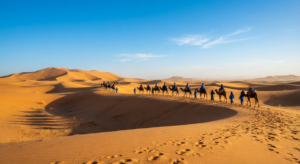
A journey to the Sahara Desert is one of the most unforgettable experiences you can enjoy during a Moroccan holiday. With its enormous golden dunes, peaceful landscapes, traditional desert camps, and spectacular sunsets, the Sahara offers a completely different atmosphere from Morocco’s busy cities.
April is an attractive period for exploring the desert because daytime temperatures are generally more comfortable than during the hottest summer months. Visitors can enjoy camel trekking, discover traditional desert villages, explore the dunes, and spend an unforgettable night under the stars.
For travelers looking for adventure, nature, and authentic cultural experiences, the Sahara deserves a special place on their itinerary.
What Is the Weather Like in the Sahara Desert in April?
The southeastern Moroccan desert, particularly around Merzouga and Erg Chebbi, generally experiences warm and sunny conditions during spring.
Daytime temperatures often range between 25°C and 30°C (77°F–86°F), although warmer days are possible. At night, temperatures can fall to approximately 12°C–16°C (54°F–61°F).
These temperature differences are important when planning your activities.
The afternoon can be warm enough for exploring the dunes, while evenings may require a sweater or jacket.
Rainfall is generally limited, but desert weather can change, and occasional wind or sandstorms are possible.
For the most comfortable experience, plan outdoor excursions during the morning and late afternoon.
Best Things to Do in the Sahara Desert During April
1. Experience a Camel Ride Across the Golden Dunes
<escape>Merzouga</escape> is famous for its camel trekking experiences across the spectacular Erg Chebbi dunes.
Riding a camel through the desert allows visitors to appreciate the enormous sand formations and peaceful atmosphere of the Sahara.
Many excursions are organized around sunset, when the changing light creates beautiful colors across the dunes.
A typical experience includes:
- Meeting your camel guide.
- Traveling through the golden sand dunes.
- Stopping at scenic viewpoints.
- Watching the sunset.
- Arriving at a traditional desert camp.
It is an unforgettable experience for couples, families, and adventure lovers.
2. Spend a Night in a Sahara Desert Camp
One of the highlights of visiting the Moroccan Sahara is spending a night in a desert camp.
Visitors can choose between traditional camps and more comfortable luxury accommodation.
Depending on the camp, facilities may include private tents, comfortable beds, traditional meals, and outdoor seating areas.
After dinner, many camps organize traditional music performances around a campfire.
The peaceful atmosphere and clear desert sky create a memorable experience that is very different from staying in a city hotel.
Remember to bring warm clothing because temperatures can drop after sunset.
3. Watch an Unforgettable Desert Sunset
The Sahara is particularly beautiful during sunset.
As the sun moves toward the horizon, the golden dunes gradually change color, creating spectacular opportunities for photography.
April’s generally comfortable conditions make it an enjoyable time to spend the late afternoon outdoors.
Find a peaceful viewpoint, enjoy the surrounding landscape, and watch the changing colors of the sand.
For photographers, the period shortly before sunset offers some of the most beautiful natural lighting.
4. Enjoy Sandboarding on the Erg Chebbi Dunes
For travelers who enjoy adventure, sandboarding is another exciting desert activity.
Many desert excursions offer the opportunity to slide down the sandy slopes using a specially designed board.
Erg Chebbi’s impressive dunes provide an excellent setting for this activity.
Beginners can usually receive basic instructions before trying it.
Wear comfortable clothing, protect your eyes from the sand, and follow your guide’s safety recommendations.
5. Explore the Desert by 4×4 Vehicle
A 4×4 excursion is an excellent way to discover areas of the desert that are difficult to reach on foot.
These trips often include visits to traditional villages, desert viewpoints, and interesting landscapes around Merzouga.
Depending on the itinerary, you may discover:
- Traditional desert settlements.
- Nomadic communities.
- Panoramic views of the Sahara.
- Fossil-rich areas.
- Remote desert landscapes.
A knowledgeable local guide can also explain the history and traditions of the region.
6. Discover Traditional Gnawa Music in Khamlia Village
Khamlia is a small village near Merzouga known for its Gnawa musical traditions.
Visitors can experience traditional performances featuring rhythmic percussion, singing, and distinctive instruments.
The music reflects an important part of the region’s cultural heritage and offers a deeper understanding of the communities living near the Sahara.
It is a rewarding cultural stop during a desert excursion.
Best Places to Explore Around the Sahara Desert
Although Merzouga is one of the most famous gateways to the Moroccan Sahara, the surrounding region offers several other interesting destinations.
Erg Chebbi
Erg Chebbi is famous for its enormous golden sand dunes and spectacular desert scenery.
It is the ideal location for camel rides, sandboarding, desert photography, and overnight camping.
Merzouga Village
Merzouga is the main tourist base for exploring Erg Chebbi.
The village offers hotels, restaurants, desert tour operators, and accommodation options for different budgets.
Rissani
Rissani is an important historical town in southeastern Morocco.
Its traditional market is an interesting place to discover local products, regional food, and traditional trading culture.
Dayet Srij
This seasonal lake near Merzouga can attract birds and create an interesting contrast with the surrounding desert landscape.
Water levels vary depending on rainfall, so the lake’s appearance is not guaranteed during every visit.
How to Reach Merzouga from Marrakech or Fes
Merzouga is located in southeastern Morocco, and reaching it requires some travel planning.
From Marrakech: The journey usually takes around 9–10 hours by road, depending on the route, stops, and traffic. Many visitors divide the journey into two days, stopping around the Atlas Mountains, Dades Valley, or Tinghir.
From Fes: The road journey generally takes around 7–8 hours, depending on conditions and stops. The route passes through the Middle Atlas region and offers beautiful scenery.
For a more comfortable experience, consider booking an organized multi-day desert tour or hiring a private driver.
Avoid trying to combine the entire journey with several sightseeing activities in a single day.
What Should You Pack for a Sahara Desert Trip in April?
Even though daytime temperatures are warm, desert evenings can be surprisingly cool.
Here are some useful items to bring:
- Lightweight and breathable clothing.
- A warm sweater or jacket for nighttime.
- Comfortable closed shoes.
- Sunglasses and sunscreen.
- A hat or scarf for sun and wind protection.
- A reusable water bottle.
- A small backpack for your desert excursion.
- A camera or smartphone for photography.
A lightweight scarf can also help protect your face from blowing sand.
How Many Days Should You Spend in the Sahara?
For most travelers, two days and one night is a good starting point for a Merzouga desert experience.
However, three days and two nights allow more time to explore the surrounding villages, enjoy desert activities, and experience the region at a relaxed pace.
If you are traveling from Marrakech, a three-day or four-day desert tour is generally more practical because of the longer driving distance.
Is April a Good Time for a Sahara Desert Trip?
Yes! April is generally an excellent month for visiting the Moroccan Sahara.
The warm daytime weather, relatively comfortable conditions for outdoor activities, and cooler evenings make it an attractive season for camel trekking, desert camping, and exploring the golden dunes.
Whether you choose a traditional desert camp, a luxury tent, or an adventurous 4×4 excursion, the Sahara offers one of the most memorable experiences of a Moroccan spring holiday.
If you want to discover a different side of Morocco beyond its historic cities and coastal destinations, make sure to include Merzouga and Erg Chebbi in your travel plans.
9. Visiting Chefchaouen in April: Discover Morocco’s Beautiful Blue City
Chefchaouen is one of the most beautiful and photogenic destinations in Morocco. Located in the Rif Mountains in northern Morocco, this charming town is famous for its blue-painted streets, traditional architecture, peaceful atmosphere, and spectacular mountain scenery.
Spring is a wonderful season to discover Chefchaouen. April generally brings mild temperatures, fresh mountain air, and attractive natural landscapes, making it an excellent time for walking through the historic medina, taking photographs, discovering local handicrafts, and enjoying the surrounding countryside.
Unlike the busy atmosphere of Marrakech and Casablanca, Chefchaouen offers a slower and more relaxing travel experience.
Whether you are visiting as a couple, traveling with family, or exploring Morocco independently, the Blue City deserves a place on your spring itinerary.
What Is the Weather Like in Chefchaouen in April?
Chefchaouen generally experiences mild spring weather, although temperatures are cooler than in many southern Moroccan destinations.
During April, daytime temperatures commonly range between 17°C and 21°C (63°F–70°F), while nighttime temperatures can fall to approximately 8°C–11°C (46°F–52°F).
The town can also experience occasional rainfall, particularly because of its mountainous location.
These conditions are generally comfortable for sightseeing, photography, and exploring the surrounding hills.
For a pleasant visit, bring comfortable walking shoes, lightweight clothing, and a jacket for cooler mornings and evenings.
Best Things to Do in Chefchaouen During April
1. Explore the Famous Blue Streets
The blue streets are the main reason many travelers visit Chefchaouen.
Walking through the medina feels like discovering a beautiful open-air photography destination. Almost every corner offers colorful doors, painted walls, decorative staircases, and traditional Moroccan details.
April’s pleasant weather makes it enjoyable to explore the narrow streets without rushing.
Take your time discovering quieter corners, local shops, and beautiful viewpoints.
2. Visit Plaza Uta el-Hammam
Plaza Uta el-Hammam is the main square in the historic medina.
Surrounded by traditional buildings, restaurants, cafés, and small shops, it is an excellent place to relax after exploring the blue streets.
Visitors can enjoy Moroccan mint tea, traditional food, and the lively atmosphere of the town.
The square is also home to the historic Kasbah, making it an important stop during your visit.
3. Discover the Historic Kasbah
The Kasbah is one of Chefchaouen’s most important historical attractions.
Located beside the main square, this historic fortress features traditional architecture, peaceful gardens, and a small ethnographic museum.
Visitors can discover the town’s history, appreciate its architectural details, and enjoy views from the surrounding structures.
It is an excellent place to learn more about the cultural heritage of northern Morocco.
4. Enjoy the Sunset from the Spanish Mosque
For one of the most beautiful panoramic views of Chefchaouen, walk to the Spanish Mosque viewpoint.
The mosque stands on a hill overlooking the town, offering spectacular views of the blue buildings and surrounding Rif Mountains.
Sunset is particularly attractive because the changing light creates beautiful colors across the landscape.
The walk involves an uphill path, so wear comfortable shoes and allow enough time to reach the viewpoint.
5. Discover Local Handicrafts and Traditional Markets
Chefchaouen is also known for its traditional handicrafts.
As you explore the medina, you will find small shops selling handmade blankets, woven fabrics, leather products, pottery, and souvenirs.
The town offers a more relaxed shopping experience compared with some of Morocco’s larger cities.
It is a wonderful opportunity to discover local craftsmanship and purchase something memorable from your journey.
6. Enjoy Traditional Moroccan Food
Food is another important part of the Chefchaouen experience.
The town offers several restaurants and cafés where visitors can discover traditional northern Moroccan cuisine.
Some dishes and experiences worth trying include:
- Traditional chicken or lamb tagine.
- Moroccan vegetable couscous.
- Fresh salads.
- Bissara, a traditional fava bean soup.
- Moroccan mint tea.
- Homemade bread and local pastries.
Many restaurants offer terraces overlooking the medina or surrounding mountains.
Best Nature Experiences Around Chefchaouen
One of the biggest advantages of visiting this destination is its beautiful natural surroundings.
April can be a rewarding time to explore the Rif Mountains and nearby countryside, although conditions depend on rainfall.
Akchour Waterfalls
Akchour is one of the most popular natural attractions near Chefchaouen.
Known for its beautiful waterfalls, rivers, natural pools, and mountain trails, the area attracts nature lovers and hiking enthusiasts.
Spring can bring attractive scenery and flowing water, although trail conditions may be muddy after rainfall.
Wear suitable hiking shoes and allow enough time for the journey.
God’s Bridge
God’s Bridge is a natural rock formation near Akchour.
The impressive stone arch stretches above a river and creates a spectacular natural landscape.
It is a popular destination for photography and outdoor exploration.
Rif Mountain Hiking
The surrounding Rif Mountains offer opportunities for hiking and discovering traditional rural landscapes.
Visitors can enjoy panoramic viewpoints, fresh mountain air, and peaceful countryside scenery.
If you plan a longer hike, consider hiring a local guide and checking weather conditions beforehand.
How Many Days Should You Spend in Chefchaouen?
For most visitors, one or two nights are sufficient to explore the main attractions and enjoy the peaceful atmosphere.
However, travelers who enjoy hiking and nature may prefer spending three days in the area.
Here is a suggested two-day itinerary:
| Day | Suggested activities |
|---|---|
| Day 1 | Explore the blue medina, Plaza Uta el-Hammam, and Kasbah |
| Day 2 | Visit the Spanish Mosque viewpoint and take an excursion to Akchour |
If you are planning a longer northern Morocco trip, Chefchaouen can also be combined with Tangier, Tetouan, and Fes.
How to Reach Chefchaouen
Chefchaouen is accessible by road from several major Moroccan cities.
- From Tangier: Approximately 2–3 hours by road.
- From Tetouan: Approximately 1–1.5 hours.
- From Fes: Approximately 3.5–4.5 hours.
- From Rabat: Approximately 4–5 hours.
Journey times depend on traffic, road conditions, and stops along the route.
Travelers can use intercity buses, private transfers, or rental cars.
What Should You Pack for Chefchaouen in April?
Because of the cooler mountain climate, packing a few additional layers is recommended.
Consider bringing:
- Comfortable walking shoes.
- Lightweight shirts and trousers.
- A warm sweater or light jacket.
- A waterproof jacket for possible rain.
- Sunglasses and sunscreen.
- A camera or smartphone for photography.
If you plan to visit Akchour, bring proper hiking footwear and enough water.
Is Chefchaouen Worth Visiting in April?
Absolutely! April is a lovely time to discover Chefchaouen, especially if you enjoy photography, mountain scenery, cultural experiences, and peaceful destinations.
The pleasant spring conditions make exploring the blue medina and surrounding countryside enjoyable, while the natural landscapes offer a refreshing contrast to Morocco’s warmer inland cities.
If you want to experience a quieter and more picturesque side of the country, Chefchaouen is an excellent destination to include in your Moroccan spring adventure.
10. Exploring Casablanca and Rabat in April: Morocco’s Modern Cities and Historic Attractions
Casablanca and Rabat are two excellent destinations to include in a Moroccan spring itinerary. Located along the Atlantic coast, both cities offer a fascinating combination of modern architecture, historical landmarks, traditional neighborhoods, and beautiful seaside scenery.
Although they are geographically close, each city has a different personality. Casablanca is Morocco’s largest economic center, known for its modern lifestyle, impressive buildings, and lively atmosphere. Rabat, on the other hand, is the country’s capital and offers a more relaxed environment with historic monuments, gardens, and traditional architecture.
April is a pleasant time to discover both destinations because coastal temperatures are generally mild, making outdoor sightseeing and walking along the ocean more enjoyable.
10.1 Visiting Casablanca in April
Casablanca is one of Morocco’s most recognizable cities. It combines contemporary buildings, traditional Moroccan culture, shopping districts, and a beautiful Atlantic coastline.
During spring, visitors can explore the city comfortably while enjoying its restaurants, cafés, historical attractions, and seaside promenades.
What Is the Weather Like in Casablanca in April?
Casablanca generally experiences mild spring temperatures.
Daytime temperatures commonly range between 19°C and 22°C (66°F–72°F), while nighttime temperatures are often around 12°C–15°C (54°F–59°F).
The Atlantic Ocean helps moderate the climate, although cloudy periods, occasional rainfall, and coastal winds are possible.
These conditions are suitable for exploring the city’s attractions, enjoying outdoor cafés, and taking relaxing walks along the coast.
Best Things to Do in Casablanca During April
1. Visit the Magnificent Hassan II Mosque
The Hassan II Mosque is one of Casablanca’s most impressive landmarks and an essential stop for visitors.
Located beside the Atlantic Ocean, it is famous for its enormous minaret, detailed Moroccan craftsmanship, beautiful decorations, and spectacular architectural design.
Visitors can admire the exterior and join an organized interior tour when available. Appropriate visitor arrangements and dress requirements should be checked before arrival.
2. Walk Along the Casablanca Corniche
The Corniche is one of the city’s most attractive coastal areas.
It offers ocean views, restaurants, cafés, hotels, and walking spaces where visitors can enjoy the refreshing Atlantic atmosphere.
April is a pleasant time to explore this area, especially during sunny afternoons and evenings.
3. Discover the Habous Quarter
The Habous Quarter is a fascinating neighborhood combining traditional Moroccan architectural influences with a more organized urban layout.
Visitors can explore its traditional shops, bookshops, bakeries, handicraft stores, and historic streets.
It is also an excellent place to discover Moroccan pastries and purchase traditional souvenirs.
4. Explore the Old Medina
Casablanca’s Old Medina offers a different atmosphere from the city’s modern districts.
Its narrow streets, traditional shops, and local markets provide opportunities to experience everyday life.
Although it is smaller than the famous medinas of Fes and Marrakech, it is still worth exploring.
5. Enjoy Casablanca’s Restaurants and Cafés
Casablanca has a diverse food scene, ranging from traditional Moroccan restaurants to international dining establishments.
Visitors can enjoy fresh seafood, traditional tagines, Moroccan salads, and delicious pastries.
Many restaurants offer pleasant outdoor seating during the spring season.
10.2 Visiting Rabat in April
Rabat is one of Morocco’s most elegant cities, combining historical attractions, beautiful gardens, coastal scenery, and a relaxed atmosphere.
As the country’s capital, it offers an interesting mixture of traditional heritage and modern urban life.
Spring is an excellent period to discover its historic monuments, explore its charming streets, and enjoy the surrounding coastal areas.
What Is the Weather Like in Rabat in April?
Rabat generally experiences mild spring conditions.
Daytime temperatures commonly range between 19°C and 22°C (66°F–72°F), while nighttime temperatures often fall to approximately 11°C–14°C (52°F–57°F).
The city can experience occasional rainfall and ocean breezes, but many days are comfortable for sightseeing.
A light jacket is useful, particularly during mornings and evenings.
Best Things to Do in Rabat During April
1. Explore the Kasbah of the Udayas
The Kasbah of the Udayas is one of Rabat’s most beautiful historical attractions.
This charming fortified neighborhood features white and blue houses, narrow streets, traditional architecture, and beautiful views of the Atlantic Ocean.
Walking through its peaceful streets is a wonderful way to discover the city’s historical character.
2. Visit Hassan Tower
Hassan Tower is one of Morocco’s most famous historical monuments.
The unfinished minaret is part of a remarkable historical complex that reflects the architectural ambitions of the Almohad dynasty.
The surrounding grounds provide an excellent setting for photography and cultural exploration.
3. Discover the Mausoleum of Mohammed V
Located near Hassan Tower, the Mausoleum of Mohammed V is an impressive example of Moroccan architectural craftsmanship.
Its beautifully decorated exterior, marble details, and traditional design make it one of Rabat’s most important historical attractions.
Visitors should respect the site’s cultural and religious significance.
4. Explore Chellah Necropolis
Chellah is a fascinating archaeological site located within historic fortified walls.
It contains Roman and Islamic remains, beautiful gardens, and atmospheric ruins.
Spring can be particularly attractive for visiting because the surrounding vegetation adds to the site’s peaceful atmosphere.
Check current opening arrangements before planning your visit.
5. Enjoy the Atlantic Coast
Rabat also offers attractive coastal areas where visitors can enjoy ocean views and relaxing walks.
The beaches and surrounding viewpoints provide a pleasant escape from the busy city center.
Although the Atlantic water may still be cool for swimming, the coastline remains enjoyable for sightseeing and photography.
Casablanca or Rabat: Which City Should You Visit?
Both cities are worth discovering, but the best choice depends on your travel interests.
| Travel preference | Best destination |
|---|---|
| Modern city atmosphere | Casablanca |
| Historical monuments | Rabat |
| Impressive architecture | Both cities |
| Traditional neighborhoods | Both cities |
| Coastal walks | Both cities |
| Relaxed sightseeing | Rabat |
| Restaurants and shopping | Casablanca |
If you have enough time, visiting both cities is an excellent idea.
Can You Visit Casablanca and Rabat on the Same Trip?
Absolutely! Casablanca and Rabat are connected by regular train services, making travel between them relatively easy.
The train journey generally takes around one hour, depending on the service and departure station.
A practical itinerary could include:
- Day 1: Explore Casablanca, visit Hassan II Mosque, and enjoy the Corniche.
- Day 2: Travel to Rabat, discover the Kasbah of the Udayas, Hassan Tower, and Chellah.
Travelers with limited time can also visit Rabat as a day trip from Casablanca.
What Should You Wear in Casablanca and Rabat in April?
Because both cities have coastal climates, lightweight clothing combined with a few extra layers is recommended.
Consider packing:
- Lightweight shirts and trousers.
- Comfortable walking shoes.
- A light jacket or sweater.
- Sunglasses and sunscreen.
- A compact umbrella for occasional showers.
A wind-resistant jacket can also be useful when spending time near the Atlantic coast.
Are Casablanca and Rabat Worth Visiting in April?
Yes! Both cities offer enjoyable spring experiences and provide an interesting contrast to Morocco’s inland destinations.
Casablanca is ideal for travelers interested in modern architecture, restaurants, shopping, and coastal life. Rabat is particularly rewarding for visitors who enjoy history, traditional neighborhoods, gardens, and cultural attractions.
Including both cities in your itinerary will help you discover another side of Morocco beyond the famous tourist destinations of Marrakech, Fes, and the Sahara Desert.
11. Visiting Essaouira and Morocco’s Atlantic Coast in April
If you are looking for beautiful beaches, refreshing ocean breezes, traditional fishing ports, and a relaxed atmosphere, Morocco’s Atlantic coast is an excellent choice during spring.
April is a wonderful period to discover coastal destinations because temperatures are generally mild and comfortable for outdoor activities. Unlike the hotter inland cities, Atlantic destinations benefit from ocean influences that help keep conditions relatively moderate.
Among the most attractive coastal destinations, Essaouira stands out for its historic medina, impressive ocean views, traditional architecture, and beautiful sandy beach.
Whether you want to enjoy peaceful walks, discover Moroccan seafood, explore traditional markets, or try water sports, the Atlantic coast offers plenty of experiences.
What Is the Weather Like on Morocco’s Atlantic Coast in April?
Coastal weather is generally milder than in inland destinations such as Marrakech and Fes.
In Essaouira, daytime temperatures commonly range between 18°C and 22°C (64°F–72°F), while nighttime temperatures can fall to approximately 12°C–15°C (54°F–59°F).
Ocean winds can make the weather feel cooler, especially near the beach.
Agadir is generally warmer, with daytime temperatures often reaching approximately 22°C–25°C (72°F–77°F).
These conditions make spring suitable for coastal sightseeing, beach walks, outdoor dining, and exploring fishing villages.
However, the Atlantic Ocean can remain cool, so swimming conditions may not be ideal for everyone.
11.1 Discovering Essaouira in April
Essaouira is one of Morocco’s most charming coastal cities.
Located along the Atlantic Ocean, it is famous for its historic medina, whitewashed buildings, blue doors, traditional fishing harbor, and impressive fortified walls.
The city offers a completely different atmosphere from Marrakech, making it an excellent destination for travelers who want to enjoy a slower and more peaceful holiday.
Best Things to Do in Essaouira
1. Explore the Historic Medina
Essaouira’s medina is one of its most attractive features.
Its narrow streets, traditional architecture, colorful shops, and small cafés create a wonderful environment for walking and discovering local culture.
Visitors can explore handicraft stores, purchase traditional souvenirs, and discover the city’s unique atmosphere.
2. Visit the Traditional Fishing Port
The fishing port is one of the most interesting places to visit.
You can watch local fishermen bringing in their daily catch, observe traditional wooden fishing boats, and discover the activity surrounding the harbor.
The port is also an excellent place to enjoy fresh seafood.
3. Walk Along the Historic City Walls
Essaouira’s historic ramparts provide beautiful views of the Atlantic Ocean.
The impressive stone walls and traditional cannons reflect the city’s historical importance as a fortified coastal settlement.
Walking along the ramparts is particularly enjoyable during sunny spring afternoons.
4. Relax on Essaouira Beach
Essaouira’s wide sandy beach is perfect for long walks and enjoying the ocean atmosphere.
April generally provides comfortable conditions for spending time outdoors, although strong winds can sometimes make the beach feel cooler.
Visitors can enjoy photography, beach walks, and relaxing moments overlooking the Atlantic.
5. Try Surfing and Other Water Sports
Essaouira is internationally known for its wind conditions and water sports opportunities.
Popular activities include:
- Windsurfing.
- Kitesurfing.
- Surfing.
- Horse riding along the beach.
- Camel rides in designated coastal areas.
Beginners can find local schools and instructors offering lessons and equipment rental.
Check local sea conditions before participating in water activities.
11.2 Visiting Agadir in April
Agadir is another excellent destination for travelers looking for sunshine, sandy beaches, and comfortable spring temperatures.
Unlike Essaouira, which is famous for its historic atmosphere and strong coastal winds, Agadir offers a more modern seaside experience.
The city features large beach resorts, restaurants, shopping areas, and a beautiful promenade.
Best Things to Do in Agadir
1. Relax on Agadir Beach
Agadir Beach is one of the city’s main attractions.
Its long stretch of golden sand provides plenty of space for relaxing, walking, and enjoying the coastal atmosphere.
April is generally suitable for beach activities, although the Atlantic water can still feel cool.
2. Explore Agadir Marina
Agadir Marina is a beautiful waterfront area featuring restaurants, cafés, shops, and attractive views of the harbor.
It is an excellent place for an evening walk or a relaxing meal overlooking the boats.
3. Visit the Agadir Kasbah Viewpoint
The historic Kasbah of Agadir Oufella stands on a hill overlooking the city.
Although much of the original structure was damaged during the 1960 earthquake, the location remains famous for its panoramic views of Agadir, the coastline, and the surrounding landscape.
Sunset is an especially beautiful time to visit.
4. Discover Souk El Had
Souk El Had is one of the largest traditional markets in the region.
Visitors can discover spices, fresh produce, clothing, handicrafts, souvenirs, and many other local products.
It is an excellent place to experience everyday shopping culture and discover regional specialties.
5. Enjoy a Trip to Paradise Valley
Paradise Valley is a beautiful natural area located in the Atlas Mountains northeast of Agadir.
It is known for its rocky landscapes, palm trees, natural pools, and scenic surroundings.
Spring can be an attractive time to explore the valley, although water levels and swimming conditions depend on recent rainfall.
Wear comfortable shoes and check local conditions before visiting.
11.3 Other Beautiful Coastal Destinations to Discover
Beyond Essaouira and Agadir, Morocco offers several other coastal destinations worth considering.
Taghazout
Taghazout is a popular coastal village north of Agadir.
It is especially famous for surfing, relaxed cafés, beautiful ocean views, and beach accommodation.
April can be an attractive period for surfing and enjoying the coastal lifestyle.
Sidi Ifni
Sidi Ifni is a peaceful coastal town in southern Morocco.
It is known for its distinctive architecture, relaxed atmosphere, fishing traditions, and beautiful ocean scenery.
It is a good option for travelers who want to explore destinations beyond the main tourist routes.
El Jadida
El Jadida is a historic coastal city located south of Casablanca.
Its Portuguese heritage, historic fortified town, and coastal atmosphere make it an interesting stop during a journey along the Atlantic coast.
The Portuguese City of Mazagan is particularly worth discovering.
Essaouira vs Agadir: Which Destination Is Better in April?
Both destinations offer excellent coastal experiences, but they appeal to different types of travelers.
| Feature | Essaouira | Agadir |
|---|---|---|
| Atmosphere | Historic and relaxed | Modern seaside city |
| Weather | Mild and often windy | Generally warmer |
| Beaches | Excellent for walks and water sports | Excellent for beach relaxation |
| Architecture | Historic medina and ramparts | Modern buildings and resorts |
| Activities | Surfing, culture, photography | Swimming, excursions, relaxation |
| Accommodation | Riads and boutique hotels | Resorts and hotels |
If you enjoy history, traditional architecture, and a peaceful atmosphere, Essaouira is an excellent choice.
If you prefer warmer weather, large beaches, and resort accommodation, Agadir may suit you better.
What Should You Wear on the Atlantic Coast in April?
Although spring temperatures are generally comfortable, coastal winds can make conditions feel cooler.
Consider bringing:
- Lightweight shirts and trousers.
- A wind-resistant jacket.
- Comfortable walking shoes or sandals.
- Sunglasses and sunscreen.
- A light sweater for evenings.
- Swimwear if you plan to use a hotel pool or enjoy beach activities.
If you are planning surfing or other water sports, appropriate equipment and clothing can usually be arranged through local providers.
How Many Days Should You Spend on Morocco’s Atlantic Coast?
For Essaouira, two days are generally sufficient to explore the medina, fishing port, beach, and historic ramparts.
For Agadir, three to four days provide enough time to enjoy the beach, visit the marina, discover local markets, and take excursions to nearby attractions.
If you want to visit both destinations, consider allowing at least five days for a more relaxed experience.
Is April a Good Time to Visit Morocco’s Atlantic Coast?
Absolutely! April is a pleasant season for discovering Morocco’s Atlantic coastline.
The moderate temperatures make it enjoyable to explore historic coastal towns, walk along sandy beaches, discover fishing ports, and participate in outdoor activities.
Although the ocean may still be cool and some destinations can experience strong winds, the coastal region offers a refreshing alternative to Morocco’s warmer inland cities.
Whether you choose the historic charm of Essaouira, the sunny beaches of Agadir, or the surfing atmosphere of Taghazout, the Atlantic coast is a wonderful addition to your spring travel itinerary.
12. Exploring the Atlas Mountains in April
April is one of the most beautiful months to explore the Atlas Mountains in Morocco. As spring arrives, valleys become greener, wildflowers begin to appear, and traditional Berber villages offer a peaceful escape from the busy cities. The weather is generally pleasant at lower elevations, making this a rewarding time for hiking, scenic drives, photography, and cultural experiences.
However, conditions can change significantly depending on altitude. While valleys may feel warm and sunny, higher mountain areas can remain cold, windy, or even snowy.
What Is the Weather Like in the Atlas Mountains in April?
Temperatures vary between mountain valleys and higher elevations. Around villages such as Imlil, daytime temperatures are often approximately 12–20°C, while nights can fall to around 3–10°C. Higher areas may be much colder.
April can also bring occasional rain showers, muddy trails, and lingering snow at high elevations. Check local conditions before planning a long hike, especially if you intend to visit remote areas.
Best Places to Visit in the Atlas Mountains
1. Imlil Village
Imlil is one of the most popular starting points for exploring the High Atlas Mountains. Located approximately 90 minutes from Marrakech by car, this mountain village is surrounded by dramatic peaks, terraced fields, and traditional settlements.
Visitors can enjoy:
- Guided walks through mountain villages.
- Beautiful views of Mount Toubkal.
- Traditional Moroccan meals in local guesthouses.
- Scenic photography and peaceful mountain landscapes.
- Short or full-day hiking experiences.
Imlil is an excellent choice for travelers who want to experience mountain scenery without spending several days away from Marrakech.
2. Ourika Valley
The Ourika Valley is a popular spring destination in the High Atlas, known for its green landscapes, riverside cafés, and traditional villages.
During April, the valley can be especially attractive after seasonal rainfall. You can enjoy a walk beside the river, discover local markets, visit small villages, and explore the waterfalls near Setti Fatma.
It is also a convenient destination for a day trip from Marrakech.
3. Ouzoud Waterfalls
The Ouzoud Waterfalls are among Morocco’s most impressive natural attractions. Surrounded by olive trees and rocky landscapes, the waterfalls create a refreshing escape from the city.
April can be a lovely time to visit because seasonal water flow may make the falls particularly impressive. Visitors can walk along the viewpoints, enjoy a local meal, and sometimes spot Barbary macaques in the surrounding area. Keep a respectful distance from the animals and avoid feeding them.
4. Ouirgane Valley
For a quieter mountain experience, consider visiting Ouirgane. This peaceful destination offers red-earth hills, olive groves, small villages, and beautiful views of the surrounding mountains.
It is ideal for travelers who prefer relaxing walks, rural accommodation, and fewer crowds than some of the more popular mountain destinations.
Best Things to Do in the Atlas Mountains During April
Spring offers several ways to experience the Moroccan mountains:
- Go hiking: Choose a route that matches your fitness level and the current trail conditions.
- Discover Berber villages: Learn about local traditions, architecture, and everyday mountain life.
- Enjoy traditional food: Try a homemade tagine or Moroccan mint tea in a local guesthouse.
- Take scenic photographs: Capture green valleys, mountain peaks, rivers, and terraced fields.
- Book a guided excursion: A local guide can help you understand the landscape and choose suitable walking routes.
- Enjoy a mountain stay: Spend a night in a guesthouse to experience the peaceful atmosphere after day visitors leave.
Can You Climb Mount Toubkal in April?
Mount Toubkal is the highest peak in North Africa, reaching approximately 4,167 metres. April can be a challenging period for climbing it because snow and ice may still cover parts of the route.
Although some experienced hikers attempt the summit during spring, conditions are not always suitable for ordinary hiking. Winter equipment, appropriate clothing, mountain experience, and a qualified local guide may be necessary.
If you are not an experienced mountaineer, consider enjoying the lower mountain trails around Imlil instead. You can still experience spectacular scenery without attempting a demanding summit climb.
What Should You Wear in the Atlas Mountains in April?
Mountain weather can change quickly, so packing layers is essential.
Consider bringing:
- Comfortable walking shoes with good grip.
- A warm fleece or sweater.
- A waterproof jacket.
- Long trousers for hiking.
- Sunglasses and sunscreen.
- A hat and a light scarf.
- A warmer jacket for evenings and higher elevations.
Even when Marrakech feels warm, the mountain air can be considerably colder.
Is April a Good Time for an Atlas Mountains Day Trip?
Yes. April is generally a wonderful month for exploring the lower Atlas Mountain valleys, especially if you enjoy nature, photography, village visits, and outdoor activities.
A day trip from Marrakech is suitable for destinations such as Ourika Valley and Imlil. However, if you want to explore several villages or enjoy longer hikes, spending one or two nights in the mountains will give you more time.
Travel tip: Before leaving Marrakech, check the weather forecast and ask your driver or local guide about road and trail conditions. Mountain weather can be unpredictable, particularly after rainfall.
Overall, the Atlas Mountains offer a completely different side of Morocco in spring. Their green valleys, traditional villages, fresh air, and dramatic landscapes make them an excellent addition to a Moroccan itinerary in April.
13. What to Wear in Morocco in April
Choosing the right clothes is an important part of preparing for a comfortable trip to Morocco. April is a spring month, which means you can enjoy warm afternoons, cool mornings, occasional rain, and chilly evenings depending on your destination.
The best approach is to pack lightweight clothing that you can easily combine with warmer layers. You should also consider the different climates between cities, coastal destinations, the Sahara Desert, and the Atlas Mountains.
Whether you are exploring the streets of Marrakech, visiting the historic medina of Fes, relaxing in Essaouira, or spending a night in a desert camp, wearing suitable clothes will help you enjoy every experience.
1. Choose Lightweight Clothing for Warm Days
In cities such as Marrakech, Agadir, and Merzouga, afternoons can feel pleasantly warm in April. Lightweight and breathable fabrics are therefore a good choice.
Consider packing:
- Cotton T-shirts and shirts.
- Lightweight trousers.
- Long skirts and comfortable dresses.
- Breathable blouses.
- Loose-fitting shorts for suitable activities and private settings.
- Comfortable everyday clothing for sightseeing.
Linen and cotton are particularly useful because they allow air to circulate and help you stay comfortable during sunny afternoons.
2. Bring Layers for Cool Mornings and Evenings
Temperatures can drop after sunset, especially in inland cities and desert areas. A sunny afternoon does not necessarily mean that the evening will be warm.
Pack a few versatile layers, such as:
- A light sweater or cardigan.
- A sweatshirt or fleece.
- A thin jacket.
- Long trousers.
- A scarf or shawl.
These items are particularly useful when enjoying rooftop restaurants, walking through medinas at night, or spending time outdoors in the desert.
3. Dress Respectfully When Visiting Cultural Sites
Morocco is a welcoming destination with diverse clothing styles. However, when visiting traditional neighborhoods, religious sites, and rural communities, modest clothing is generally a considerate choice.
You do not need a completely different wardrobe, but covering your shoulders and choosing clothing that reaches around the knees is often a practical option.
For women, useful choices include:
- Maxi dresses and long skirts.
- Loose trousers.
- Shirts or tops that cover the shoulders.
- Lightweight scarves for additional coverage when needed.
For men, lightweight trousers, jeans, shirts, and T-shirts are suitable for most sightseeing activities.
Some religious sites have specific visitor dress requirements, so check the rules before entering.
4. What to Wear in Marrakech and Fes
Marrakech and Fes are popular destinations for exploring historic medinas, traditional markets, palaces, and gardens.
During the day, comfortable and breathable outfits are ideal. Choose lightweight trousers, cotton shirts, dresses, and comfortable walking shoes.
For evenings, bring a cardigan or light jacket because temperatures can become cooler.
Avoid wearing uncomfortable shoes, especially when exploring the narrow, uneven streets of the old medinas.
5. What to Wear in the Sahara Desert
A desert excursion requires a little more preparation because temperatures can change considerably between daytime and nighttime.
During the day, choose breathable clothing that protects your skin from the sun. Long sleeves and lightweight trousers can be more comfortable than exposing too much skin to direct sunlight.
For a Sahara Desert experience, bring:
- Lightweight long-sleeved shirts.
- Comfortable trousers.
- A scarf or traditional desert head covering.
- Sunglasses.
- A sun hat.
- Closed shoes for walking on sand.
- A warm jacket for the evening.
If you are staying overnight in a desert camp near Merzouga, do not underestimate the cold after sunset. A fleece or warm sweater can make a significant difference.
6. What to Wear on the Atlantic Coast
Coastal destinations such as Essaouira, Agadir, and Taghazout can be breezy in April. Even when the sun is shining, the wind may make the temperature feel cooler.
Pack:
- A light windproof jacket.
- Comfortable trousers.
- T-shirts and long-sleeved tops.
- Walking shoes or trainers.
- A light sweater for the evening.
If you plan to enjoy the beach, bring swimwear, a towel, and sunscreen. However, the Atlantic Ocean can still feel cool, so swimming conditions may not suit everyone.
7. What to Wear in the Atlas Mountains
The Atlas Mountains are generally cooler than Morocco’s major cities, particularly at higher elevations.
For mountain excursions, prioritize comfort, warmth, and practical footwear.
Recommended clothing includes:
- Hiking trousers.
- A breathable base layer.
- A fleece or warm sweater.
- A waterproof jacket.
- Hiking shoes with good grip.
- Warm socks.
- A hat and sunglasses.
If you plan to hike around Imlil or visit higher mountain areas, check the weather and trail conditions before leaving. Snow may still be present at higher elevations in April.
8. The Best Shoes to Bring
You may walk much more than expected while exploring Morocco. Historic medinas often have uneven stone streets, steps, and narrow passages.
Bring at least two pairs of practical shoes:
- Comfortable trainers: Ideal for city sightseeing and everyday walking.
- Hiking shoes: Useful for mountain trails and nature excursions.
- Sandals: Convenient for relaxing at your accommodation or visiting the beach.
- Closed shoes: Helpful for desert activities and cooler evenings.
Avoid relying entirely on high heels or new shoes that you have not worn before.
9. A Simple Clothing Checklist for April
Here is a practical clothing checklist to help you prepare:
| Clothing item | Recommended use |
|---|---|
| Cotton T-shirts | Warm afternoons |
| Lightweight trousers | City sightseeing |
| Long dresses or skirts | Comfortable everyday outfits |
| Light sweater | Cool evenings |
| Waterproof jacket | Rainy days and mountain trips |
| Scarf or shawl | Sun protection and extra coverage |
| Comfortable trainers | Walking through medinas |
| Hiking shoes | Mountain excursions |
| Swimwear | Hotels and beach destinations |
| Warm jacket | Desert nights and mountain areas |
Final Advice: Pack for Different Climates
The most important thing to remember is that Morocco does not have one uniform climate. You might enjoy warm sunshine in Marrakech, experience strong coastal winds in Essaouira, and encounter much colder conditions in the Atlas Mountains during the same trip.
Instead of packing only summer clothes, choose a flexible wardrobe with lightweight outfits, comfortable shoes, and a few warm layers.
With the right clothing, you can explore Morocco comfortably in April, from its lively cities and beautiful beaches to its mountains and desert landscapes.
14. What to Pack for a Morocco Trip in April
Preparing the right suitcase can make your Moroccan holiday much more comfortable. April is a beautiful spring month, but the weather varies between destinations. You may experience warm sunshine in Marrakech, cool Atlantic breezes in Essaouira, chilly desert nights near Merzouga, and lower temperatures in the Atlas Mountains.
For this reason, the best packing strategy is to bring versatile clothing, practical travel accessories, and a few essential items for different activities.
Whether you are planning a city break, a Sahara Desert adventure, or a two-week journey across the country, this packing guide will help you prepare.
1. Essential Clothing to Pack
Choose lightweight clothing that is comfortable for walking and suitable for changing temperatures.
Your suitcase should include:
- 4–6 breathable T-shirts or tops.
- 2–3 pairs of lightweight trousers.
- 1–2 long skirts or dresses, if preferred.
- 1 pair of comfortable jeans.
- 1 light sweater or cardigan.
- 1 warm jacket for evenings.
- 1 waterproof or windproof jacket.
- Comfortable underwear and socks.
- Sleepwear.
- Swimwear for hotels, riads, and beaches.
You do not need to bring too many outfits. Choose clothes that can be mixed and matched to create several combinations.
2. Shoes and Walking Accessories
Morocco is a destination where comfortable footwear is essential. Exploring Marrakech’s souks, walking through Fes’s historic medina, or discovering mountain villages can involve several hours on foot.
Pack:
- Comfortable walking trainers.
- Hiking shoes if you plan mountain excursions.
- Sandals for relaxing.
- Lightweight socks.
- A small backpack for daily sightseeing.
If you are planning a desert excursion, closed shoes are useful for walking on sand and around the camp.
3. Sun Protection Essentials
Even in spring, Morocco can receive strong sunshine, particularly in inland and desert regions.
Protect yourself by packing:
- Sunscreen with SPF 30 or higher.
- Sunglasses with UV protection.
- A wide-brimmed hat or cap.
- Lip balm with sun protection.
- A lightweight scarf.
- A reusable water bottle.
Apply sunscreen regularly when spending long periods outdoors, especially during desert trips and mountain walks.
4. Toiletries and Personal Care
Most everyday toiletries are available in Moroccan supermarkets, pharmacies, and shops. However, bringing your preferred products can be convenient.
Consider packing:
- Toothbrush and toothpaste.
- Shampoo and conditioner.
- Deodorant.
- Moisturizer.
- Hand sanitizer.
- Wet wipes or tissues.
- Personal medication.
- Basic first-aid supplies.
If you take prescription medication, keep it in its original packaging and carry the relevant prescription or documentation when necessary.
5. Electronics and Travel Accessories
A few electronic accessories can make your journey easier, particularly if you plan to use your phone for navigation, photography, and bookings.
Useful items include:
- Smartphone and charger.
- Power bank.
- Universal travel adapter.
- Camera and spare batteries.
- Headphones.
- Charging cables.
- Small flashlight for some outdoor excursions.
Morocco generally uses Type C and Type E electrical sockets with a standard voltage of 220V. Check that your devices and chargers support this voltage before travelling.
6. Important Travel Documents
Keep your important documents organized and accessible throughout your trip.
Before leaving, prepare:
- Passport with the required validity.
- Flight tickets and travel itinerary.
- Hotel and riad reservations.
- Travel insurance documents.
- Copies of important identification documents.
- Bank cards and some cash.
- Any required visa or entry documentation.
Entry requirements depend on your nationality. Travelers from the USA and UK should check the latest official Moroccan entry requirements before departure.
It is also sensible to keep digital copies of important documents in a secure location.
7. What to Pack for a Sahara Desert Trip
If your itinerary includes Merzouga and the Erg Chebbi dunes, add a few items specifically for the desert.
The desert can be warm during the day but considerably cooler after sunset.
Bring:
- A warm fleece or jacket.
- Comfortable long trousers.
- A scarf to protect your face from sand and wind.
- Sunglasses.
- Sunscreen.
- Closed walking shoes.
- A small backpack.
- A reusable water bottle.
A small bag is often more practical than carrying your entire suitcase into a desert camp. Ask your tour operator about luggage arrangements before departure.
8. What to Pack for Mountain Excursions
For trips to Imlil, the Ourika Valley, or other Atlas Mountain destinations, prepare for cooler temperatures and changing weather.
Useful items include:
- Hiking shoes with good grip.
- Waterproof jacket.
- Warm sweater or fleece.
- Comfortable hiking trousers.
- Extra socks.
- Small first-aid kit.
- Water bottle.
- Snacks.
- Sunscreen and sunglasses.
If you plan a demanding hike, check the weather, trail conditions, and equipment requirements with a qualified local guide.
9. Money and Payment Essentials
It is useful to have a combination of payment methods when travelling around Morocco.
Consider bringing:
- A debit or credit card.
- Some Moroccan dirhams for small purchases.
- A secure wallet.
- A small amount of emergency cash.
Cards are accepted in many hotels, larger restaurants, and modern shops, but cash remains useful in traditional markets, small cafés, rural areas, and some local transport situations.
Avoid carrying all your cash in one place.
10. A Practical Packing Checklist
Use this checklist before closing your suitcase:
| Category | Essential items |
|---|---|
| Clothing | Lightweight outfits, trousers, sweater, jacket |
| Footwear | Trainers, sandals, hiking shoes if needed |
| Sun protection | Sunscreen, sunglasses, hat |
| Toiletries | Toothbrush, shampoo, moisturizer |
| Electronics | Phone, charger, adapter, power bank |
| Documents | Passport, tickets, reservations, insurance |
| Desert trip | Scarf, warm jacket, closed shoes |
| Mountain trip | Hiking shoes, fleece, waterproof jacket |
| Money | Bank cards and Moroccan dirhams |
| Health | Personal medication and basic first aid |
Final Packing Tips for April
You do not need an oversized suitcase to enjoy Morocco. The key is to pack smartly and prepare for different temperatures.
If you are visiting only Marrakech and Agadir, lightweight clothing with one warm layer may be enough. However, if your itinerary includes the Sahara Desert, Essaouira, Chefchaouen, and the Atlas Mountains, bring more versatile clothing.
Check the weather forecast for each destination a few days before departure, leave some space for souvenirs, and avoid packing unnecessary items.
With a well-planned suitcase, you will be ready to enjoy Morocco’s cities, beaches, mountains, and desert landscapes throughout the spring season.
15. Best Things to Do in Morocco in April
April is an excellent month to discover Morocco because spring brings pleasant temperatures, greener landscapes, and plenty of opportunities for outdoor adventures. From exploring ancient medinas and relaxing on Atlantic beaches to riding camels across golden dunes, the country offers experiences for almost every type of traveler.
Whether you are visiting for a long weekend or planning a two-week adventure, you can combine cultural attractions, natural landscapes, local food, and exciting activities in one unforgettable journey.
Here are some of the best things to do during your spring holiday.
1. Explore the Historic Medina of Marrakech
Marrakech is one of the most exciting places to visit in spring. Its historic medina is full of colorful souks, traditional architecture, beautiful courtyards, and lively public squares.
Start your visit at Jemaa el-Fnaa, where you can enjoy the atmosphere, discover traditional food stalls, and watch the city come alive in the evening.
Other experiences include:
- Exploring the colorful souks.
- Visiting Bahia Palace.
- Discovering the Majorelle Garden.
- Enjoying Moroccan mint tea on a rooftop terrace.
- Relaxing in a traditional hammam.
April’s generally comfortable daytime temperatures make walking around the city more enjoyable than during the hottest summer months.
2. Experience a Sahara Desert Camel Ride
A camel ride through the Sahara Desert is one of Morocco’s most memorable travel experiences.
In the Merzouga area, you can explore the impressive Erg Chebbi dunes, watch the sun set over the sand, and spend a night in a desert camp.
Popular activities include:
- Camel trekking across the dunes.
- Watching sunrise and sunset.
- Trying sandboarding.
- Enjoying traditional Moroccan dinner.
- Listening to local music around the campfire.
- Taking photographs of the desert landscape.
April is generally a suitable month for desert excursions, although daytime temperatures can be warm and nights may feel cold.
3. Discover the Blue Streets of Chefchaouen
Chefchaouen is famous for its beautiful blue-painted streets and peaceful mountain atmosphere. Spring is a lovely time to explore this small city in the Rif Mountains.
Walk through the blue medina, visit Plaza Uta el-Hammam, discover local handicraft shops, and enjoy traditional Moroccan food.
If you enjoy nature, consider visiting the nearby Akchour waterfalls and surrounding mountain trails.
Bring comfortable shoes because some streets are steep and uneven.
4. Explore the Ancient City of Fes
Fes offers a fascinating journey into Morocco’s history and traditional culture.
Its ancient medina, Fes el-Bali, is a UNESCO World Heritage Site and one of the country’s most remarkable historic areas.
During your visit, you can:
- Explore the narrow streets of the old medina.
- Visit Bou Inania Madrasa.
- Discover traditional leather workshops.
- Admire the famous Chouara Tannery from an appropriate viewpoint.
- Taste traditional Fassi dishes.
- Visit local artisan workshops.
You can also organize day trips to Meknes, Volubilis, and Moulay Idriss Zerhoun.
5. Enjoy the Beaches of Essaouira and Agadir
If you prefer the Atlantic coast, April offers opportunities to enjoy seaside towns and beautiful coastal scenery.
Essaouira is known for its historic port, white-and-blue architecture, ocean views, and relaxed atmosphere. Agadir offers a long sandy beach, modern resorts, restaurants, and a lively promenade.
Some activities to consider include:
- Walking along the beach.
- Exploring traditional fishing ports.
- Enjoying fresh seafood.
- Taking surfing lessons.
- Trying windsurfing or kitesurfing in suitable conditions.
- Relaxing at a beachfront café.
Remember that coastal winds can be strong, particularly in Essaouira, so bring a light jacket.
6. Go Hiking in the Atlas Mountains
Spring is a wonderful season to explore the lower Atlas Mountain valleys.
You can visit Imlil, discover traditional Berber villages, enjoy mountain views, and follow scenic walking trails.
The Ourika Valley is another popular option, offering riverside cafés, green landscapes, and waterfalls near Setti Fatma.
For a more peaceful experience, consider spending a night in a mountain guesthouse and enjoying traditional Moroccan hospitality.
Always check trail conditions and choose routes appropriate for your fitness level.
7. Visit the Majestic Ouzoud Waterfalls
The Ouzoud Waterfalls are among Morocco’s most impressive natural attractions.
Located in the Middle Atlas region, these waterfalls offer spectacular views, walking paths, and beautiful natural surroundings.
April can be an attractive time to visit because seasonal rainfall may contribute to strong water flow.
You can spend several hours exploring the viewpoints, walking near the falls, enjoying lunch at a local restaurant, and photographing the landscape.
8. Taste Traditional Moroccan Food
A trip to Morocco would not be complete without discovering its delicious cuisine.
April is a great time to enjoy outdoor dining, traditional restaurants, and local food markets.
Some dishes and drinks to try include:
- Tagine: A slow-cooked dish prepared with vegetables, meat, chicken, or other ingredients.
- Couscous: A traditional dish often served with vegetables and meat.
- Pastilla: A sweet-and-savory pastry traditionally associated with Fassi cuisine.
- Harira: A traditional Moroccan soup.
- Moroccan mint tea: A popular drink served throughout the country.
- Msemen: A traditional layered Moroccan flatbread.
Try local specialties in different regions because Moroccan cuisine varies from city to city.
9. Discover Morocco’s Traditional Hammams
A traditional Moroccan hammam is a relaxing cultural experience and a wonderful way to understand local bathing traditions.
Many cities, including Marrakech and Fes, have public hammams as well as private spa experiences designed for visitors.
A traditional hammam may include warm steam, washing, and exfoliation using black soap and a special glove called a kessa.
If you prefer more privacy, choose a reputable spa or hotel hammam and ask about the available treatments before booking.
10. Explore Morocco’s Imperial Cities
Morocco’s imperial cities offer an excellent opportunity to discover the country’s history, architecture, and cultural heritage.
Consider including these destinations in your itinerary:
| City | What makes it special |
|---|---|
| Marrakech | Jemaa el-Fnaa, palaces, gardens, and souks |
| Fes | Historic medina, traditional crafts, and Islamic architecture |
| Meknes | Historic gates, monuments, and imperial heritage |
| Rabat | Hassan Tower, Kasbah of the Udayas, and coastal atmosphere |
Each city has a different character, so visiting more than one can make your journey especially rewarding.
11. Take a Moroccan Cooking Class
If you enjoy food and cultural experiences, joining a Moroccan cooking class is an excellent activity.
Many cooking experiences begin with a visit to a local market to select fresh ingredients. You may then learn how to prepare a traditional tagine, Moroccan salad, couscous, or mint tea.
Cooking classes are available in several tourist destinations, particularly Marrakech and Fes.
They are a great way to learn about Moroccan ingredients, spices, and culinary traditions while enjoying a delicious meal.
12. Experience a Traditional Moroccan Riad
Staying in a traditional riad can make your visit more memorable.
Riads are traditional houses built around an interior courtyard, often featuring decorative tiles, carved wood, fountains, and rooftop terraces.
Many are located inside historic medinas, allowing you to stay close to traditional markets and cultural attractions.
In April, you may enjoy breakfast on a sunny rooftop terrace or relax in a peaceful courtyard after a day of sightseeing.
13. Visit the Roman Ruins of Volubilis
History lovers should consider visiting Volubilis, an archaeological site near Meknes and Moulay Idriss Zerhoun.
The site contains impressive Roman ruins, including ancient columns, mosaics, and the remains of public buildings.
Spring can be a pleasant time to walk around the archaeological area because temperatures are generally more comfortable than during the hottest months.
A visit to Volubilis can easily be combined with a trip to Meknes.
14. Enjoy a Moroccan Desert or Mountain Road Trip
If you have enough time, consider exploring Morocco by road.
A scenic journey can connect Marrakech, the High Atlas Mountains, Aït Ben Haddou, Ouarzazate, the Dades Valley, and Merzouga.
Along the way, you can discover traditional villages, dramatic mountain landscapes, historic kasbahs, and spectacular desert scenery.
Allow enough time for the journey because distances can be long and mountain roads may require slower driving.
15. Photograph Morocco’s Beautiful Spring Landscapes
April is an attractive month for photography because different parts of the country offer varied colors and scenery.
You can capture:
- Colorful souks and historic architecture in Marrakech.
- Blue streets in Chefchaouen.
- Golden dunes near Merzouga.
- Green valleys in the Atlas Mountains.
- Atlantic sunsets in Essaouira.
- Traditional villages and flowering landscapes.
Early morning and late afternoon often provide softer light for outdoor photography.
Final Advice: Make the Most of Your April Holiday
The best way to enjoy Morocco is to combine different experiences rather than spending your entire holiday in one destination.
For example, you could explore Marrakech and its historic attractions, spend a few days discovering the Sahara Desert, visit the ancient medina of Fes, and finish your trip beside the Atlantic Ocean.
With pleasant spring conditions across many regions, April offers an excellent opportunity to experience Morocco’s culture, nature, food, and adventure.
16. Morocco in April: Travel Costs and Budget
Planning your budget is an important part of organizing a successful Moroccan holiday. The good news is that Morocco offers travel experiences for different budgets, from affordable guesthouses and traditional restaurants to luxury riads, private desert camps, and high-end resorts.
April is a popular spring travel period, so prices can vary depending on your destination, accommodation type, travel dates, and how early you make your reservations.
Whether you are visiting from the USA, the UK, or another country, understanding the main expenses will help you plan your trip and avoid unexpected costs.
1. Is Morocco Expensive to Visit in April?
Morocco can be an affordable destination compared with many European holiday destinations, especially if you choose local restaurants, public transport, and reasonably priced accommodation.
However, the total cost depends on your travel style.
Budget travelers can save money by staying in hostels or simple guesthouses, eating at local restaurants, and using trains or shared transport.
Travelers looking for more comfort can choose boutique riads, organized excursions, private transfers, and luxury desert camps.
April is also a popular month for visiting Morocco because of its pleasant spring conditions. Booking accommodation and popular tours in advance can help you find better options.
2. Accommodation Costs in April
Accommodation is one of the main expenses to consider when planning your trip.
Morocco offers several types of accommodation, including hostels, traditional riads, hotels, resorts, and luxury desert camps.
The following figures are approximate planning estimates in US dollars per room or bed per night. Actual prices depend on the destination, quality, availability, and booking date.
| Accommodation type | Estimated cost per night |
|---|---|
| Hostel or dormitory bed | $10–$25 |
| Budget guesthouse | $20–$45 |
| Mid-range hotel or riad | $50–$110 |
| Comfortable boutique riad | $90–$180 |
| Luxury hotel or riad | $180–$350+ |
Marrakech and Fes offer a wide range of traditional riads inside their historic medinas. Essaouira and Agadir are popular for coastal accommodation, while Merzouga offers desert camps with different comfort levels.
Money-saving tip: Compare accommodation prices across different booking platforms and check whether breakfast is included. Staying slightly outside the busiest tourist streets can sometimes offer better value.
3. Food and Restaurant Costs
Moroccan food is one of the highlights of visiting the country, and eating well does not have to be expensive.
Local restaurants and small cafés often offer traditional meals at reasonable prices. More upscale restaurants and international dining venues naturally cost more.
Here are approximate food costs:
| Meal or drink | Estimated cost |
|---|---|
| Street food or simple snack | $2–$5 |
| Local restaurant meal | $4–$10 |
| Traditional tagine or couscous | $5–$12 |
| Mid-range restaurant meal | $12–$25 |
| Coffee or Moroccan mint tea | $1–$3 |
| Fresh juice | $1–$3 |
For a budget-conscious traveler, spending around $10–$20 per day on food may be possible when choosing simple local meals. Travelers who prefer cafés, tourist restaurants, and more varied dining experiences should allow a higher amount.
4. Transportation Costs Around Morocco
Morocco has several transportation options, including trains, buses, taxis, rental cars, and private transfers.
The best choice depends on your itinerary and the destinations you want to visit.
Trains: The national railway network connects major cities such as Casablanca, Rabat, Fes, Tangier, and Marrakech. Train travel is a convenient option for many intercity journeys.
Buses: Companies such as CTM and Supratours connect numerous destinations, including places that are not served directly by trains.
Taxis: Small taxis are useful for getting around cities, while larger taxis may operate on shared or private routes between towns.
Rental cars: Renting a car can provide more flexibility when exploring mountain villages, rural areas, and destinations along scenic routes.
Approximate transport budgets vary considerably by route and provider. Always check current fares before travelling.
5. How Much Does a Sahara Desert Trip Cost?
A Sahara Desert excursion is often one of the most memorable experiences of a Moroccan holiday.
Many travelers book tours from Marrakech or Fes to Merzouga, including transportation, accommodation, meals, and desert activities.
Approximate prices per person may look like this:
| Desert experience | Estimated cost |
|---|---|
| Shared group desert tour | $100–$180 |
| More comfortable group tour | $160–$280 |
| Private desert excursion | $300–$600+ |
| Luxury desert camp experience | $100–$250+ |
These are broad planning estimates, not guaranteed tour prices. The final cost depends on the number of days, group size, accommodation, transport, meals, and activities included.
Before booking, check whether the price includes camel trekking, luggage transfers, meals, and overnight accommodation.
6. Excursion and Activity Costs
Morocco offers many activities, and some are inexpensive while others require a larger budget.
Here are approximate examples:
| Activity | Estimated cost |
|---|---|
| Guided medina walking tour | $10–$30 |
| Traditional hammam | $10–$40 |
| Moroccan cooking class | $20–$60 |
| Atlas Mountains day trip | $20–$60 |
| Surfing lesson | $25–$50 |
| Museum or monument entrance | $2–$15 |
Prices depend on the provider, location, group size, and services included. Private guides and exclusive experiences generally cost more.
7. Example Daily Budgets for Morocco
To make planning easier, here are three example daily budgets per person.
These estimates include accommodation, meals, local transportation, and some sightseeing. They exclude international flights, major intercity journeys, and expensive multi-day excursions.
| Travel style | Estimated daily budget |
|---|---|
| Budget traveler | $35–$55 |
| Mid-range traveler | $70–$130 |
| Luxury traveler | $180–$300+ |
A budget traveler might stay in a hostel, eat local food, and use public transport.
A mid-range traveler might choose a comfortable riad, enjoy restaurant meals, and book occasional guided activities.
A luxury traveler might stay in premium accommodation, use private transfers, and enjoy exclusive excursions.
8. How Much Money Do You Need for a 7-Day Morocco Trip?
Your total budget will depend on your travel style and itinerary.
The following examples estimate seven days of travel inside Morocco, excluding international flights.
| Travel style | Estimated total per person |
|---|---|
| Budget | $245–$385 |
| Mid-range | $490–$910 |
| Luxury | $1,260–$2,100+ |
A week that includes Marrakech, Fes, and the Sahara Desert may cost more than a city-based holiday because of the additional transportation and organized excursions.
For a more realistic estimate, plan your accommodation, transport, and major activities separately before adding daily food and personal spending.
9. Tips for Saving Money During Your April Holiday
You do not need a large budget to enjoy Morocco. A few simple decisions can help reduce your expenses without sacrificing the experience.
- Book accommodation early: Popular riads and hotels can become more expensive as availability decreases.
- Eat local food: Traditional restaurants and small cafés can offer excellent value.
- Use trains and buses: They are often more economical than private transfers between major cities.
- Compare desert tours: Check what is included rather than choosing only the cheapest advertised price.
- Travel with a small group: Sharing transportation and guided excursions can reduce individual costs.
- Check entrance fees: Include museums, monuments, and paid attractions in your daily budget.
- Keep some cash: Small purchases and local services may be easier to pay for in Moroccan dirhams.
10. Does April Affect Travel Prices in Morocco?
April falls within Morocco’s spring travel season, when many visitors come to enjoy comfortable weather and outdoor activities.
Demand can increase in popular destinations such as Marrakech, Fes, Chefchaouen, and Merzouga. As a result, accommodation and tour prices may vary according to availability.
The timing of your trip also matters. Easter holidays and other school holiday periods can increase demand, depending on the year and the dates involved.
For better value, compare several travel dates, reserve popular accommodation in advance, and avoid leaving major excursions until the last minute.
Final Verdict: Planning Your Morocco Travel Budget
Morocco can suit a wide range of budgets, making it an attractive destination for couples, families, solo travelers, and adventure seekers.
A budget-conscious visitor can enjoy traditional food, historic medinas, and beautiful landscapes without spending too much. Travelers looking for additional comfort can choose boutique riads, private tours, and luxury desert experiences.
The most important thing is to build your budget around your itinerary. If you plan to visit several regions, especially the Sahara Desert and Atlas Mountains, remember to include transportation and excursion costs.
With some preparation and realistic estimates, you can enjoy a memorable spring holiday without unpleasant financial surprises.
17. Essential Travel Tips and Frequently Asked Questions About Morocco in April
Planning a spring holiday in Morocco can be an exciting experience, especially if you want to discover historic cities, beautiful beaches, mountain villages, and the Sahara Desert in one trip. However, a little preparation will help you make the most of your journey.
Before travelling, it is useful to understand local customs, transportation options, weather differences, and practical travel arrangements.
Here are some essential tips and frequently asked questions to help you plan a smooth and enjoyable visit.
Essential Travel Tips for Visiting Morocco in April
1. Book Your Accommodation in Advance
April is a popular month for visiting Morocco because of its pleasant spring weather. Popular destinations such as Marrakech, Fes, Chefchaouen, and Merzouga can attract many visitors.
Reserve your accommodation early, particularly if you want to stay in a traditional riad or a well-known desert camp.
2. Check the Weather in Each Destination
Do not assume that every part of Morocco has the same temperatures.
Marrakech and the Sahara Desert can be warm during the day, while Essaouira can be windy and the Atlas Mountains can remain cold.
Check the forecast for each destination before travelling and pack suitable layers.
3. Carry Some Moroccan Dirhams
Although many hotels and larger restaurants accept bank cards, cash is useful in traditional markets, small cafés, local taxis, and rural areas.
You can exchange money at authorized exchange offices or withdraw Moroccan dirhams from ATMs.
4. Respect Local Customs and Traditions
Morocco has a rich cultural and religious heritage. When visiting traditional neighborhoods and religious sites, choose respectful clothing and follow local rules.
A friendly greeting and polite communication can also make interactions with local people more enjoyable.
5. Plan Long-Distance Journeys Carefully
Some Moroccan destinations are far apart. For example, travelling from Marrakech to Merzouga requires a considerable amount of time by road.
Avoid planning too many destinations in a short holiday. Allow enough time for driving, sightseeing, meals, and rest.
6. Use Reliable Transportation
Trains are convenient for connecting major cities such as Casablanca, Rabat, Fes, and Marrakech. Buses are useful for other destinations, while private transfers and rental cars offer more flexibility.
For desert and mountain excursions, compare reputable operators and check exactly what is included in the price.
7. Stay Hydrated and Protect Yourself from the Sun
Spring sunshine can still be strong, particularly in inland and desert regions.
Carry drinking water, wear sunglasses, apply sunscreen, and take breaks when exploring outdoor attractions.
8. Keep Important Documents Safe
Keep your passport, travel insurance information, hotel reservations, and emergency contacts accessible.
It is also sensible to save digital copies of important documents in a secure location.
9. Learn a Few Basic Moroccan Arabic Expressions
A few simple words can make everyday interactions easier.
- Salam: Hello.
- Shukran: Thank you.
- Afak: Please.
- La shukran: No, thank you.
- Bslama: Goodbye.
French is also widely used in many cities, while English is understood in numerous tourist areas.
10. Leave Some Space for Unexpected Discoveries
One of the best parts of travelling around Morocco is discovering places that are not always included in standard itineraries.
You might find a beautiful mountain viewpoint, a traditional village, a local food market, or a peaceful beach that becomes one of your favorite memories.
Frequently Asked Questions About Morocco in April
1. Is April a good month to visit Morocco?
Yes. April is generally an excellent month for visiting Morocco. Spring brings comfortable temperatures to many destinations, making it suitable for sightseeing, cultural visits, mountain excursions, and desert adventures.
2. Is Morocco hot in April?
Some destinations can be warm, particularly Marrakech and the Sahara Desert, where daytime temperatures may reach the mid-to-high 20s Celsius or more. Coastal cities are generally cooler, while mountain areas can remain chilly.
3. Does it rain in Morocco in April?
Yes, April can bring occasional rainfall, particularly in northern and mountainous regions. However, many destinations also enjoy plenty of sunny days. Conditions vary from year to year.
4. Can you visit the Sahara Desert in April?
Absolutely. April is generally a good time for a Sahara Desert excursion. You can enjoy camel rides, sunset views, overnight desert camps, and other activities. Remember that nights can be much colder than daytime temperatures.
5. Is Marrakech worth visiting in April?
Yes. Marrakech is particularly enjoyable during spring. You can explore Jemaa el-Fnaa, visit Bahia Palace and Majorelle Garden, discover traditional souks, and enjoy outdoor dining without the intense heat often experienced in summer.
6. Can you swim in Morocco in April?
Swimming is possible, especially in heated hotel pools and some coastal locations. However, the Atlantic Ocean can be cool in April, so sea temperatures may not be comfortable for everyone.
7. What should I pack for Morocco in April?
Bring lightweight clothing for sunny afternoons, a sweater or jacket for cooler evenings, comfortable walking shoes, sunscreen, sunglasses, and a waterproof layer. If you are visiting the desert or mountains, pack additional warm clothing.
8. Is April a good time to visit the Atlas Mountains?
Yes. Lower mountain valleys can be especially beautiful in spring, with greener landscapes and pleasant conditions for walking. However, higher elevations may still have snow or icy trails, so check local conditions before hiking.
9. Is Morocco crowded in April?
Popular tourist destinations can be busy, especially during school holidays and Easter travel periods. However, crowd levels vary by destination and date. Booking accommodation and popular tours in advance is recommended.
10. How many days do you need to visit Morocco in April?
Seven days can be enough for a short trip covering two or three destinations. For a more complete experience including Marrakech, Fes, Chefchaouen, and the Sahara Desert, consider 10–14 days or longer.
11. Is Morocco suitable for families in April?
Yes. Families can enjoy historic cities, gardens, beaches, cultural experiences, and selected desert excursions. Choose activities and journey lengths according to children’s ages and comfort levels.
12. Is Morocco expensive in April?
Morocco offers options for different budgets. You can choose affordable guesthouses and local restaurants or spend more on luxury riads, private transportation, and premium desert camps. Prices depend on demand, destination, and booking dates.
13. Can you visit Chefchaouen in April?
Yes. April is a lovely time to discover Chefchaouen’s blue streets and surrounding mountain scenery. Bring a light jacket because mornings and evenings can be cool.
14. What is the best city to visit in Morocco in April?
Marrakech is an excellent choice for first-time visitors because of its historic attractions, traditional markets, gardens, and range of accommodation. However, Fes, Chefchaouen, Essaouira, and Agadir are also worth considering depending on your interests.
15. Is April better than summer for visiting Morocco?
For many travelers, April is more comfortable than the hottest summer months, particularly for sightseeing and outdoor activities. Summer can still be a good choice for coastal holidays, but inland and desert destinations can become extremely hot.
Final Thoughts: Is April the Right Time for Your Morocco Holiday?
April offers a wonderful opportunity to discover Morocco during one of its most attractive seasons. The country combines pleasant spring weather in many regions with fascinating cultural attractions, beautiful natural landscapes, and unforgettable travel experiences.
You can spend your mornings exploring the historic medina of Marrakech, discover the blue streets of Chefchaouen, enjoy the Atlantic coast in Essaouira, hike through the Atlas Mountains, or watch the sunset over the golden dunes of Merzouga.
The key is to plan your itinerary according to the different climates and distances between destinations. Pack versatile clothing, book important activities ahead of time, and leave enough room to enjoy each place.
Whether you are visiting Morocco for the first time or returning to discover more of the country, April can be an excellent time to experience its culture, hospitality, and natural beauty.
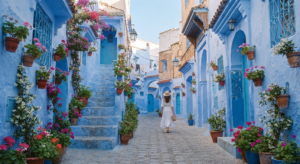

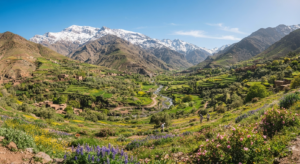
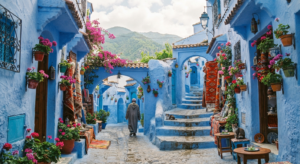
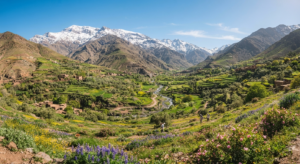
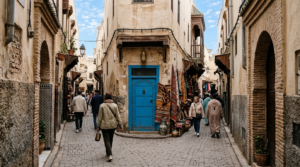
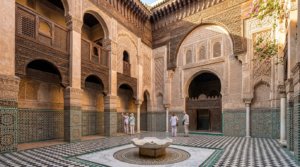
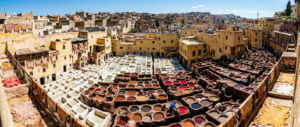
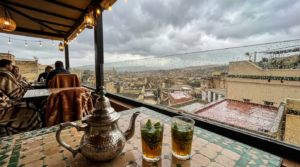

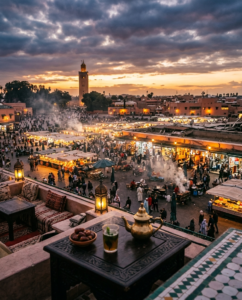
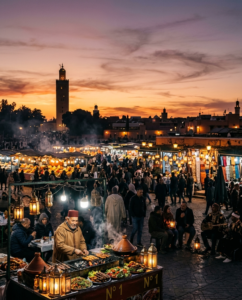
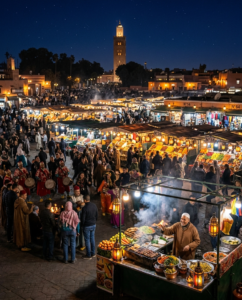


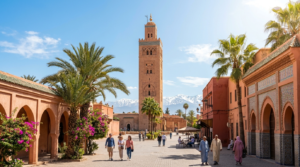
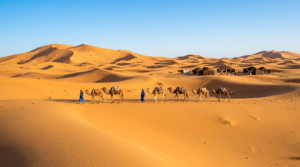

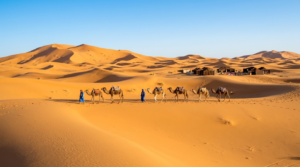
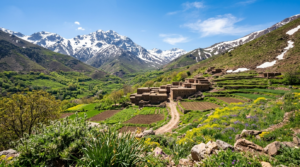
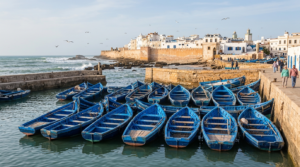
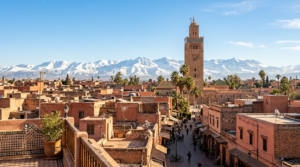
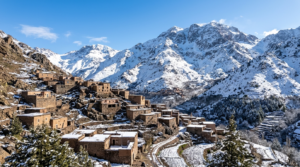


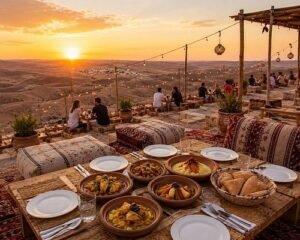
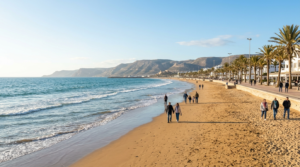
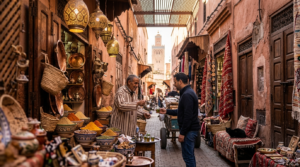 n attractive season for exploring Morocco. Unlike the extremely hot summer months, winter generally offers more comfortable temperatures for sightseeing, walking through traditional markets, and visiting historical attractions.
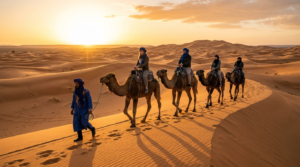
 rs who enjoy fresh air, ocean views, and peaceful walks.