Category: Events

1. Introduction: Discover the Best Beaches in Morocco

Morocco is famous for its colorful souks, historic cities, desert landscapes, and beautiful mountain scenery. However, one of the country’s greatest attractions is its coastline. Stretching along both the Atlantic Ocean and the Mediterranean Sea, Morocco offers an impressive variety of seaside destinations, from wide sandy beaches and peaceful fishing villages to lively resort towns and spectacular natural landscapes.

Whether you are planning a relaxing summer holiday, a romantic coastal escape, or an adventure filled with surfing and water sports, you will find plenty of options along the Moroccan coast. Some destinations are known for their warm sunshine and modern beach resorts, while others attract visitors with traditional charm, fresh seafood, and a slower pace of life.

The best beaches in Morocco offer something for almost every type of traveler. Agadir is popular for its long sandy shoreline, sunny weather, and beachfront hotels. Essaouira combines ocean views with historic architecture and a relaxed atmosphere. Taghazout is internationally known for surfing, while Legzira attracts visitors with its dramatic red cliffs and natural rock formations. Along the Mediterranean coast, Saidia and Al Hoceima offer beautiful beaches and clear waters that are especially appealing during the summer.

Morocco’s coastline also provides a wonderful opportunity to experience local culture. You can enjoy freshly grilled fish in seaside restaurants, explore traditional coastal towns, walk along lively promenades, or watch fishermen bring in their daily catch. Depending on your destination, a beach holiday can be combined with sightseeing, cultural experiences, outdoor activities, and delicious Moroccan food.

In this guide, you will discover some of the country’s most attractive coastal destinations, learn when to visit, and find out which beaches are suitable for families, couples, surfers, and travelers looking for relaxation. We will also cover practical advice about accommodation, transportation, swimming conditions, and planning your trip.

Whether you are visiting Morocco for the first time or returning to explore somewhere new, its coastline deserves a place on your travel itinerary. From the Atlantic’s powerful waves to the calmer Mediterranean shores, Morocco offers a beach experience that can make your holiday truly memorable.
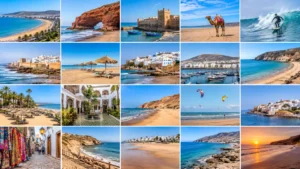
best beaches in morocco

2. Why Visit Morocco for a Beach Holiday?

Morocco is an appealing destination for travelers who want more than a traditional seaside holiday. Its coastline combines beautiful sandy beaches, charming fishing towns, modern resorts, exciting water sports, and rich cultural experiences. Whether you prefer relaxing beside the ocean or exploring coastal villages, the country offers a variety of experiences within one trip.

Here are some of the main reasons to consider Morocco for your next beach vacation.

2.1 Two Different Coastlines to Explore

One of Morocco’s biggest advantages is its access to both the Atlantic Ocean and the Mediterranean Sea. These coastlines offer different landscapes and holiday experiences.

The Atlantic coast is known for its long beaches, impressive waves, fresh ocean air, and excellent surfing conditions. Destinations such as Agadir, Essaouira, and Taghazout attract visitors looking for sunshine, coastal walks, and outdoor activities.

The Mediterranean coast offers a different atmosphere, with attractive bays, sandy beaches, and popular summer resorts. Saidia and Al Hoceima are among the destinations worth considering if you prefer a Mediterranean setting.

This variety makes it easier to choose a destination that matches your travel style.

2.2 Beautiful Beaches for Different Budgets

A beach holiday in Morocco can suit different budgets. Travelers can choose from luxury seaside resorts, comfortable hotels, guesthouses, traditional riads, and affordable apartments.

Popular resort destinations such as Agadir and Saidia offer a range of accommodation options, including properties close to the beach. In smaller coastal towns, visitors may find simpler guesthouses and locally run accommodation that provide a more personal experience.

Eating out can also be affordable, particularly when choosing local cafés and seafood restaurants. Prices vary depending on the destination, season, and type of establishment, so comparing options before booking is a good idea.

2.3 Sunshine and Outdoor Activities

Morocco’s coastal destinations offer plenty of opportunities to enjoy the outdoors. Depending on the region and season, visitors can spend their days swimming, sunbathing, walking along the shore, or trying activities such as surfing, kayaking, and paddleboarding.

Agadir is popular with travelers seeking a sunny resort atmosphere, while Taghazout attracts surfers from around the world. Essaouira is particularly appealing to visitors interested in wind and water sports.

However, conditions differ from one beach to another. Atlantic waters can be cool, and strong currents or waves may make some locations unsuitable for swimming. Always follow local safety advice and use beaches with lifeguard supervision when available.

2.4 A Rich Mix of Culture and Coastal Life

Morocco’s beaches are not isolated from the country’s cultural attractions. Many coastal destinations are close to historic medinas, traditional markets, fishing ports, and local villages.

In Essaouira, for example, you can combine time by the ocean with a visit to the historic medina and harbor. In Asilah, visitors can explore charming streets and artistic surroundings before enjoying the nearby coastline.

These experiences allow travelers to discover a different side of Morocco while enjoying a relaxing seaside escape.

2.5 Delicious Seafood and Moroccan Cuisine

Food is another reason to include the coast in your travel plans. Fishing is an important part of life in many Moroccan seaside towns, and seafood is widely available in local restaurants.

You can enjoy freshly grilled fish, sardines, prawns, calamari, and seafood tagines, often served with Moroccan salads, bread, and traditional sauces. Coastal markets and harbors can also offer a glimpse into the daily routines of local fishermen.

For food lovers, trying regional seafood dishes can become one of the highlights of a beach holiday.

2.6 Easy to Combine with a Wider Morocco Trip

Another advantage is that a coastal holiday can be combined with visits to Morocco’s famous cities and landscapes. You could spend a few days exploring Marrakech before traveling to Essaouira, or combine a stay in Agadir with excursions into the Anti-Atlas region.

Travelers visiting northern Morocco can also explore Tangier, Tetouan, and Chefchaouen before heading to Mediterranean seaside destinations.

This flexibility makes Morocco suitable for both short beach breaks and longer holidays that include cities, mountains, and coastal scenery.

Is Morocco a Good Destination for a Beach Holiday?

Yes. Morocco offers a combination of varied coastlines, accommodation for different budgets, outdoor activities, local cuisine, and cultural attractions. The key is choosing the right destination for your expectations.

If you want a lively resort with plenty of facilities, consider Agadir. If surfing is your priority, explore Taghazout. For historic charm and a relaxed atmosphere, Essaouira is worth considering. If you prefer Mediterranean beaches, look towards Saidia and Al Hoceima.

By choosing your destination carefully and checking seasonal sea conditions, you can enjoy a memorable Moroccan seaside holiday.

3. Atlantic Coast vs Mediterranean Coast: Which Should You Choose?

One of the most important decisions when planning a Moroccan seaside holiday is choosing between the Atlantic and Mediterranean coastlines. Both offer beautiful scenery, attractive towns, and opportunities to enjoy the sea, but the atmosphere, weather, and activities can be quite different.

The Atlantic coast is generally associated with wide beaches, powerful waves, surfing, and breezy coastal towns. The Mediterranean side is known for its sheltered bays, clear-water beaches, and popular summer resorts. Understanding these differences will help you choose the destination that best matches your travel plans.

3.1 The Atlantic Coast: Surfing, Open Beaches, and Coastal Charm

Morocco’s Atlantic coastline stretches along much of the country’s western side, offering a wide variety of seaside landscapes. You will find long sandy beaches, dramatic cliffs, traditional fishing ports, and lively coastal towns.

Some of the most popular Atlantic destinations include:

  • Agadir: A well-known seaside resort with a long sandy beach, a beachfront promenade, hotels, restaurants, and family-friendly facilities.
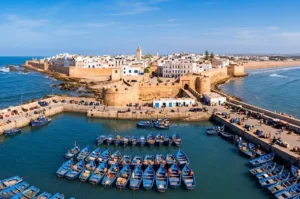
  • Essaouira: A historic coastal city with a charming medina, fishing harbor, and relaxed atmosphere. Its windy conditions also make it popular for water sports.
  • Taghazout: A small coastal village famous for its surf culture, ocean views, and laid-back cafés.
  • Legzira: A spectacular coastal area known for its red cliffs and impressive natural rock formations.

The Atlantic is particularly attractive to surfers because many beaches receive consistent waves. However, the ocean can be rough, and water temperatures may feel cool even during warmer months. Strong currents and changing sea conditions can also make some beaches unsuitable for swimming.

If you enjoy surfing, walking along open beaches, watching sunsets, or discovering traditional fishing towns, the Atlantic coast may be the right choice.

3.2 The Mediterranean Coast: Clear Water and Relaxed Summer Holidays

Morocco’s Mediterranean coastline lies in the north and northeast of the country. Compared with many Atlantic destinations, this region offers more sheltered beaches, attractive bays, and a different coastal atmosphere.

Some popular Mediterranean destinations include:

  • Saidia: Often called the Blue Pearl of the Mediterranean, Saidia is known for its long sandy beach, resort hotels, and summer holiday atmosphere.
  • Al Hoceima: A beautiful coastal city surrounded by hills, rocky landscapes, and attractive beaches with clear water.
  • Nador: A useful base for exploring the northeastern Mediterranean coast and nearby seaside areas.
  • M’diq: A popular summer destination near Tetouan, with a marina, restaurants, and nearby beaches.

The Mediterranean coast is especially popular during the summer, when families and local holidaymakers visit the seaside resorts. Many beaches have calmer conditions than exposed Atlantic locations, although swimming conditions still vary by beach and weather.

If you prefer relaxing by the water, enjoying a summer resort atmosphere, and exploring scenic bays, the Mediterranean coast may suit your holiday better.

3.3 Main Differences Between the Two Coastlines

Feature Atlantic Coast Mediterranean Coast
General atmosphere Open, breezy, and varied Relaxed and popular in summer
Sea conditions Often stronger waves and currents Often more sheltered, depending on location
Popular activities Surfing, walking, and water sports Swimming, boating, and relaxing
Well-known destinations Agadir, Essaouira, Taghazout, Legzira Saidia, Al Hoceima, M’diq
Best suited to Surfers and active travelers Families and summer holidaymakers
Coastal scenery Long beaches, cliffs, and fishing towns Bays, coves, and sandy beaches

These are general differences rather than fixed rules. Conditions can change significantly from one beach to another, even within the same region.

3.4 Which Coast Is Better for Swimming?

If swimming is your main priority, the Mediterranean coast is often a convenient starting point because several destinations have relatively sheltered beaches and popular summer swimming areas.

Saidia is known for its long sandy shoreline, while Al Hoceima offers attractive bays and coastal scenery. On the Atlantic side, Agadir is a popular choice, with a broad urban beach and facilities for visitors.

However, a beach’s suitability for swimming depends on local conditions, including waves, currents, wind, and lifeguard availability. Always check warning flags and follow instructions from local authorities rather than assuming that a beach is safe because it looks calm.

3.5 Which Coast Is Better for Families?

Both coastlines have family-friendly destinations.

Agadir offers hotels, restaurants, a promenade, and easy access to services, making it a practical option for families who want a convenient resort holiday. Saidia is another popular choice, particularly for visitors looking for a summer beach resort.

On the Mediterranean coast, Al Hoceima provides beautiful seaside scenery and beaches that can be suitable for family outings, depending on the specific location and conditions.

Families should consider more than the appearance of the beach. Look for safe swimming areas, lifeguard services, nearby toilets, restaurants, shade, and accommodation within a comfortable distance.

3.6 Can You Visit Both Coasts on One Trip?

Yes, although it is important to plan your route carefully because Morocco is a large country. Visiting both coastlines can be rewarding if you have enough time.

For example, you could begin in Agadir or Essaouira on the Atlantic coast, then travel north towards Tangier and continue to Mediterranean destinations. Another option is to focus on northern Morocco, combining Tangier, M’diq, and Al Hoceima.

If you have only a few days, it is usually more relaxing to choose one coastal region rather than spending much of your holiday traveling between distant destinations.

Our Recommendation: Choose the Coast That Matches Your Travel Style

There is no single answer to which coastline is better. The Atlantic is a great option for surfing, dramatic landscapes, and lively coastal towns. The Mediterranean is worth considering if you prefer sheltered bays, summer resorts, and a more traditional beach holiday.

Before booking, consider your preferred activities, travel dates, accommodation budget, and the amount of time you have available. Choosing the right coastline will make it easier to enjoy everything Morocco’s seaside destinations have to offer.

4. Best Time to Visit Morocco’s Beaches

Choosing the right time to visit Morocco can make a big difference to your beach holiday. The country enjoys a varied climate, and conditions along the Atlantic coast are not always the same as those along the Mediterranean. Some months are ideal for swimming and relaxing in the sunshine, while others are better for surfing, sightseeing, and exploring coastal towns.

In general, May to October is a popular period for a beach holiday, especially if you want warmer weather and plenty of sunshine. However, the best month depends on your destination, preferred activities, and tolerance for heat and wind.

4.1 Spring (March to May): Pleasant Weather and Fewer Crowds

Spring is a lovely season to explore Morocco’s coastline. Temperatures are generally comfortable, the weather is often sunny, and many popular destinations are less crowded than during the peak summer months.

Agadir and Essaouira are attractive choices during this period. You can enjoy walks along the beach, explore coastal attractions, visit local markets, and spend time outdoors without the intense heat that can affect some inland destinations during summer.

The sea may still feel cool for swimming, particularly along the Atlantic coast. However, spring can be an excellent time for travelers who want a mixture of beach relaxation and sightseeing.

Best for: Couples, sightseeing, coastal walks, and travelers who prefer quieter destinations.

4.2 Summer (June to August): The Main Beach Holiday Season

Summer is the busiest period for many Moroccan seaside destinations. Families, local holidaymakers, and international visitors travel to the coast to enjoy the sunshine and school holidays.

The Mediterranean coast is particularly popular during this season. Saidia, Al Hoceima, and M’diq attract visitors looking for sandy beaches, swimming opportunities, and summer resort facilities.

Agadir is also a popular summer destination, although its Atlantic location means temperatures can feel more moderate than in some inland Moroccan cities. Essaouira is often breezy, which can make it more comfortable for walking and outdoor activities.

During July and August, accommodation in popular resort areas can become more expensive, and beaches may be crowded. Booking hotels and transport in advance is recommended, especially if you are traveling with family.

Best for: Families, swimming, resort holidays, and travelers who enjoy a lively summer atmosphere.

4.3 Autumn (September to November): A Great Balance

Autumn is one of the most attractive seasons for exploring the Moroccan coast. September and October can offer warm weather, pleasant days, and fewer crowds than the busiest summer weeks.

The Mediterranean coast can remain suitable for beach activities during early autumn, while Agadir often continues to enjoy sunny conditions. Essaouira and Taghazout are also worth visiting if you want to combine beach time with surfing, cafés, and coastal exploration.

November is generally cooler, particularly in the evenings, and swimming becomes less appealing for some visitors. Nevertheless, it can still be a pleasant month for discovering coastal towns and enjoying the scenery.

Best for: Couples, relaxed holidays, coastal sightseeing, and travelers looking to avoid peak-season crowds.

4.4 Winter (December to February): Quiet Beaches and Surfing Opportunities

Winter is not the main swimming season in most Moroccan beach destinations, but it can still be a rewarding time to visit the coast.

Agadir generally has milder winter weather than many European destinations, making it suitable for sunny walks and outdoor sightseeing. Essaouira and Taghazout attract surfers during the cooler months, when Atlantic swells can provide excellent conditions for experienced surfers.

The Mediterranean coast is usually quieter during winter, and some seasonal tourist facilities may operate with reduced services. If you visit during this period, check accommodation availability and local transport schedules before traveling.

Best for: Surfing, peaceful coastal walks, sightseeing, and travelers who prefer fewer tourists.

4.5 Best Time to Visit by Destination

The ideal travel period varies depending on where you want to go. Here is a general guide to some popular coastal destinations:

Destination Suggested Period Main Reason
Agadir March to November Sunshine and a long beach season
Essaouira April to October Pleasant weather and coastal exploration
Taghazout September to April for many surf trips Surfing conditions and a relaxed atmosphere
Legzira March to November Comfortable weather for exploring the coast
Saidia June to September Summer swimming and resort holidays
Al Hoceima June to September Mediterranean summer beach season
M’diq June to September Warm-weather seaside holidays

These periods are general recommendations, not guarantees of particular weather or sea conditions. Always check the forecast before your trip.

4.6 Best Time for Swimming, Surfing, and Family Holidays

Your preferred activity should also influence your travel dates.

For swimming: June to September is generally the most popular period, particularly along the Mediterranean coast. Agadir can also be a good option for visitors seeking a beach holiday outside the hottest summer weeks.

For surfing: The Atlantic coast attracts surfers throughout the year. September to April is often a popular period for surf trips, although conditions vary by beach, swell, and experience level.

For family holidays: July and August offer lively resort atmospheres and school-holiday convenience. June and September may provide a more relaxed alternative, with fewer crowds in some destinations.

For sightseeing: Spring and autumn are often comfortable seasons for exploring medinas, fishing ports, coastal viewpoints, and nearby attractions.

4.7 What About Wind and Sea Conditions?

Weather is not the only factor to consider when planning a seaside holiday. Wind and ocean conditions can influence your experience, particularly along the Atlantic coast.

Essaouira is known for its strong winds, making it popular for windsurfing and kitesurfing but sometimes less suitable for visitors seeking calm sunbathing conditions. Taghazout is famous for its surf breaks, while some Atlantic beaches have waves and currents that require extra caution.

On the Mediterranean coast, several beaches are more sheltered, but conditions can still change with the weather. Before swimming, look for lifeguards, observe beach warning flags, and avoid entering the water when conditions are unsafe.

So, What Is the Best Month for a Morocco Beach Holiday?

For many travelers, September is an excellent month to consider. It often combines warm weather with fewer crowds than the busiest summer period, although conditions vary between regions.

If swimming and family resort activities are your priorities, July and August are popular choices, especially for the Mediterranean coast. If you prefer surfing and cooler weather, consider the Atlantic coast during autumn or winter.

The most important thing is to match your destination and travel dates to the kind of holiday you want. With a little planning, you can enjoy Morocco’s coastline in every season.

5. Agadir Beach: The Perfect Destination for Sunshine

Agadir is one of Morocco’s most popular seaside destinations, attracting visitors with its long sandy shoreline, sunny climate, modern hotels, and relaxed holiday atmosphere. Located on the country’s southern Atlantic coast, the city offers a convenient combination of beach relaxation, restaurants, shopping, and outdoor activities.

Unlike smaller coastal villages, Agadir has the facilities of a major tourist resort. Visitors can spend the morning beside the ocean, enjoy fresh seafood for lunch, explore the city in the afternoon, and finish the day with a beautiful sunset along the waterfront.

Whether you are traveling as a couple, with children, or independently, Agadir is an excellent destination to consider for a Moroccan beach holiday.

5.1 Discover Agadir’s Long Sandy Beach

Agadir’s main beach is one of the city’s biggest attractions. Its wide stretch of golden sand extends along the Atlantic coastline, creating plenty of space for sunbathing, walking, and enjoying the ocean views.

The beach is particularly convenient because it is close to many hotels, cafés, restaurants, and tourist facilities. A paved promenade runs alongside much of the shoreline, making it easy to enjoy a relaxing walk while watching the waves.

Visitors can rent sun loungers and umbrellas in some areas, while other sections offer open space for those who prefer to bring their own beach equipment. The atmosphere can become lively during summer, when families and international visitors come to enjoy the sunshine.

Although Agadir is a popular swimming destination, the Atlantic Ocean can produce strong waves and currents. Always pay attention to warning flags and local safety instructions, and choose supervised swimming areas whenever possible.

5.2 Things to Do at Agadir Beach

Agadir offers more than just sunbathing. Its beach and surrounding waterfront provide several ways to enjoy your time by the ocean.

Relax and enjoy the sunshine: Find a comfortable place on the sand, enjoy the ocean breeze, and spend a peaceful afternoon beside the water.

Walk along the promenade: The waterfront promenade is ideal for morning walks, evening strolls, and enjoying views of the Atlantic. It is also lined with cafés and restaurants where you can stop for refreshments.

Try water sports: Depending on the conditions and available operators, visitors can find activities such as surfing, jet skiing, and other water-based experiences in and around Agadir.

Enjoy a beachside meal: Restaurants near the waterfront serve a variety of dishes, including grilled fish, seafood, Moroccan tagines, and international cuisine.

Watch the sunset: The western-facing coastline provides beautiful sunset views. Walking along the beach in the late afternoon is a simple but memorable experience.

5.3 Explore the Agadir Marina and Nearby Attractions

One advantage of staying in Agadir is the number of attractions located close to the main beach.

The Agadir Marina is a pleasant area to explore, with boats, cafés, restaurants, and shops. It is particularly attractive in the evening, when visitors come to enjoy the waterfront atmosphere.

You can also visit Agadir Oufella, the historic hilltop kasbah overlooking the city. The panoramic views are especially impressive around sunset, when you can see the coastline, harbor, and urban landscape from above.

For a different experience, explore the Souk El Had, one of the city’s best-known traditional markets. It offers an opportunity to discover Moroccan spices, handicrafts, clothing, souvenirs, and everyday local products.

These attractions make it easy to combine a relaxing beach stay with cultural exploration.

5.4 Is Agadir Beach Suitable for Families?

Agadir is one of the most practical coastal destinations for families visiting Morocco. Its main beach is spacious, and the surrounding tourist area offers a wide choice of hotels, restaurants, cafés, and services.

Families can enjoy walks along the promenade, spend time on the sand, and choose accommodation within easy reach of the waterfront. Some hotels also offer swimming pools and children’s facilities, providing alternatives when ocean conditions are not suitable.

However, parents should supervise children closely near the water. Atlantic waves and currents can be unpredictable, even when the sea appears relatively calm. Check local swimming conditions and use supervised areas.

For a more comfortable family holiday, consider visiting in June or September. These months can offer pleasant weather while avoiding some of the busiest weeks of the summer season.

5.5 Where to Stay Near Agadir Beach

Agadir offers accommodation for different travel styles and budgets. The main beachfront area is a convenient choice if you want easy access to the sand, promenade, restaurants, and tourist facilities.

You can generally choose between:

  • Beachfront resorts: Suitable for travelers who want ocean views, swimming pools, restaurants, and convenient holiday facilities.
  • Mid-range hotels: A practical option for visitors who want comfort without choosing a luxury resort.
  • Budget accommodation: Hotels and apartments located farther from the waterfront may offer more affordable stays.
  • Holiday apartments: Useful for families and longer visits, particularly when you prefer extra space and the option to prepare some meals.

Before booking, check the exact location, recent guest reviews, included facilities, and distance from the beach. A hotel described as being in Agadir may not necessarily be within walking distance of the ocean.

5.6 Best Time to Visit Agadir Beach

Agadir benefits from a mild coastal climate, which makes it an attractive destination for much of the year. Spring and autumn are particularly pleasant for visitors who want sunshine without the busiest summer atmosphere.

Summer is popular for traditional beach holidays, while winter can still provide opportunities for outdoor activities and coastal sightseeing. However, Atlantic water temperatures may feel cool, and swimming conditions can vary.

If your main priority is swimming, check seasonal sea temperatures and local conditions before choosing your travel dates. If you are more interested in walking, sightseeing, and enjoying the sunshine, Agadir can be worth visiting outside the peak summer season.

5.7 Practical Tips for Visiting Agadir Beach

To make the most of your visit, keep these simple tips in mind:

  • Bring sunscreen, sunglasses, and a hat, especially during sunny summer days.
  • Carry some cash for small purchases and beach services.
  • Check whether sun loungers and umbrellas are included or require an additional payment.
  • Choose supervised swimming areas and respect warning flags.
  • Visit the promenade in the evening for a more relaxed atmosphere.
  • Book accommodation early if you plan to travel during July or August.
  • Compare hotel locations carefully before making a reservation.

Is Agadir One of the Best Beach Destinations in Morocco?

Agadir is an excellent choice for travelers who want a convenient seaside holiday with plenty of accommodation, restaurants, and activities. Its long sandy beach, waterfront promenade, and nearby attractions make it suitable for couples, families, and first-time visitors.

It may not offer the same small-village charm as Taghazout or the historic atmosphere of Essaouira, but its facilities and accessibility make it one of the country’s most established beach destinations.

If you want sunshine, a spacious beach, and the convenience of a well-developed tourist city, Agadir deserves a place on your Morocco travel itinerary.

6. Essaouira Beach: Coastal Beauty and a Relaxed Atmosphere

Essaouira is one of Morocco’s most charming coastal destinations. Located on the Atlantic coast, around 190 kilometres west of Marrakech, this historic seaside city is famous for its sandy shoreline, traditional medina, fishing harbor, and relaxed atmosphere.

Unlike the larger resort environment of Agadir, Essaouira offers a more authentic coastal experience. Here, you can walk along the beach in the morning, explore narrow streets filled with local shops, enjoy freshly grilled seafood near the harbor, and watch the sun set over the Atlantic.

The city is particularly attractive to travelers who want to combine beach time with culture, history, and local Moroccan life.

6.1 Discover Essaouira’s Beautiful Sandy Beach

Essaouira’s main beach stretches along a wide bay just outside the historic medina. Its long sandy shoreline provides plenty of space for walking, playing beach games, and enjoying the ocean views.

The beach is easily accessible from the city center, making it convenient for visitors staying in traditional riads or hotels inside and around the medina.

One of its most distinctive features is the wind. Essaouira is well known for its breezy conditions, which attract windsurfers and kitesurfers throughout much of the year. The wind can make the beach feel cooler than other Moroccan coastal destinations, particularly outside the summer months.

For travelers looking for peaceful sunbathing, it is worth choosing a sheltered spot and checking the weather before visiting. The Atlantic water can also be cool, and waves or currents may make swimming unsuitable on some days.

6.2 Things to Do at Essaouira Beach

There are several ways to enjoy the coastline, whether you prefer relaxing activities or outdoor adventures.

Enjoy a long beach walk: The wide shoreline is ideal for walking while taking in views of the Atlantic. Early morning and late afternoon are particularly pleasant times to explore.

Try windsurfing or kitesurfing: Essaouira is internationally known for its wind conditions. Local schools and activity providers may offer lessons and equipment rental for beginners and experienced visitors.

Ride a horse or camel: Some local operators offer guided rides along sections of the beach. Check the route, duration, and safety arrangements before booking.

Relax at a beach café: Enjoy a drink or meal while watching the waves and the activity along the waterfront.

Take photographs: The combination of sand, ocean, fishing boats, and distant views of the medina creates attractive photographic opportunities.

Always use reputable activity providers and follow local advice about wind, waves, and swimming conditions.

6.3 Explore the Historic Medina of Essaouira

One of the biggest reasons to visit Essaouira is that its attractions are located close to the sea. After spending time on the beach, you can explore the historic medina, a UNESCO World Heritage Site.

The medina is known for its whitewashed buildings, blue doors, traditional architecture, and narrow streets. It is filled with small shops selling handmade crafts, wooden products, textiles, jewelry, and souvenirs.

You can also visit the historic ramparts, where old cannons overlook the Atlantic Ocean. These defensive walls provide some of the city’s most memorable views and are especially attractive for photography.

Exploring the medina gives your seaside holiday a cultural dimension that you may not find in a conventional beach resort.

6.4 Visit the Fishing Harbor and Enjoy Fresh Seafood

Essaouira’s fishing harbor is another essential stop. It remains an important part of local life and offers visitors an opportunity to see fishing boats, nets, and the daily activity of fishermen.

The harbor area is particularly popular with food lovers. Nearby seafood stalls and restaurants serve freshly prepared fish and other local specialties.

You may find grilled sardines, sea bream, calamari, prawns, and mixed seafood dishes. Prices and preparation styles vary, so it is sensible to check the cost before ordering.

For an authentic experience, take time to explore the harbor and enjoy a seafood meal while discovering one of the city’s most characteristic traditions.

6.5 Is Essaouira Beach Suitable for Families?

Essaouira can be an enjoyable destination for families, especially those who want a combination of beach activities and cultural exploration.

The spacious shoreline provides room for children to play in the sand, while the medina offers interesting places to explore together. Restaurants, cafés, and accommodation are also available within walking distance of many central attractions.

However, parents should remember that Essaouira is a windy Atlantic destination. Strong winds, waves, and currents can affect swimming conditions. Families should choose supervised areas when available and keep children away from rough water.

If your main priority is calm swimming and a traditional resort atmosphere, Agadir or some Mediterranean destinations may be more suitable.

6.6 Where to Stay in Essaouira

Essaouira offers several accommodation choices, from traditional riads inside the medina to modern hotels and guesthouses near the beach.

Consider these options when choosing where to stay:

  • Medina riads: Ideal for travelers who want traditional Moroccan architecture and easy access to restaurants, shops, and historic attractions.
  • Beachfront hotels: Convenient for visitors who want ocean views and quick access to the shoreline.
  • Guesthouses: Often provide a more personal atmosphere and can be suitable for couples or independent travelers.
  • Apartments: A practical choice for families and longer stays, especially when extra space is important.

Before booking, check the location carefully. Some properties are inside narrow pedestrian streets, while others are outside the medina and closer to the beach.

6.7 Best Time to Visit Essaouira Beach

Essaouira can be visited throughout the year, but spring and autumn are particularly attractive for many travelers. During these seasons, the weather is often comfortable for walking, sightseeing, and exploring the coastline.

Summer is also popular, although the wind can make temperatures feel cooler than expected. If you are planning to swim or sunbathe, check the forecast and sea conditions before your visit.

For wind and water sports, Essaouira attracts enthusiasts during much of the year. Beginners should choose lessons that match their experience and the conditions on the day.

6.8 How to Get from Marrakech to Essaouira

Essaouira is a popular coastal escape for visitors staying in Marrakech. The journey by road usually takes around three hours, depending on traffic, stops, and road conditions.

You can travel by:

  • Bus: A convenient option for travelers who prefer public transport. Book ahead during busy holiday periods.
  • Private transfer: Suitable for families, groups, or visitors who want a direct journey.
  • Rental car: Offers flexibility to stop along the route and explore nearby areas.
  • Organized day trip: Useful for travelers with limited time, although an overnight stay allows you to experience the city at a more relaxed pace.

If possible, consider spending at least one night in Essaouira. This gives you more time to explore the medina, enjoy the harbor, and experience the peaceful atmosphere after day visitors leave.

Is Essaouira Worth Visiting for a Beach Holiday?

Absolutely. Essaouira offers a distinctive combination of Atlantic scenery, historic architecture, traditional seafood, and outdoor activities. Its beach may be windier than some other Moroccan destinations, but that is also part of what makes the city special.

If you enjoy exploring historic towns, discovering local culture, walking beside the ocean, and trying water sports, Essaouira is an excellent addition to your coastal itinerary.

7. Taghazout Beach: A Paradise for Surfers

If you love surfing, ocean views, and relaxed coastal villages, Taghazout deserves a place on your Morocco travel itinerary. Located around 20 kilometres north of Agadir, this small fishing village has become one of the country’s best-known surf destinations.

Taghazout is famous for its consistent Atlantic waves, beautiful coastline, surf schools, and laid-back atmosphere. Over the years, it has attracted surfers from Europe, North America, and other parts of the world. However, you do not need to be an experienced surfer to enjoy the village. Visitors can also relax by the ocean, explore local cafés, enjoy fresh seafood, and discover nearby beaches.

Unlike the larger resort atmosphere of Agadir, Taghazout offers a more intimate coastal experience, making it particularly attractive to couples, solo travelers, and adventure lovers.

7.1 Discover Taghazout’s Beautiful Beach

Taghazout’s main beach offers a scenic stretch of sand overlooking the Atlantic Ocean. Colorful fishing boats, traditional buildings, and cafés overlooking the water give the village a distinctive coastal character.

The beach is a popular place to watch surfers, enjoy ocean views, and take relaxing walks along the shoreline. During suitable weather, visitors can also enjoy sunbathing and other beach activities.

The Atlantic waves are an important part of Taghazout’s identity. They create excellent opportunities for surfing but can make swimming challenging, especially for inexperienced swimmers. Always check the sea conditions and follow local safety advice before entering the water.

7.2 Why Is Taghazout Famous for Surfing?

Taghazout has developed an international reputation because of the number of surf spots found along its coastline. Different breaks offer different conditions, attracting beginners, intermediate surfers, and experienced wave riders.

Some well-known surf spots in the surrounding area include:

  • Anchor Point: One of the region’s most famous surf breaks, particularly popular with experienced surfers when conditions are suitable.
  • Killer Point: Known for powerful waves and a challenging surfing environment.
  • Hash Point: A popular spot close to the village, with conditions that can suit different levels depending on the swell.
  • Panoramas: A beach break that is often considered by beginners and intermediate surfers when conditions allow.
  • Banana Point: A well-known surf location south of Taghazout, offering a different experience depending on the season and wave conditions.

Surf conditions change with the swell, tide, wind, and weather. Beginners should avoid entering powerful breaks without proper instruction and should ask local surf schools which locations are appropriate for their level.

7.3 Best Things to Do in Taghazout

Surfing is the main attraction, but there are plenty of other ways to enjoy this coastal village.

Take a surfing lesson: Local surf schools offer lessons and equipment rental for visitors who want to learn the basics. Beginners can start with beach instruction before entering the water with an instructor.

Relax in a seaside café: Taghazout has a selection of cafés and restaurants where you can enjoy Moroccan tea, breakfast, fresh juices, and ocean views.

Explore the coastline: Walking along the shore is a simple way to discover the surrounding scenery and watch surfers enjoying the waves.

Enjoy fresh seafood: Local restaurants offer fish and other seafood dishes, providing a taste of the region’s coastal food culture.

Try yoga and wellness activities: Some guesthouses and surf camps organize yoga sessions, making Taghazout attractive to visitors seeking a relaxing break alongside outdoor activities.

Watch the sunset: The village’s Atlantic location offers beautiful sunset views, especially from cafés and viewpoints overlooking the ocean.

7.4 Is Taghazout Suitable for Beginner Surfers?

Yes. Taghazout is a popular destination for people who want to learn surfing in Morocco. Several surf schools and camps offer beginner-friendly lessons, board rental, and guidance from instructors.

If you have never surfed before, choose a lesson that includes basic safety instruction, equipment suited to your size and experience, and supervision in an appropriate location.

Before booking, check what the package includes. Some surf camps provide accommodation, meals, transport to surf spots, and daily lessons, while other schools charge separately for instruction and equipment.

You should also be honest about your experience level. The most famous surf breaks are not necessarily suitable for beginners, and powerful Atlantic waves can be dangerous without the right skills.

7.5 Where to Stay in Taghazout

Accommodation in Taghazout ranges from simple guesthouses to stylish boutique hotels and organized surf camps.

Popular choices include:

  • Surf camps: Ideal for travelers who want lessons, equipment, accommodation, and opportunities to meet other surfers.
  • Traditional guesthouses: Suitable for visitors who prefer a local atmosphere and a more personal stay.
  • Boutique hotels: A good option for couples and travelers seeking comfort, attractive design, and ocean views.
  • Beachfront accommodation: Convenient for visitors who want to stay close to the sand and enjoy the coastal scenery.
  • Apartments: Useful for longer stays and travelers who prefer additional space and independence.

For a surf-focused holiday, consider staying close to the village or choosing a camp that provides transport to different surf spots. Always check recent reviews, the exact location, and what is included in the price.

7.6 Best Time to Visit Taghazout for Surfing

Taghazout can attract surfers throughout the year, but the period from autumn to spring is particularly popular for surf trips. During these months, Atlantic swells often provide opportunities for experienced surfers and beginners learning under professional supervision.

Summer can also be enjoyable, especially for travelers who want warmer weather, beach walks, and a relaxed village atmosphere. However, wave conditions vary, so surfers should check local forecasts before choosing their dates.

If your main goal is surfing, consider planning your visit around suitable swell conditions rather than relying only on the calendar.

7.7 How to Get from Agadir to Taghazout

Taghazout is located a short distance north of Agadir, making it easy to combine both destinations during one trip.

You can reach the village by:

  • Taxi: A convenient option for travelers who want a direct journey. Confirm the fare before departure.
  • Rental car: Useful if you plan to explore nearby beaches and surf spots independently.
  • Local transport: Depending on the available services, public transport can provide a budget-friendly way to travel between Agadir and Taghazout.
  • Private transfer: A practical choice for families, groups, or visitors carrying surf equipment.

The journey is relatively short compared with travel between distant Moroccan cities, so Taghazout can work well as a day trip. However, staying for several nights allows you to enjoy the village without rushing.

Is Taghazout One of the Best Coastal Destinations in Morocco?

Taghazout is an excellent choice for surfers and travelers who enjoy an active but relaxed seaside atmosphere. Its surf culture, oceanfront cafés, coastal scenery, and range of accommodation make it different from Morocco’s larger beach resorts.

It may not be the ideal destination if your priority is calm swimming water or a large selection of family resort facilities. However, if you want to learn surfing, watch impressive Atlantic waves, and experience a welcoming coastal village, Taghazout is well worth visiting.

8. Legzira Beach: Morocco’s Spectacular Natural Wonder

Legzira Beach is one of the most visually impressive coastal destinations in Morocco. Located near the town of Sidi Ifni, on the southern Atlantic coast, it is famous for its dramatic red cliffs, unusual rock formations, and wide sandy shoreline.

Unlike the busy resort atmosphere of Agadir or the surf culture of Taghazout, Legzira offers a more natural and peaceful coastal experience. Its scenery attracts photographers, nature lovers, couples, and travelers looking for something different from a traditional beach holiday.

The beach is particularly famous for its natural stone arches, formed over thousands of years by the effects of wind and ocean erosion. These striking formations create an unforgettable landscape, especially when the late-afternoon sunlight gives the cliffs a deep reddish color.

8.1 What Makes Legzira Beach So Special?

The main attraction of Legzira is its spectacular coastline. Towering red cliffs rise above the Atlantic, creating a dramatic contrast with the golden sand and deep blue ocean.

The beach became especially famous for its natural rock arches. One of the best-known arches collapsed in 2016 because of natural erosion, but the coastline remains impressive, with other formations and beautiful cliff scenery still attracting visitors.

Walking along the shoreline allows you to appreciate the scale of the cliffs and discover different viewpoints. The landscape changes with the tide and light, making every visit slightly different.

Legzira is not simply a place to sit on the sand. It is a destination where you can experience the power of nature and enjoy one of Morocco’s most distinctive coastal landscapes.

8.2 Things to Do at Legzira Beach

Although Legzira is best known for its scenery, there are several enjoyable ways to spend time there.

Walk along the shoreline: Explore the sandy beach and admire the red cliffs from different viewpoints. Check the tide before walking close to the rock formations.

Take photographs: The unusual landscape offers excellent opportunities for photography. The contrast between the red cliffs, ocean, and sand is particularly beautiful during the golden hour.

Enjoy a peaceful coastal escape: Legzira is a good choice for travelers who want to spend time away from busy resort areas and enjoy a quieter natural environment.

Discover nearby coastal villages: You can combine your visit with a trip to Sidi Ifni, a small coastal town known for its distinctive architecture and relaxed atmosphere.

Watch the sunset: The Atlantic-facing coastline can provide beautiful sunset views. Stay in a safe area and plan your return journey before it gets dark.

8.3 The Best Time to Visit Legzira’s Natural Arches

The best time to explore Legzira depends on the weather, tides, and the type of experience you want.

Spring and autumn are often comfortable seasons for walking and sightseeing. Summer can also be attractive, although temperatures may rise and visitor numbers can increase during busy holiday periods.

For photography, late afternoon is a popular time because the sunlight can make the red cliffs appear particularly striking. However, the exact effect depends on weather and cloud conditions.

Tides are especially important when visiting the shoreline. Some areas may become difficult or unsafe to access when the tide rises. Check local tide information and follow any safety instructions before approaching the cliffs or rock formations.

8.4 Is Legzira Beach Suitable for Swimming?

Legzira is primarily known for its natural scenery rather than being a conventional swimming resort. The Atlantic Ocean can be rough, with strong waves and currents that may create dangerous conditions.

Although some visitors may enjoy the water when conditions are suitable, swimming should never be assumed safe. Check for lifeguard supervision, observe warning signs, and follow local advice. If there are no supervised swimming areas or conditions appear dangerous, enjoy the beach from the shore instead.

For travelers whose main priority is swimming and resort facilities, Agadir or certain Mediterranean destinations may be more practical choices.

8.5 How to Get to Legzira Beach

Legzira is located near Sidi Ifni, south of Agadir. Reaching the beach usually requires road travel, and a rental car or private transfer can make the journey easier.

Here are some common options:

  • From Agadir: Travel south along the Atlantic coast towards Tiznit and Sidi Ifni. The journey takes several hours, depending on traffic and stops.
  • From Sidi Ifni: Legzira is a short drive from the town, making Sidi Ifni a convenient base for visiting the beach.
  • By rental car: Offers flexibility to explore nearby coastal villages and viewpoints.
  • By private transfer: A useful option if you prefer not to drive or want a direct journey.

If you are traveling from Agadir, consider allowing enough time for the return journey. Staying overnight near Sidi Ifni can make the visit more relaxed and give you time to explore the surrounding area.

8.6 Where to Stay Near Legzira Beach

Accommodation options near Legzira are more limited than in major resort cities such as Agadir. However, visitors can find guesthouses, small hotels, and other accommodation in the surrounding area.

Sidi Ifni is one of the most convenient places to stay. It offers access to restaurants, shops, and local services while keeping you within a manageable distance of the beach.

You may also find small accommodation options closer to Legzira, depending on availability and the season. Check recent reviews, transport arrangements, and the exact location before booking.

If you prefer a wider choice of hotels and restaurants, you can stay in Agadir and visit Legzira as part of a longer road trip, although this requires more travel time.

8.7 Practical Safety Tips for Visiting Legzira

Legzira’s cliffs and natural formations are beautiful, but they require care and respect.

  • Avoid standing directly beneath unstable cliffs or eroding rock formations.
  • Keep a safe distance from areas where rocks may fall.
  • Check the tide before walking along sections close to the cliffs.
  • Do not enter the ocean when waves or currents are dangerous.
  • Wear comfortable shoes suitable for walking on sand and uneven ground.
  • Bring water, sunscreen, and any supplies you may need.
  • Follow local signs and instructions, especially in restricted areas.

Natural landscapes change over time, so do not assume that a rock formation or walking route is safe simply because it appears in older travel photographs.

Is Legzira Worth Visiting?

Absolutely. Legzira offers a different experience from Morocco’s busy seaside resorts. Its red cliffs, unusual rock formations, and wide Atlantic shoreline make it a memorable destination for travelers who appreciate natural beauty.

Although it is not the best choice for visitors seeking extensive resort facilities or guaranteed swimming conditions, it is well worth including in a coastal road trip. If you enjoy photography, dramatic landscapes, and peaceful seaside walks, Legzira is a destination you should consider exploring.

9. Saidia Beach: The Blue Pearl of the Mediterranean

Located in northeastern Morocco, close to the Algerian border, Saidia is one of the country’s best-known Mediterranean seaside destinations. Often called the Blue Pearl, this coastal resort is famous for its long sandy shoreline, warm summer atmosphere, and clear Mediterranean waters.

Unlike the Atlantic destinations of Agadir, Essaouira, and Taghazout, Saidia offers a different kind of beach experience. Its coastline is particularly popular during the summer, when Moroccan families and international visitors arrive to enjoy swimming, sunbathing, seaside restaurants, and resort facilities.

If you are looking for a relaxing summer holiday with plenty of time by the water, Saidia is a destination worth considering.

9.1 Discover Saidia’s Long Sandy Beach

Saidia’s main attraction is its extensive sandy beach, which stretches for several kilometres along the Mediterranean coast. The shoreline provides plenty of space for walking, sunbathing, and enjoying the sea.

The Mediterranean setting gives the destination a different atmosphere from Morocco’s Atlantic beaches. During suitable weather, the water can be relatively calm, making the area attractive to visitors who enjoy swimming and traditional seaside activities.

The beach becomes particularly lively in July and August, when families and holidaymakers visit the region. You can find areas with sun loungers, umbrellas, cafés, and other seasonal services.

However, swimming conditions can still change with the weather. Check local advice and use supervised areas whenever possible.

9.2 Things to Do at Saidia Beach

Saidia offers several activities for visitors who want more than simply relaxing on the sand.

Swimming and sunbathing: During the summer season, visitors can enjoy the Mediterranean water and spend relaxing afternoons along the sandy shoreline.

Walk along the beach: The long coastline is ideal for peaceful walks, especially in the early morning or late afternoon when the sun is less intense.

Try water sports: Depending on the season and available operators, visitors may find activities such as jet skiing, boating, and other water-based experiences.

Enjoy seaside restaurants: The area has restaurants and cafés where you can enjoy seafood, Moroccan dishes, and refreshments.

Explore the marina: Saidia’s marina area offers restaurants, shops, and a pleasant setting for an evening walk.

Activity availability and prices can vary throughout the year, so check locally before making plans.

9.3 Visit Saidia Marina

Saidia Marina is one of the area’s main leisure attractions. It provides a different atmosphere from the natural beach, with boats, restaurants, cafés, and accommodation nearby.

It is a pleasant place to visit after spending time by the sea. You can enjoy a meal, have a drink, or simply walk around and take in the marina atmosphere.

During the summer, the area can become particularly lively, with visitors enjoying the restaurants and nearby facilities. If you prefer a quieter experience, consider visiting outside the busiest evening hours.

9.4 Is Saidia Suitable for Families?

Saidia is a popular destination for family holidays, particularly during the summer. Its sandy beach, resort accommodation, and seasonal tourist facilities make it convenient for families who want to spend several days by the Mediterranean.

Some hotels offer swimming pools, children’s activities, restaurants, and organized entertainment. These facilities can make a family stay more comfortable, especially for visitors traveling with younger children.

Before booking, check whether the hotel offers the facilities your family needs. It is also worth considering the distance between your accommodation and the beach, as well as access to restaurants and shops.

Parents should always supervise children near the water and follow local swimming advice. Even when the sea looks calm, conditions can change.

9.5 Where to Stay in Saidia

Saidia offers different accommodation options, particularly for summer visitors.

  • Beach resorts: Suitable for travelers looking for swimming pools, restaurants, and convenient access to the sea.
  • All-inclusive hotels: A practical option for families and visitors who prefer meals and some activities included in one package.
  • Holiday apartments: Useful for families and groups who want more space and independence.
  • Guesthouses and smaller hotels: Worth considering if you prefer a simpler stay or plan to explore the surrounding region.

Accommodation can become busy during the main summer holiday period. Booking early is recommended, particularly if you want a beachfront property or a hotel with family facilities.

Always check the exact location, recent guest reviews, and what is included in the booking price.

9.6 Best Time to Visit Saidia Beach

The main beach season in Saidia is generally from June to September. During this period, the weather is usually suitable for swimming and enjoying outdoor activities.

July and August are the busiest months, attracting families and holidaymakers from different parts of Morocco and abroad. If you prefer a less crowded atmosphere, June or September may be worth considering.

Spring and autumn can be pleasant for walks and exploring the surrounding area, although some seasonal beach services may be unavailable. Winter is much quieter and is generally not the best choice for a traditional swimming holiday.

9.7 How to Get to Saidia

Saidia is located in northeastern Morocco, and travelers can reach it through several transport options.

From Oujda: Oujda is one of the main nearby cities and an important transport connection for visitors traveling to Saidia. From there, you can continue by taxi, private transfer, or rental car.

From Nador: Nador is another possible starting point for exploring the northeastern region. The journey to Saidia requires road travel, so check the route and travel time before departure.

By rental car: Renting a car offers flexibility, particularly if you plan to visit other destinations along the Mediterranean coast.

By private transfer: A convenient choice for families and groups who want a direct journey from an airport, hotel, or nearby city.

If you are arriving by air, compare the available flights and ground transport options before choosing your accommodation.

9.8 Practical Tips for Your Saidia Holiday

To enjoy your stay, keep these suggestions in mind:

  • Book accommodation early for July and August.
  • Bring sunscreen, sunglasses, and a hat for sunny days.
  • Check whether your hotel is within walking distance of the beach.
  • Confirm the cost of water sports and other beach activities before booking.
  • Carry some cash for small purchases.
  • Check local swimming conditions and follow beach safety instructions.
  • Consider visiting in June or September if you prefer fewer crowds.

Is Saidia One of the Best Mediterranean Beach Destinations in Morocco?

Saidia is an excellent choice for travelers looking for a classic Mediterranean summer holiday. Its long sandy beach, marina, resort hotels, and family-friendly atmosphere make it particularly attractive during the warmer months.

It offers a different experience from the Atlantic coast, where surfing and strong waves are often part of the appeal. In Saidia, the focus is more on swimming, relaxing, and enjoying the summer seaside atmosphere.

If you are planning a trip to northeastern Morocco and want a destination where you can spend several days by the Mediterranean, Saidia deserves a place on your itinerary.

10. Al Hoceima Beaches: Hidden Coastal Treasures

Al Hoceima is one of Morocco’s most attractive Mediterranean destinations, known for its beautiful bays, clear blue water, dramatic hills, and peaceful coastal atmosphere. Located in the northeastern Rif region, the city offers a different experience from the large seaside resorts of Agadir and Saidia.

The surrounding coastline is particularly appealing to travelers who enjoy discovering scenic beaches, swimming in sheltered areas when conditions are suitable, and exploring natural landscapes. With its combination of beaches, mountains, and traditional coastal life, Al Hoceima is an excellent destination for a relaxing summer escape.

If you want to explore the Mediterranean side of Morocco beyond the better-known resorts, this region deserves your attention.

10.1 Discover the Beautiful Beaches Around Al Hoceima

The Al Hoceima area has several beaches with different landscapes and atmospheres. Some are close to the city and convenient for visitors, while others are found in more natural settings surrounded by hills and rocky scenery.

Among the beaches worth exploring are:

  • Quemado Beach: One of the best-known beaches in Al Hoceima, located close to the city center. It is famous for its attractive setting beneath the surrounding hills and its beautiful Mediterranean views.
  • Sfiha Beach: Located near the town, this beach offers views of the nearby coastline and the small offshore island known as Peñón de Alhucemas.
  • Cala Bonita: A scenic coastal spot known for its attractive setting and Mediterranean atmosphere.
  • Tala Youssef: An area worth exploring for visitors interested in discovering more of the region’s coastal scenery.
  • Bades Beach: A more remote coastal destination associated with the natural landscapes of the wider region. Check access arrangements and local conditions before planning a visit.

Each location offers a different experience, so consider your transport options and preferred activities before choosing where to spend the day.

10.2 Quemado Beach: A Famous Coastal View

Quemado Beach is one of the most recognizable seaside locations in Al Hoceima. Its position close to the city makes it convenient for visitors staying in local hotels and guesthouses.

The beach is surrounded by hills, creating an attractive setting for swimming, relaxing, and taking photographs when conditions are suitable. Its location also makes it easy to combine a beach visit with a walk around the city.

During the summer, Quemado can become busy with local families and holidaymakers. If you prefer a quieter experience, consider visiting earlier in the day or outside the busiest holiday weeks.

10.3 Sfiha Beach: Mediterranean Views and Relaxation

Sfiha Beach is another popular coastal destination near Al Hoceima. Its Mediterranean setting and views of the surrounding landscape make it an appealing place to spend a relaxing afternoon.

The beach is particularly interesting for visitors who enjoy coastal photography and scenic views. Depending on the season and local facilities, you may find places to relax and enjoy the water.

Sfiha can also be a good option for travelers who want to explore several beaches around Al Hoceima during the same trip.

10.4 Things to Do in Al Hoceima

Although the beaches are the main attraction for many visitors, Al Hoceima offers other activities that can make your stay more interesting.

Enjoy swimming and sunbathing: During suitable summer conditions, spend time at the beaches and enjoy the Mediterranean scenery.

Explore the coastline: Visit different bays and viewpoints to discover the variety of landscapes around the city.

Take a boat trip: Depending on local availability, organized boat excursions may offer opportunities to enjoy the coastline from the sea. Check the operator’s safety arrangements and departure details before booking.

Discover local seafood: Restaurants in the area serve fish and seafood dishes that reflect the region’s coastal traditions.

Explore Al Hoceima National Park: The wider area includes protected natural landscapes and coastal environments. Visitors interested in nature can look into authorized activities and routes before exploring.

Enjoy the city: Take time to discover local cafés, markets, and viewpoints rather than spending the entire visit at the beach.

10.5 Is Al Hoceima Suitable for Families?

Al Hoceima can be a rewarding destination for families who enjoy Mediterranean scenery and seaside activities. Beaches such as Quemado and Sfiha are popular during the summer, and the city provides access to accommodation, restaurants, and everyday services.

Families should choose their beach carefully. Some coastal areas have easier access and more facilities than others, while remote beaches may require additional travel and preparation.

Before visiting, check whether the beach has lifeguards, toilets, shade, and nearby restaurants. Always supervise children near the water and follow local swimming instructions.

If you are traveling with young children, staying close to the city center can make it easier to reach services and return to your accommodation when needed.

10.6 Where to Stay in Al Hoceima

Al Hoceima offers a selection of hotels, apartments, guesthouses, and holiday accommodation. Your choice should depend on whether you prefer to stay close to the beach, near the city center, or in a quieter area.

Consider these options:

  • Hotels near Quemado: Convenient for visitors who want easy access to one of the city’s best-known beaches.
  • City-center accommodation: Suitable for travelers who want restaurants, shops, and transport connections nearby.
  • Holiday apartments: A practical choice for families and groups who need additional space.
  • Guesthouses: Worth considering if you prefer a smaller property and a more personal atmosphere.

Summer is a popular period for visiting Al Hoceima, so accommodation can become limited during busy weeks. Reserve in advance and check the property’s exact location before booking.

10.7 Best Time to Visit Al Hoceima’s Beaches

The summer season, particularly June to September, is generally the most popular time to enjoy the Mediterranean coastline around Al Hoceima.

July and August attract many Moroccan families and international visitors, creating a lively holiday atmosphere. June and September can be attractive alternatives for travelers who prefer somewhat quieter conditions.

Spring and autumn are also suitable for sightseeing and exploring the surrounding landscapes, although the sea may be cooler and some seasonal services may be limited.

Before planning swimming activities, check the weather and local sea conditions. Even sheltered Mediterranean beaches can experience changing conditions.

10.8 How to Get to Al Hoceima

Al Hoceima can be reached by road or air, depending on your starting point and travel plans.

  • By air: Al Hoceima has an airport, but flight availability and routes can vary by season. Check current schedules before making your plans.
  • From Nador: Travelers can reach the region by road, with the journey depending on the route and traffic.
  • From Tetouan or Tangier: Road travel is possible, but the distance and journey time should be considered when planning a wider northern Morocco itinerary.
  • By rental car: A useful option if you want to explore several beaches and coastal viewpoints independently.
  • By private transfer: Convenient for families or groups who prefer direct transport.

If you plan to visit beaches outside the city, having access to a car or arranging local transport can make your trip easier.

10.9 Practical Tips for Visiting Al Hoceima

Keep these suggestions in mind when planning your visit:

  • Book accommodation early if traveling during July or August.
  • Bring sunscreen, comfortable footwear, and drinking water.
  • Check road access before visiting remote beaches.
  • Carry cash for small purchases and local services.
  • Ask about boat-trip safety and included services before booking.
  • Respect protected natural areas and avoid leaving rubbish behind.
  • Check swimming conditions and use supervised beaches whenever possible.

Is Al Hoceima Worth Visiting for a Beach Holiday?

Absolutely. Al Hoceima offers a beautiful combination of Mediterranean beaches, mountain scenery, and a relaxed coastal atmosphere. Quemado and Sfiha are among the best-known places to start exploring, while the wider region provides opportunities to discover quieter coastal landscapes.

It may require more planning than a large resort destination, particularly if you want to visit remote beaches, but that is part of its appeal. For travelers looking for clear-water scenery, beautiful bays, and a different side of Morocco’s Mediterranean coast, Al Hoceima is well worth considering.

11. Asilah and Tangier: Beautiful Beaches in Northern Morocco

Northern Morocco offers a different coastal experience, combining Mediterranean scenery, Atlantic beaches, historic towns, and a distinctive cultural atmosphere. Two destinations worth exploring are Asilah and Tangier. Both are known for their historic character and seaside locations, but each offers a different kind of holiday.

Asilah is a peaceful coastal town famous for its whitewashed buildings, artistic atmosphere, and nearby sandy beaches. Tangier is a larger and livelier city where visitors can enjoy several beaches while exploring historic landmarks, cafés, restaurants, and the meeting point of the Atlantic Ocean and Mediterranean Sea.

Together, these destinations are excellent choices for travelers who want to combine seaside relaxation with culture and sightseeing.

11.1 Asilah: A Charming Coastal Town with Beautiful Beaches

Asilah is a small historic town on Morocco’s northwestern Atlantic coast, south of Tangier. It is particularly famous for its whitewashed medina, colorful murals, traditional architecture, and relaxed atmosphere.

The town offers access to several sandy beaches, making it attractive to visitors who want a quieter coastal escape.

One of its advantages is the opportunity to combine a beach visit with a walk through the historic center. You can explore narrow streets, admire painted walls, visit local art galleries, and enjoy seafood at a traditional restaurant.

Asilah is especially appealing to couples, photographers, and travelers who prefer smaller towns rather than large resort destinations.

11.2 Best Beaches Around Asilah

There are several coastal areas worth considering when visiting Asilah.

Asilah Beach: The main town beach is convenient for visitors staying nearby. It is a practical place for a walk, relaxing by the sea, and enjoying the coastal atmosphere.

Paradise Beach (Rmilat): Located outside the town, this beach is known for its attractive natural setting and sandy shoreline. Access and facilities can vary, so check local transport arrangements before visiting.

Sidi Mghait Beach: A quieter coastal area that may appeal to travelers looking for a more natural seaside experience. Plan your journey carefully, especially if you are traveling without a rental car.

Conditions differ between beaches, and Atlantic waves can sometimes be strong. Check local swimming advice before entering the water.

11.3 Things to Do in Asilah

Asilah is more than a beach destination. Its historic center and cultural attractions make it an enjoyable place to explore.

  • Explore the medina: Walk through narrow streets surrounded by whitewashed buildings and colorful doors.
  • Discover the murals: Asilah is known for its painted walls and artistic atmosphere. Look out for murals around the medina.
  • Visit the historic ramparts: Enjoy views of the Atlantic from the town’s old defensive walls.
  • Enjoy fresh seafood: Visit local restaurants and try grilled fish and other regional dishes.
  • Relax by the ocean: Spend time at the nearby beaches or enjoy a peaceful walk along the coastline.

The town is particularly pleasant for travelers who enjoy exploring at a slower pace.

11.4 Tangier: Where the Atlantic Meets the Mediterranean

Tangier is one of northern Morocco’s most famous cities. Located near the Strait of Gibraltar, it occupies a strategic position between the Atlantic Ocean and the Mediterranean Sea.

The city has a long history of international connections and offers a mixture of Moroccan traditions, European influences, historic architecture, and modern attractions.

Tangier is also an interesting destination for beach lovers. Visitors can enjoy urban beaches, explore nearby coastal areas, and combine seaside activities with visits to the medina, museums, and historic viewpoints.

Its transport connections also make it a convenient starting point for exploring northern Morocco.

11.5 Best Beaches in and Around Tangier

Tangier offers several beach options, from convenient urban stretches to more scenic locations outside the city.

Tangier Municipal Beach: Located close to the city center, this beach is convenient for visitors staying in the main tourist area. Its position near the promenade, cafés, and restaurants makes it easy to combine beach time with city sightseeing.

Achakkar Beach: Situated west of the city, Achakkar is known for its sandy shoreline and natural surroundings. It is also close to the famous Hercules Caves.

Dalia Beach: Located farther along the northern coastline, Dalia is an attractive sandy beach that can be worth visiting if you have a car or arranged transport.

Sidi Kacem Beach: Another coastal area outside the city that may appeal to visitors looking for a different seaside setting.

Always check local swimming conditions, especially at beaches exposed to strong waves or currents.

11.6 Visit the Hercules Caves

One of the best-known attractions near Tangier is the Hercules Caves. Located close to Achakkar Beach, these caves are famous for their coastal setting and the opening that faces the Atlantic Ocean.

The site offers a combination of natural scenery, history, and photography opportunities. Many visitors combine a visit to the caves with time at the nearby beach.

Because the caves are a popular attraction, it is worth checking opening arrangements and any entrance fees before visiting.

11.7 Is Asilah or Tangier Better for Families?

Both destinations can work well for family holidays, but they offer different experiences.

Asilah is smaller and generally offers a quieter atmosphere. Families may enjoy exploring the medina, visiting nearby beaches, and spending time in local restaurants.

Tangier provides more urban facilities, a wider choice of accommodation, and additional attractions. It can be a practical option for families who want a combination of beach activities and city sightseeing.

When choosing a beach, consider access, lifeguard availability, nearby facilities, and the sea conditions on the day. Do not assume that every beach is suitable for swimming simply because it is popular with visitors.

11.8 Where to Stay in Asilah and Tangier

Both destinations offer different accommodation options.

In Asilah, visitors can choose traditional guesthouses, small hotels, and apartments near the medina or beach. Staying inside or close to the historic center is convenient for exploring the town on foot.

Tangier offers a wider selection, including:

  • Beachfront hotels: Convenient for visitors who want quick access to the waterfront.
  • City-center hotels: Suitable for travelers who want restaurants, shops, and transport connections nearby.
  • Traditional riads and guesthouses: A good option for visitors interested in Moroccan architecture and local atmosphere.
  • Holiday apartments: Useful for families and longer stays.

Before booking, check the exact location and distance from the beach. Tangier is a large city, so accommodation described as being near the coast may still require transport to reach a particular beach.

11.9 Best Time to Visit Northern Morocco’s Beaches

Late spring, summer, and early autumn are generally attractive periods for exploring the northern coastline.

June to September is popular for beach activities, particularly in Tangier and Asilah. July and August can be busy, especially during school holidays. June and September may offer a more relaxed alternative.

Spring and autumn are also good seasons for sightseeing, exploring historic towns, and enjoying coastal walks. The Atlantic can be cool and windy, so check the forecast if swimming is a priority.

11.10 How to Travel Between Asilah and Tangier

Asilah and Tangier are relatively close to each other, making it possible to visit both during the same northern Morocco trip.

You can travel between them by:

  • Train: A practical option for connecting the towns, subject to the current timetable and available services.
  • Rental car: Useful if you want to visit beaches outside the main towns.
  • Taxi or private transfer: Convenient for direct travel, particularly for families or groups.
  • Organized excursion: An option for visitors who prefer someone else to arrange transport and sightseeing.

If you have enough time, consider staying overnight in both destinations or using Tangier as a base for exploring the surrounding coast.

Are Asilah and Tangier Worth Visiting?

Absolutely. Asilah and Tangier offer two different ways to experience northern Morocco’s coastline. Asilah is ideal for visitors who appreciate small historic towns, art, and a relaxed atmosphere. Tangier is better suited to travelers who want a larger city with beaches, cultural attractions, and convenient transport connections.

Combining the two destinations can give you a memorable coastal experience, with opportunities to enjoy the Atlantic, discover Moroccan history, and explore some of the country’s most interesting northern towns.

12. Best Beaches in Morocco for Families and Couples

Morocco offers a wide range of coastal destinations for different types of travelers. Some beaches are ideal for families looking for convenient facilities and safe swimming areas, while others are better suited to couples who want romantic sunsets, peaceful walks, and beautiful ocean views.

Choosing the right destination depends on your travel style, budget, preferred activities, and the time of year. Here are some coastal destinations worth considering for a family holiday or a romantic escape.

12.1 Best Beaches in Morocco for Families

A successful family beach holiday requires more than beautiful scenery. Parents often need easy beach access, nearby restaurants, suitable accommodation, and facilities that make traveling with children more comfortable.

The following destinations are worth considering.

Agadir Beach

Agadir is one of the most convenient choices for families. Its wide sandy beach offers plenty of space, while the nearby promenade, hotels, restaurants, and shops make it easy to organize a comfortable holiday.

Families can enjoy beach walks, spend time on the sand, and choose hotels with swimming pools and children’s facilities. However, Atlantic waves and currents can sometimes be strong, so parents should always check swimming conditions.

Saidia Beach

Saidia is a popular summer destination for Moroccan families and international visitors. Its long Mediterranean shoreline and resort accommodation make it attractive for visitors looking for a traditional seaside holiday.

Many hotels offer swimming pools, restaurants, and family-oriented services. During summer, the area becomes lively, with plenty of visitors enjoying the beach and marina.

Al Hoceima Beaches

Al Hoceima is a good option for families who appreciate beautiful bays and Mediterranean scenery. Quemado and Sfiha are among the best-known beaches in the area.

The region offers a more scenic atmosphere than some large resort destinations, although facilities differ between beaches. Families should check access, lifeguard availability, and nearby services before choosing where to spend the day.

Tangier Municipal Beach

Tangier’s main urban beach is convenient for families staying in the city. Its location near hotels, restaurants, and the waterfront promenade makes it easy to combine beach time with sightseeing.

It is particularly useful for visitors who want to explore northern Morocco without staying far from city services.

12.2 Best Beaches in Morocco for Couples

Couples may prefer destinations with beautiful scenery, attractive accommodation, peaceful surroundings, and opportunities to enjoy romantic experiences.

Here are some options worth exploring.

Essaouira Beach

Essaouira is an excellent choice for couples who enjoy history, coastal walks, and a relaxed atmosphere. You can explore the medina, enjoy a seafood dinner near the harbor, and watch the sunset over the Atlantic.

Traditional riads and boutique hotels provide accommodation options for couples looking for a memorable stay.

Taghazout

Taghazout offers a laid-back atmosphere, oceanfront cafés, surf culture, and beautiful coastal views. Couples can take surfing lessons together, enjoy a seaside breakfast, or relax in accommodation overlooking the ocean.

It is particularly appealing to active travelers who prefer outdoor experiences rather than large resort complexes.

Legzira Beach

For couples who love dramatic natural scenery, Legzira offers an unforgettable setting. Its red cliffs and wide Atlantic shoreline create beautiful opportunities for photography and peaceful walks.

It is especially attractive for a romantic coastal road trip, although accommodation and facilities are more limited than in major tourist cities.

Asilah

Asilah is a charming destination for couples seeking a quieter atmosphere. Its whitewashed medina, artistic streets, historic walls, and nearby sandy beaches create a pleasant setting for a relaxing escape.

You can spend the day exploring the town and finish with a meal at a local restaurant.

12.3 Best Destinations for Families and Couples Compared

Destination Best Suited To Main Attraction
Agadir Families and couples Long beach, hotels, and facilities
Saidia Families Mediterranean summer resort atmosphere
Al Hoceima Families and nature lovers Scenic bays and coastal landscapes
Essaouira Couples and culture lovers Historic medina and relaxed coastline
Taghazout Couples and active travelers Surfing and oceanfront cafés
Legzira Couples and photographers Red cliffs and natural scenery
Asilah Couples and families Historic town and nearby beaches
Tangier Families and city explorers Urban beach and cultural attractions

These are general suggestions. The best choice for your holiday will depend on your accommodation needs, travel dates, and preferred activities.

12.4 What Should Families Look for When Choosing a Beach?

If you are traveling with children, consider these points before booking your holiday:

  • Swimming safety: Choose beaches with supervised swimming areas when available, and check warning flags and local advice.
  • Easy access: A beach close to your hotel can make daily visits easier, especially with young children.
  • Nearby facilities: Restaurants, toilets, shops, and shaded areas can make a big difference.
  • Family accommodation: Look for hotels with suitable rooms, swimming pools, and services for children.
  • Transport: Consider whether you need a rental car or can reach the beach on foot.

Do not assume that a calm-looking sea is automatically safe. Always supervise children near the water.

12.5 How Couples Can Enjoy a Romantic Moroccan Beach Holiday

A coastal trip can be a memorable experience for couples, especially when you combine beach time with local culture and beautiful scenery.

Here are a few ideas:

  • Watch the sunset together along the beaches of Essaouira or Taghazout.
  • Enjoy a seafood dinner at a coastal restaurant.
  • Stay in a traditional riad in Essaouira or Asilah.
  • Explore the natural cliffs and landscapes around Legzira.
  • Book a surfing lesson together in Taghazout.
  • Take a relaxed walk through a historic medina before enjoying a seaside evening.

For a quieter experience, consider traveling in spring or early autumn, when some destinations are less crowded than during the busiest summer weeks.

12.6 When Is the Best Time for a Family or Couples Beach Holiday?

For families who want swimming and resort facilities, June to September is generally a popular period, particularly along the Mediterranean coast. July and August offer a lively summer atmosphere but can also bring larger crowds and higher accommodation demand.

For couples who prefer peaceful walks, sightseeing, and comfortable outdoor weather, spring and autumn are attractive alternatives. Destinations such as Essaouira, Asilah, and Taghazout can be enjoyable during these seasons.

If surfing or other water sports are your priority, check the seasonal conditions at your chosen destination before booking.

Which Destination Should You Choose?

If you are traveling with children and want convenient facilities, consider Agadir or Saidia. If you prefer beautiful Mediterranean scenery, Al Hoceima is worth exploring.

For couples seeking a romantic atmosphere, Essaouira and Asilah offer historic charm, while Taghazout is ideal for a more active coastal escape. Legzira is particularly attractive for travelers who appreciate dramatic natural landscapes.

By choosing a destination that matches your needs, you can enjoy a more comfortable and memorable Moroccan beach holiday.

13. Best Beaches in Morocco for Surfing and Water Sports

Morocco is a popular destination for surfing and water sports, attracting beginners, experienced surfers, and adventure lovers from around the world. Its Atlantic coastline offers consistent waves, long sandy beaches, and a variety of surf spots, while some Mediterranean destinations are better suited to calmer activities during suitable weather conditions.

Whether you want to learn how to surf, try windsurfing, enjoy kayaking, or simply experience the excitement of the ocean, Morocco has several coastal destinations worth adding to your itinerary.

13.1 Taghazout: A Favorite Destination for Surfers

Taghazout is one of Morocco’s best-known surfing destinations. Located north of Agadir, this coastal village attracts surfers looking for different wave conditions and a relaxed seaside atmosphere.

Several surf spots are found around the area, including:

  • Anchor Point: A famous right-hand point break that can produce long rides when conditions are suitable. It is generally better for experienced surfers.
  • Hash Point: A well-known spot close to the village, with conditions that vary depending on the swell and tide.
  • Panoramas: A beach break that can offer opportunities for surfers at different levels, depending on the conditions.
  • Banana Point: A popular surf area south of Taghazout, known for its point-break waves.

Beginners can find surf schools offering lessons, equipment rental, and guidance from local instructors. If you have never surfed before, taking a lesson is a good way to learn basic techniques and understand ocean safety.

13.2 Essaouira: Windsurfing and Kitesurfing

Essaouira is particularly attractive to travelers interested in wind-powered water sports. Its coastal winds create conditions that often appeal to windsurfers and kitesurfers.

The wide beach provides space for different activities, while local schools and rental services can help visitors get started.

Popular activities include:

  • Windsurfing for travelers who enjoy speed and balance.
  • Kitesurfing for those looking for an exciting challenge.
  • Surfing when wave conditions are suitable.
  • Beach activities and long coastal walks.

The wind can be strong, especially during certain periods of the year. Beginners should choose a reputable school and follow local instructors’ advice rather than entering the water without experience.

13.3 Agadir: Water Sports for Different Experience Levels

Agadir offers a convenient base for visitors who want to combine a beach holiday with outdoor activities. Depending on the season and local conditions, visitors may find opportunities for surfing, jet skiing, paddleboarding, and other water-based experiences.

The city also has a developed tourism infrastructure, making it easier to arrange activities through hotels, local operators, and specialist schools.

If you are traveling with family, check the minimum age, safety equipment, and supervision requirements before booking an activity.
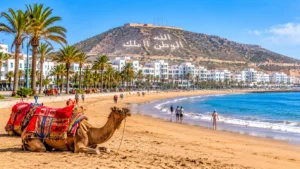
best beaches in morocco

13.4 Other Coastal Areas Worth Exploring

Although Taghazout, Essaouira, and Agadir are among the most recognized destinations for water sports, other parts of the Moroccan coastline also offer opportunities for outdoor activities.

Dakhla: Located in southern Morocco, Dakhla is internationally known for kitesurfing. Its lagoon attracts visitors looking for wind-powered sports and lessons in a distinctive desert-meets-ocean landscape.

Saidia: During suitable weather conditions, visitors can enjoy seasonal recreational activities along the Mediterranean coast. Availability varies, so check with local providers before planning a specific activity.

Al Hoceima: Its Mediterranean setting makes it appealing for coastal exploration and activities such as kayaking or boat excursions when conditions and local services allow.

13.5 Which Water Sport Should You Try?

Morocco offers activities for different interests and experience levels. Here is a simple guide to help you choose:

Activity Best For What to Expect
Surfing Beginners and experienced surfers Riding ocean waves
Windsurfing Adventure lovers Sailing across the water using a wind-powered board
Kitesurfing Active travelers Using a kite to move across the water
Paddleboarding Beginners and relaxed explorers Standing or kneeling on a board
Kayaking Couples and nature lovers Exploring coastal waters when conditions are safe
Jet skiing Visitors seeking excitement A motor-powered water activity with safety supervision

Availability depends on the beach, season, weather, and local operators. Not every activity is offered at every destination.

13.6 When Is the Best Time for Surfing in Morocco?

The best time depends on the type of activity and your experience level.

For many Atlantic surf destinations, autumn and winter can bring stronger and more consistent swells, attracting experienced surfers. Spring can also offer good opportunities, while summer may provide smaller waves at some locations that are more suitable for learning, although conditions vary.

Windsurfing and kitesurfing depend heavily on wind conditions. Essaouira and Dakhla are known for their wind sports, but it is important to check local forecasts before booking.

If you are a beginner, choose a surf school that can recommend the right beach and time based on the current conditions.

13.7 Water Safety Tips for Visitors

Enjoying the ocean should always go hand in hand with safety. Moroccan beaches can have strong waves, currents, changing tides, and windy conditions.

Keep these practical tips in mind:

  • Swim only in areas considered safe by local authorities or lifeguards.
  • Respect warning flags and follow lifeguard instructions.
  • Never underestimate Atlantic waves or strong currents.
  • Use a qualified instructor when trying surfing, kitesurfing, or windsurfing for the first time.
  • Wear suitable equipment, including a life jacket when required.
  • Check weather, wind, tide, and sea conditions before entering the water.
  • Avoid swimming alone or far from supervised areas.
  • Keep children under close supervision near the sea.

Make Your Moroccan Beach Holiday an Adventure

From the famous surf breaks around Taghazout to the windy shores of Essaouira and the kitesurfing lagoon of Dakhla, Morocco offers memorable experiences for water-sport enthusiasts.

Choose your destination according to your skill level and the activities you want to try. With suitable preparation, qualified instructors, and attention to sea conditions, you can add an exciting adventure to your Moroccan coastal holiday.

13. Best Beaches in Morocco for Surfing and Water Sports

Morocco is a popular destination for surfing and water sports, attracting beginners, experienced surfers, and adventure lovers from around the world. Its Atlantic coastline offers consistent waves, long sandy beaches, and a variety of surf spots, while some Mediterranean destinations are better suited to calmer activities during suitable weather conditions.

Whether you want to learn how to surf, try windsurfing, enjoy kayaking, or simply experience the excitement of the ocean, Morocco has several coastal destinations worth adding to your itinerary.

13.1 Taghazout: A Favorite Destination for Surfers

Taghazout is one of Morocco’s best-known surfing destinations. Located north of Agadir, this coastal village attracts surfers looking for different wave conditions and a relaxed seaside atmosphere.

Several surf spots are found around the area, including:

  • Anchor Point: A famous right-hand point break that can produce long rides when conditions are suitable. It is generally better for experienced surfers.
  • Hash Point: A well-known spot close to the village, with conditions that vary depending on the swell and tide.
  • Panoramas: A beach break that can offer opportunities for surfers at different levels, depending on the conditions.
  • Banana Point: A popular surf area south of Taghazout, known for its point-break waves.

Beginners can find surf schools offering lessons, equipment rental, and guidance from local instructors. If you have never surfed before, taking a lesson is a good way to learn basic techniques and understand ocean safety.

13.2 Essaouira: Windsurfing and Kitesurfing

Essaouira is particularly attractive to travelers interested in wind-powered water sports. Its coastal winds create conditions that often appeal to windsurfers and kitesurfers.

The wide beach provides space for different activities, while local schools and rental services can help visitors get started.

Popular activities include:

  • Windsurfing for travelers who enjoy speed and balance.
  • Kitesurfing for those looking for an exciting challenge.
  • Surfing when wave conditions are suitable.
  • Beach activities and long coastal walks.

The wind can be strong, especially during certain periods of the year. Beginners should choose a reputable school and follow local instructors’ advice rather than entering the water without experience.

13.3 Agadir: Water Sports for Different Experience Levels

Agadir offers a convenient base for visitors who want to combine a beach holiday with outdoor activities. Depending on the season and local conditions, visitors may find opportunities for surfing, jet skiing, paddleboarding, and other water-based experiences.

The city also has a developed tourism infrastructure, making it easier to arrange activities through hotels, local operators, and specialist schools.

If you are traveling with family, check the minimum age, safety equipment, and supervision requirements before booking an activity.

13.4 Other Coastal Areas Worth Exploring

Although Taghazout, Essaouira, and Agadir are among the most recognized destinations for water sports, other parts of the Moroccan coastline also offer opportunities for outdoor activities.

Dakhla: Located in southern Morocco, Dakhla is internationally known for kitesurfing. Its lagoon attracts visitors looking for wind-powered sports and lessons in a distinctive desert-meets-ocean landscape.

Saidia: During suitable weather conditions, visitors can enjoy seasonal recreational activities along the Mediterranean coast. Availability varies, so check with local providers before planning a specific activity.

Al Hoceima: Its Mediterranean setting makes it appealing for coastal exploration and activities such as kayaking or boat excursions when conditions and local services allow.

13.5 Which Water Sport Should You Try?

Morocco offers activities for different interests and experience levels. Here is a simple guide to help you choose:

Activity Best For What to Expect
Surfing Beginners and experienced surfers Riding ocean waves
Windsurfing Adventure lovers Sailing across the water using a wind-powered board
Kitesurfing Active travelers Using a kite to move across the water
Paddleboarding Beginners and relaxed explorers Standing or kneeling on a board
Kayaking Couples and nature lovers Exploring coastal waters when conditions are safe
Jet skiing Visitors seeking excitement A motor-powered water activity with safety supervision

Availability depends on the beach, season, weather, and local operators. Not every activity is offered at every destination.

13.6 When Is the Best Time for Surfing in Morocco?

The best time depends on the type of activity and your experience level.

For many Atlantic surf destinations, autumn and winter can bring stronger and more consistent swells, attracting experienced surfers. Spring can also offer good opportunities, while summer may provide smaller waves at some locations that are more suitable for learning, although conditions vary.

Windsurfing and kitesurfing depend heavily on wind conditions. Essaouira and Dakhla are known for their wind sports, but it is important to check local forecasts before booking.

If you are a beginner, choose a surf school that can recommend the right beach and time based on the current conditions.

13.7 Water Safety Tips for Visitors

Enjoying the ocean should always go hand in hand with safety. Moroccan beaches can have strong waves, currents, changing tides, and windy conditions.

Keep these practical tips in mind:

  • Swim only in areas considered safe by local authorities or lifeguards.
  • Respect warning flags and follow lifeguard instructions.
  • Never underestimate Atlantic waves or strong currents.
  • Use a qualified instructor when trying surfing, kitesurfing, or windsurfing for the first time.
  • Wear suitable equipment, including a life jacket when required.
  • Check weather, wind, tide, and sea conditions before entering the water.
  • Avoid swimming alone or far from supervised areas.
  • Keep children under close supervision near the sea.

Make Your Moroccan Beach Holiday an Adventure

From the famous surf breaks around Taghazout to the windy shores of Essaouira and the kitesurfing lagoon of Dakhla, Morocco offers memorable experiences for water-sport enthusiasts.

Choose your destination according to your skill level and the activities you want to try. With suitable preparation, qualified instructors, and attention to sea conditions, you can add an exciting adventure to your Moroccan coastal holiday.

14. Where to Stay: Best Moroccan Beach Resorts and Hotels

Choosing the right accommodation can make a big difference to your beach holiday in Morocco. Whether you are looking for a luxury beachfront resort, a family-friendly hotel, a traditional riad, or a budget guesthouse, Morocco offers accommodation options for different travel styles and budgets.

The best place to stay depends on the destination you choose, how close you want to be to the beach, and the experiences you want to enjoy during your trip.

14.1 Beachfront Resorts in Agadir

Agadir is one of the most convenient destinations for travelers who want a traditional beach holiday with plenty of hotel choices. The beachfront area has hotels and resorts close to the sandy shoreline, restaurants, cafés, and the promenade.

Many larger properties offer facilities such as:

  • Outdoor swimming pools and sun terraces.
  • Restaurants serving Moroccan and international dishes.
  • Family rooms and children’s activities.
  • Spa and wellness services.
  • Organized excursions and recreational activities.

Agadir is particularly suitable for families and couples who prefer having several services available within or near their accommodation. When comparing hotels, check whether the property offers direct beach access or is simply located within walking distance.

14.2 Traditional Riads and Boutique Hotels in Essaouira

If you prefer a cultural experience rather than a large resort, Essaouira offers traditional riads and boutique hotels, particularly inside or near its historic medina.

These properties often feature Moroccan architectural details, decorated courtyards, rooftop terraces, and personalized hospitality. Some offer views of the ocean or the historic streets.

Staying in the medina makes it easier to explore local markets, restaurants, art galleries, and historic attractions. However, not every riad is directly beside the beach, so check the walking distance before making a reservation.
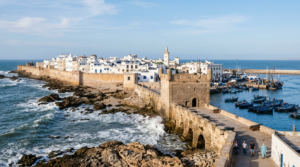
best beaches in morocco

14.3 Surf Camps and Guesthouses in Taghazout

Taghazout is a good choice for travelers who want to combine accommodation with surfing and outdoor activities. The village has surf camps, guesthouses, hostels, apartments, and ocean-view properties.

Some surf camps offer packages that may include:

  • Accommodation and breakfast.
  • Surf lessons with instructors.
  • Surfboard rental.
  • Transport to nearby surf spots.
  • Yoga sessions or other group activities.

These packages can be convenient for beginners and solo travelers who want to meet other visitors. Before booking, check exactly what is included, as not all surf camps provide the same services.

14.4 Family-Friendly Resorts in Saidia

Saidia is known for its summer resort atmosphere and long Mediterranean beach. It offers accommodation options that appeal to families looking for swimming pools, restaurants, and organized holiday activities.

Some larger resorts provide all-inclusive packages, which may cover meals, selected drinks, and certain recreational facilities. This can make holiday planning easier, especially for families who prefer to organize most of their activities within one property.

Before booking, compare the package details carefully. Check whether beach access, children’s activities, and additional services are included in the price.

14.5 Scenic Hotels and Guesthouses in Al Hoceima

Al Hoceima offers a different accommodation experience, with hotels, apartments, and guesthouses that allow visitors to enjoy the Mediterranean landscape.

Some properties are located near the town center, while others provide convenient access to particular beaches or coastal viewpoints.

If you plan to visit several beaches, consider renting a car or choosing accommodation with reliable transport options. During busy summer periods, booking early is advisable because popular areas can become crowded.

14.6 Accommodation in Asilah and Tangier

Asilah and Tangier are suitable for travelers who want to combine beach visits with culture and city exploration.

In Asilah, visitors can choose traditional guesthouses, small hotels, and apartments near the medina. Staying close to the historic center makes it easier to explore the town on foot and visit nearby beaches.

Tangier offers a wider range of accommodation, including international hotels, modern apartments, boutique properties, and options overlooking the sea. It is a practical base for visitors who want to explore northern Morocco while enjoying access to urban beaches and restaurants.

14.7 What Type of Accommodation Should You Choose?

Different types of accommodation suit different travel needs. Consider the following options before making your decision.

Accommodation Type Best For Main Advantage
Beachfront resort Families and couples Convenient beach access and facilities
All-inclusive hotel Families and relaxed holidays Meals and selected services in one package
Traditional riad Couples and culture lovers Moroccan architecture and local atmosphere
Surf camp Surfers and solo travelers Lessons, equipment, and social experiences
Guesthouse Budget-conscious travelers Often a more personal stay
Holiday apartment Families and longer stays More space and self-catering facilities
Luxury boutique hotel Couples and special occasions Personalized service and distinctive design

14.8 How to Choose the Right Beach Hotel in Morocco

Before confirming your reservation, consider these practical points:

Location: Check the distance between the hotel and the beach. A property described as being near the sea may still require a drive or a long walk.

Reviews: Read recent guest reviews, paying attention to cleanliness, service, noise, and the accuracy of the property’s description.

Facilities: Families may need swimming pools, suitable rooms, and children’s services, while couples may prefer quieter properties with ocean views.

Transport: If you plan to explore different beaches, check parking availability, public transport, and access to taxis or rental cars.

Booking conditions: Review cancellation policies, payment requirements, taxes, and any additional charges before paying.

Seasonal prices: Accommodation demand can rise during summer and holiday periods. Comparing dates and booking in advance may help you find more suitable options.

14.9 When Should You Book Your Accommodation?

For popular destinations such as Agadir, Saidia, and Taghazout, summer can be a busy period. If you are planning to travel in July or August, consider booking several weeks or months ahead, especially if you need a family room or a particular type of resort.

Spring and autumn may offer more flexibility in some destinations, although availability still depends on local events and holidays.

For a road trip covering several coastal towns, consider booking accommodation in advance for your main stops while leaving some flexibility for unexpected changes.

Find the Right Place for Your Moroccan Beach Holiday

The ideal accommodation depends on the kind of experience you want. Agadir and Saidia offer convenient resort-style stays, Essaouira provides traditional riads and boutique hotels, and Taghazout is popular with surfers and independent travelers.

Al Hoceima, Asilah, and Tangier provide additional choices for visitors exploring Morocco’s Mediterranean and northern coastlines.

Compare location, facilities, guest reviews, and booking conditions before making your decision. The right hotel or guesthouse will help you enjoy your time on the coast and make your holiday more comfortable.

15. Practical Tips for Planning Your Morocco Beach Holiday

Planning a successful beach holiday in Morocco involves more than choosing a beautiful destination. You also need to consider the weather, transportation, accommodation, local customs, and safety conditions along the coast.

Whether you are visiting for a few days or planning a longer coastal road trip, these practical tips will help you prepare and enjoy your stay.

best beaches in morocco​

15.1 Choose the Right Coastal Destination

Morocco has two main coastal regions, the Atlantic and the Mediterranean, and each offers a different holiday experience.

Before booking your trip, think about what matters most to you:

  • For sunshine and resort facilities: Consider Agadir.
  • For surfing and water sports: Explore Taghazout or Essaouira.
  • For dramatic natural scenery: Add Legzira to your itinerary.
  • For Mediterranean beaches: Consider Saidia or Al Hoceima.
  • For culture and beach visits: Choose Essaouira, Asilah, or Tangier.
  • For kitesurfing: Look into Dakhla and its lagoon.

If you have enough time, you can combine more than one coastal destination. However, check the distances before planning your route, as traveling between the northern and southern coasts can take considerable time.

15.2 Check the Weather and Sea Conditions

The weather can vary significantly between Morocco’s Atlantic and Mediterranean coastlines.

The Atlantic coast can be windy, particularly around Essaouira and some surfing destinations. The Mediterranean coast generally offers a different seasonal pattern, with many visitors choosing summer for swimming and resort holidays.

Before heading to the beach:

  • Check the local weather forecast.
  • Look at wind conditions if you plan to surf or kitesurf.
  • Ask local authorities or lifeguards about swimming conditions.
  • Pay attention to tides and warning flags.
  • Avoid entering the sea when conditions are unsafe.

Remember that warm sunshine does not always mean the ocean is safe for swimming.

15.3 Plan Your Transportation

Transportation is an important part of organizing a coastal trip. Your best option depends on the destinations you want to visit and how much flexibility you need.

Rental car: Renting a car can be useful if you want to explore smaller beaches, coastal villages, and scenic viewpoints. It gives you more flexibility, especially around destinations with limited public transport.

Trains: Morocco’s rail network connects several major cities, including Tangier, Rabat, Casablanca, and other destinations. However, trains do not reach every beach town, so you may need a taxi or bus for the final part of your journey.

Buses: Intercity buses can be a practical option for traveling between many Moroccan cities and towns. Check routes, departure times, and luggage conditions before traveling.

Taxis: Taxis can help you reach nearby beaches and attractions. Agree on the fare before starting a journey when the price is not shown on a meter.

15.4 Prepare a Realistic Travel Itinerary

Avoid trying to visit too many destinations in a short period. Morocco’s coastline is extensive, and some journeys take longer than expected.

For a short holiday, choose one main destination and explore the surrounding area. For a longer trip, you can combine nearby coastal towns.

For example:

  • Three to four days: Stay in Agadir and visit nearby Taghazout.
  • Five to seven days: Combine Essaouira, Taghazout, and Agadir.
  • Seven to ten days: Explore Tangier, Asilah, and other northern coastal destinations.
  • A longer holiday: Consider combining the Atlantic and Mediterranean coasts, allowing enough time for travel.

These are suggested trip structures rather than fixed schedules. Adjust them according to your arrival airport, budget, and interests.

15.5 Pack the Right Clothes and Beach Essentials

Your packing list should depend on the season and the activities you plan to enjoy.

Useful items include:

  • Comfortable swimwear.
  • Sunscreen with suitable sun protection.
  • Sunglasses and a hat.
  • Sandals or comfortable beach shoes.
  • A reusable water bottle.
  • Lightweight clothing for warm days.
  • A light jacket or sweater for windy evenings.
  • A towel and a small beach bag.
  • Waterproof protection for your phone and valuables.
  • Suitable sports clothing if you plan to surf or take part in water activities.

If you are visiting the Atlantic coast during a windy season, bring an extra layer even when daytime temperatures are pleasant.

15.6 Understand Local Customs and Beach Etiquette

Morocco is welcoming to visitors, but respecting local customs can make your holiday more comfortable.

Swimwear is generally appropriate on established tourist beaches and hotel pools. When leaving the beach and visiting towns, restaurants, or local neighborhoods, wear clothing suitable for the setting.

You should also:

  • Respect local residents and other beach visitors.
  • Avoid leaving rubbish on the sand.
  • Ask permission before photographing people.
  • Follow local rules about beach activities and public spaces.
  • Be considerate in quieter or more traditional coastal communities.

A little cultural awareness can help you enjoy a more positive experience.

15.7 Manage Your Budget

The cost of a beach holiday in Morocco depends on your destination, travel dates, accommodation, transport, and activities.

You can manage your spending by:

  • Comparing accommodation options before booking.
  • Traveling outside the busiest summer period when possible.
  • Choosing local restaurants instead of eating every meal in tourist areas.
  • Checking whether water sports packages include equipment and instruction.
  • Confirming taxi fares before traveling.
  • Keeping some cash for small purchases and local services.

Do not assume that every activity advertised online is included in the price of your hotel. Confirm the details directly with the provider.

15.8 Protect Your Belongings and Stay Safe

As in any travel destination, it is sensible to take basic precautions.

Keep your phone, wallet, passport, and other valuables secure, especially in crowded areas. Avoid leaving expensive items unattended on the beach, and use hotel safes when available.

For swimming and water sports, follow local safety advice and choose recognized operators. If you are traveling with children, keep them within sight near the water.

It is also useful to save your accommodation address and important contact details on your phone.

15.9 Check Your Travel Documents and Insurance

Before departure, check the entry requirements that apply to your nationality. Make sure your passport is valid for your planned journey and review any relevant airline or border requirements.

Travel insurance is also worth considering. Depending on your policy, it may help cover unexpected medical expenses, cancellations, lost luggage, or certain adventure activities.

If you plan to surf, kitesurf, or participate in other sports, check whether your insurance specifically covers those activities.

15.10 Book Popular Activities in Advance

During busy periods, popular surf lessons, boat trips, and guided excursions may have limited availability.

Consider arranging important activities ahead of time, especially if you are traveling with a group or have a fixed schedule.

Before paying, confirm:

  • The activity’s date and duration.
  • What equipment is provided.
  • Whether an instructor or guide is included.
  • Any age or experience requirements.
  • The cancellation and refund policy.
  • Whether transport is included.

For water sports, choose experienced instructors and operators who provide appropriate safety equipment.

15.11 Respect the Natural Environment

Morocco’s coastline includes beautiful beaches, cliffs, dunes, and protected natural areas. Help preserve these places by avoiding littering, respecting wildlife, and following local access rules.

Do not climb unstable cliffs or approach dangerous rock formations for photographs. At beaches with changing tides, avoid walking near isolated rock areas without checking whether you can return safely.

Responsible travel helps protect the coastal landscapes that make Morocco such an attractive destination.

Final Planning Checklist

Before leaving for your beach holiday, make sure you have considered the following:

  • Choose a destination that matches your travel style.

  • Check the weather and sea conditions.

  • Reserve suitable accommodation.

  • Plan your transport and travel times.

  • Prepare your beach essentials and suitable clothing.

  • Check the cost and availability of activities.

  • Review your travel documents and insurance.

  • Keep important addresses and contact details accessible.

  • Follow local safety guidance and respect the environment.

With a little preparation, you can avoid common travel problems and make better use of your time along the coast. Whether you prefer a relaxing resort, a surfing adventure, or a road trip through charming seaside towns, Morocco offers plenty of opportunities for a memorable beach holiday.

16. Frequently Asked Questions About the Best Beaches in Morocco

Before planning a coastal holiday, many travelers want to know which beaches are worth visiting, when to travel, and what to expect from Morocco’s Atlantic and Mediterranean coastlines.

Here are answers to some common questions to help you choose the right destination and organize your trip.

16.1 What Are the Best Beaches in Morocco?

Some of the most popular coastal destinations include Agadir, Essaouira, Taghazout, Legzira, Saidia, and Al Hoceima.

Each offers a different experience. Agadir is known for its long sandy beach and resort facilities, Taghazout attracts surfers, Essaouira combines coastal scenery with historic charm, and Saidia is popular for its Mediterranean beach atmosphere.

The right choice depends on whether you prefer swimming, surfing, family activities, or exploring coastal towns.

16.2 Does Morocco Have Beautiful Beaches?

Yes. Morocco has an extensive coastline along both the Atlantic Ocean and the Mediterranean Sea.

Visitors can discover long sandy beaches, small Mediterranean bays, dramatic cliffs, fishing villages, and lively seaside resorts. Destinations such as Legzira, Al Hoceima, and Essaouira are particularly attractive for travelers who enjoy natural coastal scenery.

16.3 Can You Swim in the Sea in Morocco?

Yes, swimming is possible at many Moroccan beaches, particularly during suitable weather and sea conditions.

However, conditions vary between destinations. Some Atlantic beaches experience strong waves and currents, while certain Mediterranean beaches may offer more sheltered swimming areas.

Always follow local swimming advice, respect warning flags, and choose supervised areas whenever possible.

16.4 Which Moroccan Beach Is Best for Families?

Agadir and Saidia are popular choices for families because they offer sandy beaches, accommodation options, restaurants, and tourist facilities.

Al Hoceima is another option for families who prefer scenic Mediterranean bays. Before visiting any beach with children, check swimming conditions, access, and the availability of nearby services.

16.5 What Is the Best Beach in Morocco for Surfing?

Taghazout is one of the country’s best-known surfing destinations, with several surf spots suitable for different experience levels depending on the conditions.

Essaouira is particularly popular for windsurfing and kitesurfing, while other Atlantic coastal areas also offer surfing opportunities.

Beginners should consider taking lessons with a qualified local instructor.

16.6 Is Agadir or Essaouira Better for a Beach Holiday?

Both destinations offer attractive but different experiences.

Agadir is generally more suitable for travelers looking for a traditional resort holiday, a long sandy beach, and a wide choice of hotels and facilities.

Essaouira is better suited to visitors who enjoy historic streets, local culture, seafood restaurants, and a relaxed coastal atmosphere. It is also popular for wind-related water sports.

Your choice depends on whether you prioritize resort facilities or cultural experiences.

16.7 When Is the Best Time to Visit Morocco’s Beaches?

The best time depends on your destination and activities.

Summer, particularly June to September, is popular for traditional beach holidays and Mediterranean swimming. Spring and early autumn can offer comfortable conditions for sightseeing, coastal walks, and exploring seaside towns.

For surfing, autumn and winter can bring stronger Atlantic swells at many surf destinations, although conditions vary throughout the season.

16.8 Are Morocco’s Beaches Suitable for Couples?

Yes. Couples can enjoy romantic coastal walks, sunset views, seafood restaurants, and charming accommodation.

Essaouira and Asilah are attractive for couples who enjoy history and relaxed surroundings. Taghazout is a good option for active couples interested in surfing, while Legzira offers dramatic natural scenery.

16.9 Are There Beaches Near Marrakech?

Marrakech is an inland city, so it does not have a beach. However, Essaouira is a popular coastal destination that many visitors explore on a day trip or overnight stay.

Agadir is another option for travelers who want a longer beach holiday. For a more relaxed experience, consider spending at least one night on the coast rather than rushing back to Marrakech on the same day.

16.10 Is Morocco Expensive for a Beach Holiday?

Morocco can suit different travel budgets. You can choose from luxury resorts, boutique hotels, traditional guesthouses, hostels, and holiday apartments.

Your overall expenses depend on the destination, season, accommodation, transport, restaurants, and activities. Booking in advance during busy periods and comparing different accommodation options can help you manage your budget.

16.11 Which Moroccan Coast Is Better: Atlantic or Mediterranean?

Neither coast is ideal for every traveler.

The Atlantic coast offers popular surf destinations, wide beaches, dramatic landscapes, and lively seaside towns. The Mediterranean coast is known for scenic bays and summer beach destinations such as Saidia and Al Hoceima.

Choose the Atlantic if surfing and coastal exploration are priorities. Consider the Mediterranean if you prefer a summer resort atmosphere and selected sheltered beaches.

16.12 Can You Visit Several Beaches During One Trip?

Yes. A coastal road trip is a great way to experience different parts of Morocco.

For example, you can combine Agadir and Taghazout with Essaouira, or explore Tangier and Asilah in northern Morocco. If you want to visit both the Atlantic and Mediterranean coasts, allow enough time for longer journeys.

Planning a realistic route will help you spend more time enjoying the beaches and less time traveling.

16.13 Final Thoughts: Discover the Best Beaches in Morocco

Morocco’s coastline offers something for almost every kind of traveler. From the sandy shores of Agadir and the surf culture of Taghazout to the historic charm of Essaouira, the dramatic scenery of Legzira, and the Mediterranean beauty of Saidia and Al Hoceima, there are many ways to enjoy a coastal holiday.

Families can choose destinations with convenient facilities and suitable accommodation, couples can discover charming seaside towns and beautiful sunset views, and adventure lovers can explore surfing and other water sports.

The secret to planning a memorable trip is choosing a destination that matches your interests, checking seasonal conditions, and allowing enough time to enjoy the coast.

Whether you are planning a short escape or a longer road trip, Morocco is a destination where beach experiences, local culture, and beautiful landscapes come together. Start planning your journey and discover the coastal destinations that suit your next adventure.

17. Sample Morocco Beach Itineraries: 3, 7, and 10 Days

If you want to visit several coastal destinations during one holiday, planning a realistic itinerary will help you make the most of your time. Morocco has a long coastline, so the best approach is to focus on one region or combine destinations that are reasonably close to each other.

Here are three suggested itineraries for different travel schedules.
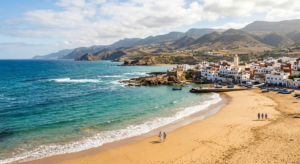
best beaches in morocco​

17.1 Three-Day Beach Escape: Agadir and Taghazout

A three-day trip is ideal if you want to enjoy the Atlantic coast without spending too much time traveling.

Day 1: Discover Agadir

Arrive in Agadir, check into your accommodation, and spend the afternoon relaxing on the main beach. Walk along the promenade, enjoy a meal at a seaside restaurant, and explore the marina if you have time.

Day 2: Explore Taghazout

Travel north to Taghazout and enjoy its relaxed coastal atmosphere. You can take a beginner surf lesson, visit local cafés, or simply admire the ocean views. Return to Agadir or spend the night in Taghazout.

Day 3: Enjoy a Relaxed Morning

Spend your final morning at the beach, visit a local market, or enjoy breakfast overlooking the ocean before departing.

This itinerary is suitable for couples, families, and travelers who want a short seaside break.

17.2 Seven-Day Atlantic Coast Road Trip: Agadir, Taghazout, and Essaouira

With seven days, you can explore several popular destinations along Morocco’s Atlantic coast.

Day 1: Arrive in Agadir

Settle into your hotel and enjoy the beach and promenade.

Day 2: Discover Agadir

Spend the day relaxing, exploring the city, or trying a suitable water activity.

Day 3: Visit Taghazout

Travel to Taghazout and discover its surf culture, beaches, and oceanfront cafés.

Day 4: Enjoy the Taghazout Coast

Take a surf lesson, explore nearby coastal areas, or enjoy a slower day by the sea.

Day 5: Travel to Essaouira

Make your way north to Essaouira. After checking in, explore the medina and enjoy the harbor atmosphere.

Day 6: Discover Essaouira

Visit the historic streets, walk along the beach, and enjoy fresh seafood near the port.

Day 7: Departure

Enjoy breakfast, buy a few local souvenirs, and begin your onward journey.

This route is a good choice for visitors who want a mixture of resort facilities, surfing, local culture, and historic coastal scenery. Allow enough time for road travel between destinations.

17.3 Ten-Day Northern Morocco Beach Holiday: Tangier, Asilah, and Al Hoceima

If you prefer the Mediterranean and northern Atlantic coastline, this itinerary offers a different perspective on Morocco.

Day 1: Arrive in Tangier

Explore the city center, enjoy the waterfront, and settle into your accommodation.

Day 2: Discover Tangier’s Coast

Visit a suitable nearby beach and explore the city’s historic attractions.

Day 3: Travel to Asilah

Head to Asilah and discover its medina, artistic streets, and nearby beaches.

Day 4: Relax in Asilah

Enjoy a slower day by the coast, explore local cafés, and take photographs of the historic town.

Day 5: Travel Toward Al Hoceima

Plan your journey to Al Hoceima, allowing sufficient time for the road trip and stops along the way.

Day 6: Explore Al Hoceima

Visit one of the area’s well-known beaches, such as Quemado, depending on access and local conditions.

Day 7: Discover More Coastal Scenery

Explore another suitable beach or enjoy a boat excursion if local operators are offering trips.

Day 8: Enjoy a Relaxed Day

Spend more time at your preferred beach, explore the town, or enjoy a local meal.

Day 9: Flexible Exploration

Use this day for another coastal visit or to begin your return journey, depending on your departure arrangements.

Day 10: Departure

Travel to your departure airport or continue to another Moroccan destination.

This itinerary is best suited to travelers who have enough time for longer road journeys and want to discover northern Morocco beyond its largest cities.

17.4 Tips for Choosing the Right Itinerary

Before deciding which route to follow, consider these points:

  • Your arrival airport: Choose a route that avoids unnecessary backtracking.
  • Available time: Do not try to cover the entire Moroccan coastline in a few days.
  • Transport: A rental car can offer flexibility, while buses and trains may work better between connected cities.
  • Travel season: Check weather and sea conditions for each destination.
  • Accommodation: Reserve popular properties in advance during busy summer periods.
  • Travel pace: Allow time to relax instead of filling every day with activities.

Make Your Coastal Journey Your Own

These itineraries are starting points, not fixed schedules. You can shorten or extend them depending on your interests, budget, and transport arrangements.

For a short break, Agadir and Taghazout offer an easy Atlantic combination. With a week, adding Essaouira creates a more varied coastal experience. If you have more time, exploring Tangier, Asilah, and Al Hoceima introduces you to the beauty of northern Morocco.

The most enjoyable trip is one that gives you enough time to experience each destination rather than simply ticking beaches off a list.
1. Introduction: Essential Morocco Travel Tips for Your First Visit

Morocco is a fascinating destination where ancient traditions meet modern life. From the lively streets of Marrakech and the historic medinas of Fes to the golden dunes of the Sahara Desert and the beautiful Atlantic coastline, the country offers unforgettable experiences for every kind of traveler. Whether you are planning a short city break, a family holiday, or a longer adventure across the country, a little preparation can make your journey much easier.

If this is your first visit, knowing a few essential Morocco travel tips before you leave can help you avoid common mistakes, understand local customs, manage your budget, and enjoy your trip with greater confidence. Morocco is generally welcoming to visitors, but its culture, transportation, markets, and daily routines may be different from what you are used to at home.

Planning ahead is especially helpful when deciding what to pack, choosing where to stay, understanding how to get around, and knowing how to communicate with local people. It can also help you make better decisions about when to visit, which destinations to include, and how much time to spend in each place.

In this guide, you will discover practical advice for traveling around Morocco, including information about safety, money, accommodation, traditional food, shopping, local etiquette, and popular destinations. You will also learn how to avoid common tourist mistakes and organize a trip that matches your interests and budget.

Whether you dream of exploring colorful souks, staying in a traditional riad, tasting authentic Moroccan dishes, discovering the Atlas Mountains, or watching the sunset over the Sahara, these tips will help you prepare for a memorable experience.

The key is to plan the essentials while leaving enough room for unexpected discoveries. Morocco has plenty of surprises waiting for you, and understanding a little about the country before arriving will help you appreciate every moment of your journey.

2. Why Visit Morocco? What Makes It Special?

Morocco is one of North Africa’s most fascinating travel destinations, offering a unique combination of history, culture, natural beauty, and adventure. From ancient imperial cities and traditional mountain villages to peaceful beaches and vast desert landscapes, the country has something for almost every type of traveler.

One of the biggest reasons to visit Morocco is its incredible diversity. You can explore a historic medina in the morning, enjoy a traditional Moroccan lunch in the afternoon, and watch the sunset over the Atlantic Ocean or the Sahara Desert later in your trip. Every region has its own atmosphere, traditions, and attractions.

Discover Historic Cities and Traditional Medina Streets

Morocco is home to several historic cities that give visitors a glimpse into its rich past. Marrakech is famous for Jemaa el-Fna square, colorful souks, beautiful palaces, and traditional riads. Fes attracts visitors with its ancient medina, historic mosques, traditional workshops, and narrow streets.

Other destinations, including Rabat, Meknes, and Essaouira, offer different experiences, from historic architecture and coastal scenery to relaxed cafés and traditional markets. Walking through these cities allows you to discover local craftsmanship, architecture, and everyday Moroccan life.

Experience the Beauty of the Sahara Desert

A trip to Morocco can also take you into the Sahara Desert, where enormous sand dunes create an unforgettable landscape. Destinations such as Merzouga and Erg Chebbi are popular for desert experiences, including camel rides, overnight stays in desert camps, and watching the sunrise or sunset over the dunes.

Spending a night in the desert is a memorable experience for many visitors. Away from busy cities, you can enjoy peaceful surroundings, traditional meals, and beautiful night skies.

Enjoy Mountains, Beaches, and Natural Landscapes

Morocco’s natural scenery is another reason to include the country on your travel list. The Atlas Mountains offer opportunities for hiking, discovering traditional villages, and enjoying spectacular views. In winter, some mountain areas even receive snow.

Along the coast, destinations such as Agadir and Essaouira are known for their beaches, ocean views, seafood restaurants, and relaxed atmosphere. Nature lovers can also explore waterfalls, valleys, forests, and scenic countryside.

Taste Authentic Moroccan Food

Food is an important part of Moroccan culture, and trying local dishes is one of the most enjoyable parts of visiting the country. Traditional meals often combine vegetables, meat, spices, herbs, and slow-cooking techniques.

Some popular dishes to try include:

  • Tagine: A slow-cooked dish prepared with meat, vegetables, or other ingredients in a traditional clay pot.
  • Couscous: A famous Moroccan dish often served with vegetables and meat.
  • Pastilla: A traditional pie that combines delicate pastry with a sweet and savory filling.
  • Harira: A comforting soup commonly enjoyed during Ramadan.
  • Moroccan mint tea: A popular drink often served to welcome guests.

You can discover these dishes in restaurants, local cafés, markets, and traditional homes.

Experience Moroccan Hospitality and Culture

Moroccan hospitality is an important part of the country’s identity. Visitors may experience warm welcomes, traditional mint tea, local celebrations, and opportunities to learn about customs that have been passed down through generations.

Morocco’s culture reflects a rich mix of Arab, Amazigh, African, and Andalusian influences. This diversity can be seen in its music, architecture, clothing, languages, food, and handicrafts.

A Destination for Different Travel Budgets

Another advantage of visiting Morocco is the variety of travel experiences available at different price levels. Travelers can choose simple guesthouses and local restaurants, comfortable hotels, or luxury riads and resorts.

You can also adapt your itinerary to your budget by choosing public transportation, booking accommodation in advance, and comparing tour options before making a decision.

Whether you are interested in history, adventure, food, beaches, or cultural experiences, Morocco offers many ways to create a memorable holiday. The next step is choosing the right time to visit so you can enjoy the destinations and activities that interest you most.

3. Best Time to Visit Morocco

Choosing the right time to visit Morocco can make a big difference to your travel experience. The country has several climate zones, so weather conditions can vary considerably between coastal cities, mountain regions, and the Sahara Desert. While Morocco is a year-round destination, spring and autumn are generally comfortable seasons for exploring many parts of the country.

The best time for your trip depends on what you want to experience. If you plan to explore imperial cities, enjoy outdoor activities, visit the desert, or relax on the beach, understanding the seasons will help you choose the most suitable dates.

Spring (March to May): Ideal for Exploring

Spring is one of the most popular seasons for visiting Morocco. Temperatures are generally pleasant in many destinations, making it easier to explore cities, walk through historic medinas, and enjoy outdoor activities.

During this period, you can discover Marrakech, Fes, Rabat, and Chefchaouen without the intense summer heat. The Atlas Mountains are also attractive in spring, with green landscapes and pleasant conditions for hiking in many areas.

Spring is a good choice for travelers who want to combine city visits, nature, and cultural experiences in one itinerary. However, popular destinations can become busy, especially around holidays, so booking accommodation in advance is recommended.

Summer (June to August): Best for Coastal Holidays

Summer can be extremely hot in inland destinations such as Marrakech and Fes, particularly during July and August. Temperatures in some areas can rise significantly, making sightseeing during the middle of the day uncomfortable.

However, coastal cities such as Essaouira and Agadir often offer more moderate conditions because of the Atlantic Ocean. These destinations are suitable for visitors interested in beaches, seafood, ocean views, and relaxing holidays.

If you travel during summer, plan outdoor activities for the early morning or late afternoon. Carry water, wear comfortable lightweight clothing, and take breaks in shaded places during the hottest hours.

Autumn (September to November): Comfortable Travel Weather

Autumn is another excellent season for exploring Morocco. After the summer heat begins to ease, many cities become more comfortable for sightseeing and outdoor activities.

September and October are particularly attractive for visiting Marrakech, Fes, the Atlas Mountains, and the Sahara region. Desert excursions are often more comfortable than during the hottest summer months, although temperatures can still be high during the day in early autumn.

November can also be a good month for city visits, but evenings become cooler, especially in the mountains and desert. Bring a light jacket or warmer clothing if your itinerary includes these regions.

Winter (December to February): Cities, Desert Nights, and Mountains

Winter offers a different experience. Coastal areas and some cities can remain relatively mild during the day, while inland destinations may have cold mornings and evenings.

Marrakech can be pleasant for sightseeing when the sun is out, but temperatures drop after sunset. The Sahara Desert can also be visited in winter, although desert nights may become very cold. If you plan to sleep in a desert camp, check whether suitable blankets and heating arrangements are provided.

The Atlas Mountains can receive snow during winter, creating beautiful scenery and opportunities for certain winter activities. However, mountain weather can change quickly, so check local conditions before traveling.

When Is the Best Time to Visit the Sahara Desert?

For many travelers, the most comfortable periods for a Sahara Desert experience are spring and autumn. During these seasons, daytime temperatures are often more manageable for camel rides, walking on the dunes, and overnight desert excursions.

Summer can be very hot, while winter nights can be surprisingly cold. If you visit during winter, pack warm layers and confirm what your desert camp provides.

Is Ramadan a Good Time to Visit Morocco?

Ramadan is an important religious month in Morocco. During this period, many Muslims fast from sunrise to sunset, and daily routines may change. Some cafés, restaurants, and shops may adjust their opening hours, while evenings become lively as families and communities gather to break their fast.

Visitors can still travel during Ramadan, but it is helpful to plan meals and activities with local schedules in mind. Showing respect for people who are fasting and being considerate in public spaces will make your visit more comfortable.

Quick Guide: Choosing Your Travel Season

Season Best for What to consider
Spring Cities, hiking, sightseeing Popular travel period
Summer Beaches and coastal towns Very hot inland
Autumn Desert trips and city tours Cooler evenings
Winter City visits and mountain scenery Cold nights, especially in the desert

My practical advice: If you want to explore several regions in one trip, consider traveling in spring or autumn. These seasons often provide a comfortable balance for visiting cities, mountains, and desert destinations. Whatever dates you choose, check the local weather for each destination because conditions can differ greatly across Morocco.

4. How Many Days Do You Need in Morocco?

One of the most important decisions when planning a trip to Morocco is deciding how many days to spend in the country. The ideal length depends on your budget, travel style, and the number of destinations you want to explore.

Morocco has historic cities, mountain villages, coastal towns, and desert landscapes spread across different regions. Although it may be tempting to visit everything in one holiday, traveling between destinations takes time. A well-planned itinerary with fewer stops can often be more enjoyable than rushing from one city to another.

Whether you have three days or two weeks, you can create a memorable trip by choosing destinations that fit your available time.

3 to 4 Days: A Short City Break

If you only have three or four days, focus on one main destination rather than trying to explore the entire country.

Marrakech is a popular choice for a short visit. You can spend your time discovering the historic medina, visiting traditional souks, exploring beautiful palaces and gardens, and enjoying Moroccan food.

A possible short itinerary could include:

  • Day 1: Explore Jemaa el-Fna square, the medina, and nearby souks.
  • Day 2: Visit historical attractions, gardens, and traditional neighborhoods.
  • Day 3: Take a day trip to the Atlas Mountains or another nearby destination.
  • Day 4: Enjoy a relaxed morning, shop for souvenirs, and prepare for departure.

You could also choose Fes, Casablanca, Rabat, or Agadir depending on your interests. However, avoid adding distant destinations simply to increase the number of places on your itinerary.

5 to 7 Days: Explore More Than One Destination

A week gives you more flexibility and allows you to combine two or three destinations. You can experience the atmosphere of a historic city while discovering another part of Morocco.

For example, you could spend several days in Marrakech and add a visit to Essaouira or the Atlas Mountains. Another option is to explore northern Morocco by combining Tangier, Chefchaouen, and Fes, depending on your arrival and departure points.

A seven-day trip can also include a desert excursion, but you should consider the travel time involved. A journey from Marrakech to Merzouga, for example, requires considerable time on the road, so it is important to leave enough room for the return journey and the desert experience.

8 to 10 Days: A More Complete Moroccan Experience

With eight to ten days, you can explore several regions without making every day feel rushed.

A possible route could include:

  • Marrakech: Discover the medina, gardens, palaces, and local markets.
  • Atlas Mountains: Enjoy mountain scenery and visit traditional villages.
  • Dades Valley: Explore impressive landscapes and scenic mountain roads.
  • Merzouga: Experience the Sahara Desert and spend a night in a desert camp.
  • Fes: Discover the historic medina and traditional craftsmanship.

This route offers a mixture of culture, nature, and adventure. Keep in mind that the distances are significant, particularly between the desert and the imperial cities. You may need to adjust the route depending on your arrival airport and departure plans.

10 to 14 Days: Discover More of Morocco

If you have two weeks, you can enjoy a more varied journey and include destinations from different regions.

A longer itinerary might combine Marrakech, the Atlas Mountains, the Sahara Desert, Fes, Chefchaouen, and Tangier. You could also include Casablanca or Rabat if you are interested in modern Moroccan cities and historical attractions.

Two weeks gives you more opportunities to slow down, enjoy local food, explore neighborhoods, and spend extra time in places that interest you.

Rather than spending only one night in every destination, consider staying longer in major cities. This gives you time to experience local life beyond the main tourist attractions.

More Than Two Weeks: Travel at a Relaxed Pace

Travelers with more than two weeks can explore Morocco in greater depth. You may include destinations such as Essaouira, Agadir, Taroudant, Ouarzazate, the Draa Valley, and smaller towns along the way.

A longer trip is also an opportunity to enjoy activities that require additional time, such as hiking in the Atlas Mountains, exploring rural communities, joining cooking experiences, or relaxing on the Atlantic coast.

How to Choose the Right Trip Length

Before booking your accommodation and transportation, think about what you want most from your holiday.

Ask yourself:

  • Do you prefer historic cities, beaches, mountains, or desert adventures?
  • Are you comfortable spending several hours traveling between destinations?
  • Do you want a relaxed holiday or a busy sightseeing itinerary?
  • What is your total travel budget?
  • Where will you arrive, and where will you depart?

Your answers will help you choose a realistic route and avoid spending too much of your holiday in transportation.

My practical advice: If this is your first visit, aim for at least seven to ten days if your schedule allows. This gives you enough time to discover several sides of Morocco without rushing through every destination. If you have less time, choose one region and explore it properly rather than trying to see the whole country.

5. What to Pack and Wear in Morocco

Packing the right clothes and travel essentials can make your holiday in Morocco more comfortable. The country has different climates, from hot desert regions and sunny coastal cities to cooler mountain areas. Your packing list should therefore depend on the season, the destinations you plan to visit, and the activities you want to enjoy.

You do not need to buy a completely new wardrobe before traveling. Comfortable, practical clothing that respects local customs will usually be enough. The most important thing is to prepare for changing temperatures and choose items that are suitable for walking, sightseeing, and long journeys.

What Clothes Should You Pack?

Morocco is a culturally diverse country, and clothing styles vary between major cities, coastal resorts, and rural communities. In general, lightweight and comfortable clothes are a good choice, especially during warmer months.

Consider packing:

  • Lightweight shirts and T-shirts: Useful for warm days and everyday sightseeing.
  • Long trousers or comfortable skirts: Practical for exploring cities, markets, and traditional neighborhoods.
  • A light jacket or cardigan: Helpful during cooler evenings and air-conditioned journeys.
  • Comfortable walking shoes: Essential for walking through medinas, uneven streets, and historical sites.
  • Sandals: Useful for relaxing at your accommodation or visiting coastal areas.
  • A scarf or shawl: A versatile item that can provide protection from the sun and help you dress more comfortably when visiting religious or traditional places.
  • Swimwear: Useful if you plan to visit beaches, swimming pools, or hotels with spa facilities.

You can adjust your clothing choices depending on your itinerary. For example, a beach holiday in Agadir may require different clothes from a winter trip to the Atlas Mountains.

Prepare for Hot Weather and Strong Sun

If you are visiting Morocco during spring or summer, sun protection should be part of your packing list. Inland cities and desert destinations can become very hot, especially around midday.

Useful items include:

  • Sunscreen with suitable sun protection.
  • Sunglasses with UV protection.
  • A wide-brimmed hat or cap.
  • A reusable water bottle.
  • Lightweight, breathable clothing.
  • A small day bag for carrying your essentials.

Try to plan outdoor sightseeing during the cooler morning and late-afternoon hours when temperatures are high.

Pack Warm Clothes for the Mountains and Desert

Many first-time visitors assume Morocco is always hot, but temperatures can vary significantly depending on the region and season. Mountain destinations can be cold, particularly during winter, while desert nights may become much cooler than the daytime.

If your itinerary includes the Atlas Mountains, Merzouga, or other desert areas, consider bringing:

  • A warm jacket or fleece.
  • Long trousers.
  • Comfortable closed shoes.
  • Warm socks.
  • A scarf or neck warmer.
  • Extra layers for cold evenings.

Even if you visit the Sahara during a warm season, having an extra layer for the night is a sensible idea.

Essential Travel Items You Should Not Forget

Besides clothing, a few practical items can make your journey easier.

Important travel documents

  • Passport and any required travel documents.
  • Flight tickets and accommodation confirmations.
  • Travel insurance information.
  • Copies of important documents stored separately from the originals.

Personal and health essentials

  • Personal medication and prescriptions, if applicable.
  • Basic first-aid supplies.
  • Hand sanitizer and tissues.
  • Personal hygiene products.
  • Insect repellent when appropriate for your destinations.

Technology and accessories

  • Mobile phone and charging cable.
  • Power bank.
  • Suitable plug adapter for your devices.
  • Headphones.
  • Camera or other photography equipment, if needed.

Keep valuable items secure and avoid carrying unnecessary belongings when exploring busy markets or crowded public places.

What Should You Pack for a Desert Trip?

A Sahara Desert excursion requires a little extra preparation. You may spend several hours traveling, walking on sand, or enjoying outdoor activities.

For a desert experience, pack comfortable clothes, sunglasses, sunscreen, a hat, closed shoes or suitable sandals, and a small backpack. A scarf can also be useful for protecting your face from wind and blowing sand.

If you are staying overnight in a desert camp, ask the tour operator what is already provided. Some camps supply blankets and other basic items, while others may have different facilities.

Packing Tips for Different Seasons

Your luggage should reflect the weather during your travel dates.

Season Useful clothing and items
Spring Light layers, walking shoes, a light jacket
Summer Breathable clothes, sunscreen, hat, sunglasses
Autumn Comfortable layers, walking shoes, light jacket
Winter Warm jacket, sweaters, closed shoes, extra layers

These are general suggestions. Check the forecast for each destination before departure, especially if you are visiting both coastal and mountain regions.

Travel Light and Leave Space for Souvenirs

One useful packing tip is to avoid taking more than you need. Moving between cities, boarding trains, and walking through narrow medina streets can become difficult with large suitcases.

Choose luggage that is easy to carry and organize your belongings into small packing bags. Leave some extra space for souvenirs such as handmade pottery, leather products, traditional textiles, and Moroccan spices.

My practical advice: Pack comfortable clothes, reliable walking shoes, sun protection, and a few warm layers. These essentials will prepare you for most Moroccan destinations while keeping your luggage simple and manageable.

6. Is Morocco Safe for Tourists?

One of the most common questions people ask before planning a holiday is whether Morocco is safe for tourists. The country welcomes visitors from around the world, and millions of travelers come to explore its historic cities, beaches, mountains, and desert landscapes.

Like any popular travel destination, Morocco has some risks that visitors should understand. Petty theft, tourist scams, unwanted attention, and road safety concerns can affect travelers, particularly in busy tourist areas. However, taking sensible precautions and staying aware of your surroundings can help you enjoy a more comfortable trip.

Before traveling, check your government’s latest travel advice because security conditions and recommendations can change.

Is Morocco Safe for First-Time Visitors?

Morocco can be a rewarding destination for first-time visitors. Major tourist cities such as Marrakech, Fes, Rabat, Casablanca, and Agadir receive international travelers throughout the year.

When exploring these destinations, use common sense and take care of your belongings. Busy markets, crowded squares, public transport stations, and popular attractions are places where you should pay particular attention to your bags and personal items.

Here are some simple precautions:

  • Keep your phone, wallet, and passport secure.
  • Avoid displaying expensive jewelry or large amounts of cash.
  • Use well-lit and busy streets when walking at night.
  • Choose reputable accommodation with good recent reviews.
  • Use official taxis or trusted transport providers.
  • Keep a copy of your important travel documents separately.

These habits are useful in any busy tourist destination, not just Morocco.

Is Marrakech Safe for Tourists?

Marrakech is one of Morocco’s most visited cities. Its historic medina, Jemaa el-Fna square, traditional souks, and famous attractions attract visitors throughout the year.

The city is generally busy, especially in popular tourist areas. However, visitors should remain alert to pickpocketing, persistent sellers, unofficial guides, and people offering unexpected assistance for money.

When exploring the medina, use a reliable map or navigation application to find your accommodation and main attractions. If you need directions, ask staff at your hotel or a clearly identifiable official information point.

Avoid following strangers who approach you and insist on showing you a shortcut or taking you to a particular shop. If you feel uncomfortable, politely decline and continue toward a busy public area.

Is Morocco Safe for Solo Female Travelers?

Many women visit Morocco independently, but solo female travelers may experience unwanted attention, persistent approaches, or verbal harassment in some areas.

A little preparation can make independent travel more comfortable. Consider the following suggestions:

  • Choose accommodation in a well-reviewed and convenient location.
  • Arrange airport transfers through your accommodation or a reputable provider.
  • Avoid isolated streets, beaches, and parks after dark.
  • Dress comfortably while remaining aware of local customs.
  • Be confident and firm when declining unwanted attention.
  • Share your itinerary with someone you trust.
  • Consider joining organized excursions when visiting remote areas.

You do not need to follow a single clothing style to travel around Morocco. However, modest clothing can be a practical choice in traditional neighborhoods and rural communities.

How to Stay Safe in Moroccan Markets and Souks

Traditional markets are among the most exciting places to visit in Morocco. You can discover handmade carpets, leather products, pottery, spices, clothing, and many other local items.

Because souks can be crowded and busy, keep your bag close to your body and avoid carrying unnecessary valuables. Be careful when using your phone to take photographs, particularly in crowded streets.

If you want to buy something, agree on the price before completing the purchase. Take your time comparing products and do not feel pressured to buy simply because a seller is persistent.

For guided visits to historic medinas, choose a licensed guide who can provide clear information about the service and price.

Is Public Transportation Safe in Morocco?

Morocco offers several ways to travel between cities, including trains, intercity buses, and taxis. Trains and established bus companies are useful options for many popular routes, although you should still protect your belongings during the journey.

For local transportation, use official taxis and confirm the fare or meter arrangements before starting your journey. Avoid entering unmarked vehicles offered by strangers, especially late at night.

If you plan to rent a car, remember that traffic conditions can be challenging in some cities and on mountain roads. Drive carefully, follow local traffic rules, and avoid unfamiliar rural routes at night whenever possible.

Health and Food Safety Tips

Looking after your health is another important part of a comfortable holiday. Moroccan food is a highlight for many visitors, but it is sensible to choose places that maintain good hygiene.

Follow these basic precautions:

  • Wash your hands before eating.
  • Choose busy food stalls where meals are prepared regularly.
  • Make sure meat and seafood are properly cooked.
  • Drink bottled or appropriately treated water if you are unsure about the local supply.
  • Carry any personal medication you may need.
  • Protect yourself from the sun and drink enough water.

If you have allergies or specific dietary requirements, explain them clearly when ordering food.

What Should You Do If Something Goes Wrong?

Before leaving home, save the contact details of your accommodation, travel insurance provider, and your country’s embassy or consulate in Morocco.

If your belongings are stolen, report the incident to the local police and request a police report. This may be needed for an insurance claim or replacement travel documents.

If you lose your passport, contact your country’s embassy or consulate for instructions. Keep digital and paper copies of important documents in separate places to make the process easier.

For medical emergencies, seek help from a suitable medical facility and contact your travel insurer as soon as possible.

Final Safety Advice for Visiting Morocco

Morocco offers many memorable experiences, from exploring historic medinas to discovering mountain villages and spending a night in the Sahara Desert. Being prepared helps you enjoy these experiences while reducing avoidable risks.

The most useful approach is to stay aware, protect your belongings, choose reliable services, and respect local laws and customs. With sensible planning, you can explore Morocco with greater confidence and focus on enjoying your journey.

7. Money in Morocco: Currency, Cash, and Payments

Understanding how money works in Morocco will help you manage your travel budget and avoid unnecessary difficulties during your holiday. Whether you are visiting Marrakech, exploring the Sahara Desert, or relaxing in Agadir, knowing how to pay for accommodation, meals, transportation, and shopping makes traveling much easier.

The official currency of Morocco is the Moroccan dirham (MAD). You will see prices displayed in dirhams in shops, restaurants, markets, hotels, and other businesses. Before your trip, it is useful to understand where to exchange money, when to use cash, and how to avoid common payment problems.

What Is the Currency Used in Morocco?

Morocco uses the Moroccan dirham, usually abbreviated as MAD or written as DH. Banknotes and coins are available in different denominations, making it possible to pay for everything from small purchases to hotel expenses.

Although some tourist businesses may accept euros or other foreign currencies, the dirham is the most practical currency for everyday payments. It is generally better to pay in dirhams because exchange rates offered by individual shops or sellers may not be favorable.

Should You Carry Cash or Use a Bank Card?

The best option is to carry a combination of cash and a bank card.

Cards are accepted in many hotels, larger restaurants, supermarkets, and established businesses, especially in major cities. However, smaller shops, traditional markets, local cafés, taxis, and some rural businesses may accept cash only.

Here is a simple guide:

  • Cash: Useful for souks, small purchases, local transport, tips, and traditional cafés.
  • Bank cards: Convenient for hotels, larger restaurants, supermarkets, and some tourist services.
  • ATMs: Available in many cities and tourist areas, allowing visitors to withdraw Moroccan dirhams.

Do not depend entirely on your card, particularly when visiting smaller towns or remote destinations.

Where Can You Exchange Money in Morocco?

You can exchange foreign currency at authorized exchange offices, banks, and some airports and hotels. Exchange offices are common in major tourist destinations such as Marrakech, Casablanca, Fes, and Agadir.

Before exchanging money, compare the rates and ask whether any commission or additional fee applies. Keep your receipt until you are satisfied with the transaction.

Avoid exchanging large amounts with unofficial individuals in the street. Using authorized providers is a safer way to exchange your money.

Using ATMs in Morocco

ATMs are widely available in major cities and many popular tourist destinations. They can be a convenient way to withdraw dirhams when you need cash.

However, remember these practical points:

  • Check whether your bank charges international withdrawal fees.
  • Your card provider may apply a foreign currency conversion fee.
  • Choose ATMs located inside banks or secure public areas.
  • Protect your PIN when entering it.
  • Check your bank’s international withdrawal limits before traveling.

If an ATM offers to charge your card in your home currency instead of Moroccan dirhams, compare the options carefully. Paying in the local currency often avoids an additional conversion rate set by the ATM operator.

How Much Money Do You Need Per Day?

Your daily spending in Morocco depends on your accommodation, eating habits, transportation choices, and planned activities.

Budget travelers may spend less by staying in simple guesthouses, eating at local restaurants, and using public transportation. Travelers who prefer luxury hotels, private drivers, guided excursions, and fine dining will need a larger budget.

Your main expenses may include:

  • Accommodation.
  • Food and drinks.
  • Local and intercity transportation.
  • Entrance fees and guided tours.
  • Shopping and souvenirs.
  • Activities such as desert excursions or mountain trips.

Rather than relying on a fixed daily estimate, research current accommodation and activity prices for your travel dates. This will give you a more realistic budget.

Bargaining in Moroccan Souks

Shopping in traditional Moroccan markets is an enjoyable experience, and bargaining is common in many souvenir shops and souks.

When buying carpets, leather goods, pottery, lamps, or handmade decorations, the first price offered may not be the final price. You can politely negotiate and compare prices at different shops before making a decision.

A few useful tips:

  • Ask the price before agreeing to buy.
  • Negotiate politely and keep the conversation friendly.
  • Set a budget before shopping.
  • Do not feel pressured to purchase something.
  • Check the quality of the product before paying.

Remember that bargaining is not appropriate everywhere. Supermarkets, restaurants, and many established shops usually have fixed prices.

Should You Tip in Morocco?

Tipping is common in some situations, although the amount depends on the service and your satisfaction.

You may choose to leave a small tip at restaurants, give something to hotel staff, or tip a guide or driver after a service. For organized tours, check whether gratuities are already included in the price.

There is no need to feel pressured to tip excessively. A reasonable amount that reflects the service is sufficient.

Important Money Mistakes to Avoid

To manage your money more comfortably, avoid these common mistakes:

  1. Carrying all your cash in one place.
  2. Forgetting to check international card fees.
  3. Exchanging money with unauthorized individuals.
  4. Accepting unclear exchange rates.
  5. Assuming every shop or taxi accepts bank cards.
  6. Forgetting to keep some small denominations for everyday purchases.

Keep your cash and cards in separate secure places, and use a money belt or another secure option if you are carrying important documents.

My practical advice: Carry a reasonable amount of Moroccan dirhams for everyday expenses and keep a bank card as a backup. Check exchange rates and bank fees before your trip, and plan your budget according to the destinations and activities you want to enjoy.

8. How to Get Around Morocco

Getting around Morocco is an important part of planning your holiday, especially if you want to visit several destinations during one trip. The country offers different transportation options, including trains, intercity buses, taxis, rental cars, and private transfers.

The best way to travel depends on your route, budget, available time, and preferred level of comfort. Major cities are connected by established transport services, while reaching remote villages, mountain areas, and desert destinations may require additional planning.

Understanding your options before departure will help you choose suitable connections and avoid spending too much time traveling between destinations.

Traveling by Train in Morocco

Trains are one of the most convenient ways to travel between several major Moroccan cities. The national railway network, operated by ONCF, connects destinations including Casablanca, Rabat, Kenitra, Meknes, Fes, and Marrakech.

Train travel is a comfortable option for many popular routes. You can usually choose between different seating classes, depending on the service and your budget.

Morocco also has the Al Boraq high-speed train, which connects Tangier with major cities including Kenitra, Rabat, and Casablanca. It can save considerable travel time compared with conventional transport on this route.

Useful train travel tips:

  • Check schedules and ticket prices through the official ONCF website.
  • Book ahead during busy travel periods.
  • Arrive at the station early enough to find your platform.
  • Keep your ticket accessible during the journey.
  • Look after your luggage, especially at busy stations.

Trains do not reach every destination in Morocco, so you may need to combine rail travel with buses or taxis.

Traveling by Bus Between Cities

Intercity buses are another practical way to explore Morocco. They connect many cities and towns, including destinations that are not served by the train network.

Companies such as CTM and Supratours operate services on various routes. Buses can be useful for reaching places such as Chefchaouen, Essaouira, and other destinations depending on the available connections.

Before booking, compare departure times, journey duration, luggage conditions, and ticket prices. During holidays and busy travel seasons, reserving your seat in advance is a good idea.

For longer journeys, choose a reputable operator and keep your valuables in a secure bag with you rather than placing them in luggage stored separately.

Using Taxis in Moroccan Cities

Taxis are widely used in Moroccan cities and can be convenient for short journeys.

There are two main types you may encounter:

Petit taxis: These are smaller taxis generally used for transportation within a city. They usually have a specific operating area and can carry a limited number of passengers.

Grand taxis: These are larger vehicles commonly used for journeys between towns, city outskirts, and certain destinations. Some operate along shared routes, while others can be hired privately.

Before getting into a taxi, confirm how the fare will be calculated. For a petit taxi, ask the driver to use the meter where available. For a grand taxi or private journey, agree on the price before departure.

Renting a Car in Morocco

Renting a car gives you more flexibility, particularly if you want to explore destinations outside the main cities. It can be useful for visiting mountain villages, coastal towns, valleys, and scenic routes.

However, driving in Morocco requires attention. Traffic can be busy in major cities, and road conditions vary between highways, rural roads, and mountain routes.

Before renting a vehicle:

  • Check the rental company’s reputation and customer reviews.
  • Read the insurance conditions carefully.
  • Inspect the car and photograph any existing damage.
  • Confirm the fuel policy and mileage limits.
  • Check the documents and driving requirements.
  • Use navigation tools and download offline maps when possible.

Always follow local traffic rules, wear your seat belt, and avoid driving when tired. If you are unfamiliar with mountain roads, consider using an experienced local driver instead.

Getting from the Airport to Your Accommodation

Airport transportation is something you should arrange before arriving, especially if you land late at night or are visiting Morocco for the first time.

Depending on the airport and destination, you may have access to official taxis, airport buses, private transfers, or other local transport services.

A private transfer arranged through your hotel can be convenient because the driver knows where your accommodation is located. This can be particularly helpful when staying inside a historic medina, where vehicles may not be able to reach the accommodation entrance.

If you choose a taxi, confirm the fare and destination before starting the journey.

How to Travel from Marrakech to the Sahara Desert

A desert excursion is one of the most memorable experiences available in Morocco. Many visitors travel from Marrakech toward Merzouga and the Erg Chebbi dunes to enjoy camel rides, desert camps, and spectacular landscapes.

The journey from Marrakech to Merzouga is long, so it is important to plan enough time for transportation and stops along the way.

Common options include:

  • Organized desert tour: Often includes transportation, accommodation, and selected activities.
  • Private driver: Offers greater flexibility for choosing stops and travel times.
  • Rental car: Gives you independence but requires preparation and confidence with long-distance driving.

Check exactly what is included before booking a tour. Compare the accommodation, meals, transportation, activities, and return arrangements rather than choosing only by the advertised price.

Walking Around Moroccan Cities

Walking is one of the best ways to discover Morocco’s historic neighborhoods. The medinas of Marrakech and Fes, for example, contain narrow streets, traditional shops, local cafés, and historic buildings that are difficult to explore by car.

Wear comfortable shoes because some streets are uneven, crowded, or paved with stones. Carry a map on your phone and keep your belongings secure.

If you are visiting a large medina for the first time, a licensed local guide can help you understand its history and discover places you might otherwise miss.

Which Transportation Option Should You Choose?

Transport Best for Main advantage
Train Major connected cities Comfortable intercity travel
Bus Cities and towns beyond the rail network Wider route coverage
Petit taxi Short city journeys Convenient local transport
Grand taxi Shared or private regional journeys Useful for shorter regional routes
Rental car Flexible road trips Independence and freedom
Private transfer Airport and longer journeys Convenience and comfort
Walking Medinas and historic centers Discovering local life

Practical Transportation Tips

Before traveling between destinations, check journey times and schedules using official transport providers. Allow extra time for connections, particularly when combining different types of transportation.

Keep your tickets and booking confirmations accessible, carry some cash for small transport expenses, and confirm the location of your departure station or bus terminal.

My practical advice: Use trains for convenient connections between major cities, reputable buses for destinations outside the rail network, and organized tours or private transfers for routes that require more planning. Choosing the right transport for each part of your itinerary will make your Moroccan journey more comfortable and enjoyable.

9. Where to Stay in Morocco: Riads, Hotels, and Desert Camps

Choosing the right accommodation can make a big difference to your experience in Morocco. The country offers a wide range of places to stay, from traditional riads hidden inside historic medinas to modern beach resorts, comfortable guesthouses, luxury hotels, and desert camps beneath the stars.

Your choice depends on your budget, travel style, preferred location, and the destinations included in your itinerary. Whether you want to experience traditional Moroccan hospitality or enjoy the comfort of a modern hotel, you will find plenty of accommodation options across the country.

Stay in a Traditional Moroccan Riad

One of the most memorable accommodation experiences in Morocco is staying in a traditional riad. These properties are usually built around an interior courtyard, often featuring decorative tiles, carved wood, fountains, plants, and beautiful Moroccan architecture.

Riads are particularly common in historic medinas such as Marrakech and Fes. Many have been converted into boutique guesthouses, offering visitors a chance to experience traditional design and hospitality.

Some riads also provide rooftop terraces where guests can enjoy breakfast, mint tea, and views over the surrounding rooftops.

Why choose a riad?

  • Experience traditional Moroccan architecture.
  • Stay close to historic attractions and traditional markets.
  • Enjoy a more intimate atmosphere than many large hotels.
  • Discover local hospitality and traditional decoration.

However, some riads are located inside narrow pedestrian streets, which means taxis may not be able to reach the entrance. Check the exact location and ask the property about luggage assistance before booking.

Choose a Hotel for Comfort and Convenience

Hotels are available in almost every major Moroccan destination, including Marrakech, Casablanca, Rabat, Agadir, Tangier, and Fes.

They range from affordable accommodation to international luxury properties. Many offer facilities such as restaurants, swimming pools, fitness centers, room service, and organized excursions.

Hotels can be a practical choice if you prefer familiar services, easy access for taxis, or additional facilities during your holiday.

Before booking, compare the location, recent guest reviews, included services, and cancellation conditions. A hotel that looks attractive in photographs may not be convenient if it is far from the places you want to visit.

Stay in a Desert Camp in the Sahara

If your itinerary includes the Sahara Desert, spending a night in a desert camp can become one of the highlights of your trip.

Around Merzouga and the Erg Chebbi dunes, visitors can find different types of camps, from simple traditional accommodation to more luxurious options with private facilities.

Depending on the camp, your experience may include:

  • Sleeping in a traditional-style tent.
  • Enjoying Moroccan meals.
  • Watching the sunset over the dunes.
  • Experiencing local music around a campfire.
  • Taking part in a camel excursion.
  • Watching the stars in the desert sky.

Facilities differ considerably between camps. Before booking, check whether private bathrooms, electricity, heating, meals, and transportation to the camp are included.

Desert nights can be cold, particularly during winter, so ask about blankets and other available facilities.

Book a Beach Resort in Agadir or Essaouira

Travelers who prefer relaxing by the ocean can choose from a variety of coastal accommodation options.

Agadir is known for its long beach, seaside hotels, resorts, and relaxed holiday atmosphere. It offers options for families, couples, and visitors looking for a comfortable beach vacation.

Essaouira has a different character, with a historic medina, traditional architecture, ocean views, and a laid-back atmosphere. You can find boutique hotels, guesthouses, and riads within or near the old town.

When choosing coastal accommodation, consider how close it is to the beach, restaurants, and the main attractions you want to visit.

Budget Accommodation and Guesthouses

Morocco also offers affordable places to stay for travelers who want to manage their expenses.

Budget accommodation includes hostels, simple hotels, guesthouses, and family-run properties. These can be good choices if you plan to spend most of your time exploring rather than using hotel facilities.

Before making a reservation, check:

  • Whether the room has a private or shared bathroom.
  • Whether breakfast is included.
  • Whether Wi-Fi is available.
  • Whether the property provides air conditioning or heating.
  • How far it is from public transportation and main attractions.
  • Recent guest comments about cleanliness and service.

A low price is not always the best value if the accommodation is far from the places you want to visit or requires expensive transportation.

Where Should You Stay in Morocco?

The best location depends on what you want to experience in each destination.

Destination Recommended accommodation Best for
Marrakech Traditional riads and hotels Culture, shopping, and sightseeing
Fes Medina riads and guesthouses History and traditional architecture
Agadir Beach hotels and resorts Beach holidays and relaxation
Essaouira Boutique hotels and riads Coastal atmosphere and culture
Merzouga Sahara desert camps Desert experiences
Casablanca Modern hotels Business, city visits, and connections
Chefchaouen Guesthouses and boutique hotels Mountain scenery and photography

Tips for Booking Accommodation in Morocco

A little research before booking can help you avoid unpleasant surprises.

1. Choose the right location

Look at the property’s position on a map and check its distance from attractions, transport stations, restaurants, and other places you plan to visit.

2. Read recent guest reviews

Pay attention to comments about cleanliness, noise, staff, breakfast, and the accuracy of the photographs.

3. Compare the total price

Check whether taxes, breakfast, airport transfers, and other services are included in the advertised price.

4. Understand the cancellation policy

Flexible cancellation can be useful if your itinerary changes. Read the conditions carefully before paying.

5. Confirm check-in arrangements

Some smaller riads and guesthouses have limited reception hours. Contact the property if you expect to arrive late.

6. Book popular accommodation early

During busy travel periods and holidays, well-located properties can become fully booked. Reserving ahead gives you more choice.

Final Advice: Choose Accommodation That Matches Your Trip

There is no single type of accommodation that suits every traveler in Morocco. A traditional riad may be ideal for discovering Marrakech or Fes, while a beach resort can make a coastal holiday more relaxing. A desert camp, meanwhile, offers an experience that is very different from staying in a city hotel.

My practical advice: Choose accommodation based on location, comfort, recent reviews, and the experiences you want from your trip. You can also combine different types of accommodation during one holiday to enjoy several sides of Moroccan hospitality.

10. Moroccan Food: What You Should Try

Discovering Moroccan food is one of the most enjoyable parts of visiting the country. Moroccan cuisine is famous for its rich spices, fresh ingredients, traditional cooking methods, and combination of sweet and savory flavors. From slow-cooked tagines to freshly baked bread and refreshing mint tea, every meal can introduce you to another part of the country’s culture.

Whether you eat in a traditional restaurant, a small local café, a street-food stall, or a family-run guesthouse, you will find plenty of dishes worth trying. Exploring local food is also a wonderful way to experience Moroccan hospitality and everyday life.

1. Moroccan Tagine: A Traditional Favorite

Morocco travel tips

Tagine is one of the most recognizable Moroccan dishes. It is named after the traditional clay cooking pot with a cone-shaped lid in which the food is slowly prepared.

There are many varieties, including chicken with preserved lemon and olives, lamb with prunes, and vegetable tagine. Slow cooking allows the ingredients and spices to develop rich flavors.

You can find tagine in restaurants throughout Morocco, and it is often served with Moroccan bread.

2. Couscous: A Famous Moroccan Dish

Morocco travel tips

Couscous is another important part of Moroccan cuisine. It is traditionally prepared using steamed semolina grains and served with vegetables, meat, and a flavorful broth.

Many Moroccan families traditionally enjoy couscous on Fridays, although restaurants may serve it on other days as well.

If you want to experience a traditional Moroccan meal, trying couscous is an excellent choice.

3. Pastilla: A Sweet and Savory Specialty

Morocco travel tips

Pastilla, also known as bastilla, is a traditional Moroccan pie made with thin pastry layers and a filling that combines sweet and savory flavors.

One popular version contains chicken, almonds, cinnamon, and spices, although other varieties are also available.

Its delicate pastry and unusual combination of flavors make it a memorable dish for visitors who enjoy discovering traditional cuisine.

4. Harira: Traditional Moroccan Soup

Harira is a rich Moroccan soup commonly prepared with tomatoes, lentils, chickpeas, herbs, and spices. Some recipes also include meat.

It is especially associated with Ramadan, when many families enjoy it to break their fast at sunset. You can also find it in restaurants and local food shops throughout the year.

Harira is often served with dates, bread, or traditional sweets.

5. Moroccan Mint Tea: A Symbol of Hospitality

Morocco travel tips

Moroccan mint tea is more than a drink; it is an important symbol of hospitality. It is commonly prepared with green tea, fresh mint leaves, and sugar.

You may be offered tea in riads, shops, restaurants, and private homes. It is often served in small decorated glasses and poured from a height to create a light layer of foam.

Taking time to enjoy a glass of mint tea is a simple way to appreciate Moroccan hospitality.

6. Moroccan Street Food You Should Try

Morocco travel tips

Morocco has a wide variety of street food, particularly in busy markets and traditional neighborhoods. Street food can be an affordable way to discover local flavors.

Some popular options include:

  • Msemen: A square-shaped Moroccan flatbread, often served with honey or other toppings.
  • Baghrir: A soft pancake known for its small holes, commonly served with butter and honey.
  • Kefta: Seasoned minced meat, often grilled and served in sandwiches or as a main dish.
  • Briouats: Small pastry parcels with savory or sweet fillings.
  • Maakouda: Fried potato cakes commonly served as a snack or in sandwiches.

Choose busy stalls with good food-handling practices, and prefer food that is freshly prepared and served hot.

7. Moroccan Desserts and Sweet Treats

If you enjoy desserts, Morocco has plenty of traditional sweets to discover. Many are prepared with almonds, honey, sesame seeds, cinnamon, and orange blossom water.

Some treats worth trying include:

  • Chebakia: A flower-shaped fried pastry coated with honey and sesame seeds, especially popular during Ramadan.
  • Kaab el Ghazal: Delicate crescent-shaped pastries filled with almond paste.
  • Ghriba: Traditional crumbly cookies available in different varieties.
  • Sellou: A rich mixture made with toasted flour, almonds, sesame seeds, and other ingredients.

These sweets are often enjoyed with Moroccan mint tea and are also popular gifts to take home.

8. Where to Experience Authentic Moroccan Food

You do not need to visit expensive restaurants to enjoy Moroccan cuisine. Local restaurants, traditional cafés, markets, and family-run establishments can offer memorable meals.

Here are some suggestions:

  • Marrakech: Explore traditional restaurants and food stalls around the medina and Jemaa el-Fna.
  • Fes: Discover traditional dishes in the historic medina and local restaurants.
  • Essaouira: Try fresh seafood and coastal specialties.
  • Agadir: Enjoy seafood restaurants and Moroccan dishes near the beach and city center.
  • Chefchaouen: Discover local cafés and traditional meals while exploring the blue-painted streets.

Choose restaurants with good hygiene standards and recent customer reviews. If you have food allergies or dietary restrictions, explain them clearly before ordering.

9. Food Safety Tips for Travelers

Trying local dishes should be enjoyable, but it is sensible to take a few precautions when eating somewhere unfamiliar.

  • Choose busy restaurants and food stalls with a good turnover of customers.
  • Make sure meat and seafood are thoroughly cooked.
  • Wash your hands before eating.
  • Drink bottled or appropriately treated water if you are unsure about the local supply.
  • Be careful with uncooked foods that may have been washed with untreated water.
  • Ask about ingredients if you have allergies or dietary restrictions.

These simple habits can help reduce the risk of food-related illness during your holiday.

Final Advice: Taste Your Way Through Morocco

Moroccan cuisine offers much more than tagine and couscous. Every region has its own food traditions, ingredients, and specialties, giving visitors many opportunities to discover new flavors.

My practical advice: Try a mixture of traditional restaurant dishes, local snacks, fresh seafood, and Moroccan sweets. Take your time, ask about unfamiliar ingredients, and enjoy the food as an important part of your cultural experience.

11. Moroccan Culture, Customs, and Local Etiquette

Understanding Moroccan culture and local customs can make your holiday more enjoyable and help you connect with people during your visit. Morocco has a rich cultural identity influenced by Arab, Amazigh, African, and Andalusian traditions. These influences can be seen in its architecture, music, clothing, food, languages, celebrations, and everyday life.

Moroccans are often known for their hospitality, and visitors may be welcomed with traditional mint tea, friendly conversations, and invitations to discover local traditions. Learning a few basic customs before arriving will help you show respect and feel more comfortable when interacting with local communities.

1. Respect Local Traditions and Religious Customs

Islam plays an important role in Moroccan society, and religious traditions influence many aspects of daily life. You may hear the call to prayer from mosques throughout the day, particularly in traditional neighborhoods and historic cities.

Visitors do not need to follow religious practices, but showing respect is important. Avoid making unnecessary noise near places of worship, and follow local instructions when visiting religious or cultural sites.

Some mosques have restrictions on entry for non-Muslim visitors, so check the rules before planning a visit. Religious customs and access arrangements can differ from one location to another.

2. Dress Respectfully in Traditional Areas

Morocco is not governed by one strict dress code for tourists, and clothing styles vary between major cities, beach resorts, and rural communities. However, modest clothing is generally a practical choice when visiting traditional neighborhoods, villages, and religious sites.

Consider wearing:

  • Lightweight shirts that cover your shoulders.
  • Comfortable trousers or longer skirts.
  • A scarf or shawl when useful.
  • Clothes suitable for the weather and the places you plan to visit.

At beaches and hotel swimming pools, swimwear is commonly worn in appropriate areas. When leaving the beach or resort, change into regular clothes before visiting shops, restaurants, or traditional neighborhoods.

3. Learn a Few Basic Moroccan Words

Learning a few words in the local language can make everyday interactions easier and show appreciation for Moroccan culture.

Morocco has several commonly spoken languages, including Moroccan Arabic (Darija) and Amazigh languages. French is also widely used in many cities and business settings, while English is understood in numerous tourist areas.

Here are some useful expressions:

English Moroccan Arabic (Darija)
Hello Salam
Thank you Shukran
Please Afak
Yes Ah
No La
How much? Bshhal?
Goodbye Bslama
Excuse me Smah liya

You do not need to speak fluently. Even a few simple expressions can make shopping, ordering food, and asking for directions more pleasant.

4. Understand Moroccan Hospitality

Hospitality is an important part of Moroccan culture. In some situations, you may be offered mint tea when visiting a shop, staying in a riad, or meeting local people.

Accepting an invitation for tea can be a pleasant opportunity to experience local hospitality, although you should never feel obliged to accept something you do not want.

When visiting someone’s home, it is polite to greet everyone and follow your host’s guidance. In some households, removing your shoes before entering may be expected.

A friendly greeting and a respectful attitude can go a long way.

5. Respect Ramadan and Other Religious Occasions

Ramadan is an important month for Muslims in Morocco. During this period, many people fast from sunrise until sunset, and daily schedules may change.

Restaurants, shops, and public services can have different opening hours. Evenings often become lively after sunset, when families and communities gather to break their fast.

If you visit during Ramadan, be considerate of people who are fasting. Eating and drinking in public during daylight hours may be sensitive in some settings, so follow local customs and any posted guidance.

Major religious holidays can also affect transport schedules, business opening hours, and availability of services.

6. Ask Before Taking Photographs

Morocco offers many wonderful photography opportunities, from colorful markets and historic architecture to mountain landscapes and desert scenery.

However, always ask permission before taking close-up photographs of people, particularly shopkeepers, artisans, and local residents. Some people may not want their photographs taken, and respecting their wishes is important.

Also check photography rules at museums, religious sites, and other attractions. Some places may restrict photography or charge an additional fee.

7. Understand Social Etiquette

A few simple habits can help you interact comfortably with local people:

  • Greet people politely before asking questions.
  • Use your right hand when offering or receiving something, where practical.
  • Avoid pointing your feet directly at someone during a conversation.
  • Dress appropriately when visiting religious or traditional places.
  • Be patient when communicating across language differences.
  • Respect personal space and local expectations.

These are general cultural guidelines, and customs can vary between individuals, families, and regions.

8. Respect Local Markets and Traditional Crafts

Moroccan souks are an important part of local life. They are places where people shop, work, meet, and sell traditional products.

When visiting markets, be polite when negotiating prices and avoid damaging products while examining them. If you are not interested in buying something, simply thank the seller and continue walking.

You may also discover traditional crafts such as pottery, leatherwork, carpets, metalwork, and handmade textiles. Buying directly from local artisans can be a way to support traditional skills and small businesses.

Final Advice: Enjoy Morocco with an Open Mind

Experiencing Moroccan culture is one of the most rewarding parts of traveling through the country. From sharing mint tea and discovering traditional food to exploring historic medinas and meeting local artisans, small interactions can become some of your most memorable travel moments.

My practical advice: Be curious, polite, and respectful of local customs. You do not need to know every cultural rule before arriving. A willingness to learn, listen, and appreciate local traditions will help you enjoy a more meaningful experience in Morocco.

13. How to Avoid Common Tourist Scams in Morocco

Morocco is a welcoming destination with many wonderful experiences, but like other popular tourist countries, some visitors may encounter scams or misleading offers. These situations are more likely to happen in busy tourist areas, traditional markets, transport hubs, and around famous attractions.

Most local interactions are genuine, and there is no reason to approach every offer with suspicion. However, knowing about common tourist scams in Morocco can help you recognize uncomfortable situations, protect your money, and enjoy your holiday with greater confidence.

1. Fake Guides Offering to Show You Around

One situation visitors may encounter, particularly in the medinas of Marrakech and Fes, is someone approaching them and offering to show them a shortcut, a hidden attraction, or a traditional neighborhood.

Some unofficial guides may initially suggest that their help is free, then demand payment at the end of the walk. Others may take visitors to particular shops where they expect to receive a commission.

How to avoid it:

  • Use licensed guides arranged through reputable providers.
  • Agree on the price and duration before starting a guided tour.
  • Do not follow strangers who insist on showing you a shortcut.
  • If you need directions, ask your accommodation or an established information point.

A genuine guide should be willing to explain the service and price clearly before you agree.

2. Taxi Fare Problems

Taxi misunderstandings can happen when visitors are unfamiliar with local transport arrangements. A driver may quote a high price, refuse to use the meter where one is available, or misunderstand the intended destination.

How to avoid it:

  • Ask about the fare before entering the taxi.
  • Request the meter in petit taxis where available.
  • Confirm the destination clearly.
  • Use reputable transport services for airport transfers.
  • Avoid unmarked vehicles offered by strangers.

For longer journeys or grand taxis, agree on the total price before departure, especially if you are sharing the vehicle with other passengers.

3. The Unexpected Shop Invitation

While exploring a souk, a seller or stranger may invite you to visit a nearby shop, promising that you will find special products or receive a free demonstration.

Some invitations are genuine, but others may lead to persistent sales pressure or expensive purchases.

How to avoid it:

Politely decline if you are not interested. If you decide to enter a shop, remember that you are not required to buy anything. Compare prices at several stores before purchasing carpets, leather goods, lamps, or other expensive souvenirs.

Never feel pressured to make a purchase simply because someone has spent time showing you products.

4. Misleading Prices and Bargaining Problems

Bargaining is common in many traditional Moroccan markets, but misunderstandings can occur when the price is not clearly agreed upon.

A seller may quote a price without making it clear whether it applies to one item, a group of products, or a particular quantity.

How to avoid it:

  • Ask for the price before agreeing to buy.
  • Confirm the quantity and currency.
  • Negotiate politely if bargaining is appropriate.
  • Check the product carefully before paying.
  • Walk away if you are uncomfortable with the price.

For restaurants and established shops, check whether prices are displayed and ask about additional charges before ordering.

5. Unofficial Help at Tourist Attractions

Near popular attractions, someone may offer to take photographs, carry your belongings, provide directions, or help you find an entrance. They may later demand payment for a service you did not knowingly request.

How to avoid it:

Before accepting help, ask whether there is a charge and how much it costs. If you do not want the service, politely say no and continue on your way.

For official tickets and attraction information, use the site’s authorized ticket office or official booking channel whenever possible.

6. Henna and Street Photography Offers

In busy tourist squares, visitors may be approached by people offering henna designs or photographs with performers and animals. The initial offer may sound inexpensive or free, but the final payment requested may be much higher.

How to avoid it:

  • Agree on the full price before accepting the service.
  • Confirm whether the price is per person or per activity.
  • Do not allow anyone to begin a service without your agreement.
  • Walk away if the price is unclear or you feel pressured.

For henna, also consider asking about the ingredients and avoiding products that may contain harmful additives.

7. Fake Accommodation or Tour Bookings

Online advertisements can sometimes contain inaccurate information or imitate legitimate businesses. Travelers may encounter accommodation listings, excursions, or private transfers that do not match what was promised.

How to avoid it:

  • Book through reputable platforms or directly with established providers.
  • Read recent guest reviews.
  • Check the property’s location and contact details.
  • Be cautious about requests for unusual payment methods.
  • Keep booking confirmations and payment receipts.
  • Confirm important arrangements directly with the provider.

If an offer seems unusually cheap compared with similar services, take time to verify it before paying.

8. Pickpocketing in Crowded Areas

Pickpocketing is a risk in crowded markets, public transport, busy squares, and tourist attractions. It is not unique to Morocco, but visitors should take precautions wherever large crowds gather.

How to protect your belongings:

  • Keep your phone and wallet in secure pockets or a zipped bag.
  • Avoid carrying unnecessary cash.
  • Keep your bag close to your body.
  • Do not leave valuables unattended in cafés or restaurants.
  • Be especially careful when using your phone in crowded streets.

It is also sensible to keep your passport securely stored at your accommodation when you do not need to carry the original, while having an appropriate copy available.

9. What to Do If You Encounter a Scam

If you believe someone is trying to deceive you, remain calm and avoid getting into an argument.

You can take these steps:

  1. Politely refuse the offer or service.
  2. Move toward a busy public place if you feel uncomfortable.
  3. Do not hand over money unless you understand what you are paying for.
  4. Keep evidence such as receipts, messages, or booking confirmations.
  5. Contact your accommodation or tour provider for assistance.
  6. Report theft or serious incidents to the local police.

If your bank card is lost or stolen, contact your bank immediately to block it and check for unauthorized transactions.

Quick Checklist: Stay Alert Without Ruining Your Holiday

Situation What to do
Someone offers a free tour Check whether they are licensed and agree on the price
Taxi fare is unclear Confirm the fare before departure
A seller pressures you Politely decline and leave
Someone offers unexpected help Ask whether payment is required
An online deal looks unusually cheap Verify the provider and reviews
You are in a crowded market Keep valuables secure

Final Advice: Enjoy Morocco with Confidence

Avoiding tourist scams does not mean refusing every conversation or missing out on local experiences. Many shopkeepers, guides, drivers, and residents are happy to help visitors discover their country.

The most important thing is to understand what you are agreeing to before accepting a service, paying for an activity, or purchasing a product.

My practical advice: Be friendly but confident, confirm prices in advance, use reputable providers, and never feel pressured to accept an offer. A little awareness can help you avoid unnecessary problems and enjoy everything Morocco has to offer.

14. Internet, SIM Cards, and Best Places to Visit in Morocco

Staying connected while traveling in Morocco can make your holiday easier, especially when you need directions, want to book transportation, contact your accommodation, or share your travel experiences. Fortunately, visitors have several options for accessing the internet, including local SIM cards, eSIM services, and hotel Wi-Fi.

Morocco also offers an incredible variety of destinations, from historic imperial cities and colorful mountain towns to Atlantic beaches and Sahara Desert landscapes. Planning your internet access and choosing the places you want to visit will help you make the most of your journey.

1. How to Get Internet Access in Morocco

There are several ways to access the internet during your stay.

Local SIM cards

Buying a local SIM card is a practical option if you want mobile internet throughout your trip. Morocco has several telecommunications providers, including Maroc Telecom, Orange Morocco, and inwi.

You can usually find SIM cards at official operator shops and selected retail locations. Before purchasing, compare available data packages, prices, validity periods, and coverage in the areas you plan to visit.

You may need to show identification when registering a SIM card, so keep your passport available.

eSIM services

If your phone supports eSIM technology, you can consider purchasing a digital travel plan before arriving in Morocco.

An eSIM can be convenient because you may be able to activate your data plan without visiting a shop or changing your physical SIM card. However, check that your phone is compatible and that the provider offers reliable coverage for your destinations.

Hotel and café Wi-Fi

Many hotels, riads, cafés, and restaurants offer Wi-Fi. This can be useful for browsing, messaging, and making online bookings.

Connection quality varies between properties, so do not assume that every accommodation has fast or reliable internet. If internet access is important for work or navigation, check recent guest reviews or contact the property before booking.

2. Which Mobile Network Should You Choose?

Maroc Telecom, Orange Morocco, and inwi are among the main mobile operators in the country.

Coverage and available packages can differ depending on your location. A network that works well in a major city may provide a different experience in remote mountain villages or desert areas.

Before choosing a provider, consider:

  • The amount of mobile data included.
  • Package validity.
  • Network coverage in your destinations.
  • Whether calls and text messages are included.
  • SIM registration requirements.
  • Whether your phone is unlocked and compatible.

For a short holiday, a prepaid data package may be sufficient. Travelers staying longer may prefer a package that offers more data or additional services.

3. Useful Apps for Traveling Around Morocco

Installing a few useful applications before departure can make your journey easier.

Consider using:

  • Google Maps: Helpful for finding attractions, restaurants, accommodation, and directions.
  • Google Translate: Useful for translating basic expressions and communicating across language differences.
  • ONCF: Check train information and available booking services through the official railway operator.
  • CTM: Useful for checking intercity bus services and reservations where available.
  • A weather application: Check local forecasts before visiting mountains, beaches, or desert destinations.
  • Your accommodation or booking app: Keep reservations and contact details accessible.

Download offline maps for destinations where mobile coverage may be limited. This is particularly useful when traveling through rural areas or remote landscapes.

4. Best Places to Visit in Morocco

Morocco has many destinations worth discovering. Your choices will depend on how much time you have and whether you prefer history, culture, beaches, nature, or adventure.

Here are some popular places to consider.

Marrakech: Discover the Red City

<AsyncImage query=”Marrakech Morocco Jemaa el Fna square Koutoubia mosque red city sunset travel photography” aspectRatio=”16:9″ width=”100%”/>

Marrakech is one of Morocco’s most famous tourist destinations. It is known for its historic medina, traditional souks, beautiful gardens, palaces, and lively Jemaa el-Fna square.

Visitors can explore the old city, discover Moroccan architecture, enjoy traditional food, and stay in charming riads.

It is an excellent destination for travelers interested in culture, shopping, history, and local experiences.

Fes: Explore Morocco’s Historic Heritage

Fes is famous for its historic medina, traditional workshops, religious architecture, and long-standing cultural traditions.

Walking through its narrow streets allows visitors to discover traditional crafts, local markets, and historic buildings. It is a particularly interesting destination for travelers who want to explore Morocco’s history and craftsmanship.

Chefchaouen: The Famous Blue City

Chefchaouen is one of the most photographed destinations in Morocco. Located in the Rif Mountains, the city is known for its blue-painted streets, traditional architecture, and peaceful atmosphere.

Visitors can spend time walking through the medina, enjoying mountain views, discovering small shops, and taking photographs of its colorful streets.

Merzouga: Experience the Sahara Desert

Morocco travel tips

Merzouga is a popular starting point for exploring the Erg Chebbi dunes of the Sahara Desert.

Travelers can enjoy camel excursions, overnight desert camps, spectacular sunsets, and unforgettable views of the stars. It is a wonderful destination for visitors interested in adventure and natural landscapes.

Remember that mobile coverage and internet access can be limited in remote desert areas.

Essaouira: Relax by the Atlantic Ocean

Essaouira is a charming coastal city with a historic medina, fishing harbor, sandy beaches, and relaxed atmosphere.

It is popular with visitors who enjoy coastal scenery, seafood, traditional architecture, and ocean activities. The city also has a strong reputation for wind-related water sports.

Agadir: Enjoy Beaches and Sunshine

Agadir is known for its long sandy beach, seaside hotels, restaurants, and relaxed holiday atmosphere.

It is a suitable destination for travelers who want to enjoy the Atlantic coast, spend time by the sea, and explore nearby attractions. Visitors can also use Agadir as a base for discovering parts of southern Morocco.

Atlas Mountains: Discover Natural Beauty

Morocco travel tips

The Atlas Mountains offer some of Morocco’s most impressive natural scenery. Visitors can discover traditional Amazigh villages, mountain valleys, hiking routes, and spectacular views.

The region is particularly attractive to travelers who enjoy outdoor activities and want to experience a different side of Morocco beyond its major cities.

5. How to Stay Connected During Long Journeys

If your itinerary includes several cities, mountain areas, or desert destinations, do not depend entirely on continuous internet access.

A few practical steps can help:

  • Download maps before leaving your accommodation.
  • Save hotel addresses and reservation details offline.
  • Keep important telephone numbers available.
  • Download tickets and booking confirmations.
  • Carry a power bank for your phone.
  • Tell someone your plans when visiting remote areas.

These preparations can be especially useful during long road trips and desert excursions.

Final Advice: Stay Connected and Explore More

Internet access can make traveling around Morocco easier, but it is equally important to enjoy the experience beyond your phone. Use maps and travel applications when necessary, while leaving time to explore traditional streets, meet local people, and discover places that are not always included in guidebooks.

My practical advice: Choose a suitable SIM card or eSIM before your trip, download offline maps, and plan your destinations according to your available time. This combination will help you stay connected while enjoying the many experiences Morocco has to offer.

15. Common Travel Mistakes and Practical Planning Tips

Planning a trip to Morocco can be exciting, but a few common mistakes can make your experience more stressful or expensive than necessary. From creating an unrealistic itinerary to overlooking travel times between destinations, small planning errors can affect your entire holiday.

Whether you are visiting Morocco for the first time or returning to discover more of the country, the following advice will help you prepare better, manage your time, and enjoy a smoother journey.

1. Trying to Visit Too Many Places in a Short Time

One of the most common mistakes is trying to explore too many destinations during a short holiday.

Morocco is a large and geographically diverse country. Traveling between Marrakech, Fes, Chefchaouen, the Sahara Desert, and coastal cities can take considerable time.

Instead of rushing from one destination to another, choose a realistic itinerary.

For example:

  • 3–4 days: Focus on Marrakech and nearby attractions.
  • 5–7 days: Combine Marrakech with the Atlas Mountains or a desert excursion.
  • 8–10 days: Consider Marrakech, the Sahara Desert, and Fes.
  • Two weeks: Explore several cities, mountain landscapes, and coastal destinations at a comfortable pace.

Remember that travel time is part of your holiday. Leaving enough time to explore each destination will make your experience more enjoyable.

2. Underestimating Travel Distances

Distances between Moroccan cities can be greater than many visitors expect. A journey that looks short on a map may take several hours because of mountain roads, traffic, road conditions, or stops along the way.

Before booking accommodation or excursions, check realistic journey times.

For example, traveling from Marrakech to Merzouga involves a long journey, and it is usually better to organize it as a multi-day excursion rather than treating it as a quick day trip.

Plan your route carefully and avoid scheduling important activities immediately after a long journey.

3. Not Booking Important Services in Advance

Some travelers prefer to organize everything after arriving in Morocco. Although flexibility can be useful, leaving every reservation until the last minute may create difficulties during busy travel periods.

Consider booking these services in advance:

  • International flights.
  • Your first night’s accommodation.
  • Popular desert camps and excursions.
  • Long-distance transport when you have a fixed schedule.
  • Guided activities that have limited availability.

You do not need to plan every hour of your holiday. However, securing essential reservations can help you avoid unnecessary stress.

4. Forgetting to Check Seasonal Weather

Morocco’s climate changes significantly depending on the region and season.

A warm afternoon in Marrakech does not necessarily mean that the Atlas Mountains or Sahara Desert will have the same temperatures.

Before departure, check the weather for every destination on your itinerary.

Keep in mind:

  • Summer can be extremely hot in inland and desert regions.
  • Winter evenings can be cold, particularly in the mountains and desert.
  • Coastal cities may experience cooler temperatures and strong winds.
  • Spring and autumn can offer comfortable conditions in many popular destinations.

Packing clothes for different temperatures will help you stay comfortable throughout your journey.

5. Carrying Only Bank Cards

Although cards are accepted in many hotels, restaurants, and larger businesses, cash remains useful for everyday purchases.

You may need Moroccan dirhams for small cafés, local markets, taxis, tips, and businesses that do not accept cards.

A practical approach is to carry a reasonable amount of cash while keeping the rest of your money secure.

It is also useful to check your bank’s international withdrawal and payment fees before traveling.

6. Ignoring Local Transport Arrangements

Do not assume that every destination is easy to reach using the same type of transport.

Major cities are connected by trains and buses, while smaller towns, mountain villages, and remote attractions may require taxis, private transfers, or organized excursions.

Before leaving one destination, confirm:

  • Where your transport departs from.
  • The departure time.
  • Whether you need to reserve a seat.
  • How long the journey is expected to take.
  • How you will reach your accommodation after arrival.

This simple preparation can save time and prevent confusion.

7. Overpacking Your Suitcase

Bringing too many clothes and unnecessary items can make moving between cities more difficult.

If your itinerary includes several destinations, a lighter suitcase will be easier to manage on trains, buses, taxis, and walking tours.

Pack versatile clothing that can be combined easily. Include comfortable walking shoes, sun protection, essential medication, travel documents, and a suitable jacket for cooler evenings.

A small day bag is also useful for carrying water, your phone, money, and other daily essentials.

8. Not Learning Basic Moroccan Expressions

You do not need to speak Arabic or Amazigh fluently to enjoy your trip, but learning a few expressions can make everyday interactions easier.

Here are some useful Moroccan Arabic phrases:

English Moroccan Arabic
Hello Salam
Thank you Shukran
Please Afak
Yes Ah
No La
How much? Bshhal?
Goodbye Bslama

French is also widely used in many urban and business settings, while English is understood in many tourist areas.

Making an effort to use a few local expressions can help create friendly interactions with people you meet.

9. Planning Every Moment Without Flexibility

A detailed itinerary can be helpful, but planning every activity down to the minute may make your holiday tiring.

You might discover a beautiful café, meet a local artisan, find an interesting market, or decide to spend more time enjoying a particular destination.

Leave some free time in your schedule for unexpected experiences.

A balanced itinerary should include important reservations while allowing enough flexibility to explore at your own pace.

10. Forgetting Travel Documents and Important Information

Before leaving home, make sure your essential documents are ready.

Keep digital and physical copies of important information, including:

  • Passport and any required entry documents.
  • Flight tickets and accommodation confirmations.
  • Travel insurance details.
  • Important contact numbers.
  • Transport and excursion reservations.

Check the entry requirements that apply to your nationality before traveling. Requirements can differ depending on your passport and travel circumstances.

11. Choosing Tours Without Comparing What Is Included

Organized tours can be a convenient way to discover Morocco, particularly when visiting remote destinations. However, different operators may offer different services at different prices.

Before booking an excursion, check what is included.

For example, a Sahara Desert package may include transport, meals, accommodation, a camel ride, or other activities. Do not assume that every package offers the same experience.

Read the itinerary carefully, confirm the accommodation arrangements, and ask about additional costs before paying.

12. A Simple Checklist Before Traveling to Morocco

Use this checklist to make sure you have covered the most important planning tasks.

  • Check your passport validity and entry requirements.

  • Book your flights and first accommodation.

  • Prepare a realistic travel itinerary.

  • Check the weather in every destination.

  • Arrange suitable travel insurance.

  • Prepare some Moroccan dirhams and check payment options.

  • Compare transport options and reserve essential journeys.

  • Organize mobile internet or an eSIM if needed.

  • Download offline maps and save important addresses.

  • Pack comfortable clothes and walking shoes.

  • Confirm important tours and activities.

  • Keep copies of your reservations and travel documents.

Final Planning Advice

A successful holiday in Morocco does not require a complicated plan. The most important things are choosing suitable destinations, allowing enough time for travel, preparing for different weather conditions, and keeping essential documents and reservations organized.

Take time to discover the country at your own pace. Morocco offers much more than famous tourist attractions, and some of the most memorable moments can happen when you leave room for spontaneous experiences.

16. Frequently Asked Questions About Traveling to Morocco

Before visiting Morocco, many travelers have questions about the best time to travel, safety, transportation, local customs, money, and the places worth exploring. Here are answers to some of the most common questions to help you prepare for your trip.

1. What Is the Best Month to Visit Morocco?

Spring (March to May) and autumn (September to November) are generally comfortable periods for exploring many parts of Morocco. Temperatures are often more pleasant for sightseeing, walking through historic cities, and enjoying outdoor activities.

However, the best month depends on your destination. Coastal areas, mountain regions, and the Sahara Desert can have very different weather conditions.

2. How Many Days Are Enough to Visit Morocco?

A trip of seven to ten days gives many first-time visitors enough time to discover several important destinations without rushing too much.

With one week, you could explore Marrakech, visit the Atlas Mountains, and experience a desert excursion. With two weeks, you can add destinations such as Fes, Chefchaouen, Essaouira, or Casablanca.

The ideal duration depends on your interests, budget, and travel pace.

3. Is Morocco Safe for Tourists?

Morocco welcomes visitors from around the world, and many tourists enjoy their holidays without serious problems. However, like any popular destination, it is important to remain aware of your surroundings.

Take care of your belongings in crowded areas, use reputable transport services, agree on prices before purchasing services, and choose established accommodation and tour operators.

Following basic precautions can help you enjoy your visit with greater confidence.

4. Do I Need a Visa to Visit Morocco?

Visa requirements depend on your nationality, passport, and purpose of travel.

Some visitors can enter Morocco for short tourist stays without obtaining a visa in advance, while others need to arrange one before departure.

Check the latest entry requirements with the Moroccan authorities or the Moroccan embassy or consulate responsible for your country before booking your trip.

5. What Currency Is Used in Morocco?

The official currency is the Moroccan dirham (MAD).

Cash is useful for small purchases, local markets, taxis, and many everyday transactions. Bank cards are accepted in numerous hotels, restaurants, and larger businesses, but acceptance varies.

It is a good idea to carry some local currency while keeping your payment cards secure.

6. Can I Use Euros or US Dollars in Morocco?

Some businesses in tourist areas may accept foreign currencies, but the Moroccan dirham is the normal currency for everyday payments.

For convenience, exchange money through reputable exchange offices or withdraw dirhams from suitable ATMs. Check the exchange rate and any fees before completing a transaction.

7. What Should I Wear When Visiting Morocco?

Comfortable, modest clothing is generally a practical choice, especially when visiting traditional neighborhoods, religious sites, and smaller towns.

Lightweight clothes are useful in warm weather, while a jacket or warmer layers may be necessary during winter evenings or mountain visits.

There is no single dress code for every situation, so consider the location, activity, and local customs.

8. Is English Widely Spoken in Morocco?

English is understood in many popular tourist destinations, especially in hotels, restaurants, and tourism-related businesses.

Arabic and Amazigh are Morocco’s official languages, while French is also widely used in many urban and business settings. Spanish is common in some northern areas.

Learning a few basic Moroccan Arabic expressions can make communication easier and help you connect with local people.

9. What Is the Best Way to Travel Between Moroccan Cities?

The best transport option depends on your route.

  • Trains: Useful for several major cities connected by the railway network.
  • Buses: A practical option for many intercity journeys.
  • Taxis: Useful for shorter journeys and places without direct train or bus connections.
  • Rental cars: Offer flexibility, particularly when exploring rural areas.
  • Private transfers: Can be convenient for airport journeys and organized excursions.

Compare travel times, prices, and departure points before choosing your transport.

10. Can I Visit the Sahara Desert During a Short Trip?

Yes, but a Sahara Desert excursion requires careful planning because the journey from major cities such as Marrakech can be long.

A multi-day trip is generally more comfortable than trying to visit the desert and return in one day. Many organized excursions include transport, stops along the route, desert accommodation, and activities such as camel rides.

Check the itinerary and what is included before making a reservation.

11. Is Moroccan Food Suitable for Vegetarians?

Yes. Moroccan cuisine offers several dishes that can be suitable for vegetarians, including vegetable tagines, some versions of couscous, salads, lentil dishes, and traditional soups.

However, recipes vary, and some dishes may contain meat stock or animal-based ingredients. If you have dietary restrictions, explain them clearly when ordering.

12. Can I Drink Tap Water in Morocco?

Water quality can vary depending on the location and individual circumstances.

Many visitors choose bottled or properly filtered water, particularly when traveling outside major urban areas. If you have a sensitive stomach, take extra care with drinking water and ice.

Also remember to stay hydrated, especially during hot weather and desert excursions.

13. Do I Need a SIM Card in Morocco?

A local SIM card or compatible eSIM can make it easier to access maps, contact accommodation providers, and organize transport.

Compare data packages and coverage before choosing an option. Downloading offline maps and saving important booking details is also useful when internet access is limited.

14. Is Bargaining Expected in Moroccan Markets?

Bargaining is common in many traditional souks and markets, particularly when buying souvenirs, crafts, and certain household items.

Approach the process politely and keep it friendly. You can ask about the price, make a reasonable offer, and decide whether the final amount suits your budget.

Bargaining is not necessary in every shop, especially where prices are clearly displayed.

15. What Should I Buy as a Souvenir in Morocco?

Morocco is known for its traditional crafts and locally made products. Popular souvenirs include:

  • Moroccan rugs and carpets.
  • Leather bags and slippers.
  • Ceramic plates and pottery.
  • Traditional lanterns and metalwork.
  • Argan oil and local beauty products.
  • Spices and traditional tea glasses.
  • Handmade textiles and decorative items.

When buying, ask about the materials, origin, and quality of the product. Check airline baggage rules before purchasing large or fragile items.

Conclusion: Make the Most of Your Moroccan Adventure

Morocco is a destination where history, culture, nature, and hospitality come together. From exploring the colorful souks of Marrakech and discovering the historic streets of Fes to watching the sunset over the Sahara Desert, every region offers something different.

The key to enjoying your journey is preparing well without making your itinerary too complicated. Choose destinations that match your interests, understand your transport options, prepare for different weather conditions, and respect local customs.

These Morocco travel tips will help you make more informed decisions before and during your holiday. Whether you are planning your first visit or returning to discover new places, take your time, stay curious, and enjoy the experiences that make Morocco special.

Have you visited Morocco or are you planning your first trip? Share your questions or travel experiences in the comments. Your advice may help other travelers prepare for their own Moroccan adventure.

1. Introduction: Finding the Best Agadir Morocco Hotels

Planning a holiday in Morocco and looking for the perfect place to stay? Agadir is one of the country’s most popular seaside destinations, offering beautiful beaches, sunny weather, modern resorts, and a relaxed atmosphere. Whether you are travelling as a couple, with family, or on your own, the city offers a wide range of accommodation options to suit different budgets and travel styles.

Choosing the right hotel can make a big difference to your holiday. Some visitors prefer luxury resorts with swimming pools, restaurants, spas, and direct beach access. Others look for affordable accommodation close to local restaurants, shopping areas, and popular attractions. There are also family-friendly properties, romantic hotels, and all-inclusive resorts designed for travellers who want a comfortable and convenient stay.

When comparing Agadir Morocco hotels, it is important to consider more than just the room price. The hotel’s location, included services, guest reviews, beach access, and transport options can all influence your experience. Staying near Agadir Beach, for example, gives you easy access to the seafront, while accommodation around the Marina offers a different atmosphere with restaurants, cafés, and shopping nearby.

Agadir is also a convenient base for discovering more of southern Morocco. You can spend your mornings relaxing beside the Atlantic Ocean, explore the traditional Souk El Had market, visit the historic Kasbah viewpoint, or take day trips to places such as Taghazout and Paradise Valley.

In this guide, you will discover different types of accommodation, from luxury beachfront resorts to cheap hotels in Agadir Morocco. We will explore the best areas to stay, family-friendly options, romantic accommodation, hotel prices, and practical booking tips to help you make the right choice.

Whether you want a relaxing beach holiday, an affordable city break, or a comfortable base for exploring Morocco, this guide will help you find accommodation that matches your needs and travel budget.

agadir morocco hotels​

2. Why Choose Agadir for Your Moroccan Holiday?

Agadir is a wonderful destination for travellers who want to enjoy Morocco’s sunshine, Atlantic coastline, local culture, and comfortable holiday atmosphere. Unlike the busy streets of Marrakech or the historic medina of Fes, Agadir offers a more relaxed seaside experience, making it especially attractive for beach lovers, families, and couples.

The city combines modern tourism facilities with traditional Moroccan experiences. You can spend the morning relaxing by the ocean, enjoy fresh seafood for lunch, explore local markets in the afternoon, and finish the day watching the sunset along the promenade.

Here are some of the main reasons to consider Agadir for your next holiday.

1. Beautiful Atlantic Beaches

One of Agadir’s biggest attractions is its long sandy beach. The coastline stretches for several kilometres, providing plenty of space for swimming, sunbathing, walking, and enjoying water sports.

The beachfront promenade is lined with cafés, restaurants, and hotels, allowing visitors to enjoy the sea without travelling far from their accommodation.

If you want to wake up close to the ocean, consider looking for Agadir beach hotels with sea views, outdoor swimming pools, or easy beach access.

2. Sunshine and a Pleasant Climate

Agadir is known for its relatively mild climate and many sunny days throughout the year. This makes it an attractive destination for visitors looking for a break from colder weather.

Summer is popular with beach holidaymakers, while spring and autumn can offer comfortable temperatures for sightseeing and outdoor activities. Winters are generally milder than in many European destinations, although evenings can be cool and Atlantic water temperatures may feel cold.

The climate also makes Agadir suitable for travellers who want to combine relaxation with exploring the surrounding region.

3. Accommodation for Different Budgets

Another reason to visit is the variety of accommodation available. From elegant resorts with extensive facilities to simple guesthouses and affordable city accommodation, visitors can find options for different budgets.

Luxury hotels may offer:

  • Large outdoor swimming pools.
  • Spa and wellness facilities.
  • Several restaurants and bars.
  • Private or direct beach access.
  • Fitness centres and entertainment.
  • Comfortable rooms with balconies or sea views.

Travellers looking to save money can compare smaller hotels, guesthouses, and apartments, particularly outside the busiest beachfront areas.

The key is to choose accommodation based on your priorities rather than price alone.

4. A Great Destination for Families

Agadir is a popular choice for family holidays because it offers a relaxed atmosphere, a spacious beach, and a variety of accommodation options.

Many family-friendly properties provide swimming pools, children’s activities, spacious rooms, and meal packages. Some also offer entertainment programmes during busy holiday seasons.

Families can enjoy beach walks, visit local markets, explore nearby attractions, or take excursions outside the city. Before booking, check whether the hotel has suitable facilities for your children’s ages.

5. Delicious Moroccan Food and Local Markets

A holiday in Agadir is also an opportunity to discover Moroccan cuisine.

You can try traditional dishes such as tagine, couscous, harira, and freshly prepared seafood. The city has restaurants serving Moroccan specialities alongside international food, making it easy for visitors with different tastes to find something enjoyable.

For a more local experience, visit Souk El Had, one of the city’s best-known markets. You can explore stalls selling spices, fresh produce, clothing, handicrafts, and souvenirs.

Staying within reasonable distance of the city centre can make it easier to discover local restaurants and markets.

6. Easy Access to Excursions and Outdoor Activities

Agadir is more than a beach destination. It is also a convenient starting point for exploring the surrounding region.

Popular activities and excursions include:

  • <Entity value=”Taghazout” category=”place” disambig=”Coastal village north of Agadir, Morocco”/>: A seaside village known for surfing, cafés, and a relaxed atmosphere.
  • <Entity value=”Paradise Valley” category=”place” disambig=”Natural valley and pools near Agadir, Morocco”/>: A scenic area with rocky landscapes and natural pools, depending on seasonal water conditions.
  • <Entity value=”Agadir Oufella Kasbah” category=”point_of_interest” location=”Agadir, Morocco”/>: A historic hilltop site offering panoramic views over the city and coastline.
  • <Entity value=”Crocoparc” category=”point_of_interest” location=”Agadir, Morocco”/>: A landscaped wildlife park featuring crocodiles and botanical areas.
  • <Entity value=”Taroudant” category=”city” disambig=”Historic walled city in southern Morocco”/>: A traditional Moroccan city known for its historic walls and souks.

Choosing accommodation with convenient transport connections can make these excursions easier to organize.

7. A Relaxed Atmosphere Compared With Morocco’s Major Imperial Cities

Agadir has a different character from destinations such as Marrakech, Fes, and Rabat.

Its modern seaside districts, wide streets, beachfront promenade, and resort atmosphere appeal to travellers who prefer a relaxed holiday. You can enjoy traditional Moroccan culture without spending every day navigating busy medina streets.

This balance makes Agadir suitable for visitors who want both relaxation and cultural discovery.

Is Agadir Worth Visiting?

If you enjoy beaches, sunshine, good food, and comfortable accommodation, Agadir is certainly worth considering for your Moroccan holiday.

The city offers a combination of seaside relaxation, modern facilities, local markets, and easy access to interesting destinations. With accommodation ranging from affordable stays to high-end resorts, you can plan a holiday that suits your travel style and budget.

In the next section, we will look more closely at the different neighbourhoods and explain where to stay in Agadir depending on what you want from your trip.

3. Where to Stay in Agadir: Understanding the Main Areas

Choosing the right location is just as important as choosing the hotel itself. Agadir has several accommodation areas, and each offers a different experience. Some are ideal for beach lovers, while others are better for travelers looking for local restaurants, quieter surroundings, or easy access to excursions.

Before booking, consider how you plan to spend your holiday. Do you want to wake up close to the Atlantic Ocean, enjoy restaurants and cafés within walking distance, or stay somewhere peaceful with a swimming pool? Here are the main areas to consider when deciding where to stay in Agadir.

3.1 Agadir Beach and the Tourist Zone

The beachfront tourist area is one of the most popular places to stay in the city. It runs alongside Agadir’s long sandy beach and offers convenient access to the seafront promenade, cafés, restaurants, and water activities.

This area is particularly suitable for visitors who want to spend most of their holiday relaxing by the ocean. Many properties offer sea views, swimming pools, restaurants, and direct or easy access to the beach. You can also enjoy evening walks along the promenade without needing to travel far.

However, accommodation in this area can be more expensive, especially during busy holiday periods. If beach access is your main priority, this is one of the most convenient locations to consider.

Best for: Beach lovers, first-time visitors, couples, and travelers looking for Agadir beach hotels.

3.2 Agadir Marina

Agadir Marina is a modern waterfront area known for its boats, cafés, restaurants, and shopping opportunities. It is close to the beach and offers a pleasant atmosphere for visitors who enjoy dining out and exploring in the evening.

Staying near the Marina gives you access to restaurants and leisure facilities while keeping you within reach of the main beachfront area. It can be a convenient choice for couples and travelers who prefer a lively setting with modern surroundings.

Hotels near Agadir Marina may come with a higher price tag because of their location and nearby facilities. Compare the distance to the beach and the services included before making your reservation.

Best for: Couples, food lovers, and travelers who want restaurants, shopping, and the seafront nearby.

3.3 Founty and Sonaba

Founty, also known as the Sonaba area, is a popular accommodation zone located south of the main tourist beachfront. It is particularly associated with larger hotels and holiday resorts, many of which offer swimming pools, gardens, restaurants, and family facilities.

This area can be a good option if you want a resort-style holiday. You may find more space and a quieter atmosphere than in some of the busier parts of the beachfront, although the exact experience depends on the hotel’s location.

Founty is worth considering for families and visitors interested in all-inclusive accommodation. Check whether your chosen property is within comfortable walking distance of the beach or whether you will need a taxi.

Best for: Families, resort holidays, swimming-pool lovers, and visitors looking for all-inclusive hotels in Agadir.

3.4 Agadir City Centre and Talborjt

If you prefer to experience everyday city life rather than staying in a large seaside resort, consider Agadir’s city centre or Talborjt. These areas offer access to local shops, cafés, restaurants, markets, and everyday services.

Accommodation here can be more affordable than in some beachfront locations, making it worth exploring if you are travelling on a limited budget. You may also have more opportunities to enjoy local Moroccan food and discover parts of the city away from the main tourist promenade.

The main disadvantage is that many properties are not directly beside the beach. You may need to use a taxi or public transport, depending on your hotel’s exact location.

Best for: Budget-conscious travelers, longer stays, and visitors who want to explore local life.

3.5 Anza: A Coastal Alternative North of Agadir

Anza is a coastal neighbourhood north of central Agadir. It offers a different atmosphere from the main tourist zone and may appeal to travelers interested in coastal scenery and surfing.

It is not the most convenient base if you want to walk to Agadir’s main beach, Marina, and central attractions every day. However, it can suit visitors with a rental car or those planning a trip focused on exploring the northern coastline.

Before choosing accommodation in Anza, check transport connections and the distance to the places you intend to visit.

Best for: Independent travelers, surfers, and visitors looking for a different coastal setting.

3.6 Taghazout: A Relaxed Coastal Stay Near Agadir

Taghazout is a coastal village north of Agadir, rather than a neighbourhood within the city. It is well known for its surfing atmosphere, cafés, ocean views, and relaxed holiday style.

Although it is outside Agadir, it is worth considering if you want a quieter coastal experience. Accommodation ranges from simple guesthouses to stylish hotels and surf-focused stays.

The trade-off is distance. If you plan to visit Agadir’s souks, Marina, and city attractions frequently, you will need to arrange transport. Taghazout is generally more suitable for travelers who want to spend much of their time by the coast.

Best for: Surfers, relaxed holidays, couples, and travelers exploring the Atlantic coastline.

Which Area Should You Choose?

Your ideal location depends on your budget and travel plans:

  • For direct beach access: Choose the Agadir beachfront tourist zone.
  • For restaurants and an evening atmosphere: Consider Agadir Marina.
  • For resort facilities and family holidays: Look at Founty and Sonaba.
  • For more affordable city accommodation: Explore the city centre and Talborjt.
  • For surfing and a quieter coastal atmosphere: Consider Anza or Taghazout.

Taking time to compare these locations can help you avoid booking a hotel that looks attractive online but is far from the places you want to visit. Once you know which area suits your plans, you can narrow your search and compare accommodation based on comfort, facilities, reviews, and overall value.

In the next section, we will explore luxury accommodation options and the features to look for when choosing a high-end stay in Agadir.

4. Best Luxury Hotels in Agadir

If you are looking for comfort, excellent service, and a relaxing holiday, Agadir offers several high-end accommodation options. Luxury properties in the city often combine attractive ocean views, swimming pools, elegant rooms, restaurants, spa facilities, and convenient access to the beach.

Whether you are planning a romantic escape, a special family holiday, or simply want to enjoy a more comfortable stay, choosing the right luxury hotel can make a big difference. However, remember that a higher price does not automatically guarantee the best experience. It is important to compare facilities, location, guest reviews, and what is included in the room rate.

4.1 What to Expect from Luxury Hotels in Agadir

Luxury hotels in Agadir generally focus on comfort and convenience. Depending on the property, guests may enjoy:

  • Spacious rooms and suites: Comfortable interiors, modern furniture, private balconies, and sometimes views of the Atlantic Ocean.
  • Swimming pools: Outdoor pools, heated pools, or dedicated children’s swimming areas.
  • Restaurants and dining: On-site restaurants serving Moroccan and international dishes, with some properties offering several dining options.
  • Spa and wellness facilities: Services may include massages, beauty treatments, fitness rooms, and traditional hammam experiences.
  • Beach access: Some hotels are located directly along the beachfront, while others are a short walk or drive away.
  • Family and leisure activities: Children’s clubs, entertainment programmes, sports facilities, and organised activities may be available at selected resorts.

Facilities differ from one hotel to another, so always check the hotel’s official information before booking.

4.2 Luxury Beachfront Accommodation

For many visitors, staying close to the Atlantic Ocean is part of the Agadir experience. Luxury beachfront properties make it easier to enjoy the sand, sea, and promenade without spending much time travelling around the city.

This type of accommodation is especially attractive if you want a relaxed holiday with beach walks, swimming, sunbathing, and convenient access to nearby restaurants. Some properties also provide private or dedicated beach areas and outdoor dining spaces.

When comparing beachfront options, look carefully at the hotel’s exact position. A property described as being near the beach may still require a walk or a short taxi journey to reach the seafront.

4.3 Luxury Resorts with Pools and Spa Facilities

If you prefer spending time inside your hotel, a resort with extensive leisure facilities may be a suitable choice. Many travelers choose this type of accommodation because they can enjoy swimming, dining, and relaxation without planning activities outside every day.

A good resort may offer several swimming pools, landscaped gardens, wellness treatments, fitness facilities, and entertainment. Some also provide all-inclusive packages that combine meals, drinks, and selected activities in one price.

Before choosing a package, read the details carefully. Check which restaurants are included, whether certain drinks cost extra, and whether spa treatments or activities require additional payment.

4.4 How to Choose the Right Luxury Hotel

Not every luxury property offers the same experience. The best choice depends on what matters most during your stay.

Consider these points before making a reservation:

  1. Location: Decide whether you want to stay directly on the beach, near the Marina, or in a quieter resort area.
  2. Room type: Check the room size, balcony, view, bedding arrangements, and available amenities.
  3. Dining options: Compare breakfast arrangements, restaurant choices, and whether meals are included.
  4. Guest reviews: Read recent reviews and look for repeated comments about cleanliness, service, food quality, and noise.
  5. Swimming pools and spa: Confirm which facilities are available and whether they are included in your booking.
  6. Additional charges: Check for taxes, transfers, parking fees, or charges for services that are not included.
  7. Cancellation policy: Choose a booking option that gives you suitable flexibility if your plans change.

4.5 Are Luxury Hotels in Agadir Worth the Price?

Luxury accommodation can be worth the extra cost if you plan to spend plenty of time enjoying the hotel’s facilities. For example, a resort with several restaurants, pools, and leisure activities may offer good value for travelers who prefer an all-in-one holiday.

On the other hand, if you plan to spend most of your time exploring Agadir, visiting markets, taking excursions, and discovering nearby coastal villages, you may not need an expensive hotel. A comfortable mid-range property could provide everything you need while leaving more of your budget for experiences.

The key is to compare the total value rather than focusing only on the nightly price. Consider the location, included services, quality of facilities, and your personal travel style before deciding.

Luxury accommodation is only one part of the city’s hotel scene. In the next section, we will look at all-inclusive options and explain what to check before booking a package holiday.

5. Best All-Inclusive Hotels in Agadir

If you want a relaxing holiday without worrying about every meal or drink, an all-inclusive hotel can be a convenient option. Agadir is a popular destination for package holidays, and several resorts offer accommodation combined with meals, drinks, swimming pools, and entertainment.

This type of stay is particularly attractive to families, couples, and travelers who prefer to organise most of their holiday in one place. Instead of searching for restaurants throughout the day, you can enjoy the hotel’s dining facilities and spend more time relaxing.

However, not every all-inclusive package includes the same services. Understanding what is covered by the price will help you choose the right accommodation and avoid unexpected expenses.

agadir morocco hotels​

5.1 What Does All-Inclusive Mean in Agadir?

An all-inclusive booking usually combines your room with meals and selected drinks. Depending on the hotel, the package may also include snacks, entertainment, sports activities, and access to certain leisure facilities.

Common features include:

  • Breakfast, lunch, and dinner: Meals are often served in buffet-style restaurants, although some hotels also offer à la carte dining.
  • Drinks: Selected soft drinks and sometimes alcoholic beverages may be included during specific hours.
  • Swimming pools: Guests can usually use the hotel’s main swimming pools and sunbathing areas.
  • Entertainment: Some resorts organise evening shows, live music, games, or activities during the day.
  • Children’s activities: Family-oriented properties may offer kids’ clubs, playgrounds, or supervised activities.
  • Sports and fitness: Selected activities, gym access, or recreational facilities may be included.

Always read the package description carefully. Premium drinks, speciality restaurants, spa treatments, excursions, and certain activities may require an additional payment.

5.2 Why Choose an All-Inclusive Resort?

One of the biggest advantages is convenience. You can plan much of your holiday budget before travelling because many everyday expenses are covered by the booking.

All-inclusive accommodation can also be useful if you are travelling with children. Having meals, snacks, and leisure facilities in the same property can make daily planning easier, especially when children need regular breaks.

Another advantage is the opportunity to relax without constantly searching for places to eat. You can enjoy the pool, spend time at the beach, or take part in hotel activities before returning for your next meal.

However, if you enjoy discovering local restaurants and traditional Moroccan food, spending your entire holiday inside a resort may limit some of your experiences. Consider combining resort relaxation with visits to Agadir’s markets, cafés, and restaurants.

5.3 All-Inclusive Hotels for Families

Families often appreciate resorts that provide facilities for both adults and children. When comparing family hotels in Agadir, look beyond the all-inclusive label and check the services that will actually make your stay comfortable.

Useful features include:

  • Children’s swimming pools or shallow pool areas.
  • Kids’ clubs and age-appropriate activities.
  • Family rooms or connecting rooms.
  • Children’s menus and flexible dining times.
  • Easy access to the beach.
  • Entertainment suitable for different age groups.
  • Suitable safety arrangements around pools and play areas.

It is also worth checking whether children’s activities are supervised and whether there are age restrictions. These details can make a significant difference to your family’s experience.

5.4 All-Inclusive Hotels for Couples

Couples may prefer resorts that offer a peaceful atmosphere, comfortable rooms, attractive pool areas, and good dining options. Some properties provide spa facilities, outdoor terraces, and spaces designed for adults seeking a quieter holiday.

If you are planning a romantic break, consider the room category, restaurant options, and atmosphere of the property. A hotel with a beautiful pool and several dining choices may suit you better than a large resort focused mainly on family entertainment.

You should also check whether the hotel has adults-only areas or quieter facilities. These features vary between properties and should not be assumed simply because a hotel is described as luxurious.

5.5 How to Compare All-Inclusive Packages

Two resorts may advertise similar packages but offer very different experiences. Before booking, compare the following details:

What to compare What to check
Meals Are breakfast, lunch, and dinner included?
Drinks Which drinks are covered, and during what hours?
Restaurants Are speciality restaurants included or charged separately?
Beach access Is the hotel directly on the beach or farther away?
Activities Are sports, entertainment, and children’s activities included?
Facilities Are pools, gyms, and other leisure areas available to all guests?
Extra charges Are spa treatments, premium services, or transfers extra?
Cancellation Can you change or cancel your booking?

Reading recent guest reviews can also help you understand the quality of the food, service, cleanliness, and entertainment. Look for consistent feedback rather than relying on one positive or negative comment.

5.6 Is an All-Inclusive Hotel Worth It?

An all-inclusive stay can offer good value if you plan to spend most of your holiday enjoying the resort. It may also help you manage your budget because many daily expenses are included in the initial price.

However, it is not always the cheapest option. If you prefer exploring the city, eating at local restaurants, and taking excursions every day, a room-only or breakfast-included booking may give you more flexibility.

Before choosing, estimate how much you would normally spend on meals, drinks, and activities outside the hotel. Then compare that amount with the price difference between an all-inclusive package and a standard room.

The right choice depends on your holiday style, budget, and how much time you expect to spend at the resort.

In the next section, we will explore beachfront accommodation and explain what to consider when choosing a hotel close to the Atlantic Ocean.

6. Best Beachfront Hotels in Agadir

For many visitors, the main reason to choose Agadir is its beautiful Atlantic coastline. Staying close to the ocean allows you to enjoy the beach, take relaxing walks along the promenade, and experience the city’s seaside atmosphere without spending too much time travelling.

Beachfront accommodation is particularly attractive to couples, families, and travelers who want to spend most of their holiday swimming, sunbathing, and enjoying the coastal scenery. Whether you prefer a luxury resort or a comfortable hotel with easy beach access, Agadir offers different options to consider.

Before booking, remember that not every property described as a beach hotel is directly on the sand. Check the exact location and walking distance to avoid surprises.

agadir morocco hotels​

6.1 Why Stay Near Agadir Beach?

Agadir’s main beach is one of the city’s biggest attractions. Its long sandy coastline and seaside promenade make the beachfront area a convenient base for a relaxing holiday.

Choosing accommodation close to the beach offers several advantages:

  • Easy beach access: Spend more time by the ocean without arranging daily transport.
  • Beautiful views: Some rooms and terraces offer views of the Atlantic Ocean.
  • Restaurants nearby: The beachfront promenade provides access to cafés and restaurants.
  • Evening walks: Enjoy the coastal atmosphere and sunset views after a day of exploring.
  • Activities: Depending on the season and conditions, visitors can find opportunities for swimming, surfing, and other seaside activities.

For travelers visiting Agadir for the first time, staying near the main beach can also make it easier to explore the city’s tourist area.

6.2 Types of Beachfront Accommodation

Not all beachfront properties offer the same experience. Understanding the main accommodation types can help you choose one that matches your budget and expectations.

Luxury beachfront resorts

These properties generally focus on comfort and a full holiday experience. Depending on the hotel, facilities may include swimming pools, restaurants, spa services, gardens, and direct beach access. They are suitable for travelers who want to enjoy several services without leaving the property frequently.

Mid-range beach hotels

Mid-range properties can provide a comfortable stay without the higher cost of luxury resorts. They may offer convenient locations, breakfast, swimming pools, and easy access to the promenade. Compare room facilities and recent guest reviews before booking.

Family-friendly beachfront hotels

Families may prefer properties with larger rooms, children’s facilities, swimming pools, and restaurants offering different meal options. Check whether the hotel provides suitable arrangements for younger children and whether the beach is easily accessible.

Apartments and holiday rentals

Apartments can be useful for longer stays or travelers who prefer more independence. Some offer kitchens and additional living space, although services such as daily housekeeping and hotel restaurants may not be included.

6.3 What to Check Before Booking a Beachfront Hotel

A hotel advertisement may show attractive ocean views, but it is important to confirm exactly what you are booking. Use these points to compare properties:

  1. Actual beach distance: Check the location on a map and confirm whether the property is directly on the beachfront.
  2. Room view: A sea-view room may cost more than a standard room. Confirm the view category before paying.
  3. Beach access: Find out whether guests have direct access or need to use a public route.
  4. Swimming pool: If a pool is important to you, check its availability, opening times, and whether it is heated.
  5. Noise levels: Beachfront promenades can be busy, particularly during evenings and holiday periods. Read recent reviews about noise.
  6. Dining facilities: Compare breakfast options, restaurants, and nearby places to eat.
  7. Extra costs: Check parking, airport transfers, beach services, and any additional hotel charges.

These details can help you choose accommodation that offers the experience you actually want rather than relying only on attractive photographs.

6.4 Is a Sea-View Room Worth the Extra Cost?

A sea-view room can make your holiday more enjoyable, especially if you like waking up to ocean scenery or spending time on a private balcony.

However, it is not essential for everyone. If you plan to spend most of your day at the beach or exploring the city, a standard room may offer better value.

Before paying extra, check whether the room has a full sea view, a partial sea view, or simply a view in the direction of the coast. Hotel descriptions and room categories can differ, so read the details carefully.

6.5 Beachfront Hotels vs Hotels Near the Beach

There is an important difference between a hotel directly on the beach and one located a short distance away.

A beachfront property offers convenient access to the coastline, which can be especially useful for families with children or visitors who want to spend most of their time by the sea.

A hotel a few streets away may be less expensive while still allowing you to reach the beach on foot. This can be a practical option if you do not mind a short walk and prefer to spend more of your budget on restaurants, excursions, or other activities.

Consider how often you will visit the beach before deciding whether paying extra for a beachfront location is worthwhile.

6.6 Who Should Choose Beachfront Accommodation?

Staying near the ocean is a good choice if your holiday is mainly about relaxation, swimming, seaside walks, and enjoying the coastal atmosphere.

It is particularly suitable for:

  • Couples planning a relaxing seaside escape.
  • Families who want convenient access to the beach.
  • First-time visitors who prefer to stay close to the main tourist area.
  • Travelers who enjoy walking along the promenade.
  • Visitors who want restaurants and cafés within easy reach.

If your priority is finding a more affordable place to stay, however, you may want to explore accommodation away from the main tourist zone.

In the next section, we will look at budget-friendly accommodation and explain how to find comfortable places to stay in Agadir without spending too much.

7. Best Budget Hotels in Agadir Morocco

You do not need to spend a fortune to enjoy a comfortable holiday in Agadir. The city offers different types of affordable accommodation, including simple hotels, guesthouses, apartments, and budget-friendly properties located away from the main beachfront area.

Choosing a cheaper place to stay can leave you with more money for restaurants, excursions, shopping, and activities. The key is finding accommodation that offers good value without sacrificing essential comfort, cleanliness, or a convenient location.

Whether you are travelling alone, as a couple, or with friends, comparing different options can help you find a suitable stay within your budget.

agadir morocco hotels

7.1 Where to Find Affordable Accommodation in Agadir

Location can have a major impact on accommodation costs. Hotels directly beside the beach or in popular tourist areas may charge more than properties located farther inland.

If you want to reduce your accommodation expenses, consider these areas:

  • Agadir City Centre: A practical option for travelers who want access to local shops, cafés, restaurants, and everyday services.
  • Talborjt: Worth exploring if you prefer a more local atmosphere and accommodation away from the main tourist promenade.
  • Areas outside the main beachfront zone: Some properties may offer lower rates while remaining within reasonable travelling distance of the beach.
  • Anza: A coastal alternative north of central Agadir that may suit independent travelers, particularly those with their own transport.

Always check the exact address before booking. A low nightly rate may not represent good value if you need to spend a lot on taxis to reach the places you want to visit.

7.2 Types of Cheap Accommodation in Agadir

Budget travelers have several accommodation options to consider.

Budget hotels

These properties usually focus on basic comfort and essential services. You may find private rooms, bathrooms, reception services, and sometimes breakfast. Compare recent reviews to check cleanliness, maintenance, and staff service.

Guesthouses

Guesthouses can offer a more personal atmosphere and may provide an opportunity to experience local hospitality. Facilities vary, so check whether you will have a private bathroom, air conditioning, and the services you need.

Apartments and holiday rentals

An apartment can be a practical choice for longer stays or travelers who prefer to prepare some of their own meals. Having a kitchen and additional living space may help reduce daily expenses, particularly for couples or small groups.

Hostels and shared accommodation

Hostels may suit solo travelers and visitors who want to keep costs low. Some offer shared rooms, communal spaces, and opportunities to meet other travelers. Check the room arrangement, security facilities, and bathroom arrangements before booking.

7.3 How to Find Cheap Hotels in Agadir Morocco

Finding an affordable room is not simply about choosing the lowest price. You should compare what each property offers and calculate the overall cost of your stay.

Here are some useful ways to find better value:

  1. Compare different booking platforms: Check several websites before making a reservation, and compare the final price rather than the advertised starting rate.
  2. Consider travelling outside peak periods: Accommodation prices can change depending on holidays, demand, and local events.
  3. Stay slightly away from the beachfront: A hotel within walking distance or a short taxi ride from the beach may cost less than a property directly on the seafront.
  4. Check apartment options: For longer holidays, an apartment with a kitchen may help reduce food expenses.
  5. Read recent reviews: Look for repeated comments about cleanliness, noise, staff, and the accuracy of the hotel’s description.
  6. Check the cancellation policy: A flexible booking can be useful if your travel plans are not final.
  7. Look at the total cost: Include taxes, breakfast, transport, parking, and any additional fees when comparing accommodation.

7.4 What Should You Expect from a Budget Hotel?

Affordable accommodation may not provide the same facilities as a luxury resort, but it can still offer everything you need for a pleasant stay.

Depending on the property, basic services may include:

  • A clean private room.
  • A private or shared bathroom.
  • Wi-Fi access.
  • Air conditioning or heating, depending on the property.
  • Reception or check-in assistance.
  • Breakfast, sometimes at an additional cost.
  • A convenient location near shops or transport.

Do not assume that every budget property offers all these services. Confirm the facilities directly with the accommodation provider before booking.

7.5 How to Avoid Poor-Quality Accommodation

A very low price can sometimes hide problems that make your holiday less comfortable. Before confirming your reservation, take a few minutes to check the property’s reputation.

Pay particular attention to recent guest feedback about:

  • Room and bathroom cleanliness.
  • Bed comfort and general maintenance.
  • Hot water and air conditioning.
  • Wi-Fi reliability.
  • Noise from nearby streets or other rooms.
  • The accuracy of photographs and descriptions.
  • The safety and convenience of the surrounding area.

It is also a good idea to check the hotel’s location on a map and confirm the distance to the beach, restaurants, and transport connections.

7.6 Is Cheap Accommodation a Good Choice for Your Trip?

Budget accommodation can be an excellent choice if you plan to spend most of your time exploring Agadir rather than staying inside the hotel. You can enjoy the beach, visit Souk El Had, discover local restaurants, and take excursions while keeping your accommodation expenses under control.

However, if you are travelling with young children or want a holiday focused on swimming pools, entertainment, and hotel services, paying a little more for a suitable property may provide better value.

The best approach is to decide which facilities are essential, set a realistic budget, and compare properties based on comfort, location, and guest feedback.

In the next section, we will focus on family-friendly accommodation and the facilities parents should look for when planning a holiday in Agadir.

8. Best Family-Friendly Hotels in Agadir

Agadir is a popular destination for family holidays thanks to its sandy beach, pleasant seaside atmosphere, restaurants, and range of activities for different ages. Choosing the right accommodation can make your trip much easier, especially when travelling with young children.

Family-friendly hotels often provide practical facilities such as larger rooms, swimming pools, children’s activities, and restaurants with different meal options. Some resorts also offer kids’ clubs and entertainment programmes, giving parents more opportunities to relax while children enjoy their holiday.

However, not every hotel that welcomes families provides the same level of comfort. Before booking, consider your children’s ages, your preferred location, and the facilities you will actually use.

8.1 What Makes a Hotel Family-Friendly?

A suitable family hotel should make everyday holiday routines comfortable and convenient. The most useful facilities may include:

  • Family rooms: Larger rooms, connecting rooms, or suites that provide enough space for parents and children.
  • Children’s swimming pools: Separate shallow areas can make pool time more convenient for families, although parents should always supervise children.
  • Kids’ clubs: Some properties organise supervised activities for children within specific age groups and opening hours.
  • Family dining: Restaurants with varied menus, flexible meal times, and suitable options for younger guests.
  • Playgrounds and entertainment: Selected hotels provide play areas, games, and family-friendly evening programmes.
  • Convenient beach access: Staying near the coast can reduce the time and effort needed to reach the beach.
  • Essential services: Facilities such as laundry, lifts, and easy access to shops can be helpful when travelling with children.

Always confirm which services are available during your travel dates. Some facilities may operate seasonally or require an additional payment.

8.2 Best Areas for a Family Stay in Agadir

The location of your hotel can have a major impact on your family’s experience. Some areas are more convenient for beach holidays, while others may offer a quieter atmosphere or more affordable accommodation.

Agadir Beach and the Tourist Zone

The beachfront area is a convenient choice for families who want easy access to the sand, promenade, cafés, and restaurants. Staying nearby can reduce the need for daily transport, particularly when travelling with younger children.

Founty and Sonaba

This area is worth considering if you prefer larger resorts with swimming pools, gardens, and holiday facilities. Some properties are designed around family stays and may offer children’s activities and all-inclusive packages.

Agadir City Centre

The city centre can be suitable for families looking for more affordable accommodation and access to shops, restaurants, and everyday services. However, check the distance to the beach before booking, as you may need transport.

8.3 Are All-Inclusive Resorts Good for Families?

All-inclusive resorts can be a practical option for families because they combine accommodation with meals and selected drinks. Some also provide swimming pools, entertainment, children’s activities, and sports facilities.

One advantage is that parents do not need to organise every meal outside the hotel. This can make the holiday easier, particularly when children have regular meal times or need breaks during the day.

Before booking, check the details of the package:

  • Are children’s meals included?
  • Is there a separate swimming pool for younger children?
  • Are kids’ club activities included in the price?
  • What are the age limits for children’s facilities?
  • Are family rooms available?
  • Are drinks and snacks included throughout the day?
  • Are evening activities suitable for children?

A package described as family-friendly does not necessarily include every service free of charge. Read the conditions carefully to understand what you are paying for.

8.4 What to Check Before Booking a Family Room

Room comfort is particularly important when travelling with children. A room that is suitable for two adults may not provide enough space for a family.

Before confirming your reservation, check the following:

  1. Sleeping arrangements: Confirm the number and type of beds available, including extra beds or baby cots if needed.
  2. Room size: Make sure there is enough space for everyone and for your luggage.
  3. Bathroom facilities: Check whether the bathroom arrangement is suitable for your family.
  4. Air conditioning: Confirm that the room has suitable climate control.
  5. Balcony and pool safety: If your room has a balcony, ask about safety features and supervise children carefully.
  6. Meal arrangements: Check whether breakfast or other meals are included and whether children’s menus are available.
  7. Hotel location: Consider the distance to the beach, shops, pharmacies, and restaurants.

It is better to contact the hotel directly if you have special requirements, such as a baby cot, connecting rooms, or specific dietary needs.

8.5 Things to Do with Children During Your Agadir Holiday

Choosing comfortable accommodation is only one part of planning a family trip. Agadir also offers activities that can make the holiday enjoyable for adults and children.

Some ideas include:

  • Enjoying Agadir Beach: Spend time playing on the sand, walking along the promenade, or enjoying the coastal atmosphere.
  • Visiting Crocoparc: Discover the park’s crocodiles and landscaped surroundings. Check opening times and visitor information before travelling.
  • Exploring Souk El Had: Walk through the market with your family and discover Moroccan products, crafts, spices, and local life.
  • Taking a seaside walk: Enjoy the promenade and stop at a café or restaurant for a break.
  • Discovering nearby nature: Depending on your children’s ages and interests, consider a family excursion outside the city, with suitable transport and planning.

Choose activities according to your children’s ages, the weather, and how much time you want to spend travelling.

8.6 How to Get the Best Value for a Family Stay

Family holidays can become expensive when you add accommodation, meals, transport, and activities. A little planning can help you manage your budget.

Compare the total cost of family rooms rather than looking only at the price per person. Check whether breakfast is included, whether children receive discounted rates, and whether the hotel charges extra for additional beds.

You should also compare the benefits of an all-inclusive package with a standard room. If your family plans to spend most of the day outside the hotel, a simpler booking may be more economical.

Finally, read recent reviews from other families. Their experiences can provide useful information about room comfort, food quality, children’s facilities, and the overall atmosphere.

The right family accommodation should offer a comfortable base for enjoying Agadir without making your holiday unnecessarily expensive.

In the next section, we will look at accommodation for couples and explain what to consider when planning a romantic getaway in Agadir.

9. Best Hotels for Couples and Romantic Getaways in Agadir

Agadir can be a lovely destination for couples looking for a relaxing holiday by the Atlantic Ocean. With its sandy beach, seaside restaurants, beautiful sunsets, and comfortable resorts, the city offers plenty of opportunities to enjoy quality time together.

Whether you are planning a honeymoon, an anniversary celebration, or simply a weekend away, choosing the right accommodation can make your stay more memorable. Some couples prefer a luxury resort with spa facilities, while others may enjoy a smaller hotel close to restaurants and the beach.

The best option depends on your budget, preferred atmosphere, and the kind of experiences you want to share.

agadir morocco hotels

9.1 What Should Couples Look for in a Hotel?

When choosing accommodation for a romantic holiday, consider more than just the room price. Look for facilities and services that will make your stay comfortable and enjoyable.

Some useful features include:

  • Comfortable rooms: Spacious rooms, attractive interiors, comfortable beds, and private balconies can make your stay more relaxing.
  • Sea views: A room overlooking the Atlantic Ocean can add something special to a romantic trip.
  • Swimming pools: A well-maintained pool area provides a pleasant place to relax together.
  • Spa and wellness facilities: Massages, hammam experiences, and other treatments can be ideal for a relaxing break.
  • Quality restaurants: On-site dining can make evenings more convenient, especially if you prefer not to travel far.
  • Peaceful surroundings: Some couples prefer quieter properties away from busy entertainment areas.
  • Convenient location: Staying near the beach or Marina makes it easier to enjoy walks, cafés, and restaurants.

Check the hotel’s facilities and room descriptions carefully, as services differ between properties.

9.2 Luxury Resorts for a Romantic Stay

If you want a more special experience, consider a luxury resort with comfortable rooms, elegant surroundings, and several leisure facilities.

Depending on the property, you may find spa services, outdoor swimming pools, landscaped gardens, sea-view terraces, and restaurants offering Moroccan and international cuisine.

These facilities can make a romantic holiday feel more relaxing because you can enjoy much of your time together without leaving the hotel.

Before booking, compare the room categories and check whether special services are available for occasions such as honeymoons or anniversaries. Some hotels may offer optional romantic arrangements, but these should always be confirmed directly with the property.

9.3 Hotels Near the Beach for Couples

For couples who enjoy the ocean, staying near Agadir Beach is a convenient option. You can start the day with a walk along the promenade, spend time by the water, and enjoy the coastal atmosphere in the evening.

Beachfront accommodation may also provide attractive views and easy access to nearby restaurants and cafés.

If you want a quieter experience, compare hotels slightly away from the busiest parts of the promenade. You may find a more peaceful setting while remaining close enough to enjoy the beach.

9.4 Staying Near Agadir Marina

Agadir Marina is another area worth considering for couples. Its waterfront setting, cafés, restaurants, and pleasant walking areas make it suitable for travelers who enjoy spending evenings outside their hotel.

You can explore the Marina, enjoy dinner together, or take a relaxing walk near the boats. Its location also makes it convenient for reaching parts of the main tourist area.

However, accommodation close to the Marina may cost more than options in other parts of the city. Compare the location, room facilities, and included services before deciding.

9.5 Romantic Things to Do During Your Stay

A romantic holiday is not only about choosing a beautiful room. Agadir and its surrounding areas offer experiences that couples can enjoy together.

Consider adding some of these activities to your itinerary:

  • Watch the sunset by the beach: Enjoy the changing colours over the Atlantic Ocean during an evening walk.
  • Have dinner near the seafront: Choose a restaurant where you can enjoy a relaxed meal together.
  • Explore Agadir Marina: Spend time walking around the waterfront and discovering its cafés and restaurants.
  • Visit Agadir Oufella: Explore the historic Kasbah area and enjoy views overlooking the city and coastline.
  • Discover Taghazout: Take a trip to this coastal village north of Agadir for a different atmosphere and ocean scenery.
  • Enjoy a spa experience: If your hotel offers wellness services, consider booking a treatment together.

Check transport arrangements and opening times before planning excursions, particularly if you are travelling outside the main tourist season.

9.6 Are Adults-Only Hotels Available in Agadir?

Some travelers prefer accommodation with an adults-only atmosphere because it can offer a quieter environment. However, not every luxury hotel or romantic resort has an adults-only policy.

If this is important to you, check the hotel’s official description and minimum-age requirements before booking. Also confirm whether the adults-only policy applies to the entire property or only to certain areas, such as a swimming pool or restaurant.

Do not rely only on photographs or general descriptions when choosing this type of accommodation.

9.7 How to Make Your Romantic Stay More Special

You do not necessarily need the most expensive hotel to enjoy a memorable trip. Small details can make a difference, especially when you choose accommodation that matches your preferences.

Consider booking a room with a balcony, arranging a special dinner, or selecting a property with a relaxing pool area. If you are celebrating an important occasion, contact the hotel before arrival to ask about available arrangements.

Most importantly, choose a location that allows you to enjoy the activities you both like. A beachfront resort may be ideal for a quiet seaside holiday, while a hotel near the Marina may suit couples who enjoy restaurants and evening walks.

In the next section, we will focus on hotels near Agadir Marina and explain why this waterfront area can be a convenient base for your stay.

10. Hotels Near Agadir Marina

Agadir Marina is one of the city’s attractive waterfront areas, combining boats, restaurants, cafés, shops, and pleasant walking spaces. Its location near the main beach makes it a convenient place to stay for travelers who want to enjoy both the seaside and the city’s restaurants and leisure activities.

Choosing accommodation near the Marina can be particularly appealing if you enjoy going out in the evening, discovering different restaurants, or taking relaxed walks along the waterfront. It can also be a practical base for couples and visitors who want to stay close to Agadir’s main tourist attractions.

However, hotels in this area can vary considerably in price, facilities, and distance from the beach. Comparing your options carefully will help you find accommodation that suits your travel plans.

10.1 Why Stay Near Agadir Marina?

The Marina offers a different atmosphere from the quieter residential parts of Agadir. It is a modern waterfront setting where visitors can enjoy restaurants, cafés, shopping, and views of the boats.

Some of the main advantages include:

  • Restaurants and cafés: Enjoy different dining options within the Marina and surrounding tourist area.
  • Waterfront atmosphere: Take a walk around the boats and enjoy the coastal setting.
  • Beach access: The Marina is close to Agadir’s main beach, making it convenient for visitors who enjoy spending time by the ocean.
  • Evening activities: The area offers opportunities for dinner, coffee, and relaxed evening walks.
  • Tourist convenience: Its location makes it easier to explore nearby attractions and parts of the main beachfront zone.

The Marina can be a good choice if you want to combine beach relaxation with restaurants and city activities.

10.2 What Types of Hotels Can You Find Near the Marina?

Accommodation around the Marina and nearby tourist area includes different styles and price categories. Depending on your preferences, you can consider:

Luxury accommodation

If comfort and location are your priorities, look for higher-end properties offering spacious rooms, swimming pools, restaurants, and additional services. Some may provide attractive views or convenient access to the waterfront.

Mid-range hotels

Mid-range accommodation can be a practical choice if you want a comfortable room without paying for extensive resort facilities. Compare the location, breakfast arrangements, guest reviews, and available amenities.

Apartments and holiday rentals

Apartments may suit couples, families, and travelers planning a longer stay. They can provide additional living space and, in some cases, a kitchen for preparing meals.

Before booking, confirm the exact address. A property described as being near the Marina may be farther away than you expect.

10.3 Is the Marina a Good Location for Couples and Families?

The Marina can suit different types of travelers, although the best accommodation depends on your needs.

For couples: The restaurants, cafés, and waterfront atmosphere make the area attractive for romantic evenings and relaxed walks. Couples who want to explore the city without travelling far may find the location convenient.

For families: Staying near the Marina can make it easier to reach restaurants and the main beach. However, families should compare room sizes, children’s facilities, and the distance to the places they plan to visit.

For solo travelers: The central tourist setting can be convenient for exploring the beachfront and nearby leisure areas. Check the property’s location and transport options before booking.

10.4 What to Check Before Booking a Hotel Near Agadir Marina

A convenient location does not automatically mean that a hotel is the right choice. Consider these points before confirming your reservation:

  1. Distance from the Marina: Check the actual walking distance rather than relying only on the hotel’s description.
  2. Beach access: Confirm how long it takes to reach the main beach on foot.
  3. Room quality: Compare room photographs, facilities, and recent guest reviews.
  4. Noise levels: Restaurants and busy public areas can create noise, particularly during evenings.
  5. Parking: If you are travelling by rental car, check whether parking is available and whether it costs extra.
  6. Dining options: Find out whether breakfast is included and what restaurants are nearby.
  7. Transport: Consider how easily you can reach the city centre, local attractions, and places outside Agadir.

Reading recent reviews can help you understand the hotel’s atmosphere and whether its location matches your expectations.

10.5 Is Staying Near Agadir Marina Expensive?

Accommodation prices depend on several factors, including the hotel’s category, room type, season, and demand. Properties close to popular waterfront locations may charge more than hotels farther from the tourist zone.

However, the Marina area offers different accommodation possibilities, so it is worth comparing several options rather than assuming every property is expensive.

To get better value, consider travelling outside busy holiday periods, comparing different room categories, and checking whether breakfast or other services are included. Also compare the total cost of your stay, including transport and additional charges.

10.6 Who Should Choose This Area?

Staying near Agadir Marina is worth considering if you want a convenient location with restaurants, cafés, shopping, and access to the beach.

It may be particularly suitable for:

  • Couples who enjoy waterfront restaurants and evening walks.
  • Travelers who want to explore the main tourist area on foot.
  • Visitors who prefer modern surroundings and nearby leisure facilities.
  • Families who want restaurants and the beach within convenient reach.
  • Travelers planning a short stay who want to spend less time arranging transport.

If you prefer a more local atmosphere or want to reduce accommodation costs, the city centre and Talborjt may be better alternatives.

In the next section, we will explore accommodation in Agadir’s city centre and explain why this area can be a practical choice for visitors looking for local experiences and affordable places to stay.

11. Hotels in Agadir City Centre

Staying in Agadir’s city centre can be a practical choice if you want to experience more than the beachfront tourist area. This part of the city offers access to local shops, cafés, restaurants, markets, and everyday services, making it suitable for travelers who enjoy exploring Moroccan city life.

Unlike the main seaside resort zone, the city centre provides a more urban atmosphere. You may find affordable hotels, smaller accommodation options, and apartments that suit different budgets and travel styles.

Although you will not always be within walking distance of the beach, choosing a central location can make it easier to explore local neighbourhoods and discover places beyond the main tourist promenade.

11.1 Why Stay in Agadir City Centre?

The city centre offers a different experience from staying in a beachfront resort. Instead of focusing mainly on swimming pools and seaside facilities, you can enjoy a more everyday view of Agadir.

Some advantages include:

  • Local restaurants and cafés: Discover Moroccan food and everyday dining options.
  • Shopping opportunities: Find local shops, supermarkets, and other useful services.
  • Access to markets: Explore places such as Souk El Had and discover traditional products.
  • Different accommodation prices: Compare hotels and apartments that may be more affordable than some beachfront properties.
  • Everyday city atmosphere: Experience local streets and neighbourhoods away from the main tourist zone.
  • Transport connections: Depending on your location, you may find convenient ways to reach the beach and other parts of the city.

The city centre can be especially useful for visitors who plan to spend much of their time exploring rather than staying inside a resort.

11.2 Talborjt: A Local Area Worth Considering

Talborjt is one of the areas worth exploring when looking for accommodation outside the main beachfront zone. It offers access to shops, cafés, restaurants, and local services, giving visitors a chance to experience a different side of Agadir.

Accommodation in and around Talborjt may appeal to travelers who want a more local atmosphere or are working with a limited budget.

However, the distance to Agadir Beach depends on the exact location of the property. Before booking, check whether you can comfortably walk to the places you want to visit or whether you will need a taxi.

11.3 What Types of Accommodation Are Available?

Agadir’s central areas offer several accommodation styles. The right choice depends on your budget, length of stay, and preferred level of comfort.

Budget hotels

These properties can be suitable for travelers who mainly need a clean and comfortable place to sleep. Compare room facilities, guest reviews, and the hotel’s location before making a reservation.

Mid-range hotels

Mid-range accommodation may provide additional services such as breakfast, reception assistance, air conditioning, and more spacious rooms. These properties can offer a balance between price and comfort.

Apartments

An apartment may be a practical choice for families, couples, or visitors planning a longer stay. Having a kitchen and separate living space can make daily routines more convenient.

Guesthouses

Guesthouses can offer a more personal accommodation experience. Facilities vary, so check whether the property provides the privacy and services you need.

11.4 Is the City Centre Cheaper Than the Beachfront?

In some cases, accommodation in the city centre can be less expensive than properties directly beside the beach. However, prices vary depending on the hotel category, season, room type, and demand.

A cheaper room may also involve additional transport costs if you plan to visit the beach every day.

To compare value properly, consider:

  • The total price for your stay.
  • The distance to the beach and main attractions.
  • Whether breakfast is included.
  • The cost of taxis or other transport.
  • Room size and available facilities.
  • Recent guest reviews.

Sometimes paying slightly more for a better location can save time and transport expenses during your holiday.

11.5 What Can You Explore Near Agadir City Centre?

Staying centrally can make it easier to discover local attractions and everyday places around the city.

Consider adding these locations to your itinerary:

  • Souk El Had: Explore one of Agadir’s best-known markets, where you can find spices, clothing, crafts, household products, and local goods.
  • Agadir Oufella: Visit the historic Kasbah area for views over the city and coastline. Check current access arrangements before visiting.
  • Local cafés and restaurants: Discover Moroccan dishes and enjoy the atmosphere of different neighbourhoods.
  • Agadir Beach: Travel to the main seafront area for swimming, walking, and relaxing beside the Atlantic Ocean.
  • The Marina: Spend time around the waterfront, restaurants, and cafés.

Check distances and transport options from your hotel because not all these attractions are within walking distance of every central property.

11.6 Who Should Choose a City Centre Hotel?

A city centre hotel may be a good option if you want to explore Agadir, experience local life, and keep your accommodation expenses under control.

It can be particularly suitable for:

  • Budget-conscious travelers.
  • Visitors planning longer stays.
  • Travelers interested in local markets and restaurants.
  • Independent visitors who do not need resort facilities.
  • People who plan to explore different parts of the city.

On the other hand, if your main goal is to spend every day on the beach, a hotel in the beachfront tourist zone may be more convenient.

Before choosing, think about how you want to spend your holiday. The best location is not necessarily the most expensive or the closest to the sea; it is the one that makes your daily plans easier and offers good value for your budget.

In the next section, we will discuss Agadir hotel prices and the factors that influence how much you should expect to pay for accommodation.

12. Agadir Hotel Prices: What Should You Expect?

Understanding accommodation costs before travelling can help you plan a realistic holiday budget. Agadir offers a wide range of places to stay, from simple guesthouses and budget hotels to luxury beachfront resorts and all-inclusive properties.

The amount you pay depends on several factors, including the hotel’s location, category, travel dates, room type, and included services. A hotel beside the beach may cost more than a similar property in the city centre, while a resort with several restaurants and swimming pools may have a higher nightly rate than a basic hotel.

Rather than choosing accommodation based only on its advertised price, compare the overall value and make sure it fits your travel plans.

12.1 What Affects Hotel Prices in Agadir?

Several factors influence how much you will pay for accommodation.

Hotel location

Location is one of the most important factors. Properties close to Agadir Beach, the Marina, and the main tourist area may charge more because of their convenient position. Hotels in the city centre or farther from the coast may offer more affordable alternatives.

Hotel category

Luxury resorts generally cost more because they may provide additional facilities such as swimming pools, spa services, restaurants, entertainment, and larger rooms. Budget hotels usually focus on essential services and basic comfort.

Travel season

Prices can change depending on demand. School holidays, public holidays, and busy travel periods may lead to higher accommodation rates. Travelling during quieter periods can sometimes help you find better deals.

Room type

A standard room may be less expensive than a suite, family room, or sea-view room. The number of guests and the availability of extra beds can also affect the final price.

Meal arrangements

A room-only booking may cost less initially than a package that includes breakfast or all meals. However, the more expensive package may offer better value if you plan to eat most of your meals at the hotel.

12.2 Budget, Mid-Range, and Luxury Accommodation

You can organise your search into three general categories:

Accommodation type What to expect
Budget Basic rooms, guesthouses, hostels, or apartments with essential facilities
Mid-range More comfort, additional services, and sometimes breakfast or a swimming pool
Luxury Higher-end rooms, restaurants, pools, spa facilities, and more extensive services

These categories describe general accommodation styles rather than guaranteed price levels. Actual rates vary by property and booking date, so compare current offers before making a decision.

12.3 Are Beachfront Hotels More Expensive?

Beachfront accommodation can cost more because of its location and convenient access to the ocean. Some properties also offer sea-view rooms, swimming pools, restaurants, and other resort facilities.

However, you do not necessarily need to book a hotel directly on the beach to enjoy Agadir’s coastline.

Consider properties located a short walk from the seafront. They may offer a more affordable rate while keeping you close to the promenade, restaurants, and beach activities.

If you plan to spend most of your time outside the hotel, paying extra for a beachfront room may not be necessary.

12.4 Does an All-Inclusive Hotel Offer Better Value?

An all-inclusive package can be useful if you plan to spend much of your holiday at the resort. Having meals and selected drinks included can make budgeting easier and reduce the need to pay for every meal separately.

However, it is important to compare what the package actually covers. Some hotels charge extra for speciality restaurants, premium drinks, spa treatments, and certain activities.

If you plan to explore Agadir every day and eat at local restaurants, a standard room with breakfast may be more suitable.

Before booking, estimate your likely daily food and drink expenses and compare them with the additional cost of an all-inclusive package.

12.5 How to Find Better Hotel Deals in Agadir

A little research can help you find accommodation that matches your budget without sacrificing important facilities.

Try these practical tips:

  1. Compare several booking websites: Check different platforms and compare the final price for the same room and dates.
  2. Visit the hotel’s official website: Some properties publish special offers or package details directly.
  3. Be flexible with your dates: If your schedule allows, compare nearby dates to see whether prices change.
  4. Book at a suitable time: Booking early may provide more choice, while occasional last-minute offers can be available. Neither approach guarantees the lowest rate.
  5. Consider alternative areas: Look beyond the main beachfront zone and compare the city centre, Talborjt, and other suitable locations.
  6. Check what is included: Compare breakfast, taxes, parking, transfers, and other additional costs.
  7. Read recent reviews: A low price is not good value if the property has repeated complaints about cleanliness, service, or maintenance.

12.6 Calculate the Total Cost of Your Stay

The advertised nightly rate is only one part of your accommodation budget. To understand the real cost, consider all the expenses connected with your booking.

For example, check whether you need to pay extra for:

  • Local taxes or additional fees.
  • Breakfast or other meals.
  • Airport transfers.
  • Parking.
  • Extra beds or baby cots.
  • Laundry services.
  • Spa treatments or leisure activities.
  • Cancellation or modification fees.

Also consider your transport expenses if the hotel is far from the beach or the attractions you want to visit.

Comparing the total cost will give you a clearer picture of which property offers the best value.

12.7 How Much Should You Budget for Accommodation?

There is no single amount that suits every visitor. A solo traveler staying in a basic room will have different accommodation needs from a family booking a spacious room in an all-inclusive resort.

Start by deciding how much you want to spend per night, then identify the facilities you cannot do without. Compare properties within that budget and check their total prices for your exact travel dates.

Remember that the cheapest option is not always the most economical. A slightly more expensive hotel in a convenient location may save you money on transport and make your holiday more comfortable.

In the next section, we will discuss the best time to book accommodation in Agadir and how travel seasons can influence your choice.

13. Best Time to Book a Hotel in Agadir

Choosing the right time to book your accommodation can make a difference to your holiday budget and the type of hotel you can find. Agadir is a year-round seaside destination, but accommodation demand can change depending on the weather, school holidays, public holidays, and travel seasons.

If you want a beachfront resort, a family room, or a particular type of accommodation, planning ahead can give you more choices. If your dates are flexible, comparing different periods may help you find better value.

Here is what to consider when deciding when to visit and book your stay.

13.1 Spring: A Pleasant Time to Visit Agadir

Spring is an attractive period for visitors who want to enjoy Agadir without relying entirely on hot summer weather. The climate is generally mild to warm, making it suitable for exploring the city, walking along the beach, and taking excursions.

This season can be a good choice for couples, families, and travelers who prefer outdoor activities.

When booking, remember that demand may increase around school holidays and public holidays. Compare several dates if you have flexibility.

Best for: Sightseeing, coastal walks, excursions, and comfortable outdoor activities.

13.2 Summer: Ideal for a Traditional Beach Holiday

Summer is a popular period for seaside holidays. Visitors come to enjoy the beach, swimming pools, restaurants, and outdoor activities.

If you plan to travel during July or August, consider booking accommodation early, particularly if you need a family room or want to stay in a popular beachfront resort.

You should also expect more visitors during busy holiday periods, which may affect room availability and prices.

Best for: Beach holidays, families, swimming, and resort stays.

13.3 Autumn: A Good Period for Exploring

Autumn can be a comfortable time to discover Agadir and its surrounding areas. The weather often remains suitable for outdoor activities, while the atmosphere may be different from the busiest summer period.

This season can suit travelers who want to combine beach time with visits to local markets, coastal villages, and natural attractions.

However, accommodation demand can still increase around holidays and popular travel dates, so compare availability before making your plans.

Best for: Couples, independent travelers, sightseeing, and coastal excursions.

13.4 Winter: A Different Kind of Seaside Escape

Agadir generally has milder winter weather than many European destinations, making it attractive to visitors looking for a break from colder conditions.

Although temperatures are usually cooler than in summer, you can still enjoy walks along the beach, local restaurants, markets, and sightseeing. Swimming conditions may not suit everyone, so check the weather forecast before planning a beach-focused holiday.

Winter can also attract visitors seeking longer stays, so accommodation demand varies by date and property.

Best for: Relaxing breaks, longer stays, sightseeing, and escaping colder climates.

13.5 When Should You Book Your Accommodation?

The ideal booking time depends on your travel dates and the type of accommodation you want.

Here are some useful guidelines:

  • For summer holidays: Start comparing options several months ahead, especially if you need a family room or beachfront location.
  • For school holidays: Book early when possible because popular room types may become limited.
  • For luxury resorts: Compare packages and room categories in advance to have more choices.
  • For budget accommodation: Compare several properties and dates rather than assuming last-minute bookings will always be cheaper.
  • For flexible trips: Check different arrival and departure dates to identify possible savings.

Booking early does not guarantee the lowest price, but it can give you a wider selection of rooms and locations.

13.6 When Is Agadir Less Busy?

The number of visitors can change throughout the year. Summer holidays and major holiday periods can bring more demand, particularly around popular beachfront properties.

If you prefer a quieter atmosphere, consider travelling outside the busiest holiday periods. You may find more accommodation choices and a more relaxed experience in some areas.

However, quieter periods can also have different weather conditions or reduced availability of certain seasonal services. Check the hotel’s facilities and local conditions before booking.

13.7 How to Choose the Right Dates for Your Holiday

The best travel period depends on what you want from your stay.

Consider these questions before confirming your accommodation:

  1. Do you want a beach-focused holiday? Compare the warmer months and check the expected sea and weather conditions.
  2. Are you travelling with children? Consider school holidays, family room availability, and hotel activities.
  3. Do you prefer sightseeing? Look for a period with comfortable conditions for walking and excursions.
  4. Are you travelling on a limited budget? Compare different dates and accommodation areas to find suitable offers.
  5. Do you want a quiet break? Avoid the busiest holiday periods if your schedule allows.

Before paying, confirm the hotel’s cancellation policy, check-in arrangements, and final booking price.

Choosing suitable travel dates is an important step, but the property itself matters just as much. In the next section, we will explain what to look for before booking and how to avoid common accommodation mistakes.

14. What to Look for Before Booking a Hotel in Agadir

Finding accommodation that looks attractive online is only the first step. Before confirming your reservation, you should check several important details to make sure the property matches your expectations.

A good hotel should offer more than beautiful photographs. Its location, cleanliness, facilities, guest reviews, and booking conditions can all influence the quality of your holiday.

Whether you are choosing a luxury resort, a budget room, or a family apartment, using a simple checklist can help you avoid unpleasant surprises.

14.1 Check the Hotel’s Exact Location

Location is one of the most important factors when choosing accommodation. A hotel may be advertised as being close to the beach or Marina, but the actual distance can vary.

Before booking:

  • Check the hotel’s address on a map.
  • Calculate the walking distance to Agadir Beach.
  • Look for nearby restaurants, cafés, and supermarkets.
  • Check access to taxis and public transport.
  • Consider the distance to attractions you want to visit.
  • Make sure the neighbourhood suits your travel plans.

If you want a beach holiday, staying near the main tourist zone may be convenient. If you prefer a more local atmosphere or affordable accommodation, consider the city centre or Talborjt.

14.2 Read Recent Guest Reviews

Guest reviews can help you understand what staying at a property is really like. Hotel descriptions usually highlight the positive features, while reviews may provide additional information about everyday experiences.

Pay attention to repeated comments about:

  • Room cleanliness and housekeeping.
  • Staff friendliness and customer service.
  • Breakfast quality and restaurant facilities.
  • Bed comfort and room size.
  • Noise levels during the night.
  • Swimming pool maintenance.
  • Wi-Fi and air conditioning.
  • Whether the hotel description matches the actual experience.

Do not rely on a single review. Look for patterns in feedback from different guests, especially reviews published recently.

14.3 Compare Room Types Carefully

Hotels often offer several room categories at different prices. A standard room, family room, suite, and sea-view room may have different facilities and sleeping arrangements.

Before selecting a room, check:

  • The number and type of beds.
  • Maximum occupancy.
  • Room size.
  • Bathroom arrangements.
  • Balcony availability.
  • Sea view or garden view.
  • Air conditioning.
  • Included amenities.

If you are travelling with children or need additional space, confirm that the room can accommodate everyone comfortably. Contact the hotel if any important detail is unclear.

14.4 Check What Is Included in the Price

The cheapest advertised rate is not always the best deal. Some bookings include breakfast, while others offer room-only accommodation. Additional services may also be charged separately.

Before paying, confirm whether the price includes:

  • Breakfast or other meals.
  • Wi-Fi.
  • Swimming pool access.
  • Parking.
  • Airport transfers.
  • Extra beds or baby cots.
  • Local taxes and additional fees.
  • Access to sports or leisure facilities.

For all-inclusive bookings, read the package conditions carefully. Check which meals, drinks, restaurants, and activities are covered.

14.5 Understand the Cancellation Policy

Travel plans can change because of personal circumstances, transport problems, or unexpected events. Understanding the cancellation policy before booking can help you avoid losing money.

Compare the following details:

  • Is the reservation refundable?
  • What is the cancellation deadline?
  • Are modification fees charged?
  • Is payment required immediately?
  • Can the booking dates be changed?
  • What happens if you do not arrive?

A flexible booking may cost more, but it can provide additional peace of mind if your plans are uncertain.

Always read the conditions displayed before confirming payment.

14.6 Check Hotel Facilities and Services

Do not assume that every hotel offers the same facilities. If a particular service is important to your holiday, confirm that it is available.

For example:

Facility What to confirm
Swimming pool Opening times, access, and whether it is heated
Restaurant Meal options, opening hours, and additional charges
Spa Available treatments and booking requirements
Wi-Fi Whether access is free and available in guest rooms
Air conditioning Whether it is available in your room
Parking Availability, security, and possible fees
Family facilities Children’s pools, cots, and kids’ activities
Airport transfer Availability, price, and booking arrangements

This is particularly important if you are travelling with children, staying for several nights, or choosing a property outside the main tourist area.

14.7 Book Through a Reliable Platform or Directly with the Hotel

You can compare accommodation through well-known booking platforms or contact the hotel directly.

Whichever method you choose, make sure you understand the payment and reservation conditions. Check the final price, confirmation details, and the name of the property before completing your booking.

Useful precautions include:

  1. Use the hotel’s official website or a recognised booking platform.
  2. Check that the property name and address are correct.
  3. Avoid sending money through unusual or unverified payment requests.
  4. Keep your booking confirmation and payment receipt.
  5. Contact the property if you need to confirm a special request.

Never share sensitive payment information through an unverified message or website.

14.8 Check Accessibility and Special Requirements

Some travelers have specific accommodation needs that should be considered before booking.

If you require wheelchair access, an accessible bathroom, an elevator, a baby cot, or particular dietary arrangements, contact the property directly.

Do not rely only on general descriptions such as “accessible hotel” or “family-friendly accommodation.” Ask for confirmation of the exact facilities you need.

14.9 A Simple Checklist Before Confirming Your Reservation

Use this checklist to review your choice before paying:

  • The hotel’s location suits your itinerary.

  • Recent guest reviews are generally satisfactory.

  • The room has the correct number of beds.

  • The facilities match the hotel’s description.

  • You understand which meals and services are included.

  • The final price includes all applicable charges.

  • The cancellation and payment policies are clear.

  • Any special requirements have been confirmed.

  • You have checked the reservation details and dates.

Taking a few extra minutes to review these points can help you choose accommodation that offers comfort, convenience, and good value.

Once your hotel is booked, you can start planning the activities and attractions you want to enjoy during your stay. In the next section, we will explore some of the best things to do near your accommodation in Agadir.

15. Things to Do Near Your Hotel in Agadir

Choosing the right accommodation is important, but the experiences you enjoy outside your hotel can make your holiday even more memorable. Agadir offers a mixture of beaches, traditional markets, cultural attractions, restaurants, and outdoor activities.

Whether you stay near the beachfront, the Marina, or the city centre, you can discover plenty of places during your visit. Planning a few activities in advance will also help you choose a hotel in a convenient location.

Here are some of the attractions and experiences worth adding to your Agadir itinerary.

15.1 Relax at Agadir Beach

Agadir Beach is one of the city’s main attractions and a major reason travelers choose this coastal destination. Its long sandy shoreline provides space for relaxing, walking, enjoying the ocean views, and spending time with family or friends.

You can spend a few hours sunbathing, take a peaceful morning walk, or enjoy the atmosphere along the promenade.

Depending on the weather and sea conditions, visitors may also find opportunities for swimming and water sports. Always follow local safety instructions and pay attention to sea conditions before entering the water.

Travel tip: If you want to visit the beach frequently, choosing accommodation within walking distance can save you time and transport expenses.

15.2 Explore Agadir Marina

Agadir Marina is a modern waterfront area where visitors can enjoy restaurants, cafés, shops, and views of the boats.

It is a pleasant place for an evening walk or a relaxed meal after spending the day at the beach. Couples may enjoy its atmosphere, while families can explore the surrounding area and stop for refreshments.

The Marina is also a useful location to consider when choosing accommodation because it is close to the main tourist zone.

Travel tip: Visit in the late afternoon or evening if you want to combine a waterfront walk with dinner.

15.3 Discover Souk El Had

For a more traditional experience, visit Souk El Had, one of Agadir’s best-known markets. It offers a wide variety of products, including spices, clothing, household items, handicrafts, and local goods.

Walking through the market gives you an opportunity to discover Moroccan shopping culture and see the variety of products sold by local traders.

You can also look for souvenirs to take home, although it is worth comparing prices before purchasing.

Travel tip: Bring cash in small denominations and take your time exploring the different sections. Check the market’s opening days and hours before visiting.

15.4 Visit Agadir Oufella

Agadir Oufella, also known as the historic Kasbah, is situated on a hill overlooking the city and coastline. It is a notable place for learning about Agadir’s history and enjoying panoramic views.

The area is especially interesting for visitors who want to understand more about the city’s past and see Agadir from above.

Access arrangements can change, so check current visitor information before planning your trip. You should also consider transport because the site is located above the main urban area.

Travel tip: Choose a clear day if you want to enjoy the surrounding views and take photographs.

15.5 Spend Time at Crocoparc

Crocoparc is a themed wildlife park located outside central Agadir. It is known for its crocodiles and landscaped gardens, offering a different experience from the city’s beaches and shopping areas.

The attraction can be interesting for families and visitors who enjoy nature and wildlife. You can explore the park, observe the animals, and spend time in its garden areas.

Check the official visitor information for current opening hours, admission details, and transport options before travelling.

Travel tip: Allow enough time for the journey, especially if you are visiting with children.

15.6 Take a Trip to Taghazout

Taghazout is a coastal village north of Agadir, known for its relaxed atmosphere, surfing culture, cafés, and ocean views.

It is a popular option for travelers who want to explore beyond the city and discover another part of Morocco’s Atlantic coastline.

You can enjoy a walk through the village, watch surfers, relax at a café, or spend time near the ocean. If you are interested in surfing, local schools and instructors may offer lessons depending on conditions and availability.

Travel tip: Plan your transport in advance if you are staying in central Agadir and want to visit Taghazout for the day.

15.7 Discover Paradise Valley

Paradise Valley is a natural area in the surrounding region, known for its mountain scenery, palm trees, rocky landscapes, and seasonal natural pools.

It can be a memorable excursion for visitors who want to experience a different side of the region beyond the coastline.

The journey involves travelling outside Agadir, and conditions at the site can vary depending on the season and recent weather. Some walking may be required, so wear suitable shoes and check local conditions before setting off.

Travel tip: Consider joining an organised excursion or arranging reliable transport if you are unfamiliar with the area.

15.8 Enjoy Moroccan Food and Local Restaurants

Exploring local food is an important part of experiencing Agadir. The city offers opportunities to enjoy traditional Moroccan dishes as well as seafood and international cuisine.

Some dishes worth trying include:

  • Tagine: A traditional slow-cooked dish prepared with different combinations of meat, vegetables, and spices.
  • Couscous: A well-known Moroccan dish often served with vegetables and meat.
  • Moroccan salads: Fresh salads and cooked vegetable dishes served as starters or side dishes.
  • Grilled seafood: A popular choice in this coastal city.
  • Moroccan mint tea: A traditional drink often enjoyed after a meal or during a relaxing break.

You can explore restaurants around the beachfront, Marina, and city centre. Ask about ingredients and preparation if you have dietary requirements.

15.9 Enjoy the Agadir Promenade

The beachfront promenade is a convenient place to enjoy the coastal atmosphere without planning a full excursion.

You can walk beside the beach, stop at a café, enjoy the ocean views, or spend time watching the sunset. It is also a pleasant option for families and couples who want a relaxed activity after a day of sightseeing.

If your hotel is nearby, you may be able to enjoy the promenade several times during your stay.

15.10 Choose a Hotel Close to the Activities You Enjoy

The attractions you want to visit can help you decide where to stay.

  • For beach days: Choose the main beachfront tourist area.
  • For restaurants and evening walks: Consider accommodation near Agadir Marina.
  • For local markets and city life: Look at the city centre or Talborjt.
  • For resort relaxation: Consider Founty and Sonaba.
  • For coastal excursions: Anza or Taghazout may suit travelers planning to explore the northern coastline.

You do not need to stay directly beside every attraction. Instead, choose a convenient base and plan transport for the places farther away.

Agadir offers enough variety to suit different travel styles, whether you prefer relaxing by the ocean, discovering Moroccan culture, or exploring the surrounding countryside.

In the next section, we will share practical tips to help you choose the right accommodation and make your stay in Agadir more comfortable.

16. Practical Tips for Choosing the Right Accommodation in Agadir

Finding suitable accommodation is about more than choosing a beautiful room or an attractive price. The right hotel should match your travel plans, budget, preferred location, and expectations.

Agadir offers different types of accommodation, from large beachfront resorts to smaller city hotels and affordable guesthouses. Before making a reservation, take a little time to compare your options and consider what matters most during your holiday.

Here are some practical tips to help you make a confident choice.

16.1 Decide What Matters Most During Your Stay

Start by identifying the main purpose of your trip. Are you visiting Agadir to relax by the beach, explore Moroccan culture, enjoy nightlife, or spend quality time with your family?

Your priorities will help you narrow down your choices.

For example:

  • Beach lovers may prefer accommodation close to the Atlantic coastline.
  • Families may need spacious rooms, swimming pools, and child-friendly facilities.
  • Couples may prefer a quieter property with restaurants and attractive surroundings.
  • Budget travelers may find better value in the city centre or areas away from the main beachfront.
  • Travelers planning excursions may prefer a location with convenient transport connections.

Choosing according to your travel style can help you avoid paying for facilities you will rarely use.

16.2 Compare the Total Cost, Not Just the Room Rate

A hotel with a low advertised price is not always the cheapest option overall. Additional expenses can increase your holiday budget.

Before booking, check whether the price includes:

  • Breakfast or other meals.
  • Taxes and service charges.
  • Airport transfers.
  • Parking, if you are renting a car.
  • Access to swimming pools, spa facilities, or other services.
  • Wi-Fi and other basic amenities.

Also consider transport costs. A hotel farther from the beach may have a lower nightly rate, but frequent taxi journeys could reduce the savings.

Comparing the total expected cost will help you understand which option offers better value.

16.3 Choose the Right Room Type

Room categories can differ significantly, even within the same property. A standard room may offer a different experience from a family room, suite, or sea-view room.

Check the following details before confirming your reservation:

  • Number and type of beds.
  • Maximum occupancy.
  • Room size.
  • Balcony or terrace availability.
  • Sea view or garden view.
  • Air conditioning or heating.
  • Private bathroom facilities.
  • Accessibility features, if required.

Do not assume that every room in a beachfront property has an ocean view. If the view is important to you, make sure it is specifically included in the room description.

16.4 Read Recent Guest Reviews

Guest reviews can help you understand what staying at a property is really like. However, it is better to read several recent reviews rather than relying on one positive or negative comment.

Pay attention to repeated feedback about:

  • Cleanliness and housekeeping.
  • Staff service.
  • Breakfast quality.
  • Noise levels.
  • Room maintenance.
  • Swimming pool conditions.
  • Distance from the beach and nearby attractions.

Recent reviews are particularly useful because hotel facilities and management can change over time.

16.5 Check the Location on a Map

Hotel descriptions sometimes use phrases such as “near the beach” or “close to the Marina,” but these descriptions may not tell you exactly how convenient the location is.

Check the property’s position on a map and estimate the walking or driving distance to the places you plan to visit.

Think about nearby restaurants, supermarkets, transport options, and attractions. If you are travelling with children or older family members, a convenient location can make your holiday easier.

16.6 Understand the Cancellation Policy

Travel plans can change, so it is important to understand the booking conditions before paying.

Check:

  • Whether free cancellation is available.
  • The deadline for cancelling without a fee.
  • Whether a deposit is required.
  • When the remaining balance must be paid.
  • Whether changes to your dates are permitted.
  • The refund conditions for non-refundable reservations.

A flexible booking may cost slightly more, but it can provide greater peace of mind if your plans are uncertain.

16.7 Contact the Hotel if You Have Special Requests

If you need something specific, contact the property before arrival rather than assuming it will be provided.

You may want to ask about:

  • A baby cot or extra bed.
  • Connecting rooms for families.
  • Early check-in or late check-out.
  • Airport transfers.
  • Dietary requirements.
  • Accessible rooms.
  • Special arrangements for an anniversary or celebration.

Ask for confirmation in writing when a request is important to your stay.

16.8 Book Through a Reliable Platform

Use a reputable booking platform or the hotel’s official reservation channel. Before completing payment, check that the property name, address, dates, room type, and cancellation conditions are correct.

Keep your booking confirmation and payment records. Be cautious of unusual payment requests or offers that require you to transfer money through an unfamiliar channel.

16.9 Make Your Decision Before the Final Payment

Before confirming your reservation, compare at least two or three suitable options. A slightly more expensive hotel may offer a better location, more useful facilities, or a more flexible cancellation policy.

The best choice is not necessarily the most luxurious property. It is the accommodation that gives you the right balance of comfort, location, services, and price.

By following these practical steps, you can choose a place that supports your travel plans and enjoy a more comfortable holiday in Agadir.

17. Frequently Asked Questions About Agadir Morocco Hotels

Choosing where to stay can raise several questions, especially if you are visiting Agadir for the first time. From the best areas and accommodation types to prices and beach access, understanding your options can help you plan a more comfortable holiday.

Here are answers to some common questions travelers ask before booking their stay.

17.1 What Is the Best Area to Stay in Agadir?

The best area depends on your travel style and budget. The beachfront tourist zone is a popular choice for visitors who want easy access to the beach, restaurants, and hotels with resort facilities.

Agadir Marina is suitable for travelers who enjoy waterfront walks, cafés, and restaurants. Founty and Sonaba offer a more relaxed atmosphere, while the city centre and Talborjt can be worth considering for visitors looking for local shops and more affordable accommodation.

17.2 Are There Affordable Hotels in Agadir Morocco?

Yes. Agadir offers accommodation at different price levels, including budget hotels, smaller properties, and guesthouses.

Travelers looking to save money can compare options in the city centre and areas outside the main beachfront tourist zone. Booking early, travelling during less busy periods, and comparing room prices can also help you find better value.

Remember to check recent guest reviews and the facilities included before choosing a low-cost property.

17.3 Are There All-Inclusive Hotels in Agadir?

Yes. Agadir has several resort-style properties offering all-inclusive packages. Depending on the hotel, these packages may include accommodation, meals, selected drinks, snacks, and access to certain facilities or activities.

However, the services included can differ from one property to another. Always read the package description carefully to understand what is covered and whether additional charges apply.

17.4 Is It Better to Stay Near Agadir Beach or in the City Centre?

Staying near Agadir Beach is convenient if you want to spend much of your holiday swimming, relaxing by the ocean, and enjoying the tourist promenade.

The city centre may suit travelers who prefer local markets, everyday shops, and a more urban atmosphere. Accommodation there can sometimes offer better value, although you may need transport to reach the beach.

Think about how often you plan to visit the coast before deciding.

17.5 Are There Family-Friendly Hotels in Agadir?

Yes. Families can find hotels and resorts offering facilities such as swimming pools, family rooms, children’s activities, and restaurants.

Before booking, check the minimum age requirements for children’s facilities, the availability of extra beds, and whether the property offers suitable meal options. A convenient location can also make travelling with children easier.

17.6 When Is the Best Time to Book a Hotel in Agadir?

Booking in advance is generally helpful if you plan to visit during busy holiday periods, school vacations, or major events.

Spring and autumn can appeal to travelers looking for pleasant conditions, while summer is popular with visitors planning a beach holiday. Winter can also be an option for those who prefer a quieter atmosphere.

Compare different dates because prices and availability can change according to demand.

17.7 How Much Does a Hotel in Agadir Cost?

Prices vary according to the season, location, hotel category, room type, and included services.

Budget accommodation generally costs less than luxury beachfront resorts. All-inclusive packages may have a higher initial price, but they can offer value when meals and selected activities are included.

Compare the complete booking cost rather than looking only at the advertised nightly rate.

17.8 Are Hotels Near Agadir Marina a Good Choice?

Hotels near Agadir Marina can be convenient for visitors who enjoy restaurants, cafés, shopping, and waterfront walks.

The area also provides access to the wider beachfront tourist zone. It may be particularly suitable for couples and travelers who want to spend their evenings exploring nearby places.

Check the exact hotel location, since properties described as being near the Marina may still require a walk or taxi journey.

17.9 Can I Find Hotels in Agadir With Swimming Pools?

Yes. Many hotels and resorts in Agadir offer swimming pools, although the number, size, and availability of facilities vary.

Some properties have outdoor pools, children’s pools, or indoor facilities. Check whether pool access is included in your room rate and whether seasonal opening dates or maintenance periods apply.

If a swimming pool is essential to your holiday, confirm its availability directly with the property before booking.

17.10 How Far Are Agadir Hotels From the Airport?

Travel time between Agadir Al Massira Airport and your hotel depends on the property’s location and traffic conditions.

Hotels in the main tourist zone, Marina, Founty, and the city centre are not all the same distance from the airport. Check the route before booking and ask whether the property provides an airport transfer service.

If you plan to use a taxi or another transport option, confirm the arrangements and expected cost in advance.

17.11 Is It Better to Book Directly With the Hotel or Through a Booking Website?

Both options can be useful. Booking websites make it easier to compare properties, room categories, guest reviews, and cancellation conditions.

Booking directly with a hotel may sometimes provide different offers or allow you to discuss special requests more easily.

Compare the final price and conditions on both channels before making a decision. Always use a reliable payment method and keep your confirmation details.

17.12 How Many Days Should I Spend in Agadir?

A stay of three to five days can give many visitors enough time to enjoy the beach, explore the city, visit Souk El Had, and discover the Marina.

If you want to include excursions to places such as Taghazout or Paradise Valley, consider allowing extra time. Your ideal length of stay will depend on whether you prefer a relaxing resort holiday or a more active trip.

17.13 What Should I Check Before Confirming a Hotel Reservation?

Before completing your booking, check the hotel’s location, recent guest reviews, room description, included meals, additional charges, and cancellation policy.

Make sure the room suits the number of people travelling and confirm any important requests directly with the property.

Taking a few minutes to review these details can help prevent unexpected costs and misunderstandings during your stay.

18. Conclusion: Find the Perfect Place to Stay in Agadir

Agadir is a wonderful destination for travelers looking to combine beach relaxation, Moroccan culture, good food, and memorable experiences along the Atlantic coast. Whether you are planning a family holiday, a romantic getaway, or a budget-friendly trip, the city offers a wide range of accommodation options to suit different needs.

The key to finding the right place is understanding what matters most during your stay. If easy beach access is your priority, consider the main beachfront tourist area. If you enjoy restaurants and waterfront walks, the Marina may be a convenient choice. For a more local atmosphere and potentially lower accommodation costs, explore the city centre and Talborjt. Families and travelers seeking resort facilities may also want to compare properties in Founty and Sonaba.

Before making your final decision, compare room prices, locations, guest reviews, included services, and cancellation policies. Remember that the most expensive property is not automatically the best choice. The right accommodation is the one that matches your budget and makes it easy to enjoy the experiences you want.

With a little research and careful planning, you can find accommodation that makes your visit more comfortable and enjoyable. From peaceful mornings beside the ocean to evenings exploring local restaurants and markets, Agadir offers plenty of opportunities to create lasting holiday memories.

Start comparing your options, choose the area that suits your travel plans, and get ready to discover everything this beautiful Moroccan coastal city has to offer.

1. Introduction: Things to Do in Marrakech Morocco

Marrakech is one of Morocco’s most exciting destinations, offering a fascinating mix of history, culture, delicious food, colorful markets, and unforgettable experiences. Known as the Red City because of its distinctive red-ochre buildings, Marrakech welcomes visitors with lively streets, beautiful gardens, traditional riads, and the unique atmosphere of Moroccan life.

If you are searching for the best things to do in Marrakech Morocco, you will find plenty of activities for every type of traveler. You can explore the winding alleys of the ancient Medina, admire the impressive architecture of Bahia Palace, shop for handmade souvenirs in traditional souks, or enjoy the lively atmosphere of Jemaa el-Fnaa square.

Beyond its famous attractions, Marrakech also offers peaceful gardens, authentic Moroccan hammams, rooftop cafés, and unforgettable culinary experiences. Adventure seekers can take day trips to the Atlas Mountains, visit traditional Berber villages, or discover the Agafay Desert just outside the city.

Whether you are planning a short weekend break or a longer Moroccan adventure, Marrakech has something special to offer. In this guide, you will discover the city’s must-see attractions, cultural experiences, hidden gems, local food, and practical travel tips to help you plan an enjoyable visit.

3. Discover the Famous Jemaa el-Fnaa Square

No visit to Marrakech is complete without experiencing Jemaa el-Fnaa, the city’s most famous public square and one of the most exciting places to explore in Morocco. Located in the heart of the Medina, this lively square brings together local culture, traditional food, street entertainment, and the everyday energy of the Red City.

During the day, you can watch the square come alive with juice stalls, market vendors, and food sellers preparing for the busy evening. As the sun sets, Jemaa el-Fnaa transforms into a vibrant gathering place filled with food stands, storytellers, musicians, and visitors discovering Moroccan traditions.

Experience Jemaa el-Fnaa During the Day

Visiting during daylight gives you a different perspective on the square. You can admire the surrounding historic buildings, explore nearby souks, and stop for freshly squeezed orange juice at one of the local stalls.

The square is also an excellent starting point for exploring the Medina. From here, you can easily reach traditional markets, small cafés, and historic landmarks. If you enjoy photography, the changing light and colorful activity offer plenty of interesting scenes.

Taste Traditional Moroccan Street Food

Food is one of the main attractions of Jemaa el-Fnaa, especially after sunset. Numerous stalls serve Moroccan favorites such as grilled meats, harira soup, fresh bread, salads, and other local specialties.

For the best experience, compare menus and prices before choosing a stall. Look for busy vendors with freshly prepared food and good hygiene practices. If you have dietary restrictions, ask about ingredients before ordering.

Enjoy the Square After Sunset

Evening is often the most memorable time to visit. Smoke rises from the food stalls, lanterns illuminate the square, and the surrounding streets fill with people enjoying the atmosphere.

You may encounter traditional musicians, performers, and storytellers. Entertainment changes from day to day, so simply walking around and observing the activity can be an enjoyable experience. If you prefer a quieter view, consider visiting a rooftop café overlooking the square and watching the scene from above.

Helpful Tips for Visiting Jemaa el-Fnaa

  • Visit twice if possible: Explore during the day and return after sunset to experience the different atmospheres.
  • Check prices first: Confirm food prices and any charges before ordering.
  • Carry small cash: Small purchases are often easier to pay for with Moroccan dirhams.
  • Be respectful with photography: Ask permission before taking close-up photographs of performers or local people, and agree on any fee beforehand.
  • Stay aware of your belongings: Crowds can become dense, particularly in the evening.
  • Take a break: A rooftop café is a good place to rest while enjoying views of the square.

Jemaa el-Fnaa is more than a busy marketplace; it is an important part of Marrakech’s cultural identity. Whether you come for the food, music, photography, or lively atmosphere, this iconic square is an essential stop on your Marrakech trip.

4. Visit the Beautiful Bahia Palace and El Badi Palace

Marrakech is famous for its historic palaces, which reveal the beauty of Moroccan architecture and the city’s royal past. Among the most impressive landmarks are Bahia Palace and El Badi Palace. Visiting these sites is one of the best ways to discover the history, craftsmanship, and artistic traditions that shaped the Red City.

Although both palaces reflect Morocco’s rich heritage, they offer different experiences. Bahia Palace is known for its elegant rooms, intricate decorations, and peaceful courtyards, while El Badi Palace impresses visitors with its enormous ruins and open spaces.

Explore the Elegant Bahia Palace

Bahia Palace is a must-see attraction for anyone interested in Moroccan design and history. Built during the nineteenth century, the palace was designed to showcase refined craftsmanship and luxurious living.

As you explore the complex, you will discover beautifully decorated ceilings, carved cedarwood, colorful zellige tilework, detailed plasterwork, and tranquil courtyards. Gardens filled with greenery provide a peaceful contrast to the busy streets outside.

The palace is also an excellent place to appreciate traditional Moroccan architectural techniques. Look carefully at the geometric patterns, decorative arches, and carefully arranged tiles that give each space its distinctive character.

Travel tip: Visit earlier in the day if possible, when you may find it easier to explore the rooms and courtyards before the busiest periods. Allow enough time to appreciate the details rather than rushing through the complex.

Discover the Historic Ruins of El Badi Palace

El Badi Palace offers a very different atmosphere. Commissioned by Sultan Ahmad al-Mansur in the late sixteenth century, the palace was once an extraordinary royal complex. Today, its extensive ruins provide a fascinating glimpse into its former scale and importance.

Walking through the site, you can see massive walls, large courtyards, sunken gardens, and the remains of architectural features that once formed part of an elaborate palace. The open layout makes it particularly appealing to visitors who enjoy history, photography, and exploring historic ruins.

Take your time walking around the grounds and imagining how impressive the palace must have been during its golden age. Depending on access and conditions, elevated viewpoints can also offer interesting perspectives over the site and parts of the surrounding city.

Which Palace Should You Visit First?

If you have enough time, visit both. Bahia Palace is ideal for appreciating detailed decoration and traditional Moroccan interiors, while El Badi Palace is better suited to exploring monumental ruins and learning about the city’s royal history.

If your schedule is limited, choose the palace that best matches your interests. Architecture enthusiasts may particularly enjoy Bahia Palace, while travelers fascinated by historical sites may prefer El Badi Palace.

Practical Tips for Visiting Marrakech’s Palaces

  • Check opening hours: Schedules, entrance fees, and access arrangements can change, so confirm current details before visiting.
  • Wear comfortable shoes: You will spend time walking through courtyards, passageways, and open grounds.
  • Bring water: Marrakech can be hot, especially during summer.
  • Respect the historic sites: Avoid touching fragile decorations or climbing on restricted structures.
  • Allow enough time: Plan around one to two hours for each palace, depending on your pace and interest.
  • Combine nearby attractions: You can organize your visits with other historic landmarks in the Medina to make the most of your day.

Bahia Palace and El Badi Palace offer two memorable perspectives on Marrakech’s past. Together, they help visitors understand the city’s royal history while showcasing the artistry and architectural traditions that continue to define Moroccan culture.

5. Explore Majorelle Garden and Other Beautiful Gardens

Marrakech is famous for its lively souks and historic landmarks, but the city also offers peaceful gardens where visitors can escape the crowds and enjoy nature. Exploring these green spaces is a wonderful way to add variety to your itinerary, especially after spending hours walking through the Medina.

From the striking blue buildings of Jardin Majorelle to the traditional orchards and quiet paths of Menara Gardens, Marrakech has several beautiful outdoor attractions worth discovering.

Discover the Famous Jardin Majorelle

Jardin Majorelle is one of the most recognizable gardens in Marrakech. Created by French painter Jacques Majorelle and later associated with designer Yves Saint Laurent, the garden is known for its vivid cobalt-blue buildings, exotic plants, bamboo groves, and tranquil pathways.

As you walk through the garden, you will see cacti, palms, water features, and plants from different parts of the world. The contrast between the intense blue architecture and the greenery makes it especially popular with photographers and travelers interested in design.

Travel tip: Jardin Majorelle is a popular attraction, so reserve tickets in advance when possible and check the official visitor information for current opening hours and entry arrangements. Allow enough time to enjoy the garden without rushing.

Enjoy the Peaceful Atmosphere of Menara Gardens

Menara Gardens offer a more open and relaxed experience. Located west of the city center, this historic garden is known for its large reflecting pool, olive groves, and views toward the Atlas Mountains on clear days.

It is a good place to take a leisurely walk, enjoy the scenery, or rest after exploring the busier parts of the city. The atmosphere can be particularly pleasant in the late afternoon, when the light creates beautiful reflections across the water.

Unlike the more carefully arranged displays of Jardin Majorelle, Menara Gardens provide a spacious outdoor setting that reflects Marrakech’s long tradition of gardens and agricultural landscapes.

Visit the Historic Agdal Gardens

If you are interested in Marrakech’s historical landscapes, consider the Agdal Gardens. These extensive gardens date back to the Almohad period and are associated with the city’s historic irrigation systems and royal grounds.

Access to particular areas can vary, so check local information before planning a visit. When accessible, the gardens offer another perspective on how water, agriculture, and green spaces have played an important role in Marrakech’s development.

Which Garden Should You Choose?

  • Jardin Majorelle: Best for colorful architecture, exotic plants, photography, and design.
  • Menara Gardens: Best for open spaces, peaceful walks, and scenic views.
  • Agdal Gardens: Best for travelers interested in historic gardens and Marrakech’s heritage.

If you have only one day in Marrakech, prioritize Jardin Majorelle if it interests you, but remember to account for travel time and ticket arrangements. With a longer stay, combining different gardens gives you a more complete picture of the city’s character.

Tips for Visiting Marrakech’s Gardens

  • Visit in the morning or late afternoon to enjoy more comfortable temperatures.
  • Wear comfortable shoes and bring drinking water.
  • Check ticket requirements and opening times before setting out.
  • Respect the plants and follow any photography rules.
  • Combine a garden visit with nearby museums or neighborhoods to save travel time.

Marrakech’s gardens provide a refreshing balance to the city’s energetic streets. Whether you are drawn to the striking colors of Jardin Majorelle or the open landscapes of Menara Gardens, these green spaces offer memorable experiences for nature lovers, photographers, and anyone seeking a quieter side of the Red City.

5. Shop in the Traditional Marrakech Souks

Shopping in the traditional souks is one of the most memorable experiences in Marrakech. Located throughout the historic Medina, these lively markets are filled with colorful textiles, handmade leather goods, Moroccan lamps, pottery, spices, jewelry, and traditional crafts. Even if you do not plan to buy anything, walking through the souks is an excellent way to experience the city’s culture and craftsmanship.

Each market area has its own character, with artisans and merchants selling products that reflect Morocco’s long trading traditions. You can browse beautiful souvenirs, watch craftspeople at work, and discover small shops hidden in narrow alleyways.

Discover the Different Souks of Marrakech

The Medina’s markets are made up of many interconnected streets and shopping areas. Some specialize in particular crafts, while others offer a wide range of products.

  • Souk Semmarine: One of the main shopping streets, known for clothing, textiles, souvenirs, and traditional Moroccan products.
  • Souk des Teinturiers: A fascinating area associated with traditional dyeing and colorful textiles.
  • Souk Haddadine: A place to discover metalwork, lanterns, and decorative objects.
  • Souk Chouari: Traditionally associated with woodworking and wooden crafts.
  • Leather goods shops: Look for handmade bags, belts, slippers, and other products crafted from leather.

Market names, shop locations, and the types of goods available can vary, so enjoy exploring the surrounding lanes rather than expecting every product to be found in only one place.

What Should You Buy in Marrakech?

The souks offer many souvenirs that are easy to carry home. Popular choices include colorful babouches, woven baskets, ceramic bowls, decorative lanterns, leather bags, argan oil products, and Moroccan spices.

For a practical souvenir, consider a small handmade item that reflects local craftsmanship. If you buy cosmetics or food products, check the ingredients, packaging, and suitability for your needs. For fragile ceramics or larger purchases, ask the seller about protective packaging.

Learn How to Bargain Politely

Bargaining is common in many traditional souks, particularly in independent souvenir shops. The best approach is to remain friendly, patient, and respectful.

Start by asking the price, then consider offering a lower amount if you genuinely want the item. You can compare prices at several stalls before making a decision. If the seller’s final price does not fit your budget, it is perfectly acceptable to thank them and walk away politely.

Always agree on the price before paying, and check the item carefully before leaving the shop.

Explore Beyond the Main Shopping Streets

Some of the most interesting discoveries happen away from the busiest lanes. Smaller workshops may sell handmade goods, while quiet side streets reveal traditional courtyards, local cafés, and everyday scenes of life in the Medina.

If you are interested in craftsmanship, look for opportunities to observe artisans making pottery, working with leather, or creating metal decorations. Be considerate when visiting working spaces, and ask permission before taking photographs.

Practical Tips for Shopping in Marrakech

  • Carry small amounts of cash: Moroccan dirhams are useful for small purchases.
  • Compare prices: Check several shops before buying expensive items.
  • Keep valuables secure: Crowded shopping streets require awareness of your belongings.
  • Ask about shipping: For large rugs or fragile items, confirm delivery costs and arrangements in writing.
  • Check product quality: Inspect stitching, materials, and finishes before paying.
  • Stay patient: The souks are best enjoyed without rushing from one shop to another.

Shopping in Marrakech is about more than buying souvenirs. It gives you a chance to discover traditional skills, meet local merchants, and appreciate the creativity behind Moroccan handicrafts. Whether you purchase a small keepsake or simply enjoy wandering through the markets, the souks deserve a place on your itinerary.

6. Taste Authentic Moroccan Food in Marrakech

Discovering Moroccan cuisine is an essential part of any visit to Marrakech. The city offers a delicious combination of traditional recipes, aromatic spices, freshly baked bread, slow-cooked dishes, and sweet mint tea. From busy street-food stalls to elegant rooftop restaurants, there are plenty of ways to experience the flavors that make Moroccan food so memorable.

If you want to understand local culture beyond the famous monuments and markets, take time to enjoy the city’s food experiences. Many traditional dishes reflect a mixture of Amazigh, Arab, Andalusian, and other culinary influences developed over generations.

Try Traditional Moroccan Tagine

Tagine is one of Morocco’s best-known dishes. It takes its name from the distinctive clay pot in which ingredients are slowly cooked, allowing the flavors to blend together.

Popular varieties include chicken with preserved lemon and olives, lamb with prunes and almonds, and vegetable tagine prepared with seasonal ingredients. Tagines are commonly served with Moroccan bread, making them a satisfying option for lunch or dinner.

For an authentic experience, choose a restaurant that prepares dishes fresh and gives you time to enjoy the meal rather than rushing through it.

Enjoy a Traditional Moroccan Couscous Meal

Couscous is another important part of Moroccan cuisine. Traditionally made from steamed semolina, it is often served with vegetables and meat in a flavorful broth.

In many Moroccan households, couscous is especially associated with Friday family meals. Restaurants may offer it on different days, but availability varies, so ask about the daily menu if you want to try a traditional preparation.

Vegetable couscous can also be a good choice for travelers who prefer a meat-free meal, although you should check whether the broth contains meat.

Taste Street Food at Jemaa el-Fnaa

Jemaa el-Fnaa becomes a major food destination in the evening, when numerous stalls prepare grilled meats, soups, salads, and other local specialties.

One dish worth trying is harira, a traditional soup often made with tomatoes, lentils, chickpeas, herbs, and spices. It is especially popular during Ramadan, although some restaurants serve it throughout the year.

You may also find grilled kefta, fresh bread, Moroccan salads, and other regional dishes. Compare menus and prices before ordering, and choose vendors that handle food hygienically and prepare it at suitable temperatures.

Try Moroccan Mint Tea and Traditional Sweets

Moroccan mint tea is an important part of hospitality and social life. Made with green tea, fresh mint, and often sugar, it is commonly offered to guests in homes, shops, and cafés.

Pair your tea with Moroccan pastries such as chebakia, almond-based sweets, or other traditional treats. Bakeries and small cafés throughout the Medina provide opportunities to sample local flavors without committing to a full restaurant meal.

If you prefer less sugar, ask whether the tea can be prepared with less or served without added sugar.

Explore Rooftop Restaurants and Local Cafés

Marrakech has a wide range of dining settings. Rooftop cafés overlooking the Medina offer views of terracotta rooftops and nearby minarets, while traditional restaurants provide opportunities to enjoy Moroccan dishes in courtyards decorated with tiles, carved wood, and plants.

For a more relaxed experience, visit a neighborhood café and observe everyday life over a cup of tea. If you have dietary restrictions, communicate them clearly and ask about ingredients, cooking oils, and possible cross-contamination.

Food Tips for Visiting Marrakech

  • Check prices before ordering: This is especially useful at busy food stalls and tourist-focused restaurants.
  • Choose freshly prepared food: Look for clean preparation areas and food served at appropriate temperatures.
  • Stay hydrated: Drink safe, treated, or bottled water if you are unsure about the local water supply.
  • Mention allergies clearly: Do not assume a dish is free from an ingredient without checking.
  • Respect local customs: Observe local dining etiquette, particularly during religious occasions.
  • Try something new: Sample a traditional dish you have not tasted before, while choosing foods that suit your preferences.

Food is one of the most enjoyable ways to experience Marrakech. Whether you savor a slow-cooked tagine, taste street food at Jemaa el-Fnaa, or relax with mint tea and pastries, Moroccan cuisine adds a memorable dimension to your journey.

7. Experience a Traditional Hammam and Moroccan Culture

If you want to experience a more relaxing and authentic side of Marrakech, visiting a traditional Moroccan hammam is an excellent choice. Hammams have played an important role in Moroccan daily life for generations, offering a place for bathing, relaxation, and social connection. Including this experience in your itinerary gives you a chance to discover a cultural tradition beyond the city’s famous palaces, gardens, and markets.

Marrakech offers everything from simple neighborhood bathhouses to luxurious spa experiences in traditional riads. Whether you prefer a local setting or a more private treatment, you can find an option that suits your comfort level and budget.

Discover the Traditional Moroccan Hammam

A traditional hammam is a communal bathing space where warm water and steam are used as part of a cleansing ritual. Many hammams offer an exfoliation treatment using black soap and a special exfoliating glove, often called a kessa.

The experience can vary depending on the establishment. Some neighborhood hammams provide basic facilities, while tourist-oriented hammams may offer towels, robes, private rooms, and staff assistance.

If it is your first visit, choose a place that clearly explains its services and prices. You can ask whether the treatment is private or communal and what you should bring before booking.

Choose Between a Local Hammam and a Luxury Spa

There are two common ways to enjoy this Moroccan tradition in Marrakech.

Local neighborhood hammams: These offer a more everyday cultural experience and are generally simpler. Facilities, services, and hygiene standards differ, so ask about the arrangements before entering.

Traditional riad spas and luxury hammams: These often provide private treatment rooms, comfortable surroundings, and staff who guide visitors through each stage. They may cost more, but they can be easier for first-time visitors who prefer privacy and clear instructions.

Neither option is automatically better for everyone. Consider your budget, comfort level, and preferred atmosphere when making your choice.

Explore Moroccan Wellness Traditions

Beyond hammams, Marrakech has spas offering massage treatments, body scrubs, and beauty services inspired by Moroccan traditions. Some use locally associated ingredients such as argan oil, rhassoul clay, and black soap.

Ask about the products and techniques before beginning a treatment, particularly if you have sensitive skin or allergies. Choose a reputable establishment that follows good hygiene practices and allows you to decline any service you do not want.

Discover Local Culture Beyond the Hammam

A cultural experience in Marrakech does not have to involve a spa. You can also explore traditional crafts, visit a local bakery, learn about Moroccan cooking, or enjoy mint tea in a courtyard café.

Cooking classes are particularly useful for travelers who want to understand Moroccan cuisine. Depending on the class, you may learn how to prepare tagine, make traditional salads, mix spices, or bake Moroccan bread.

You can also visit artisan workshops to learn about pottery, leatherwork, weaving, or metal crafts. These experiences offer insight into the skills and traditions that continue to shape the city’s identity.

Practical Tips for Your Hammam Visit

  • Book ahead: Private hammams and spa treatments may require reservations, especially during busy travel periods.
  • Confirm the price: Check exactly what is included before paying.
  • Ask what to bring: Some places provide towels and slippers, while others expect you to bring your own.
  • Communicate your preferences: Let staff know if you prefer a gentle treatment or more privacy.
  • Check hygiene standards: Choose a facility with clean surfaces, fresh towels, and appropriate bathing arrangements.
  • Respect local etiquette: Follow the establishment’s rules regarding clothing, changing areas, and photography.

Experiencing a hammam or joining a cultural activity can make your stay in Marrakech more meaningful. These experiences offer a different perspective on Moroccan traditions and provide a welcome pause between sightseeing, shopping, and exploring the lively streets of the Red City.

8. Discover Things to Do in Marrakech at Night

Marrakech becomes a different city after sunset. The streets of the Medina fill with visitors, food stalls light up, rooftop restaurants offer beautiful views, and traditional music creates a lively atmosphere around the historic center. If you want to experience the city beyond daytime sightseeing, exploring Marrakech at night should be part of your travel plans.

From enjoying Moroccan street food to relaxing on a rooftop terrace, there are plenty of ways to spend an unforgettable evening in the Red City.

1. Experience Jemaa el-Fnaa After Sunset

One of the best things to do in Marrakech at night is to visit Jemaa el-Fnaa, the city’s famous central square. As evening approaches, the atmosphere becomes livelier, with food stalls, performers, storytellers, and musicians attracting crowds.

Walk around the square to enjoy the atmosphere, watch the activity, and discover the variety of Moroccan snacks on offer. You may find grilled meat, traditional soups, fresh juices, and other local specialties.

If you plan to eat at a food stall, check the menu and prices before ordering. Keep your belongings secure in crowded areas, and ask permission before photographing performers or other people.

2. Enjoy Dinner on a Rooftop Terrace

Rooftop restaurants are a wonderful way to enjoy Marrakech after dark. Many are located in or around the Medina, overlooking traditional rooftops, mosque minarets, and the surrounding streets.

You can enjoy Moroccan dishes such as tagine, couscous, grilled meats, and fresh salads while taking in the evening atmosphere. Some rooftop venues also serve international food for travelers who want more variety.

For a memorable dinner, consider booking a table around sunset. This gives you the opportunity to watch the sky change colors before the city lights become more visible. Compare menus and prices in advance because rooftop restaurants vary considerably in cost.

3. Take an Evening Walk Through the Medina

The Marrakech Medina is worth exploring after the daytime crowds begin to change. Some streets become quieter, while busy commercial areas remain active into the evening.

Walk through familiar, well-lit routes near major squares and popular streets. The experience can be especially enjoyable when you discover small cafés, illuminated doorways, traditional architecture, and shops that remain open later.

However, not every alley is easy to navigate after dark. Keep your phone charged, use an offline map if necessary, and choose a taxi or another reliable transport option if you are unsure of the way back to your accommodation.

4. Listen to Moroccan Music and Enjoy Local Entertainment

Music is an important part of Morocco’s cultural identity, and Marrakech offers opportunities to experience traditional performances and contemporary entertainment.

Depending on the venue and schedule, you may find live Moroccan music, cultural shows, or performances featuring traditional instruments. Some restaurants and cultural venues organize entertainment alongside dinner.

Check the program, ticket price, and duration before booking. Choose a performance that interests you rather than assuming every venue offers the same kind of cultural experience.

5. Visit a Night Market or Enjoy Moroccan Street Food

For travelers who love discovering local flavors, an evening food tour can be one of the most rewarding activities in Marrakech.

Jemaa el-Fnaa is a popular place to sample Moroccan street food, but you can also explore small restaurants and food shops around the Medina. Try traditional harira soup, grilled specialties, Moroccan bread, or sweet pastries accompanied by mint tea.

Choose busy stalls where food is prepared and served fresh, and check prices before ordering. If you have food allergies or dietary restrictions, explain them clearly and confirm the ingredients whenever possible.

6. Experience the Agafay Desert in the Evening

If you want to leave the city for a few hours, consider an evening excursion to the Agafay Desert, located outside Marrakech. Unlike the Sahara, Agafay is a rocky desert landscape, offering a different environment with wide views and dramatic sunsets.

Some organized excursions include transportation, dinner, music, or other activities at a desert camp. The exact experience depends on the operator and package you choose.

Book with a reputable provider, confirm what is included, and check the return transport arrangements before departure. This option is particularly appealing to travelers who want a special evening without traveling all the way to the Sahara.

Is Marrakech Safe at Night?

Many visitors enjoy evenings in central Marrakech, but it is sensible to take ordinary precautions. Stay aware of your surroundings, keep valuables secure, avoid poorly lit and unfamiliar streets when alone, and use trusted transport when needed.

If you are traveling solo, consider sharing your evening plans with someone you trust. Families may prefer restaurants or organized activities with convenient transport back to their accommodation.

Make the Most of Your Evening in Marrakech

You do not need to plan every minute to enjoy the city at night. A simple evening could include watching the sunset from a rooftop, sampling Moroccan food at Jemaa el-Fnaa, and taking a short walk through the livelier parts of the Medina.

For a more special experience, book a traditional dinner or an evening desert excursion. By combining local cuisine, cultural entertainment, and relaxed exploration, you can discover another side of Marrakech and make your trip even more memorable.

9. Take an Unforgettable Day Trip from Marrakech

Although Marrakech has plenty to offer, exploring the surrounding region is one of the best ways to make your trip even more memorable. Beyond the busy Medina and historic palaces, you can discover mountain villages, dramatic valleys, traditional markets, and desert landscapes within a few hours of the city.

Whether you enjoy nature, photography, adventure, or Moroccan culture, there are several excellent Marrakech day trips to consider. Your best choice depends on how much time you have, your budget, and whether you prefer an organized excursion or independent travel.

1. Discover the Atlas Mountains and Ourika Valley

things to do in marrakech morocco

The Atlas Mountains offer a refreshing change from the heat and activity of Marrakech. One popular destination is the Ourika Valley, known for its mountain scenery, riverside cafés, traditional villages, and opportunities for walking.

A day trip may include scenic stops, a visit to a local market depending on the day, or a walk toward the Setti Fatma waterfalls. Some routes involve uneven paths and steep sections, so comfortable shoes are recommended.

Best for: Nature lovers, photographers, and travelers interested in mountain scenery.

Travel tip: Mountain weather can be cooler than in Marrakech. Bring water, sun protection, and an extra layer of clothing.

2. Visit the Agafay Desert

things to do in marrakech morocco

If you want a desert-style experience without traveling to the Sahara, the Agafay Desert is a convenient option. Its rocky hills and open landscapes create a dramatic setting, particularly around sunset.

Depending on the excursion, activities may include camel rides, quad biking, dinner at a desert camp, or simply enjoying the scenery. Not every package includes the same services, so check the details before booking.

Agafay is different from the Sahara’s vast sand dunes. If your dream is to see the famous dunes of Erg Chebbi near Merzouga, you will need a longer trip.

Best for: Couples, families, sunset photography, and travelers with limited time.

Travel tip: Confirm transport, activity costs, meal arrangements, and the return time before paying for a tour.

3. Explore Ouzoud Waterfalls

things to do in marrakech morocco

The Ouzoud Waterfalls are among Morocco’s best-known natural attractions. Located in the Middle Atlas region, they feature impressive cascades surrounded by greenery and walking paths.

Visitors can enjoy viewpoints, explore paths around the falls, and stop at nearby cafés or restaurants. Depending on the season and conditions, the volume of water and the appearance of the landscape can vary.

The drive from Marrakech takes several hours each way, making this a full-day excursion rather than a quick stop. Organized tours are available, while independent travelers can arrange transport and explore at their own pace.

Best for: Nature lovers, families with older children, and travelers who enjoy scenic walks.

Travel tip: Wear comfortable shoes with good grip, especially if you plan to walk on paths that may be wet or uneven.

4. Experience the Coastal Charm of Essaouira

things to do in marrakech morocco

For a completely different atmosphere, take a day trip to Essaouira on Morocco’s Atlantic coast. This relaxed seaside city is known for its historic medina, whitewashed buildings, blue details, fishing harbor, and long beach.

You can wander through artisan shops, explore the historic ramparts, watch fishing boats in the harbor, and enjoy freshly prepared seafood. The ocean breeze often makes Essaouira feel cooler than Marrakech.

The journey usually takes around three hours each way, depending on traffic and road conditions. Although it is possible to visit in one day, an overnight stay allows more time to enjoy the coast without rushing.

Best for: Coastal scenery, seafood, photography, and travelers who prefer a relaxed atmosphere.

Travel tip: Bring a light jacket because coastal winds can be strong, even on sunny days.

5. Discover Aït Ben Haddou and the Ouarzazate Region

things to do in marrakech morocco

Aït Ben Haddou is a historic earthen settlement famous for its traditional architecture and striking desert-region scenery. Its fortified buildings and narrow pathways make it a fascinating destination for travelers interested in Moroccan history and photography.

Many excursions combine Aït Ben Haddou with Ouarzazate, often called the gateway to the desert. The route crosses the High Atlas Mountains and offers dramatic views along the way.

Because the journey involves substantial driving and mountain roads, this trip can be tiring as a single-day excursion. If you have additional time, consider staying overnight to explore the region more comfortably.

Best for: History enthusiasts, photographers, architecture lovers, and travelers interested in southern Morocco.

Travel tip: Start early, bring water and sun protection, and check which stops are included in your tour.

6. Which Marrakech Day Trip Should You Choose?

The right excursion depends on your interests and available time.

  • For mountain scenery: Choose the Atlas Mountains and Ourika Valley.
  • For a short desert experience: Visit the Agafay Desert.
  • For waterfalls and nature: Plan a trip to Ouzoud.
  • For a coastal escape: Explore Essaouira.
  • For history and traditional architecture: Visit Aït Ben Haddou and the Ouarzazate region.

Before booking, compare the total journey time, group size, included activities, and any additional charges. If you prefer independent travel, confirm transport options and return arrangements in advance.

Can You Visit the Sahara Desert from Marrakech in One Day?

A proper Sahara Desert experience is generally not suitable as a day trip from Marrakech. Destinations such as Merzouga and the Erg Chebbi dunes are far from the city, and the journey requires considerably more time.

If seeing the Sahara is a priority, plan a multi-day excursion. A two- or three-day trip may be possible depending on the itinerary, but a longer journey gives you more time to enjoy the landscapes without spending most of your visit on the road.

Make Your Marrakech Adventure Bigger

Adding a day trip to your itinerary helps you discover more of Morocco beyond the Red City. You can experience mountain villages, rocky desert landscapes, waterfalls, coastal towns, and historic settlements while returning to Marrakech for its restaurants, souks, and cultural attractions.

If your schedule allows, choose one excursion that matches your interests instead of trying to visit several distant destinations in a short period. A well-planned day trip can become one of the highlights of your Moroccan adventure.

10. Plan the Perfect Marrakech Itinerary for 1, 2, or 3 Days

Planning your schedule in advance helps you discover the best things to do in Marrakech Morocco without rushing between attractions. Whether you have one day, a weekend, or three full days, you can combine historic landmarks, traditional markets, Moroccan cuisine, and relaxing experiences to make the most of your visit.

The key is to group attractions by location. Many of the city’s most famous sights are inside or near the Medina, so walking between them can save time and help you discover hidden corners along the way.

One Day in Marrakech: See the Highlights

If you only have one day, focus on the historic center and its most famous attractions.

Morning: Explore the Medina and Bahia Palace

Start your day with a walk through the Marrakech Medina. Discover its narrow streets, traditional architecture, and small shops before visiting Bahia Palace, known for its beautiful courtyards, decorative ceilings, and Moroccan craftsmanship.

Allow enough time to explore without rushing. Opening hours and admission arrangements can change, so check current details before your visit.

Afternoon: Visit the Souks and Enjoy Moroccan Food

Continue into the traditional souks, where you can browse leather goods, pottery, textiles, spices, lamps, and souvenirs. Take time to compare prices and ask permission before photographing artisans.

For lunch, choose a local restaurant and try a traditional Moroccan dish such as tagine or couscous.

Evening: Experience Jemaa el-Fnaa

Finish your day at Jemaa el-Fnaa. As evening approaches, the square becomes lively with food stalls, performers, and visitors. Enjoy a meal nearby or choose a rooftop café overlooking the square.

One day provides a taste of Marrakech, but you will need additional time to explore its gardens, museums, and surrounding landscapes.

Two Days in Marrakech: Add Gardens and Culture

With two days, you can explore the historic center at a comfortable pace and discover another side of the city.

Day 1: Discover the Historic Medina

  • Visit Bahia Palace and admire its traditional architecture.
  • Explore the souks and look for handmade Moroccan crafts.
  • Enjoy lunch at a traditional restaurant.
  • Spend the evening around Jemaa el-Fnaa.
  • Relax with Moroccan mint tea at a rooftop café.

Day 2: Explore Gardens and Local Traditions

Start with Jardin Majorelle, a famous garden known for its striking blue details, exotic plants, and peaceful atmosphere. Check ticket availability and entry requirements in advance, as advance booking may be necessary.

Afterward, explore another garden or visit a museum, depending on your interests. You could also arrange a cooking class to learn about Moroccan ingredients and traditional recipes.

In the afternoon, consider visiting a traditional hammam or exploring a quieter neighborhood beyond the busiest parts of the Medina.

This two-day itinerary balances sightseeing with opportunities to enjoy the city’s food, gardens, and cultural traditions.

Three Days in Marrakech: Explore Beyond the City Center

Three days give you more flexibility and allow you to experience attractions outside the historic center.

Day 1: Historic Marrakech

Spend your first day exploring Bahia Palace, the Medina, the souks, and Jemaa el-Fnaa. Take breaks at cafés and leave time to wander through the historic streets.

Day 2: Gardens, Palaces, and Moroccan Culture

Visit Jardin Majorelle, explore additional historical sites or gardens, and enjoy a traditional Moroccan lunch. In the afternoon, consider a hammam experience, a cooking class, or a visit to artisan workshops.

Day 3: Choose a Day Trip

Use your final day to explore the region surrounding Marrakech. Depending on your interests, you could visit:

  • Ourika Valley: For mountain scenery, riverside cafés, and village landscapes.
  • Agafay Desert: For rocky desert views and sunset experiences.
  • Essaouira: For a coastal medina, fishing harbor, and Atlantic beaches.
  • Ouzoud Waterfalls: For impressive cascades and nature walks.

Choose one destination rather than attempting several in one day. Travel times can be significant, and a realistic schedule makes the experience more enjoyable.

Where Should You Stay in Marrakech?

Your accommodation can make a big difference to your itinerary.

The Medina: Ideal for travelers who want historic surroundings, traditional riads, souks, and easy access to many major attractions. Some streets are narrow or inaccessible to cars, so check how close your accommodation is to a vehicle-accessible road.

Gueliz: A modern district with cafés, restaurants, shops, and a more contemporary atmosphere. It may suit travelers who prefer modern hotels and wider streets.

Hivernage: Known for upscale hotels, restaurants, and nightlife options. It can be a good choice if you prefer a resort-style stay or more modern accommodation.

Choose based on your budget, preferred atmosphere, mobility needs, and plans for getting around.

Practical Tips for Following Your Itinerary

  • Start early: Visiting popular attractions in the morning can help you avoid some crowds and midday heat.
  • Group nearby sights: Plan attractions in the same area together to reduce unnecessary travel.
  • Allow time for breaks: Moroccan tea, leisurely meals, and time in the souks are part of the experience.
  • Check opening hours: Attractions may have different schedules, seasonal changes, or special closures.
  • Book popular experiences ahead: This is particularly useful for gardens, cooking classes, and private excursions.
  • Keep your schedule flexible: Traffic, weather, queues, and unexpected discoveries may change your plans.

Which Marrakech Itinerary Is Best for You?

If you have only one day, focus on the Medina, Bahia Palace, the souks, and Jemaa el-Fnaa. Two days allow you to add gardens and cultural experiences, while three days provide enough flexibility for a day trip outside the city.

No matter how long you stay, avoid trying to see everything at once. Choose the attractions that interest you most, leave time to enjoy Moroccan food, and explore at a comfortable pace.

With thoughtful planning, your Marrakech itinerary can combine historic landmarks, colorful markets, relaxing gardens, and memorable experiences that reveal why the Red City is one of Morocco’s most popular destinations.

11. Practical Travel Tips for Visiting Marrakech

Before you explore the best things to do in Marrakech Morocco, it helps to understand a few practical details that can make your trip smoother. From choosing the right time to visit to getting around the Medina, a little preparation can help you enjoy the city with greater confidence.

When Is the Best Time to Visit Marrakech?

Spring and autumn are generally popular times to visit Marrakech because temperatures are often more comfortable for walking and sightseeing.

  • Spring (March to May): A great period for exploring gardens, palaces, and outdoor attractions.
  • Autumn (September to November): Often suitable for walking through the Medina and taking day trips.
  • Summer (June to August): Temperatures can become extremely high, so plan outdoor activities early in the morning or later in the evening.
  • Winter (December to February): Days can be pleasant, but evenings may be cold, especially during excursions into the Atlas Mountains.

Weather varies from year to year, so check the forecast before packing.

How to Get Around Marrakech

The historic Medina is best explored on foot. Many of its streets are narrow, and some attractions are close enough to visit in the same walking route.

For longer distances, you can use taxis or arrange transportation through your accommodation. Confirm the fare or agree on the price before starting a journey when the meter is not being used. For airport transfers and day trips, booking transport in advance can make arrival and departure easier.

If you use a navigation app, remember that some Medina lanes are pedestrian-only or difficult to access by vehicle.

What Should You Wear in Marrakech?

Marrakech welcomes visitors from around the world, and there is no single dress code for every situation. However, modest, comfortable clothing is generally a practical choice, particularly when visiting religious or traditional settings.

Lightweight clothing is useful in warm weather, while comfortable walking shoes are important for the Medina’s uneven streets. Bring sun protection during the warmer months and an extra layer for cooler evenings or mountain excursions.

How to Avoid Common Tourist Scams

Like many popular tourist destinations, Marrakech has situations where visitors may encounter misleading offers or unexpected charges. Staying polite, informed, and aware can help you avoid problems.

  • Agree on prices before accepting services, including transport, guided walks, and activities.
  • Check menus and prices before ordering food or drinks.
  • Use reputable guides and tour operators, especially for excursions outside the city.
  • Be cautious if someone insists on leading you somewhere or claims a street is closed without clear evidence.
  • Keep cash, cards, and valuables secure in crowded places.
  • Ask permission before photographing people, performers, or private businesses.

If you feel uncomfortable, you can politely decline an offer and continue toward a busier public area.

Money, Payments, and Bargaining

The local currency is the Moroccan dirham (MAD). Cash can be useful in traditional markets, small cafés, and some taxis, while hotels and larger businesses may accept cards.

Check exchange rates and fees before exchanging money or withdrawing cash. Keep smaller banknotes available for modest purchases.

Bargaining is common in many souks, particularly for souvenirs and handmade goods. Ask the price, make a respectful counteroffer if appropriate, and remember that you are not obliged to buy anything. For fixed-price businesses, bargaining may not be expected.

Food and Drinking Water

Marrakech offers a wide variety of Moroccan dishes, from tagine and couscous to soups, pastries, and fresh bread.

Choose busy food stalls where dishes are prepared and served fresh, and mention any allergies or dietary requirements before ordering. If you are unsure about local water quality, bottled or appropriately treated water is a practical option. Be mindful of ice and uncooked foods if you have a sensitive stomach.

Internet Access and Staying Connected

Wi-Fi is available at many hotels, riads, cafés, and restaurants. If you need reliable internet while exploring, consider arranging a local SIM card or an eligible eSIM before or after arrival.

Download an offline map of Marrakech and save your accommodation’s address. This can be especially useful when navigating the Medina, where streets can be confusing.

Respecting Moroccan Culture

Marrakech has a rich cultural identity shaped by Moroccan traditions, local customs, and religious practices. Visitors can show respect by dressing appropriately for the setting, asking before taking photographs, and being considerate during prayer times and religious occasions.

During Ramadan, opening hours and daily routines may change. Many businesses remain open, but schedules can differ, so check arrangements in advance if you are visiting during this period.

Learning a few basic Arabic or Moroccan Darija expressions, such as salam alaikum for a greeting and shukran for thank you, can also make everyday interactions warmer.

Final Travel Checklist

Before leaving for Marrakech, make sure you have:

  • A valid passport and any required travel documents.
  • Accommodation details and arrival instructions.
  • Travel insurance appropriate for your activities.
  • Comfortable shoes, sun protection, and weather-appropriate clothing.
  • A payment plan that includes access to Moroccan dirhams.
  • Offline maps and important contact information.
  • Confirmed bookings for any tours or attractions that require advance reservations.

With these practical preparations, you can spend less time worrying about logistics and more time enjoying Marrakech’s historic streets, gardens, cuisine, and surrounding landscapes.

12. Frequently Asked Questions About Things to Do in Marrakech Morocco

Planning a trip to Marrakech often raises questions about how long to stay, which attractions to prioritize, and how to experience the city comfortably. Here are answers to some common questions to help you prepare for your visit.

What Are the Best Things to Do in Marrakech Morocco?

Some of the top activities include exploring the historic Medina, visiting Jemaa el-Fnaa, discovering Bahia Palace, shopping in the traditional souks, and relaxing in Jardin Majorelle. You can also enjoy Moroccan cuisine, experience a traditional hammam, or take a day trip to the Atlas Mountains or Agafay Desert.

The best choices depend on your interests, budget, and available time.

How Many Days Do You Need in Marrakech?

Two to three days is a useful amount of time for many first-time visitors. One day allows you to see several major attractions, while two days provide more time for gardens, museums, shopping, and local food. Three days make it easier to explore at a relaxed pace or take a day trip outside the city.

If you want to visit the Sahara Desert, plan additional time because the journey from Marrakech is much longer.

Is Marrakech Worth Visiting?

Yes, Marrakech can be a rewarding destination for travelers interested in history, architecture, food, shopping, and Moroccan culture. The city combines historic palaces and gardens with lively markets, traditional riads, and easy access to varied landscapes beyond the city.

It is particularly appealing if you enjoy exploring on foot and discovering local experiences.

What Is Marrakech Famous For?

Marrakech is famous for its historic Medina, Jemaa el-Fnaa square, colorful souks, traditional Moroccan architecture, gardens, and rich culinary traditions. It is also known for its riads, hammams, artisan crafts, and excursions to nearby mountain and desert landscapes.

These attractions make the city an important stop on many Morocco itineraries.

Is Marrakech Expensive for Tourists?

Marrakech can suit a range of budgets. Travelers can choose simple guesthouses, local cafés, and public attractions, while luxury riads, fine dining, private guides, and exclusive desert experiences cost more.

Your total spending depends on accommodation, transport, meals, shopping, and activities. Check current prices and confirm costs before booking or ordering.

Is Marrakech Safe for Visitors?

Many travelers visit Marrakech without serious problems, but it is sensible to take normal precautions. Keep valuables secure, agree on prices before accepting services, use reputable tour operators, and stay aware of your surroundings in crowded areas.

Research your accommodation location and transport options in advance, particularly if you expect to arrive late at night.

What Should You Wear in Marrakech?

Lightweight, comfortable clothing is useful for warm weather, and comfortable walking shoes are important for exploring the Medina. Modest clothing is a practical choice when visiting traditional or religious settings.

Bring sun protection in warmer months and an extra layer for cooler evenings or trips into the mountains.

What Is the Best Month to Visit Marrakech?

Spring and autumn are generally popular because temperatures are often more comfortable for sightseeing. Summer can be very hot, while winter days may be pleasant but evenings can be chilly.

Check the forecast for your travel dates, especially if you plan to visit the mountains or take a desert excursion.

Can You Visit the Sahara Desert from Marrakech?

Yes, but a Sahara trip usually requires more than one day. Merzouga and the Erg Chebbi dunes are far from Marrakech, so travelers generally choose a multi-day tour to allow time for the journey and desert activities.

If you have only one free day, the Agafay Desert offers a closer alternative, although its rocky landscape is very different from the Sahara’s sand dunes.

What Food Should You Try in Marrakech?

Popular choices include Moroccan tagine, couscous, harira soup, pastilla, fresh Moroccan bread, mint tea, and traditional pastries. Jemaa el-Fnaa and the Medina offer many opportunities to sample local dishes.

Choose places with good food-handling practices, check prices before ordering, and communicate any dietary restrictions clearly.

Is Marrakech Suitable for Families?

Marrakech can be a good family destination, with gardens, palaces, cultural activities, and day trips to explore. Families should consider the heat, walking distances, crowd levels, and transport arrangements when planning each day.

A flexible itinerary with breaks and child-friendly activities can make the experience more comfortable.

What Are the Best Day Trips from Marrakech?

Popular choices include the Ourika Valley in the Atlas Mountains, the Agafay Desert, Ouzoud Waterfalls, Essaouira on the Atlantic coast, and Aït Ben Haddou in southern Morocco.

Travel times vary considerably. Choose one destination for a day trip, check the itinerary before booking, and allow enough time for the return journey.

Final Thoughts

Marrakech offers something for many types of travelers, whether you are interested in historic landmarks, traditional markets, Moroccan food, relaxing gardens, or outdoor adventures.

Plan around the attractions that interest you most, leave room for unexpected discoveries, and check practical details before your trip. With the right preparation, you can enjoy a memorable visit to Morocco’s famous Red City.

13. Hidden Gems in Marrakech You Shouldn’t Miss

While Marrakech is famous for its busy souks, historic palaces, and Jemaa el-Fnaa square, the city also has quieter places that many visitors overlook. Exploring these hidden gems can help you discover a more peaceful side of the Red City and experience its architecture, gardens, and local culture beyond the main tourist routes.

If you have extra time in your itinerary, consider adding a few of these places to your visit.

1. Explore the Mellah, Marrakech’s Historic Jewish Quarter

The Mellah is a historic neighborhood near the Bahia Palace area. Its narrow streets, traditional buildings, small shops, and distinctive architecture offer a different perspective on Marrakech’s long and diverse history.

As you explore, you may discover local markets and historic landmarks that feel different from the busiest parts of the Medina. Walk respectfully through residential streets and remember that people live and work in this neighborhood.

2. Visit the Saadian Tombs

The Saadian Tombs are an important historic site known for their ornate decoration, carved details, and traditional Moroccan craftsmanship. The tombs date mainly from the Saadian dynasty and provide insight into the city’s royal history.

Although the site is relatively compact, its architectural details make it worth including if you enjoy history and design. Check current opening arrangements and allow extra time if visitor numbers are high.

3. Discover Le Jardin Secret

Le Jardin Secret is a peaceful garden complex in the heart of the Medina. It combines traditional Moroccan garden design with Islamic architectural influences, offering a calm escape from the surrounding streets.

Take time to explore the courtyards, plants, and water features. Depending on the season, the garden may provide a welcome break from the heat and crowds.

This is a useful stop for travelers who want to experience Marrakech’s historic garden traditions without leaving the city center.

4. Wander Through the Kasbah Neighborhood

The Kasbah area, near the Saadian Tombs, offers historic streets and local businesses away from some of the busiest shopping routes. It is a good place to slow down, admire traditional architecture, and observe everyday city life.

You may find small cafés, bakeries, and shops along the way. As in other residential areas, be considerate when taking photographs and avoid entering private spaces without permission.

5. Explore Artisan Workshops

Marrakech has a long tradition of craftsmanship, including pottery, leatherwork, textiles, woodwork, and metalwork. Beyond browsing finished products in the souks, you may be able to visit workshops where artisans demonstrate their skills.

Some organized cultural tours include visits to local craftspeople. Ask whether demonstrations are included, whether photography is permitted, and whether there is any obligation to purchase something.

Buying directly from an artisan can be a meaningful way to support traditional skills, but compare prices and choose items that suit your budget.

6. Find a Quiet Courtyard Café

The busiest squares and shopping streets can become crowded, especially during peak travel periods. A small courtyard café or traditional riad restaurant can provide a more relaxed setting for mint tea, Moroccan pastries, or lunch.

Look for places with clear menus and prices. Some cafés are tucked away behind unassuming entrances, so check recent reviews and opening hours before making a special trip.

7. Experience Marrakech Beyond the Main Attractions

One of the most rewarding ways to discover hidden gems is to explore slowly rather than rushing from one famous landmark to another. Walk through different parts of the Medina, notice the decorative doorways, visit small neighborhood shops, and take breaks when something catches your attention.

A knowledgeable local guide can also help you understand the history of places you might otherwise pass without noticing. Choose a reputable guide and confirm the tour’s price, duration, and inclusions before starting.

Tips for Discovering Hidden Gems in Marrakech

  • Start early: Quieter hours can make historic streets and popular sites easier to explore.
  • Use a map: The Medina’s narrow lanes can be confusing, so save your accommodation location.
  • Check opening hours: Small museums, gardens, and historic sites may have different schedules.
  • Respect local residents: Ask before taking photographs of people or private properties.
  • Keep some flexibility: Leave room for unexpected discoveries rather than planning every minute.
  • Support local businesses: Consider buying from artisans or eating at independent cafés when it suits your budget.

Make Your Marrakech Experience More Personal

The best things to do in Marrakech are not always the most famous attractions. Historic neighborhoods, peaceful gardens, artisan workshops, and small cafés can reveal details of the city that are easy to miss on a rushed visit.

Combine a few of these quieter experiences with major landmarks such as Bahia Palace and Jemaa el-Fnaa. This balance will help you enjoy both the energy of Marrakech and its more peaceful corners.

14. Conclusion: Make the Most of Your Marrakech Adventure

Marrakech is a destination where history, culture, food, and adventure come together to create an unforgettable travel experience. From wandering through the historic Medina and exploring the colorful souks to admiring Bahia Palace and relaxing in beautiful gardens, the city offers something for almost every type of traveler.

The best things to do in Marrakech Morocco go beyond visiting famous landmarks. You can taste traditional Moroccan dishes, enjoy mint tea on a rooftop terrace, experience a traditional hammam, discover hidden gems, and explore the landscapes surrounding the Red City.

If you have extra time, consider a day trip to the Atlas Mountains, the Agafay Desert, or the coastal city of Essaouira. Each destination offers a different perspective on Morocco and can add another memorable experience to your itinerary.

Before you travel, plan your accommodation, check attraction opening hours, compare tour prices, and leave enough time to explore at your own pace. You do not need to see everything in one visit. Sometimes, the most memorable moments come from discovering a quiet courtyard, talking with a local artisan, or enjoying a traditional meal in a small restaurant.

Whether you are planning a short city break or a longer Moroccan adventure, Marrakech is an excellent place to begin discovering the country’s rich heritage and diverse landscapes.

Ready to plan your trip? Save this guide, choose the attractions that interest you most, and start building your Marrakech itinerary today. Share this article with someone planning a Morocco adventure, and let us know which Marrakech experience you are most excited to try!

Things to Do in Fes Morocco: Discover the Magic of the Old City

Fes is one of Morocco’s most fascinating destinations, offering a unique mix of history, culture, traditional architecture, and authentic local experiences. Known for its ancient medina, colorful markets, historic schools, and rich culinary traditions, this imperial city gives travelers a glimpse into Morocco’s past while keeping its cultural heritage alive today.

If you are searching for the best things to do in Fes Morocco, you will find plenty of unforgettable experiences. You can wander through the narrow streets of Fes el-Bali, admire the famous Chouara Tanneries, explore beautifully decorated madrasas, shop for handmade crafts, and taste traditional Fassi dishes in local restaurants.

Unlike some of Morocco’s more modern destinations, Fes invites you to slow down and explore at your own pace. Every alley may reveal a hidden courtyard, a traditional workshop, or a historic monument. The city can feel like a maze at first, but that is part of its charm.

Whether you are visiting for one day or planning a longer stay, Fes offers experiences for history lovers, food enthusiasts, photographers, and curious travelers. This guide covers the main attractions, lesser-known places, local food, evening activities, nearby day trips, and practical tips to help you plan a memorable visit.

things to do in fes morocco

2. Explore the Ancient Fes Medina

<escape>One of the best things to do in Fes Morocco is to explore Fes el-Bali, the city’s historic medina and one of its most remarkable cultural treasures.</escape> This ancient district is famous for its winding alleyways, traditional houses, lively markets, and centuries-old craftsmanship. Walking through it feels like stepping into another era, where many daily activities still follow traditional customs.

Wander Through the Narrow Streets of Fes el-Bali

The medina is a maze of pedestrian streets, small squares, and hidden passages. As you explore, you will discover local bakeries, spice sellers, leather shops, mosques, and workshops where artisans create products by hand. Take your time, look beyond the main streets, and enjoy the details of everyday life.

Getting lost briefly is common, so download an offline map before your visit. You can also hire a local guide to understand the medina’s history and find places you might otherwise miss.

Visit Bab Boujloud, the Blue Gate

Bab Boujloud, often called the Blue Gate, is one of the most recognizable landmarks in Fes. Its decorative blue exterior and patterned tilework make it a popular starting point for exploring the old city. From here, you can enter the medina, browse nearby shops, and find cafés where you can pause for Moroccan mint tea.

Discover Traditional Craftsmanship

Fes is known for its skilled artisans, including woodworkers, metalworkers, weavers, and ceramic makers. As you walk through the medina, watch craftspeople at work and notice the intricate details of traditional Moroccan design.

Travel tip: Wear comfortable walking shoes, carry some cash for small purchases, and dress respectfully when visiting traditional neighborhoods. If you want a deeper understanding of the city’s heritage, consider booking a guided medina tour for your first morning.

things to do in fes morocco

3. Visit the Famous Chouara Tanneries

The Chouara Tanneries are among the most famous Fes Morocco attractions and a memorable stop for travelers interested in traditional craftsmanship. Located inside the ancient medina, these historic tanneries are known for their large stone vats filled with colorful liquids used to process and dye leather.

See How Traditional Leather Is Made

From nearby terraces, you can observe workers following traditional techniques to clean, treat, and dye animal hides. The circular vats create a striking patchwork of colors, making the site especially popular with photographers and visitors who want to understand Morocco’s leather-making heritage.

Leather production remains an important traditional craft in Fes. Around the tanneries, you will find shops selling leather bags, slippers, belts, jackets, and other handmade products.

Best Time to Visit the Tanneries

Morning is often a good time to visit because the light can be excellent for photographs and the medina may feel less crowded. However, the experience depends on the season, weather, and level of activity at the site.

Be prepared for a strong smell, which is part of the traditional tanning process. Some nearby shops offer mint leaves to help make the visit more comfortable.

Tips for Visiting Chouara Tanneries

  • Find a viewing terrace: Many visitors view the vats from terraces overlooking the tannery. You may be approached by shopkeepers offering access, so clarify whether there is an expectation to browse or buy something.
  • Ask before taking photos: Be respectful of workers and local residents, especially when photographing people.
  • Compare leather products: If you want to shop, visit more than one store and compare quality and prices before making a decision.
  • Consider a local guide: A knowledgeable guide can explain the process and help you navigate the surrounding streets.

Visiting the Chouara Tanneries offers more than a colorful photo opportunity. It is a chance to learn about a craft that has helped shape Fes’s identity for generations.

4. Discover Fes’s Historic Madrasas and Landmarks

Fes is home to some of Morocco’s most impressive examples of Islamic architecture. From beautifully carved wooden ceilings to colorful zellige tiles and peaceful courtyards, the city’s historic monuments reveal the artistic and intellectual traditions that have shaped its identity for centuries. Exploring these sites is one of the most rewarding experiences for travelers interested in Fes historical sites.

Visit Bou Inania Madrasa

The Bou Inania Madrasa is one of the most celebrated architectural landmarks in the old medina. Built during the 14th century, this historic Islamic school is admired for its detailed stucco decoration, carved cedar wood, and intricate geometric tilework.

As you walk through its courtyard, take time to appreciate the craftsmanship covering the walls and arches. The building offers a wonderful introduction to traditional Moroccan design and the importance of education in the city’s history.

Admire Al-Attarine Madrasa

Another remarkable monument is the Al-Attarine Madrasa, located near the spice and perfume markets. Although smaller than some other historic buildings, it is famous for its elegant proportions and finely detailed decoration.

Look closely at the combination of carved plaster, cedar wood, and colorful mosaic tiles. These elements demonstrate the extraordinary skill of the artisans who helped make Fes a major center of Moroccan craftsmanship.

See the Historic Al-Qarawiyyin Mosque and University

The Al-Qarawiyyin Mosque and University is one of Fes’s most important religious and educational institutions. Founded in the 9th century, it has played a significant role in the intellectual history of the Islamic world.

Access to the mosque’s interior is generally restricted to Muslims, but visitors can appreciate the surrounding historic district and its atmosphere. Respect local rules and avoid entering areas that are not open to you.

Explore the Royal Palace Gates

The Royal Palace, known as Dar al-Makhzen, is another notable landmark. Its impressive exterior gates feature elaborate brasswork, decorative tilework, and traditional Moroccan architectural details. The palace itself is not generally open for ordinary tourist visits, so most travelers admire the gates from outside.

Travel tip: Check opening hours and entrance arrangements for historic monuments before visiting, as access can change. If you have limited time, prioritize Bou Inania Madrasa and Al-Attarine Madrasa for a memorable introduction to Fes’s architectural heritage.

things to do in fes morocco

5. Visit Museums, Fountains, and Hidden Gems

Beyond the famous monuments, Fes has quieter places where you can discover its artistic traditions, enjoy peaceful surroundings, and learn more about local life. Adding a few of these stops to your itinerary will help you experience the city beyond its busiest tourist streets.

Explore the Nejjarine Museum of Wooden Arts and Crafts

The Nejjarine Museum of Wooden Arts and Crafts is housed in a beautifully restored historic fondouk, a traditional building that once provided accommodation and storage for traveling merchants. Located in the medina, the museum celebrates the woodworking skills of Moroccan artisans.

Inside, you can discover carved wooden doors, traditional tools, decorative objects, and examples of intricate craftsmanship. The building itself is worth admiring, especially its central courtyard and architectural details. If you enjoy history, design, or photography, this museum is an excellent addition to your Fes itinerary.

Relax at Jnan Sbil Gardens

After exploring crowded alleyways, take a break at Jnan Sbil Gardens, a green public space between parts of the old city and the newer neighborhoods. The gardens offer shaded paths, trees, water features, and benches where you can rest.

Visit in the morning or late afternoon when the weather is more comfortable. It is a pleasant place to slow down, take photographs, or enjoy a short break before continuing your sightseeing.

Discover the Mellah and Jewish Heritage

The Mellah, Fes’s historic Jewish quarter, offers another perspective on the city’s multicultural past. Its streets, traditional houses, and distinctive architectural features reflect a long history of Jewish life in Morocco.

You can explore the neighborhood on foot and, where access is permitted, visit historic heritage sites such as the Ibn Danan Synagogue. Check current opening arrangements before planning a visit, and be respectful when photographing residents and private properties.

Enjoy the View from the Marinid Tombs Area

For a different perspective, head toward the hills above the medina near the Marinid Tombs. The elevated location is popular for panoramic views over Fes, particularly around sunset when the old city’s rooftops and minarets stand out against the changing light.

Wear comfortable shoes and plan your return transport, especially if you visit after dark.

Travel tip: You do not need to visit every attraction to enjoy Fes. Choose a museum, a garden, and one historic neighborhood that match your interests, leaving enough time to explore the medina without rushing.

6. Shop in the Traditional Souks of Fes

Shopping in the traditional souks is one of the most enjoyable ways to experience everyday life in Fes. Inside the old medina, small shops and workshops line the narrow streets, offering everything from colorful ceramics and leather goods to woven textiles, spices, brass lamps, and handmade jewelry.

Unlike modern shopping malls, the souks allow you to see traditional Moroccan craftsmanship up close. Even if you are not planning to buy anything, browsing the markets is a great way to discover local products and appreciate the skills passed down through generations.

Find Handmade Moroccan Crafts

Fes is particularly famous for its pottery, zellige tiles, leatherwork, and carved wood. Look for ceramic plates, decorative bowls, traditional slippers known as babouches, woven bags, and small pieces of brasswork.

If you are interested in ceramics, you may also consider visiting a pottery workshop outside the busiest parts of the medina. Depending on the workshop, you might see how artisans shape clay, apply colorful designs, or assemble geometric mosaics.

Explore the Spice and Textile Markets

The souks also offer an impressive selection of spices, herbs, perfumes, and traditional fabrics. You can discover ingredients used in Moroccan cooking, colorful scarves, and textiles suitable for gifts or souvenirs.

If you want to buy spices, ask about the ingredients and storage recommendations. For textiles and clothing, check the material and stitching carefully before purchasing.

Learn How to Bargain Politely

Bargaining is common in many traditional markets, particularly for souvenirs and handmade goods without fixed prices. Start by asking the seller for the price, then make a reasonable counteroffer if you are interested.

Keep the conversation friendly, remember that skilled craftsmanship takes time, and feel free to walk away politely if the price does not suit your budget. In shops with clearly displayed prices, bargaining may not be expected.

Shopping Tips for Visitors

  • Carry cash: Small shops may prefer cash, although payment options vary.
  • Compare prices: Check a few stores before making a significant purchase.
  • Ask before taking photographs: Some artisans may not want their work or workshops photographed.
  • Pack fragile items carefully: Ask the seller about suitable wrapping for ceramics and other delicate products.
  • Buy meaningful souvenirs: Handmade goods can make memorable reminders of your visit.

Exploring the souks is about more than shopping. It gives you an opportunity to meet local artisans, discover the city’s creative traditions, and take home a small piece of Fes’s cultural heritage.

7. Taste Traditional Fassi Food

Discovering local cuisine is one of the most rewarding things to do in Fes Morocco. The city is famous for Fassi cuisine, a refined style of Moroccan cooking that combines aromatic spices, sweet and savory flavors, fresh ingredients, and recipes passed down through generations. From traditional home-style dishes to pastries served with mint tea, Fes offers plenty of delicious experiences for food lovers.

Try the Famous Chicken Pastilla

One of the best-known dishes associated with Fes is pastilla, a delicate pastry traditionally filled with pigeon or chicken, almonds, eggs, and fragrant spices. It is often finished with powdered sugar and cinnamon, creating a distinctive balance of sweet and savory flavors.

Recipes vary between restaurants and families, so ask about the filling before ordering. Pastilla is a wonderful choice if you want to experience a dish closely associated with the city’s culinary heritage.

Enjoy a Traditional Moroccan Tagine

A visit to Fes would not be complete without tasting a Moroccan tagine. This slow-cooked dish is prepared in a distinctive clay pot and can include chicken with preserved lemons and olives, lamb with prunes, or vegetables seasoned with herbs and spices.

Tagines are often served with Moroccan bread, which is used to enjoy the rich sauce. If you prefer a lighter meal, look for vegetable-based options or ask restaurants about their daily specials.

Taste Harira, Bissara, and Fresh Bread

For a simple and satisfying local meal, try harira, a traditional soup commonly prepared with tomatoes, lentils, chickpeas, herbs, and spices. Another option is bissara, a thick soup or purée made from dried fava beans or split peas, often served with olive oil and cumin.

These dishes are especially enjoyable when you want an affordable meal that reflects everyday Moroccan food culture. Fresh bread, olives, and seasonal salads are also common accompaniments.

Discover Moroccan Pastries and Mint Tea

Visit a local bakery or café to sample Moroccan pastries such as chebakia, almond-filled sweets, or other regional specialties. Pair them with Moroccan mint tea, a popular drink served in homes, cafés, and restaurants throughout the country.

For a relaxed experience, choose a traditional café where you can sit, enjoy the atmosphere, and watch the rhythm of life in the medina.

Tips for Enjoying Food in Fes

  • Choose busy restaurants: Places with steady local customers can be a useful starting point when comparing dining options.
  • Ask about ingredients: This is especially important if you have food allergies or dietary restrictions.
  • Check prices before ordering: Confirm the cost of dishes and any extras to avoid surprises.
  • Try local specialties: Ask staff what traditional Fassi dishes they recommend.
  • Be mindful of food hygiene: Choose freshly prepared food and drink safe, treated, or sealed bottled water if you are unsure about local water quality.

Whether you enjoy a slow-cooked tagine, a slice of pastilla, or sweet pastries with mint tea, exploring the local food scene adds another dimension to your visit. Fes is not only a city of historic monuments and traditional crafts; it is also a destination where food tells an important part of Morocco’s story.

8. Relax in Gardens and Enjoy Authentic Local Experiences

Although Fes is famous for its busy souks and historic streets, the city also offers peaceful places and cultural activities that let you experience Morocco at a slower pace. Adding a relaxing garden visit or a hands-on workshop to your itinerary can help you discover a different side of the city.

Take a Break at Jnan Sbil Gardens

If you need a break from walking through the medina, spend some time at Jnan Sbil Gardens. This green space offers shaded paths, trees, water features, and quiet corners where you can sit and relax.

Visit in the morning or late afternoon for a comfortable walk, especially during warmer months. You can bring a book, enjoy the surroundings, or simply take a break before continuing your exploration of Fes.

Join a Moroccan Cooking Class

A cooking class is a great way to learn about local culture through food. Depending on the experience, you may visit a market to select ingredients before learning how to prepare Moroccan dishes such as tagine, salads, or traditional pastries.

Many classes introduce participants to local spices, cooking techniques, and family recipes. If you enjoy food and want to bring a taste of Morocco home, this can be one of the most memorable activities during your stay.

Before booking, check what the class includes, whether ingredients are provided, and whether dietary requirements can be accommodated.

Visit a Traditional Hammam

For a relaxing cultural experience, consider visiting a Moroccan hammam, a traditional public bathhouse. Hammams are part of everyday life in many Moroccan communities and offer a chance to experience a long-established bathing tradition.

Some hammams are primarily local establishments, while others cater specifically to visitors and offer additional services. Check the facilities, prices, and treatment options before arriving. If it is your first visit, choosing a tourist-friendly hammam may make the experience easier to navigate.

Discover Moroccan Art Through a Workshop

Fes has a long tradition of pottery, zellige tilework, leather production, and wood carving. Some workshops offer visitors the opportunity to observe artisans or participate in introductory activities.

You might learn how geometric patterns are designed, watch pottery being shaped, or discover the techniques used to decorate traditional objects. These experiences can provide a deeper appreciation of the time and skill behind Moroccan handicrafts.

Enjoy Mint Tea at a Traditional Café

Sometimes, the simplest experiences are the most memorable. Find a traditional café, order Moroccan mint tea, and watch daily life unfold around you. It is an excellent way to rest between sightseeing stops and enjoy the atmosphere without following a strict schedule.

Travel tip: Book workshops and cooking classes in advance when possible, and confirm the duration, price, location, and language offered. Choose experiences that support local businesses and give artisans a fair opportunity to share their skills.

9. Discover the Best Things to Do in Fes at Night

Fes takes on a different atmosphere after sunset. As the temperature cools, cafés fill with people, restaurants welcome dinner guests, and parts of the medina become lively with locals and visitors enjoying the evening. While Fes is generally known more for its history and traditional culture than for a large nightlife scene, there are still plenty of enjoyable ways to spend your evening.

Enjoy an Evening Walk Near Bab Boujloud

The area around Bab Boujloud, the famous Blue Gate, can be a pleasant starting point for an evening stroll. Explore nearby streets, browse shops that remain open, or find a café where you can enjoy Moroccan mint tea.

Opening hours vary, and some smaller shops close early, so avoid leaving your main sightseeing until late at night. If you are unfamiliar with the medina, stick to well-trafficked routes and arrange your return journey in advance.

Have Dinner at a Traditional Moroccan Restaurant

An evening meal is one of the best ways to experience Fes’s culinary traditions. Look for a restaurant serving local specialties such as chicken pastilla, Moroccan tagine, couscous, or seasonal salads.

Some restaurants offer rooftop seating with views of the medina, creating a memorable setting for dinner. Check the menu and prices before ordering, and consider making a reservation if you want a particular restaurant or rooftop table.

Listen to Moroccan Music and Experience Local Culture

Depending on the season and schedule, you may find live Moroccan music, cultural performances, or special events in Fes. Traditional music can introduce you to the country’s diverse regional styles and instruments.

Ask your accommodation about reputable venues and current performances. Events are not necessarily available every night, so confirm the schedule before making plans.

Enjoy a Rooftop View After Sunset

A rooftop café or restaurant can be a relaxing place to watch the city change from daylight to evening. From an elevated terrace, you may see the medina’s rooftops, historic buildings, and minarets against the evening sky.

Choose a venue with clear prices and a comfortable setting, and remember that views and opening hours differ from one establishment to another.

Practical Tips for Exploring Fes at Night

  • Plan your route: The medina’s narrow streets can be confusing after dark. Save your accommodation’s location on an offline map.
  • Arrange transport: If you are staying outside the old city, confirm how you will return before heading out.
  • Keep valuables secure: Carry only what you need and remain aware of your surroundings.
  • Respect local customs: Dress appropriately and be considerate when photographing residents or religious sites.
  • Check opening hours: Restaurants, cafés, shops, and cultural venues follow different schedules.

You do not need a busy nightclub scene to enjoy Fes after dark. A traditional dinner, a peaceful rooftop view, or a cup of mint tea near the old medina can make your evening feel authentic and memorable.

10. Discover the Best Day Trips from Fes

Although Fes offers enough attractions to fill several days, exploring the surrounding region can make your Moroccan adventure even more memorable. From ancient Roman ruins to historic imperial cities and mountain landscapes, there are several excellent Fes day trips for travelers who want to discover more of northern Morocco.

Visit the Ancient Roman Ruins of Volubilis

<escape>One of the most fascinating day trips from Fes is a visit to Volubilis, an archaeological site famous for its Roman ruins, ancient columns, and beautifully preserved mosaics.</escape> Once an important Roman settlement, Volubilis offers a glimpse into the region’s distant past.

Walk among the remains of public buildings, residential houses, and monumental arches while learning about the city’s history. The open landscape also provides excellent opportunities for photography.

Travel tip: Wear comfortable walking shoes, bring water, and use sun protection because much of the archaeological site is exposed to the sun.

Explore the Imperial City of Meknes

The historic city of Meknes is another excellent choice for a day trip. Known for its monumental gates, historic walls, and imperial architecture, Meknes offers a different atmosphere from the busy medina of Fes.

You can explore the area around Bab Mansour, discover historic squares, and visit local markets. Depending on opening hours, you may also be able to explore museums and other heritage sites.

Meknes can be combined with Volubilis in a longer day trip, although visiting both at a relaxed pace requires good planning.

Discover Moulay Idriss Zerhoun

Near Volubilis lies Moulay Idriss Zerhoun, a hilltop town known for its religious significance and scenic setting. Its winding streets, whitewashed buildings, and hillside views make it an interesting stop for travelers exploring the region.

Take time to enjoy the viewpoints and local atmosphere. Remember that certain religious areas may have access restrictions, so follow local guidance and respect residents.

Enjoy Nature in the Middle Atlas

If you prefer landscapes to historic monuments, consider a trip toward the Middle Atlas Mountains. Depending on the route and season, you may explore areas around Ifrane, cedar forests near Azrou, and scenic mountain roads.

Ifrane is known for its distinctive architecture, green spaces, and cooler climate, while the forests around Azrou are associated with cedar trees and Barbary macaques. If you encounter wildlife, observe from a respectful distance and avoid feeding or touching the animals.

Choose the Right Day Trip for Your Schedule

Your best excursion depends on your interests and available time:

  • History lovers: Choose Volubilis for its Roman archaeological remains.
  • Architecture enthusiasts: Explore Meknes and its imperial landmarks.
  • Culture seekers: Add Moulay Idriss Zerhoun to a historical itinerary.
  • Nature lovers: Consider Ifrane and the Middle Atlas region.

Travel tip: Compare private drivers, organized tours, and public transport before booking. Travel times depend on your route and traffic, and some combinations are easier with a driver or guided excursion. Check current opening hours and entrance fees before departure.

With a little planning, these excursions allow you to experience more of Morocco’s history, landscapes, and local culture while using Fes as your base.

11. Things to Do in Fes in 1, 2, or 3 Days

How much time should you spend in Fes? Ideally, plan for two or three days to explore the historic medina, visit important monuments, enjoy traditional Moroccan food, and discover some of the city’s hidden corners. However, even if you have only one day, you can still experience some of the best attractions.

One Day in Fes: See the Highlights

If you have only one day, focus on the historic medina and its most famous landmarks. Start early to make the most of your time.

Suggested itinerary:

  • Morning: Enter the medina near Bab Boujloud and explore its historic streets. Visit Bou Inania Madrasa if it is open.
  • Late morning: Discover the Chouara Tanneries and observe traditional leather-making from a nearby viewing terrace.
  • Lunch: Enjoy a Moroccan tagine or traditional Fassi dish at a local restaurant.
  • Afternoon: Visit the Nejjarine Museum of Wooden Arts and Crafts or Al-Attarine Madrasa, depending on opening hours.
  • Late afternoon: Browse the souks for ceramics, leather goods, spices, and handmade souvenirs.

A guided walking tour can be especially helpful if this is your first visit, as the medina’s narrow streets can be difficult to navigate.

Two Days in Fes: Explore More of the City

A Fes itinerary 2 days gives you enough time to enjoy the main attractions without rushing through every stop.

Day 1: Discover the Historic Medina

  • Explore Fes el-Bali and Bab Boujloud.
  • Visit Bou Inania Madrasa and other accessible historic monuments.
  • See the Chouara Tanneries.
  • Shop in the traditional souks.
  • Finish with a Moroccan dinner or mint tea at a rooftop café.

Day 2: Experience Local Culture and Hidden Gems

  • Visit the Nejjarine Museum of Wooden Arts and Crafts.
  • Explore the historic Mellah and admire the Royal Palace gates from outside.
  • Relax at Jnan Sbil Gardens.
  • Join a Moroccan cooking class or visit a traditional craft workshop.
  • Head toward the Marinid Tombs area for panoramic views, allowing time to arrange transport back.

This schedule balances historical sightseeing with food, crafts, and relaxing experiences.

Three Days in Fes: Add a Day Trip

With three days available, you can explore the city at a slower pace and spend one day discovering the surrounding region.

Day 1: Explore the old medina, visit historic madrasas, and discover the Chouara Tanneries.

Day 2: Visit museums, explore the Mellah, enjoy local food, and take part in a cooking class or artisan workshop.

Day 3: Take a day trip to Volubilis and Meknes, with a possible stop in Moulay Idriss Zerhoun if time allows.

If you prefer nature to history, consider an excursion toward Ifrane and the Middle Atlas Mountains instead. Choose one main route rather than trying to fit too many distant destinations into a single day.

Which Itinerary Is Best for You?

  • One day: Best for travelers passing through Morocco with limited time.
  • Two days: Ideal for experiencing the main Fes Morocco attractions and local culture.
  • Three days: Best for travelers who want a more relaxed visit or an excursion outside the city.

Travel tip: Group nearby attractions together to reduce unnecessary walking. Opening hours and access rules can change, so confirm details before your visit. If you are visiting during a busy period, reserve popular tours and cooking classes in advance.

Whether you stay for one, two, or three days, planning a flexible itinerary will help you enjoy Fes without feeling that you need to see everything at once.

12. Practical Travel Tips for Visiting Fes

A little preparation can make your visit to Fes much easier and more enjoyable. The historic medina has narrow streets, busy markets, and many hidden corners, so knowing how to get around, what to wear, and when to visit will help you make the most of your time.

Choose the Best Time to Visit Fes

Spring and autumn are often comfortable seasons for exploring Fes on foot, with milder temperatures than during the hottest summer months. Summer can be very hot, particularly when walking through the medina, while winter may bring cool weather and rain.

For a more comfortable sightseeing experience, start early in the morning and take breaks during the warmest part of the day. Check the forecast before your trip and pack clothing suitable for the season.

Wear Comfortable Shoes and Appropriate Clothing

Exploring Fes usually involves plenty of walking on uneven stone streets, steps, and narrow alleyways. Comfortable walking shoes are essential, especially if you plan to spend several hours inside the medina.

Lightweight clothing is useful in warm weather, while a jacket or extra layer can help during cooler evenings. Morocco is culturally diverse, but modest clothing is generally a considerate choice, particularly when visiting religious or traditional areas.

Navigate the Medina with Confidence

Fes el-Bali is famous for its complicated network of streets. Some lanes look similar, and mobile signals or map directions may not always be reliable in narrow passages.

Download an offline map before arriving and save your accommodation’s location. If you want to learn more about the city’s history or avoid spending too much time finding landmarks, consider booking a reputable local guide.

If someone offers directions or assistance, clarify any expected payment before accepting. You can politely decline unwanted guiding services.

Understand Money, Shopping, and Payments

The local currency is the Moroccan dirham (MAD). Larger hotels and some businesses accept cards, but smaller shops, cafés, and market stalls may prefer cash.

Keep small notes and coins available for modest purchases. When shopping in the souks, compare prices and agree on the price before completing a purchase if it is not clearly displayed.

Stay Connected and Keep Your Belongings Safe

A local SIM card or travel eSIM can help you access maps, contact your accommodation, and arrange transport. Wi-Fi is available in many hotels and cafés, although coverage varies.

As in any busy tourist destination, keep your phone, wallet, and other valuables secure in crowded areas. Carry only what you need for the day and use reputable transport providers.

Respect Local Customs and Photography Rules

Fes is a living city, not simply an open-air museum. Be considerate of residents, avoid blocking narrow streets, and ask permission before photographing people, artisans, or private spaces.

Mosques and religious buildings may have restricted access, so follow posted rules and local guidance. During Ramadan, opening hours and daily routines may change, making it important to check arrangements in advance.

Check Opening Hours and Book Important Activities

Museums, historic madrasas, workshops, and cultural attractions may have different opening hours or temporary access restrictions. Confirm details before setting out, especially if you have limited time.

Book guided tours, cooking classes, or popular experiences in advance when necessary. For day trips, compare the itinerary, transport arrangements, included fees, and cancellation conditions before paying.

Final travel tip: Leave some free time in your schedule. One of the pleasures of visiting Fes is discovering a quiet courtyard, an artisan’s workshop, or a welcoming café that you did not plan to visit. A flexible itinerary lets you enjoy these unexpected moments without rushing.

13. Frequently Asked Questions About Things to Do in Fes Morocco

Is Fes, Morocco, Worth Visiting?

Yes! Fes is worth visiting for its historic medina, traditional craftsmanship, beautiful Islamic architecture, colorful markets, and authentic Moroccan cuisine. It is an excellent destination for travelers who want to explore Morocco’s history and experience its cultural traditions.

How Many Days Do You Need in Fes?

Two to three days is a good amount of time for most visitors. One day allows you to see several major attractions, while two days give you more time to explore the medina, visit museums, and enjoy local food. With three days, you can also plan a day trip to Volubilis, Meknes, or the Middle Atlas region.

What Is Fes Most Famous For?

Fes is best known for Fes el-Bali, its historic medina, the Chouara Tanneries, traditional leatherwork, colorful ceramics, and historic Islamic architecture. The city is also celebrated for its distinctive Fassi cuisine and long-standing educational and cultural traditions.

Is Fes Safe for Tourists?

Many travelers visit Fes without problems, but it is sensible to take normal precautions. Keep valuables secure, use reputable guides, agree on prices before accepting paid services, and save your accommodation’s location on an offline map. Be particularly careful when navigating unfamiliar streets after dark.

What Are the Best Things to Do in Fes Morocco for First-Time Visitors?

First-time visitors should explore the ancient medina, see the Chouara Tanneries, visit Bou Inania Madrasa, browse the traditional souks, and taste local dishes such as pastilla and tagine. If time allows, add Jnan Sbil Gardens or a traditional craft workshop to your itinerary.

Can You Explore Fes Without a Guide?

Yes, you can explore many parts of Fes independently, especially if you download an offline map and plan your main stops. However, the medina’s narrow, winding streets can be confusing. A reputable local guide can help you navigate the area and explain its history, architecture, and cultural traditions.

What Food Should You Try in Fes?

Try traditional Fassi specialties such as chicken pastilla, Moroccan tagine, harira soup, and seasonal Moroccan salads. You can also sample local pastries with Moroccan mint tea. Ask about ingredients if you have food allergies or dietary requirements.

What Is the Best Time of Year to Visit Fes?

Spring and autumn are often comfortable for walking and sightseeing. Summer temperatures can be very high, while winter can be cool and rainy. Whatever season you choose, check the forecast and plan outdoor activities for the cooler parts of the day.

Are There Good Day Trips from Fes?

Yes. Popular options include Volubilis for its Roman ruins, Meknes for its historic architecture, and Moulay Idriss Zerhoun for its hillside setting and cultural significance. Travelers interested in nature can consider Ifrane and parts of the Middle Atlas Mountains.

What Should You Wear When Visiting Fes?

Wear comfortable walking shoes because the medina has uneven streets and steps. Lightweight, breathable clothing works well in warm weather, while an extra layer is useful during cooler evenings. Modest clothing is a considerate choice when visiting traditional neighborhoods and religious areas.

Is Fes Suitable for a Family Trip?

Fes can be a rewarding destination for families interested in history, food, and traditional crafts. Plan manageable walking routes, take regular breaks, carry water, and be mindful that some streets are crowded or difficult to navigate with strollers. Choose activities suited to the ages and interests of your children.

14. Plan Your Fes Adventure

Fes is a destination that rewards curious travelers with a remarkable combination of history, architecture, traditional craftsmanship, and authentic Moroccan culture. From wandering through the ancient streets of Fes el-Bali to admiring the colorful Chouara Tanneries, every experience offers a new way to understand the city’s rich heritage.

The best things to do in Fes Morocco go beyond visiting famous landmarks. You can taste traditional Fassi dishes, shop for handmade ceramics and leather goods, relax in Jnan Sbil Gardens, explore historic madrasas, and enjoy a memorable evening at a rooftop restaurant overlooking the medina.

If you have extra time, consider taking a day trip to Volubilis, Meknes, or the Middle Atlas Mountains to discover even more of the region. With two or three days, you can enjoy the city’s main attractions without rushing and leave room for unexpected discoveries along the way.

Before you travel, plan your main activities, check opening hours, wear comfortable shoes, and download an offline map to help you navigate the medina. A local guide can also make your visit easier and help you appreciate the stories behind Fes’s historic streets and monuments.

Whether you are visiting Morocco for the first time or returning to discover more, Fes offers an experience filled with unforgettable sights, flavors, and cultural encounters.

Ready to explore Fes? Save this guide, plan your itinerary, and start discovering one of Morocco’s most fascinating historic cities!

Is Morocco Safe for Tourists? Essential Safety Tips

Is Morocco Safe for Totsuris? Morocco is a fascinating destination known for its colorful souks, historic medinas, beautiful beaches, Atlas Mountains, and unforgettable Sahara Desert experiences. From exploring the lively streets of Marrakech to discovering the blue-painted alleys of Chefchaouen, travelers can enjoy a wide variety of cultural and outdoor adventures. However, before planning a trip, many visitors ask an important question: Is Morocco safe for tourists?

The short answer is that many tourists visit Morocco without serious problems, but no destination is completely risk-free. Travelers should be aware of common issues such as pickpocketing, misleading tour offers, unofficial guides, unwanted attention, and occasional street harassment. Being prepared and making sensible decisions can help you reduce these risks and enjoy your trip with greater confidence.

Safety can also depend on where you go, the time of day, how you travel, and your personal circumstances. For example, someone visiting Morocco with family may have different concerns from an American traveler exploring independently or a woman traveling alone. Understanding local customs, choosing reliable accommodation, and arranging transportation carefully are useful precautions for every visitor.

In this guide, you’ll discover practical Morocco travel safety tips, learn whether Marrakech is safe for tourists, understand the main concerns for American visitors and solo female travelers, and find out how to recognize common travel scams in Morocco. We’ll also cover transportation, health precautions, local laws, and what to do if something goes wrong.

Before departure, check your government’s latest official travel advice, since security conditions and recommendations can change. With realistic expectations and sensible preparation, you can make better-informed decisions and focus on experiencing Morocco’s remarkable culture, landscapes, and hospitality.

Is Morocco Safe for Tourists?

Is Morocco Safe to Visit Right Now?

If you’re planning a holiday and wondering, Is Morocco safe for tourists right now?, the best approach is to understand the current travel advice, stay aware of your surroundings, and prepare for the specific places you intend to visit. Morocco welcomes visitors to its historic cities, coastal resorts, mountain villages, and desert destinations, but travelers should take sensible precautions just as they would in other popular tourist countries.

As of October 2026, the U.S. Department of State advises travelers to exercise increased caution in Morocco because of the risk of terrorism. The Australian government also advises travelers to exercise a high degree of caution overall. These advisories do not mean that every destination or tourist activity is unsafe; they highlight risks that visitors should understand before and during their trip.

Travel advice can change, so check the latest official guidance before departure and again during your stay.

What Are the Main Safety Concerns in Morocco?

For most visitors, practical concerns include protecting personal belongings, avoiding misleading offers, choosing reliable transportation, and being cautious in unfamiliar areas after dark. You should also understand the wider security situation and follow local instructions if an incident occurs.

Here are some important precautions to keep in mind:

1. Petty theft in busy tourist areas

Pickpocketing and bag snatching can occur in crowded medinas, markets, public transport, and popular attractions. Keep your phone and wallet secure, carry your bag across your body, and avoid displaying expensive jewelry or large amounts of cash.

2. Scams and misleading offers

Some visitors encounter people who offer unsolicited directions, claim a street is closed, or present themselves as official guides. Others may pressure tourists into visiting a shop or paying an unexpected fee. Politely decline unwanted assistance, agree on prices before accepting services, and book tours through reputable providers.

3. Walking alone at night

Many people visit Morocco without experiencing serious problems, but isolated streets, deserted beaches, and poorly lit areas can present additional risks, especially after dark. Use well-lit routes, ask your accommodation for local advice, and arrange reliable transportation if you are unfamiliar with the neighborhood.

4. Demonstrations and security incidents

Political demonstrations and large public gatherings can occur with limited notice. Avoid protests and follow instructions from local authorities. Stay alert in crowded public places and check official travel updates if there are reports of unrest or a security incident.

5. Road and adventure activity safety

Road conditions, local driving practices, and weather can create risks, particularly on mountain roads or during long journeys through remote areas. When booking a Sahara Desert tour, mountain excursion, quad-bike trip, or other adventure activity, check the provider’s reputation, safety arrangements, insurance coverage, and what the price includes.

Is Morocco Safe for a Normal Holiday?

Morocco can be a rewarding destination for travelers who plan carefully and remain aware of local conditions. Popular tourist destinations have established accommodation, transport, and tour services, but standards can vary, especially in remote areas.

You do not need to spend your entire holiday worrying about safety. Instead, make a few practical habits part of your daily routine: keep your valuables secure, use trusted services, know how to return to your accommodation, and avoid situations that make you uncomfortable.

If you’re visiting for the first time, consider arranging airport transfers in advance, choosing well-reviewed accommodation, and researching transport between cities before you arrive. Keep digital copies of important documents and make sure your travel insurance covers your planned activities.

Where Can You Check Official Travel Advice?

Before your trip, consult official sources rather than relying entirely on social media posts or outdated travel blogs.

These resources provide updates on security concerns, local laws, regional risks, and emergency guidance. Read the sections relevant to your itinerary, especially if you plan to visit remote regions or participate in adventure activities.

Ultimately, answering the question Is Morocco safe for tourists? requires looking at both the general security situation and the practical risks associated with your own travel plans. Stay informed, use reliable services, and adjust your plans when official advice or local conditions call for caution.

Is Marrakech Safe for Tourists?

Marrakech is one of Morocco’s most popular destinations, attracting visitors with its colorful souks, historic palaces, traditional riads, and lively Jemaa el-Fnaa square. But is Marrakech safe for tourists? For many visitors, the city offers an enjoyable travel experience, provided they take reasonable precautions and stay aware of their surroundings.

The main concerns tourists may encounter include pickpocketing, persistent sales approaches, unofficial guides, taxi fare disputes, and unwanted attention. These situations do not affect every visitor, but knowing how to handle them can make exploring Marrakech easier and more comfortable.

Whether you’re visiting for a weekend or using the city as a starting point for a Sahara Desert tour, the following advice can help you explore with greater confidence.

1. Is the Marrakech Medina Safe?

The historic medina is one of the city’s main attractions, filled with narrow streets, traditional markets, small restaurants, and hidden courtyards. It is generally busy during the day, but its maze-like layout can make navigation challenging for first-time visitors.

Keep your phone and wallet secure, especially in crowded souks. Avoid displaying expensive jewelry or carrying all your cash in one place. If someone approaches you and insists that a street is closed or offers to guide you somewhere, verify the information independently rather than automatically following them.

Download an offline map before exploring, and save the location of your riad or hotel. Some small streets can be difficult to navigate after dark, so ask your accommodation for directions to the nearest main road or a reliable pickup point.

If you want a guided tour, choose a reputable guide with official authorization. Agree on the price and duration before the tour begins.

2. Is Jemaa el-Fnaa Safe at Night?

Jemaa el-Fnaa is famous for its evening atmosphere, food stalls, performers, and crowds. Many tourists enjoy visiting after sunset, when the square becomes particularly lively.

As in any crowded public space, remain alert to pickpockets and people attempting to distract you while someone else approaches your belongings. Keep your bag closed and close to your body, and avoid placing your phone or wallet in an easily accessible pocket.

Some performers and vendors may expect payment for photographs or services. Ask about the price before taking a picture, ordering food, or accepting an activity to avoid misunderstandings.

If you feel uncomfortable, move toward a busy, well-lit area or a staffed business. When returning to your accommodation, use a familiar route and arrange reliable transport if the walk involves unfamiliar or poorly lit streets.

3. Are Taxis Safe in Marrakech?

Taxis are a common way to travel between the medina, train station, airport, hotels, and other parts of Marrakech. However, visitors should clarify the fare before starting a journey.

For a petit taxi, ask the driver to use the meter where applicable. If the driver refuses, agree on the total fare before getting in or choose another taxi. Confirm whether the quoted price is for the whole journey and whether any additional charges apply.

For airport transfers or longer journeys, booking through your accommodation or a reputable transport provider can make the price and pickup arrangements clearer. Avoid entering an unmarked vehicle offered by a stranger, and share your journey details with someone you trust if you are traveling alone.

Driving standards can differ from what visitors are used to, so take care when crossing roads and watch for motorcycles, bicycles, and scooters moving through busy streets.

4. How to Avoid Tourist Scams in Marrakech

Marrakech is an exciting place to shop and discover local culture, but visitors may encounter misleading offers or pressure to spend money. Common examples include unofficial guides, unexpected charges, and claims that a particular shop or attraction is the only option available.

Use these simple precautions:

  • Agree on prices first: Confirm the cost before accepting a guide, taxi ride, photograph, or other paid service.
  • Decline unwanted help politely: You do not have to follow someone who offers directions or insists on accompanying you.
  • Check purchases carefully: Confirm the item, quality, and final price before paying.
  • Use reputable tour operators: Check recent reviews and confirm exactly what is included in the booking.
  • Keep control of your belongings: Avoid handing your phone, wallet, or passport to strangers.
  • Do not feel pressured: If an offer seems suspicious or a seller becomes aggressive, leave calmly.

For a more detailed explanation, see our upcoming guide to common travel scams in Morocco and how to avoid them.

5. Is Marrakech Safe for Families?

Marrakech can be a rewarding destination for families, with gardens, cultural attractions, traditional food, and day trips to nearby landscapes. Families should plan their days around the weather, walking distances, and the needs of younger children.

Keep children close in busy markets and squares, agree on a meeting point in case anyone gets separated, and carry water during hot weather. Choose accommodation with clear access instructions, particularly if you are staying in a traditional riad inside the medina, where vehicles may not reach the entrance.

When booking activities such as camel rides, quad biking, or excursions into the Atlas Mountains, check the provider’s safety arrangements and age restrictions rather than choosing solely on price.

6. Is It Safe to Walk Around Marrakech Alone?

Walking around Marrakech alone during the day is a normal way for many visitors to explore the city. Nevertheless, stay alert, use familiar routes, and avoid isolated areas where you cannot easily seek assistance.

At night, stick to well-lit streets with other people around. If you are unfamiliar with the area, ask your accommodation to recommend a suitable route or arrange transport. Trust your instincts: if a situation feels uncomfortable, leave and head toward a staffed business or a place where you can ask for help.

Women traveling alone may experience unwanted attention or verbal harassment. Dressing respectfully, planning routes in advance, and choosing trusted guides and transport can help reduce some difficulties, although these measures cannot prevent every incident.

7. What Should You Do If You Need Help in Marrakech?

If you experience theft, harassment, or another serious problem, move to a safe, public place and contact the appropriate local authorities. If your passport is lost or stolen, report the incident as required and contact your embassy or consulate for guidance.

Before your visit, save your accommodation’s contact details, your travel insurer’s emergency number, and relevant local emergency contacts. The official Visit Marrakech website also publishes useful local numbers and tourist information.

Check current official travel advice before your trip, since conditions and recommendations can change.

Final Advice for Visiting Marrakech

So, is Marrakech safe for tourists? Many travelers explore the city successfully, but sensible preparation matters. Secure your valuables, clarify prices before accepting services, choose reputable guides and transport, and take extra care in crowded or unfamiliar places after dark.

With these precautions, you can spend more time enjoying Marrakech’s architecture, markets, gardens, and food while making informed decisions about your personal safety.

Is Morocco Safe for Americans?

If you’re an American planning a trip to North Africa, you may be asking, Is Morocco safe for Americans? Morocco is a popular destination for international visitors, including travelers from the United States. Americans can explore its historic cities, visit traditional markets, enjoy coastal resorts, and book Sahara Desert excursions, but they should understand local safety concerns and prepare before departure.

The U.S. Department of State currently classifies Morocco as Level 2: Exercise Increased Caution, citing the risk of terrorism. This advisory does not mean Americans should automatically cancel their trips, but it does mean travelers should read the full guidance, remain alert, and monitor official updates before and during their stay.

For most travel plans, practical preparation includes protecting valuables, using reputable tour operators, respecting local laws, and keeping important contact information accessible.

1. What Should American Tourists Know Before Visiting Morocco?

Before traveling, check your passport validity and the latest entry requirements for U.S. citizens. Review the State Department’s Morocco Travel Advisory and read its information about local laws, security, health, and transportation.

American visitors should also consider enrolling in the Smart Traveler Enrollment Program (STEP). This free service allows travelers to receive relevant security updates from the U.S. government and helps the nearest U.S. embassy or consulate contact them in an emergency.

It is also sensible to:

  • Purchase travel insurance that covers medical expenses and your planned activities.
  • Keep digital and paper copies of your passport and important travel documents.
  • Share your itinerary and accommodation details with a trusted person.
  • Save your accommodation’s phone number and emergency contact details.
  • Check your mobile phone plan and arrange reliable internet access for navigation.
  • Carry some Moroccan dirhams for small purchases and situations where cards are not accepted.

These simple steps can make it easier to deal with unexpected changes during your holiday.

2. Is Morocco Safe for Americans Visiting Marrakech, Fes, and the Sahara?

Many American visitors include Marrakech, Fes, Casablanca, Rabat, or a Sahara Desert excursion in their itineraries. Each destination has different practical considerations.

Marrakech: The medina, souks, and Jemaa el-Fnaa are popular with tourists. Keep your belongings secure, agree on prices before accepting services, and choose reputable guides and transport providers.

Fes: The old medina is known for its historic architecture and narrow streets. Download an offline map, arrange clear directions to your accommodation, and confirm the price before hiring a guide.

Casablanca and Rabat: When visiting busy urban areas, pay attention to your belongings, use reliable transport, and avoid demonstrations or large gatherings that appear tense.

Sahara Desert tours: Before booking a trip to Merzouga or another desert destination, check recent reviews, the itinerary, vehicle arrangements, and what the package includes. Ask about travel insurance and emergency procedures, particularly for remote locations where medical assistance may take longer to reach you.

No destination is entirely risk-free, so choose activities based on current travel advice and your own comfort level.

3. Is It Safe for Americans to Use Credit Cards and ATMs in Morocco?

Credit and debit cards are accepted at many hotels, larger restaurants, and established businesses, but smaller shops, markets, and some local services may require cash.

When using an ATM, choose a well-lit location in a bank or busy commercial area. Shield your PIN, check the machine for anything suspicious, and put your cash away before leaving. Avoid withdrawing large amounts at once if you do not need them.

When paying by card, check the amount displayed before approving the transaction. Keep receipts for significant purchases and use reputable currency exchange offices when converting money.

Be cautious of unsolicited messages, emails, or social media contacts claiming that you have won a prize, inherited money, or must send funds to resolve an emergency. Never transfer money to an unfamiliar person simply because they claim to be an official, a romantic contact, or someone in urgent need.

4. Are American Tourists Targeted by Scams in Morocco?

Americans may encounter the same tourist-related scams that affect other international visitors. These can include unofficial guides, misleading shop recommendations, unexpected charges, and pressure to pay for unsolicited help.

Online financial scams are another concern. Be particularly careful with requests for money from people you have met online, claims that a U.S. citizen is stranded abroad, suspicious job offers, and messages demanding payment to release a prize or package.

To reduce the risk:

  • Verify tour bookings and accommodation reservations directly with the provider.
  • Confirm prices before accepting a taxi ride, guide service, or paid activity.
  • Do not share banking details, verification codes, or passport information with unverified contacts.
  • Avoid sending money to someone whose identity or circumstances you cannot independently confirm.
  • Report theft to the local police and obtain a report for your insurer when needed.

Being polite does not mean you have to accept an offer or continue a conversation that makes you uncomfortable.

5. Local Laws and Customs American Travelers Should Respect

American visitors are subject to Moroccan laws while in the country. Some rules and social expectations may differ from those in the United States, so learning the basics before arrival is important.

Dress respectfully when visiting religious or traditional settings, and ask permission before photographing people. Avoid photographing government buildings, palaces, diplomatic facilities, or other sensitive sites unless photography is permitted.

Alcohol is available in some licensed venues, but public behavior should remain respectful. Avoid illegal drugs, and never assume that an activity permitted in the United States is necessarily legal in Morocco.

U.S. travelers should pay particular attention to local laws concerning controlled substances, public conduct, and relationships. Same-sex sexual activity is criminalized under Moroccan law, which can create legal and social risks for LGBTQ+ visitors.

If you have a question about a specific activity, check the current official guidance rather than relying on assumptions or information from other tourists.

6. What Should Americans Do in an Emergency in Morocco?

If you are a victim of theft, assault, or another crime, move to a safe place and contact the appropriate local authorities. If your passport is lost or stolen, ask how to file a police report and contact the U.S. consular service for guidance on replacement documents.

Save the following contacts before departure:

  • Police: 190 from a mobile phone; 19 from a landline, according to current U.S. State Department guidance.
  • Ambulance or fire services: 150 from a mobile phone; 15 from a landline, according to the same guidance.
  • Royal Gendarmerie: 177 for relevant services outside some urban police jurisdictions.
  • U.S. Embassy and consular information: U.S. Embassy in Morocco.

Emergency procedures and contact arrangements can change, so verify them with official sources before travel. In an emergency, contact local responders first when immediate assistance is needed, then contact U.S. consular services if you require help with documentation or other consular matters.

Final Advice for American Travelers

So, is Morocco safe for Americans? Many Americans visit Morocco to experience its history, food, architecture, and landscapes, but visitors should not ignore official security advice or everyday travel risks.

Check the latest advisory, enroll in STEP, purchase suitable travel insurance, protect your belongings, and respect local laws. With careful planning and flexible expectations, you can make informed choices and enjoy your Moroccan trip more confidently.

Is Morocco Safe for Solo Female Travelers?

Traveling alone as a woman can be an exciting way to discover Morocco’s historic cities, mountain landscapes, traditional markets, and coastal towns. However, if you’re planning a solo trip, you may be wondering: Is Morocco safe for solo female travelers?

Many women visit Morocco independently, but experiences vary depending on the destination, circumstances, and personal comfort level. Some solo female travelers enjoy warm hospitality and memorable cultural experiences, while others report unwanted attention, persistent approaches from strangers, or verbal harassment in busy tourist areas.

The key is to prepare realistically rather than assume that every place is dangerous or that every interaction will be positive. By choosing suitable accommodation, planning transportation, understanding local customs, and setting clear boundaries, you can make more informed decisions throughout your journey.

1. What Should Solo Female Travelers Expect in Morocco?

Morocco is a culturally diverse country, and the experience of traveling alone can differ between cities, towns, and rural areas. In popular destinations such as Marrakech, Fes, and Essaouira, you will encounter both local residents and international tourists.

In busy markets and historic medinas, some women may experience unsolicited conversations, comments about their appearance, or people offering unwanted assistance. Most interactions are not necessarily threatening, but persistent attention can become uncomfortable.

You are not required to respond to every stranger who speaks to you. A brief, firm response such as “No, thank you” followed by continuing toward a busy public area is often a practical way to end an unwanted interaction. If someone continues following or harassing you, enter a staffed shop, hotel, or restaurant and ask for assistance.

Remember that experiences vary. Avoid judging the entire country by one unpleasant encounter, but do take your own discomfort seriously.

2. Is Marrakech Safe for Women Traveling Alone?

Marrakech is a common starting point for solo trips because it offers a wide range of accommodation, restaurants, cultural attractions, and organized excursions.

During the day, many women explore the medina, visit Bahia Palace, browse the souks, and relax in cafés or gardens. Nevertheless, crowded areas can present opportunities for pickpocketing, while narrow streets can make navigation difficult for first-time visitors.

For a more comfortable visit:

  • Download an offline map and save your accommodation’s location.
  • Wear a crossbody bag and keep your phone and wallet secure.
  • Decline unsolicited guiding services if you do not need them.
  • Confirm prices before accepting a taxi ride or other paid service.
  • Choose well-lit, familiar routes when returning after dark.
  • Ask your accommodation for advice about nearby streets and reliable transport.

Jemaa el-Fnaa is particularly lively in the evening. If you visit after sunset, keep an eye on your belongings, ask about prices before taking photographs or accepting entertainment, and arrange a clear route back to your accommodation.

If the medina feels overwhelming, you can choose a guided walking tour with a reputable operator or explore with another traveler. You can still enjoy the city while adapting your plans to your comfort level.

3. What Should Women Wear in Morocco?

Morocco does not require all female tourists to dress in a particular way, but modest clothing can help visitors feel more comfortable in many traditional and religious settings.

Lightweight trousers, long skirts, loose-fitting shirts, and dresses that cover the shoulders are practical options, particularly when visiting smaller towns or religious sites. In beach destinations, swimwear is generally appropriate at the beach or pool, while more modest clothing is advisable when walking through town.

Clothing alone cannot guarantee that you will avoid unwanted attention, and harassment is not the fault of the person experiencing it. Choose outfits that suit the weather, your activities, and your personal preferences while respecting local customs.

A lightweight scarf can be useful for sun protection or when visiting places where more coverage is appropriate.

4. Is It Safe for Women to Stay in Riads and Hotels Alone?

Choosing the right accommodation is an important part of planning a solo trip. Morocco has a wide range of options, including traditional riads, boutique hotels, guesthouses, and international hotel chains.

Before booking, read recent reviews from other solo travelers and check the property’s location, entry arrangements, reception hours, and access to transport. A beautiful riad hidden deep inside the medina may be appealing, but narrow lanes can be difficult to navigate with luggage, particularly at night.

Consider these precautions:

  • Book accommodation with a strong recent review history.
  • Confirm how you will reach the entrance before arrival.
  • Ask whether staff are available if you arrive late.
  • Keep your room key and valuables secure.
  • Avoid sharing your room number or detailed itinerary with strangers.
  • Use official booking channels and confirm reservations directly with the property when necessary.

If you feel more comfortable in a hotel with a staffed reception or easy vehicle access, that is a perfectly reasonable choice. The best accommodation is one that matches your budget, itinerary, and safety preferences.

5. Can Solo Female Travelers Use Taxis and Public Transport?

Women can use public transportation in Morocco, but it is sensible to plan journeys carefully, particularly when traveling late at night or between unfamiliar destinations.

For city taxis, clarify the fare before the journey and request the meter where applicable. If you have arranged a ride through an accommodation provider or a reputable transport service, confirm the vehicle and driver details before getting in.

For trains and buses between cities, book through established operators and keep your belongings close. When traveling overnight, consider whether the arrival time and onward journey will be convenient and comfortable.

For a long excursion to the Sahara Desert or Atlas Mountains, research the tour company, read recent reviews, and ask about the itinerary, group size, driver arrangements, and emergency procedures. A reputable group tour can also be a convenient way to meet other travelers without having to organize every detail yourself.

Share your journey plans with someone you trust, and avoid entering a vehicle if the driver or arrangements do not match what you were told.

6. Is It Safe to Eat Out or Meet People While Traveling Alone?

Eating at a restaurant, visiting a café, or joining a group activity can be a pleasant part of traveling alone in Morocco. You do not need to avoid social experiences simply because you are on your own.

Choose busy, reputable restaurants, check prices before ordering where they are not displayed, and keep your belongings within sight. If you meet other travelers, a group walking tour, cooking class, or organized excursion can be a good way to socialize in a structured setting.

Use ordinary precautions when meeting people for the first time. Choose public places, keep control of your drink and personal belongings, and do not feel obliged to share personal information or change your plans because someone insists.

If an interaction makes you uncomfortable, you can end the conversation and leave. Trusting your instincts is more important than worrying about appearing impolite.

7. How Can Solo Female Travelers Handle Harassment?

Unwanted attention can be one of the more difficult aspects of solo travel for some women. Experiences differ, and not every woman will encounter harassment, but it is useful to know what to do if a situation becomes uncomfortable.

Consider these practical strategies:

  • Give a clear, brief refusal rather than engaging in a prolonged conversation.
  • Is Morocco Safe for Tourists?Keep walking toward a busy, staffed public place.
  • Avoid following strangers who insist on showing you a shortcut, shop, or attraction.
  • Ask hotel staff, a shopkeeper, or a tour leader for help if someone will not leave you alone.
  • If you feel threatened, prioritize getting to safety and contact local authorities when necessary.

You do not have to handle every situation alone. Seeking help, changing your route, or using transport instead of walking is a sensible response when circumstances warrant it.

8. Is Morocco Safe for Women Traveling Alone to the Sahara Desert?

A Sahara Desert excursion can be a highlight of a Moroccan trip, but the distances involved make careful planning important. Many tours from Marrakech travel through the Atlas Mountains and southern Morocco before reaching the Merzouga area.

Solo travelers can consider joining a small-group tour rather than arranging every transfer independently. Before paying, confirm the company, itinerary, accommodation, transport, included meals, and whether the trip involves camel riding or other activities.

Ask where the group will meet, how long the driving days will be, and what happens if the vehicle breaks down or weather affects the route. Keep essential medication, identification copies, water, and a charged phone accessible.

For overnight desert camps, read recent reviews and check how the operator handles transport between the meeting point and the camp. In remote areas, mobile coverage may be limited, so tell someone you trust about your itinerary and expected return.

9. Practical Safety Checklist for Solo Female Travelers

Before leaving your accommodation each day, take a moment to check that you have:

  • Your phone, a portable charger, and offline maps.
  • Enough cash for small purchases and transport.
  • A secure bag and only the valuables you need.
  • Your accommodation’s address and contact number.
  • A plan for returning after dark.
  • Appropriate clothing for the day’s activities and weather.
  • Travel insurance details and emergency contacts.

You can also keep copies of your passport and travel insurance in a secure digital location. Store the original passport safely and carry it when legally or practically necessary.

Final Advice: Should Women Travel Alone in Morocco?

So, is Morocco safe for solo female travelers? Many women travel independently around the country, but the experience can involve challenges such as unwanted attention, scams, and navigating unfamiliar streets. Preparation and flexible decision-making can help you manage these concerns.

Choose accommodation carefully, use reputable transport and tour providers, dress in a way that feels comfortable and suits the setting, and take extra care when exploring unfamiliar areas at night. Most importantly, listen to your instincts and adjust your plans whenever necessary.

Solo travel in Morocco can offer rewarding opportunities to experience its food, architecture, landscapes, and culture. With realistic expectations and sensible precautions, you can plan a trip that balances independence, discovery, and personal comfort.

Common Travel Scams in Morocco and How to Avoid Them

Although many tourists enjoy their holidays in Morocco without problems, some encounter misleading offers or pressure to spend money. Knowing the common travel scams in Morocco can help you avoid unnecessary stress and protect your travel budget.

1. Fake or Unofficial Tour Guides

Someone may offer to guide you through the medina and later demand payment. Politely decline unwanted help and book a reputable, authorized guide if you want a guided tour.

2. Taxi Fare Disputes

Some drivers may quote a high price or refuse to use the meter where applicable. Agree on the fare before starting your journey, or request the meter when appropriate.

3. The “Closed Street” Trick

A stranger may tell you that a road, attraction, or shop is closed and offer to take you somewhere else. Verify the information independently instead of following them.

4. Unexpected Charges in Shops or Restaurants

Always confirm prices before ordering food, accepting a service, or taking photographs with performers. Check the bill before paying and ask questions about unclear charges.

5. Pressure to Buy Something

Some sellers may persist even after you show no interest. You can politely say no and leave without feeling obliged to purchase anything.

How to Protect Yourself

  • Keep your phone, wallet, and passport secure.
  • Use reputable tour operators and transport providers.
  • Confirm prices before accepting services.
  • Avoid following strangers who insist on showing you a shortcut.
  • Walk away calmly if an interaction makes you uncomfortable.

Remember: Most interactions are not scams, and many local people are happy to help visitors. Staying alert without assuming everyone has bad intentions is a sensible approach to exploring Morocco.

Morocco Travel Safety Tips for First-Time Visitors

If you’re visiting Morocco for the first time, a few simple precautions can help you enjoy your trip with greater confidence. These Morocco travel safety tips cover transportation, personal belongings, accommodation, and everyday situations.

1. Keep Your Valuables Secure

Pickpocketing can occur in crowded souks, medinas, markets, and public transport. Keep your phone and wallet out of easy reach, use a secure crossbody bag, and avoid carrying large amounts of cash.

2. Choose Reliable Transportation

Use reputable taxi services and established transport operators. Agree on the fare before starting a taxi journey, or ask for the meter where applicable. For airport transfers and long-distance excursions, consider booking in advance.

3. Book Trusted Accommodation and Tours

Read recent reviews before booking hotels, riads, desert camps, or guided excursions. Confirm what is included in the price, and avoid paying unfamiliar providers without checking their reputation.

4. Respect Local Customs

Dress respectfully when visiting traditional neighborhoods and religious sites. Ask permission before photographing people, and check local rules before taking pictures of sensitive buildings or facilities.

5. Be Careful After Dark

Stick to well-lit, familiar streets and avoid isolated areas if you’re unfamiliar with the neighborhood. Save your accommodation’s address on your phone and arrange reliable transportation when needed.

6. Protect Your Health

Drink enough water, especially during hot weather, and wash your hands before eating. Choose food from places that appear clean and busy, and seek medical advice if you become seriously unwell. Consider travel insurance that covers medical treatment and your planned activities.

7. Keep Emergency Information Accessible

Save your accommodation’s contact details, travel insurance information, and relevant emergency numbers. Keep copies of important documents in a secure location, and check your government’s latest travel advice before departure.

Final Safety Tip

The best way to enjoy Morocco is to stay informed without letting fear control your holiday. By following these practical Morocco travel safety tips, using trusted services, and remaining aware of your surroundings, you can make better decisions while discovering the country’s cities, mountains, beaches, and desert landscapes.

Is Public Transportation Safe in Morocco?

Public transportation is a practical way to explore Morocco, whether you’re traveling between major cities or visiting local attractions. Trains, buses, and taxis are widely used, but understanding how each option works can help you travel more comfortably and protect your belongings.

1. Are Trains Safe in Morocco?

Trains are a popular option for journeys between cities such as Marrakech, Casablanca, Rabat, and Fes. For a more comfortable trip, book through the official railway operator, ONCF, and keep your ticket and valuables secure.

Arrive early, check your departure platform, and avoid leaving bags unattended. During busy periods, allow extra time at stations.

2. Are Buses Safe in Morocco?

Long-distance buses connect many destinations that are not served directly by train. Choose established operators, check departure and arrival locations, and keep important belongings with you rather than placing them in checked luggage.

For mountain villages or remote destinations, check schedules in advance because services may be less frequent.

3. Are Taxis Safe in Morocco?

Taxis are convenient for short trips, but agree on the fare before departure or ask for the meter where applicable. For airport transfers and longer journeys, consider booking through your accommodation or a reputable transport provider.

Avoid getting into unmarked vehicles offered by strangers, and confirm the destination with the driver before leaving.

4. Is It Safe to Rent a Car in Morocco?

Renting a car gives you flexibility, especially for exploring the Atlas Mountains or traveling through southern Morocco. However, driving conditions can vary, and busy urban streets, mountain roads, and nighttime driving may require extra care.

Check your insurance coverage, inspect the vehicle before departure, obey local traffic laws, and avoid driving when tired. If you’re unfamiliar with local roads, consider traveling during daylight.

Transportation Safety Tips

  • Book tickets through official operators or reputable providers.
  • Keep your phone, passport, and money secure.
  • Check the route, fare, and arrival location before traveling.
  • Avoid isolated stations or unfamiliar areas late at night when possible.
  • Share your itinerary with someone you trust on longer journeys.

Final advice: Public transportation can be a convenient way to explore Morocco when you plan ahead and remain aware of your surroundings. Choose transport that suits your route, budget, and comfort level, and check schedules and local guidance before departure.

Staying Safe at Night in Morocco

Morocco’s cities often come alive after sunset, with busy restaurants, lively squares, and evening markets. Many tourists enjoy going out at night, but taking a few precautions can help you feel more comfortable and avoid unnecessary risks.

1. Choose Busy, Well-Lit Areas

Popular areas such as Jemaa el-Fnaa in Marrakech can remain lively into the evening. Stay in well-lit places with other people around, and avoid isolated streets or unfamiliar shortcuts, especially when traveling alone.

2. Plan Your Journey Back

Before going out, check how you will return to your hotel or riad. Save the accommodation’s address on your phone and arrange a reliable taxi or transfer if you do not want to walk back. Confirm the fare before starting a taxi journey, or request the meter where applicable.

3. Take Extra Care When Traveling Alone

If you’re exploring alone, tell someone you trust where you’re going and keep your phone charged. Solo female travelers may experience unwanted attention in some areas, so trust your instincts and move toward a staffed shop, restaurant, or hotel if an interaction makes you uncomfortable.

4. Be Careful With Cash and Alcohol

Carry only the cash you need for the evening and keep your valuables secure. If you choose to drink alcohol, do so responsibly, keep control of your drink, and arrange your transportation before leaving the venue.

5. Avoid Unsolicited Offers

Be cautious if strangers insist on guiding you somewhere, offering unexpected services, or promising shortcuts. Politely decline if you’re not interested, and use established businesses or reputable tour providers.

Is Morocco Safe at Night?

Many visitors enjoy Morocco’s nightlife without problems, but conditions vary by neighborhood and destination. Staying aware, planning your route, and choosing reliable transportation can help you enjoy evenings more comfortably.

SEO tip: Link the phrase “Is Marrakech safe for tourists?” to Section 3, and use this image alt text if you add a relevant photo: Tourists enjoying the evening atmosphere in Marrakech, Morocco.

Food, Water, and Health Safety in Morocco

Morocco is famous for its delicious cuisine, from traditional tagines and couscous to fresh bread, grilled meats, and mint tea. Enjoying local food is an important part of the experience, but taking basic health precautions can help you avoid common problems during your trip.

1. Is It Safe to Eat Street Food in Morocco?

Street food can be a wonderful way to discover Moroccan cuisine. Choose stalls that are busy, prepare food fresh, and maintain clean cooking areas. Make sure hot dishes are served thoroughly cooked and avoid food that has been sitting uncovered for a long time.

If you have food allergies or dietary restrictions, explain them clearly and double-check ingredients before ordering.

Is Morocco Safe for Tourists?

2. Can Tourists Drink Tap Water in Morocco?

Water quality can vary by location, and some visitors may experience stomach problems when adjusting to unfamiliar water or food. If you’re unsure about the local water supply, choose commercially sealed bottled water or water confirmed safe by your accommodation.

Check that bottled water is properly sealed before opening it. When traveling to remote areas or the Sahara Desert, carry enough drinking water, especially during hot weather.

3. How Can You Avoid Traveler’s Diarrhea?

To reduce the risk of stomach illness:

  • Wash your hands before eating.
  • Choose freshly cooked food served hot.
  • Wash fruit with safe water or peel it yourself.
  • Be cautious with raw foods and ice if you’re unsure how they were prepared.
  • Drink enough water to avoid dehydration.

If you develop diarrhea, drink safe fluids and consider oral rehydration solution. Seek medical advice if symptoms are severe, persistent, or accompanied by a high fever, blood in the stool, or signs of dehydration.

4. Protect Yourself From the Sun and Heat

Morocco can become very hot, particularly in summer and in desert regions. Carry water, wear sunscreen and a hat, and take breaks in the shade. Plan strenuous outdoor activities for cooler parts of the day whenever possible.

For Sahara Desert excursions, pack lightweight clothing, sun protection, and any personal medication you may need.

5. Should You Get Travel Insurance?

Travel insurance can help cover unexpected medical expenses, trip interruptions, or emergency assistance, depending on the policy. Before departure, check that your coverage includes your planned activities, such as hiking, camel trekking, or quad biking, if you intend to participate.

Keep your insurer’s emergency contact details accessible and bring enough of any prescribed medication for your trip.

Final Health and Safety Advice

Enjoying Morocco’s food and outdoor experiences is easier when you take sensible precautions. Choose food carefully, use safe drinking water, protect yourself from the sun, and seek medical advice when needed. These simple steps can help you stay well while exploring Morocco’s cities, mountains, and desert landscapes.

Local Laws and Cultural Customs Tourists Should Know

Understanding Moroccan laws and local customs can help you enjoy your trip while showing respect for the people and places you visit. Morocco has its own legal requirements and cultural traditions, so visitors should not assume that rules are identical to those in their home country.

1. Dress Respectfully in Public

Morocco welcomes visitors with different clothing styles, but modest clothing is often appreciated, particularly in traditional neighborhoods and religious settings. Lightweight trousers, longer skirts, and tops covering the shoulders are practical choices. At beaches and swimming pools, swimwear is generally appropriate, while more modest clothing is advisable when walking around town.

2. Ask Before Photographing People

Always ask permission before taking close-up photographs of local residents, shopkeepers, or performers. Some performers in tourist squares may expect payment for photographs, so agree on the price beforehand. Avoid photographing military installations, security facilities, or other sensitive locations unless photography is permitted.

3. Respect Religious Customs

Islam plays an important role in Moroccan culture. During Ramadan, be considerate around people who are fasting, and check opening hours because some businesses change their schedules. When visiting a mosque or religious site open to non-Muslims, follow its specific entry rules and dress requirements.

4. Understand Rules About Alcohol and Drugs

Alcohol is available at some licensed restaurants, hotels, and bars, but public intoxication can lead to problems. Illegal drugs are a serious legal risk, and visitors should never assume that substances permitted in their home country are legal in Morocco.

5. Be Aware of Laws Affecting Relationships

Moroccan law criminalizes same-sex sexual activity, which can create legal and social risks for LGBTQ+ travelers. Laws and enforcement can differ from those in other countries, so review current official travel guidance before departure.

6. Be Polite but Firm When Shopping

Bargaining is common in many traditional markets, but you are not obligated to buy anything. Ask the price before accepting a service, remain respectful during negotiations, and walk away if you feel pressured.

Final Advice

Respecting local customs and understanding the law can make your Moroccan experience smoother and more rewarding. If you’re unsure whether an activity is permitted, consult current official travel advice rather than relying solely on other tourists’ experiences.

What to Do in an Emergency in Morocco

Although many tourists enjoy their trips without serious problems, knowing what to do in an emergency can make your visit to Morocco safer and less stressful. Whether you lose your passport, need medical assistance, or experience theft, preparation helps you respond calmly.

1. Know the Emergency Numbers

Save important contacts on your phone before departure. Commonly listed emergency numbers in Morocco include:

  • Police: 19 for urban areas.
  • Royal Gendarmerie: 177, particularly for rural areas and roads outside urban police jurisdictions.
  • Fire and ambulance services: 15.

Emergency contact arrangements can vary, so verify the current numbers with official travel advice before your trip. If one number does not connect, seek help from your hotel or local authorities.

2. What to Do If Your Belongings Are Stolen

If your phone, wallet, or bag is stolen, move to a safe place and report the incident to the appropriate police service. Keep a copy of the report if you need to make an insurance claim.

Contact your bank promptly if your payment cards are missing, and use your phone’s security features to lock or locate a lost device when possible. Avoid confronting a suspected thief yourself.

3. What If You Lose Your Passport?

Contact your country’s embassy or consulate for instructions on obtaining replacement travel documents. You may also need to file a police report, particularly if the passport was stolen.

Keeping a secure digital copy of your passport and travel insurance details can make the process easier. A copy is helpful for identification purposes but does not replace the original passport for international travel.

4. Getting Medical Help

If you become seriously ill or injured, seek medical assistance as soon as possible. Ask your accommodation to help identify an appropriate medical facility or arrange transport if needed.

Keep your travel insurance policy number, emergency assistance details, and a list of essential medications accessible. If you are traveling to remote areas or the Sahara Desert, check what emergency support your tour operator can provide and understand the limitations of mobile coverage.

5. Contact Your Embassy or Consulate

Your embassy or consulate may be able to provide guidance if you lose travel documents, are the victim of a serious crime, or face another urgent problem. Consular staff generally cannot pay your bills or override local laws, but they can explain available assistance and relevant procedures.

Before traveling, save the contact information for your country’s diplomatic mission in Morocco.

6. Prepare Before You Leave

A few simple steps can make emergencies easier to manage:

  • Purchase suitable travel insurance.
  • Keep copies of important documents in a secure location.
  • Share your itinerary with someone you trust.
  • Save emergency contacts and your accommodation’s address offline.
  • Check official travel advice for current security updates.

Final advice: Preparing for unexpected situations does not mean you should worry throughout your holiday. Knowing where to seek help and keeping essential information accessible can help you explore Morocco with greater confidence.

Is Morocco Safe for Tourists?

Frequently Asked Questions: Is Morocco Safe for Tourists?

1. Is Morocco safe for tourists in 2026?

Many tourists visit Morocco without serious problems, but risks such as petty theft, scams, road accidents, and security threats exist. Check your government’s latest travel advisory and take sensible precautions before traveling.

2. Is Morocco safe for Americans?

Americans regularly visit Morocco for holidays and cultural experiences. U.S. travelers should review the latest U.S. Department of State travel advisory, protect their belongings, respect local laws, and keep emergency contacts accessible.

3. Is Marrakech safe for tourists?

Marrakech is a popular destination for international visitors. In crowded areas such as the medina and Jemaa el-Fnaa, watch for pickpocketing, misleading offers, and unexpected charges. Use reputable guides and clarify prices before accepting services.

4. Is Morocco safe for solo female travelers?

Many women travel independently in Morocco, although some experience unwanted attention or verbal harassment. Choosing well-reviewed accommodation, planning routes, using reliable transport, and taking extra care at night can help solo travelers feel more comfortable.

5. What are the most common travel scams in Morocco?

Common issues include unofficial guiding offers, taxi fare disputes, misleading directions, and pressure to buy goods or services. Confirm prices in advance, decline unwanted assistance, and book tours through reputable providers.

6. Is Morocco safe at night?

Many visitors enjoy Morocco’s evening markets, restaurants, and squares. Stay in well-lit, familiar areas, keep valuables secure, and arrange reliable transport if you are unfamiliar with the route back to your accommodation.

7. Is it safe to travel around Morocco by train or bus?

Trains and established bus services are commonly used for travel between Moroccan cities. Book through reputable operators, check schedules, and keep your belongings close, especially at busy stations.

8. Can tourists drink tap water in Morocco?

Water quality can vary by location, and some travelers experience stomach problems. If you’re unsure about the local supply, choose properly sealed bottled water or water confirmed safe by your accommodation.

9. Is Morocco safe for families with children?

Morocco can be a rewarding family destination. Keep children close in crowded markets, plan around the weather, choose suitable accommodation, and check the safety arrangements for excursions and activities.

10. What should tourists do if they experience a problem in Morocco?

Move to a safe place and contact the appropriate local authorities if necessary. For stolen passports, contact your embassy or consulate; for medical emergencies, seek urgent assistance. Save emergency contacts and travel insurance details before departure.

Final Answer: Is Morocco Safe for Tourists?

Morocco can offer a memorable travel experience, but visitors should stay informed and take reasonable precautions. Research your destinations, use reliable services, respect local laws, and check official travel advice before departure. Being prepared allows you to make informed decisions while enjoying Morocco’s cities, culture, mountains, and desert landscapes.

Conclusion: Enjoy Morocco With Confidence

So, is Morocco safe for tourists? For most visitors, Morocco can be a rewarding and enjoyable destination when they take sensible precautions and stay informed about current travel advice. From the colorful souks of Marrakech to the historic streets of Fes, the beaches of Agadir, and the landscapes of the Atlas Mountains, there is plenty to discover.

The key to a safe trip is preparation. Keep your valuables secure, agree on taxi fares before travelling, use reputable guides, respect local customs, and be cautious when exploring unfamiliar areas at night. Solo female travelers and first-time visitors can also enjoy Morocco by planning transportation carefully, choosing well-reviewed accommodation, and trusting their instincts when a situation feels uncomfortable.

Before departure, check your government’s latest travel advisory and make sure your travel insurance covers your planned activities. Conditions can change, so staying informed is just as important as following everyday safety advice.

With a little preparation and cultural awareness, you can explore Morocco more confidently and focus on what makes the country special: its hospitality, architecture, cuisine, traditions, and unforgettable landscapes.

Ready to plan your Moroccan adventure? Explore our other Morocco travel guides for practical tips on destinations, transportation, local customs, and the best places to visit


Morocco Itinerary 7 Days: The Ultimate Guide to an Unforgettable Trip

Plan Your Morocco Itinerary 7 Days in Advance

A well-organized Morocco Itinerary 7 Days helps you explore Marrakech, the Atlas Mountains, the Sahara Desert, and Fes while making the most of your time. Plan your transportation and accommodation in advance, especially for the long journey between Merzouga and Fes.

When choosing your Morocco Itinerary 7 Days, consider your arrival airport, travel budget, and departure time to create a comfortable route without unnecessary rushing.

What Can You See in Morocco in 7 Days?

Seven days is enough to experience several highlights of Morocco, provided you plan your route carefully. Rather than trying to visit every major city, focus on a manageable selection of destinations that offer a variety of experiences.

Here are some of the highlights you can include in your week:

  • Marrakech: Explore traditional markets, historic palaces, beautiful gardens, and lively public squares.
  • Aït Benhaddou: Discover a famous fortified village surrounded by dramatic landscapes.
  • Dades Valley and Todra Gorge: Enjoy striking rock formations, mountain scenery, and traditional villages.
  • Merzouga and the Sahara Desert: Experience camel trekking, sunset over the dunes, and an overnight desert camp.
  • Fes: Explore one of Morocco’s most fascinating historic medinas and discover traditional crafts and architecture.

This route is especially appealing to travelers who want a combination of Moroccan culture, scenic road trips, and desert adventure. However, the distances are considerable, particularly between the Sahara and Fes, so expect some long driving days.

Is One Week Enough for Morocco?

Yes, one week can provide a memorable introduction to Morocco. A well-planned Morocco Itinerary 7 Days allows you to experience the atmosphere of Marrakech, explore historic sites, admire the Atlas Mountains, and discover the Sahara Desert without spending your entire holiday in one city.

However, seven days will not be enough to explore every part of the country. Destinations such as Casablanca, Rabat, Tangier, Essaouira, and Chefchaouen may require a different route or additional travel time.

For this reason, the best Morocco travel itinerary depends on your interests and arrival airport. If your main goal is a desert adventure, prioritize Marrakech, the southern valleys, and Merzouga. If you prefer coastal towns and blue-painted streets, consider replacing the desert route with destinations in northern Morocco. By planning your Morocco Itinerary 7 Days around your priorities, you can make the most of your trip without rushing between too many destinations.

Who Is This Morocco Itinerary Best For?

This itinerary is ideal for first-time visitors, couples, friends, and adventurous travelers who want to experience Morocco’s most recognizable highlights in a single trip. It can also suit families, although the long road journeys may require extra breaks and a more relaxed schedule.

Whether you’re interested in photography, history, local cuisine, architecture, or outdoor adventures, Morocco offers plenty of opportunities to create lasting memories.

Before you begin: Check your arrival and departure times, decide whether you’ll travel with a private driver or join an organized tour, and reserve enough time for the journey back to your departure airport. If your flight leaves early on Day 7, avoid planning a long intercity transfer that same morning.

Why Spend 7 Days in Morocco?

Spending seven days in Morocco gives you the opportunity to experience the country’s diverse landscapes, fascinating history, and welcoming culture. From bustling medinas to peaceful desert dunes, every stop offers a different perspective on Moroccan life.

Here are three reasons to choose a Morocco itinerary 7 days:

  • Explore historic cities: Discover Marrakech’s colorful souks, traditional riads, and beautiful palaces.
  • Experience the Sahara Desert: Enjoy a camel ride, admire a desert sunset, and spend a night beneath the stars near Merzouga.
  • Discover breathtaking landscapes: Travel through the High Atlas Mountains, visit ancient kasbahs, and admire dramatic valleys and gorges.

A week is ideal for first-time visitors who want a mix of culture, adventure, and sightseeing. However, distances between destinations can be long, so planning your route carefully will help you make the most of your holiday.

Morocco Itinerary 7 Days

Day 1: Explore Marrakech – The Red City

Start your Morocco itinerary 7 days in Marrakech, one of the country’s most exciting destinations. Famous for its colorful souks, historic palaces, and lively atmosphere, Marrakech is the perfect introduction to Moroccan culture.

Best Things to Do in Marrakech

  • Jemaa el-Fnaa: Explore the famous main square, enjoy local street food, and experience the lively evening atmosphere.
  • Bahia Palace: Admire traditional Moroccan architecture, beautiful courtyards, and intricate decorations.
  • Koutoubia Mosque: See one of Marrakech’s most recognizable landmarks from the surrounding gardens and public areas.
  • Marrakech Medina: Wander through narrow streets filled with handicrafts, spices, leather goods, and traditional shops.
  • Majorelle Garden: Visit this colorful garden known for its exotic plants and striking blue architecture; booking tickets in advance is recommended.

Where to Eat in Marrakech

Starting your Morocco Itinerary 7 Days in Marrakech gives you the perfect opportunity to experience traditional markets, historic architecture, and authentic Moroccan cuisine.

Try traditional Moroccan dishes such as chicken tagine, couscous, harira soup, and freshly baked Moroccan bread. For dessert, enjoy mint tea with local pastries.

Where to Stay

Choose a traditional riad in the Medina for an authentic experience, or stay in the Gueliz district for modern hotels, restaurants, and easier access to contemporary amenities.

Travel tip: Spend your first day exploring at a relaxed pace, especially if you arrive after a long flight. In the evening, enjoy Jemaa el-Fnaa before resting for the road trip through the Atlas Mountains the following day.

7-Day Morocco Itinerary

Day 2: Marrakech to Aït Benhaddou and Ouarzazate

On the second day of your Morocco itinerary 7 days, leave Marrakech early and travel through the spectacular High Atlas Mountains toward Aït Benhaddou and Ouarzazate. This road trip offers breathtaking mountain views, traditional Berber villages, and some of Morocco’s most impressive historic architecture.

Cross the High Atlas Mountains

Travel along the winding Tizi n’Tichka mountain pass, stopping at scenic viewpoints to photograph the dramatic landscapes. The drive takes several hours, so allow plenty of time for breaks and sightseeing.

Visit Aït Benhaddou

Explore Aït Benhaddou, a historic fortified village famous for its earthen buildings and traditional architecture. Recognized as a UNESCO World Heritage Site, it has also appeared in several international films and television productions.

Walk through its narrow pathways, admire the surrounding desert scenery, and enjoy panoramic views from higher points in the village.

Discover Ouarzazate

Continue to Ouarzazate, often called the gateway to the Sahara. If time permits, visit the Taourirt Kasbah or explore the city’s film-making heritage.

Where to Stay

Spend the night in Ouarzazate or continue toward the Dades Valley if you start early and prefer to shorten the following day’s journey.

Travel tip: Mountain roads can be slow, and weather conditions may affect driving times. For a more comfortable trip, consider hiring an experienced local driver or joining an organized desert tour.

Day 3: Discover Dades Valley and Todra Gorge

Day 3 of your Morocco itinerary 7 days takes you deeper into the country’s spectacular southern landscapes. Travel through the Valley of Roses and the Dades Valley before exploring Todra Gorge, a dramatic canyon surrounded by towering limestone cliffs.

Explore the Dades Valley

The Dades Valley is famous for its red rock formations, winding roads, palm groves, and traditional Amazigh villages. Stop at scenic viewpoints to photograph the landscapes and enjoy the peaceful atmosphere away from Morocco’s busy cities.

Visit Todra Gorge

Continue toward Todra Gorge, one of Morocco’s most impressive natural attractions. Its towering cliffs create a spectacular setting for walking, photography, and exploring the nearby village of Tinghir.

Take a leisurely walk through the gorge, enjoy the fresh mountain air, and observe daily life in the surrounding communities.

Where to Stay

Spend the night in a guesthouse or hotel in the Dades Valley or Tinghir. Many accommodations offer mountain views and traditional Moroccan meals, making them ideal places to relax after a day on the road.

Travel tip: Start early to enjoy both destinations without rushing. If you’re traveling independently, check driving times and road conditions before departure, as the next journey to Merzouga can take several hours.

Day 4: Experience the Sahara Desert in Merzouga

Day 4 is one of the most unforgettable highlights of your Morocco Itinerary 7 Days. After exploring the dramatic landscapes of the Dades Valley and Todra Gorge, continue your journey toward Merzouga, a small desert town near the spectacular Erg Chebbi dunes. This region is famous for its towering golden sand dunes, peaceful desert atmosphere, traditional Amazigh culture, and breathtaking sunsets.

A visit to the Sahara Desert offers a completely different experience from Morocco’s busy cities. Instead of crowded streets and colorful markets, you’ll discover vast open landscapes, quiet desert trails, and beautiful night skies filled with stars. Whether you’re traveling as a couple, with friends, or on a family adventure, spending a night in the Sahara can become one of the most memorable moments of your trip.

Enjoy the Scenic Journey to Merzouga

Start your morning early and leave the Dades Valley for Merzouga. The drive takes several hours, depending on your stops and road conditions, so plan enough time to enjoy the journey without rushing.

Along the way, you’ll pass traditional villages, palm groves, rocky landscapes, and small settlements that offer a glimpse into everyday life in southern Morocco. Take breaks to photograph the scenery, enjoy a traditional Moroccan lunch, and appreciate the changing colors of the landscape as you approach the desert.

As you get closer to Merzouga, the scenery gradually changes, and the impressive dunes of Erg Chebbi begin to appear. Their warm orange and golden colors create a striking contrast with the surrounding desert plains.

Ride a Camel Across the Golden Sand Dunes

One of the most popular activities in Merzouga is a camel trek across the Erg Chebbi dunes. In the late afternoon, join your local guide and travel into the desert as the sun begins to lower toward the horizon.

The slow journey across the sand allows you to enjoy the peaceful atmosphere, photograph the dunes, and admire the changing colors of the desert. When the sun sets, the landscape can transform into beautiful shades of orange, red, and gold.

If you prefer not to ride a camel, some desert camps and tour operators offer alternative transfers, such as 4×4 vehicles. Confirm the available options when booking your experience.

Spend an Unforgettable Night in a Sahara Desert Camp

After enjoying the dunes, continue to your desert camp, where you can relax and experience traditional Moroccan hospitality. Depending on the camp you choose, accommodation may range from simple traditional tents to luxury tents with private bathrooms, comfortable beds, and additional facilities.

In the evening, enjoy a Moroccan dinner featuring local dishes such as tagine, fresh bread, salads, and mint tea. Some camps also organize traditional Amazigh music around a campfire, creating a welcoming atmosphere beneath the desert sky.

One of the best parts of staying overnight is the opportunity to admire the stars away from the bright lights of major cities. On a clear night, the open desert can provide wonde

rful conditions for stargazing and photography.

Before booking, check whether your package includes transportation to the camp, dinner, breakfast, camel trekking, and luggage transfers. These details can vary between providers.

Watch the Sunrise over the Erg Chebbi Dunes

If your schedule allows, wake up early the following morning to watch the sunrise over the dunes. The soft morning light gradually illuminates the sand, creating beautiful colors and excellent opportunities for photographs.

After sunrise, return to camp for breakfast before continuing your journey. Depending on your transportation arrangements, you may also have time for a short walk around the dunes or a final opportunity to enjoy the desert scenery.

What to Pack for Your Merzouga Desert Adventure

Preparing properly will help you enjoy your Sahara experience comfortably. Bring sunscreen, sunglasses, a hat, comfortable walking shoes, and a reusable water bottle. A light scarf can help protect you from blowing sand, while a warm jacket is useful during cooler desert evenings.

Temperatures can vary considerably between day and night, particularly in winter. Pack layers rather than relying only on lightweight summer clothing, and keep essential items such as medication, a phone, and a power bank easily accessible.

Where to Stay in Merzouga

You can choose between staying in a hotel or guesthouse in Merzouga and spending the night in a desert camp near the dunes. A hotel is a practical choice if you prefer easier access to shops and restaurants, while an overnight camp offers a more immersive desert experience.

For travelers seeking extra comfort, luxury camps may provide private facilities, larger tents, and additional services. However, prices and amenities vary, so compare reviews and confirm exactly what is included before making a reservation.

Essential Travel Tips for the Sahara Desert

  • Book in advance: Reserve your desert camp and camel trek early during busy travel periods.7-Day Morocco Itinerary
  • Check the weather: Desert conditions can be hot during the day and cold at night.
  • Choose a reputable operator: Confirm transportation arrangements, camp facilities, and included activities.
  • Respect local culture: Follow your guide’s advice and ask permission before photographing local people.
  • Allow enough time: Avoid scheduling a tight connection immediately after your desert stay.

Day 4 brings culture, adventure, and spectacular scenery together, making Merzouga an essential stop for many travelers planning a Morocco Itinerary 7 Days. From crossing the golden dunes to enjoying dinner beneath the stars, this experience offers a memorable glimpse of Morocco’s extraordinary desert landscapes.

Day 5: Travel from Merzouga to Fes

When organizing your Morocco Itinerary 7 Days, allow sufficient time for the journey from Merzouga to Fes, as the long drive can affect your sightseeing schedule.

Enjoy the Journey Through Morocco

Leave Merzouga early and travel through the Middle Atlas region. Depending on your route, you may pass through the Ziz Valley, known for its palm groves and dramatic scenery, and stop in Midelt for a meal or a short break.

You may also pass through cedar forests near Azrou, where Barbary macaques sometimes live. Observe wildlife respectfully and avoid feeding the animals.

Arrive in Fes

Continue to Fes and check into your hotel or traditional riad. If you arrive before evening, take a short walk nearby or enjoy a traditional Moroccan dinner before resting.

Fes is famous for its historic medina, traditional crafts, and rich cultural heritage. You’ll have more time to explore these attractions the following day.

Where to Stay in Fes

A riad near Fes el-Bali, the old medina, offers easy access to historic streets and traditional restaurants. If you prefer easier vehicle access, consider accommodation outside the medina.

Travel tip: The drive from Merzouga to Fes can take around 7–9 hours or longer, depending on stops, traffic, and road conditions. Arrange reliable transportation and avoid scheduling too many activities on arrival day. If you prefer a more relaxed trip, consider adding an extra night rather than rushing through the journey.

Estimated Budget for a Morocco Itinerary 7 Days

Planning your budget is an important part of organizing your Morocco Itinerary 7 Days. The total cost depends on your travel style, accommodation, transportation, meals, and activities. Morocco offers options for different budgets, from affordable guesthouses to luxury riads and private Sahara Desert tours.

How Much Does a 7-Day Trip to Morocco Cost?

The following estimates are per person for seven days, excluding international flights. Actual prices vary by season, destination, and booking choices.

Travel style Estimated daily budget Estimated 7-day budget
Budget traveler €30–€50 €210–€350
Mid-range traveler €70–€130 €490–€910
Luxury traveler €180–€350+ €1,260–€2,450+

These are approximate planning estimates, not guaranteed prices. A private driver and a luxury desert camp can increase the cost significantly.

Main Expenses to Consider

1. Accommodation

Budget guesthouses and hostels can help you save money, while traditional riads offer a more cultural experience. Luxury hotels and private desert camps usually cost more, especially during busy travel periods.

2. Transportation

Your budget should include transport between Marrakech, the Atlas Mountains, the Dades Valley, Merzouga, and Fes. Shared group tours are often more affordable than hiring a private driver, while rental cars offer flexibility but involve fuel, parking, and driving costs.

3. Food and Drinks

Local restaurants and traditional Moroccan meals can be affordable. Try tagine, couscous, harira soup, and mint tea while allowing extra money for upscale restaurants and cafés.

4. Activities and Entrance Fees

Set aside money for attractions such as Bahia Palace and Majorelle Garden, as well as guided tours and cultural experiences. A Sahara Desert excursion may include transport, camel trekking, dinner, and accommodation, so check what is covered before booking.

Tips for Saving Money in Morocco

  • Book accommodation and desert tours in advance when possible.
  • Compare group tours with private transportation.
  • Eat at reputable local restaurants instead of choosing tourist-focused venues for every meal.
  • Carry some Moroccan dirhams for small purchases and places that do not accept cards.
  • Keep a reserve for unexpected costs, additional activities, or changes to your travel plans.

Is Morocco Affordable for a Week?

Morocco can be an affordable destination if you plan carefully. Choosing comfortable guesthouses, using shared transportation, and prioritizing a few paid attractions can help keep costs manageable without missing the country’s main highlights.

Ultimately, the best Morocco Itinerary 7 Days budget is one that balances comfort, experiences, and realistic travel expenses. Plan your major costs before departure so you can enjoy Morocco’s historic cities, mountain scenery, and Sahara Desert with greater peace of mind.

Frequently Asked Questions About a Morocco Itinerary for 7 Days

Is 7 days enough to visit Morocco?

Yes, seven days is enough to experience several highlights, including Marrakech, the Atlas Mountains, the Sahara Desert, and Fes. However, you’ll need to plan carefully because some destinations involve long drives.

What is the best 7-day itinerary for Morocco?

A popular route starts in Marrakech, continues through Aït Benhaddou and the Dades Valley, includes an overnight stay in the Sahara near Merzouga, and finishes in Fes. Your ideal route depends on your arrival airport and travel preferences.

How much does a 7-day trip to Morocco cost?

Your budget depends on accommodation, transportation, meals, and activities. Budget travelers can save by using shared transport and affordable guesthouses, while private drivers, luxury riads, and premium desert camps increase the total cost.

What is the best time to visit Morocco?

Spring (March to May) and autumn (September to November) are generally comfortable periods for exploring cities and the desert. Summer can be extremely hot in inland areas, while winter nights in the desert and mountains can be cold.

Is Morocco safe for first-time visitors?

Many travelers visit Morocco without serious problems. Stay aware of your surroundings, protect your valuables in crowded areas, use reputable transport providers, and agree on prices before purchasing services.

Should I book a Sahara Desert tour in advance?

Booking in advance is recommended, particularly during busy travel seasons. Compare tour itineraries, group sizes, transportation, meals, and camp facilities before choosing a package.

What should I wear in Morocco?

Pack lightweight, breathable clothing for warm days, comfortable walking shoes, and layers for cooler evenings. Modest clothing is a practical choice when visiting religious or traditional places, and a warm jacket is useful for desert nights.

Can I visit Marrakech and the Sahara Desert in one week?

Yes. A seven-day trip can include both destinations, but the journey involves substantial driving. An organized tour or private driver can simplify the route, while an extra day can make the experience less rushed.

Is it better to hire a private driver or join a group tour?

A private driver offers greater flexibility for stops and sightseeing, while a group tour is often more economical and convenient. Compare what each option includes before making your decision.

Do I need cash when traveling around Morocco?

Yes, carrying some Moroccan dirhams is useful for small shops, tips, local markets, and places that do not accept cards. ATMs are available in many cities, but cash is especially helpful in smaller villages and remote areas.

Conclusion: Plan Your Perfect Morocco Itinerary for 7 Days

A well-planned Morocco itinerary 7 days gives you the opportunity to discover the country’s incredible diversity, from the colorful streets of Marrakech to the dramatic Atlas Mountains, historic kasbahs, golden Sahara dunes, and the ancient medina of Fes.

During your journey, you can experience Moroccan hospitality, taste traditional dishes, explore fascinating historical sites, and enjoy unforgettable desert landscapes. Each destination offers a different perspective on Morocco’s culture, history, and natural beauty.

To make the most of your trip, book your accommodation and desert camp in advance, plan transportation carefully, and leave enough time for rest during long driving days. If your departure flight is early on the seventh day, adjust the itinerary to avoid a stressful final journey.

Whether you’re visiting Morocco for the first time, traveling as a couple, or planning an adventure with friends, this 7 day Morocco itinerary is a great starting point for creating your own travel experience.

Ready to explore Morocco? Start planning your route, choose the destinations that interest you most, and prepare for a week filled with culture, adventure, and unforgettable memories. For more inspiration, explore our other Morocco travel guides on Global Morocco Travel and make your next Moroccan adventure a reality!